
300 Jacobs Hwy, Clinton, SC 29325
To contact a resident: (864) 833-3425
For more information about senior living options: (866) 208-4318
Woodbridge Clinton Costs & Pricing
Woodbridge Clinton offers a compelling value when compared to the broader costs in Laurens County and across South Carolina. For instance, the monthly rate for a one-bedroom apartment at Woodbridge Clinton stands at $2,625, which is notably lower than both the county average of $2,722 and the state average of $3,806. Similarly, their studio apartments are priced at $2,750, offering an appealing alternative to the higher fees in Laurens County ($3,368) and statewide ($3,649). Even with semi-private accommodations priced at $3,000 - more competitive than Laurens County's $3,169 - it remains affordable against the state average of $3,243. Notably, two-bedroom units at Woodbridge Clinton cost $3,750 versus $3,256 in Laurens County and a steeper statewide rate of $4,337. Overall, Woodbridge Clinton positions itself as a cost-effective choice that provides quality living without straining residents' budgets.
| Floor plans | Woodbridge Clinton | Laurens County | South Carolina |
|---|---|---|---|
| 1 Bedroom | $2,625 | $2,722 | $3,806 |
| Studio | $2,750 | $3,368 | $3,649 |
| Semi-Private | $3,000 | $3,169 | $3,243 |
| 2 Bedrooms | $3,750 | $3,256 | $4,337 |
Memory care communities with a similar price nearby
-
from -$435 / mo
Carolina Gardens at Laurens
$2,190 to $2,800 / month8.9 miles away -
About the same

Martha Franks Baptist Retirement Center
$2,646 to $2,950 / month9.0 miles away
Overall Review of Woodbridge Clinton
Pros
 The facility is gorgeous and the staff are friendly.
- Woodbridge is a wonderful community with a wide range of amenities for residents.
- Freshly popped popcorn in the movie theater is amazing.
- The staff are incredibly friendly and caring.
- The entire community is nice and clean.
- The ice cream parlor is amazing.
- Residents are engaged with a variety of activities and amenities.
- Bailey Manor is a wonderful, friendly place with highly accommodating staff.
Cons
 The turnover from top to bottom was unreal.
- There were no activities in memory care for the residents.
- Communication with families was very poor.
- Care was very poor.
- Cameras were installed in residents' rooms to monitor what was happening.
- The facility was dark and dingy with no lights, making it look like a place to die.
Review
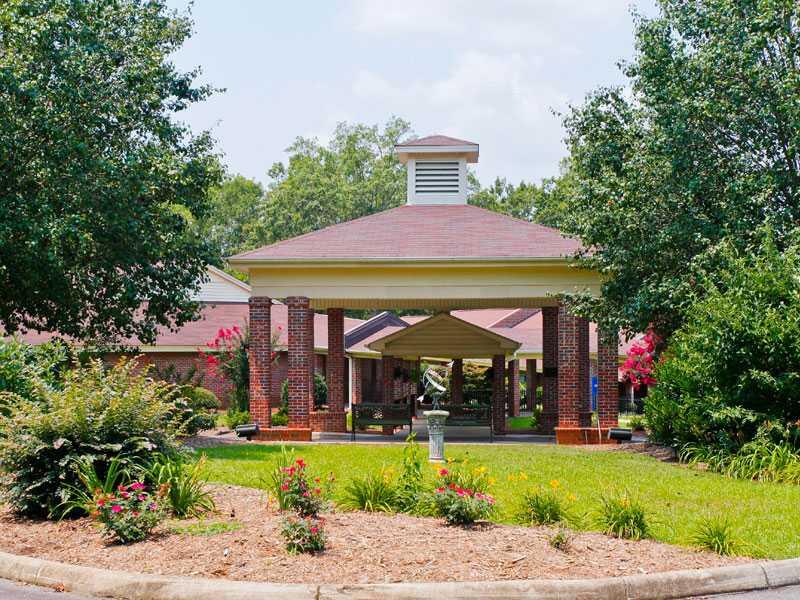
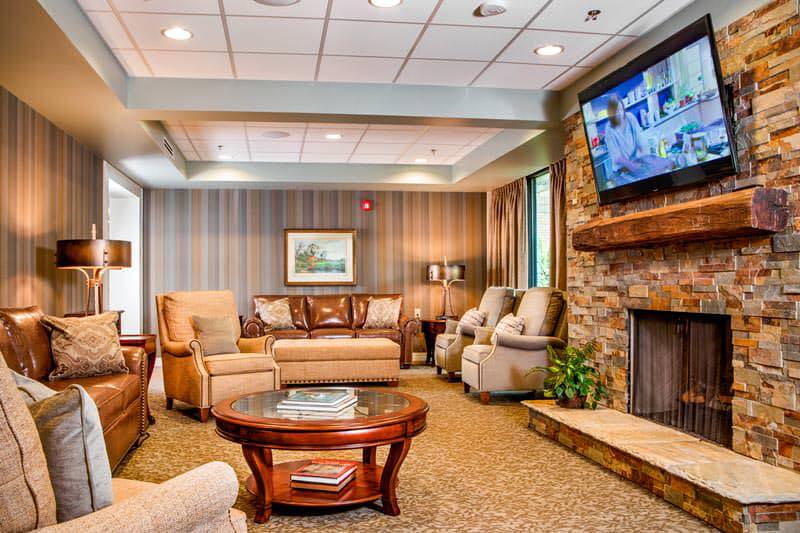
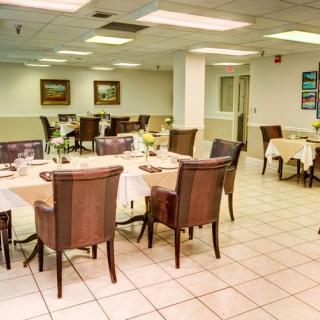
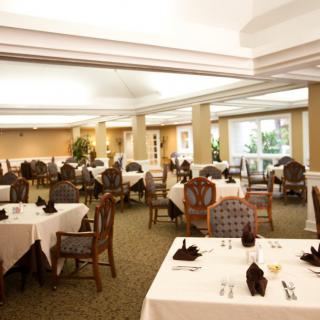
Woodbridge Clinton is best suited for active seniors who want a vibrant, socially rich setting in Clinton, South Carolina. The community leans into engagement, with residents participating in beauty shop appointments, resident meetings, and a lively calendar of clubs, parties, and casual gatherings. On-site amenities, an ice cream parlor, a movie theater, clean and welcoming common areas, help foster daily interaction and a sense of hospitality. For families prioritizing a lively day-to-day rhythm, connection, and easy access to social outlets, Woodbridge delivers. Those seeking a quieter, more clinical environment or a facility focused primarily on medical needs should look at alternatives.
That said, some needs may push families to look elsewhere. A notable caveat centers on memory-care stability and care quality reports. One family described a decline in memory-care activities and overall care amid leadership turnover, paired with poor communications with families. An additional reviewer flagged a dim, uninspiring first impression during a tour, suggesting that initial ambience can vary and may not reflect day-to-day life. Taken together, these signals point to potential gaps in leadership continuity, transparent updates, and specialized programming for memory-care residents. If memory support or consistently proactive family communication is non-negotiable, it’s prudent to compare with communities that emphasize these elements more explicitly.
The positives at Woodbridge Clinton are concrete and meaningful. Staff are repeatedly described as friendly, caring, and attentive, contributing to a warm, welcoming environment. Families note the cleanliness of the campus and the sense that residents are seen and valued. The social ecosystem works in practice: residents engage in activities, socialize in the library or common spaces, and participate in events that foster a sense of belonging. The breadth of on-site programming, beauty services, group activities, and casual outings around the property, helps prevent isolation and supports daily purpose. For residents who thrive on routine, sociability, and readily available amenities, these factors create real everyday quality of life.
Nonetheless, leadership stability and the quality of memory-care experiences remain legitimate concerns for decision-makers to weigh. The most serious red flags cite turnover at the top and lapses in care and communication that can undermine trust over time. While not every family reports such issues, the presence of these experiences suggests that consistency in staffing and clarity about memory-care programming deserve careful verification before admission. An isolated negative impression during a tour also serves as a reminder that the resident experience can vary by unit and shift. Prospective residents should scrutinize management practices, ask pointed questions about how turnover is addressed, and gauge whether current families feel consistently informed.
How the positives stack up against the negatives depends on the resident profile. For age in place with an active social life, Woodbridge Clinton offers a compelling package: engaging activities, plentiful on-site amenities, and a staff persona that families describe as genuinely caring. When memory-care needs are not pressing, these strengths can outweigh concerns about general operations. The presence of a hands-on administrator on site can be a stabilizing factor, translating into more reliable day-to-day responsiveness if it holds. The practical takeaway is that the community can deliver a high-quality, fulfilling lifestyle when staffing remains steady, memory-care programming stays active, and open, regular family communication is maintained.
Decision guidance: Woodbridge Clinton stands as a solid, practical choice for families prioritizing social engagement, responsive staff, and attractive on-site amenities. It is less ideal for families requiring rigorous memory-care oversight or for those who cannot tolerate reports of leadership turnover and variable communication. Prospective buyers should insist on current staffing patterns, request a detailed explanation of the memory-care program’s activity schedule, and seek concrete examples of how families receive updates. Schedule multiple visits at different times, speak with frontline caregivers, and probe how meals, activities, and outings are structured across living options. When these checks align, Woodbridge Clinton offers a dependable, gratifying home that supports independence, connection, and daily purpose without sacrificing warmth.
 Assisted Living
 Independent Living
 Memory Care
 Cats allowed
 Dogs allowed
 Activities on-site
 Air-conditioning
 Beautician on-site
 Devotional services on-site
 Indoor common areas
 Outdoor common areas
 Respite or short term stays offered
 Wi-Fi/high-speed internet available
 Ambulatory care
 Diabetic care
 High acuity care
 Incontinence care
 Medication management
 Meals provided
 Day trips and outings
 Educational speakers / life long learning
 Intergenerational programs
 Live well programs
 Montessori programs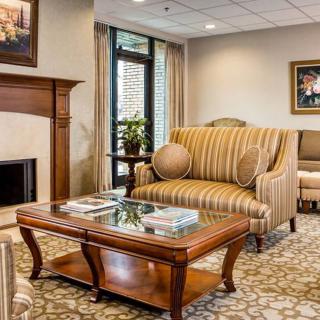



 Nourishing the Mind: Essential Dietary Approaches for Dementia
 Understanding Dementia Behaviors: Practical Insights and Strategies for Caregivers
 When Dementia Sparks Anger and Aggression: Understanding the Connection and Ways to Cope