



123 Armistice Blvd, Pawtucket, RI 02860
To contact a resident: (401) 725-2400
For more information about senior living options: (866) 208-4318
Darlington Assisted Living Centers Costs & Pricing
Darlington Assisted Living Centers offers competitive pricing compared to the broader market in Providence County and the state of Rhode Island. For a semi-private room, residents can expect to pay $3,000 per month, which is significantly lower than the county average of $4,241 and the state average of $4,389. Similarly, the cost for a studio at Darlington is $3,700, which remains well below the county's rate of $3,847 and the state's pricing at $4,015. This makes Darlington an appealing option for families seeking quality assisted living care without the inflated costs commonly found in the area.
| Floor plans | Darlington Assisted Living Centers | Providence County | Rhode Island |
|---|---|---|---|
| Semi-Private | $3,000 | $4,241 | $4,389 |
| Studio | $3,700 | $3,847 | $4,015 |
Assisted Living communities with a similar price nearby
-
from +$250 / mo
Commonwealth House Assisted Living
$3,250 to $4,000 / month13.5 miles away -
from +$200 / mo
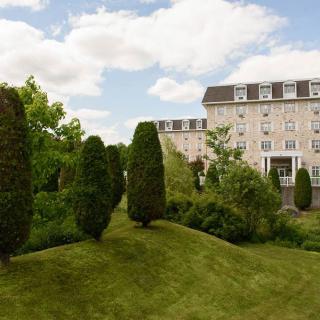
The Bridge At Cherry Hill
$3,200 to $4,950 / month6.4 miles away -
from +$150 / mo

The Branches of North Attleboro
$3,150 / month7.3 miles away -
About the same
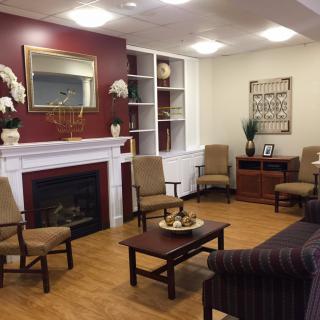
Prosper at Fall River
$2,995 to $3,350 / month16.6 miles away -
from +$395 / mo

Atria Lincoln Place
$3,395 to $6,595 / month7.0 miles away
Overall Review of Darlington Assisted Living Centers
Pros
 The staff are very pleasant.
- They had a great tour experience at Darlington, and the staff followed up with them.
- The brother is doing well since moving into Darlington, and the staff know him and treat him like family.
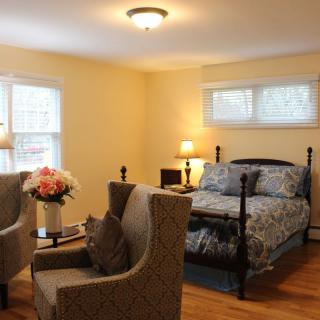
- Before he moved in, his room was repainted and new furniture was provided.
- He stays active and enjoys going out on the bus to stores in the area.
- The two facilities visited were very nice and clean, and the director was very helpful.
- The tour was professionally done and very informative.
Cons
 The facility is described as the worst place for people, with bed bugs reported in a resident’s room.
- The directors and nurses do nothing to address problems.
- The admin is horrendous and focused on money; calls and emails go unanswered and appointments are not honored.
- The facility is unclean and has had bedbugs in the past; it is unsafe for residents with mobility issues due to stairs and no ramps, with insufficient staff.
- They were pushy about payments and had poor communication, not caring for loved ones as expected.
- Medications were changed without informed consent, leading to hospital visits, and management was unresponsive; memory care was pushed on someone who may not have needed it.
Review
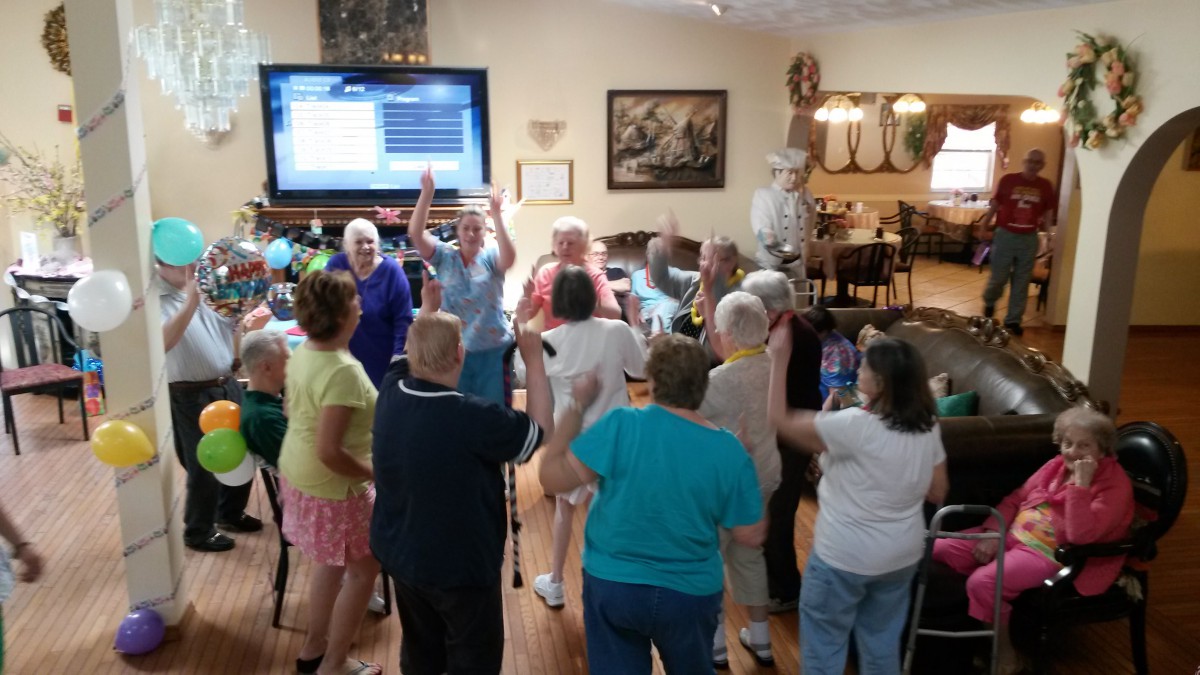
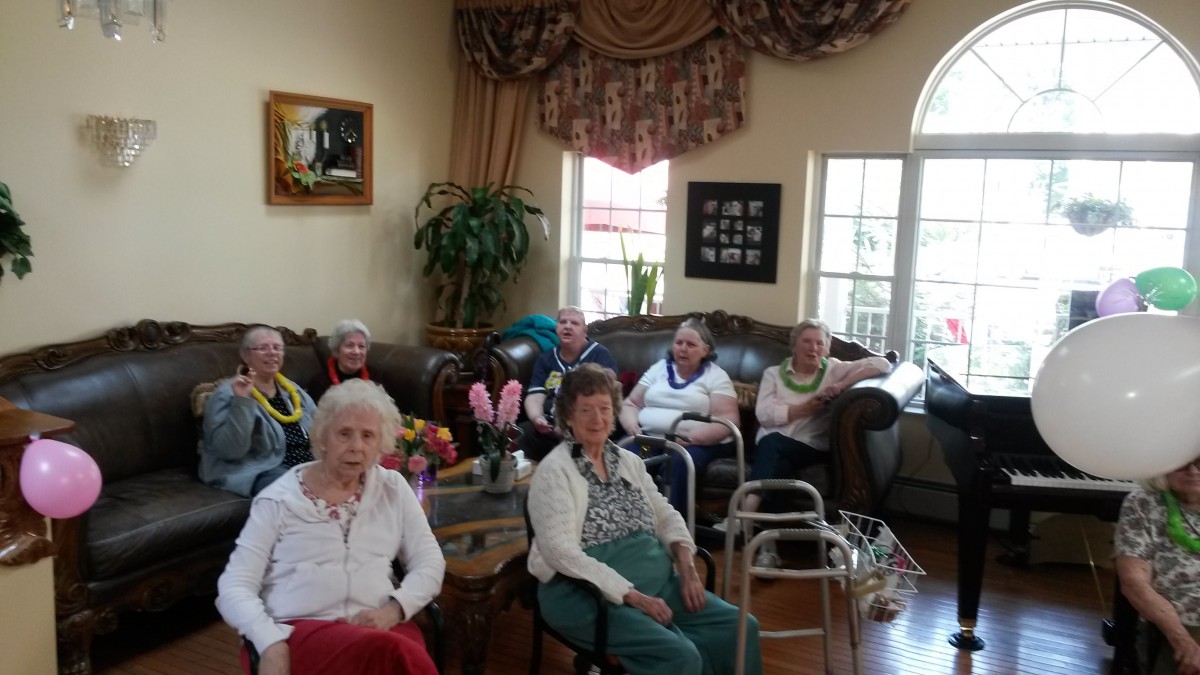
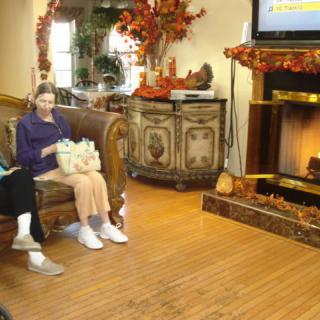
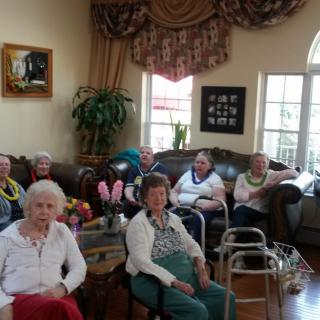
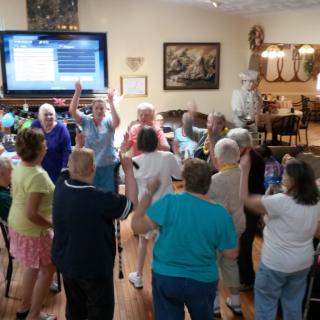
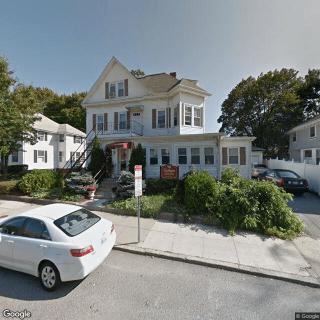
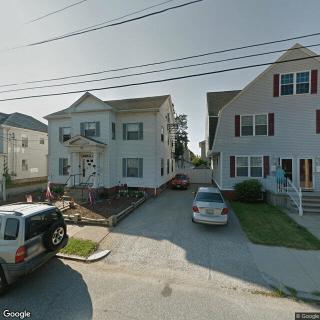
Darlington Assisted Living Centers in Pawtucket is best suited for families seeking a small, home-like atmosphere where staff interactions feel personal and residents are spoken to with warmth. The setting leans into charm, not clinical polish: an older Victorian-style property that delivers a sense of belonging through friendly conversations, occasional room updates, and bus outings that keep residents connected with the neighborhood. For care coordination and a comforting, family-like vibe to be the priority, and for families willing to actively monitor day-to-day operations and safety, this community can be a workable match.
That said, this is not the right choice for those who require flawless administration, impeccable cleanliness, and unwavering safety measures without persistent oversight. Mobility needs are a critical factor: the building relies on stairs in multiple areas and offers no ramps, with too few staff to reliably assist residents with transfers or navigate stairs safely. Cleanliness and pest control have surfaced as recurring concerns in reviews. Administratively, there are frequent reports of unreturned calls, missed appointments, and a sense that financial considerations sometimes outrun resident welfare. Those weighing memory care carefully should note the pattern of pressure to move toward memory care, which may not align with a resident’s actual needs.
On the plus side, several reviews highlight staff warmth and genuine, familiar interactions. Some caregivers know residents by name, engage them as if family, and demonstrate a level of attentiveness that can meaningfully improve daily life. Tour experiences have been described as positive, with timely follow-up that suggests a responsive, personable front line. In the right match, such personal attention can significantly uplift mood, engagement, and perceived quality of life, particularly when medical coordination remains reasonably responsive in the best cases. The physical environment’s intimate scale and the effort to refresh rooms also contribute to a sense of care and respect for residents.
The downsides are substantial enough to tilt risk for many families. Bed bugs and past cleanliness issues signal ongoing housekeeping gaps that could compromise comfort and health. Administrative communication problems, delayed responses, broken appointment schedules, erode trust and complicate care planning. Safety concerns stem from architectural design and staffing shortages, making it difficult to provide consistent supervision for mobility-impaired residents. Medication management has at times been mishandled, including adjustments made without family knowledge or consent, resulting in hospital visits and disruption. The push toward memory care, when not clearly warranted, further complicates decisions about whether this is the right long-term home.
Prospective families should come armed with a practical checklist. Demand a current plan for accessibility improvements and a clear process for handling mobility aids and safety features. Obtain a transparent medication-management policy and verify staffing levels, turnover, and shift coverage. Speak with multiple caregivers about daily routines for residents with mobility issues, and solicit candid impressions from current residents or their families about consistency and reliability of care. If possible, propose a trial period to observe firsthand how requests are managed and how safety supervision is executed. Prepare to press for concrete timelines on safety upgrades and housekeeping improvements before committing.
Verdict: Darlington Assisted Living Centers can deliver genuine warmth and a homelike daily rhythm for residents who can tolerate, and actively participate in, fluctuations in administrative responsiveness and safety oversight. For families prioritizing spotless cleanliness, flawless safety protocols, and consistently proactive governance, alternatives are strongly advisable. The decision hinges on balancing the appeal of personal attention and intimate surroundings against clear risks around safety, medication management, and administrative reliability. If those risks feel unacceptable, the prudent course is to explore other local options in the Pawtucket area that offer stronger guarantees on safety, accessibility, and steady governance.
 Assisted Living
 Activities on-site
 Air-conditioning
 Bath tubs
 Beautician on-site
 Cable or satellite TV
 Devotional services off-site
 Indoor common areas
 Outdoor common areas
 Respite or short term stays offered
 Wheelchair accessible showers
 Wi-Fi/high-speed internet available
 Theodore F Green State (11 miles away)
 Ambulatory care
 Diabetic care
 Incontinence care
 Medication management
 Gluten-free
 Art classes
 Catholic services
 Cooking classes
 Day trips and outings
 Happy hour
 Karaoke
 Live dance or theater performances
 Live musical performances
 Stretching classes
 Wine tasting
 A Detailed Exploration of Assisted Living Medicaid Waivers Across the United States
 Comprehensive Residential Support and Assisted Living Solutions for Individuals with Disabilities
 Comprehensive Supportive Living Arrangements for Adults with Disabilities