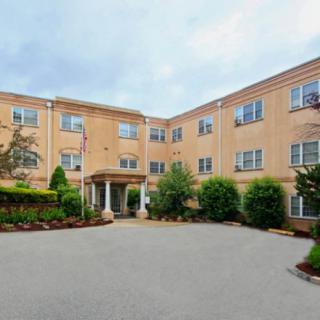



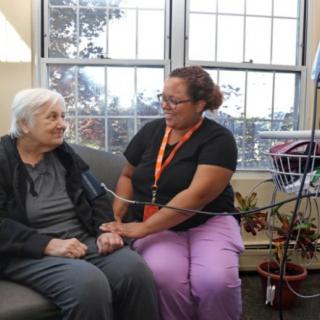
544 Pleasant Street, Pawtucket, RI 02860
For more information about senior living options: (866) 208-4318
Oak Hill Health & Rehabilitation Center Costs & Pricing
At Oak Hill Health & Rehabilitation Center, the monthly costs for care reflect both the quality of services provided and the local market landscape. For semi-private rooms, residents can expect to pay $6,600, significantly higher than the average rates in Providence County at $4,241 and across Rhode Island at $4,389. The pricing for private rooms is similarly elevated at $6,960 compared to the county's average of $5,051 and the state's average of $5,211. These figures highlight Oak Hill's commitment to offering specialized care and amenities that may justify the increased costs in comparison to regional standards.
| Floor plans | Oak Hill Health & Rehabilitation Center | Providence County | Rhode Island |
|---|---|---|---|
| Semi-Private | $6,600 | $4,241 | $4,389 |
| Private | $6,960 | $5,051 | $5,211 |
Skilled Nursing Facilities with a similar price nearby
-
About the same
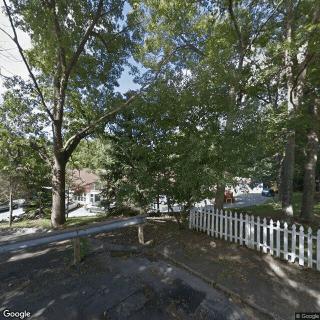
Grandview Center
$6,600 / month3.2 miles away -
About the same

Hellenic Nursing Home-The Aged
$6,570 / month23.9 miles away -
from +$900 / mo

EPOCH Senior Healthcare of Sharon
$7,500 / month21.4 miles away -
from +$900 / mo
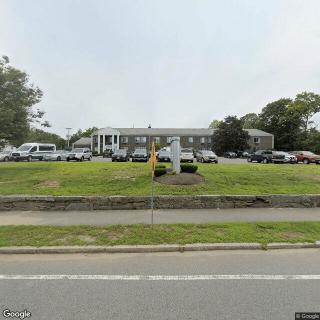
Sachem Center For Health & Rehabilitation
$7,500 / month24.7 miles away -
from +$540 / mo
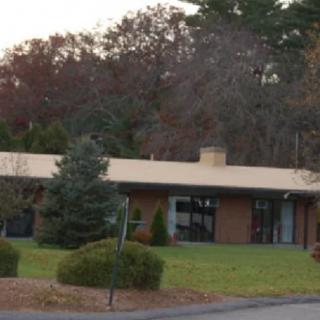
Oakhill Healthcare
$7,140 / month24.3 miles away
Overall Review of Oak Hill Health & Rehabilitation Center
Pros
 The CNAs are nice.
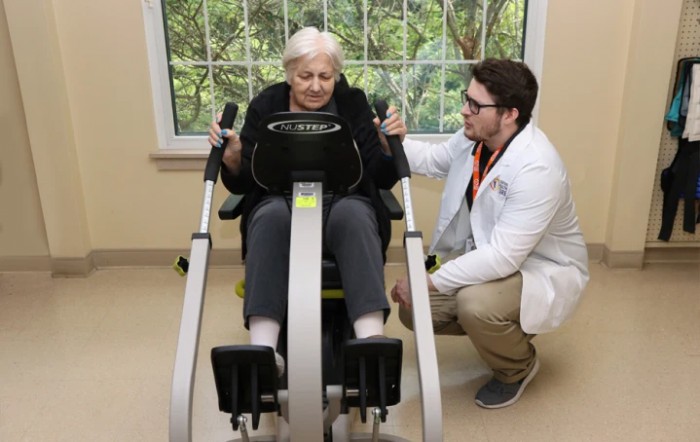
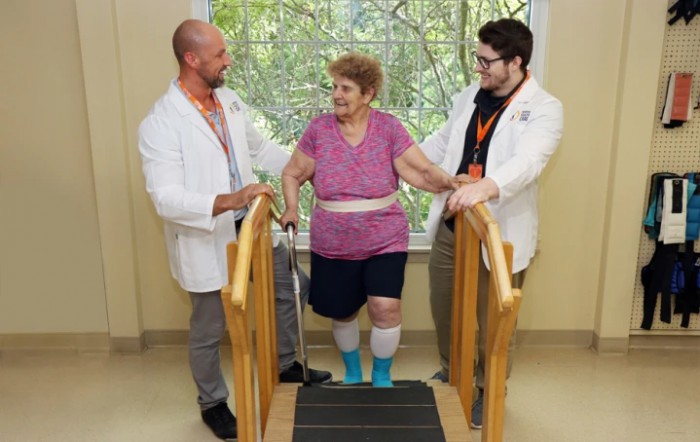
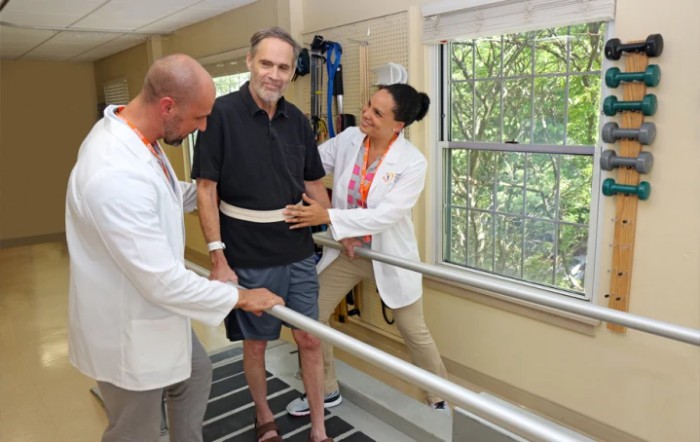
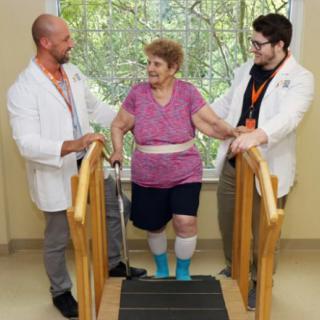
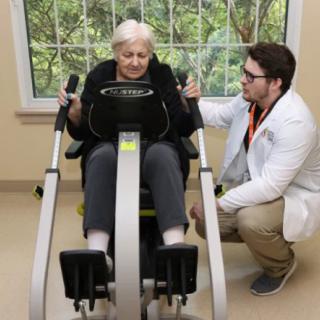
- Physical therapy is great.
- All the staff are great, including nursing and CNAs.
- The place is clean.
- The food is great.
- The environment is nice and clean.
- The center is highly recommended by visitors.
Cons
 The management and the place in general are crap.
- The entire place smells like urine.
- The rehab services are lazy and the facility is going downhill.
- The place is disgusting, with broken equipment, dirty walls, faucets that don’t work, peeling paint, and a urine odor; not recommended.
- It is described as the worst rehab center ever, unsanitary and disorganized, with missing medical records and poor communication.
Review
Oak Hill Health & Rehabilitation Center in Pawtucket, RI is best suited for seniors who need serious rehab-to-home work and who have an active advocate coordinating care. The strongest, most consistent value lies with frontline care, nurses, CNAs, and the physical therapy team, who deliver daily attention and tangible progress in therapy. Families that can engage staff, monitor schedules, and push for clear lines of communication may find this center workable, especially when the goal is return-to-community with ongoing rehab support. In short, Oak Hill rewards persistence and hands-on involvement, and it can be a fit when the demand is for rehab velocity and responsive care at the ground level rather than a perfectly polished operation.
Those who should consider alternatives are families that prize seamless administration, immaculate sanitation, and unambiguous medical management. Repeated concerns about management and organizational gaps signal risk for ongoing frustration. If transparent medication handling, up-to-date medical records, timely communication with family and physicians, and a consistently clean environment are non-negotiables, other facilities may offer greater reliability. For residents with complex medical histories or those requiring meticulous oversight, the variability at Oak Hill could translate into trouble rather than progress.
On the upside, the reviews converge on a core strength: the people delivering direct care. The nursing and CNA staff frequently earn praise for kindness and competence, and physical therapy can be a bright spot with real functional gains. When therapy is aligned with a resident’s goals, and when staff collaborate well with therapists, activity and mobility can improve noticeably. In addition, several accounts describe the facility as a nice, clean space at times, suggesting there is a baseline standard that, with consistent management, could be sustained. These positives create a foundation capable of supporting rehabilitation, social engagement, and daily living tasks.
The most disruptive issues center on management and operational dysfunction. Multiple reviews report a lack of coherent documentation, poor communication with families, and significant gaps in medical oversight, problems that can derail recovery and erode trust. Specific complaints include disorganized paperwork, failure to coordinate with treating doctors, and delays or failures in providing essential medications. In one stark instance, a resident arrived without proper medical engagement and was not given cancer medications for days, exposing a dangerous gap between policy and practice. Sanitation concerns, odors and dirty areas, combined with aging equipment and broken fixtures reinforce the sense that the environment can undermine care when attention shifts away from frontline staff.
The key question becomes whether the identifiable strengths can withstand the drawbacks. Pros such as capable therapy and attentive front-line care can deliver meaningful rehab outcomes, but they are not guaranteed to override systemic weaknesses. If administration becomes responsive, improving documentation, confirming schedules with families promptly, and sustaining a clean, well-maintained facility, the center can realize substantial benefit. However, without reliable oversight, the same strengths risk being isolated anecdotes rather than consistent performance. In practice, Oak Hill works best as a rehab-focused option for those prepared to oversee care closely and intervene when gaps appear.
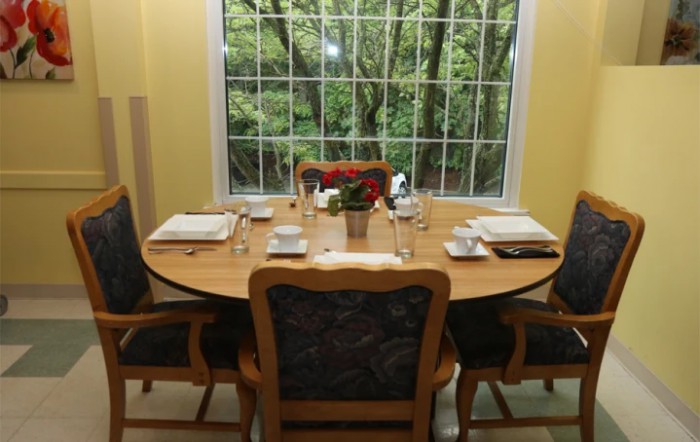
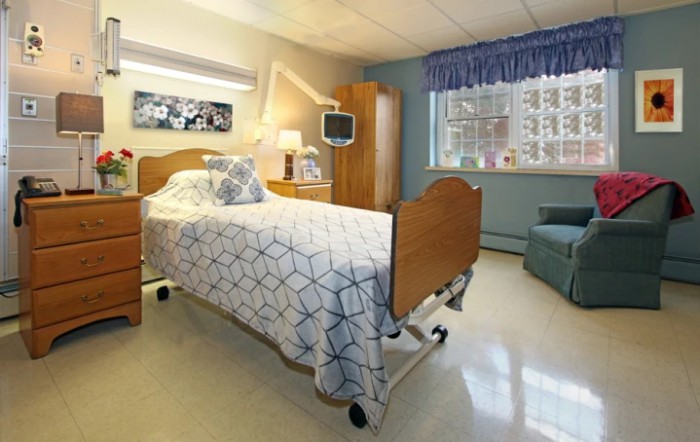
For families making a choice, the practical path is clear: visit with a concrete checklist, speak to the therapy team as well as the administrator, and demand transparent processes before any admission. Ask about intake timelines, medication delivery protocols, and who will document and share updates with family and physicians. Confirm room and dining arrangements, cleanliness standards, and the process for reporting concerns. If the goal is a high-quality rehabilitation experience and a facility you can trust to maintain a clean, well-organized environment, services here can meet that need, but only with steady advocacy and vigilant oversight. If those conditions cannot be assured, alternatives with stronger nonclinical stability deserve priority.
 129 resident community capacity
 Memory Care
 Skilled Nursing Facility
 Cats allowed
 Dogs allowed
 Air-conditioning
 Beauty salon
 Cable or satellite TV
 Computer center
 Dining room
 Fitness room
 Fully furnished
 Gaming room
 Garden
 Housekeeping services
 Kitchenette
 Move-in coordination
 Outdoor space
 Private
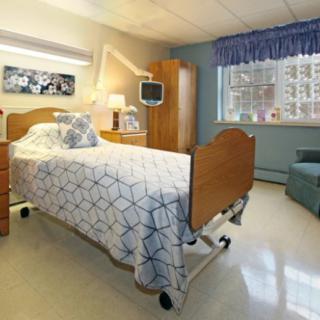
 Private bathrooms
 Restaurant-style dining
 Small library
 Telephone
 Wellness center
 Wi-Fi/high-speed internet available
 Theodore F Green State (10 miles away)
 Community operated transportation
 12-16 hour nursing
 24-hour call system
 Activities of daily living assistance
 Assistance with bathing
 Assistance with dressing
 Assistance with transfers
 Diabetes diet
 Medication management
 Mental wellness program
 Special dietary restrictions
 Concierge services
 Planned day trips



 Understanding Medicaid Coverage for Assisted Living: A Comprehensive Guide
 How and When Medicaid May Cover Assisted Living Costs
 A Detailed Exploration of Assisted Living Medicaid Waivers Across the United States