For more information about senior living options: (866) 208-4318
2.8 from 47 reviews
5 stars
16
4 stars
5
3 stars
0
2 stars
4
1 stars
22
Overall Review of Summit Commons Rehabilitation And Health Care Center
caveat8 reviews mention this
Communication gaps and delayed help
Residents and families describe trouble reaching staff and delayed responses.
Several reviews say staff were hard to reach, including not answering phones, buzzes, or patient call signals. Families also describe limited updates after incidents, so they only found out about problems when they contacted hospitals or the patient directly. A couple of reviews mention waiting a long time for assistance after falls or call-button requests, which contributed to urgency and frustration.
caveat6 reviews mention this
Medication and safety concerns
Multiple reviews raise concerns about medication handling and safety follow-through.
Some residents and family members describe medication issues, including missing blood thinner doses or receiving the wrong medication. Others mention that medical orders were not followed consistently, such as scheduled treatments or monitoring needs. Several reviews also connect safety problems—like falls—with concerns about the precautions in place and how incidents were handled after they occurred.
common13 reviews mention this
Caring staff and therapy support
Many reviews describe kind, responsive staff and strong therapy teams.
A frequent theme in positive reviews is that staff members are caring and helpful, including nurses, CNAs, and front-desk greeters. Multiple reviewers specifically praise physical and occupational therapy teams as engaging and supportive during recovery and rehabilitation. A few residents and families also describe Resident Ambassador involvement as friendly and reassuring during their stay.
caveat3 reviews mention this
Cleanliness varies by review
Reviews are mixed on cleanliness and overall upkeep.
Some reviewers say they found the facility clean and well kept, while others describe the environment as outdated or not clean. A couple of negative reviews use strong language about cleanliness and condition of the facility, which conflicts with the more positive impressions. Because the comments differ, cleanliness seems to be a point where experiences vary.
caveat3 reviews mention this
Food quality earns mixed feedback
Several reviewers comment on food quality and mealtime appeal.
Some reviews criticize meals as unrecognizable or unappealing, including comments about food being lacking or horrible. At the same time, the community is described as offering restaurant-style dining, and specific dietary support is referenced for residents with diabetes and special dietary restrictions. Overall, food seems to be an area where reviews do not fully align.
How we summarize
Counts show how many written reviews mention each theme; a review can touch several themes, and only frequently mentioned themes are displayed.
Features
Housing
146 resident community capacity
Types of Care
Skilled Nursing Facility
Amenities
Air-conditioning
Beauty salon
Cable or satellite TV
Computer center
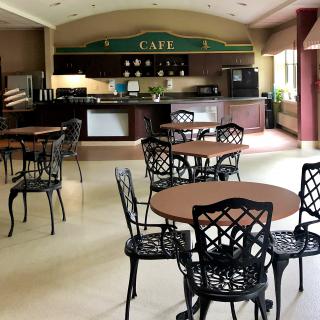
Dining room
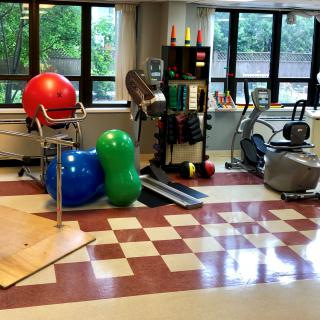
Fitness room
Fully furnished
Gaming room
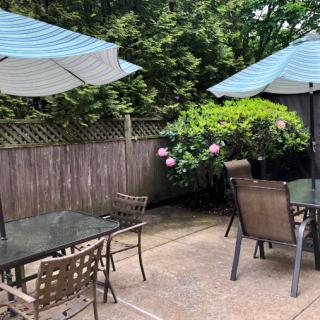
Garden
Housekeeping services
Kitchenette
Move-in coordination
Outdoor space
Private bathrooms
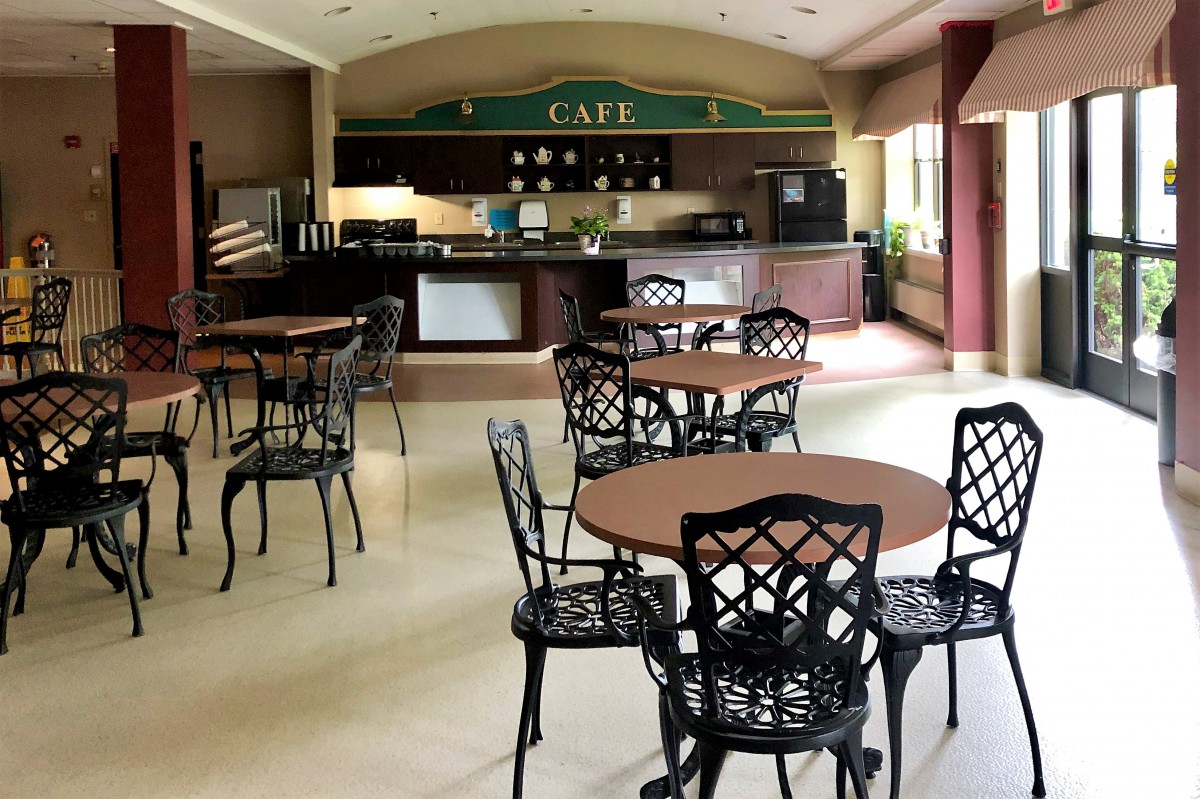
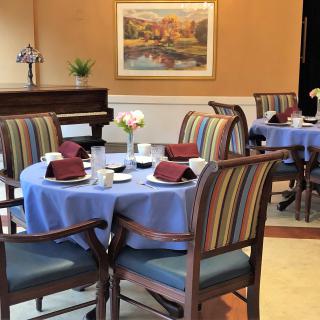
Restaurant-style dining
Small library
Telephone
Wellness center
Wi-Fi/high-speed internet available
Transportation
Theodore F Green State (9 miles away)
Community operated transportation
Transportation arrangement
Transportation arrangement (non-medical)
Transportation to doctors appointments
Care Services
12-16 hour nursing
24-hour call system
24-hour supervision
Activities of daily living assistance
Assistance with bathing
Assistance with dressing
Assistance with transfers
Diabetes diet
Meal preparation and service
Medication management
Mental wellness program
Special dietary restrictions
Dining
Diabetes diet
Special dietary restrictions
Activities
Community-sponsored activities
Concierge services
Fitness programs
Planned day trips
Resident-run activities
Scheduled daily activities
Nearby Places of Interest
Parks
Lippitt Memorial Park (0.2 miles)
Blackstone Boulevard (1.6 miles)
Blackstone Park (1.8 miles)
Roger Williams National Monument (1.9 miles)
Waterman St Dog Park (2.1 miles)
Gano Park (2.3 miles)
India Point Park (2.6 miles)
Restaurants
Gregg's Restaurants (0.2 miles)
Pho Horn's (0.4 miles)
Seven Stars Bakery (0.5 miles)
Rebelle Artisan Bagels (1.3 miles)
McDonald's (1.4 miles)
Knead Doughnuts (1.5 miles)
Snookers (1.6 miles)
Hospitals
Miriam Hospital - Infection, Disease, & Immunology Center (0.5 miles)
Providence VA Medical Center (2.6 miles)
Hasbro Children's Hospital (3.2 miles)
Women and Infants Laboratory (3.3 miles)
Pharmacies
CVS Pharmacy (0.5 miles)
Walgreens (0.5 miles)
CVS Pharmacy (0.8 miles)
East Side Wine and Spirits (0.9 miles)
Green Line Apothecary (0.9 miles)
Lifespan Pharmacy-Corliss St (1.3 miles)
Walgreens (1.8 miles)
Physicians
University Orthopedics (0.9 miles)
Anchor Medical (1.3 miles)
Ocean Orthopedic Services (1.5 miles)
Southern New England Retina Associates PC (1.6 miles)
Malik Amer Dr New University Medical Group Providence (2.5 miles)
Findley John K MD - Roger Williams Medical Center (2.5 miles)
The LASIK Vision Institute (2.6 miles)
Cafes
Providence Bagel (1.3 miles)
Starbucks (1.6 miles)
Starbucks (1.8 miles)
Bolt Coffee (2.1 miles)
Seven Stars Bakery (2.3 miles)
Bolt Coffee (2.4 miles)
Daves Coffee (2.5 miles)
Transportation
Providence Station - MBTA & Amtrak (PVD) (2.1 miles)
Theaters
Providence Place Showcase IMAX Theaters (2.3 miles)
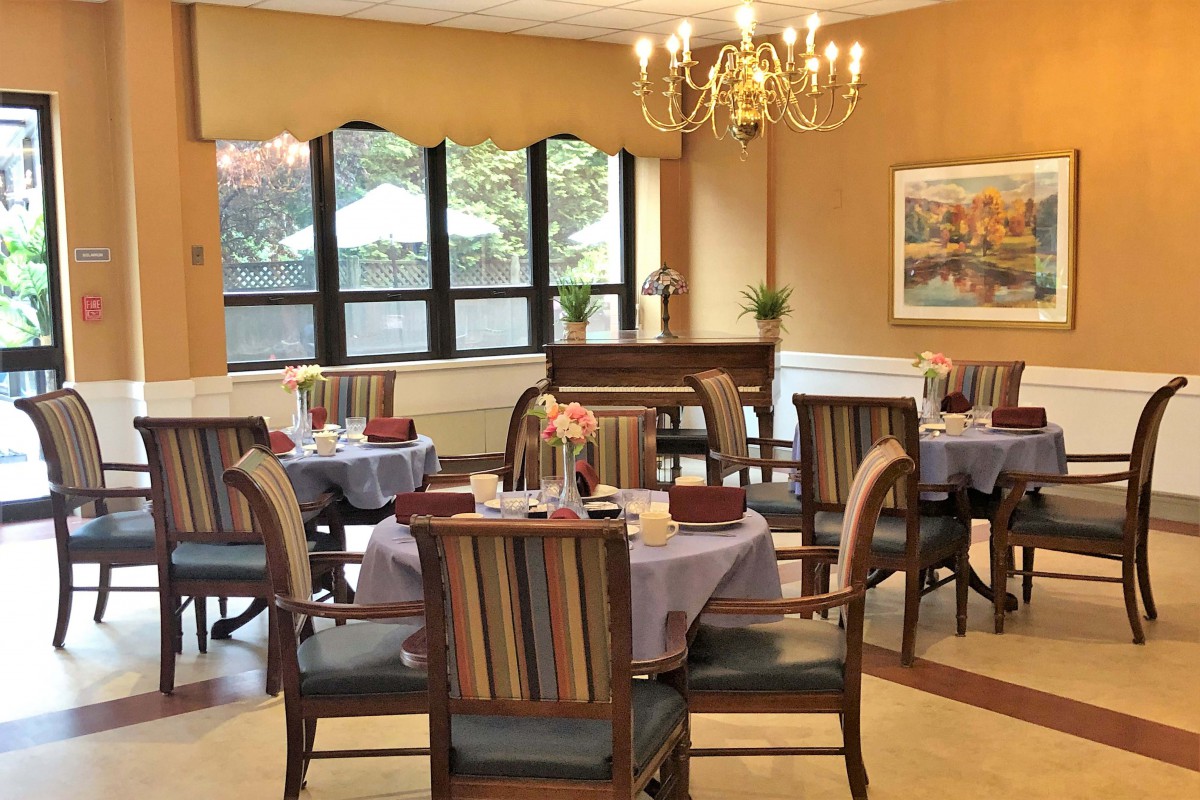
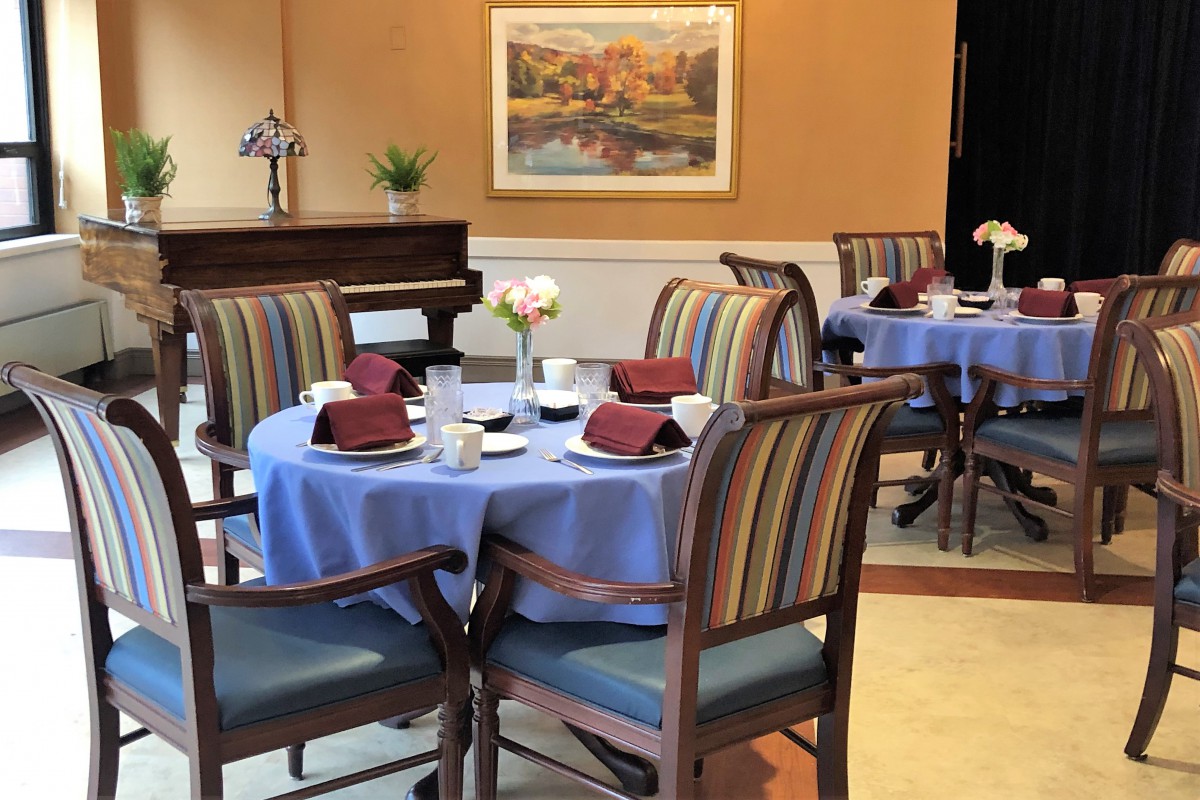
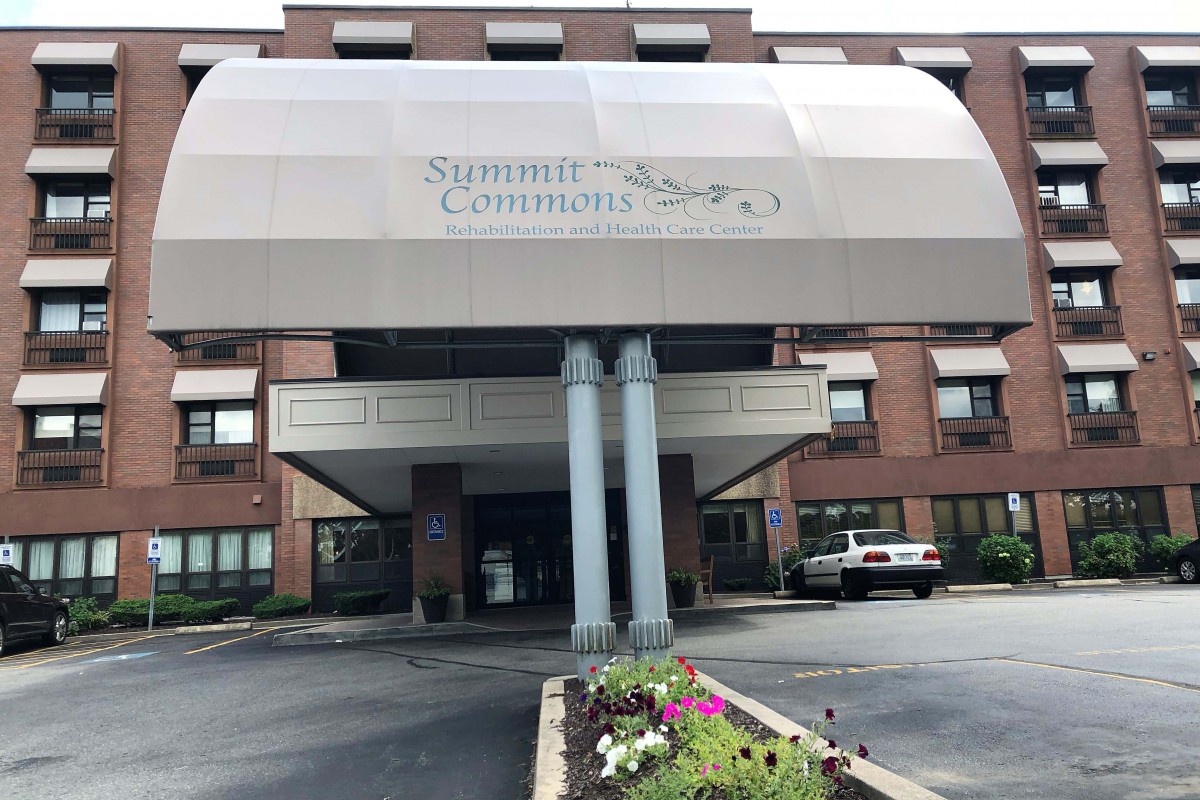
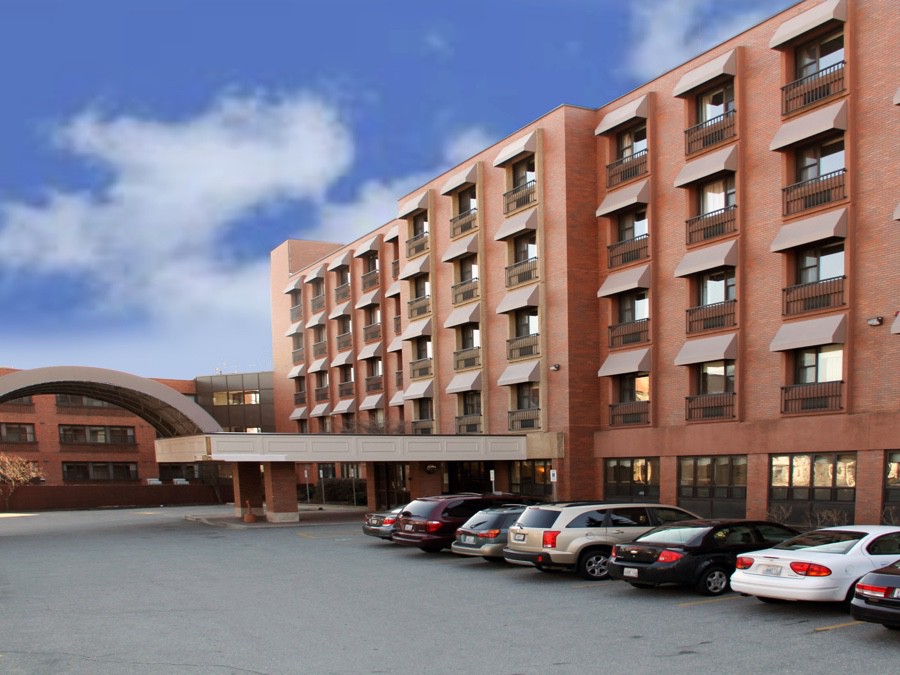
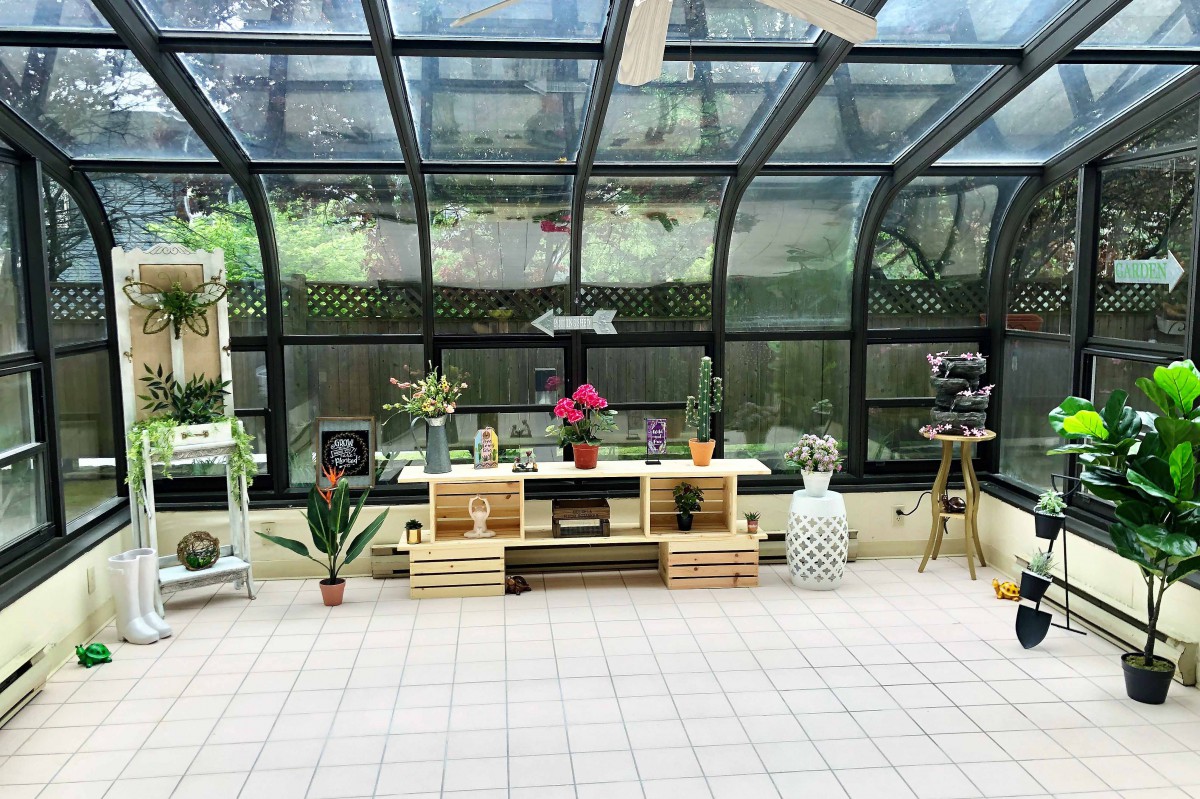
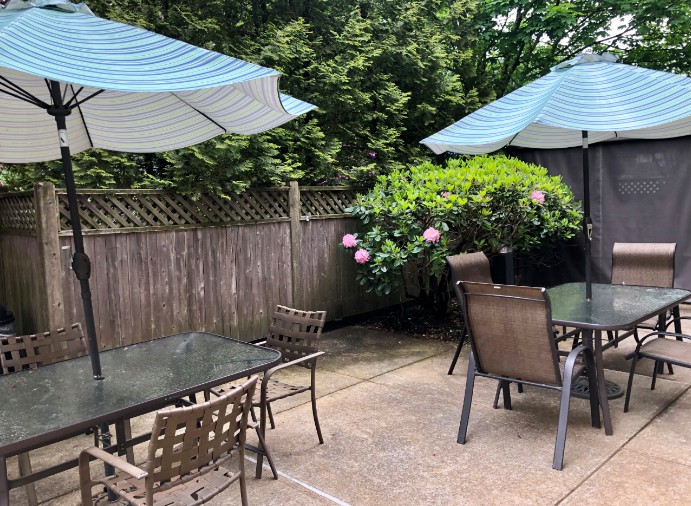
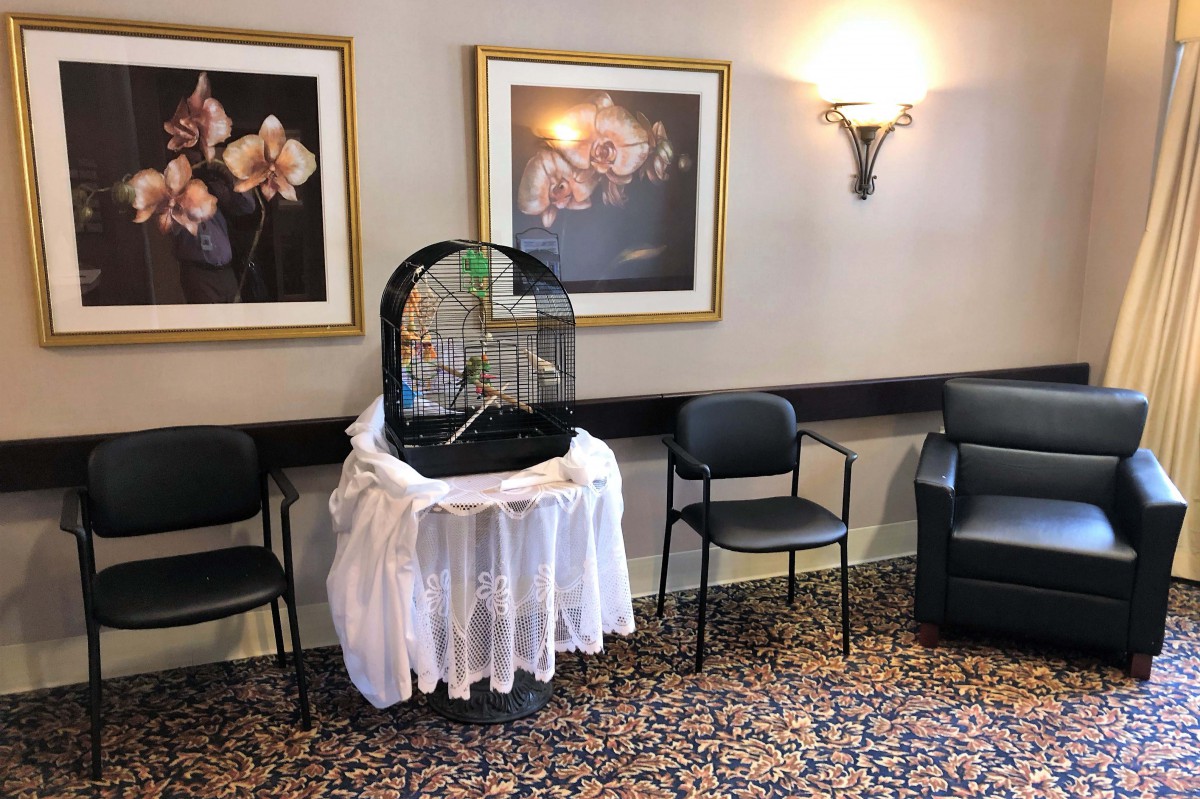
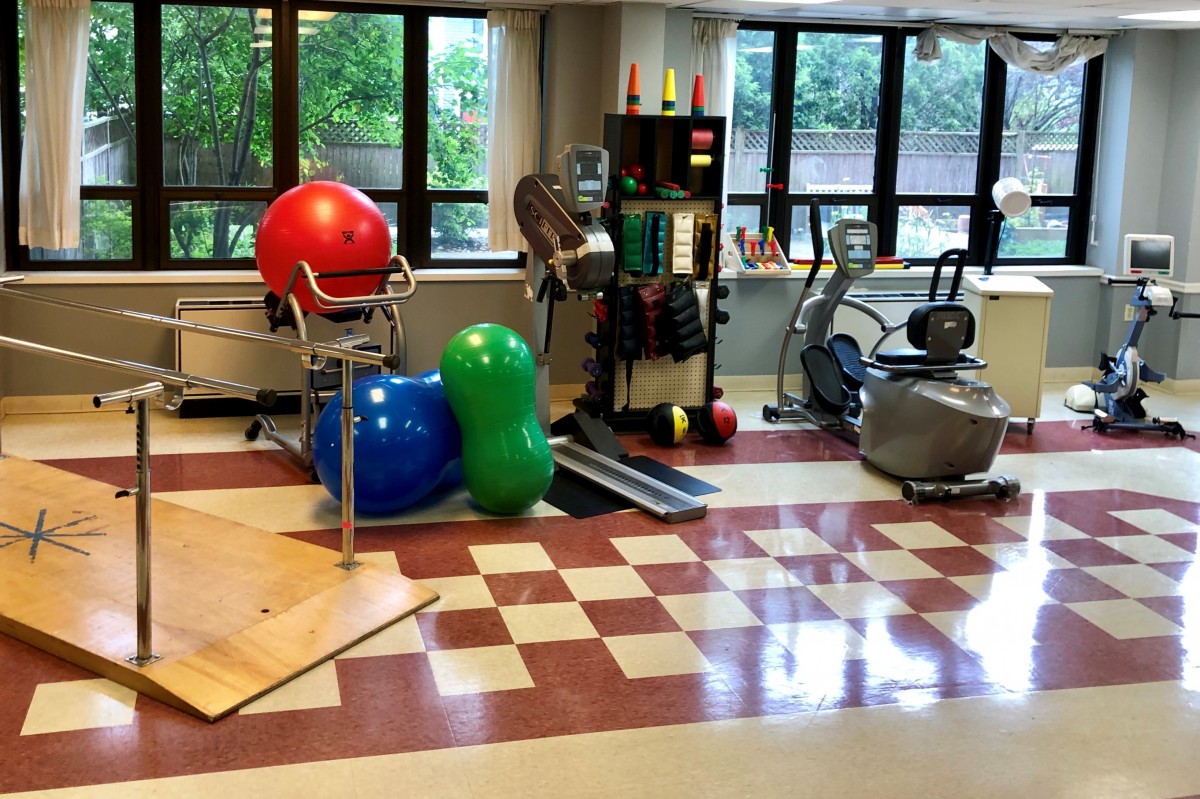
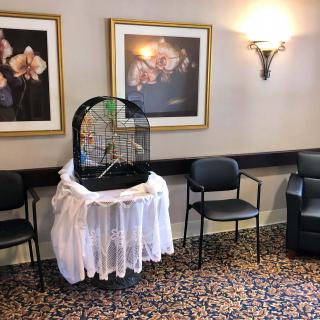
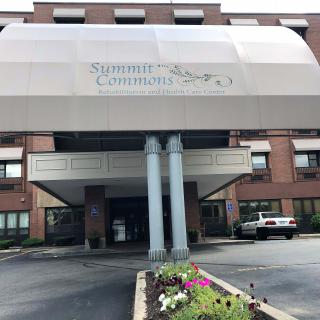
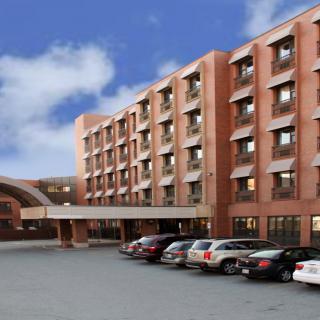
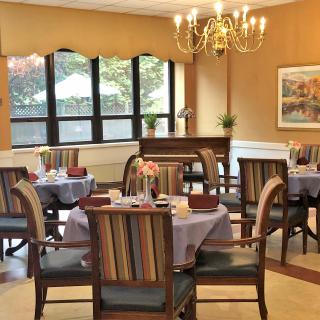
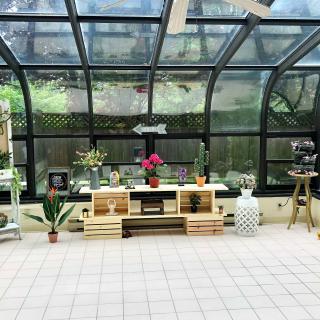
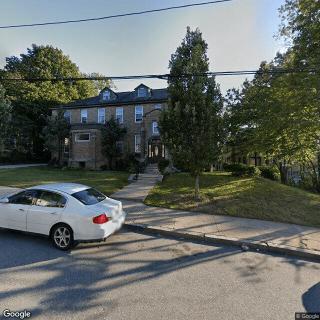
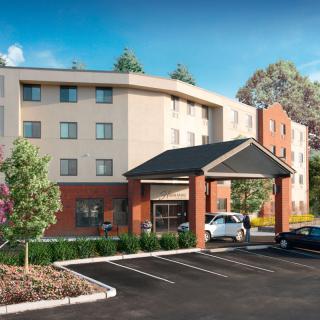
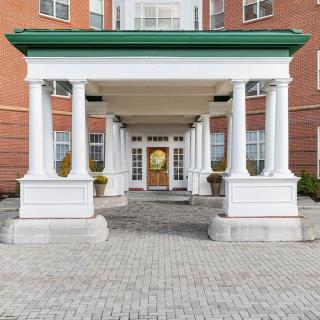
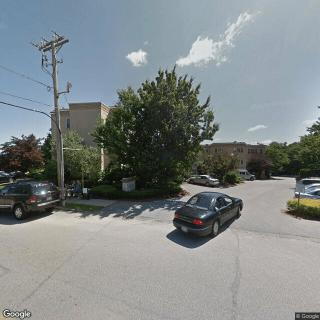
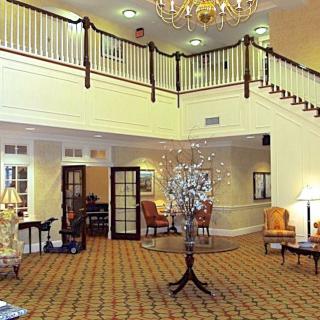
Summit Commons Rehabilitation And Health Care Center on seniors.fyi includes 9 photos including images showing interior, dining, windows, building, garden, brick exterior, wall art, landscaping, and more.
Nearby Communities
Summit Commons
Providence, RI
2.8 from 41 reviews
Rehabilitation services are commendable.
Sunrise House
Providence, RI
3.8 from 6 reviews
Warm, homelike assisted living with personalized care and meals.
Brick Manor Residential Care
Providence, RI
$2,500 to $3,000 / month
Competitive, affordable pricing in the area.
Highlands On The East Side
Providence, RI
4.2 from 52 reviews
$3,500 to $5,785 / month
Caring, hands-on staff with engaging activities and a welcoming, family-like environment plus spacious rooms and accessible amenities.
Summit & Pavilion
Providence, RI
2.7 from 44 reviews
Nurse Case Manager advocated for alternative care and ensured regular essential visits.
Jeanne Jugan Residence
Pawtucket, RI
5 from 1 review
Vibrant activity program with outings and social spaces.
Wingate Residences on Blackstone Boulevard
Providence, RI
4.5 from 83 reviews
$3,750 to $6,995 / month
Strong memory care with attentive staff, engaging activities, and well-maintained grounds.
Oak Hill Health & Rehabilitation Center
Pawtucket, RI
3.4 from 15 reviews
$6,600 to $6,960 / month
Helpful staff and semi-private rooms.
Laurelmead Cooperative
Providence, RI
4.4 from 52 reviews
$2,022 to $3,600 / month
Vibrant, resident-owned community with diverse activities and a welcoming atmosphere.
The article highlights the high risk of falls among older adults due to factors like muscle weakness, vision issues, and environmental hazards, with one in four experiencing a fall annually. It advocates for a comprehensive prevention approach that includes exercise, home safety modifications, medication management, social support, and caregiver involvement.
Elder law attorneys assist older adults and their families with legal matters such as estate planning, Medicaid eligibility, and guardianships, while also providing protection against elder abuse. They help navigate complex regulations to safeguard financial resources, ensure well-being, and maintain autonomy for seniors.
Caregiving for an aging parent entails emotional and financial responsibilities accompanied by significant tax implications, including potential benefits from claiming them as dependents and deductions for medical expenses and caregiving costs. Caregivers must understand eligibility requirements, maintain thorough documentation, and consider consulting a tax professional to navigate these complexities effectively.
Summit Commons Rehabilitation And Health Care Center photos
×
Interior
Decor
Building
Architecture
Windows
Dining
Garden
Chandelier
Nature
Interior
Decor, Painting, and Piano
Dining
Landscaping, Entrance, Awning, and Brick Exterior
Windows
Building
Architecture, Exterior, and Parking
Kitchen
Garden, Outdoor, Patio, and Umbrellas
Chandelier
Exercise Equipment, Gym, and Fitness Room
Wall Art
Nature, Potted Plants, Sunroom, and Indoor Garden
Get PricingAsk A QuestionSchedule A TourContact Senior Advisor
By clicking submit, you agree to our Partner's Terms of Use. You
also consent to receive calls and texts, which may be autodialed, from our Partner. Your consent is not a condition to
using our Partner's service. Please visit our Partner's Privacy Policy for information about their privacy practices.

 146 resident community capacity
 Skilled Nursing Facility
 Air-conditioning
 Beauty salon
 Cable or satellite TV
 Computer center
 Dining room
 Fitness room
 Fully furnished
 Gaming room
 Garden
 Housekeeping services
 Kitchenette
 Move-in coordination
 Outdoor space
 Private bathrooms
 Restaurant-style dining
 Small library
 Telephone
 Wellness center
 Wi-Fi/high-speed internet available
 Theodore F Green State (9 miles away)
 Community operated transportation
 12-16 hour nursing
 24-hour call system
 Activities of daily living assistance
 Assistance with bathing
 Assistance with dressing
 Assistance with transfers
 Diabetes diet
 Medication management
 Mental wellness program
 Special dietary restrictions
 Concierge services
 Planned day trips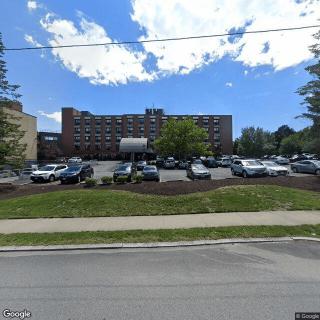
 Rehabilitation services are commendable.
 Comprehensive Insights and Practical Strategies to Help Older Adults Avoid Falls
 6 Crucial Ways an Elder Law Attorney Assists Families
 Navigating the Tax Landscape of Caregiving: Credits, Deductions, and Beyond