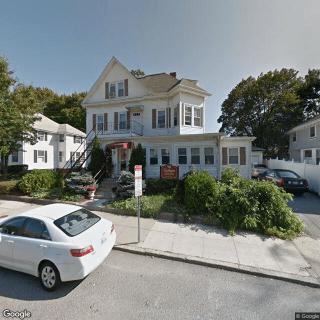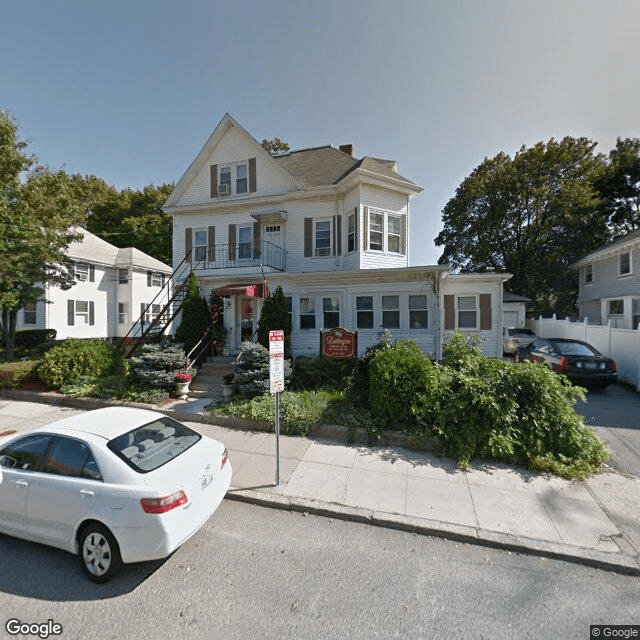
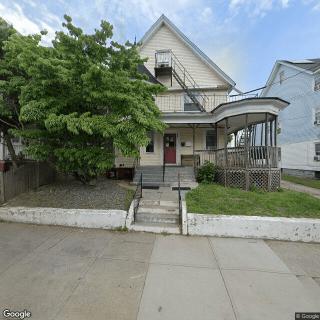
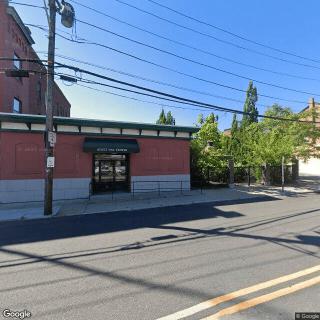
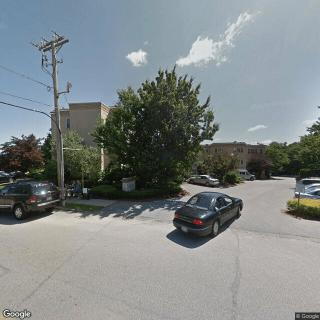
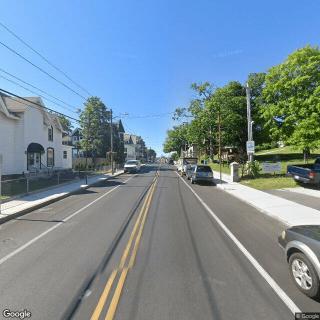
56 Maynard St, Pawtucket, RI 02860
To contact a resident: (401) 725-0700
For more information about senior living options: (866) 208-4318
Darlington Assisted Living Ctr Costs & Pricing
At Darlington Assisted Living Center, residents can expect to find competitive pricing compared to both Providence County and the broader state of Rhode Island. For a semi-private room, the cost is $2,800 per month, which significantly undercuts the average rates in Providence County at $4,241 and statewide at $4,389. Similarly, for those seeking a more private living arrangement, the studio option is priced at $3,800 - still favorable when contrasted with the local county rate of $3,847 and the state average of $4,015. These pricing structures reflect Darlington's commitment to providing accessible assisted living options while ensuring quality care for its residents.
| Floor plans | Darlington Assisted Living Ctr | Providence County | Rhode Island |
|---|---|---|---|
| Semi-Private | $2,800 | $4,241 | $4,389 |
| Studio | $3,800 | $3,847 | $4,015 |
Assisted Living communities with a similar price nearby
-
from +$450 / mo
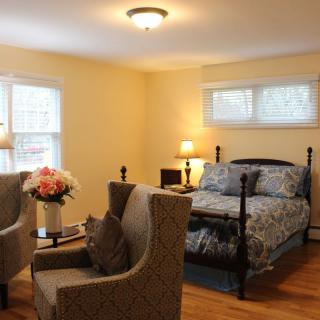
Commonwealth House Assisted Living
$3,250 to $4,000 / month13.2 miles away -
from +$400 / mo
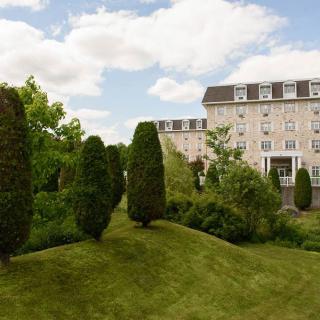
The Bridge At Cherry Hill
$3,200 to $4,950 / month6.1 miles away -
from +$350 / mo
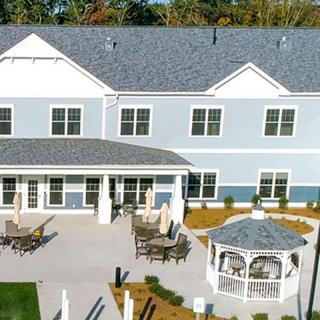
The Branches of North Attleboro
$3,150 / month7.6 miles away -
from +$195 / mo
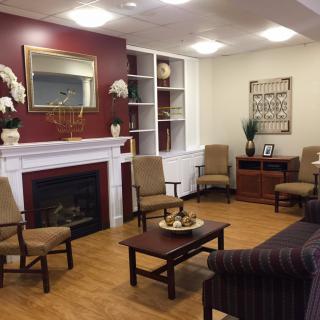
Prosper at Fall River
$2,995 to $3,350 / month16.6 miles away -
from -$445 / mo
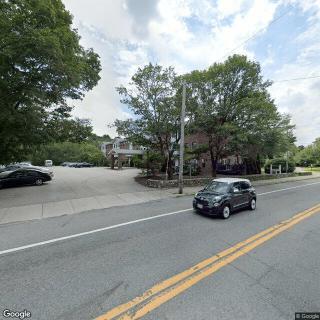
Wyndemere Woods
$2,355 to $2,755 / month10.3 miles away
Overall Review of Darlington Assisted Living Ctr
Pros
 The staff are very pleasant.
Cons
 It is the worst place for people.
- Someone they know has bed bugs in their room.
- The directors and nurses do not do anything.
Review
Darlington Assisted Living Center in Pawtucket is best suited for seniors who prize a warm, personable on-site staff and a socially engaged living environment, and who can operate with light-to-moderate care needs without requiring constant, hands-on medical oversight. Families should expect a facility where frontline caregivers interact in a friendly, approachable way, creating a sense of daily companionship that can help residents feel connected and cared for. Those who value straightforward day-to-day responsiveness from aides and a welcoming atmosphere will find the feel of this community aligns with their expectations. Location and routine amenities tend to support consistent participation in activities and visits, making it a practical choice for residents who do not require heavy clinical management.
Yet there are clear signals that warrant careful consideration. Families whose standards include a pristine, pest-free environment and proactive, decisive leadership should assess other options. A few reviews describe serious pest concerns, including bed bugs, combined with a perception that directors and nursing leadership do not take timely corrective action. That combination can sow anxiety for residents and families alike, and it raises questions about accountability, remediation speed, and ongoing prevention. In short, the presence of infestation concerns and perceived leadership gaps makes this community a more complex choice for those who demand rigorous, transparent issue resolution.
The strongest asset lies in the day-to-day warmth of the staff. When the frontline team is described as very pleasant, it signals a staff culture focused on courtesy, approachable communication, and resident comfort. That dynamic can translate to smoother mornings, more personalized assistance with routine tasks, and a general sense of being valued. For residents who thrive on regular social interaction and help navigating daily activities, this can be a meaningful differentiator. The question, however, is whether that positive interaction can compensate for the more troubling gaps in environmental safety and management responsiveness that have been raised by other residents.
Where the negatives bite, the impact is more than cosmetic. A bed bug issue is not merely an inconvenience; it elevates concerns about sleep quality, skin irritation, and the emotional toll of having to share a space under a pest control cloud. When coupled with reports that leadership does not act promptly to address complaints, the overall sense of security can erode. Families must weigh the comfort of personable staff against the risk of recurring infestations and slow remediation. In this calculus, the main cons do not dissipate with better attitudes at the front desk; they demand concrete, verifiable action from the administration and sustained pest-management discipline.
From a decision-making standpoint, proactive verification is essential. Prospective residents should request current pest-control schedules, treatment histories, and a transparent remediation plan with timelines. Ask for a direct conversation with the administrator about how infestations are tracked, how residents are notified, and what contingencies exist if an issue flares up. In addition, observe how staff respond to a residentā€™s concern during a tour, and probe whether there is clear escalation for medical or safety worries. Sorting out these factors during a visit will reveal whether the pleasant demeanor of frontline caregivers can coexist with robust, accountable leadership.
In the end, Darlington Assisted Living Center presents a practical option for families who value companionship and approachable staff while managing an acceptance of potential environmental and management challenges. If the priority is a warm, neighborly daily experience and the care needs are not extensive, this community can deliver meaningful quality of life. However, for families prioritizing immaculate pest control, decisive, visible leadership, and consistently rapid problem-solving, alternatives with stronger assurances on environmental safety and administrative responsiveness should be pursued. The facility warrants careful due diligence, and a disciplined, in-person assessment is essential before any commitment.
 Assisted Living
 Cats allowed
 Dogs allowed
 Activities off-site
 Beautician on-site
 Devotional services off-site
 Indoor common areas
 Outdoor common areas
 Respite or short term stays offered
 Theodore F Green State (11 miles away)
 Ambulatory care
 Incontinence care
 Medication management
 Meals provided

 Beyond the Bingo Hall: 50+ Enriching Activities for Seniors in Assisted Living
 Understanding the Distinctions: Assisted Living and Memory Care Explained
 Guiding Elderly Parents Who Refuse Assisted Living: 6 Practical Steps