Darlington Assisted Living Center No 1

123 Armistice Boulevard, Pawtucket, RI 02860

For more information about senior living options: (844) 490-3973

3 from 4 reviews
5 stars
1
4 stars
1
3 stars
0
2 stars
1
1 stars
1

Assisted Living

What level of care are you interested in?

Assisted Living

Memory Care

Independent Living

Skilled Nursing Facility

Continuing Care Retirement Community (CCRC)CCRC

Other


Request a tour at Darlington Assisted Living Center No 1

    Overall Review of Darlington Assisted Living Center No 1

    Pros

    • pro The staff are very pleasant.

    Cons

    • pro The place is the worst for people.
    • pro Bed bugs are in someone's room.
    • pro The directors and nurses do nothing.

    Review

    Two contrasting voices emerge from observations about a care facility, each highlighting a different corner of the same shared space. One describes it in the starkest terms: "This is the worst place for people." The speaker adds a concrete, unsettling detail - "someone I know has bed bugs in their room" - and pairs it with a blunt judgment about leadership: "the directors and nurses don't do anything." The other voice, by contrast, is gentler and more uplifting, noting simply that the staff are "very pleasant." Taken together, these two snapshots sketch a complex picture of a place where human warmth can coexist with serious concerns about safety and accountability.

    The negative impression centers on a sense of abandonment and neglect. When bed bugs are mentioned in the context of someone's room, the image is immediately disquieting; it evokes not only discomfort but also a fear that basic standards of cleanliness and care are slipping. The claim that "the directors and nurses don't do anything" compounds that fear, suggesting a breakdown in responsiveness at the leadership level. For residents who depend on a facility for safety, stability, and dignity, the perception that concerns are ignored can feel like a violation of trust. It's not just about pests; it's about the broader impression that problems will persist without acknowledgment or action, and that the people most in need - patients, residents, families - are left without a clear path to relief.

    In the midst of that distress, a second thread appears: the everyday warmth of the staff. The comment "Very pleasant staff" acknowledges that compassionate, friendly interactions do occur. Frontline workers who offer courtesy, patience, and a listening ear can make moments of stay feel more humane, even in a setting that is otherwise difficult. This contrasts sharply with the harsher verdict about management, underscoring a common reality in many care environments: individual staff members can be kind and attentive even when larger systems fail to meet expectations. The positive refrain about the staff invites consideration of how frontline compassion can coexist with, and perhaps partially compensate for, structural problems.

    The tension between these two experiences points to a broader truth about care facilities: the quality of daily care depends on multiple layers working together. When residents encounter pleasant, helpful aides, nurses, and aides on the floor, it can soften the sting of frustrating administrative gaps. Yet if leadership appears unresponsive or if pest and safety concerns are not addressed promptly, the positive impact of those bedside interactions can be overshadowed. The result is a mixed reality in which comfort and care on the one hand, and gaps in accountability and safety on the other, coexist in the same spaces and in the minds of those who rely on them.

    That coexistence has real consequences. Pests like bed bugs are not just a nuisance; they raise legitimate questions about hygiene, infection control, and the overall management of the facility. When a resident or their family perceives that such concerns are not being handled swiftly, anxiety can rise, and confidence in the care environment can erode. The presence of "very pleasant staff" becomes a counterpoint to these worries, but it does not automatically solve the underlying issues. Trust in a facility hinges not only on the kindness of individuals but on the perception that concerns are taken seriously and addressed with concrete, timely action.

    Looking ahead, there are several ways a facility could bridge the gap between these two impressions. First, clear, transparent channels for reporting problems - whether pest issues, room cleanliness, or care concerns - could help ensure that complaints reach the people who can act on them. Second, a responsive leadership approach that communicates what is being done, what timelines look like, and what progress has been made can transform fear into reassurance. Third, robust pest control and environmental hygiene programs, paired with routine auditing and quick containment protocols, would address the core safety worry raised by the bed bug claim. Finally, recognizing and supporting the hard work of pleasant, compassionate staff while also holding the leadership team to high standards can foster a more consistent experience for residents and families.

    In the end, the two perspectives together tell a story of a place that is capable of human warmth even as it wrestles with serious quality and safety challenges. The presence of very pleasant staff offers a hopeful note - proof that care can feel personal, respectful, and kind. Yet the darker view emphasizes the necessity of robust leadership, accountable management, and proactive problem-solving to ensure that kindness is not the only measure of the facility's worth. If there is a path forward, it likely lies in aligning the heartfelt care provided by frontline workers with decisive, transparent action from those at the helm so that every resident's experience feels safe, dignified, and worthy of trust.

    Features

    Housing

    • 38 resident community capacity 38 resident community capacity

    Types of Care

    • Assisted Living Assisted LivingAssisted living facilities provide crucial support and care for seniors who may need help with daily tasks such as medication management, bathing, and meal preparation. These communities offer a safe and comfortable environment where seniors can maintain their independence while receiving the assistance they need to thrive in their golden years.

    Amenities

    • Beauty salon Beauty salonBeauty salons are important for seniors because they provide a space for them to feel pampered, socialize, and maintain their personal grooming and hygiene. Regular visits to a beauty salon can help boost seniors' self-esteem and overall well-being.
    • Cable or satellite TV Cable or satellite TVCable or satellite TV is important for seniors because it provides entertainment, news, and companionship, helping to combat loneliness and boredom. It also offers a wide range of programming options tailored to different interests and preferences.
    • Dining room Dining roomDining rooms are important for seniors as they provide a space for socialization, connection, and nutritious meals. They offer opportunities for residents to bond over shared meals, foster a sense of community, and promote healthy eating habits. Dining rooms also ensure that seniors have access to well-balanced meals tailored to their dietary needs and preferences.
    • Fully furnished Fully furnishedFully furnished senior living communities are important for seniors because they provide convenience, comfort, and a hassle-free moving experience. Seniors can easily settle into their new living space without the stress of having to buy and move furniture. This allows them to focus on enjoying their new home and community.
    • Garden GardenGardens are important for seniors as they provide a peaceful and therapeutic environment for relaxation, physical activity, and socialization. Being in nature has been shown to reduce stress, improve mood, and promote overall well-being. Gardens also offer opportunities for seniors to engage in gardening activities, which can improve mobility, flexibility, and cognitive function. Additionally, gardens create a sense of community and connection with others who share a passion for plants and outdoor spaces.
    • Housekeeping services Housekeeping servicesHousekeeping services are important for seniors because they help maintain a clean and safe living environment, promote independence, and reduce the risk of accidents or illnesses. Additionally, having assistance with household chores can alleviate physical strain and allow seniors to focus on other aspects of their well-being.
    • Kitchenette KitchenetteKitchenettes are important for seniors living in senior living communities because they provide the convenience and independence of being able to prepare simple meals and snacks in the comfort of their own living space. This can help promote a sense of autonomy and well-being for seniors, allowing them to maintain some level of control over their dietary choices and daily routines.
    • Move-in coordination Move-in coordinationMove-in coordination is important for seniors because it helps ease the transition into their new living environment. It ensures that all logistics, such as packing, organizing movers, and setting up utilities are taken care of, allowing seniors to focus on settling in and adjusting to their new home. Having a smooth move-in process can alleviate stress and anxiety, making the transition smoother and more enjoyable for seniors.
    • Outdoor space Outdoor spaceOutdoor spaces are important for seniors as they provide opportunities for physical activity, social interaction, exposure to natural light and fresh air, and a sense of connection to nature. Having access to outdoor spaces can improve overall well-being and quality of life for older adults living in senior communities.
    • Telephone TelephoneTelephones are important for seniors as they provide a lifeline for communication with loved ones, emergency services, and healthcare providers. They offer a sense of security and independence, enabling seniors to stay connected and access assistance when needed.
    • Wi-Fi/high-speed internet available Wi-Fi/high-speed internet availableWi-Fi/high-speed internet is important for seniors to stay connected with loved ones, access online resources, and participate in virtual activities to combat feelings of loneliness and isolation. It also allows them to easily manage healthcare needs, access entertainment, and engage in lifelong learning opportunities.

    Transportation

    • Theodore F Green State (11 miles away) Theodore F Green State (11 miles away)

    Care Services

    • 24-hour call system 24-hour call system24-hour call systems are important for seniors because they provide peace of mind and immediate assistance in case of emergencies. This technology ensures that help is always available, promoting safety and security for elderly individuals living alone or in assisted living facilities.
    • 24-hour supervision 24-hour supervision24-hour supervision is important for seniors to ensure their safety, well-being, and access to immediate assistance in case of emergencies or health issues. This constant support provides peace of mind for both seniors and their loved ones, allowing them to age in place with dignity and security.
    • Activities of daily living assistance Activities of daily living assistanceActivities of daily living assistance are important for seniors because they provide essential support with tasks such as eating, bathing, dressing, and mobility. This assistance helps seniors maintain their independence, dignity, and overall quality of life as they age.
    • Assistance with bathing Assistance with bathingAssistance with bathing is crucial for seniors as it helps maintain personal hygiene, prevents infections, and ensures their overall well-being and comfort. It also provides a sense of dignity and independence for seniors who may struggle with this task on their own.
    • Assistance with dressing Assistance with dressingAssistance with dressing is important for seniors because it helps maintain their independence, promotes personal hygiene, prevents accidents and injuries, and improves overall quality of life. This service ensures that seniors can continue to dress comfortably and confidently, despite any physical limitations they may have.
    • Assistance with transfers Assistance with transfersAssistance with transfers is crucial for seniors as it helps prevent falls and injuries, maintains their independence, and ensures they can safely navigate their living environment. It also provides peace of mind for both seniors and their loved ones.
    • Coordination with health care providers Coordination with health care providersCoordination with health care providers is crucial for seniors to ensure proper medical care, medication management, and overall well-being. This collaboration helps prevent overlapping treatments, track progress more effectively, and provide comprehensive support tailored to individual needs.
    • Diabetes diet Diabetes dietA diabetes diet is crucial for seniors as it helps manage blood sugar levels, reduce risks of complications, and improve overall health and well-being. By following a balanced and nutritious diet tailored to their specific needs, seniors can better control their diabetes and enhance their quality of life.
    • Meal preparation and service Meal preparation and serviceMeal preparation and service are crucial for seniors as they may have limited mobility or energy to cook nutritious meals. Having access to healthy and convenient food options can ensure they are getting the proper nutrition needed to maintain their overall health and well-being.
    • Medication management Medication managementMedication management is crucial for seniors to ensure they are taking the right medications at the correct dosages and times. This helps prevent adverse drug interactions, reduces the risk of medication errors, and promotes overall health and well-being. Proactive management also allows for adjustments as needed based on changing health conditions or new prescriptions.
    • Mental wellness program Mental wellness programMental wellness programs are essential for seniors as they promote cognitive stimulation, emotional support, and social engagement. These programs help prevent isolation, depression, and cognitive decline, ultimately enhancing the overall quality of life for older adults.
    • Special dietary restrictions Special dietary restrictionsSpecial dietary restrictions are important for seniors because age-related changes in metabolism and health conditions can make it difficult for their bodies to process certain foods. By following a diet tailored to their specific needs, seniors can maintain their overall health and well-being, manage chronic conditions, and reduce the risk of complications such as malnutrition or food interactions with medications.
    • Transportation arrangement (medical) Transportation arrangement (medical)Transportation arrangements for medical purposes are essential for seniors as they may have difficulty driving themselves to appointments or accessing public transportation. Having reliable and safe transportation options ensures that seniors can receive timely medical care and maintain their health and well-being.
    • Transportation to doctors appointments Transportation to doctors appointmentsTransportation to doctors' appointments is crucial for seniors as it ensures they have access to necessary medical care and support for their health needs. Without reliable transportation, seniors may struggle to attend important appointments, leading to potential delays in treatment and health complications. Providing transportation services helps seniors maintain their overall well-being and quality of life.
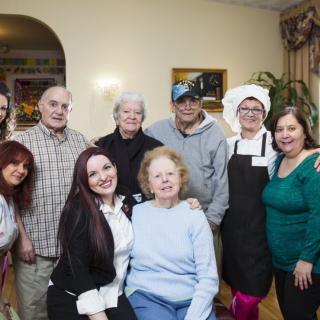
    Dining

    • Diabetes diet Diabetes dietA diabetes diet is crucial for seniors as it helps manage blood sugar levels, reduce risks of complications, and improve overall health and well-being. By following a balanced and nutritious diet tailored to their specific needs, seniors can better control their diabetes and enhance their quality of life.
    • Special dietary restrictions Special dietary restrictionsSpecial dietary restrictions are important for seniors because age-related changes in metabolism and health conditions can make it difficult for their bodies to process certain foods. By following a diet tailored to their specific needs, seniors can maintain their overall health and well-being, manage chronic conditions, and reduce the risk of complications such as malnutrition or food interactions with medications.

    Activities

    • Community-sponsored activities Community-sponsored activitiesCommunity-sponsored activities are important for seniors as they provide opportunities for social interaction, mental stimulation, and physical activity. These activities can help improve overall well-being, combat loneliness and isolation, and promote a sense of belonging and purpose among older adults.
    • Resident-run activities Resident-run activitiesResident-run activities are important for seniors as they encourage social interaction, creativity, and a sense of autonomy. These activities empower seniors to stay engaged and active in their community while fostering meaningful connections with their peers.
    • Scheduled daily activities Scheduled daily activitiesScheduled daily activities are important for seniors because they provide structure, socialization, mental stimulation, and physical activity. Engaging in regular activities can improve overall well-being and quality of life for seniors living in a community setting.

    Description

    The Darlington Assisted Living Center is a top-rated facility located in Pawtucket, RI. Our community is equipped with a wide range of amenities to ensure that our residents feel comfortable and at home. Each room is fully furnished with cable or satellite TV and Wi-Fi/ high-speed internet access for entertainment and connectivity. Our dining room provides delicious meals to cater to the special dietary restrictions of our residents.

    We understand the importance of maintaining a clean and organized living space, which is why we offer housekeeping services for all our residents. For those who prefer to prepare their own meals, our kitchenettes are fully stocked. Move-in coordination is also available for a seamless transition into our community.

    Our outdoor spaces provide a serene environment for relaxation, socializing, or engaging in personal activities. For added safety and convenience, we offer 24-hour supervision to ensure the well-being of our residents. Our trained staff is available to assist with daily tasks such as bathing, dressing, and transfers.

    Coordination with health care providers ensures that each resident receives the necessary medical attention. We also manage medication schedules to ensure proper administration. Mental wellness programs are implemented to promote emotional and cognitive well-being.

    Transportation arrangements can be made for medical appointments or other needs. Nearby cafes, parks, pharmacies, physicians, restaurants, theaters, hospitals are easily accessible from our location.

    At the Darlington Assisted Living Center, we prioritize the comfort and happiness of our residents by providing exceptional care services and numerous amenities within a vibrant community setting.

    Nearby Places of Interest

    Restaurants

    • McDonald's (0.4 miles)
    • Sakura (1.8 miles)
    • Uncle Tony's Pizza & Pasta (2.1 miles)
    • Gregg's Restaurants (2.1 miles)
    • Pho Horn's (2.2 miles)
    • Seven Stars Bakery (2.4 miles)
    • McDonald's (2.7 miles)

    Pharmacies

    • Walgreens (0.6 miles)
    • CVS Pharmacy (0.9 miles)
    • CVS Pharmacy (1.2 miles)
    • CVS Pharmacy (1.7 miles)
    • CVS Pharmacy (2.3 miles)
    • CVS Pharmacy (2.4 miles)
    • Walgreens (2.5 miles)

    Parks

    • Lippitt Memorial Park (2 miles)
    • Blackstone Boulevard (3.2 miles)
    • Blackstone Park (3.2 miles)
    • Lincoln Woods State Park (3.3 miles)
    • Waterman St Dog Park (3.6 miles)
    • Roger Williams National Monument (3.9 miles)
    • Gano Park (4 miles)

    Physicians

    • University Orthopedics (2.3 miles)
    • Ocean Orthopedic Services (2.9 miles)
    • Anchor Medical (3.3 miles)
    • Southern New England Retina Associates PC (3.6 miles)
    • Malik Amer Dr New University Medical Group Providence (4.4 miles)
    • Findley John K MD - Roger Williams Medical Center (4.5 miles)
    • University Orthopedics (4.5 miles)

    Hospitals

    • Miriam Hospital - Infection, Disease, & Immunology Center (2.5 miles)
    • Providence VA Medical Center (4.6 miles)
    • Hasbro Children's Hospital (5.1 miles)

    Cafes

    • Seven Stars Bakery (2.8 miles)
    • Starbucks (3.2 miles)
    • Providence Bagel (3.3 miles)
    • Starbucks (3.5 miles)
    • Starbucks (3.5 miles)
    • Bolt Coffee (4.1 miles)
    • Daves Coffee (4.3 miles)

    Transportation

    • Providence Station - MBTA & Amtrak (PVD) (4 miles)

    Theaters

    • Providence Place Showcase IMAX Theaters (4.3 miles)

    Frequently Asked Questions

    Where is Darlington Assisted Living Center No 1?

    Nearby Communities

    Related Resources

    • when to move from assisted living to nursing home8 Key Indicators That Suggest It May Be Time to Transition from Assisted Living to Skilled Nursing Care

      The transition from assisted living to skilled nursing care is often prompted by complex medical needs that assisted living cannot meet, with key indicators including frequent health declines, increased falls, severe memory issues, and caregiver burnout. Families should recognize these signs early to discuss options with healthcare providers and prepare for the emotional and logistical aspects of moving to a facility that offers comprehensive medical support.

    • active senior livingVibrant Senior Living: A Comprehensive Guide for Active Older Adults

      Vibrant Senior Living emphasizes active senior living communities that promote independence and engagement through diverse amenities and activities, fostering wellness and social interaction among older adults. These communities range from independent to assisted living, with a focus on personal growth, family involvement, financial planning, and leveraging technology to enhance residents' experiences.

    • when to move from assisted living to memory careWhen to Transition from Assisted Living to Memory Care: Key Indicators, Steps, and Finding the Right Community

      Transitioning from assisted living to memory care is driven by an individual's cognitive decline and specific needs, requiring careful evaluation of indicators like increased confusion and wandering. The process involves consulting medical professionals, researching suitable communities, considering financial and legal aspects, and ensuring effective communication for personalized care plans.


    Get Pricing Ask A Question Schedule A Tour Contact Senior Advisor