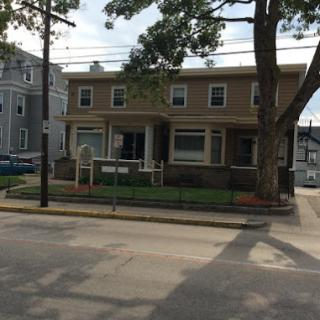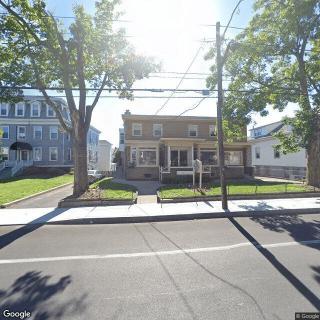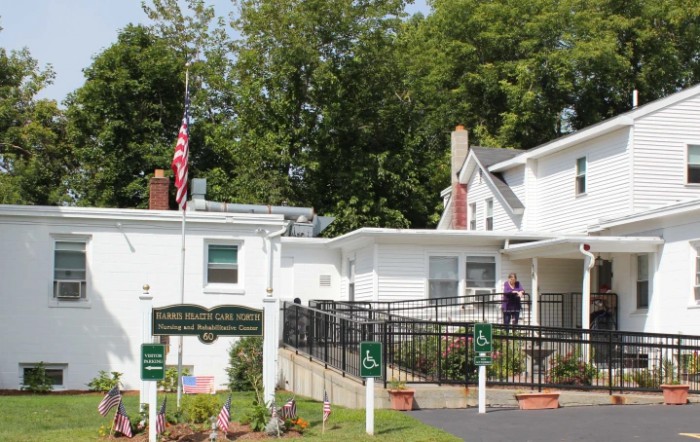
Harris Health Care Center North

Save
Harris Health Care Center North

Harris Health Care Center North

60 Eben Brown Lane, Central Falls, RI 02863

For more information about senior living options: (844) 490-3973

2.8 from 14 reviews
5 stars
4
4 stars
2
3 stars
0
2 stars
3
1 stars
5

Skilled Nursing Facility

Overall Review of Harris Health Care Center North

Pros

  • pro The staff were patient, respectful, and always had a smile for him.
  • pro He was sponge bathed daily.
  • pro The care turned what could have been a horrible experience into a pleasant rehab stay.
  • pro The staff were described as top notch.
  • pro The facility provided excellent education and good customer service.
  • pro It was a great place for personal rehab as a resident.

Cons

  • pro The nursing home is described as horrible, with no one answering the phone and discharge problems.
  • pro The food is described as horrible and not acceptable even for a pet.
  • pro A grandma waited an hour for a bedpan due to supposed understaffing.
  • pro The facility reportedly had 32 patients with insufficient CNAs, leading to delays and poor care.
  • pro A resident who was not incontinent was diapered and told to use her own commode.
  • pro Overall, the place is labeled "no good at all" with staff attitude described as problematic.

Review

Accounts about this nursing facility unfold like a tale of two very different experiences, almost as if two different worlds exist under the same roof. On one hand, some families describe a place that feels chaotic and painful, where basic needs aren't met and communication breaks down. On the other hand, others tell a story of attentive care, steady routines, and progress in rehab. The juxtaposition is stark, and the contrast makes the place feel like it's wearing two very different faces depending on who you talk to and when.

Several remarks paint a troubling scene. One caller describes the experience as a "nursing home from hell," lamenting that no one would answer the phone and that there were ongoing problems when trying to discharge a loved one. The same set of remarks mentions a facility that was "too hot" and chronically short-staffed, with a parent waiting an hour just to use the bedpan. There's a pointed anecdote about a grandparent who ended up back in the hospital after the conditions at the home - hot environment, slow response, and insufficient support - made it impossible to meet basic needs. A staff member named Becky Harris is cited in one message, telling a worried family that there were 32 patients and that their grandmother wasn't the only one needing attention, followed by the troubling implication that there weren't enough staff to prevent a patient from waiting for help. That account questions how many CNAs a facility with 32 patients should have, hinting at systemic gaps in staffing and capacity to respond promptly. The grandmother's care, specifically being diapered and told she needed her own commode despite not being strong enough to walk to the bathroom, adds a stark note about dignity and adequacy of assistance. The outcome of that account is clear: the patient returned to the hospital, and the family resolved to seek a different facility better aligned with her needs.

Food and mood appear as another recurring theme in the negative stories. One reviewer describes the food as "horrible," to the point of saying they wouldn't feed it to a pet - a sentiment that's meant to convey extreme dissatisfaction with meals. Beyond nutrition, there's a sense of general frustration with the atmosphere: a belief that the staff's attitudes can be off-putting, with a few exceptions. The message comes through that while some caregivers might show patience, warmth, and respect, others carry an attitude that undermines the patient and family experience. This mix of experiences supports a view of the place as unstable in daily operations: food quality, responsiveness, and how staff interact with residents appear to vary significantly, even within the same shift or day.

Yet the narrative isn't entirely bleak. Mixed into the experiences are voices that celebrate the caregiving side of the facility. One family member writes about their son having "every staff member [being] patient, respectful, and always with a smile for him." They credit daily sponge baths and consistent routines that kept him engaged and motivated for rehab, eventually making the stay pleasant enough for him to extend treatment. That account uses heartfelt praise for the staff's demeanor and the bright moments amid the rehab journey, painting the place as a place of tangible progress rather than simply a place to wait out care. The tone here is warm and appreciative, underscoring how meaningful small acts of kindness and routine can be for a resident's well-being and outlook.

Other reviewers offer brief but affirmative endorsements. There's mention of "excellent education and good customer service," and another line calls the facility a "great place for personal rehab as a resident." These notes suggest that, for some, the environment supports learning, empowerment, and hands-on rehab experiences that can help residents regain function and confidence. A few remarks acknowledge that the food and the staff are "okay," implying a middle-ground experience where basic services meet needs without remarkable highs or lows. Taken together, these positive images counterbalance the more alarming accounts and indicate that outcomes may hinge on factors like staffing levels, shift coverage, and individual care plans.

In sum, the reviews present a complex portrait of the facility. For some families, the place feels like a lifeline - an environment where rehab can flourish, staff offer genuine care, and progress is real. For others, it seems to fall short on communication, staffing, and basic comfort, leaving loved ones feeling unsupported and frustrated. The diversity of experiences suggests that outcomes may be highly variable and dependent on who is on duty, how busy the floor is, and how well resident needs are anticipated and met. Thus, prospective families may wish to visit, ask pointed questions about staffing ratios, discharge procedures, and meal quality, and observe firsthand how the team interacts with residents and responds to urgent needs. The testimonies together tell a nuanced story: this facility can be a place of healing and dignity for some, while for others it can become a source of stress and concern.

Features

Housing

  • 32 resident community capacity 32 resident community capacity

Types of Care

  • Skilled Nursing Facility Skilled Nursing FacilitySkilled Nursing Facilities are crucial for seniors as they provide round-the-clock medical care, rehabilitation services, and assistance with daily activities. These facilities ensure that seniors receive the specialized care they need to maintain their health and well-being as they age.

Amenities

  • Beauty salon Beauty salonBeauty salons are important for seniors because they provide a space for them to feel pampered, socialize, and maintain their personal grooming and hygiene. Regular visits to a beauty salon can help boost seniors' self-esteem and overall well-being.
  • Cable or satellite TV Cable or satellite TVCable or satellite TV is important for seniors because it provides entertainment, news, and companionship, helping to combat loneliness and boredom. It also offers a wide range of programming options tailored to different interests and preferences.
  • Dining room Dining roomDining rooms are important for seniors as they provide a space for socialization, connection, and nutritious meals. They offer opportunities for residents to bond over shared meals, foster a sense of community, and promote healthy eating habits. Dining rooms also ensure that seniors have access to well-balanced meals tailored to their dietary needs and preferences.
  • Fully furnished Fully furnishedFully furnished senior living communities are important for seniors because they provide convenience, comfort, and a hassle-free moving experience. Seniors can easily settle into their new living space without the stress of having to buy and move furniture. This allows them to focus on enjoying their new home and community.
  • Garden GardenGardens are important for seniors as they provide a peaceful and therapeutic environment for relaxation, physical activity, and socialization. Being in nature has been shown to reduce stress, improve mood, and promote overall well-being. Gardens also offer opportunities for seniors to engage in gardening activities, which can improve mobility, flexibility, and cognitive function. Additionally, gardens create a sense of community and connection with others who share a passion for plants and outdoor spaces.
  • Housekeeping services Housekeeping servicesHousekeeping services are important for seniors because they help maintain a clean and safe living environment, promote independence, and reduce the risk of accidents or illnesses. Additionally, having assistance with household chores can alleviate physical strain and allow seniors to focus on other aspects of their well-being.
  • Kitchenette KitchenetteKitchenettes are important for seniors living in senior living communities because they provide the convenience and independence of being able to prepare simple meals and snacks in the comfort of their own living space. This can help promote a sense of autonomy and well-being for seniors, allowing them to maintain some level of control over their dietary choices and daily routines.
  • Move-in coordination Move-in coordinationMove-in coordination is important for seniors because it helps ease the transition into their new living environment. It ensures that all logistics, such as packing, organizing movers, and setting up utilities are taken care of, allowing seniors to focus on settling in and adjusting to their new home. Having a smooth move-in process can alleviate stress and anxiety, making the transition smoother and more enjoyable for seniors.
  • Outdoor space Outdoor spaceOutdoor spaces are important for seniors as they provide opportunities for physical activity, social interaction, exposure to natural light and fresh air, and a sense of connection to nature. Having access to outdoor spaces can improve overall well-being and quality of life for older adults living in senior communities.
  • Restaurant-style dining Restaurant-style diningRestaurant-style dining is important for seniors because it allows them to enjoy delicious, nutritious meals in a social and upscale setting. This enhances their dining experience, promotes healthy eating habits, and fosters socialization with fellow residents, ultimately contributing to their overall well-being and quality of life.
  • Small library Small librarySmall libraries are important for seniors as they provide access to a variety of reading materials, including books, newspapers, and magazines. This can help stimulate their minds, keep them engaged, and provide a sense of community through book clubs and other social activities. Additionally, reading has been shown to improve cognitive function and overall mental well-being in older adults.
  • Telephone TelephoneTelephones are important for seniors as they provide a lifeline for communication with loved ones, emergency services, and healthcare providers. They offer a sense of security and independence, enabling seniors to stay connected and access assistance when needed.
  • Wi-Fi/high-speed internet available Wi-Fi/high-speed internet availableWi-Fi/high-speed internet is important for seniors to stay connected with loved ones, access online resources, and participate in virtual activities to combat feelings of loneliness and isolation. It also allows them to easily manage healthcare needs, access entertainment, and engage in lifelong learning opportunities.

Transportation

  • Theodore F Green State (12 miles away) Theodore F Green State (12 miles away)

Care Services

  • 24-hour call system 24-hour call system24-hour call systems are important for seniors because they provide peace of mind and immediate assistance in case of emergencies. This technology ensures that help is always available, promoting safety and security for elderly individuals living alone or in assisted living facilities.
  • 24-hour supervision 24-hour supervision24-hour supervision is important for seniors to ensure their safety, well-being, and access to immediate assistance in case of emergencies or health issues. This constant support provides peace of mind for both seniors and their loved ones, allowing them to age in place with dignity and security.
  • Activities of daily living assistance Activities of daily living assistanceActivities of daily living assistance are important for seniors because they provide essential support with tasks such as eating, bathing, dressing, and mobility. This assistance helps seniors maintain their independence, dignity, and overall quality of life as they age.
  • Assistance with bathing Assistance with bathingAssistance with bathing is crucial for seniors as it helps maintain personal hygiene, prevents infections, and ensures their overall well-being and comfort. It also provides a sense of dignity and independence for seniors who may struggle with this task on their own.
  • Assistance with dressing Assistance with dressingAssistance with dressing is important for seniors because it helps maintain their independence, promotes personal hygiene, prevents accidents and injuries, and improves overall quality of life. This service ensures that seniors can continue to dress comfortably and confidently, despite any physical limitations they may have.
  • Assistance with transfers Assistance with transfersAssistance with transfers is crucial for seniors as it helps prevent falls and injuries, maintains their independence, and ensures they can safely navigate their living environment. It also provides peace of mind for both seniors and their loved ones.
  • Diabetes diet Diabetes dietA diabetes diet is crucial for seniors as it helps manage blood sugar levels, reduce risks of complications, and improve overall health and well-being. By following a balanced and nutritious diet tailored to their specific needs, seniors can better control their diabetes and enhance their quality of life.
  • Meal preparation and service Meal preparation and serviceMeal preparation and service are crucial for seniors as they may have limited mobility or energy to cook nutritious meals. Having access to healthy and convenient food options can ensure they are getting the proper nutrition needed to maintain their overall health and well-being.
  • Medication management Medication managementMedication management is crucial for seniors to ensure they are taking the right medications at the correct dosages and times. This helps prevent adverse drug interactions, reduces the risk of medication errors, and promotes overall health and well-being. Proactive management also allows for adjustments as needed based on changing health conditions or new prescriptions.
  • Mental wellness program Mental wellness programMental wellness programs are essential for seniors as they promote cognitive stimulation, emotional support, and social engagement. These programs help prevent isolation, depression, and cognitive decline, ultimately enhancing the overall quality of life for older adults.
  • Special dietary restrictions Special dietary restrictionsSpecial dietary restrictions are important for seniors because age-related changes in metabolism and health conditions can make it difficult for their bodies to process certain foods. By following a diet tailored to their specific needs, seniors can maintain their overall health and well-being, manage chronic conditions, and reduce the risk of complications such as malnutrition or food interactions with medications.

Dining

  • Diabetes diet Diabetes dietA diabetes diet is crucial for seniors as it helps manage blood sugar levels, reduce risks of complications, and improve overall health and well-being. By following a balanced and nutritious diet tailored to their specific needs, seniors can better control their diabetes and enhance their quality of life.
  • Special dietary restrictions Special dietary restrictionsSpecial dietary restrictions are important for seniors because age-related changes in metabolism and health conditions can make it difficult for their bodies to process certain foods. By following a diet tailored to their specific needs, seniors can maintain their overall health and well-being, manage chronic conditions, and reduce the risk of complications such as malnutrition or food interactions with medications.

Activities

  • Community-sponsored activities Community-sponsored activitiesCommunity-sponsored activities are important for seniors as they provide opportunities for social interaction, mental stimulation, and physical activity. These activities can help improve overall well-being, combat loneliness and isolation, and promote a sense of belonging and purpose among older adults.
  • Resident-run activities Resident-run activitiesResident-run activities are important for seniors as they encourage social interaction, creativity, and a sense of autonomy. These activities empower seniors to stay engaged and active in their community while fostering meaningful connections with their peers.
  • Scheduled daily activities Scheduled daily activitiesScheduled daily activities are important for seniors because they provide structure, socialization, mental stimulation, and physical activity. Engaging in regular activities can improve overall well-being and quality of life for seniors living in a community setting.

Description

Harris Health Care Center North in Central Falls, RI is a fully furnished assisted living community that provides a wide range of amenities and care services to enhance the comfort and well-being of its residents. The community offers cable or satellite TV, dining room, housekeeping services, and Wi-Fi/high-speed internet for the convenience and entertainment of its residents.

With move-in coordination provided, transitioning to this community is made easy. Outdoor space and a small library are available for residents to enjoy nature and indulge in their love for reading. Restaurant-style dining ensures that residents have access to delicious and nutritious meals prepared by the staff who can also accommodate special dietary restrictions such as diabetes diet.

The dedicated staff at Harris Health Care Center North provides 24-hour supervision along with assistance with activities of daily living such as bathing, dressing, and transfers. Medication management is also offered to ensure the proper administration of medications. A mental wellness program is available to address the emotional well-being of residents.

Residents can participate in resident-run activities as well as scheduled daily activities organized by the community. Additionally, there are numerous nearby amenities including cafes, parks, pharmacies, physicians' offices, restaurants, transportation options, theaters, and hospitals to cater to the varied needs and preferences of residents.

At Harris Health Care Center North in Central Falls, RI, seniors can enjoy a comfortable and fulfilling lifestyle while receiving personalized care in a supportive environment.

Nearby Places of Interest

This area of Central Falls, Rhode Island offers convenient access to essential services such as pharmacies, restaurants, parks, cafes, physicians, hospitals, transportation options, and a theater. With multiple CVS and Walgreens locations nearby for medication needs, a variety of dining options ranging from fast food to sit-down restaurants, and beautiful parks for leisurely walks or picnics, residents can easily meet their daily needs and enjoy recreational activities. Additionally, proximity to healthcare providers like Ocean Orthopedic Services and The Miriam Hospital ensures easy access to medical care when needed. The presence of public transportation at Providence Station provides convenience for seniors who may not drive or prefer not to use a car. Overall, this neighborhood offers a mix of amenities that cater to the needs and preferences of seniors looking for a comfortable living environment with easy access to services and entertainment options.

Pharmacies

  • CVS Pharmacy (0.8 miles)
  • Walgreens (1.4 miles)
  • CVS Pharmacy (2 miles)
  • CVS Pharmacy (2.2 miles)
  • CVS Pharmacy (2.3 miles)
  • Walgreens (2.6 miles)
  • Walgreens (3.1 miles)

Restaurants

  • Sakura (1.4 miles)
  • McDonald's (1.7 miles)
  • McDonald's (2.1 miles)
  • Pho Horn's (2.7 miles)
  • Gregg's Restaurants (2.8 miles)
  • Davenport's Restaurant (2.9 miles)
  • Seven Stars Bakery (3.2 miles)

Parks

  • Lincoln Woods State Park (2.1 miles)
  • Lippitt Memorial Park (2.9 miles)
  • Blackstone Boulevard (4.3 miles)
  • Blackstone Park (4.4 miles)
  • Roger Williams National Monument (4.6 miles)
  • Waterman St Dog Park (4.7 miles)
  • Gano Park (5 miles)

Cafes

  • Starbucks (2.6 miles)
  • Providence Bagel (4 miles)
  • Starbucks (4.2 miles)
  • Seven Stars Bakery (4.2 miles)
  • Starbucks (4.5 miles)
  • Bolt Coffee (4.9 miles)
  • Bolt Coffee (5.1 miles)

Physicians

  • Ocean Orthopedic Services (2.9 miles)
  • University Orthopedics (3.4 miles)
  • Anchor Medical (3.8 miles)
  • Southern New England Retina Associates PC (4.2 miles)
  • Anchor Medical Associates (4.4 miles)
  • Malik Amer Dr New University Medical Group Providence (4.7 miles)
  • Orthopaedic Associates (4.7 miles)

Hospitals

  • Miriam Hospital - Infection, Disease, & Immunology Center (3.1 miles)
  • Providence VA Medical Center (5 miles)

Transportation

  • Providence Station - MBTA & Amtrak (PVD) (4.8 miles)

Theaters

  • Providence Place Showcase IMAX Theaters (5 miles)

Frequently Asked Questions

Where is Harris Health Care Center North?

Nearby Communities

Related Resources

  • palliative care vs hospiceUnderstanding the Nuances of Palliative Care and Hospice: A Comprehensive Exploration

    Palliative care focuses on alleviating distress at any stage of a serious illness and can accompany curative treatments, while hospice care is for those nearing the end of life with a prognosis of six months or less, emphasizing comfort over curative measures. Both prioritize holistic care for patients and families but differ in timing, goals, and scope.

  • is home health care tax deductibleIs In-Home Healthcare Tax Deductible? Your Comprehensive Guide
    The guide details the tax deductibility of in-home healthcare expenses according to IRS guidelines, differentiating between medically necessary services and non-medical assistance, while emphasizing the need for proper documentation and itemization requirements. It also highlights state-level variations, the importance of record-keeping, and encourages seeking professional tax help to understand evolving regulations.

  • gardening for seniorsNurturing Well-Being Through Gardening: A Detailed Guide for Senior Enthusiasts
    Gardening provides seniors with physical exercise, mental and emotional support, and social interaction opportunities, while accommodating their needs through raised beds and ergonomic tools. It promotes health benefits like improved dexterity and cardiovascular health, encourages sustainable practices, and allows for manageable upkeep with low-maintenance plants.