Darlington Memory Lane offers competitive pricing for its services, particularly when compared to the broader cost landscape of Providence County and the state of Rhode Island. For semi-private rooms, Darlington's monthly fee is $3,800, which is notably lower than both the county average of $4,241 and the state average of $4,389. This represents a significant saving for residents seeking affordable care options. Similarly, in the case of one-bedroom accommodations, Darlington's rate stands at $5,200, slightly above Providence County's average of $4,449 but still below Rhode Island's statewide average of $4,796. Overall, while Darlington Memory Lane offers a high-quality living environment with tailored support for its residents at reasonable rates relative to regional competitors, it stands out particularly in semi-private room offerings where it effectively helps families manage costs without compromising on care quality.
Floor plans
Darlington Memory Lane
Providence County
Rhode Island
Semi-Private
$3,800
$4,241
$4,389
1 Bedroom
$5,200
$4,449
$4,796
Memory care communities with a similar price nearby
Residents and families repeatedly describe attentive, compassionate care from the staff.
Across reviews, families describe care that feels personal—staff being patient, respectful, and attentive to day-to-day needs. Several comments highlight specific people on the team and describe frequent, supportive communication with families. Even when reviews are critical, they often focus on communication and coordination rather than denying that staff show up to help residents.
common11 reviews mention this
Cleanliness and odor stand out
Many reviews mention an especially clean environment and consistently cared-for spaces.
A sizable share of residents and visitors describe the facility as clean and well kept, sometimes mentioning a pleasant smell on arrival. A few reviews also praise cleanliness alongside comfort and “home-like” feel. On the other side, multiple negative reviews describe strong unpleasant odors and poor hygiene as a major problem.
common7 reviews mention this
Food is a frequent positive
Dining quality comes up often, with several residents described as enjoying meals.
Multiple reviews mention food positively, describing it as exemplary, good, or enjoyable for residents. Some families also tie meals to overall comfort and satisfaction with daily life. A few reviewers note food is more about suitability than variety, while negative feedback focuses less on the meal itself and more on other aspects of care.
common6 reviews mention this
Activities get mixed reactions
Residents are described as having activities, though some reviews question how individualized they are.
Several reviews say residents have ongoing activities and that daily engagement helps make the community feel lively. Others describe activities as limited or repetitive, including concerns that residents spend much of the day seated in the dining area. One reviewer also contrasts more engaging activity time with a perceived lack of variety for individual abilities.
common6 reviews mention this
Pricing is repeatedly described as reasonable
Families frequently call the monthly cost a good fit for their budget.
Several reviews describe the community as good value, reasonable, or fitting their needs financially. This comes up alongside praise for the overall experience, including cleanliness, care, or food. A few negative reviews raise other concerns beyond cost, so value appears more like a positive baseline than a full explanation for satisfaction.
caveat4 reviews mention this
Communication and administration response draw complaints
Some families report difficulty reaching administration and delays in getting responses.
While many reviews praise the care team, a smaller set of comments focus on administration and communication. Reviewers describe problems getting timely responses, reaching staff directly, and receiving straightforward updates. One review also pairs communication concerns with questions about whether care actions were proactive when behaviors changed.
How we summarize
Counts show how many written reviews mention each theme; a review can touch several themes, and only frequently mentioned themes are displayed.
Features
Housing
78 resident community capacity
Types of Care
Assisted Living
Memory Care
Amenities
Activities off-site
Activities on-site
Air-conditioning
Beautician on-site
Beauty salon
Cable or satellite TV
Computer center
Devotional services off-site
Devotional services on-site
Dining room
Fitness room
Fully furnished
Gaming room
Garden
Housekeeping services
Indoor common areas
Kitchenette
Move-in coordination
Outdoor common areas
Outdoor space
Private bathrooms
Respite or short term stays offered
Restaurant-style dining
Small library
Telephone
Wellness center
Wheelchair accessible showers
Wi-Fi/high-speed internet available
Transportation
Theodore F Green State (10 miles away)
Community operated transportation
Transportation arrangement
Care Services
24-hour call system
24-hour supervision
Activities of daily living assistance
Ambulatory care
Assistance with bathing
Assistance with dressing
Assistance with transfers
Diabetes diet
Diabetic care
High acuity care
Incontinence care
Meal preparation and service
Medication management
Special dietary restrictions
Dining
Anytime dining
Diabetes diet
Meals provided
Special dietary restrictions
Special dining programs
Vegetarian
Activities
Activities off-site
Activities on-site
Community-sponsored activities
Concierge services
Devotional activities offsite
Devotional activities on-site
Fitness programs
Light therapy programs
Planned day trips
Reminiscence programs
Resident-run activities
Scheduled daily activities
Sensory-based programs
Nearby Places of Interest
This part of North Providence, Rhode Island, offers a convenient and diverse range of amenities for senior living. With several pharmacies in close proximity, accessing medication and healthcare services is easily achievable. There are also reputable physicians and hospitals within a short distance, ensuring prompt medical attention when needed. Additionally, the neighborhood boasts a variety of dining options including Vietnamese cuisine at Pho Horn's and traditional American fare at Gregg's Restaurants. For relaxation and recreation, residents can enjoy the nearby parks such as Lincoln Woods State Park and Roger Williams National Monument. The presence of cafes like Providence Bagel and Starbucks provide opportunities for socializing and enjoying a cup of coffee. Transportation options are readily available with Providence Station located just 2.8 miles away, allowing for easy travel to other parts of the city. Overall, this area offers a well-rounded environment for seniors looking to live comfortably with access to essential services and recreational activities.
Pharmacies
Walgreens (0 miles)
Shaw's Pharmacy (1.4 miles)
CVS Pharmacy (1.6 miles)
Walgreens (1.6 miles)
Walgreens (1.7 miles)
Lifespan Pharmacy-Corliss St (1.9 miles)
Green Line Apothecary (1.9 miles)
Physicians
Ocean Orthopedic Services (0.5 miles)
Anchor Medical (1.9 miles)
Malik Amer Dr New University Medical Group Providence (2.3 miles)
Southern New England Retina Associates PC (2.3 miles)
Findley John K MD - Roger Williams Medical Center (2.4 miles)
University Orthopedics (2.6 miles)
The LASIK Vision Institute (3 miles)
Restaurants
Pho Horn's (1.5 miles)
Mr. Lemon (1.5 miles)
Gregg's Restaurants (1.6 miles)
Seven Stars Bakery (2.1 miles)
Newport Creamery (2.2 miles)
Snookers (2.2 miles)
McDonald's (2.3 miles)
Hospitals
Miriam Hospital - Infection, Disease, & Immunology Center (1.7 miles)
Providence VA Medical Center (2.6 miles)
Hasbro Children's Hospital (4.1 miles)
Women and Infants Laboratory (4.1 miles)
Parks
Lincoln Woods State Park (1.9 miles)
Lippitt Memorial Park (2 miles)
Roger Williams National Monument (2.7 miles)
Blackstone Boulevard (3.1 miles)
India Point Park (3.4 miles)
Blackstone Park (3.4 miles)
Waterman St Dog Park (3.6 miles)
Cafes
Providence Bagel (2.2 miles)
Starbucks (2.4 miles)
New Harvest Coffee (3 miles)
Bolt Coffee (3.1 miles)
Bolt Coffee (3.2 miles)
Starbucks (3.3 miles)
The Nitro Bar (3.3 miles)
Transportation
Providence Station - MBTA & Amtrak (PVD) (2.8 miles)
Theaters
Providence Place Showcase IMAX Theaters (2.9 miles)
Darlington Memory Lane offers competitive pricing for its services, particularly when compared to the broader cost landscape of Providence County and the state of Rhode Island. For semi-private rooms, Darlington's monthly fee is $3,800, which is notably lower than both the county average of $4,241 and the state average of $4,389. This represents a significant saving for residents seeking affordable care options. Similarly, in the case of one-bedroom accommodations, Darlington's rate stands at $5,200, slightly above Providence County's average of $4,449 but still below Rhode Island's statewide average of $4,796. Overall, while Darlington Memory Lane offers a high-quality living environment with tailored support for its residents at reasonable rates relative to regional competitors, it stands out particularly in semi-private room offerings where it effectively helps families manage costs without compromising on care quality.
Darlington Memory Lane's array of features is integral to enhancing the quality of life for residents with dementia or Alzheimer's disease. Assistance with dressing and bathing not only promotes personal hygiene and dignity but also helps establish a comforting routine, which can reduce anxiety. Medication management ensures that residents receive their prescribed treatments accurately and on time, crucial for maintaining health stability. Meal preparation and service cater to specific dietary needs while fostering social interaction during dining experiences. Activities of daily living assistance supports independence in everyday tasks, while assistance with transfers enhances mobility and safety for residents who may struggle with physical movement. The provision of 24-hour supervision offers peace of mind for families, ensuring that help is always available when needed. Incontinence care is handled with sensitivity, ensuring comfort without compromising dignity. Lastly, sensory-based programs engage residents' cognitive functions and evoke positive memories, providing both mental stimulation and emotional support tailored to their unique needs.
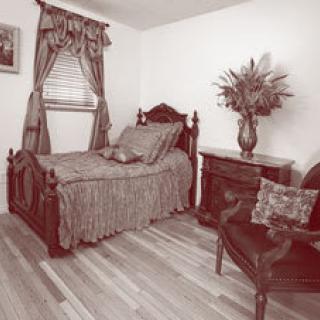
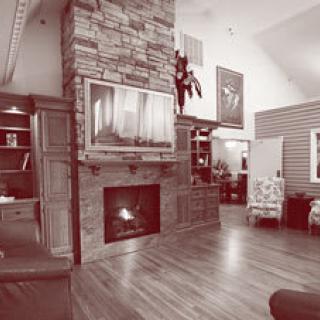
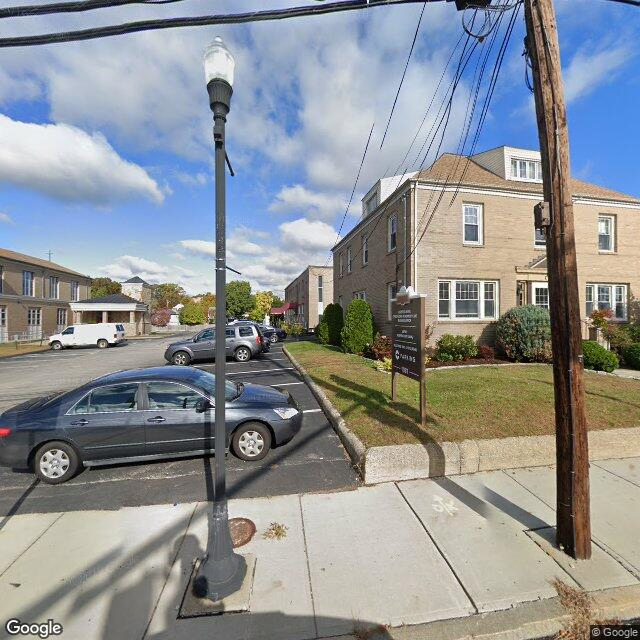
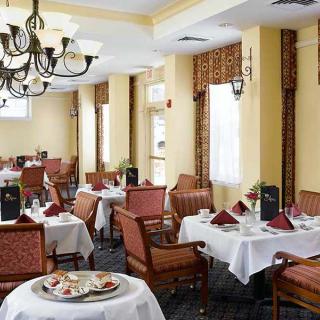
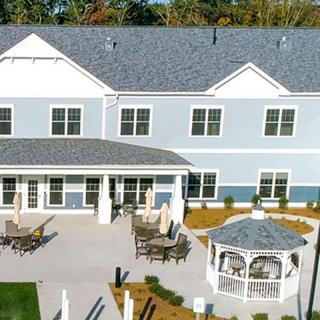
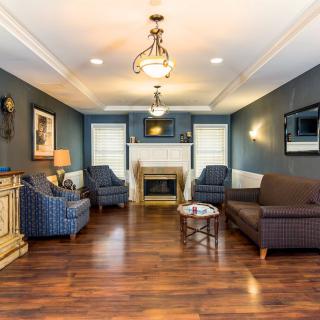
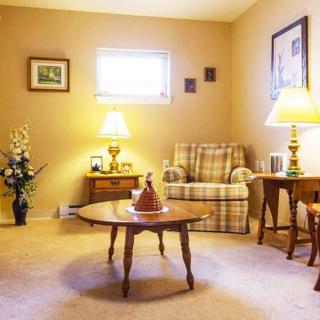
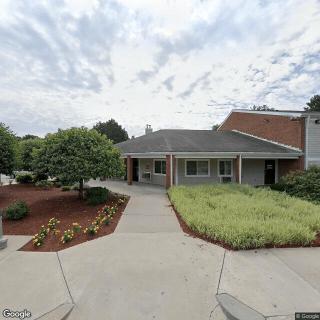
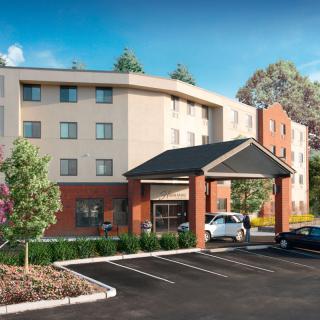
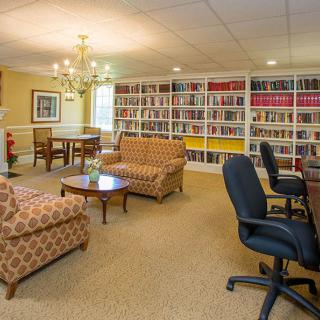
Darlington Memory Lane on seniors.fyi includes 5 photos including images showing interior, bedroom, decor, vintage, living room, fireplace, hardwood floor, artwork, and more.
Nearby Communities
Northridge Inc
North Providence, RI
Excellent access to dining, healthcare, and parks.
MAS Home Care of Rhode Island
North Providence, RI
5 from 3 reviews
Specialty Home Care Services
Providence, RI
Strong access to healthcare, dining, and cultural activities nearby.
Metcalf Courts
Providence, RI
5 from 2 reviews
Comfort Keepers of Lincoln, RI
Lincoln, RI
4.4 from 33 reviews
Kind, experienced staff delivering above-expectation care with strong communication.
Jeanne Jugan Residence
Pawtucket, RI
5 from 1 review
Vibrant activity program with outings and social spaces.
Highlands On The East Side
Providence, RI
4.2 from 52 reviews
$3,500 to $5,785 / month
Caring, hands-on staff with engaging activities and a welcoming, family-like environment plus spacious rooms and accessible amenities.
Capitol Ridge At Providence
Providence, RI
4.4 from 91 reviews
$2,750 to $3,750 / month
Friendly, attentive staff with a strong sense of community and good dining.
Charlesgate Senior Living Center
Providence, RI
4.8 from 5 reviews
$5,560 to $7,228 / month
Exceptional care during hospital transfers and compassionate staff.
VA nursing homes, or Community Living Centers (CLCs), offer tailored long-term care for veterans, featuring medical attention and rehabilitation in a supportive environment. The guide covers facility types, eligibility criteria, financial assistance options, quality of care standards, and alternatives to full-time nursing home placement.
At-home dementia care expenses vary widely based on care levels, location, and caregiver expertise, with monthly costs for home health aides exceeding $4,500 and specialized care potentially surpassing $100,000 annually. While families favor in-home care for its comfort and personalized attention, they must consider financial planning and the challenges of caregiver fatigue.
The article discusses the late stages of dementia, detailing the progression from mild to severe impairment and highlighting key characteristics such as profound cognitive decline and dependency in daily activities. It emphasizes care strategies focused on comfort and dignity, the importance of advance directives, and the emotional support needed for family caregivers facing this challenging journey.
Living Room, Artwork, Fireplace, and Hardwood Floor
Kitchen and Cooking
Get PricingAsk A QuestionSchedule A TourContact Senior Advisor
By clicking submit, you agree to our Partner's Terms of Use. You
also consent to receive calls and texts, which may be autodialed, from our Partner. Your consent is not a condition to
using our Partner's service. Please visit our Partner's Privacy Policy for information about their privacy practices.





 78 resident community capacity
 Assisted Living
 Memory Care
 Activities off-site
 Air-conditioning
 Beautician on-site
 Cable or satellite TV
 Computer center
 Devotional services off-site
 Dining room
 Fitness room
 Fully furnished
 Gaming room
 Garden
 Housekeeping services
 Indoor common areas
 Kitchenette
 Move-in coordination
 Outdoor common areas
 Private bathrooms
 Respite or short term stays offered
 Restaurant-style dining
 Small library
 Telephone
 Wellness center
 Wheelchair accessible showers
 Wi-Fi/high-speed internet available
 Theodore F Green State (10 miles away)
 Community operated transportation
 24-hour call system
 Ambulatory care
 Assistance with bathing
 Assistance with dressing
 Assistance with transfers
 Diabetes diet
 Diabetic care
 High acuity care
 Incontinence care
 Medication management
 Special dietary restrictions
 Concierge services
 Light therapy programs
 Planned day trips
 Sensory-based programs
 Excellent access to dining, healthcare, and parks.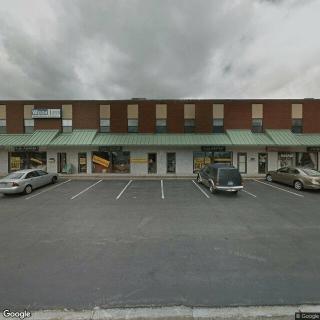

 Comprehensive Guide to VA Nursing Homes: A Crucial Long-Term Care Resource for Veterans
 Estimating the Expenses of At-Home Dementia Care: A Detailed Exploration
 Comprehensive Insights on the Late Stages of Dementia: What to Expect and How to Provide Care