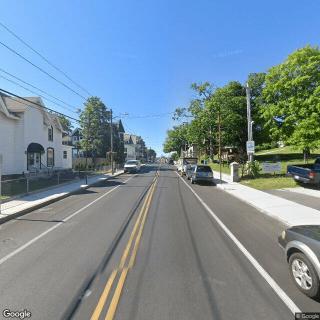
A Better Day Assisted Living
Save
240 Central Avenue, Pawtucket, RI 02860
For more information about senior living options: (844) 490-3973
What level of care are you interested in?

Assisted Living

Memory Care

Independent Living

Skilled Nursing Facility

Continuing Care Retirement Community (CCRC)CCRC

Other
There are voices that paint a stark, troubling picture of a place that is supposed to be about care and safety, but instead feels like a risk and a letdown. One strong, uncompromising claim frames the facility as "the worst place for people," a verdict that carries with it a sense of disillusionment and fear. The reviewer doesn't mince words about the core problem they've encountered: a bed bug infestation in a resident's room. That detail alone reframes everything else about the institution, because when pests intrude into living spaces - especially where vulnerable people should feel secure - workability and peace of mind quickly become distant memories. The intensity of the language makes it clear that this isn't just an isolated problem; it touches on basic standards of cleanliness, comfort, and dignity.
The bed bugs in that room are not just a nuisance; they are a signifier of deeper concerns about how well the environment is being monitored and kept up. In adding the bed bug issue to the narrative, the reviewer conveys a sense of intrusion into the most intimate space of someone's life - the place designed for rest and recovery. Beyond the immediate discomfort - itching, sleepless nights, anxieties about spreading pests to others - the episode raises questions about how quickly and effectively problems like pests are identified, communicated, and treated within the facility. The description hints at a broader fear: if something as tangible as bed bugs can exist in a patient's room, what does that say about ongoing maintenance, cleaning protocols, and the overall culture of safety?
Even more troubling is the accusation directed at the leadership of the facility. The reviewer asserts that "the directors and nurses don't do anything," a charge that shifts the focus from isolated incidents to systemic inaction. When those in charge are perceived as disengaged or unresponsive, residents and their families are left to navigate the fallout without a clear sense of what is being done to rectify the situation. The claim implies gaps in accountability, communication, and urgency - gaps that can erode trust and complicate any attempt to restore a sense of security. If corrective steps are slow to come, or if updates and apologies are scarce, the impact isn't merely about one bad day; it's about a pattern that can leave patients feeling abandoned and families anxious about what might come next.
Yet the picture is not uniformly bleak. Another review among the same spectrum of experiences offers a markedly different perspective: "Very pleasant staff." This positive note highlights a counterbalance to the grim concerns raised elsewhere. The presence of kind, courteous, and approachable staff can make a meaningful difference in how care is experienced, even when larger institutional problems persist. It suggests that the day-to-day interactions with frontline workers - caregivers, nurses, aides - contain elements of warmth, sympathy, and professionalism. In a setting where safety and cleanliness are in question, the kindness of staff can become a crucial lifeline, offering reassurance, personal attention, and moments of comfort that counterbalance the stress of systemic shortcomings.
The juxtaposition of these viewpoints - intense, alarming accusations about pests and leadership versus praise for the courtesy of individual staff members - speaks to a complex reality. Care facilities are not monolithic; they are ecosystems where the performance of different layers can diverge. A facility might have dedicated, compassionate frontline workers who do their best to support residents, while simultaneously struggling with administrative bottlenecks, insufficient pest control measures, or slow responses to urgent concerns. The tension between these disparate experiences can leave families and residents feeling pulled in two directions: grateful for the human warmth that staff provide, yet distressed by the underlying problems that threaten safety and well-being.
Taken together, the reviews sketch a service landscape that demands serious attention to both hygiene and accountability, while also recognizing the human elements that still shine through. The bed bug incident is more than a single complaint about pests; it's a red flag about the effectiveness of containment, the speed of remediation, and the transparency of communication with families and patients. The claim that "the directors and nurses don't do anything" points to systemic issues that require clear, decisive leadership, proactive problem-solving, and a demonstrated commitment to remedy - rather than mere reassurance. Without visible action from those at the top, the trust that patients and families place in the institution can erode, even if the people delivering daily care are kind and attentive.
Moving forward, the story calls for a dual approach: reinforce the practical safeguards that prevent and address pest concerns while strengthening leadership's responsiveness. Practical steps would include rigorous pest control protocols, transparent reporting of incidents, timely corrective actions, and regular updates to families about what is being done and why. At the same time, sustaining and expanding the positive elements - the very pleasant staff who provide warmth, empathy, and dependable day-to-day care - should be a core pillar of the institution's culture. When the people who interact with residents daily are treated as partners in safety and well-being, their consistent, compassionate care can help counterbalance the anxieties generated by larger systemic issues.
In the end, the reviews present a candid portrait of a facility that is clearly not meeting everyone's expectations in equal measure. The severity of the bed bug concern and the perception of inaction by leadership stand as warnings that patient safety and comfort require urgent, concrete improvement. Yet the praise for the staff's pleasant demeanor offers a reminder that care is a multifaceted service: it is about clean rooms and pest-free environments, yes, but it is also about listening, kindness, and human connection at the bedside. Addressing both dimensions - enhancing safety and maintaining compassionate, respectful care - will be essential to transforming the experience from one of fear and frustration into one of trust, reassurance, and genuine well-being.
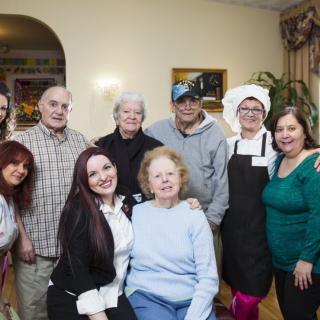
A Better Day Assisted Living in Pawtucket, RI is a comfortable and inviting board and care home that offers top-notch care services for seniors. Our beautifully furnished facility provides a warm and welcoming environment for our residents to call home.
We understand the importance of maintaining a sense of independence while receiving the assistance needed with daily activities, and our highly trained staff is dedicated to providing personalized care tailored to each individual's needs. From assistance with bathing and dressing to transfers and coordination with healthcare providers, our team is committed to ensuring the well-being of our residents.
At A Better Day Assisted Living, we prioritize nutrition and offer delicious meals prepared by our experienced chefs. We accommodate special dietary restrictions such as diabetes diets and provide well-balanced meals that are both nutritious and enjoyable.
Our community also offers a variety of amenities to enhance the quality of life for our residents. Our dining room provides an inviting space for socializing during meal times, while our beautiful garden allows residents to enjoy the outdoors. Housekeeping services are provided regularly to maintain a clean and comfortable living environment.
We understand that transportation can be a challenge for seniors, especially when it comes to medical appointments. That's why we offer transportation arrangements for medical purposes as well as doctors' appointments, ensuring that our residents have easy access to necessary healthcare services.
To promote an active lifestyle, we provide scheduled daily activities that cater to various interests. Whether it's participating in group exercises or engaging in arts and crafts, there is always something exciting happening at A Better Day Assisted Living.
Our location in Pawtucket offers convenient access to numerous amenities. With cafes, parks, pharmacies, restaurants, theaters, physicians, hospitals all nearby, there are plenty of opportunities for recreation and entertainment within close proximity.
At A Better Day Assisted Living in Pawtucket, RI, we strive to create an environment where seniors can thrive physically, emotionally, and socially.
This area of Pawtucket, Rhode Island, offers a variety of amenities that may be appealing to seniors. There are several pharmacies in close proximity, making it convenient to access medications and healthcare supplies. A range of dining options is available, including fast food chains, sit-down restaurants, and cafes for socializing or grabbing a quick bite to eat. Nearby parks provide opportunities for outdoor recreation and relaxation. Various medical facilities are within a short drive, offering healthcare services and specialists for any needs that may arise. Additionally, public transportation options are accessible for easy travel around the area. Overall, this neighborhood offers a mix of convenience, entertainment, and essential services that could make it a suitable option for senior living.
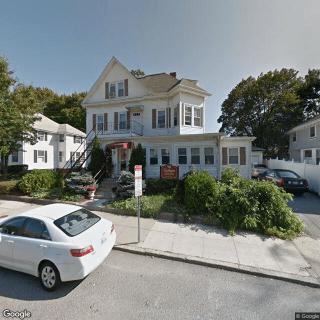
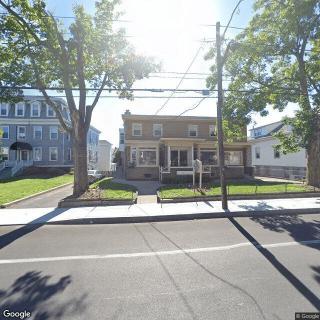
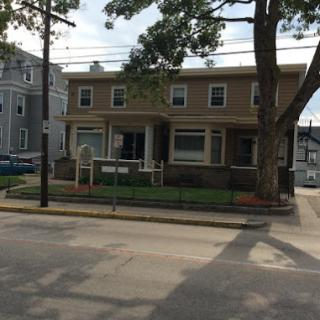
A Better Day Assisted Living is located at 240 Central Avenue, Pawtucket, RI 02860 in Providence County, Rhode Island
Darlington Assisted Living Centers
Pawtucket, RI
Attentive staff and a home-like atmosphere with recent room updates.
Darlington Assisted Living Centers costs
Darlington Assisted Living Centers reviews
Darlington Assisted Living Centers images
Darlington Assisted Living Ctr
Pawtucket, RI
Competitive pricing below county/state averages with robust on-site amenities and services.
Darlington Assisted Living Ctr costs
Darlington Assisted Living Ctr reviews
Darlington Assisted Living Ctr images
Blackstone Vly Assisted Living
Central Falls, RI
Studio pricing is below county/state averages, with on-site activities and diabetic care.
Blackstone Vly Assisted Living costs
Blackstone Vly Assisted Living reviews
Blackstone Vly Assisted Living images
Blackstone Valley Assisted Living
Central Falls, RI
Clean, well-maintained setting with friendly staff and active programming.
Blackstone Valley Assisted Living reviews
Blackstone Valley Assisted Living images
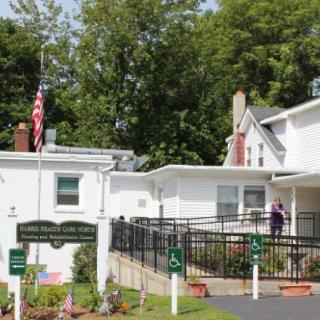
Harris Health Care Center North
Central Falls, RI
Comprehensive care (ADL assistance, medication management, 24/7 supervision) with restaurant-style dining and move-in coordination.
Harris Health Care Center North reviews
Harris Health Care Center North images
Oak Hill Health & Rehabilitation Center
Pawtucket, RI
Helpful staff and semi-private rooms.
Oak Hill Health & Rehabilitation Center costs
Oak Hill Health & Rehabilitation Center reviews
Oak Hill Health & Rehabilitation Center images
Comprehensive Supportive Living Arrangements for Adults with Disabilities

Assisted living for adults with disabilities has transformed to provide personalized care and support services aimed at improving residents' quality of life while balancing independence and assistance. However, low-income individuals often face challenges in affording these services, requiring navigation of various financial resources and advocacy for better policies and solutions.
Funding and Affording Assisted Living: A Thorough Overview

Assisted living facilities provide support for older adults needing help with daily activities without extensive medical care, but their costs can be high and vary by location and services offered. Families often seek various funding options and financial strategies to manage these expenses effectively while considering future needs and potential price increases.
Assisted Living Expenses and Long-Term Care Insurance: A Comprehensive Exploration
The article discusses assisted living expenses, the importance of long-term care insurance in covering these costs, and various financing options, highlighting the need for careful policy review and early planning to address potential needs. It also clarifies common misconceptions about Medicare and private health insurance limitations regarding long-term care coverage.