
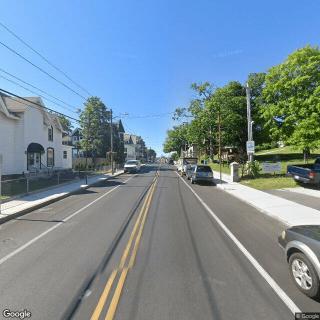
56 Maynard Street, Pawtucket, RI 02860
For more information about senior living options: (866) 208-4318
Overall Review of Darlington Assisted Living Center No 2
Pros
 The staff are very pleasant.
- The facility seems pretty clean.
Cons
 It is the worst place for people.
- Someone they know has bed bugs in their room.
- The directors and nurses do not do anything.
- There were not many staff around when they were there.
Review
Darlington Assisted Living Center No 2 is best suited for families seeking a quiet, small-scale option in Pawtucket where residents can enjoy a homelike atmosphere, straightforward services, and opportunities for low-key social or religious activities. The facility’s compact footprint and emphasis on a calm environment appeal to those who value a intimate setting over a bustling campus. From the glimpse of on-site notes, residents and visitors can expect a clean environment in a modest, easy-to-navigate space, with the kind of routine interaction that suits someone who does not require aggressive programming or high levels of supervision.
However, several caveats demand close scrutiny before committing. Potential residents who require dependable, around-the-clock staffing, aggressive housekeeping, or aggressive pest control should consider alternatives. The most serious red flag raised in reviews is a report of bed bugs in a resident’s room and a perception that management did not address the problem promptly. That kind of issue, if true and not resolved, can undermine health, comfort, and confidence in ongoing care. In a setting this small, where staffing visibility matters, a slow or inconsistent response from directors or nurses can amplify concerns about safety and dignity.
On the positive side, the reviews consistently point to very pleasant staff and a generally clean facility. Such impressions are meaningful for residents who value warmth, courtesy, and routine professionalism from caregivers and front-line workers. The small size can translate into easier access to staff when they are present, and for families, it can mean more personal conversations about preferences and needs. The existence of slightly specialized conveniences, like first-floor toilets, adds a practical edge for residents with mobility challenges. The ability to participate in familiar, low-pressure community activities, such as rosary visits, also matters for residents who appreciate continuity of routines and cultural or religious connections.
The flip side centers on staffing visibility and reliability. Several reviewers observed that staff aren’t always readily available on the floor, which can leave families and residents feeling unattended during peak hours or during transitions. Coupled with the bed bug concern and the impression of limited proactive management, these dynamics raise questions about responsiveness, especially for residents who require more frequent assistance, timely medication management, or rapid problem resolution. In a setting where the daily cadence relies on the cadence of a small team, gaps in coverage or in perceived accountability can become meaningful.
When weighing pros against cons, the most practical takeaway is that this community can deliver a comfortable, low-stress home for someone who thrives in a quiet, intimate environment and does not demand intensive care or constant oversight. The warmth of staff and the cleanliness are tangible anchors that can offset modest limitations, but the balance tilts away from suitability for residents with higher care needs, memory challenges, or a requirement for prompt, robust problem-solving. The bed bug concern, if corroborated by current conditions, represents a core risk that can overshadow every other positive attribute if not addressed with credible, transparent action.
For families making a decision, a disciplined, real-time due diligence approach is essential. Plan multiple visits at different times of day to gauge staffing presence and responsiveness, and specifically question the facility about their pest-control history, current protocols, and the steps taken the last time any pest issue was reported. Seek candid answers about call-bell response times, nurse availability on evenings and weekends, and how care plans are updated and communicated to families. Compare with other local options that offer more robust staffing, clearer accountability, and stronger track records on sanitation and resident safety. If quiet, personal attention, and a small-community vibe align with priorities, Darlington may be worth a closer look; if comprehensive care, rapid problem resolution, and airtight pest control are non-negotiables, alternatives should be pursued without hesitation.
 20 resident community capacity
 Assisted Living
 Beauty salon
 Cable or satellite TV
 Dining room
 Financial aid
 Fully furnished
 Garden
 Housekeeping services
 Kitchenette
 Move-in coordination
 Outdoor space
 Telephone
 Wi-Fi/high-speed internet available
 Theodore F Green State (11 miles away)
 24-hour call system
 Activities of daily living assistance
 Assistance with bathing
 Assistance with dressing
 Assistance with transfers
 Diabetes diet
 Meal preparation and service
 Medication management
 Mental wellness program
 Special dietary restrictions
 Transportation arrangement (medical)
 Transportation to doctors appointments
 English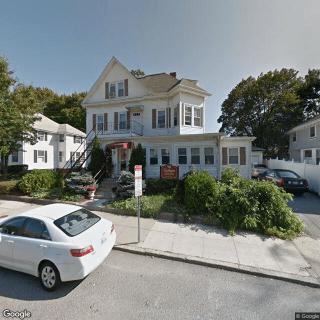



 Comprehensive Insights into Activities of Daily Living (ADLs) and Their Assessment
 Medicare Coverage for Assisted Living: An In-Depth Exploration
 Your Comprehensive Guide to Luxury Assisted Living: Elevated Facilities, Amenities, and Costs