

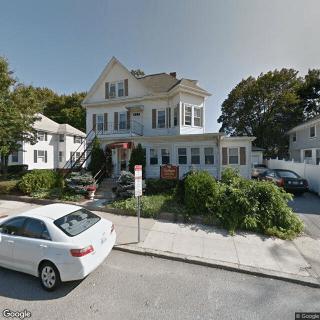
105 Beechwood Ave, Pawtucket, RI 02860
To contact a resident: (401) 724-8600
For more information about senior living options: (866) 208-4318
Overall Review of Beechwood Residential Care
Pros
 The staff and house leaders make residents feel that their recovery is important.
- The program feels sincere and genuine.
- The program matches the effort people put into their recovery.
- The staff genuinely care about residents.
- The program helps members feel like they belong and supports them through recovery.
Cons
 They feel neglected and like they don't belong.
- They don't know how to run a sober house.
Review
Beechwood Residential Care in Pawtucket is best suited for adults who want a close-knit, peer-driven sober-living environment where recovery matters to both staff and residents. It works best for individuals who are ready to engage, contribute to the community, and accept clear accountability as a pathway to progress. The emphasis is on genuine care from people who run the house and the program, with a culture that rewards effort and participation. This is not a clinical treatment setting; it assumes a level of independence paired with a willingness to lean into structured peer support and shared responsibility for sobriety.
Those who may want to consider alternatives are precisely the ones who require more formal clinical oversight or a more highly regulated, outcome-driven approach to recovery. If a resident needs intensive medical supervision, consistent professional therapy on-site, or a highly standardized regimen with rigid staffing governance, Beechwood may feel underpowered or inconsistent. Potential residents who have had experiences where program leadership was questioned or where the day-to-day management of the house seemed uncertain should weigh other options that offer clearer governance, stricter programming, or a broader network of services.
On the plus side, the strongest pro is the authenticity of the staff-driven environment. Reviewers consistently describe staff and house leadership as sincere and genuinely invested in each resident’s recovery, not just as administrators but as people who care. The sense that recovery is a real priority translates into a climate where accountability feels meaningful. Residents report that “you get what you put into it,” and that the program mirrors the level of effort residents bring. In practical terms, this means a sober-living setting where daily routines, house rules, and peer feedback support behavior change, rather than a passive stay.
Yet the main con cited is a concern about how reliably the house operates as a sober-living program. One reviewer bluntly questions the capacity of the team to run a sober house effectively, signaling that governance and execution can vary. That caveat matters: when leadership and structure aren’t consistently solid, the best intentions can falter, and progress can stall. However, the pros, genuine care, accessible mentorship, and a community that rewards engagement, can offset some of these concerns if a resident remains committed and communicates openly about needs. In short, outcomes hinge on personal investment and the steadiness of the leadership you encounter day to day.
Practically speaking, Beechwood’s profile, mid-range rating (3.8 from four reviews), a mix of high marks and a low one, reflects a facility that can deliver meaningful value for the right candidate but is not a universal solution. The relatively small, home-like feel and the emphasis on recovering lives through peer support can be precisely what some families seek: a stepping-stone that emphasizes responsibility, mutual accountability, and a supportive network when committed to change. For families weighing options, it’s essential to probe how the staff handles scheduling, relapse prevention strategies, house rules, and escalation procedures. Clarity around length of stay, cost, and what happens if a resident needs more intensive services should be part of the decision.
In the end, Beechwood Residential Care is a pragmatic choice for those who value authentic, staff-supported recovery within a tight-knit community and are willing to engage actively to make it work. It is less suited for individuals seeking a highly regimented clinical program or guaranteed uniform outcomes across all residents. Alternatives should be considered for those needing stronger governance, broader clinical services, or a different recovery culture. For families and prospective residents, the next step is clear: visit, ask hard questions about day-to-day operation and staff turnover, and assess whether the level of personal accountability and peer supported structure aligns with the resident’s readiness, goals, and the family’s expectations for ongoing safety and progress.
 Board and Care Home
 Theodore F Green State (10 miles away)






 Nurturing Our Loved Ones: A Daughter's Journey in Caring for Her Mother
 Nurturing Our Elders: Linda's Journey of Supporting Her Mother
 A Comprehensive Exploration of Common Misunderstandings about Powers of Attorney