







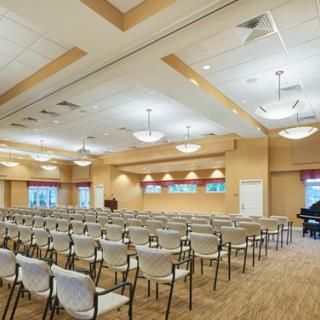
1802 Folkemer Circle, York, PA 17404
For more information about senior living options: (866) 208-4318
Overall Review of Spiritrust Lutheran The Village At Sprenkle Drive
Pros
 The staff, almost without exception, are kind, friendly and helpful.
- They have a good care plan for my wife and keep me informed about her progress.
- Best of all, the staff really seems to care about her as a person.
- Very professional staff and nurses.
- Food was excellent.
- The Sprenkle Drive community offers the most secure environment to live out retirement.
- The Village at Sprenkle Drive feels like home and family.
- The seniors were very friendly and always had a smile on their face.
Cons
 The facility is understaffed, making residents traipse through the building to find someone to help them.
- Housekeeping is only on the second shift, so bathroom trash waits until afternoon and odors fill the apartment.
- The leadership team does not acknowledge concerns or fix issues.
- Meals are served cold on a daily basis, and problems go unaddressed; management focuses on filling beds rather than resident care.
- The assisted living area is deplorable, with cold meals, unaddressed problems, and residents with dementia reprimanded; state involvement was required.
- The staff are unprofessional and many are incompetent and cliquish; agency or new staff are given the hardest work while others sit on their phones.
- Nursing and rehab care are inadequate due to short staffing, leaving residents in wheelchairs all day or confined to bed.
- The facility pushes to deny medical benefits and force self-pay, and the care team’s actions can be harmful to residents.
Review
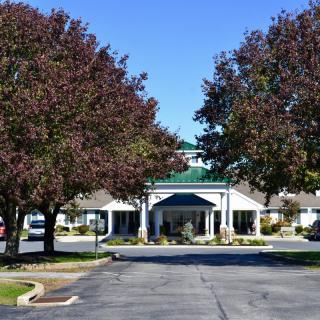
Spiritrust Lutheran The Village at Sprenkle Drive is best suited for seniors who want a secure, home-like retirement village where neighbors and staff create a sense of community, and where cottage living and an active social calendar foster daily purpose. It works well for residents who can tolerate some variability in day-to-day care and who have trusted family oversight to ensure needs are met. Those weighing alternatives should note that this community may not satisfy individuals who require consistently rapid assistance, steady nursing oversight, or uniformly high-quality rehab and memory-care services.
On the positive side, several accounts praise professional staff and a care ethos that genuinely cares about residents as people. Families note well-developed care plans and regular communication about progress, with some residents reporting thoughtful attention to preferences and routines. The dining scene is not universally praised, but enough residents highlight flavorful meals, some with standout dishes, to counterbalance occasional criticism. The environment itself earns compliments for cleanliness, safety, and a campus layout that promotes independence within a connected village. The sense of belonging, neighbors who treat the place like a community, appears repeatedly as a strong, steady attractor.
Yet the drawbacks are persistent and substantial. Staffing shortages surface as a core concern: difficulty locating staff for timely help, and routine tasks like trash removal sometimes delayed, with odors impacting private spaces. Management criticisms run parallel, with some reviewers alleging a disconnect between leadership and frontline concerns and a perceived emphasis on bed occupancy over genuine resident care. Food quality is not consistently reliable, with several reports of meals being cold or unappealing. The rehab and skilled-nursing experiences prove uneven, with some families describing inadequate nursing care and regression after admission. A few comments cite professionalism gaps and cliques among staff, feeding skepticism about everyday responsiveness and morale.
These contrasts matter most when matching the resident profile to the facility’s realities. For a relatively independent senior who values security, social programming, and a welcoming atmosphere, the positives can substantially offset occasional service gaps and permit a satisfying everyday rhythm. By contrast, for someone requiring constant hands-on assistance, swift call-response, or a robust, transparent rehab pathway, the risks become hard to overlook. The presence of a committed family partner, visits, questions, and ongoing oversight, can blunt some issues, but it cannot fully compensate for systemic staffing and care delivery weaknesses.
Practical guidance follows from these dynamics. Prospective residents should pressure-test staffing models: ask for current ratios on days and evenings, and request concrete examples of turnaround times for help requests. Delve into the specific unit’s performance, assisted living versus skilled nursing, and demand recent outcomes for rehab and memory-care services. Financial considerations deserve clear answers: the cottage options and upfront payments carry substantial commitment, and long-term affordability is a legitimate concern if care needs evolve. Tour the therapy space, sample meals, and meet the care coordinators to gauge whether care plans align with expectations for daily life, health management, and social engagement.
Ultimately, The Village at Sprenkle Drive delivers a practical, community-forward option with undeniable warmth and security for the right family. It presents a home-like environment where residents can forge relationships, pursue activities, and feel protected within a well-kept campus. The persistent staffing and care delivery questions, however, anchor a prudent approach: this is not a one-size-fits-all solution. For families prioritizing steady, high-touch care and consistently strong rehab outcomes, exploring alternatives is wise. When staffing realities align with resident needs and family capacity for oversight, Sprenkle Drive can be a solid, livable home that feels like family.
 56 resident community capacity
 Assisted Living
 Skilled Nursing Facility
 Air-conditioning
 Beauty salon
 Cable or satellite TV
 Computer center
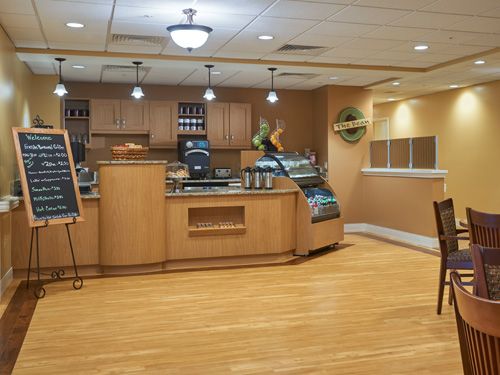
 Dining room
 Fitness room
 Fully furnished
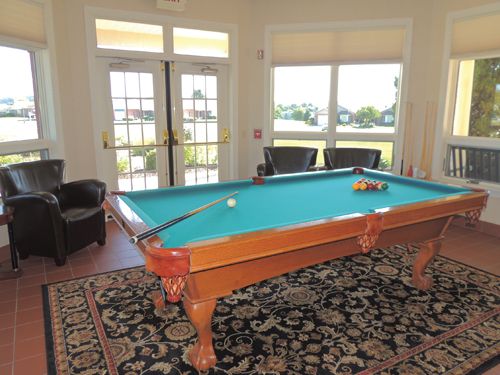
 Gaming room
 Garden
 Housekeeping services
 Kitchenette
 Move-in coordination
 Outdoor space
 Private bathrooms
 Restaurant-style dining
 Small library
 Telephone
 Wellness center
 Wi-Fi/high-speed internet available
 Harrisburg International (14 miles away)
 Community operated transportation
 12-16 hour nursing
 24-hour call system
 Activities of daily living assistance
 Assistance with bathing
 Assistance with dressing
 Assistance with transfers
 Diabetes diet
 Medication management
 Mental wellness program
 Special dietary restrictions
 Concierge services
 Planned day trips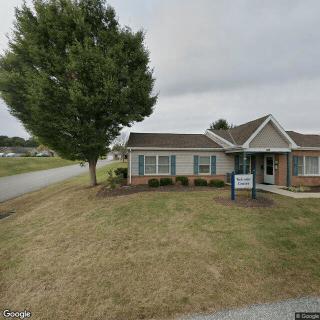



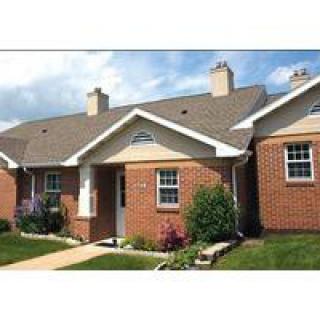


 Comprehensive Residential Support and Assisted Living Solutions for Individuals with Disabilities
 Comprehensive Supportive Living Arrangements for Adults with Disabilities
 Funding and Affording Assisted Living: A Thorough Overview