
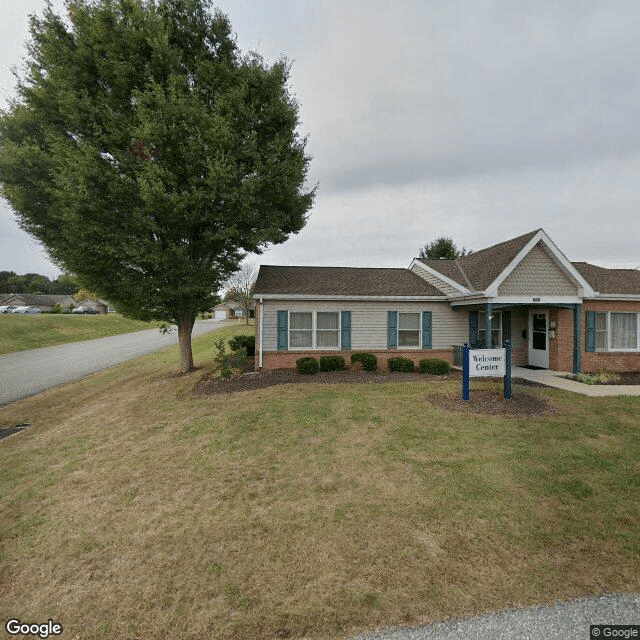
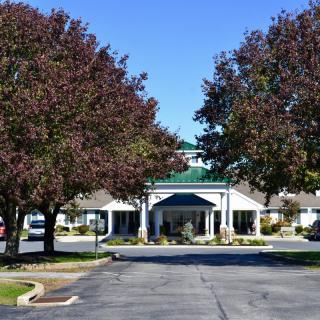
1802 Folkemer Cir, York, PA 17404
To contact a resident: (717) 764-9994
For more information about senior living options: (866) 208-4318
Overall Review of Village At Sprenkle Drive
Pros
 The staff are kind, friendly, and helpful.
- They have a good care plan for residents and keep families informed about progress.
- The staff genuinely care about residents as people.
- The food is good, and the roast beef is wonderful.
- The facility has very professional staff and nurses.
- The rooms are very clean.
- The Sprenkle Drive community offers a secure retirement environment and feels like home and family.
Cons
 There is a shortage of staff, so residents must trapse through the building to find someone to help them.
- Housekeeping runs on second shift, leaving bathroom trash from incontinent residents to sit until the afternoon and sometimes smell up the apartment.
- Budget cuts keep staff from addressing concerns, senior leadership does not acknowledge or fix issues, and cold, nasty food is a daily occurrence with management focused only on filling beds.
- The assisted living area is deplorable; meals are served cold, problems go unaddressed, residents with mild dementia are reprimanded for not wearing an alert, and state involvement was needed after illness swept through for months.
- The staff are unprofessional; the director of nursing has a nose piercing; many staff are incompetent and cliquey; agency employees are overworked while others sit on their phones; the scheduler Ruthy is infamous for that.
- The facility is unsafe and neglectful: doctors nearly harmed a patient by stopping a diuretic, they push to deny medical benefits and force self-pay, and staff do not seem to care about residents.
Review
Village at Sprenkle Drive is best suited for seniors who place a high value on a secure, home-like atmosphere and a sense of community, along with dependable routine. It works best for residents who can function with some variability in staffing and who do not require intensive rehabilitation or highly specialized memory care on a day-to-day basis. For families seeking consistent, edge-to-edge clinical support, or a facility with unwavering staffing guarantees, this community may not check every box. The setting can feel welcoming and neighborly, but its readiness to handle complex needs is uneven enough to warrant careful scrutiny before committing.
People considering alternatives should pay close attention to staffing stability and care quality across shifts. Multiple reviews flag persistent understaffing and delays in assistance, with residents and families reporting that help is hard to find during a shift. Housekeeping and trash duties, particularly in bathrooms, sometimes hinge on a single aide’s initiative, which means odors and hygiene can become an ongoing concern if coverage slips. For anyone with higher daily needs, or for families who require timely, proactive responses, these gaps can translate into real frustration and risk.
On the flip side, there are credible strengths that some families experience as meaningful offsets to these gaps. When staff members are present and engaged, residents report attentive care plans and consistent communication about progress. Several reviewers highlight good food and clean rooms as genuine positives, along with a sense of personal warmth from the people who show up to help. The facility is described as a secure environment with a true community feel, where maintenance, activities, and overall security contribute to a lived-in, “home” impression. In this context, the strongest advocates emphasize that the human side, kindness, approachability, and everyday reliability, can make a tangible difference.
However, the most consequential concerns extend beyond staffing tempo. Some accounts describe the assisted living area as notably subpar, with complaints about cold meals and unaddressed problems. There are troubling anecdotes suggesting management neglects concerns or prioritizes bed placement over resident welfare, and there are explicit warnings about how outbreaks or illnesses were managed. A few posts even voice distrust toward leadership and clinical oversight, which matters deeply for families weighing ongoing daily caregiving. For those who must rely on a facility to recognize and respond to early warning signs of health issues, these stories raise red flags that cannot be dismissed.
Rehabilitation and memory-care needs complicate the equation further. One strongly negative voice urges avoidance for anyone requiring skilled rehab, particularly when Alzheimer’s considerations are present, signaling that recovery goals may not be aligned with resident safety and well-being. Prospective residents with dementia or significant cognitive impairment may find the environment insufficiently tailored, while those seeking robust rehab or specialized memory support should likely seek alternatives with proven track records in those areas. In short, the potential gaps in clinical depth and condition-specific programming are a decisive factor for that segment of the market.
The decision hinges on what a family can tolerate and what outcomes are non-negotiable. If a secure, neighborly setting with friendly interactions and a semblance of homelike quality outweighs occasional service delays, Sprenkle Drive can be a workable match. If, however, reliable staff availability, consistently warm and timely meals, responsive leadership, and strong rehab or memory-care capabilities are non-negotiable, the prudent move is to compare other options before committing. Families should scrutinize current staffing patterns, demand transparent accountability from leadership, and request direct feedback from current residents about daily experiences. Informed choices will emerge from visiting at different times, speaking with frontline caregivers, and testing whether the promised care plans translate into steady, dependable practice.
 Independent Living
 Skilled Nursing Facility
 Activities on-site
 Devotional services off-site
 Indoor common areas
 Harrisburg International (14 miles away)
 Ambulatory care
 Diabetic care
 High acuity care
 Meals provided





 Urinary Tract Infections in Older Adults: Comprehensive Insights on Symptoms, Treatment, and Prevention
 California's Form 602A: An In-Depth Examination of Senior Care Assessment
 Comprehensive Look at Senior Blood Pressure Charts: Normal and Elevated Levels by Age