
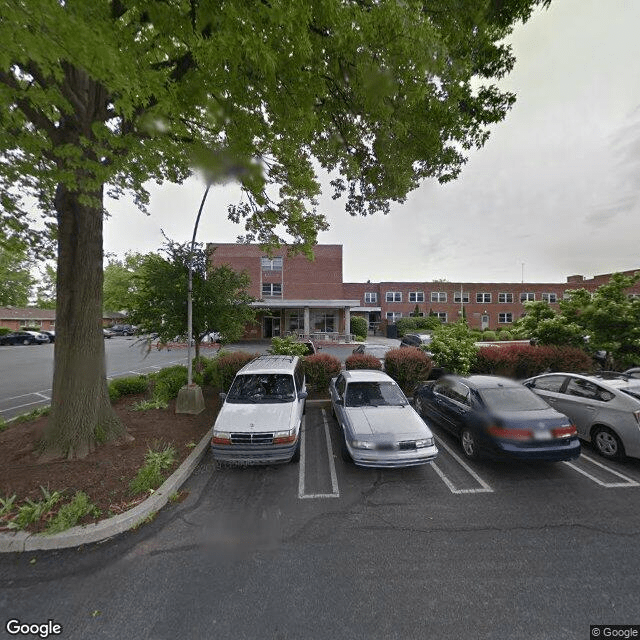
750 Kelly Dr, York, PA 17404
To contact a resident: (717) 854-5010
For more information about senior living options: (866) 208-4318
Overall Review of The Village at Kelly Drive
Pros
 The facility is very nice and clean.
- The staff treats residents well and offers activities.
- The care is good.
- The place feels like home.
- The facility looks nice and the staff is friendly.
- The community is friendly.
- Residents can enjoy a beautiful five-star restaurant-style dinner at Christmas.
- There is plenty for residents to do.
Cons
 The building isn’t up to date.
- Michelle at the front desk was very rude.
- The charge nurses are rude and shift blame to nurse assistants, while talking badly about people.
- The facility is very unorganized.
- They are not helpful and misrepresent classes (e.g., a fatherhood class that isn’t what they claim).
- The facility is a little run down.
Review
The Village at Kelly Drive in York, PA is best suited for seniors who want a warm, neighborly environment with regular social engagement and dependable daily care, more than they crave the newest building or the slickest campus. It works well for residents who enjoy a robust activity calendar, a clean and pleasant setting, and staff who make an effort to treat people with attention and kindness. Families seeking a sense of “home” and a community where residents seem to settle in and participate willingly will likely feel comfortable here.
That does not mean this community is for everyone. Alternatives should be considered by families prioritizing a consistently-polished front desk experience, perfectly organized operations, and a continually updated facility. If seamless, professional communication and a highly structured administrative style are essential, or if a modern, up-to-date interior is non-negotiable, other options may prove more reliable. For those with high-acuity needs, memory-care specifics, or a strong concern about staff consistency and turnover, it’s worth evaluating multiple campuses with clearer, more uniform processes.
On the plus side, the strongest draws are tangible: the facility is generally clean and looks inviting, with common spaces that feel open and cared for. The care observed in daily routines has a solid core, and staff members who are friendly contribute significantly to a welcoming atmosphere. The social fabric is evident in the number of activities and the sense that residents are included in the community life. Several families note that the placement already feels like a home, and that the ambiance supports ongoing engagement rather than isolation. Taken together, these elements create a reliable baseline of comfort and companionship for many residents.
The most significant risks lie in execution and operational rhythm. Several reviews flag the building as not being up to date, with age showing in finishes and perhaps in older infrastructure. Front-desk interactions and certain nursing leadership dynamics are described as rude or less professional, and a number of observers point to disorganization and inconsistent communication. These concerns matter because they touch daily experience: first impressions, timely problem resolution, and the sense that concerns are heard and acted upon. When front-line encounters feel strained or meetings with leadership feel ad-hoc, the overall experience can feel unstable, especially for families counting on predictable responsiveness.
How the positives can offset the negatives depends on what matters most to the resident and family. For a resident who values companionship and routine, who thrives on a steady stream of activities, friendly interactions, and a home-like feel, the warm, approachable staff and the social framework can sustain a high quality of life even if some administrative hiccups persist. The care provided appears solid enough to support daily needs, and the community atmosphere can translate into meaningful days. However, if personal expectations include a consistently flawless front-desk experience, rigorously organized operations, and uniformly courteous leadership, the gaps may become frustrating over time. In such cases, the risk of frustration or miscommunication grows and might outweigh the benefits of the friendly environment.
Practical steps to decide: visit during a typical day and observe how the front desk handles inquiries, then request candid conversations with the administrator and several staff members about problem-solving and response times. Compare the activity calendar against the resident interests and confirm there is a clear process for reporting concerns and seeing them resolved. Ask to speak with current residents or families about consistency in care and communication, and request a tour of resident rooms to assess maintenance and updates firsthand. Finally, probe the staffing rhythm, nurse-to-resident ratios, turnover, and how leadership supports the floor teams, to determine whether the lived experience can stay consistently positive as needs evolve.
 Assisted Living
 Independent Living
 Skilled Nursing Facility
 Activities on-site
 Devotional services off-site
 Indoor common areas
 Harrisburg International (15 miles away)
 Ambulatory care
 Diabetic care
 Meals provided





 Comprehensive Insights into Activities of Daily Living (ADLs) and Their Assessment
 Guiding Elderly Parents Who Refuse Assisted Living: 6 Practical Steps
 Your Comprehensive Guide to Luxury Assisted Living: Elevated Facilities, Amenities, and Costs