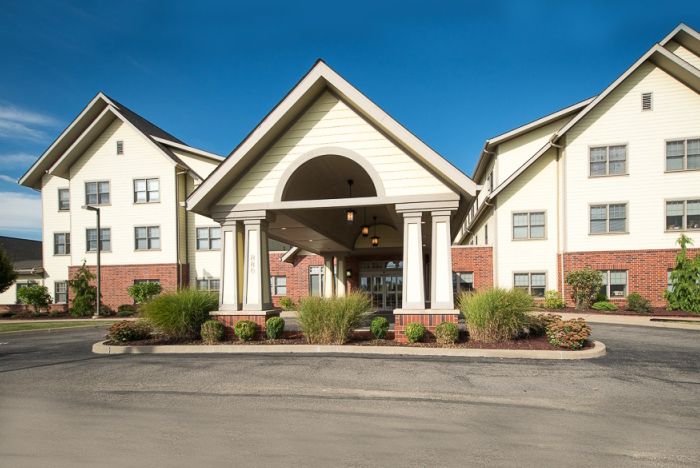
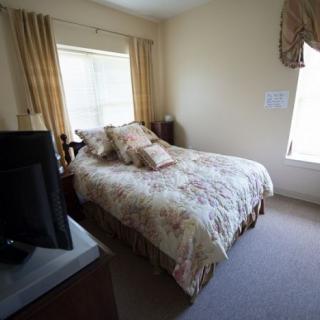
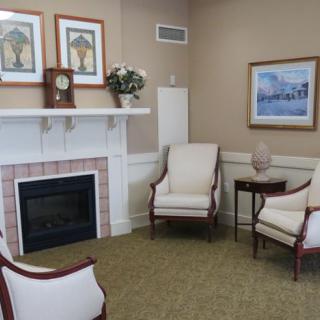
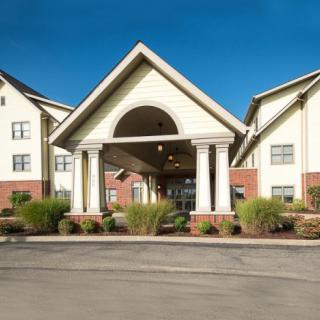
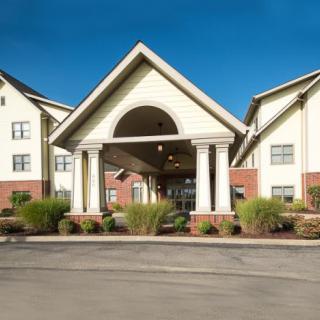
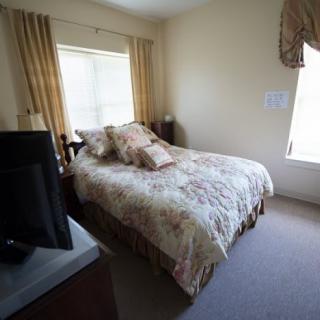
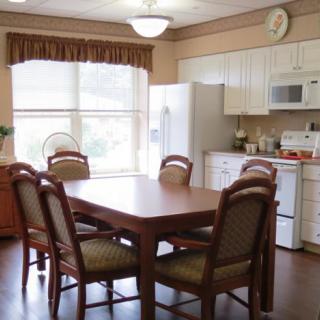

880 South Main Street, Washington, PA 15301
For more information about senior living options: (866) 208-4318
Southminster Place Costs & Pricing
Southminster Place presents a range of living options with distinct pricing that reflects its premium services and amenities. For a studio, the monthly cost is $5,130, which significantly exceeds both Washington County's average of $3,389 and Pennsylvania's statewide average of $3,737. The one-bedroom unit follows suit at $5,520, again surpassing local and state averages of $3,659 and $4,006, respectively. Additionally, the semi-private option is priced at $6,390, considerably higher than the county's rate of $3,185 and the state's rate of $3,542. These figures suggest that while Southminster Place may be positioned at a higher price point in comparison to its surroundings, it likely offers enhanced services or an elevated quality of life that residents find valuable.
| Floor plans | Southminster Place | Washington County | Pennsylvania |
|---|---|---|---|
| Studio | $5,130 | $3,389 | $3,737 |
| 1 Bedroom | $5,520 | $3,659 | $4,006 |
| Semi-Private | $6,390 | $3,185 | $3,542 |
Memory care communities with a similar price nearby
-
from -$330 / mo
Asbury Heights
$4,800 to $10,260 / month18.0 miles away -
from -$753 / mo

The Residence At Weinberg Village
$4,377 / month24.1 miles away -
from +$540 / mo
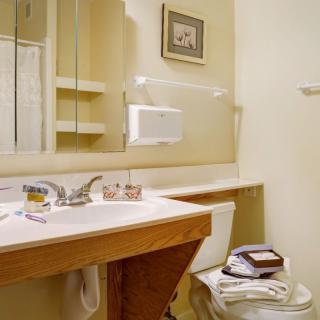
Sunrise of Upper St. Clair
$5,670 to $7,560 / month15.6 miles away -
from -$880 / mo
Tandem Health Care Inc
$4,250 / month23.3 miles away
Overall Review of Southminster Place
Pros
 It is a beautiful place to live or work.
- The staff are caring, and there is a free bus for doctor appointments and shopping.
- The food is well above average.
- It can't be beat.
Cons
 They went down hill fast.
- If anyone values there loved ones find somewhere else!
Review
Southminster Place in Washington, PA is best suited for seniors who want a polished, resident-centric environment with dependable transportation and meals that feel like a real meal rather than a basic plate. The community reads as a place where caring staff and a welcoming atmosphere create a home-like vibe, making it a strong fit for families that prize daily life filled with social engagement, accessibility to appointments, and a comfortable, aesthetically pleasing setting. It works particularly well for those who value a proactive, personable staff and a campus that supports independence while providing supportive services. For residents who want a balanced mix of comfort, community, and practical conveniences, this is a compelling option.
However, prospective residents should consider alternatives if stability and consistently high-quality care are non-negotiable. If there is a heightened sensitivity to changes in service or leadership, or if a low tolerance for perceived declines exists, it becomes prudent to compare with communities known for steadier, longer-tenured management. Those requiring highly structured routines, intensive memory-care supports, or a more tightly controlled care plan may find other options better aligned with their needs. Families with a low tolerance for turnover or abrupt shifts should actively vet other facilities to ensure predictable care and clear communication.
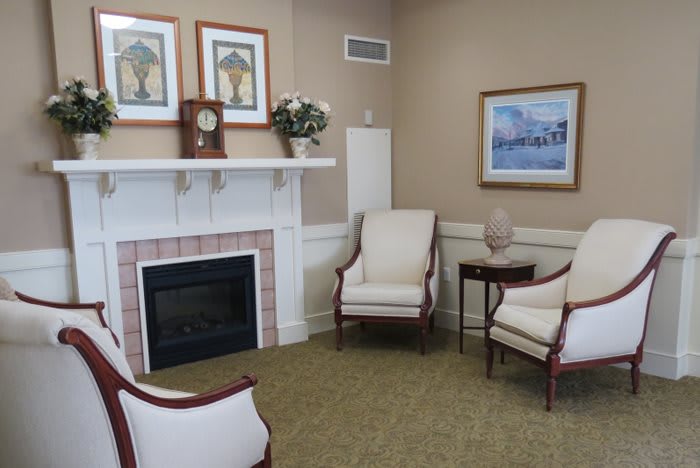
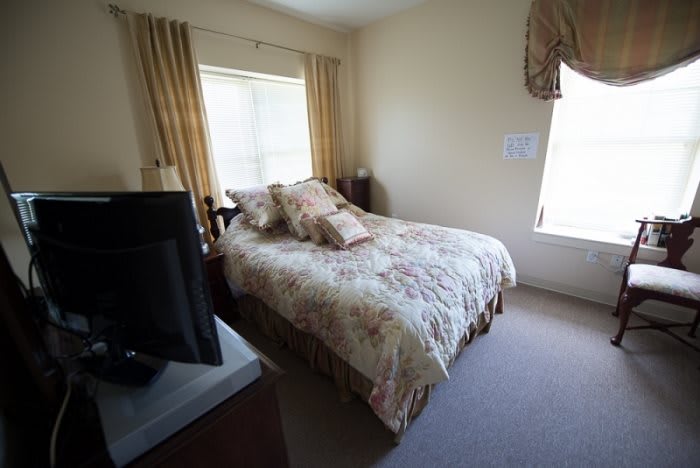
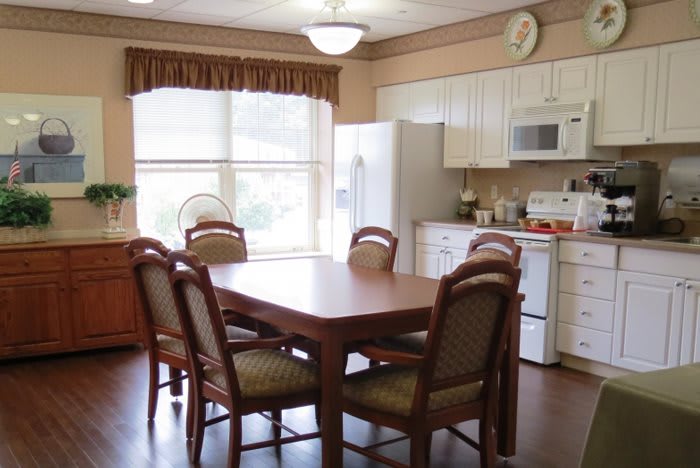
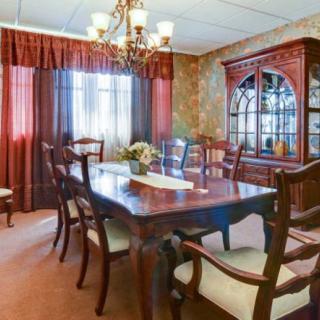
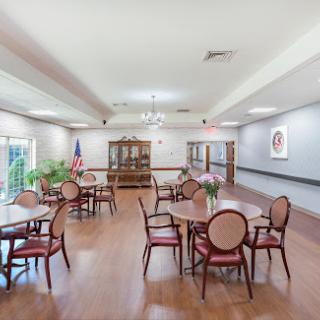
The strongest selling points center on the environment and daily life. The campus itself is beautiful and inviting, which helps residents settle in and feel valued from day one. Staff are repeatedly described as caring, translating into attentive day-to-day interactions that can significantly ease the stress of aging at home. The complimentary bus service stands out as a practical perk, enabling patients to attend doctor appointments and run errands without constant family involvement. Food excellence is another standout: meals are consistently noted as above average, contributing to better nutrition and a more enjoyable dining routine. For families seeking a smooth, engaging daily rhythm, these advantages are meaningful and tangible.
Yet the cautionary note cannot be ignored. One negative review warns that “they went down hill fast,” signaling the potential for decline in quality or responsiveness over time. That sentiment suggests possible lapses in staffing stability, leadership responsiveness, or the capacity to maintain previously high levels of service. While not universal, such feedback merits serious inquiry during tours and discussions with administrators. Prospective residents should probe current leadership structure, staffing ratios, turnover rates, and the facility’s track record for addressing concerns promptly and transparently.
Even with that caveat, the core strengths remain significant. A caring, accessible staff combined with strong transport options and appealing meals can sustain a high quality of life even amid organizational fluctuations. The ability to move freely to appointments and outings reduces caregiver burden and preserves resident autonomy, while a lively, well-supported social calendar helps prevent isolation. For families, the right due-diligence steps, requesting a day-in-the-life schedule, speaking with frontline staff, reviewing recent safety and maintenance records, and observing the tone of communication between staff and residents, can reveal whether the current environment aligns with expectations and needs.
Bottom line: Southminster Place is a solid, practical choice for families prioritizing a warm, engaging atmosphere with dependable transport and appetizing meals. It shines when stability and steady leadership can be confirmed and when the home-like vibe and social opportunities are valued. For those who cannot tolerate even occasional dips in service or who require highly predictable, tightly managed care, alternatives with a longer track record of consistent performance should be considered. For others, a careful visit, direct conversations with staff, and a candid assessment of current operations will reveal whether this community fits the plan.
 90 resident community capacity
 Assisted Living
 Memory Care
 Cats allowed
 Dogs allowed
 Activities off-site
 Air-conditioning
 Bath tubs
 Beautician on-site
 Cable or satellite TV
 Computer center
 Devotional services off-site
 Dining room
 Fitness room
 Fully furnished
 Gaming room
 Garden
 Ground floor units
 Housekeeping services
 Indoor common areas
 Kitchenette
 Move-in coordination
 Outdoor common areas
 Private bathrooms
 Respite or short term stays offered
 Restaurant-style dining
 Small library
 Telephone
 Wellness center
 Wi-Fi/high-speed internet available
 Pittsburgh International (23 miles away)
 Community operated transportation
 12-16 hour nursing
 24-hour call system
 Ambulatory care
 Assistance with bathing
 Assistance with dressing
 Assistance with transfers
 Diabetes diet
 Diabetic care
 Incontinence care
 Medication management
 Mental wellness program
 Special dietary restrictions
 Art classes
 Concierge services
 Day trips and outings
 Educational speakers / life long learning
 Happy hour
 Karaoke
 Live dance or theater performances
 Live musical performances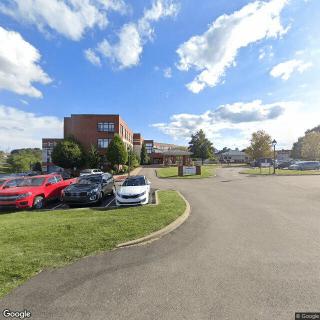

 Comprehending Evening Confusion in Dementia: Causes, Manifestations, and Support
 Delirium and Dementia: Unraveling the Key Differences
 Are Dementia and Alzheimer's Disease Lethal? A Comprehensive Exploration