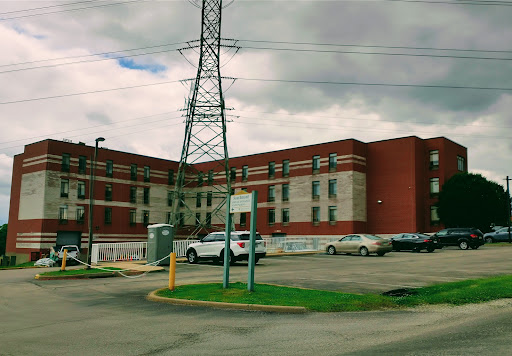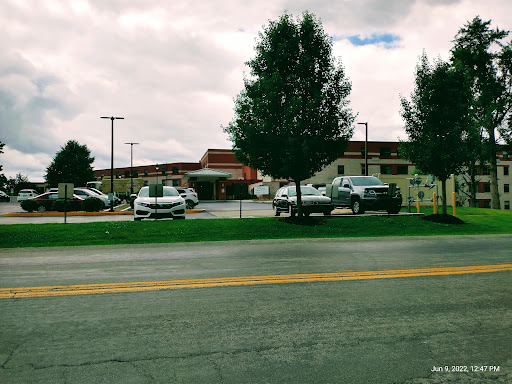
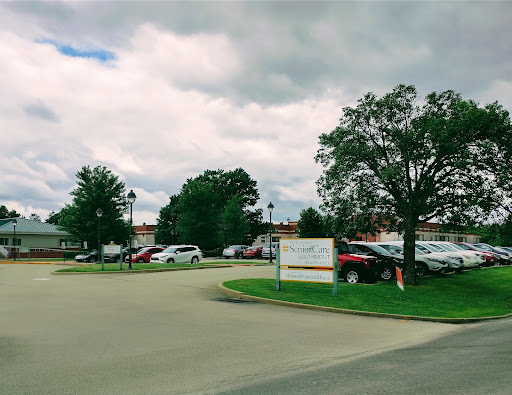


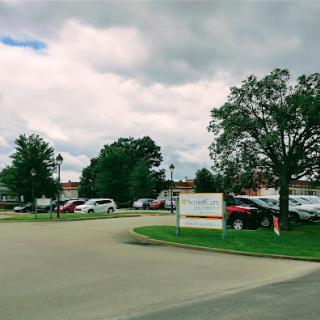
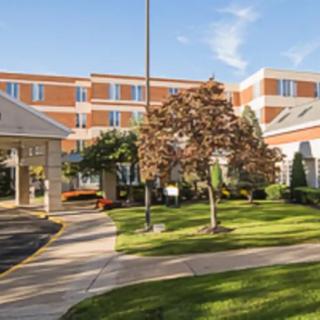
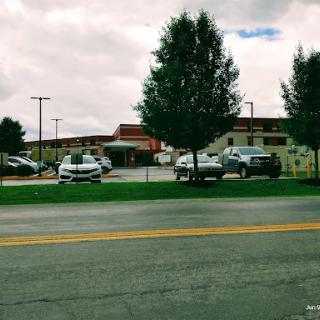
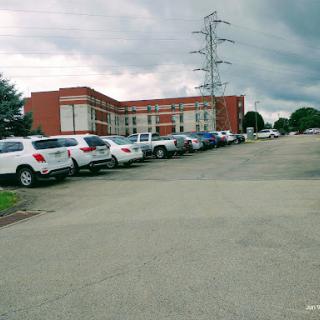
835 South Main Street, Washington, PA 15301
For more information about senior living options: (866) 208-4318
Overall Review of Southmont Of Presbyterian Seniorcare
Pros
 The grandpa’s experience indicated staff were very nice and the place was clean.
- Southmont’s rooms are very clean, and the nurses are excellent.
- The staff are very friendly, the rooms are always clean, and the atmosphere is warm.
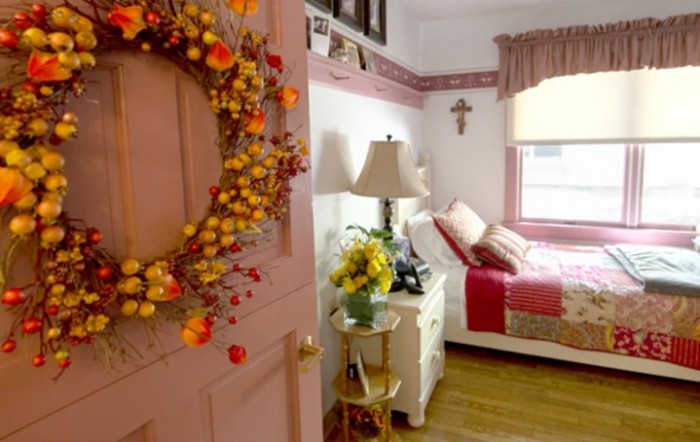
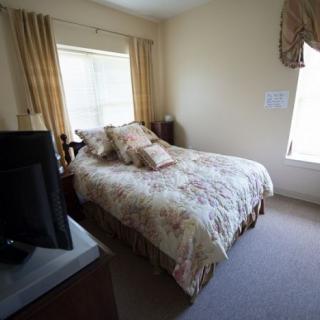
- Presbyterian SeniorCare was described as very nice, with spacious rooms and engaging activities.
- Presbyterian SeniorCare offers very good service and a variety of music and dance activities.
- Tours praised the staff’s friendliness and genuine care, and described the facility as exceptionally clean.
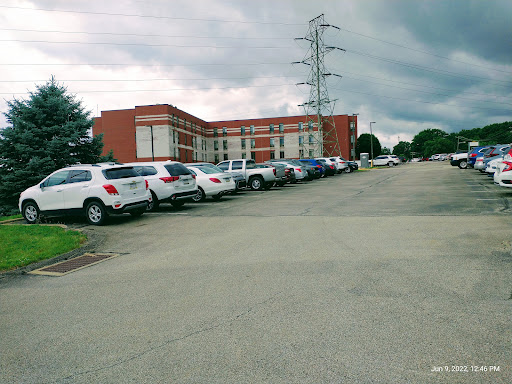
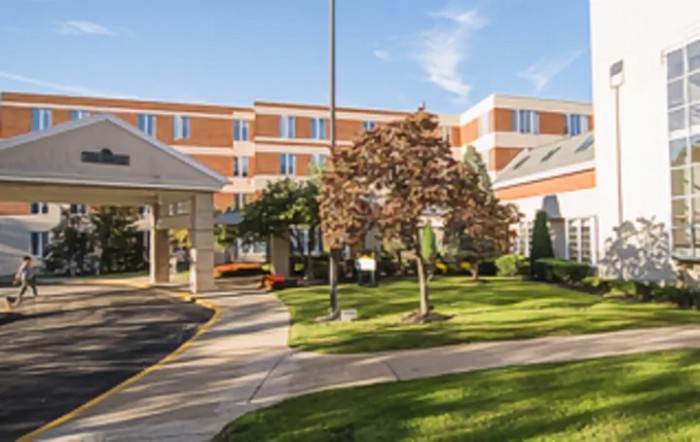
- The facility provides large grounds and many events for residents.
- The rehabilitation program at Presbyterian SeniorCare is really good.
Cons
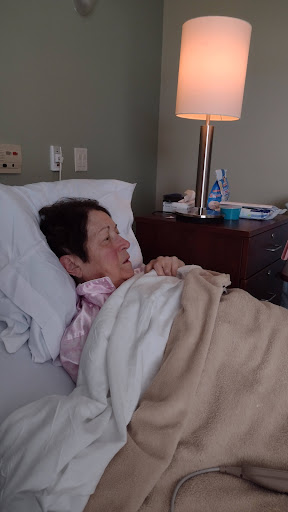
 The care is poor; safety lapses allowed the father to fall from bed multiple times because side rails weren’t used or attached.
- Aides left residents in dirty diapers for hours and called them lazy.
- Without family advocacy, patients reportedly do not receive adequate care and are left to fend for themselves.
- Care, food, and staff quality reportedly swing from good to bad and back, showing inconsistency.
- They allegedly do not follow masking guidelines, disregarding COPD patients who can’t breathe through masks.
- The facility’s administration is disorganized; papers are lost and paperwork mishandled.
- Call buttons have long wait times (often 15 minutes or more), and staff appear annoyed when assistance is requested.
- A reviewer described a specific episode as horrible: a patient was left in bed, diapered, heavily medicated, and nurses did not answer calls.
Review
Southmont of Presbyterian Seniorcare in Washington, Pennsylvania is best suited for seniors who prize a clean, activity-rich environment and reliable rehabilitation services, paired with a warm, personable front-line staff. The campus-wide programming and robust therapy options appeal to families that will stay engaged, advocating for care when needed and leveraging the strong rehabilitation offerings to support recovery and mobility. In short, it works well for residents who want structure, social engagement, and a clear pathway back to independence through rehab and programming, with staff who tend to be courteous and attentive at the right moments.
However, there are clear reasons many families should explore alternatives. Several reviews flag uneven frontline care, including delays to call bells and aides who seem overwhelmed or unfriendly. Serious safety concerns recur in some accounts, bed safety rails not secured, patients left in soiled diapers, or being inadequately assisted with bathrooms, situations that demand vigilant oversight or a dedicated advocate. The campus’s administration also shows fragility in paperwork and billing decisions, with instances of misapplied payments and lost documents cited by families. Those who prioritize consistently proactive, near-instant assistance or who demand rigorous safety protocols may want to compare other options.
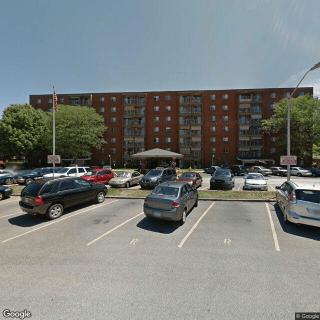
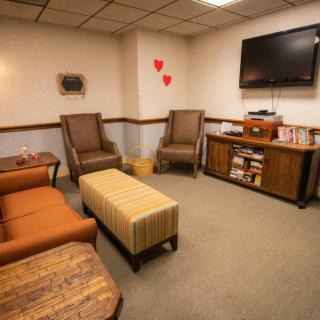
On the pro side, the environment is notably clean and orderly. Nursing staff are described as excellent, with reviewers praising the therapy and rehabilitation program that helped knees and mobility, and many residents enjoy a lively calendar of activities, from music and worship services to crafts and baking. The social fabric is palpable: kitchens hum with staff engagement, and the overall atmosphere tends toward warm and welcoming. External tours consistently highlight professionalism and a sense that residents are cared for, with large outdoor spaces and an emphasis on meaningful activity that supports morale and engagement.
Yet the mix of experiences means outcomes depend heavily on who is on duty and how well care plans are managed. The same facility that excels in rehab and hospitality can falter in daily care delivery when staffing gaps appear. Reported gaps include long wait times for assistance, inconsistent aide demeanor, and occasional misplacement or loss of paperwork. For a family navigating complex needs, chronic pain, dementia, or high dependence on assistance, these variances can destabilize trust quickly unless there is steady advocacy and transparent communication from the team and the family remains actively involved.
That dynamic is why the pros must be weighed against the cons with a practical lens. The strong rehab and engaging activities create tangible value for mobility, mood, and overall function, and the clean, friendly environment lowers daily friction. The risk, however, is that safety lapses and inconsistent responsiveness can negate those benefits unless mitigated by robust care coordination and proactive family oversight. The best approach is to verify current nurse-to-patient ratios, ask for real-world examples of a typical day, request near-term care plans with measurable goals, and request prompt, reliable call-bell response. In short, the positives can be realized, but only with active management of the negatives.
Bottom line: Southmont is a solid option for families who want a respectable, well-structured setting with strong rehab and social programming, provided that a plan is in place to monitor care closely and act quickly when issues arise. It is less suitable for those requiring consistently high-touch, immediate assistance or for families unwilling or unable to advocate regularly. Prospective movers should tour with questions about safety protocols, staffing stability, and administrative reliability, and should insist on a clear care plan, documented response times, and a path to measurable progress. If those conditions can be met, Southmont stands as a competent, genuinely caring community with real strengths that can translate into meaningful gains for residents.
 155 resident community capacity
 Skilled Nursing Facility
 Air-conditioning
 Beauty salon
 Cable or satellite TV
 Computer center
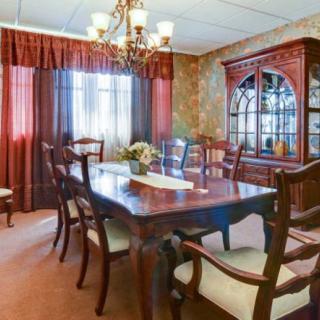
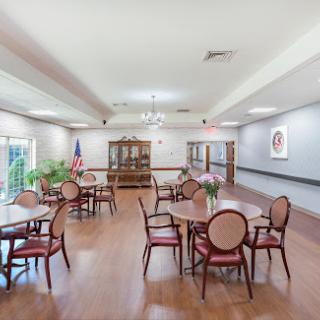
 Dining room
 Fitness room
 Fully furnished
 Gaming room
 Garden
 Housekeeping services
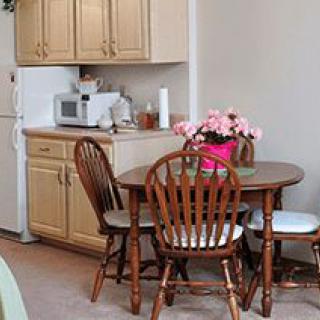
 Kitchenette
 Move-in coordination
 Outdoor space
 Private bathrooms
 Restaurant-style dining
 Small library
 Telephone
 Wellness center
 Wi-Fi/high-speed internet available
 Pittsburgh International (23 miles away)
 Community operated transportation
 12-16 hour nursing
 24-hour call system
 Activities of daily living assistance
 Assistance with bathing
 Assistance with dressing
 Assistance with transfers
 Diabetes diet
 Medication management
 Mental wellness program
 Special dietary restrictions
 Concierge services
 Planned day trips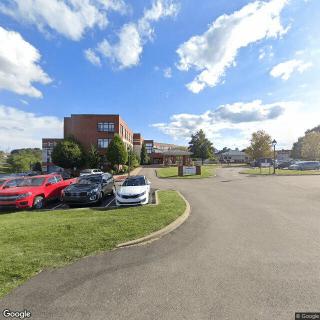
 Comprehensive Insights and Practical Strategies to Help Older Adults Avoid Falls
 6 Crucial Ways an Elder Law Attorney Assists Families
 Navigating the Tax Landscape of Caregiving: Credits, Deductions, and Beyond