
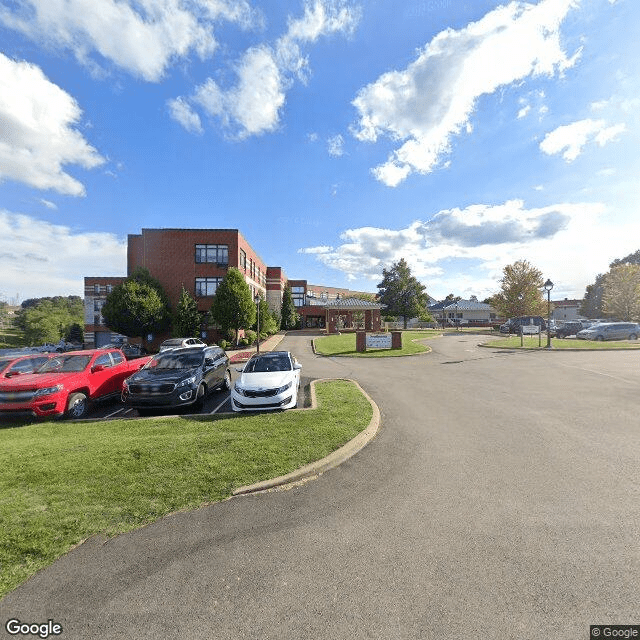
835 S Main St, Washington, PA 15301
To contact a resident: (724) 222-4300
For more information about senior living options: (866) 208-4318
Overall Review of Presbyterian Seniorcare
Pros
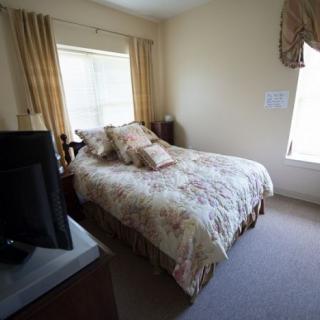
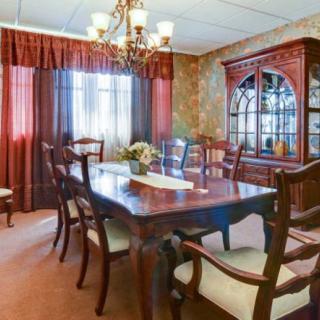
 The rooms at Southmont are very clean.
- The nurses are excellent.
- The staff are very nice and the facility is clean.
- Presbyterian SeniorCare was very nice and has a warm, friendly environment.
- The activities at Presbyterian SeniorCare, including music and crafts, are engaging.
- The rehabilitation program at Presbyterian SeniorCare is really good and has helped patients significantly.
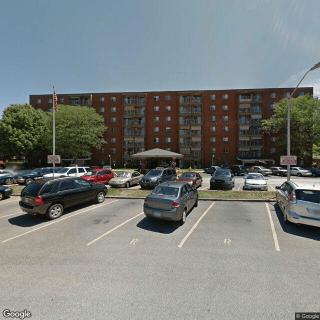
- The building looks great, with spacious grounds and frequent resident events.
- The staff are professional, caring, and accommodating.
- Presbyterian SeniorCare is highly recommended for elderly loved ones.
Cons
 The facility provided poor care, with side rails unused and the patient falling out of bed multiple times.
- Aides left the patient in dirty diapers for hours and labeled him lazy.
- They refused to return a mistaken payment meant for another facility.
- Care quality fluctuated from good to bad, and staff did not consistently follow safety guidelines such as masks.
- The call button wait times were 15 minutes or longer, and aides acted annoyed when assistance was requested.
- The patient was left in bed and reportedly given sedatives, with nurses not responding promptly to calls.
- Documentation and administrative processes were disorganized, with important papers lost multiple times.
- The reviewer would not recommend the place due to poor care.
Review
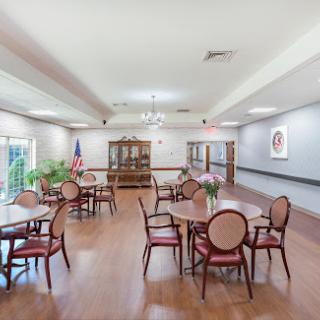
Presbyterian SeniorCare in Washington, PA is best suited for families navigating post-acute recovery who want a sizable campus with active programming, solid cleanliness, and generally approachable staff. The setting appeals to residents who thrive on a robust activities calendar, music programs, worship services, crafts, baking, and regular physical therapy, and who benefit from a campus feel with accessible therapy resources. When operations run smoothly, the environment feels warm, well-kept, and capable of supporting meaningful rehabilitation and social engagement.
However, several realities warrant exploring alternatives. Safety lapses and inconsistent response times have been cited, including claims that bed rails were not properly used or attached and that call bells went unanswered for extended periods. The care experience appears to swing from capable and supportive to stretched and fragmented, with staff performance varying by shift. For families unable to provide ongoing advocacy or who require a consistently predictable level of care and quick responsiveness, other communities may offer more reliable day-to-day protection and continuity.
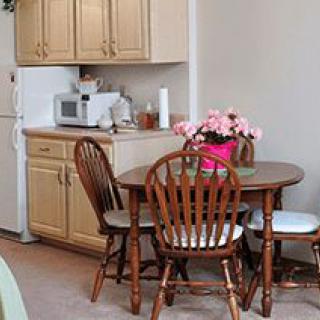
On the plus side, cleanliness and a welcoming atmosphere emerge repeatedly as strengths. Reviewers describe well-maintained facilities, attentive nurses, and a rehabilitation program that delivers tangible knee and functional improvements. The activity slate is broad: music and dance, baking and crafts, Bible study, and shared outings contribute to a lively daily rhythm. Space on the campus, including room configurations that can offer privacy within shared arrangements, supports resident dignity and comfort and helps mitigate the sense of confinement sometimes found in larger facilities.
Yet the negatives cannot be dismissed. There are pointed accounts of neglect, being left in soiled diapers or left waiting for help, alongside concerns about inconsistent aide performance and noticeable delays in assistance. Administrative friction also appears, with reports of lost or misplaced paperwork and sporadic organization within management. Some experiences include dissatisfaction with meal quality, and a few reviews express frustration over broader cultural or policy tensions that may color resident perception. Taken together, these issues can erode trust and create confusion about who is responsible for overseeing daily needs and safety.
A common thread across the best and worst days at Presbyterian SeniorCare is the campus’s underlying capacity to deliver effective care when pinched by administrative and staffing pressures. The facility’s strengths, clean, attractive spaces; a dedicated rehab orientation; and friendly, capable frontline staff on many shifts, are real and valuable, especially for residents engaging in structured therapy and activities. The challenge is consistency: ensuring the right staffing mix at all hours, maintaining rigorous safety practices, and keeping paperwork ironclad so families are never left guessing what is happening with care plans or billing. These factors shape the overall value proposition and should drive how families evaluate tradeoffs.
Decision-ready guidance: Presbyterian SeniorCare should be high on the list for families who can invest time in oversight, want a broad activity program, and seek strong rehabilitation services. For those prioritizing unwavering, predictable care and minimal administrative friction, it’s prudent to compare alternatives and ask pointed questions before committing. Key due-diligence items include: exact bed-rail safety practices and equipment, expected call-button response times, cross-shift consistency of aides, the care plan customization process, and the facility’s track record for handling paperwork and communications with families. Request a detailed trial or extended evaluation period, speak with several caregivers across shifts, and verify unit-specific performance histories. When these elements align, Presbyterian SeniorCare can meet expectations; if not, it’s wise to pursue options with stronger demonstrated consistency in safety, staffing, and administrative reliability.
 Assisted Living
 Independent Living
 Activities on-site
 Devotional services off-site
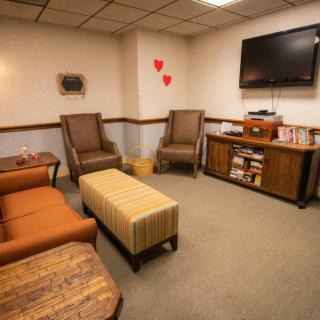
 Indoor common areas
 Pittsburgh International (23 miles away)
 Ambulatory care
 Diabetic care
 Meals provided
 An Extensive Exploration of the VA Aid and Attendance Benefit
 Senior Transition Services: Understanding Their Role, Cost, and Importance
 Exploring the Path to Senior Living: A Comprehensive Look at Independent Living and Assisted Living