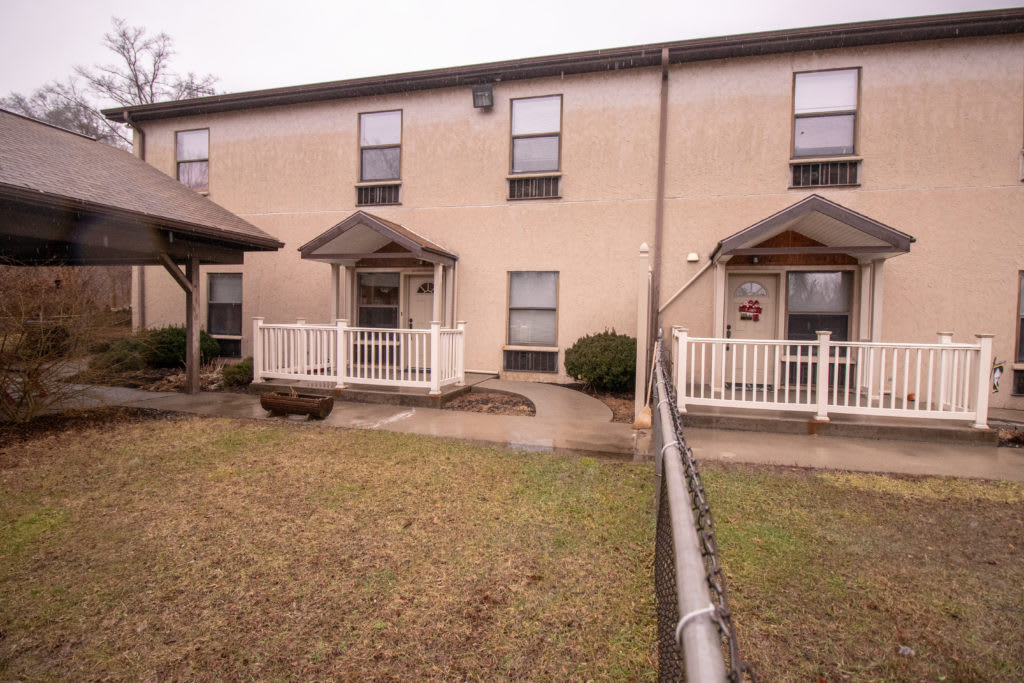
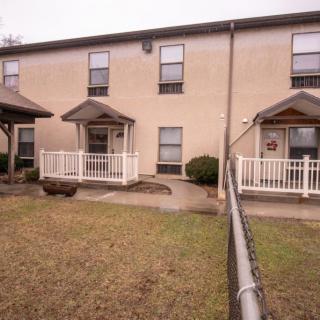
90 Humbert Ln, Washington, PA 15301
To contact a resident: (724) 228-5666
For more information about senior living options: (866) 208-4318
Transitions Healthcare Washington Costs & Pricing
Transitions Healthcare Washington offers competitive monthly rates for its services compared to both Washington County and the broader Pennsylvania market. For a semi-private room, residents can expect to pay $1,987, significantly lower than the county average of $3,185 and the state average of $3,542. Similarly, for studio accommodations, the cost at Transitions is $2,781, which again provides considerable savings against the county's rate of $3,389 and Pennsylvania's rate of $3,737. This pricing structure positions Transitions Healthcare Washington as an attractive option for those seeking quality care without compromising on affordability in an increasingly challenging healthcare landscape.
| Floor plans | Transitions Healthcare Washington | Washington County | Pennsylvania |
|---|---|---|---|
| Semi-Private | $1,987 | $3,185 | $3,542 |
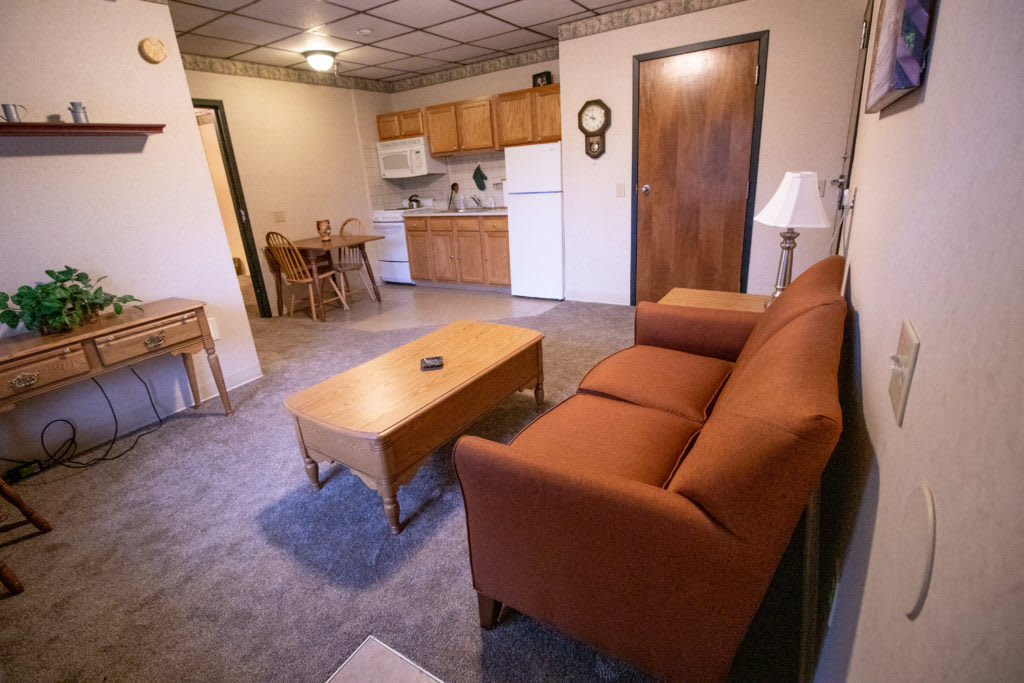
| Studio | $2,781 | $3,389 | $3,737 |
Assisted Living communities with a similar price nearby
-
from +$189 / mo
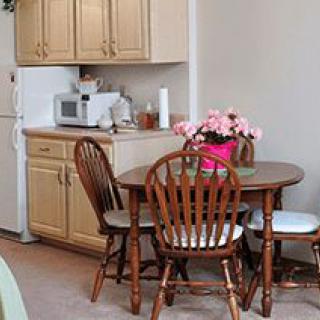
Strabane Woods Of Washington
$2,176 to $2,893 / month2.2 miles away -
from -$337 / mo
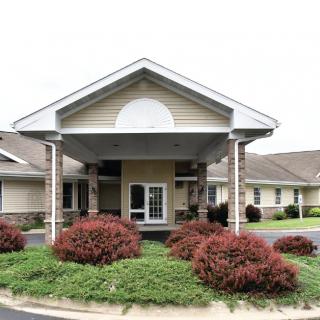
Grandview Estates Of Elizabeth
$1,650 to $1,850 / month21.8 miles away -
from +$353 / mo
The Residence on Fifth
$2,340 to $4,170 / month24.2 miles away -
from -$237 / mo
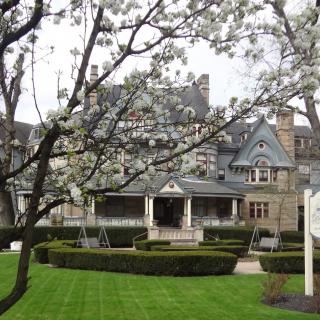
Elmhurst - The House Of Friendship
$1,750 to $4,000 / month24.1 miles away -
from -$102 / mo
The Residence at Whitehall IL and PC
$1,885 to $4,110 / month18.5 miles away
Overall Review of Transitions Healthcare Washington
Pros
 They provide quality care with tremendous staff and management.
- The staff are very attentive to residents' health and follow up to ensure needs are addressed.
- The administration is helpful, always available to assist, and responsive.
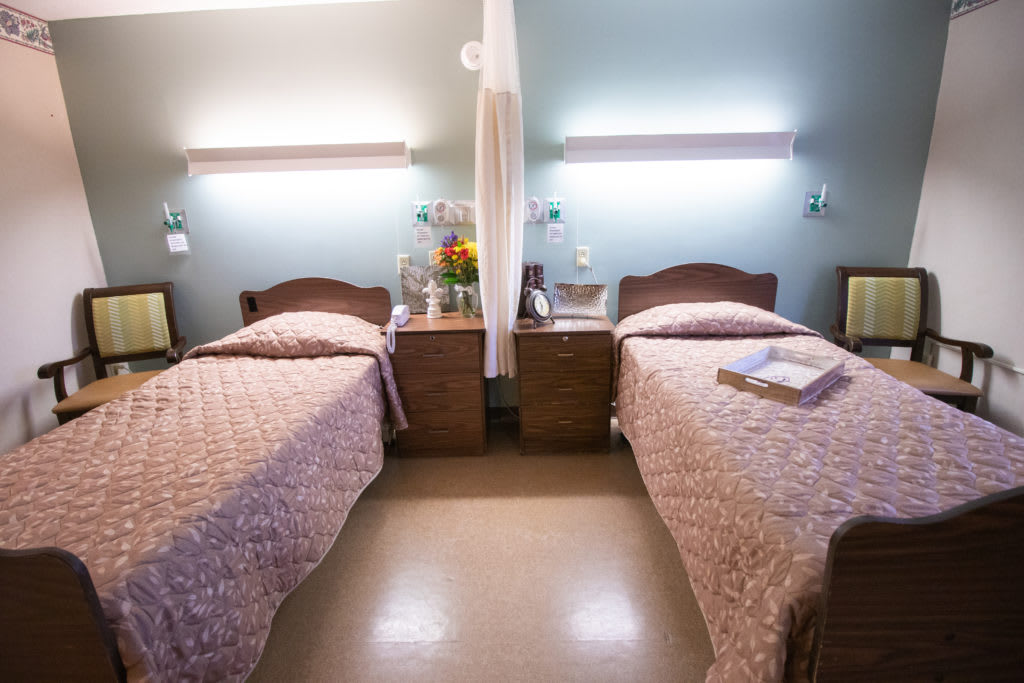
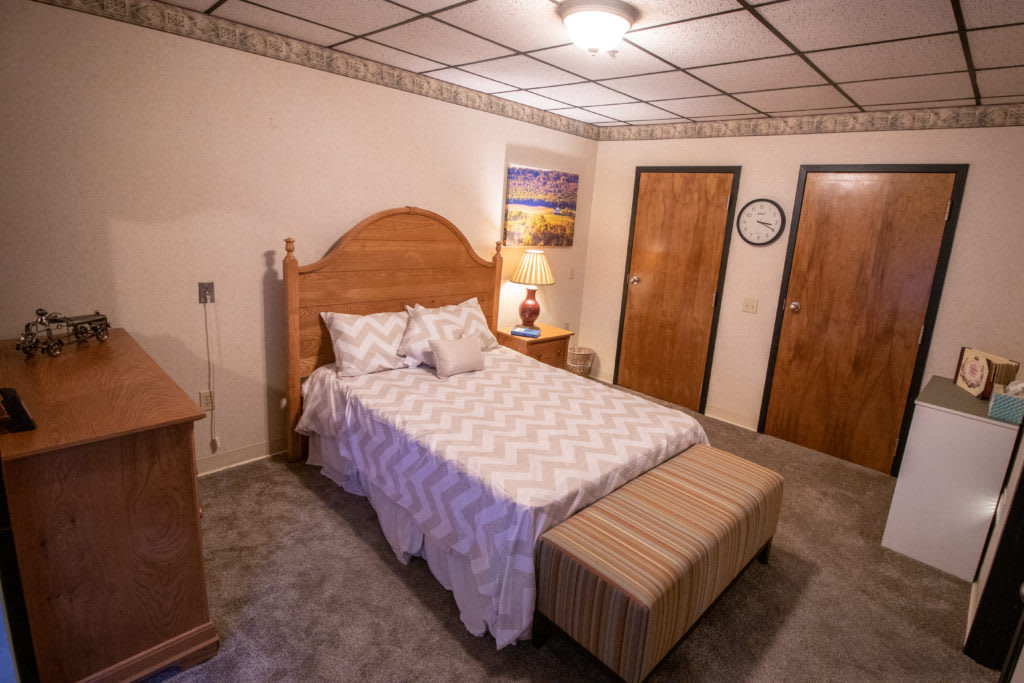
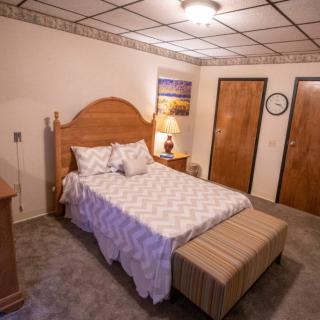
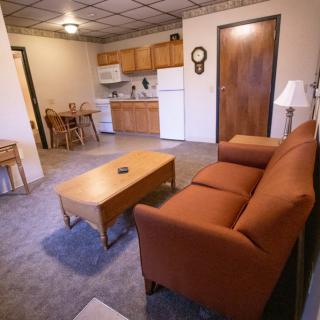
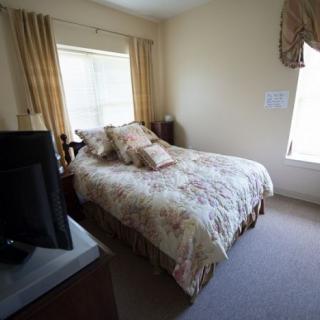
- The facility is clean and well kept, with room layouts that feel like a hotel.
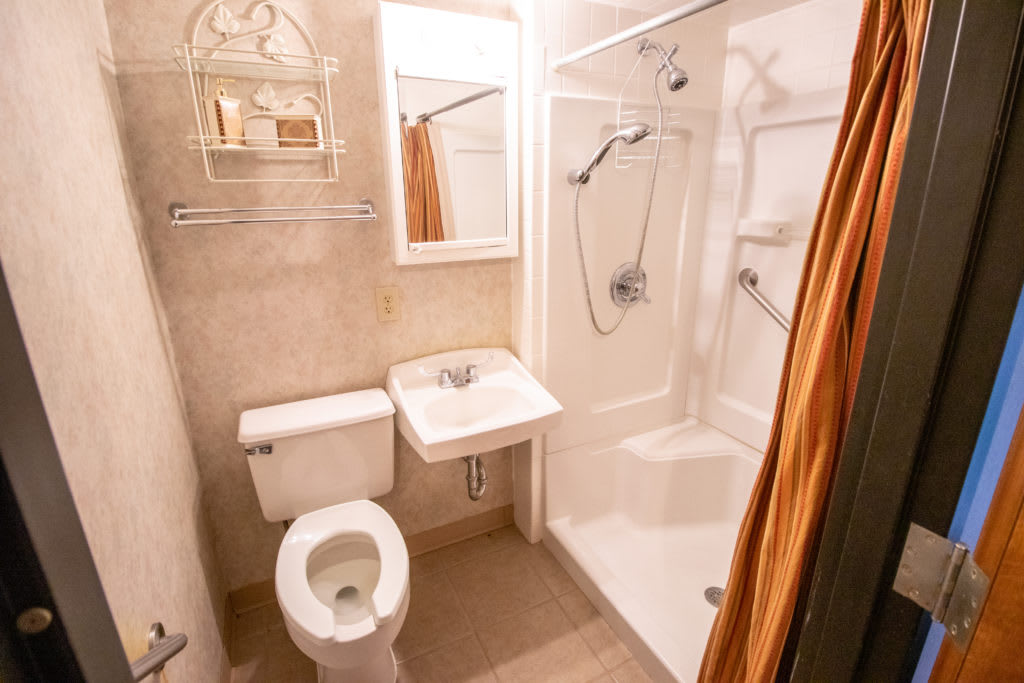
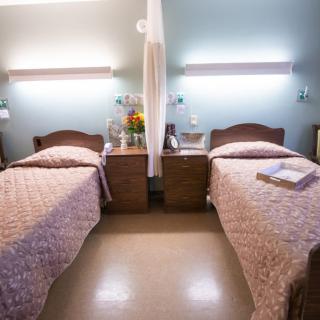
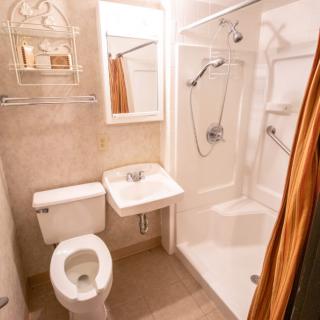
- Private rooms with their own bathrooms contribute to comfortable, resident-centered care.
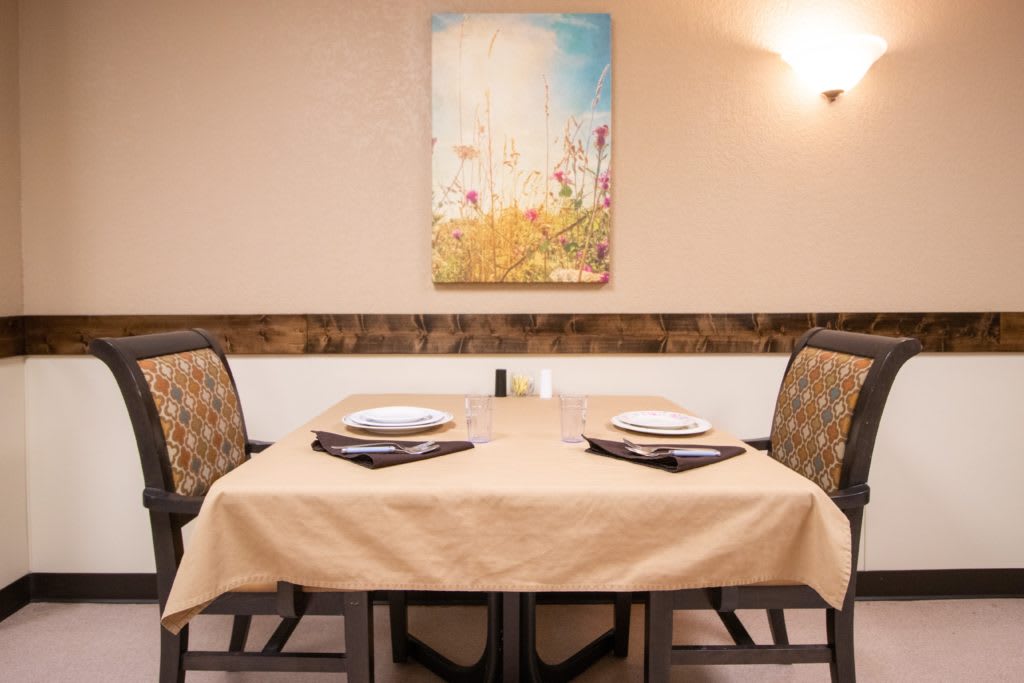
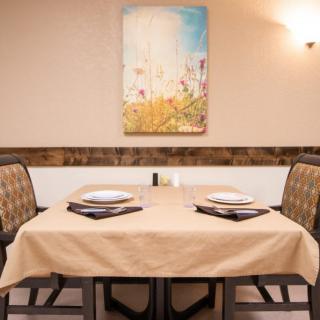
- Visiting is possible in the dining room, with visits scheduled 48 hours in advance.
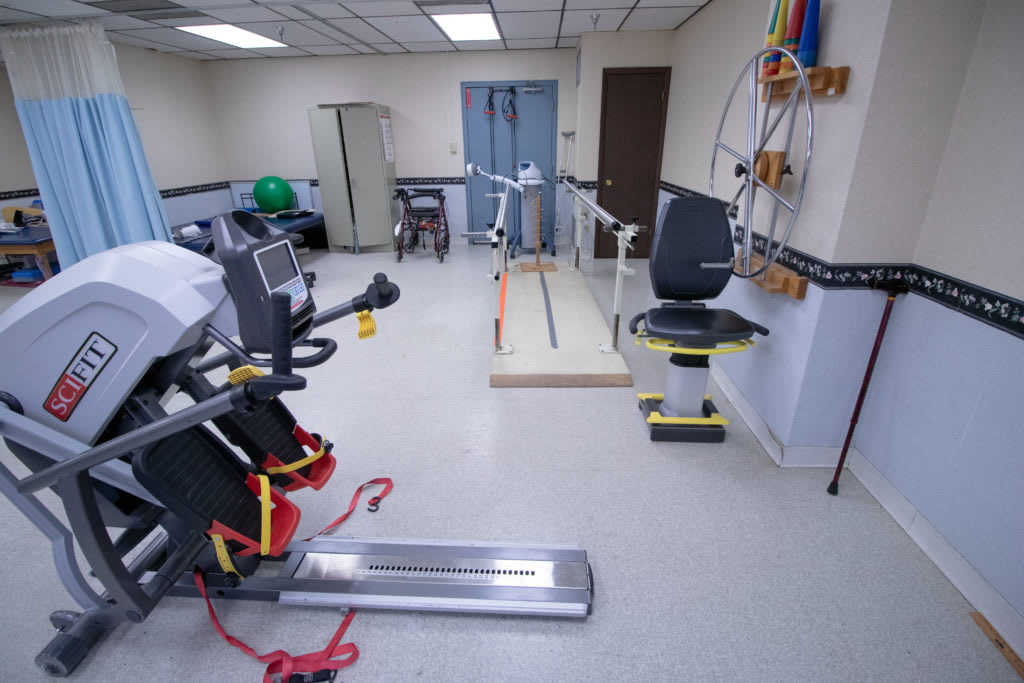
- The care team, including RNs, CNAs, aides, and therapists, is superb.
- The reviewer would recommend this community.
Cons
 The in-person tour was not a good first impression and was really dirty.
- The chosen Transitions community was not up to expectations.
- They felt that hospice care was much better than the care at Transitions.
- There was a complaint about their daughter's phone being stolen with no staff response.
- They urged the situation be resolved ASAP, or they would involve the authorities.
Review
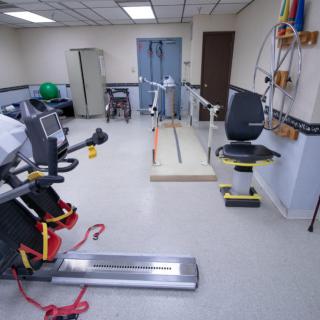
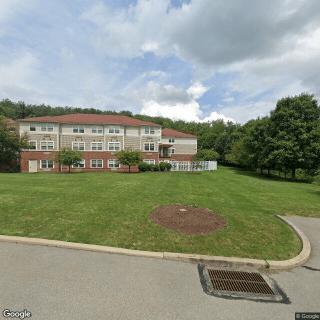
Transitions Healthcare Washington is best suited for families seeking skilled nursing and rehabilitation in a compact, hands-on environment where medical oversight and a steady staff presence drive daily care. The community works well for residents who want accessible nursing support, regular physical therapy, and a private room with its own bathroom in a hotel-style setting. For families prioritizing reliable care coordination, predictable routines, and a manageable campus size, this location offers a practical, no-nonsense option that supports recovery goals or long-term skilled needs without the bustle of a large, sprawling campus.
Those who should consider alternatives include families whose primary emphasis is pristine first impressions and spotless aesthetics from the tour, or who require a facility with a more expansive range of amenities and social programming. A few reviewers cited an initial cleanliness issue, signaling that housekeeping and upkeep must be consistently good to maintain confidence. For loved ones whose care trajectory edges toward hospice-style comfort and end-of-life oversight, some experiences at this community fell short of expectations, prompting families to explore options with a stronger palliative focus. Additionally, incidents related to personal belongings highlight the need for careful attention to security and incident follow-through.
The core strengths, robust staffing, attentive management, and comprehensive clinical resources, are the central reasons many families choose this campus. Numerous reviews praise the quality of care and the dedication of RNs, CNAs, aides, and therapy staff, with administration described as responsive and readily available. Private rooms with private baths contribute to dignity and comfort, while the hotel-like room layout reduces daily stress for residents and families. The dining experience is a meaningful plus for several residents, underscoring that mealtime quality can support overall well-being. The facility’s emphasis on safety and consistent care oversight also comes through as a strength, further strengthened by staff commitment during challenging times.
Conversely, the drawbacks are tangible and should not be minimized. The negative tour impression points to ongoing quality housekeeping as a prerequisite for ongoing resident trust. A reported incident involving a stolen phone, and insufficient public follow-up, signals that accountability and transparent resolution processes are essential for sustained confidence. The mixed views about hospice-level care in comparison to other providers suggest that while medical staffing is strong, the facility may not align with every family’s preferred end-of-life care philosophy. The smaller scale of the campus, while conducive to personalized attention, can limit certain activities or resource breadth that accompany larger communities.
Still, the pros prove practical leverage for decision-making when aligned with the right care goals. For families prioritizing hands-on medical oversight, continuity of nursing care, and a calm, intimate environment, Transitions Healthcare Washington delivers substantial value. The private room configuration and en-suite bathrooms support comfort and privacy, while the strong nursing and therapy presence translates into more consistent rehabilitation momentum. Administration’s responsiveness and the ability to coordinate care plans contribute to smoother transitions, and the overall sense of security can offset some earlier concerns about cleanliness once improvements are visible and sustained.
In the end, concrete steps should guide the choice. If the goal is a skilled-nursing-focused environment that remains manageable in size and offers reliable clinical attention, Transitions is a strong candidate, provided current housekeeping standards are verified and a clear, credible plan exists for addressing any belongings or security concerns. If pristine aesthetics, flawless first impressions, and a hospice-oriented care path are non-negotiable, it is prudent to explore alternatives while still giving this community a candid look, especially during dinnertime and routine care conversations to assess actual staff engagement and resident experience. The decision hinges on aligning care philosophy, incident-responsiveness, and daily living quality with the family’s expectations for comfort, dignity, and medical reliability.
 Assisted Living
 Activities off-site
 Devotional services off-site
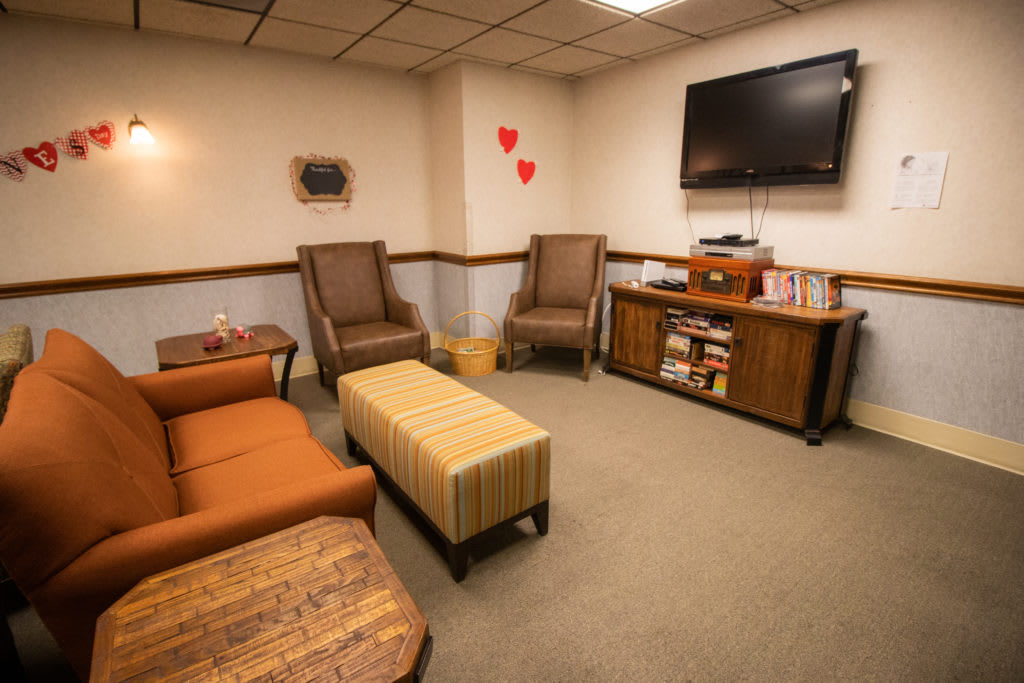
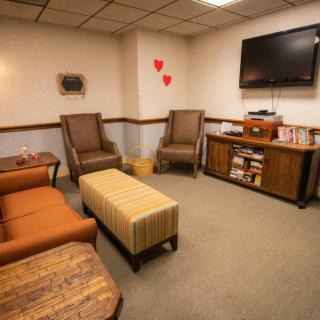
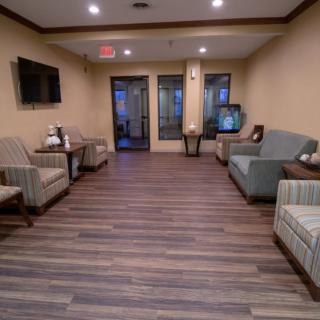
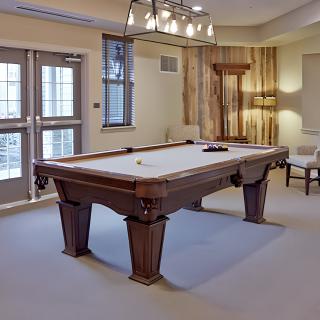
 Indoor common areas
 Outdoor common areas
 Respite or short term stays offered
 Wheelchair accessible showers
 Pittsburgh International (21 miles away)
 Ambulatory care
 Diabetic care
 High acuity care
 Incontinence care
 Medication management
 Meals provided

 Social Security Benefits and Assisted Living: Navigating Options Across the U.S.
 An Extensive Exploration of the VA Aid and Attendance Benefit
 Senior Transition Services: Understanding Their Role, Cost, and Importance