For more information about senior living options: (866) 208-4318
3.2 from 52 reviews
5 stars
25
4 stars
4
3 stars
0
2 stars
1
1 stars
22
Overall Review of Transitions Healthcare Washington Pa
common12 reviews mention this
Staff support is frequently praised
Residents and families often describe the staff as friendly and ready to help.
Many reviewers highlight staff members who are kind, helpful, and attentive to day-to-day needs. Several people also thank nurses and aides for supporting them during rehab or longer stays. Even among critical reviews, a few mention that some individual staff members were helpful, though overall experiences still vary.
caveat6 reviews mention this
Cleanliness experiences are mixed
Cleanliness is inconsistent, with some reviewers praising cleanliness and others reporting unpleasant conditions.
Some families say the facility looks clean and that residents do not smell like urine or feces. Others report stronger negative observations, including an ongoing urine smell, rugs that were not cleaned, and rooms described as unsanitary or never clean. A couple of reviewers also tie these concerns to care problems like attention to hygiene and room readiness.
caveat7 reviews mention this
Call light response draws complaints
Several reviewers say call lights and requests take a long time to be answered.
A recurring concern is delayed responses to call buttons, with reviewers describing waits ranging from minutes to hours. Some also report that urgent needs were not addressed promptly, including requests for help with basic care. Others contrast the experience by saying staff were not responsive after repeated calls or that messages did not lead to follow-through.
caveat4 reviews mention this
Food quality is a frequent topic
Food reviews range from positive to very negative, especially about options.
A few reviewers say the food was good and that their loved ones liked it. Other reviewers describe the food as awful, say there were no choices, or characterize meals as unsafe or unappealing. Taken together, dining quality appears to be one of the more polarizing parts of the experience.
caveat5 reviews mention this
Medication management concerns come up
Some reviewers raise serious concerns about medication delivery and pain control.
Several critical reviews describe missed or delayed medications, including pain medicine, and say call requests did not lead to timely dispensing. A few also mention medication-related safety worries, including needing staff to respond for what was prescribed. Others describe medication administration in negative ways during difficult health situations, which contributes to the overall concern in these reviews.
common5 reviews mention this
Therapy support varies by experience
Physical and occupational therapy can be a bright spot for some residents.
Some reviewers credit therapy teams with improving balance, independence, and recovery progress. Others describe limited access to therapy visits or say it was only because of a therapy team that their loved one made progress. Together, the reviews suggest therapy quality depends heavily on the individual circumstances and day-to-day staffing.
How we summarize
Counts show how many written reviews mention each theme; a review can touch several themes, and only frequently mentioned themes are displayed.
Vibrant Senior Living emphasizes active senior living communities that promote independence and engagement through diverse amenities and activities, fostering wellness and social interaction among older adults. These communities range from independent to assisted living, with a focus on personal growth, family involvement, financial planning, and leveraging technology to enhance residents' experiences.
Transitioning from assisted living to memory care is driven by an individual's cognitive decline and specific needs, requiring careful evaluation of indicators like increased confusion and wandering. The process involves consulting medical professionals, researching suitable communities, considering financial and legal aspects, and ensuring effective communication for personalized care plans.
Assisted living provides moderate support for seniors seeking independence, while memory care offers specialized support for individuals with dementia or cognitive impairments through structured routines and trained staff. Key differences include care approaches, environment security measures, staff training levels, activity types, and cost considerations.
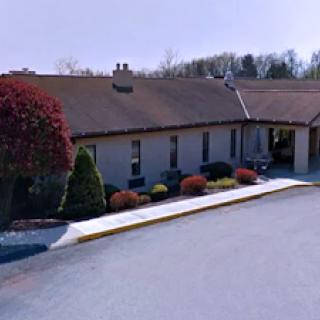
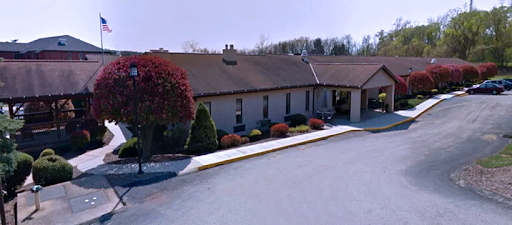
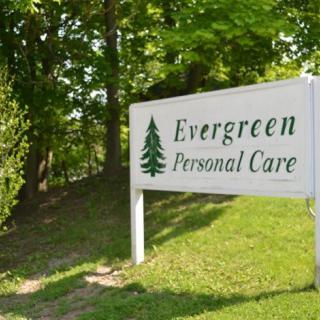
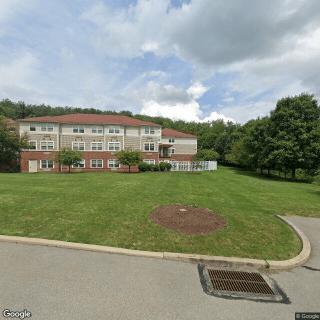
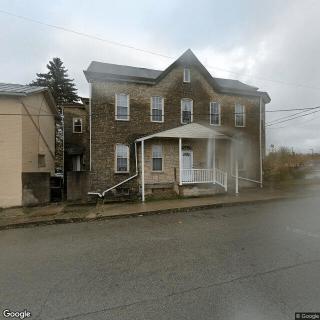
Landscaping, Building, Trees, Exterior, and Parking
Get PricingAsk A QuestionSchedule A TourContact Senior Advisor
By clicking submit, you agree to our Partner's Terms of Use. You
also consent to receive calls and texts, which may be autodialed, from our Partner. Your consent is not a condition to
using our Partner's service. Please visit our Partner's Privacy Policy for information about their privacy practices.

 48 resident community capacity
 Assisted Living
 Continuing Care Retirement Community (CCRC)
 Respite Care
 Skilled Nursing Facility
 Beauty salon
 Cable or satellite TV
 Dining room
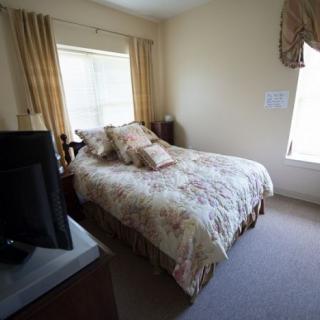
 Fully furnished
 Garden
 Housekeeping services
 Kitchenette
 Move-in coordination
 Outdoor space
 Restaurant-style dining
 Small library
 Telephone
 Wi-Fi/high-speed internet available
 Pittsburgh International (21 miles away)
 24-hour call system
 Activities of daily living assistance
 Assistance with bathing
 Assistance with dressing
 Assistance with transfers
 Diabetes diet
 Medication management
 Mental wellness program
 Special dietary restrictions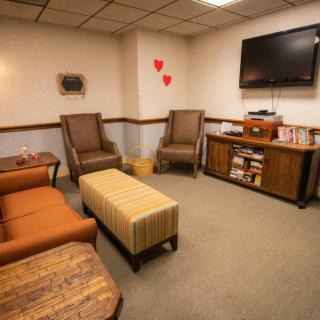
 Attentive staff, clean facility, and helpful administration.


 Vibrant Senior Living: A Comprehensive Guide for Active Older Adults
 When to Transition from Assisted Living to Memory Care: Key Indicators, Steps, and Finding the Right Community
 Assisted Living and Memory Care: Understanding Their Core Differences