For more information about senior living options: (844) 490-3973
4 from 133 reviews
5 stars
78
4 stars
25
3 stars
6
2 stars
4
1 stars
20
Assisted LivingMemory Care
Asbury Heights Costs & Pricing
Asbury Heights offers a range of monthly accommodations that reflect a premium pricing model compared to both Allegheny County and the broader Pennsylvania market. For instance, a studio apartment at Asbury Heights is priced at $4,800, which significantly exceeds the county's average of $3,637 and the state average of $3,737. The semi-private room option is also notably higher at $6,600 compared to county rates of $3,166 and state averages of $3,542. One-bedroom units at Asbury Heights cost $7,170, while two-bedroom options reach $10,260; these figures again stand apart from local averages of $3,798 for one bedrooms and $4,653 for two bedrooms in the county. This trend underscores Asbury Heights' positioning as a premium facility within its market segment, likely reflecting enhanced services or amenities aimed at delivering an exceptional living experience.
Floor plans
Asbury Heights
Allegheny County
Pennsylvania
Studio
$4,800
$3,637
$3,737
Semi-Private
$6,600
$3,166
$3,542
1 Bedroom
$7,170
$3,798
$4,006
2 Bedrooms
$10,260
$4,653
$4,242
Overall Review of Asbury Heights
Pros
The staff go above and beyond for residents.
Social services are very helpful during residents' stays.
The tours are informative.
The facility is clean, bright, and welcoming.
The nursing and care teams are caring, attentive, and professional.
The dining service and meal options are wonderful.
The activities department provides engaging and varied programming.
Families feel at ease thanks to clear communication and a family-like atmosphere.
Cons
The facility is dangerous and neglectful, with a resident reportedly suffering a back fracture and sepsis due to delayed medical review.
There is poor communication and a lack of timely medical assessment.
Staff are described as rude and unresponsive, including front-desk and call-button issues.
Management is toxic and untrustworthy, allegedly not listening to nurses or staff.
Understaffing and high turnover lead to neglect and safety problems.
Infection-control lapses contributed to an outbreak.
The facility misrepresents its services, promising short-term rehab that is not delivered.
Caregiver-to-resident ratios are inadequate for proper care.
Review
Asbury Heights is best suited for families seeking a true continuum of care on a single campus, from independent living through assisted living, memory care, and skilled nursing. The right fit is a resident who benefits from an on-site spectrum of services, a community that emphasizes social engagement and rehabilitation, and a family that can participate in planning and oversight. The campus-style setup - with options like private villas, a cafe-style dining environment, and in-house therapy - appeals to those who prize a home-like atmosphere combined with access to 24/7 nursing and a robust activity slate. It is especially well-matched for families who can tolerate a higher-end price tag and a buy-in structure, with expectations aligned to a premium care experience.
Those who may want to consider alternatives include households working with tighter budgets, or loved ones whose care needs are at the extreme end of safety and medical oversight. Several reviews flag concerns about staffing consistency and responsiveness, and a few point to serious safety or neglect incidents. If certainty about continuous, hands-on doctor presence, rapid response to calls, and uniformly high staffing levels is non-negotiable, other providers may offer more predictable staffing models or lower costs. Families prioritizing aggressive family-communication protocols and transparent governance should probe those areas carefully before committing.
The strong points are tangible and repeatable: a clean, well-kept environment with bright common areas, attentive nursing and aides, and a kitchen that earns praise for variety and quality. Rehabilitation services - particularly physical therapy - receive consistent emphasis, with residents reporting meaningful gains and skilled teams that work hard to help regain function. The social calendar and activity leadership can deliver meaningful engagement, reducing isolation and contributing to a sense of community. On-site conveniences - chapel, dining options, post office, and other campus amenities - foster independence while remaining connected to care staff, a balance many families value highly in the transition to longer-term living.
However, the main drawbacks recur in the form of mixed staffing experiences and governance concerns. Reports of turnover and variable front-desk responsiveness create a perception that communication can be inconsistent. A few reviews describe unsafe events or perceived neglect, noting delays in care, under-staffing on certain shifts, and difficulties in coordinating medical oversight. The buy-in model and ongoing costs remain a barrier for some families, and several comments point to limited activity variety or a less dynamic environment for residents who are more independent. These cons do not negate care quality entirely, but they do require proactive due diligence.
When the pros align with the cons, Asbury Heights can offset most drawbacks for families who value continuity of care, high-touch staff, and a collaborative planning process. The availability of a full spectrum on one campus means fewer moves and smoother transitions as needs evolve. The combination of strong nursing presence, rehab-focused therapy, and a home-like atmosphere creates the potential for meaningful daily life and real improvement for many residents. For families with faith-based preferences, the campus atmosphere and engaged activities team may strengthen the sense of belonging and routine that sustains wellbeing over time.
For decision-makers, a practical path is essential: tour with a focus on floor-specific staffing levels, doctor availability, and the care-planning cadence; insist on transparent explanations of pricing, including buy-in terms and what is included in monthly fees; assess how the activities director customizes programming to individual interests; verify transportation reliability and technology access for families and residents; and press for a clear safety record with responsive incident management. In the end, Asbury Heights represents a compelling, high-caliber option for families seeking comprehensive care with a genuine community feel - so long as affordability, governance transparency, and staffing expectations are aligned with the loved one's acuity and lifestyle goals.
Features
Housing
1-bedroom apartments1-bedroom apartments are important for seniors because they provide a sense of independence, privacy, and autonomy while still offering the necessary space for comfortable living. These apartments allow seniors to maintain their own personal space and lifestyle preferences in a supportive community setting.
2-bedroom apartments2-bedroom apartments are important for seniors because they provide extra space for guests, hobbies, and caregivers, as well as potential for additional income through roommates or rental.
3-bedroom apartments3-bedroom apartments are important for seniors as they provide ample space for visiting family, caregivers, or live-in assistance. This extra room can also be utilized for hobbies, storage, or a home office, allowing seniors to maintain independence and flexibility in their living arrangements.
Detached homesDetached homes are important for seniors because they provide independence and privacy, allowing them to maintain a sense of autonomy in their living space. Additionally, detached homes often offer more space for hobbies and activities, as well as outdoor areas for gardening or relaxation. This can contribute to a better quality of life and overall well-being for seniors.
Studio apartmentsStudio apartments are important for seniors because they offer a smaller, more manageable living space that is easier to navigate and maintain as physical abilities decline. Additionally, studio apartments provide seniors with independence and privacy while still being part of a community that offers support and social opportunities.
Types of Care
Assisted LivingAssisted living facilities provide crucial support and care for seniors who may need help with daily tasks such as medication management, bathing, and meal preparation. These communities offer a safe and comfortable environment where seniors can maintain their independence while receiving the assistance they need to thrive in their golden years.
Memory CareMemory care is crucial for seniors as it provides specialized support and services for individuals with dementia or Alzheimer's disease. These programs offer a safe and secure environment where residents receive personalized care, cognitive stimulation, and help with daily activities. Memory care helps seniors maintain their independence, quality of life, and dignity while also providing peace of mind for their families.
Pets
Cats allowed"Pet friendly" senior living communities are important for seniors because pets provide companionship, reduce feelings of loneliness and depression, promote physical activity and mental stimulation, and offer a sense of purpose and responsibility. Pets can improve overall well-being and quality of life for seniors in many ways.
Dogs allowed"Pet friendly" senior living communities are important for seniors because pets provide companionship, reduce feelings of loneliness and depression, promote physical activity and mental stimulation, and offer a sense of purpose and responsibility. Pets can improve overall well-being and quality of life for seniors in many ways.
Amenities
Activities off-siteEngaging in off-site activities is crucial for seniors to maintain social connections, stay active, and stimulate their minds. It promotes overall well-being and helps combat feelings of isolation and loneliness.
Activities on-siteActivities on-site are important for seniors because they provide opportunities for socialization, mental stimulation, physical activity, and overall well-being. Engaging in activities can help seniors stay active, maintain their independence, and improve their quality of life.
Air-conditioningAir conditioning is important for seniors as they are more vulnerable to heat-related illnesses and may have underlying health conditions that make it difficult for them to regulate their body temperature. It helps to keep them comfortable, safe, and healthy in hot weather.
Beautician on-siteHaving a beautician on-site at a senior living community is important for seniors as it allows them to easily access grooming and personal care services, boosting their self-esteem and overall well-being. It also provides convenience and helps seniors maintain their sense of independence and personal style.
Cable or satellite TVCable or satellite TV is important for seniors because it provides entertainment, news, and companionship, helping to combat loneliness and boredom. It also offers a wide range of programming options tailored to different interests and preferences.
Devotional services off-siteDevotional services off-site are important for seniors as they provide spiritual nourishment, social engagement, and a sense of community outside of the senior living facility. This can enhance overall well-being and help combat feelings of isolation and loneliness often experienced by older adults.
Devotional services on-siteDevotional services on-site provide seniors with spiritual support and a sense of community, as well as an opportunity for reflection and guidance during their senior living experience. This can promote emotional well-being and connection to others, leading to a more fulfilling and enriching lifestyle in their later years.
Dining roomDining rooms are important for seniors as they provide a space for socialization, connection, and nutritious meals. They offer opportunities for residents to bond over shared meals, foster a sense of community, and promote healthy eating habits. Dining rooms also ensure that seniors have access to well-balanced meals tailored to their dietary needs and preferences.
Full kitchenHaving a full kitchen in a senior living facility is important for seniors because it allows them to maintain their independence and prepare their own meals. This promotes healthy eating habits, saves money on dining out, and provides a sense of familiarity and comfort for residents.
GardenGardens are important for seniors as they provide a peaceful and therapeutic environment for relaxation, physical activity, and socialization. Being in nature has been shown to reduce stress, improve mood, and promote overall well-being. Gardens also offer opportunities for seniors to engage in gardening activities, which can improve mobility, flexibility, and cognitive function. Additionally, gardens create a sense of community and connection with others who share a passion for plants and outdoor spaces.
Ground floor unitsGround floor units are important for seniors because they provide easy accessibility, reduced risk of falls and injuries, and convenience for those with mobility issues. Seniors can avoid climbing stairs or using elevators, making daily tasks and activities more manageable and enjoyable.
Guasts at mealtime"Guests at mealtime" offer seniors the opportunity for social interaction, companionship, and a sense of community during meals, which can help combat feelings of loneliness and isolation commonly experienced in senior living environments. It can also enhance their overall dining experience and improve their mental and emotional well-being.
Housekeeping servicesHousekeeping services are important for seniors because they help maintain a clean and safe living environment, promote independence, and reduce the risk of accidents or illnesses. Additionally, having assistance with household chores can alleviate physical strain and allow seniors to focus on other aspects of their well-being.
Indoor common areasIndoor common areas are crucial for seniors as they provide a space for socialization, recreation, and community engagement, promoting overall well-being and reducing feelings of isolation and loneliness.
KitchenetteKitchenettes are important for seniors living in senior living communities because they provide the convenience and independence of being able to prepare simple meals and snacks in the comfort of their own living space. This can help promote a sense of autonomy and well-being for seniors, allowing them to maintain some level of control over their dietary choices and daily routines.
LaundryLaundry services are important for seniors as they may have difficulty with physical tasks such as bending, lifting, or carrying heavy loads. Having access to laundry services can help seniors maintain personal hygiene, cleanliness, and independence in their daily lives.
Outdoor common areasOutdoor common areas are important for seniors as they provide a space for socialization, physical activity, and relaxation. Being outside in nature can improve mood and overall well-being, while also encouraging movement and engagement with others. These spaces can help combat feelings of isolation and promote a sense of community among residents.
Party spaceHaving access to party space is important for seniors as it provides opportunities for socialization, connection, and enjoyment. These spaces allow seniors to celebrate special occasions, host gatherings with friends and family, and participate in community events, enhancing their overall well-being and quality of life.
Private bathroomsPrivate bathrooms are important for seniors in senior living communities because they provide independence, dignity, and comfort. Having a private bathroom allows seniors to maintain their personal hygiene routines without the need for assistance, promoting a sense of autonomy and privacy. Additionally, private bathrooms help prevent the spread of infections and provide a safe and clean environment for seniors to navigate safely.
Resident parkingResident parking is crucial for seniors in a senior living community as it provides convenience, accessibility, and safety for residents who may have limited mobility or rely on personal vehicles for transportation. Having designated parking spaces ensures that seniors can easily access their homes without having to walk long distances or navigate crowded parking lots, ultimately enhancing their overall quality of life and sense of independence.
Respite or short term stays offeredRespite or short term stays provide seniors with a temporary solution when their regular caregiver is unavailable, offering them the opportunity to receive additional care and support during times of need, while also giving caregivers a chance to rest and recharge.
Wheelchair accessible showersWheelchair accessible showers are crucial for seniors as they provide a safe and independent bathing option for those with mobility challenges. These showers help prevent falls and allow seniors to maintain their dignity and autonomy while ensuring they can bathe comfortably.
Wi-Fi/high-speed internet availableWi-Fi/high-speed internet is important for seniors to stay connected with loved ones, access online resources, and participate in virtual activities to combat feelings of loneliness and isolation. It also allows them to easily manage healthcare needs, access entertainment, and engage in lifelong learning opportunities.
Transportation
Pittsburgh International (12 miles away)
Transportation & parkingTransportation and parking are vital for seniors as they offer access to essential services, activities, and social interactions. Reliable transportation options can help seniors maintain independence, stay connected within their community, and enjoy a higher quality of life. Additionally, convenient parking facilities ensure that seniors can easily access necessary resources and amenities without added stress or difficulty.
Care Services
Ambulatory care"Ambulatory care services provide essential medical support and treatment to seniors without requiring hospitalization, allowing them to maintain their independence and quality of life while managing chronic conditions or receiving routine medical care."
Diabetic careDiabetic care is crucial for seniors as they are more susceptible to developing diabetes due to aging and other health conditions. Proper management of diabetes can help prevent complications such as heart disease, vision loss, and nerve damage, improving the overall quality of life for seniors in senior living communities.
High acuity careHigh acuity care is important for seniors because it provides specialized medical attention and support for individuals with complex medical needs. This level of care ensures that seniors receive the appropriate treatment and assistance to maintain their health and quality of life as they age.
Incontinence careIncontinence care is essential for seniors to maintain their dignity, hygiene, and overall quality of life. By addressing incontinence issues promptly and effectively, seniors can enjoy a sense of independence and comfort in their daily activities.
Meal preparation and serviceMeal preparation and service are crucial for seniors as they may have limited mobility or energy to cook nutritious meals. Having access to healthy and convenient food options can ensure they are getting the proper nutrition needed to maintain their overall health and well-being.
Medication managementMedication management is crucial for seniors to ensure they are taking the right medications at the correct dosages and times. This helps prevent adverse drug interactions, reduces the risk of medication errors, and promotes overall health and well-being. Proactive management also allows for adjustments as needed based on changing health conditions or new prescriptions.
Physical therapyPhysical therapy is essential for seniors to maintain and improve their mobility, strength, and overall quality of life. It helps reduce pain, prevent falls, and enhance independence in daily activities. By promoting movement and function, physical therapy can help seniors stay active, healthy, and engaged in their communities.
Dining
Anytime diningAnytime dining is important for seniors because it allows them the flexibility to eat when they are hungry, rather than being restricted to set meal times. This can be especially beneficial for those with medical conditions or medications that affect their appetite, as well as those who may have difficulty adhering to a strict dining schedule. Overall, anytime dining promotes independence and overall well-being for seniors in senior living communities.
Diabetes dietA diabetes diet is crucial for seniors as it helps manage blood sugar levels, reduce risks of complications, and improve overall health and well-being. By following a balanced and nutritious diet tailored to their specific needs, seniors can better control their diabetes and enhance their quality of life.
Gluten-freeGluten-free options are important for seniors as they are more prone to digestive issues and dietary sensitivities. Offering gluten-free meal choices in senior living communities can help improve their overall health and well-being.
Guest mealsGuest meals are important for seniors living in senior living communities because they provide an opportunity for socialization and companionship. Sharing a meal with friends, family, or new acquaintances can help combat feelings of loneliness and isolation, promote a sense of community, and enhance overall well-being. Additionally, guest meals allow seniors to enjoy delicious food in a comfortable setting without the hassle of cooking or cleaning up, making dining a pleasurable and stress-free experience.
KosherKosher options are important for seniors because they adhere to dietary laws that are significant to many Jewish individuals, providing them with peace of mind and an opportunity to maintain their cultural traditions and beliefs while living in a senior living community.
Low / no sodiumLow/no sodium options are important for seniors because excessive sodium intake can lead to high blood pressure, heart disease, and other health issues commonly experienced by older adults. By choosing low/no sodium foods, seniors can better manage their health and reduce their risk of developing these conditions.
Meals provided"Meals provided" are crucial for seniors in assisted living communities as it ensures they have access to nutritious, balanced meals without the stress of meal planning and preparation. This can help promote overall health and well-being for seniors who may have limited mobility or cognitive abilities.
No SugarNo sugar diets are important for seniors because they can help prevent or manage chronic conditions such as diabetes, heart disease, and obesity. Sugar can also contribute to cognitive decline and inflammation in the body, so reducing sugar intake can lead to overall improved health and well-being in older adults.
Professional chefProfessional chefs are important for seniors living in senior living communities because they provide nutritious and delicious meals that cater to their dietary needs and preferences. A professional chef can ensure that seniors are receiving balanced, flavorful meals that support their overall health and well-being.
Restaurant style diningRestaurant style dining is important for seniors as it offers them a social and enjoyable dining experience, promotes healthy eating habits, and provides personalized menu options to cater to their dietary needs and preferences. This type of dining setting can enhance their overall quality of life and create a sense of community within the senior living facility.
Room serviceRoom service is important for seniors in a senior living community because it provides convenience and allows them to have their meals delivered directly to their room. This can be especially beneficial for seniors who may have mobility issues or difficulty accessing the dining area. Room service ensures that seniors are able to receive nutritious meals without having to navigate through the facility, allowing them to maintain their independence and overall well-being.
Special dining programsSpecial dining programs are important for seniors because they provide nutritious meals tailored to their dietary needs and preferences. These programs also offer socialization opportunities, promote overall health and well-being, and can help prevent malnutrition.
VeganVegan diets can provide numerous health benefits for seniors, including lower risk of chronic diseases, improved digestion, and increased energy levels. Additionally, plant-based diets are often rich in essential nutrients that can support overall well-being and longevity in older adults.
VegetarianA vegetarian diet is important for seniors because it can help lower the risk of chronic diseases, maintain a healthy weight, and provide essential nutrients needed for aging bodies. Additionally, plant-based diets are often easier on digestive systems and can contribute to overall well-being in older adults.
Activities
Activities off-siteEngaging in off-site activities is crucial for seniors to maintain social connections, stay active, and stimulate their minds. It promotes overall well-being and helps combat feelings of isolation and loneliness.
Art classesArt classes are important for seniors because they provide a creative outlet, improve cognitive function, reduce stress and anxiety, promote socialization, and enhance overall well-being and quality of life.
Catholic servicesCatholic services are important for seniors because they provide spiritual support, a sense of community, and opportunities for social interaction that can enhance overall well-being and quality of life in their later years.
Cooking classesCooking classes are important for seniors as they provide opportunities for social interaction, enhance cognitive skills, promote healthy eating habits, and boost confidence in the kitchen.
Devotional activities offsiteDevotional activities offsite are important for seniors because they provide social engagement, spiritual growth, and a sense of community outside of their living environment. This can improve overall well-being, mental health, and combat feelings of isolation or loneliness.
Devotional activities on-siteDevotional activities on-site provide seniors with a sense of community, spiritual fulfillment, and emotional support, promoting overall well-being and a positive sense of purpose in their lives.
Educational speakers / life long learningEducational speakers and lifelong learning opportunities are crucial for seniors as they provide mental stimulation, promote social engagement, and contribute to overall well-being. Continuous learning helps seniors stay mentally sharp, build new skills, and maintain a sense of purpose and fulfillment in their lives. It also allows them to stay connected to the world around them and fosters a sense of community within senior living facilities.
Fitness programsFitness programs are crucial for seniors as they help improve strength, flexibility, balance, and overall well-being. Staying active can reduce the risk of chronic diseases, improve mental health, and enhance quality of life in older adults.
Live well programs"Live well programs are essential for seniors as they provide opportunities for physical activity, social engagement, and mental stimulation, ultimately promoting overall health and well-being in later years."
Other religious servicesOther religious services are important for seniors as they provide a sense of community, spiritual comfort, and opportunities for socializing. These services can help seniors feel connected to their faith and maintain a sense of purpose and belonging in their later years.
Protestant servicesProtestant services are important for seniors because they provide spiritual nourishment, community support, and a sense of belonging. These services can help seniors connect with others who share their faith, find comfort and guidance in times of need, and maintain a sense of purpose and fulfillment in their later years.
Religious servicesReligious services provide seniors with a sense of community, support, and spiritual fulfillment, which can improve their overall well-being and mental health. It also offers them opportunities for socialization and connection with others who share their beliefs.
Visiting Rabbi"Visiting rabbis provide spiritual and emotional support to seniors in assisted living communities, helping them connect with their faith, find comfort in times of need, and maintain a sense of community and belonging."
Visiting chaplain or priestHaving a visiting chaplain or priest at a senior living community is important for seniors because it provides spiritual support, comfort, and guidance during a time of life that can be challenging and uncertain. Their presence can help seniors feel connected to their faith, find peace of mind, and cope with the emotional and mental struggles they may face in their later years.
Languages Spoken
EnglishEnglish is important for seniors as it allows them to communicate effectively with healthcare providers, understand important information related to their health and medications, stay connected with loved ones, and engage in social activities within their communities. It also opens up opportunities for lifelong learning and intellectual stimulation.
Description
Asbury Heights is a vibrant assisted living community located in Pittsburgh, PA. Offering a variety of housing options including 2-bedroom and 3-bedroom apartments, detached homes, and studio apartments, residents can choose the space that suits their needs and preferences.
Focused on providing memory care, Asbury Heights is dedicated to meeting the unique needs of individuals with memory impairment. The community offers a range of amenities to enhance residents' quality of life. With activities conveniently available on-site, residents can enjoy engaging social opportunities. The community also features air-conditioned accommodations to ensure comfort throughout the year. A beautician is available on-site for personal grooming needs.
Residents have access to cable or satellite TV for entertainment and devotional services are offered both on-site and off-site. Meals are provided in a dining room setting with a full kitchen available for those who prefer to prepare their own meals. Outdoor common areas and gardens offer opportunities for relaxation and enjoyment of nature.
Housekeeping services assist in maintaining a clean living environment, while laundry facilities are provided for convenience. For short-term stays or when caregivers need respite, Asbury Heights offers respite care options. Transportation and parking services ensure ease in getting around the area.
Residents needing specialized care receive support from the professional staff at Asbury Heights. Services include diabetic care, high acuity care, incontinence care, medication management, and physical therapy.
The dining experience at Asbury Heights caters to various dietary needs with specific options such as diabetes diet, gluten-free choices, kosher meals, low/no sodium dishes, no sugar added meals, vegan and vegetarian options. A professional chef prepares all meals using fresh ingredients. Residents can dine restaurant-style or take advantage of room service.
To enrich residents' lives further, various activities are offered at the community. These include art classes, cooking classes, fitness programs, educational speakers/life-long learning sessions, religious services (Catholic and Protestant), devotional activities on-site and off-site, and visiting chaplain or priest. With numerous cafes, parks, pharmacies, physicians, restaurants, places of worship, theaters, and hospitals nearby, residents have access to a wealth of amenities in the surrounding area.
Asbury Heights strives to create a welcoming environment where seniors receive the care they need while enjoying an active and fulfilling lifestyle.
Nearby Places of Interest
This part of Pittsburgh, Pennsylvania offers a variety of amenities that cater to senior living needs. With several pharmacies, restaurants, cafes, physicians' offices, parks, places of worship, hospitals, and transportation options within close proximity, residents can easily access essential services and resources. The area also features cultural attractions such as theaters and historic landmarks like Mt Washington Observation Deck and The Duquesne Incline. Additionally, the presence of reputable healthcare facilities like UPMC South Hills ensures convenient access to quality medical care. Overall, this neighborhood provides a well-rounded environment with diverse offerings for seniors looking to settle in a vibrant community with convenient access to essential services.
Pharmacies
CVS Pharmacy (0.4 miles)
Rite Aid (0.9 miles)
CVS Pharmacy (1.2 miles)
Rite Aid (1.7 miles)
Walgreens (1.7 miles)
Shop 'n Save (1.9 miles)
CVS Pharmacy (2 miles)
Restaurants
Scoops On Beverly (0.5 miles)
Wendy's (0.6 miles)
Taco Bell (0.6 miles)
Hitchhiker Brewing (1.1 miles)
McDonald's (1.6 miles)
McDonald's (2 miles)
Primanti Bros. Restaurant and Bar Mt. Lebo (2 miles)
Cafes
Mediterra Cafe (0.6 miles)
Panera Bread (0.9 miles)
Panera Bread (1.9 miles)
Carnegie Coffee Company (2.2 miles)
Bistro Marketplace (2.3 miles)
Starbucks (2.8 miles)
De Lallo's Fort Couch Cafe (3.2 miles)
Physicians
St. Clair Hospital (0.6 miles)
Vujevich Dermatology Associates (0.7 miles)
Chang Eye Group (0.7 miles)
Upmc (1.6 miles)
Pediatric Alliance-St Clair (2.9 miles)
Integrated Medical Systems (4 miles)
Stepping Stone Psychiatric Care - Muhammad I Shaikh MD (4 miles)
Parks
Mt. Lebanon Park (0.7 miles)
Village Green Park (2.7 miles)
Mt Washington Observation Deck (4.2 miles)
The Duquesne Incline (4.4 miles)
Point State Park Fountain (4.6 miles)
Point State Park (4.8 miles)
Boyce-Mayview Park (5 miles)
Places of Worship
St Simon & Jude Church (1.2 miles)
St Elizabeth Ann Seton Church (2.1 miles)
St Elizabeth Ann Seton Parish (2.2 miles)
St Margaret of Scotland Roman Catholic Church (2.7 miles)
Asbury Heights offers a range of monthly accommodations that reflect a premium pricing model compared to both Allegheny County and the broader Pennsylvania market. For instance, a studio apartment at Asbury Heights is priced at $4,800, which significantly exceeds the county's average of $3,637 and the state average of $3,737. The semi-private room option is also notably higher at $6,600 compared to county rates of $3,166 and state averages of $3,542. One-bedroom units at Asbury Heights cost $7,170, while two-bedroom options reach $10,260; these figures again stand apart from local averages of $3,798 for one bedrooms and $4,653 for two bedrooms in the county. This trend underscores Asbury Heights' positioning as a premium facility within its market segment, likely reflecting enhanced services or amenities aimed at delivering an exceptional living experience.
Asbury Heights incorporates several essential features to enhance the quality of life for residents with memory-related conditions. Medication management ensures that individuals receive their prescribed treatments on time and in accurate dosages, reducing the risk of complications related to missed or incorrect medications. Meal preparation and service cater not only to dietary needs but also to the preferences of residents, fostering a sense of familiarity and comfort that can be particularly beneficial in memory care settings. Physical therapy is tailored to maintain mobility and independence, addressing both physical health and cognitive engagement through movement, which is crucial for those experiencing dementia or Alzheimer's disease. Furthermore, incontinence care provides dignity and respect during sensitive moments, ensuring that residents feel supported and comfortable, thereby promoting overall well-being as they navigate the challenges associated with their conditions.
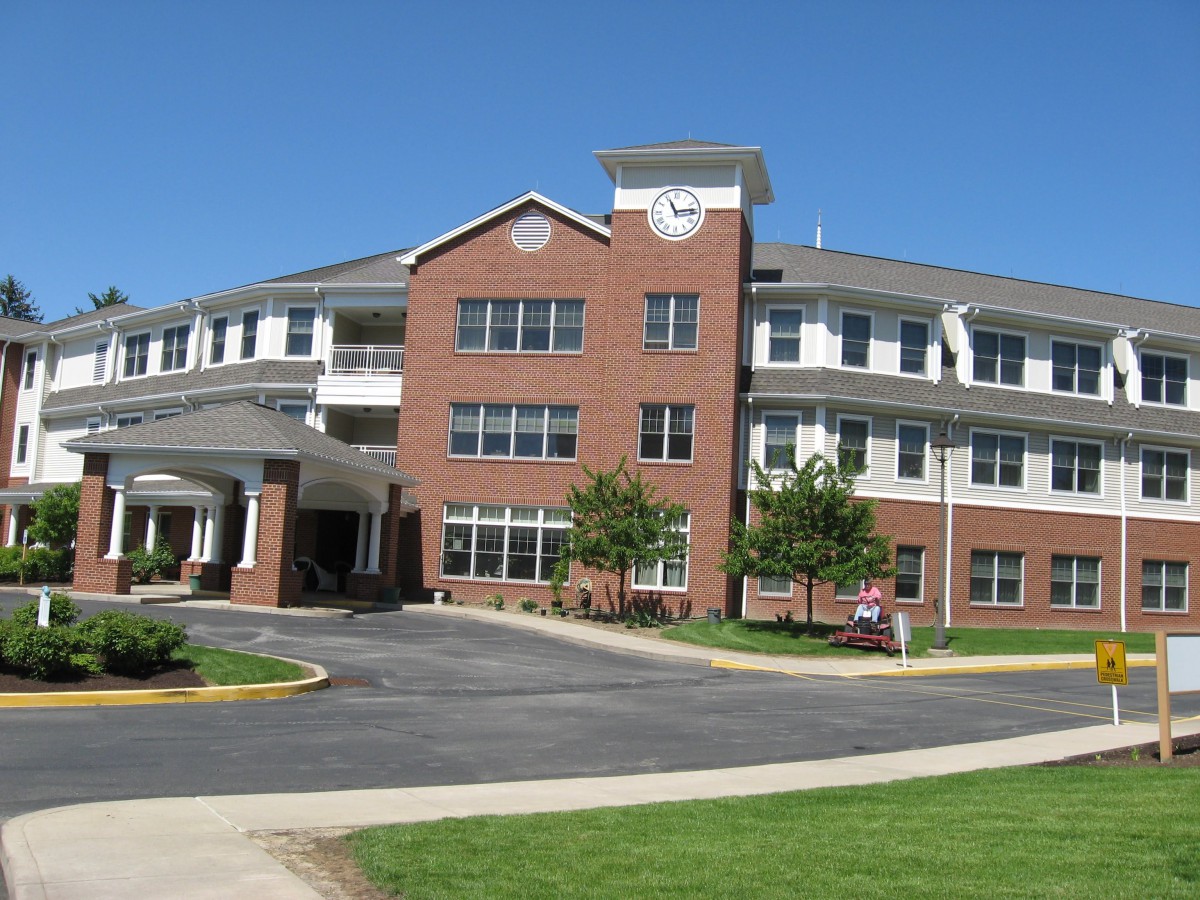
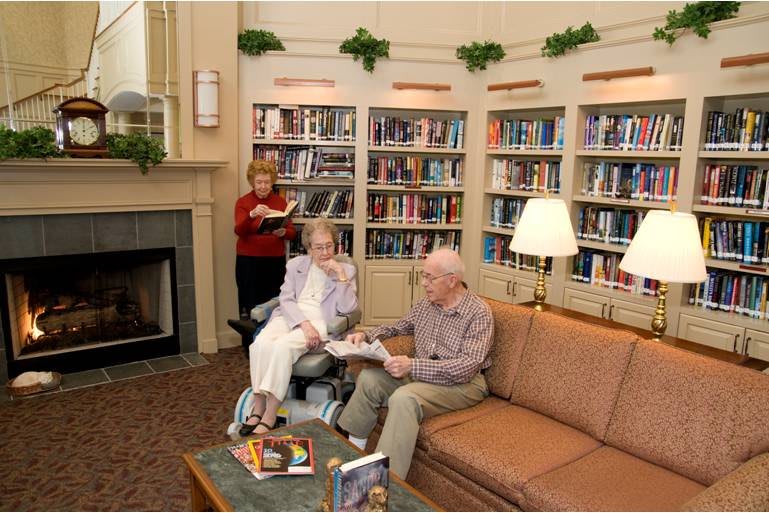
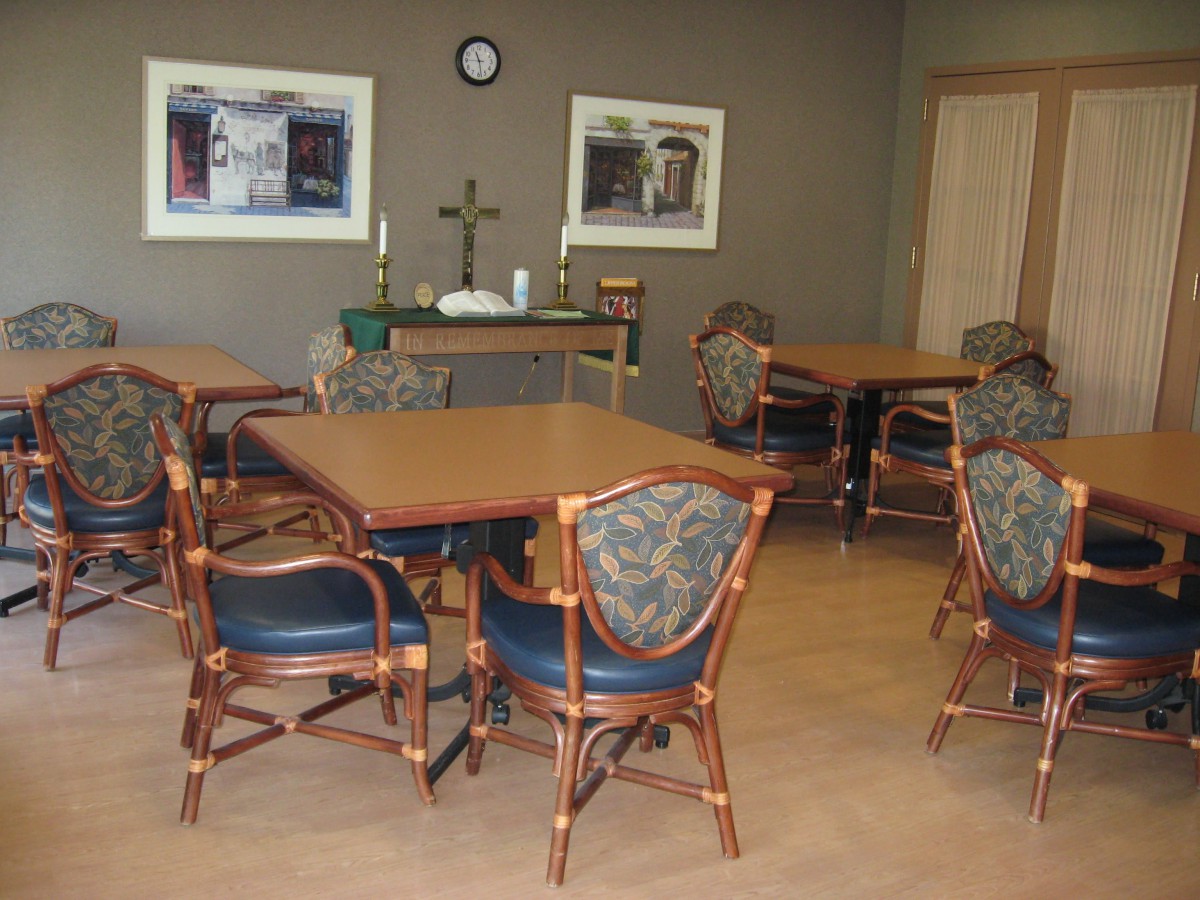
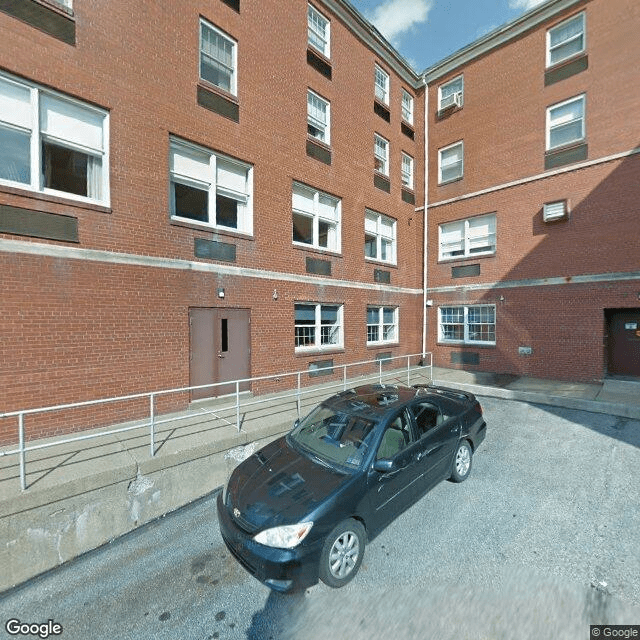
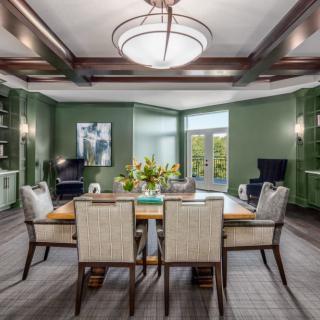
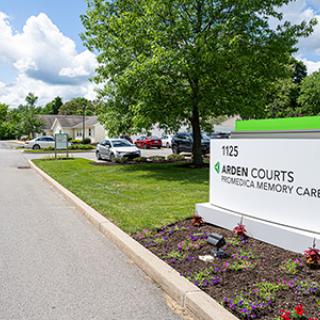
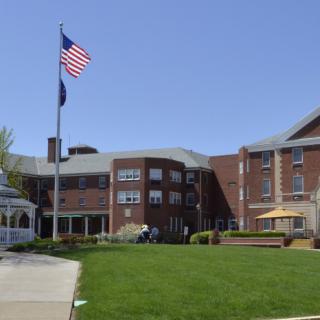
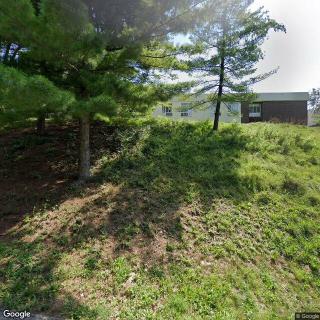
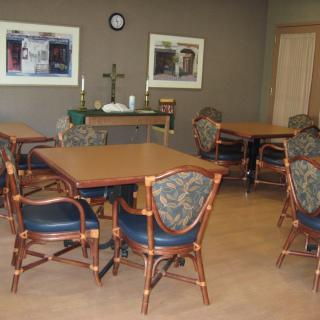
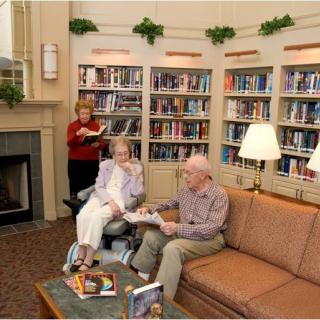
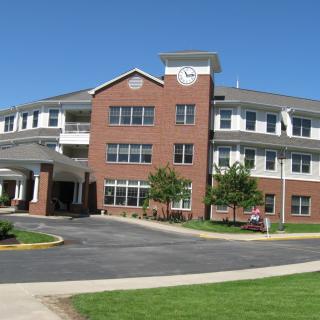
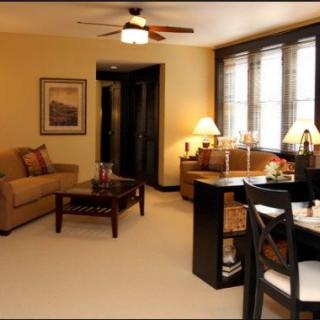
Asbury Heights on seniors.fyi includes 4 photos including images showing reading, living room, interior, decor, building, architecture, brick, landscaping, and more.
Nearby Communities
Asbury Heights Independent Living
Pittsburgh, PA
3.6 from 70 reviews
$2,000 to $3,291 / month
Affordable pricing relative to county/state; extensive on-site amenities (dining with chef, activities, beautician, full kitchen, air-conditioning, ground-floor and accessible units); diabetic care; pet-friendly; respite stays offered.

Asbury Health Center
Pittsburgh, PA
3.6 from 87 reviews
$3,200 to $4,546 / month
Friendly staff, engaging activities, and well-maintained facilities with attractive grounds.
Asbury Villas
Pittsburgh, PA
3 from 3 reviews
Comprehensive care with transport, dining, fitness, and activities.
Asbury Place
Pittsburgh, PA
4.5 from 2 reviews
Beautiful landscaping, modern facilities, and attentive staff in a convenient location.
Asbury Heights-The Embassy
Pittsburgh, PA
5 from 1 review
Room service and in-room full kitchens, plus on-site and off-site devotional services and indoor/outdoor common areas.
Concordia Of The South Hills
Pittsburgh, PA
2.9 from 97 reviews
Friendly, attentive staff with effective therapy and a pleasant atmosphere.
Mt Lebanon Rehabilitation And Wellness Center
Pittsburgh, PA
4 from 2 reviews
$6,813 to $7,137 / month
Convenient location with attentive staff and private rooms.
Vanadium Woods
Bridgeville, PA
4.5 from 26 reviews
$1,416 to $2,569 / month
Pleasant ambiance with on-site dining.
Brookdale Mt. Lebanon
Pittsburgh, PA
4.7 from 90 reviews
$2,410 to $4,055 / month
Friendly staff; clean, inviting environment with engaging activities.
The guide outlines the complexities of Medicaid coverage for assisted living, highlighting significant state-to-state variations, limited coverage often restricted to personal care services, and the existence of specialized waivers for certain needs like memory care. It advises families to consult local Medicaid offices for options while emphasizing the importance of understanding state-specific regulations and facility policies.
Medicaid coverage for assisted living varies by state and is primarily available to low-income individuals, with eligibility dependent on strict income and asset limits. Some states offer HCBS waivers for specific services in assisted living, but families must generally cover room and board costs, and should verify facility acceptance of Medicaid while considering potential waiting lists.
Medicaid waivers for assisted living services provide vital support for seniors and individuals with disabilities in need of long-term care, with varying state-specific eligibility criteria and benefits. These waivers cover personal care and case management but often do not fully cover room and board, leading to waiting lists for many applicants.