350 Old Gilkeson Road, Pittsburgh, PA 15228
For more information about senior living options: (866) 208-4318
Mt Lebanon Rehabilitation And Wellness Center Costs & Pricing
Mt Lebanon Rehabilitation and Wellness Center offers a range of costs for its services that significantly exceed the average rates seen both in Allegheny County and throughout Pennsylvania. For semi-private accommodations, the monthly fee at Mt Lebanon stands at $6,813, which is notably higher than the county average of $3,166 and the state average of $3,542. Similarly, private room options are priced at $7,137, well above Allegheny County's typical rate of $3,905 and Pennsylvania's broader average of $4,890. This pricing reflects not only the specialized care and amenities provided by Mt Lebanon Rehabilitation and Wellness Center but also emphasizes its position as a premium facility within the region.
| Floor plans | Mt Lebanon Rehabilitation And Wellness Center | Allegheny County | Pennsylvania |
|---|---|---|---|
| Semi-Private | $6,813 | $3,166 | $3,542 |
| Private | $7,137 | $3,905 | $4,890 |
Skilled Nursing Facilities with a similar price nearby
-
from -$1338 / mo
Apple Blossom
$5,475 to $6,615 / month14.5 miles away -
from -$898 / mo
Vincentian Home
$5,915 to $7,905 / month13.8 miles away -
from -$1085 / mo

Murrysville Rehabilitation And Wellness Center
$5,728 to $7,446 / month19.6 miles away -
About the same
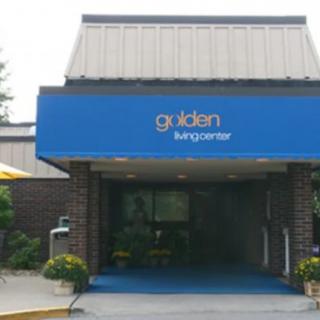
South Hills Rehabilitation And Wellness Center
$6,813 to $7,137 / month8.6 miles away -
About the same
Golden LivingCenter - Murrysville
$6,813 to $7,317 / month19.6 miles away
Overall Review of Mt Lebanon Rehabilitation And Wellness Center
Pros
 They like the facility’s location, being close to both the mother’s home and the family’s home.
- They value that the center was recommended by the VA and hospice.
- They are pleased that the mother has a private room near the nursing station.
- They praise the staff for being attentive and for watching over her to prevent falls.
- They appreciate the proactive safety improvements, such as installing bed alarms after a fall, and that she hasn’t fallen since.
- They note the care from the broader team—not just nurses but aides and food service staff who know her needs.
- They observe the mother has started to go out of her room to sit near the nursing station and chat with others, indicating a friendly environment.
Cons
 She fell two days after admission, and the reviewer questioned whether the staff could prevent falls given the information provided.
- The facility did not have the bed pads that alert staff when a patient leaves the bed.
- Within two days, many of her clothes were missing from the closet.
- There was not a single item the family had provided remaining in the room.
- She rarely saw a doctor and only rarely saw a nurse unless she asked for them.
- She was isolated for COVID precautions even though she had been vaccinated.
Review
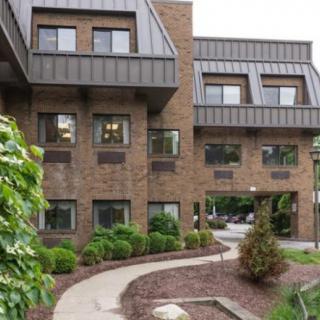
Mt Lebanon Rehabilitation and Wellness Center is best suited for families in the Pittsburgh area seeking a practical, near-home post-acute option for a loved one who benefits from steady, hands-on staff engagement and the comfort of a private room. The site’s appeal is unmistakable: it sits in a location that reduces commute time for family visits and makes transitions between home and care easier to manage. Endorsements from trusted referral sources like the VA and hospice providers add credibility, signaling that this center is comfortable with veterans’ benefits pathways and palliative care coordination. For residents who want reliable day-to-day caregiving from aides and support personnel who know their routines, Mt. Lebanon delivers a predictable, approachable environment.
Those who should consider alternatives are residents with complex medical needs requiring heavy medical oversight or a calendar built around aggressive rehabilitation goals. While care staff are attentive, physician visibility and structured therapy intensity may not match expectations for every patient, particularly for long-term needs. The surrounding amenities were noted as limited, with the area not offering nearby shopping or malls, which can matter for residents who value wider social outlets or frequent off-site activities. In short, this center works well for steady, family-focused recovery efforts, but may feel confining for those pursuing a more expansive lifestyle or more intensive clinical oversight.
Key advantages land in safety, proximity, and staff familiarity. A private room that sits right across from the nursing station helps staff monitor mobility and respond quickly if a patient rises or needs assistance, a major asset for fall prevention. The presence of a broad team, beyond registered nurses to aides and service staff, means residents often encounter familiar faces who know personal preferences, daily routines, and feeding needs. The trade-offs show up in real incidents: an early fall from the doorway area highlighted gaps that were closed with the installation of bed alarms, and a brief episode of missing clothing underscored how easily personal items can migrate through laundry and rotation. Both issues were addressed, and the overall tone remained attentive.
Activity programming appears practical rather than expansive. The resident who spoke about this center described enjoying social conversations and watching the daily rhythms from a chair near the corridor, rather than actively engaging in formal activities. That dynamic fits a resident who prefers low-key interaction over structured events, yet it also signals a potential mismatch for those seeking a bustling calendar or regular group therapies. Nevertheless, staff responsiveness across roles, food service, aides, and others who greet residents by name, helps create a sense of belonging even when formal programming is lighter. For families, this translates into reassurance that the environment is people-centered, not task-driven.
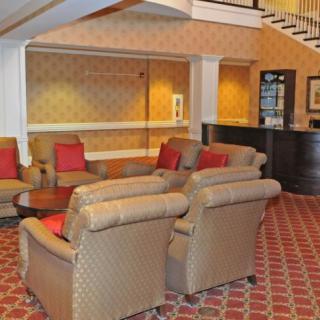
Longer-tenured occupancy reinforces stability, though perceptions shifted with broader health-system changes. One review notes a five-year stay with an overall neutral appraisal, suggesting reliability in day-to-day care, while another observer notes operational shifts in how services are delivered over time. The physical setting is not designed as a luxury destination; rather, it prioritizes reliability and proximity. The lack of nearby commercial destinations may matter to residents who want easy access to shopping or entertainment, but it’s balanced by easy in-building access to care staff and predictable daily routines. For families prioritizing continuity and straightforward care planning, these trade-offs are acceptable.
Decision-makers should pursue a focused due-diligence path before choosing Mt Lebanon Rehabilitation and Wellness Center. Priorities should include confirming available room types and the timing of any private-room allocations, inspecting fall-prevention measures (alarm systems, sensor pads, clear pathways), and understanding how personal belongings are tracked to prevent losses. Ask about the cadence of physician rounds and therapy schedules to gauge medical oversight and rehab tempo. Clarify the level of daily activity programming and social opportunities, especially for residents who want a busier routine. Given credible referrals and a clearly caring staff ethos, this center is a solid choice for families seeking proximity, consistency, and a dependable private-room option, provided the care plan aligns with the resident’s medical needs and lifestyle preferences.
 121 resident community capacity
 Skilled Nursing Facility
 Activities on-site
 Air-conditioning
 Beautician on-site
 Cable or satellite TV
 Computer center
 Devotional services on-site
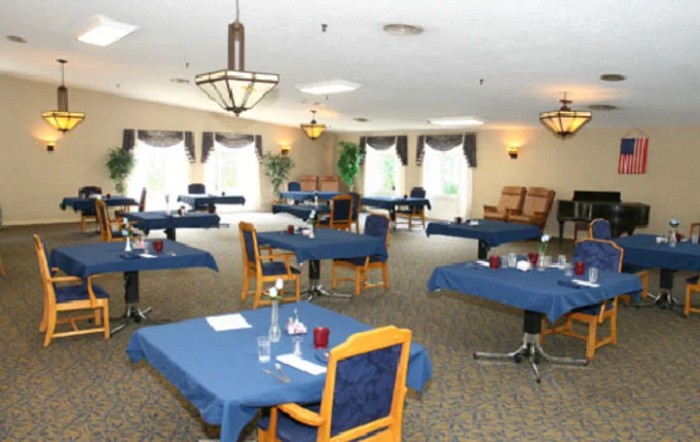
 Dining room
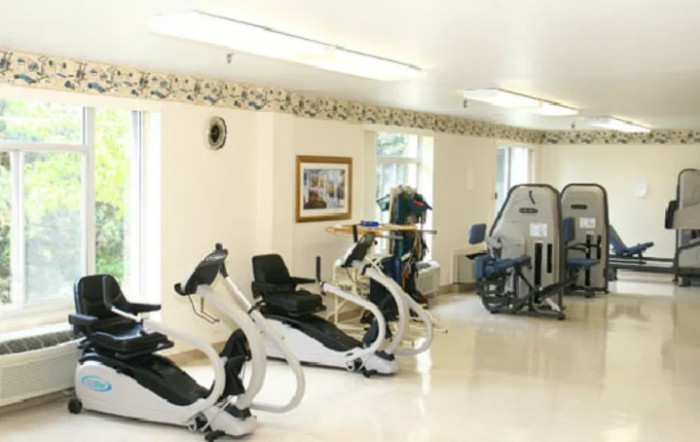
 Fitness room
 Fully furnished
 Gaming room
 Garden
 Housekeeping services
 Indoor common areas
 Kitchenette
 Move-in coordination
 Outdoor common areas
 Private
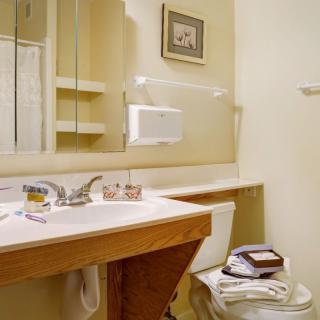
 Private bathrooms
 Restaurant-style dining
 Small library
 Telephone
 Wellness center
 Wheelchair accessible showers
 Wi-Fi/high-speed internet available
 Pittsburgh International (13 miles away)
 Community operated transportation
 12-16 hour nursing
 24-hour call system
 Assistance with bathing
 Assistance with dressing
 Assistance with transfers
 Diabetes diet
 High acuity care
 Incontinence care
 Medication management
 Mental wellness program
 Special dietary restrictions
 Concierge services
 Planned day trips


 Managing Nursing Home Expenses After Medicare Coverage Ends
 Is a Geriatric Care Manager the Right Choice for Your Family?
 Compassionate Conversations: How to Comfort Someone Who Is Grieving