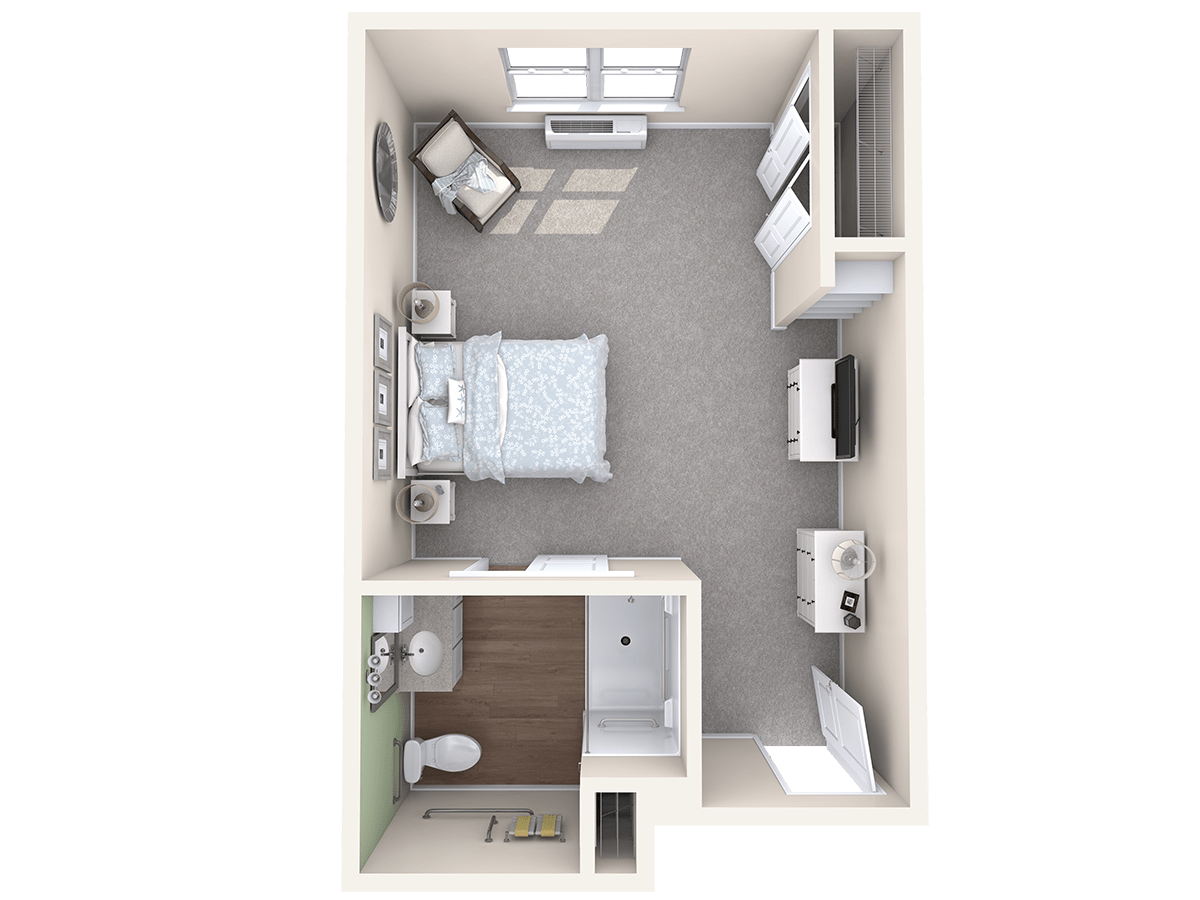
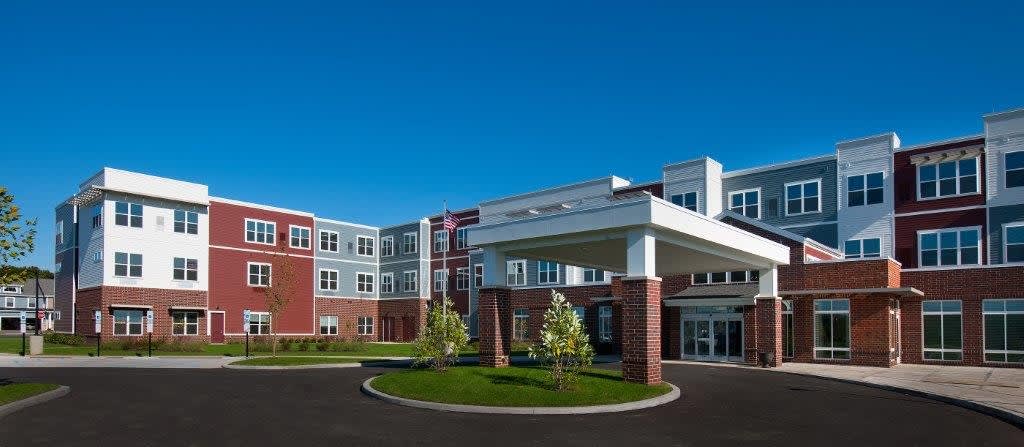
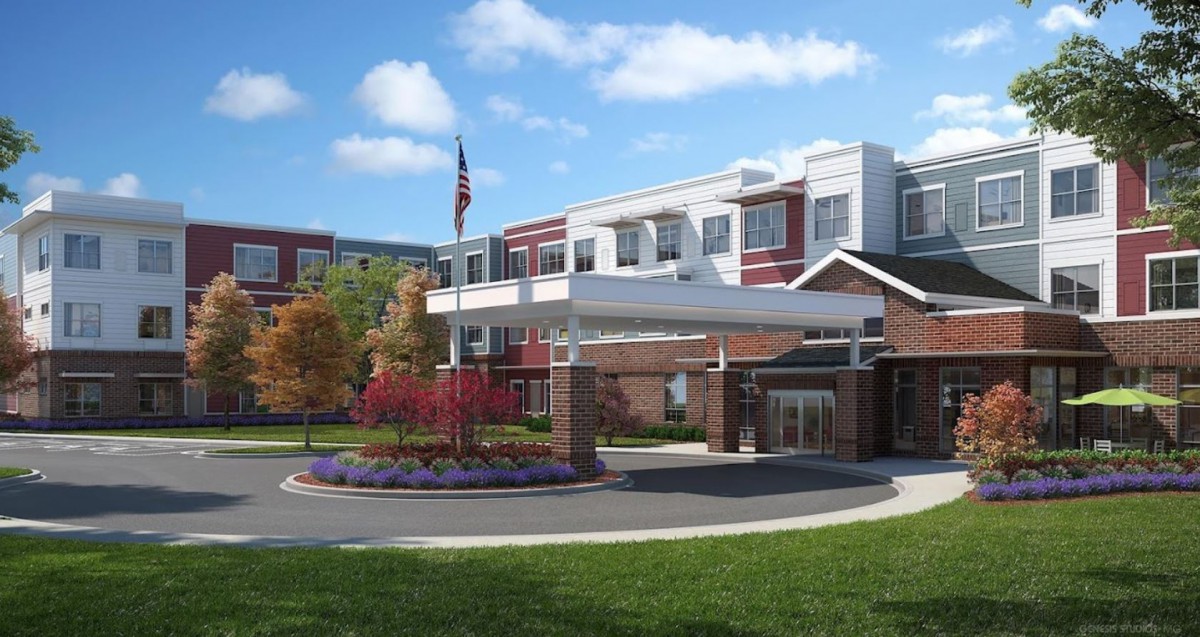
The Sheridan at Bethel Park presents a range of monthly costs that reflect its premium offerings in the realm of senior living. For instance, the semi-private rooms are priced at $3,995, which is notably higher than the average rates in Allegheny County ($3,166) and across Pennsylvania ($3,542). Studio apartments cost $5,349, again exceeding county and state averages of $3,637 and $3,737 respectively. The one-bedroom option at $5,895 follows suit with fees that surpass local ($3,798) and statewide ($4,006) benchmarks. Finally, for those seeking more space, the two-bedroom accommodations come to $6,695 - well above Allegheny County's average of $4,653 and Pennsylvania's average of $4,242. This pricing reflects not only the quality of services and amenities provided but also positions The Sheridan at Bethel Park as a superior choice for families seeking exceptional care and comfort for their loved ones.
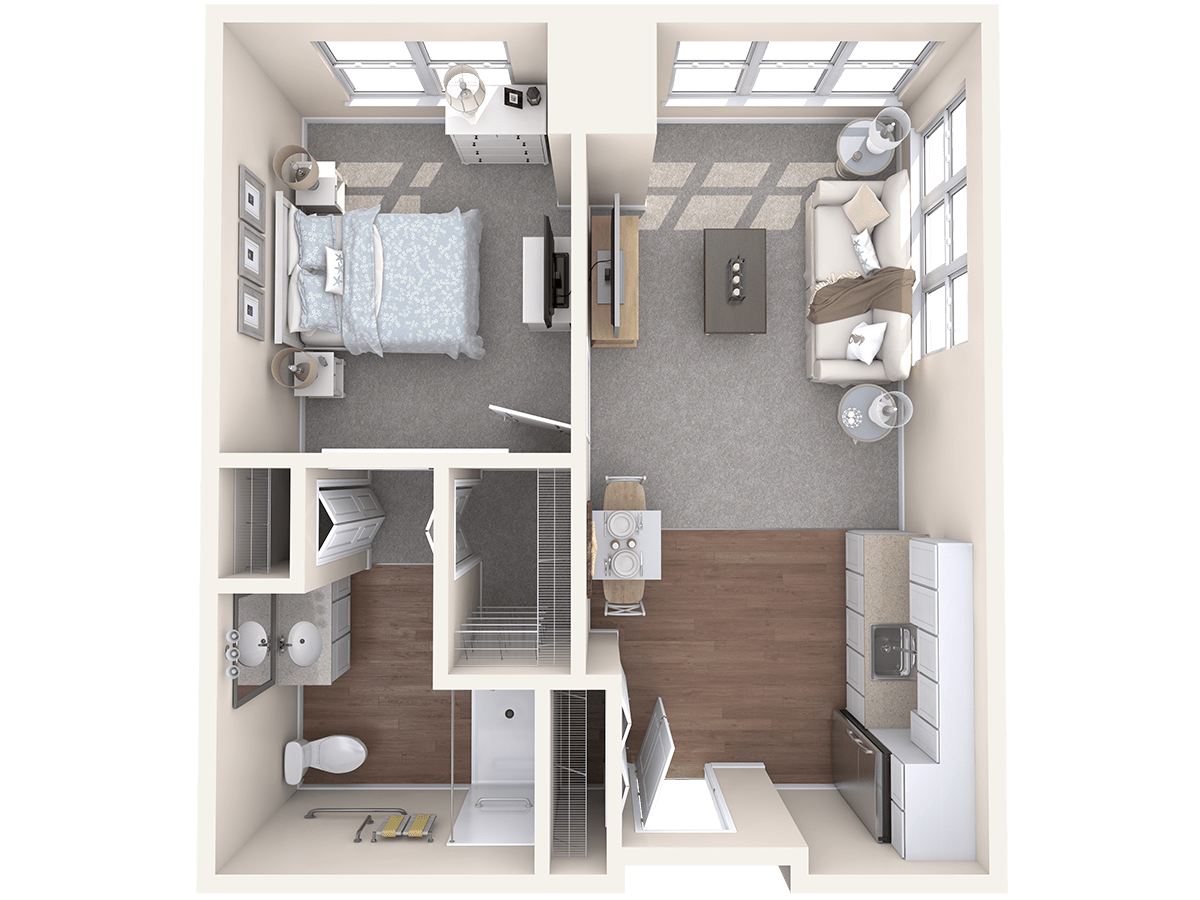
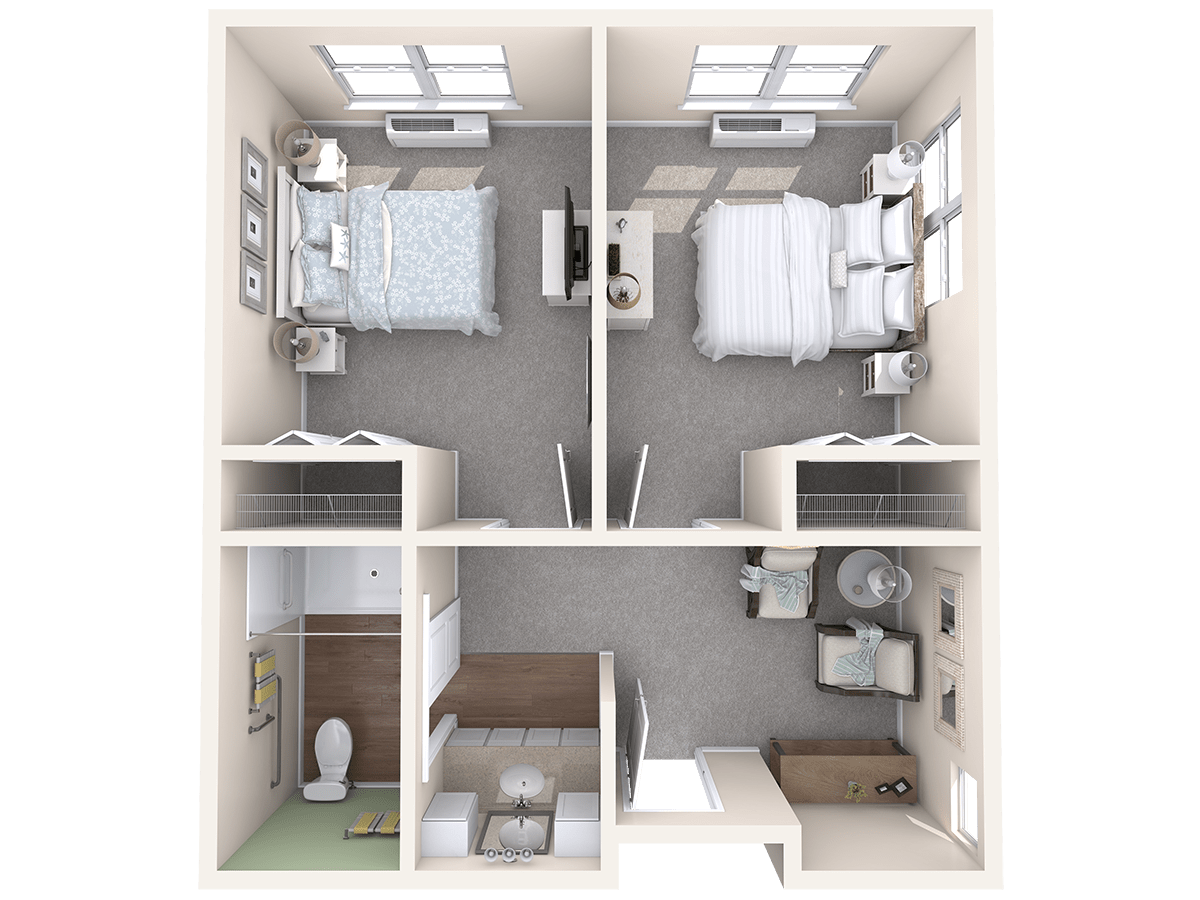
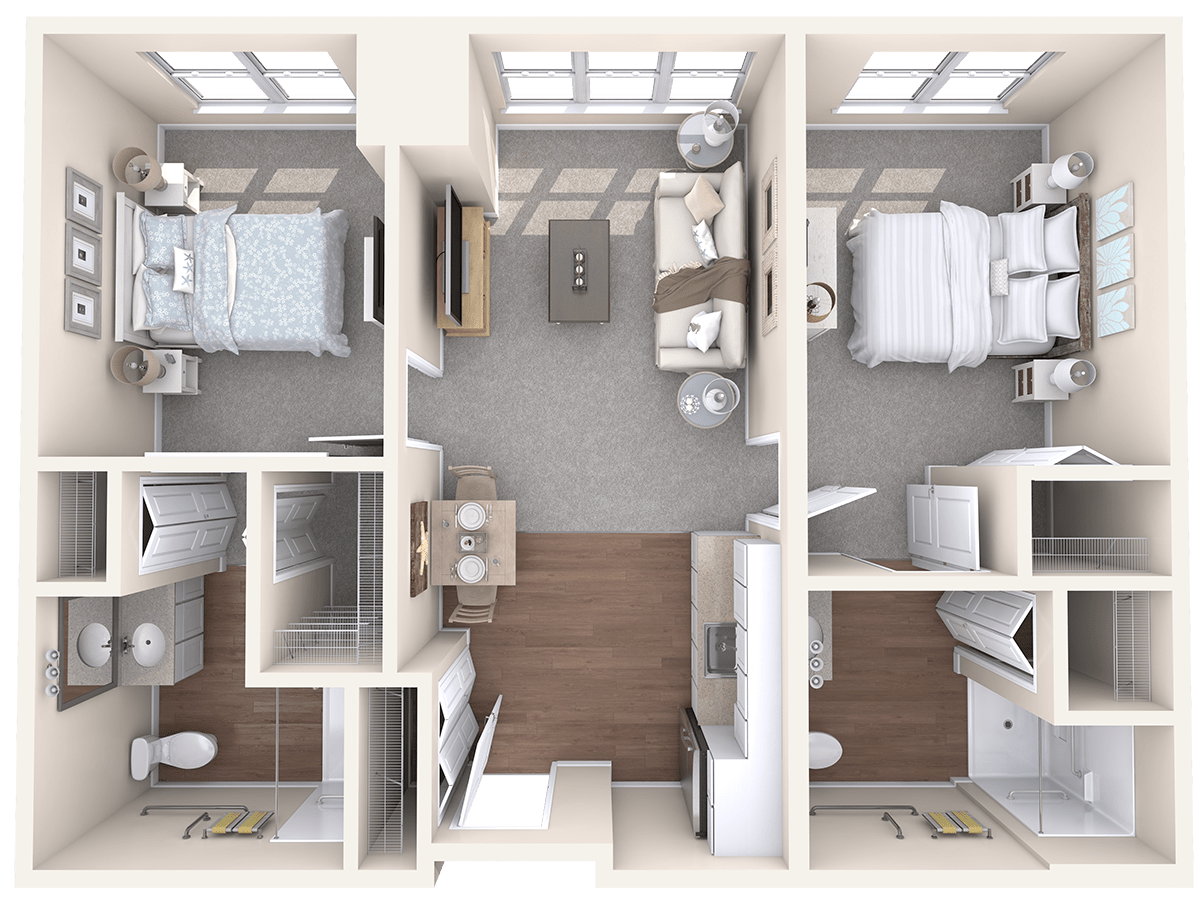
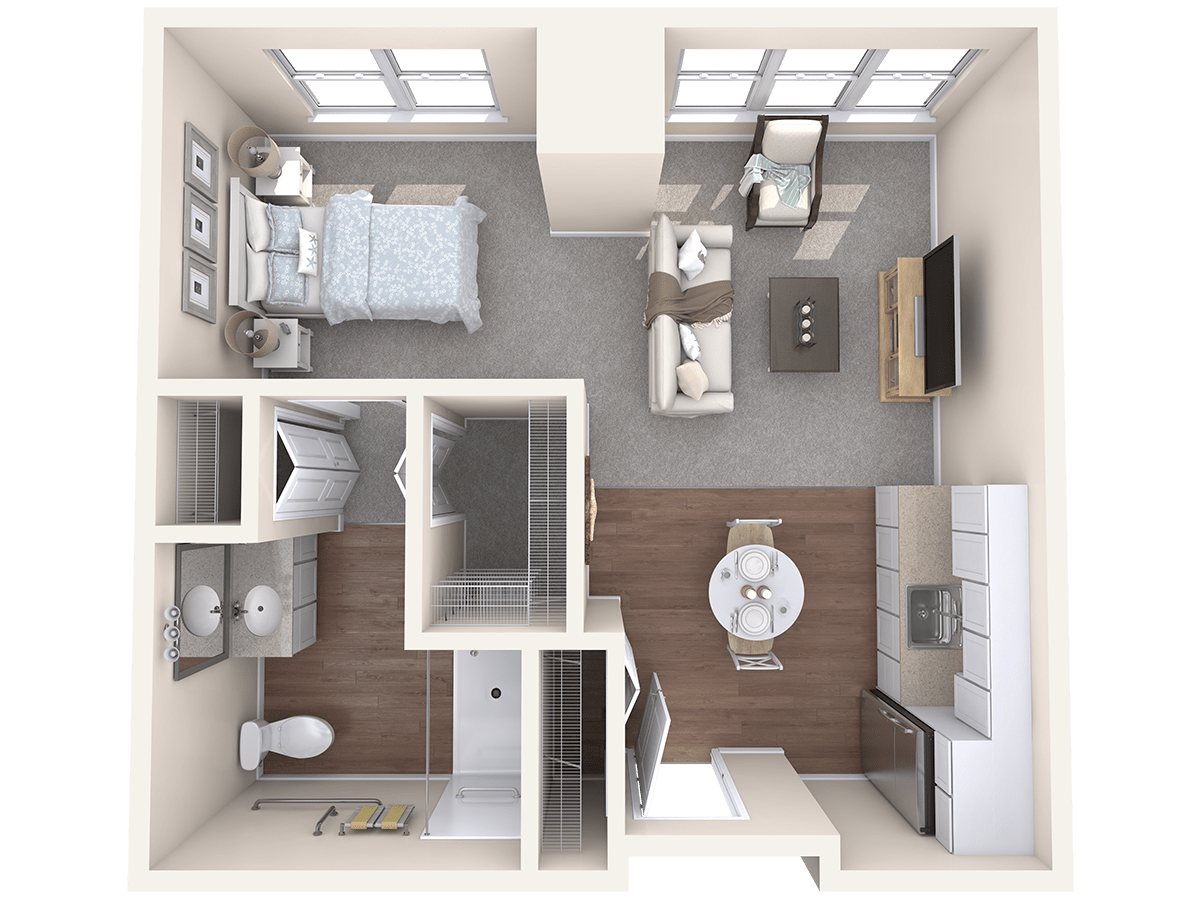
Floor plans
The Sheridan at Bethel Park
Allegheny County
Pennsylvania
Semi-Private
$3,995
$3,166
$3,542
Studio
$5,349
$3,637
$3,737
1 Bedroom
$5,895
$3,798
$4,006
2 Bedrooms
$6,695
$4,653
$4,242
Assisted Living communities with a similar price nearby
Residents and families repeatedly describe staff who are kind, attentive, and easy to reach.
Across many reviews, people describe staff who know residents by name, greet them warmly, and respond with patience and care. Several families also say communication is handled professionally when issues come up, including quick replies to concerns or help from leadership. A smaller group of reviews, however, expresses dissatisfaction, including claims about neglect, threats, and medication or administrative problems.
common24 reviews mention this
Activities keep residents engaged
Daily programming and group events are repeatedly mentioned as keeping people social and active.
Many reviews highlight an activities calendar with live entertainment, art and educational sessions, fitness and wellness, and group outings. Families say residents are more active and have an easier time making friends, with events that help them stay engaged. Reviews also align with the community listing of scheduled daily activities, resident-run participation, and regular outings.
caveat16 reviews mention this
Restaurant-style dining draws mixed reactions
Residents describe restaurant-style dining, but some reviews criticize food quality and dining staffing.
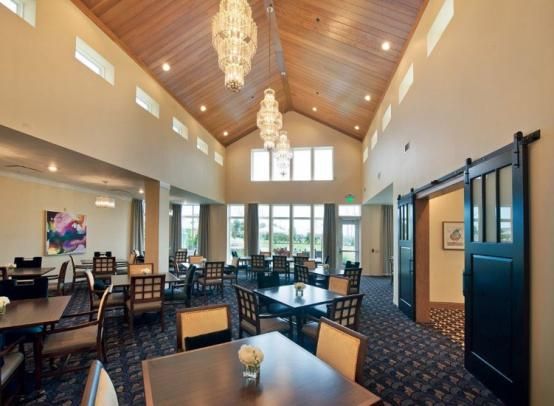
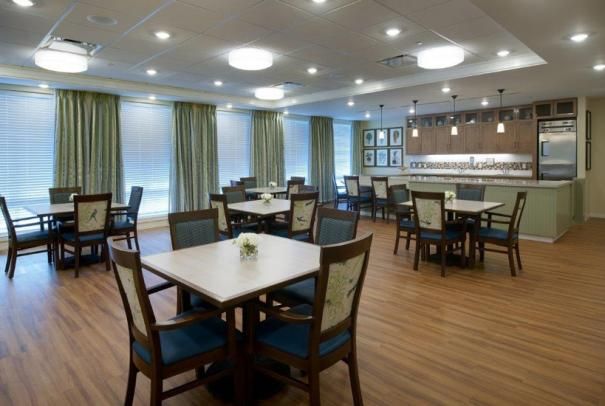
Several reviews praise chef-prepared meals and the dining experience, including enjoying food and being able to dine in a community dining room. Other reviews are less positive, with complaints about terrible food, dirty tables during service, and residents feeling left unattended during meals when staff are short-handed. This split matches the community’s meal-service setup and its listed restaurant-style dining approach.
caveat10 reviews mention this
Call bell and care response concerns
Some residents and families report delays with assistance and difficulty getting help after hours.
A recurring concern in multiple reviews is that residents can wait too long for assistance after pressing the call bell, with one account describing waits of about 30 minutes or longer. There are also complaints about needing better coverage, including claims that night check-ins were inconsistent at times. Other reviews describe care as attentive around the clock, which suggests the experience varies depending on timing and staffing.
caveat6 reviews mention this
Pricing feels high to some families
Some reviews say the cost is high for the level of care they experienced.
Several reviewers raise cost as a drawback, with some stating the value does not match what they pay. One review also notes price as a negative after touring, while another says the community was reasonable compared with other places they looked at. The community’s pricing range is also listed as above and around local and state benchmarks depending on unit type.
How we summarize
Counts show how many written reviews mention each theme; a review can touch several themes, and only frequently mentioned themes are displayed.
Features
Housing
22 resident community capacity
1-bedroom apartments
2-bedroom apartments
Studio apartments
Types of Care
Assisted Living
Independent Living
Memory Care
Skilled Nursing Facility
Pets
Cats allowed
Dogs allowed
Amenities
Activities on-site
Air-conditioning
Beautician on-site
Beauty salon
Cable or satellite TV
Devotional services off-site
Dining room
Fully furnished
Garden
Guest parking
Handicap accessible
Housekeeping services
Indoor common areas
Kitchenette
Laundry
Move-in coordination
Outdoor space
Restaurant-style dining
Small library
Telephone
Wheelchair accessible showers
Wi-Fi/high-speed internet available
Transportation
Pittsburgh International (15 miles away)
Transportation & parking
Transportation arrangement (non-medical)
Transportation to doctors appointments
Care Services
12-16 hour nursing
24-hour call system
24-hour supervision
Activities of daily living assistance
Ambulatory care
Assistance with bathing
Assistance with dressing
Assistance with transfers
Coordination with health care providers
Dementia waiver
Diabetes diet
Diabetic care
High acuity care
Hospice waiver
Incontinence care
Meal preparation and service
Medication management
Mental wellness program
Mild cognitive impairment
Physical therapy
Special dietary restrictions
Specialized memory care programming
Transportation arrangement (medical)
Transportation to doctors appointments
Dining
Diabetes diet
Low / no sodium
Meals provided
Professional chef
Restaurant style dining
Room service
Special dietary restrictions
Activities
Activities off-site
Art classes
Bible study group
Catholic services
Community-sponsored activities
Cooking classes
Day trips and outings
Devotional activities offsite
Devotional activities on-site
Educational speakers / life long learning
Fitness programs
Happy hour
Karaoke
Live musical performances
Live well programs
Resident-run activities
Scheduled daily activities
Wine tasting
Languages Spoken
English
Videos
Nearby Places of Interest
This part of Pittsburgh, Pennsylvania, offers a convenient and vibrant community for senior living. With a variety of dining options such as Spoonwood Brewing, Gianna Vias Restaurant & Bar, and Primanti Bros. Restaurant and Bar Mt. Lebo nearby, residents can enjoy delicious meals without having to travel far. Additionally, there are several pharmacies like Walgreens and Rite Aid in close proximity for easy access to medication and healthcare services. For leisure activities, there are parks like Village Green Park and Mt. Lebanon Park nearby for outdoor enjoyment. The area also provides excellent medical facilities such as UPMC South Hills and St. Clair Hospital for any health needs, along with convenient transportation options like the South Hills Village Trolley Stop for getting around the city. Places of worship are also easily accessible for those seeking spiritual fulfillment. Overall, this part of Pittsburgh offers a well-rounded and desirable location for seniors looking to settle down in a welcoming community with various amenities at their disposal.
Restaurants
Spoonwood Brewing (0.6 miles)
Gianna Vias Restaurant & Bar (0.9 miles)
McDonald's (1.5 miles)
Primanti Bros. Restaurant and Bar Mt. Lebo (1.7 miles)
Chick-Fil-A (1.8 miles)
Hitchhiker Brewing (2.1 miles)
McDonald's (2.1 miles)
Pharmacies
Walgreens (0.8 miles)
Rite Aid (1.2 miles)
Shop 'n Save (1.2 miles)
CVS Pharmacy (1.4 miles)
Rite Aid (1.4 miles)
Market District Pharmacy (1.6 miles)
Walgreens (2 miles)
Cafes
Starbucks (1.2 miles)
Panera Bread (1.9 miles)
De Lallo's Fort Couch Cafe (2.1 miles)
Starbucks (2.2 miles)
Mediterra Cafe (3 miles)
Al's Cafe (3.8 miles)
Starbucks (3.9 miles)
Parks
Village Green Park (1.5 miles)
Mt. Lebanon Park (2.5 miles)
South Park Dog Park (2.8 miles)
Evans Fields (5.1 miles)
Boyce-Mayview Park (5.2 miles)
Mt Washington Observation Deck (5.4 miles)
Hospitals
UPMC South Hills (1.8 miles)
Transportation
South Hills Village Trolley Stop (2.3 miles)
U-Haul Moving & Storage of Pleasant Hills (2.9 miles)
Physicians
St. Clair Hospital (3.1 miles)
Vujevich Dermatology Associates (3.3 miles)
Pediatric Alliance-St Clair (3.5 miles)
Chang Eye Group (3.8 miles)
Upmc (4.7 miles)
Steel Valley Orthopedic Associates PC (4.9 miles)
Jefferson Internal Medicine (5 miles)
Places of Worship
Kingdom Hall Of Jehovahs Witnesses (3.2 miles)
St Louise De Marillac Church (3.9 miles)
St Simon & Jude Church (4.1 miles)
St Margaret of Scotland Roman Catholic Church (5 miles)
The Sheridan at Bethel Park presents a range of monthly costs that reflect its premium offerings in the realm of senior living. For instance, the semi-private rooms are priced at $3,995, which is notably higher than the average rates in Allegheny County ($3,166) and across Pennsylvania ($3,542). Studio apartments cost $5,349, again exceeding county and state averages of $3,637 and $3,737 respectively. The one-bedroom option at $5,895 follows suit with fees that surpass local ($3,798) and statewide ($4,006) benchmarks. Finally, for those seeking more space, the two-bedroom accommodations come to $6,695 - well above Allegheny County's average of $4,653 and Pennsylvania's average of $4,242. This pricing reflects not only the quality of services and amenities provided but also positions The Sheridan at Bethel Park as a superior choice for families seeking exceptional care and comfort for their loved ones.
The Sheridan at Bethel Park's comprehensive features are meticulously designed to enhance the quality of life for residents with dementia and Alzheimer's disease. The 24-hour supervision ensures that residents receive immediate assistance whenever needed, providing a sense of security. Activities of daily living support, including help with bathing, dressing, and transfers, promotes dignity while addressing essential needs. Coordination with healthcare providers ensures tailored medical care through a dementia waiver, while incontinence care and meal preparation cater to both physical necessities and nutritional well-being. Medication management is crucial for maintaining cognitive function, complemented by mental wellness programs that foster emotional health. Physical therapy supports mobility and strength, while specialized memory care programming engages residents in meaningful activities that stimulate cognitive function. Additionally, transportation arrangements ensure safe access to medical appointments, all contributing to a holistic approach that enhances both safety and engagement for individuals at various stages of cognitive decline.
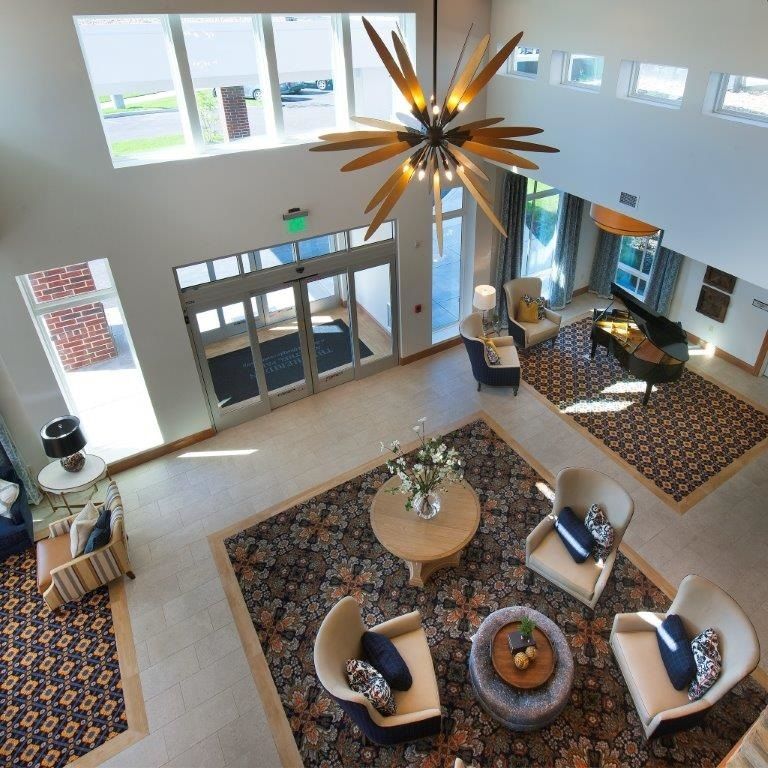
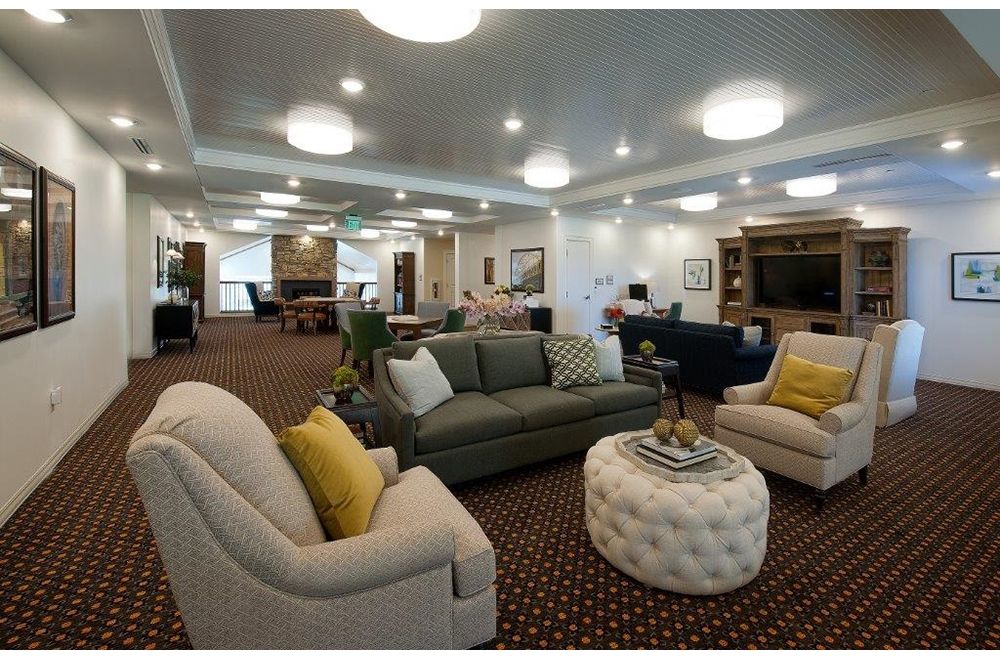
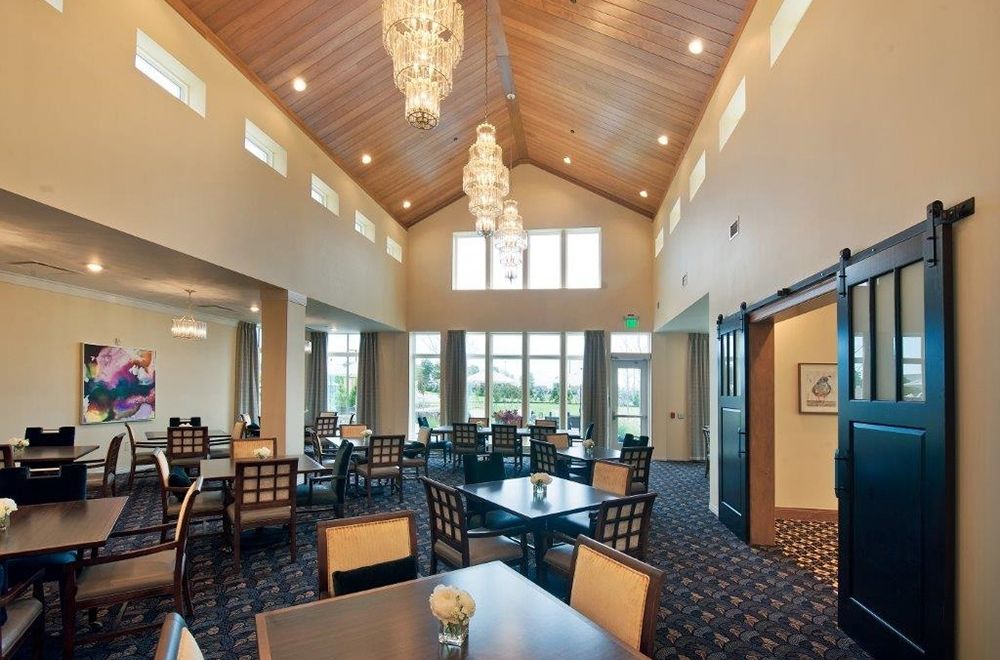
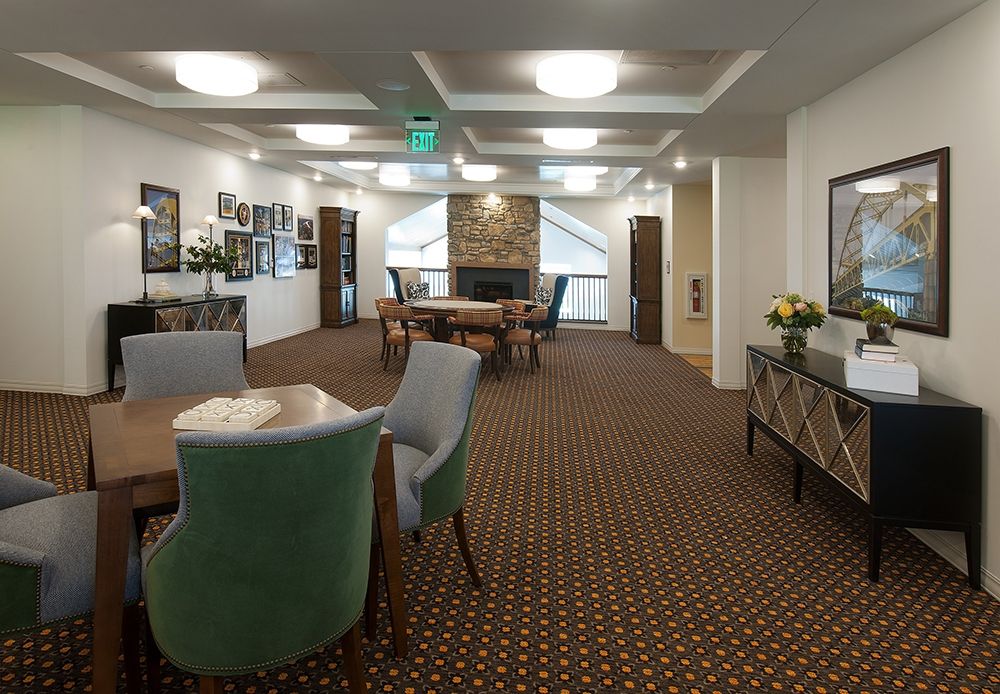
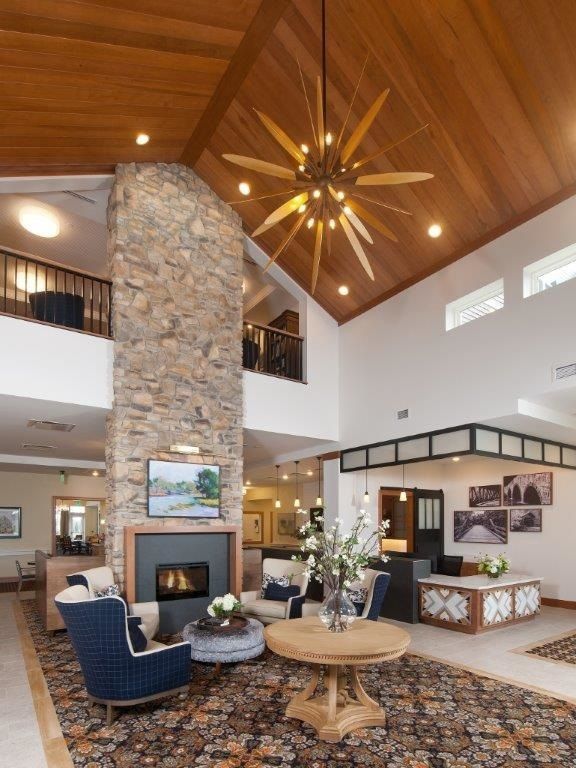
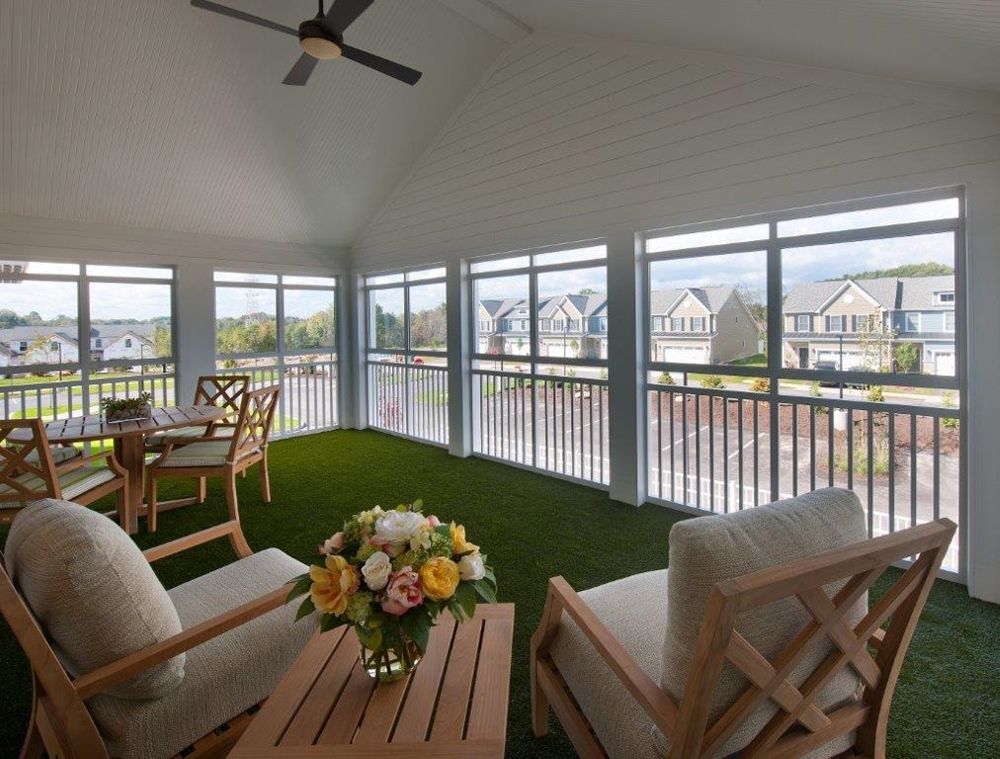
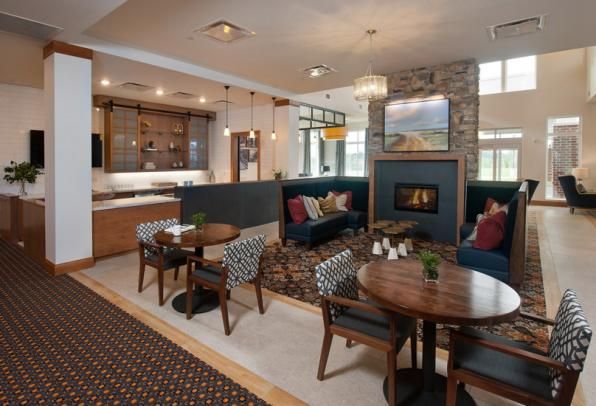
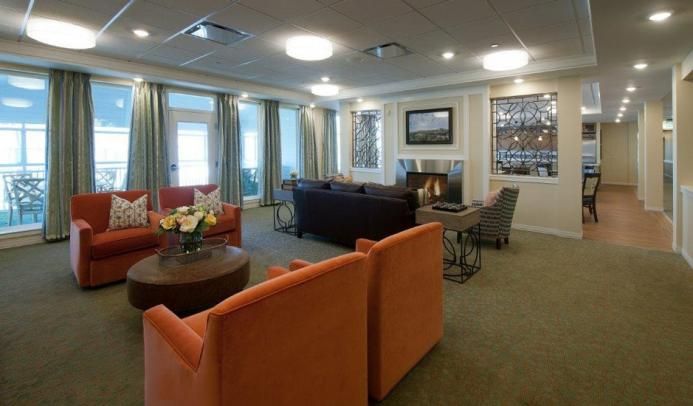
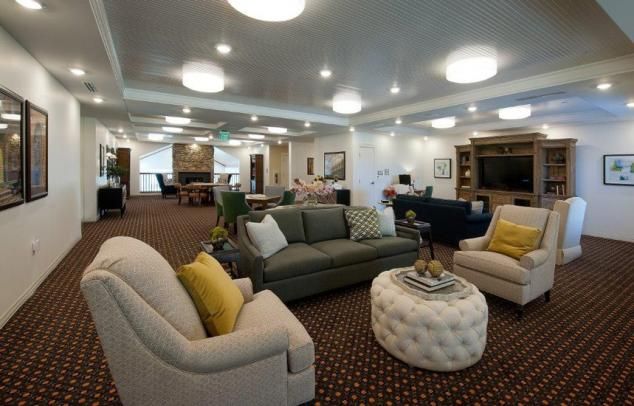
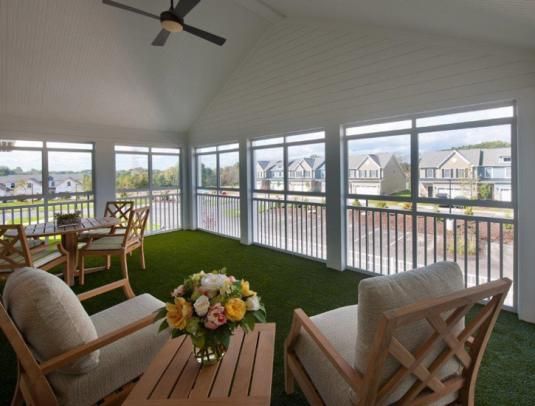
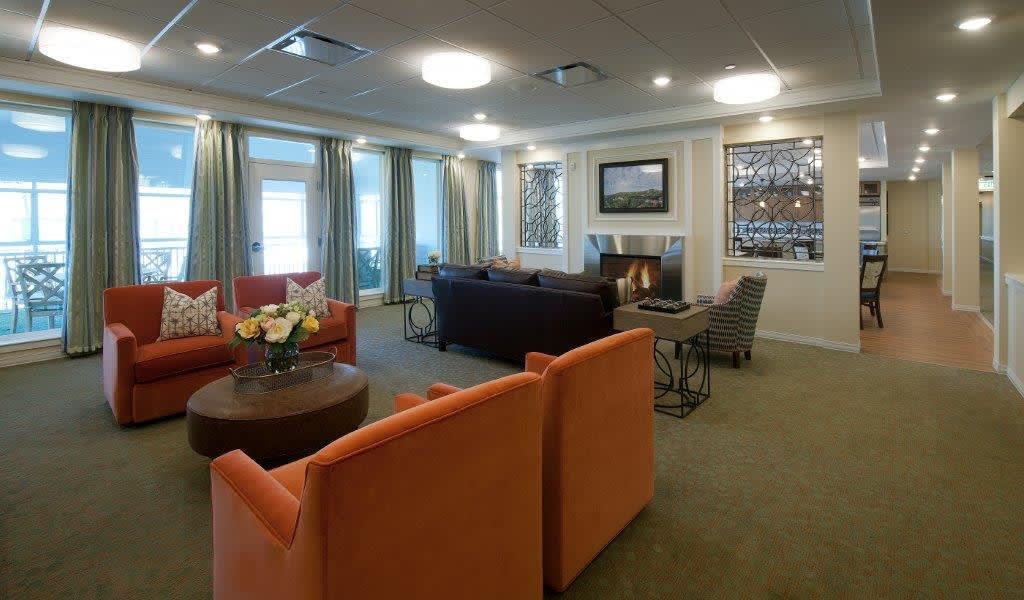
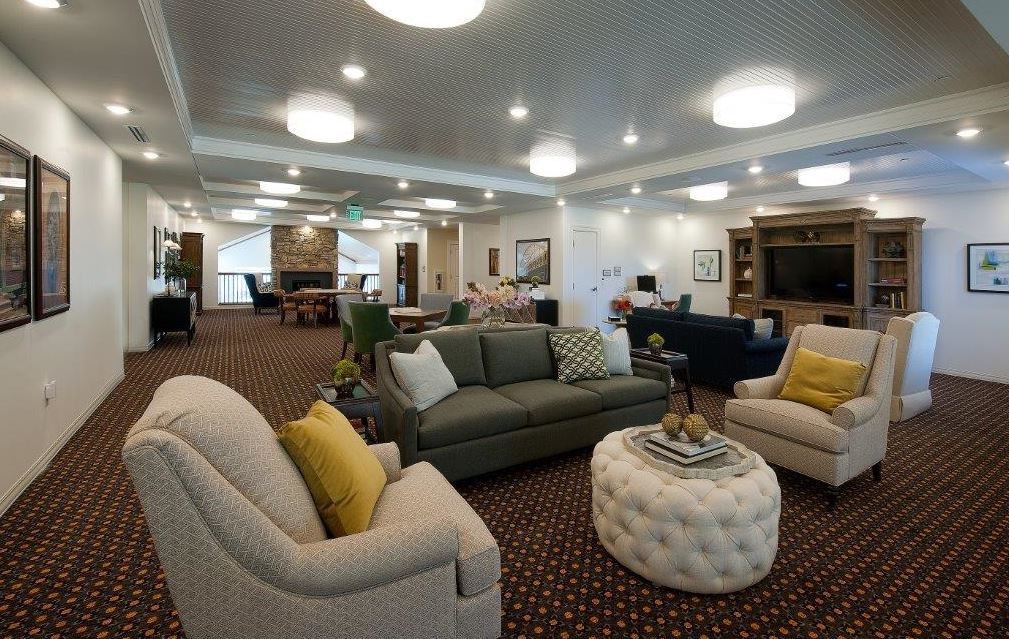
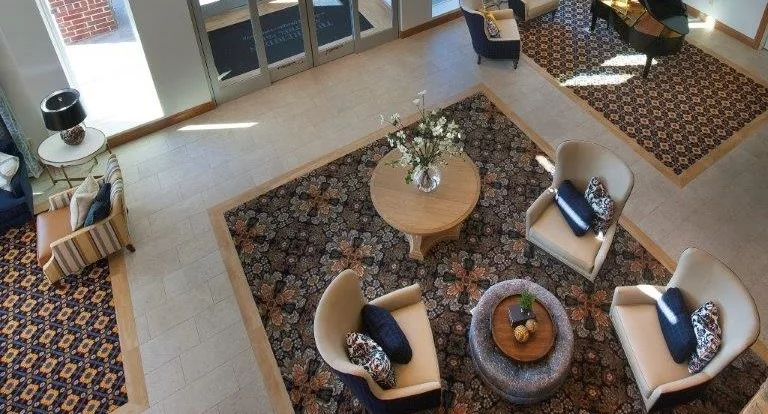
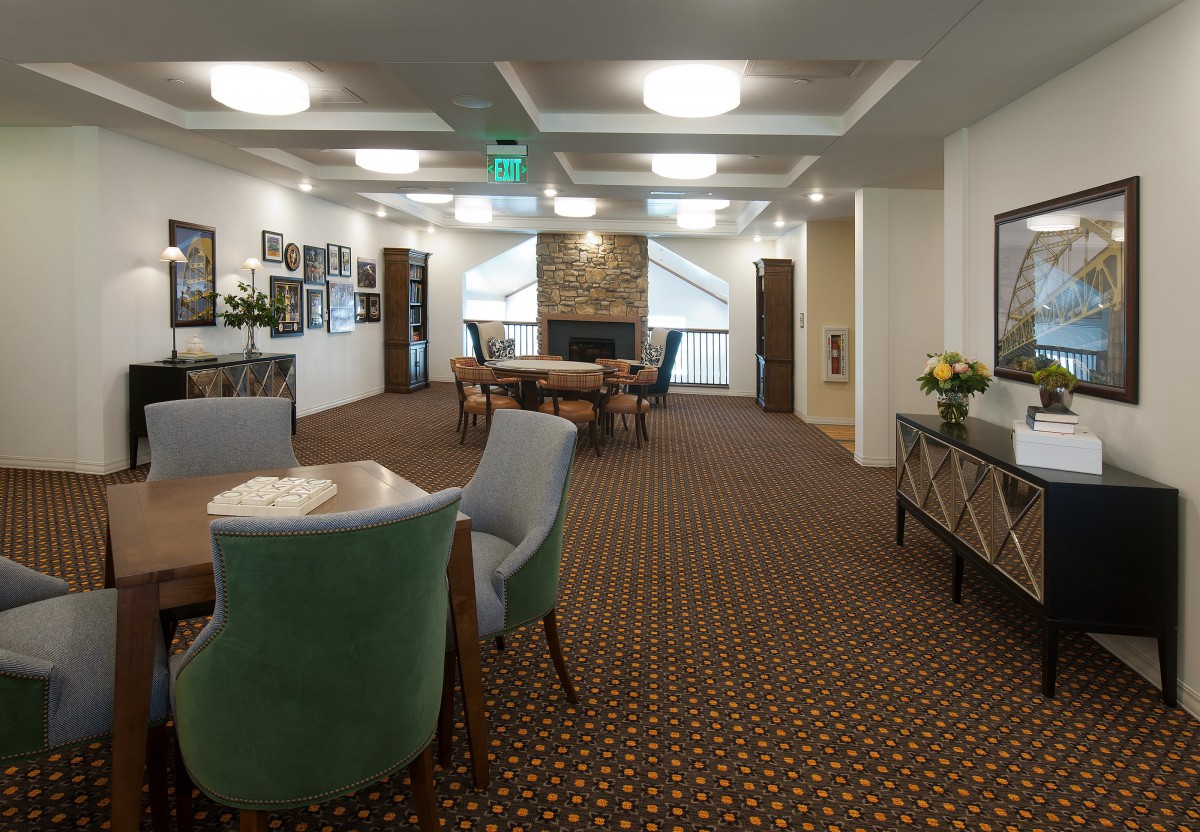
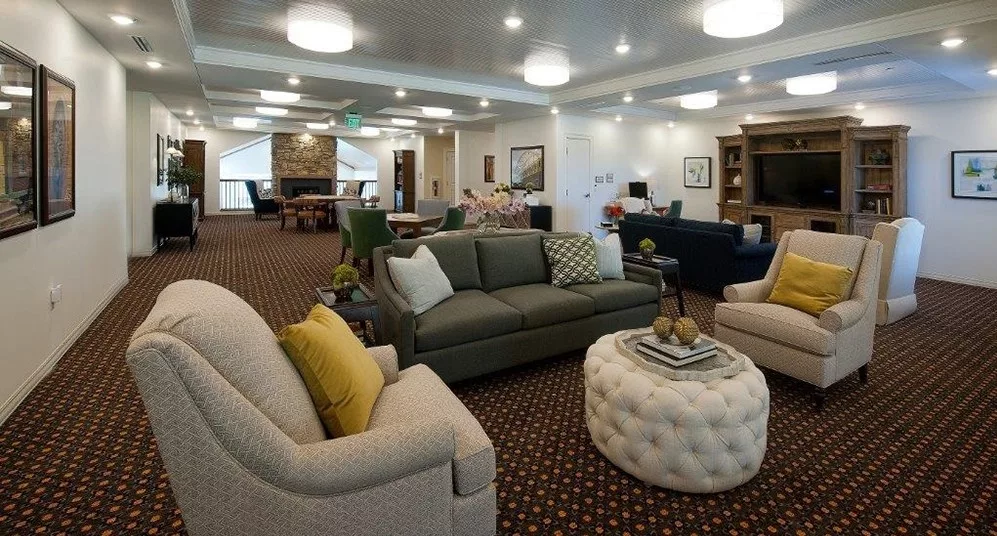
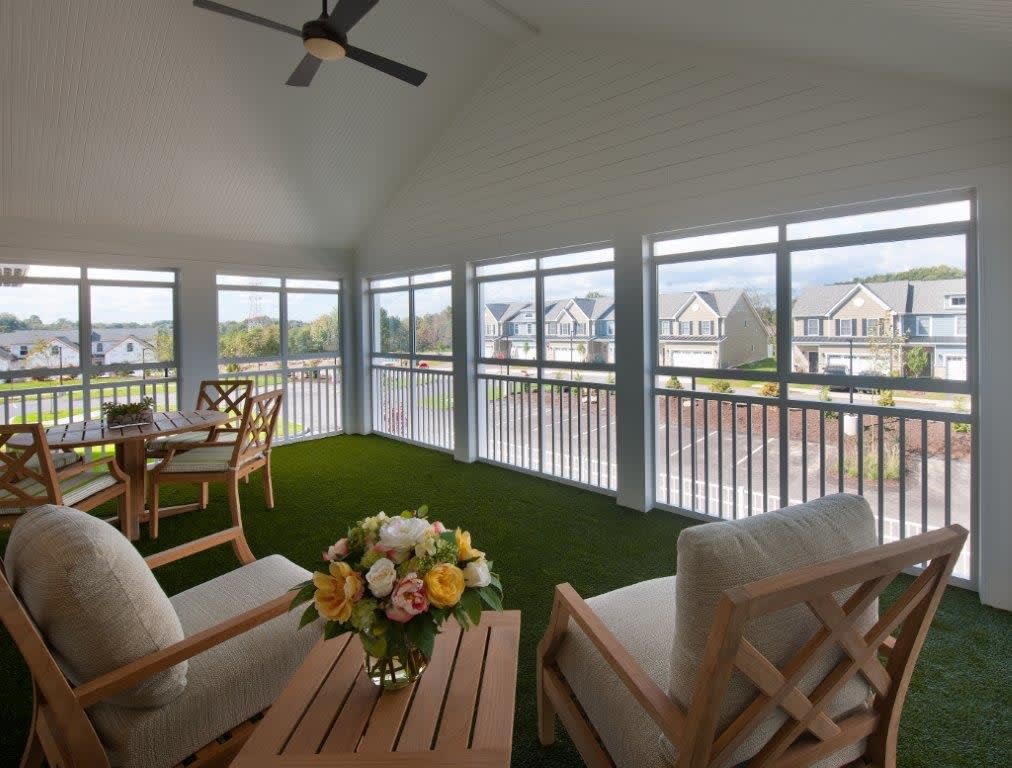
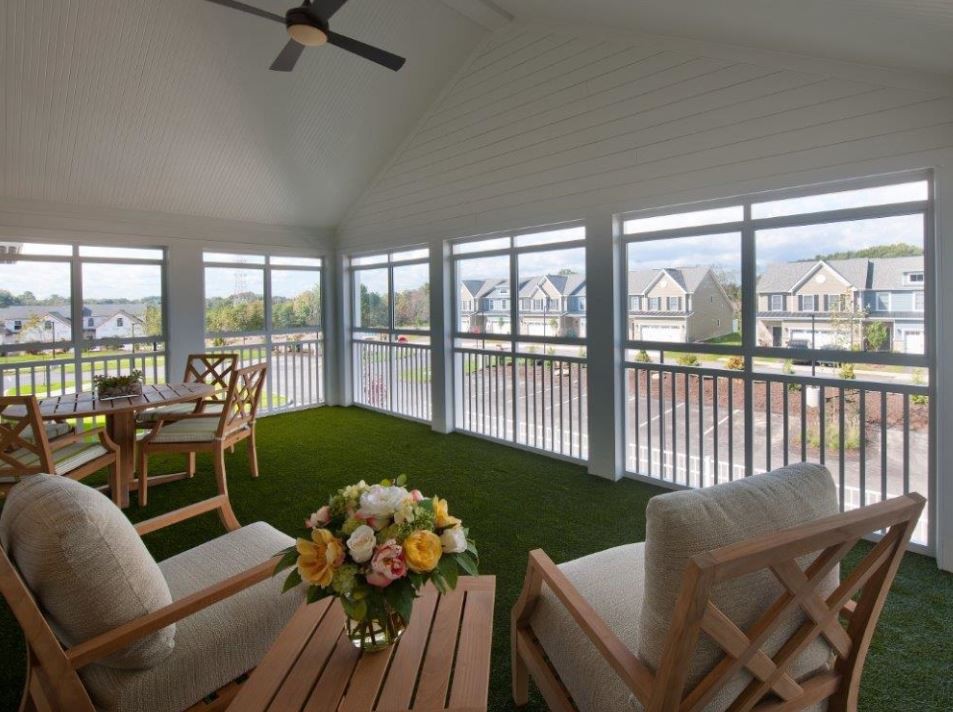
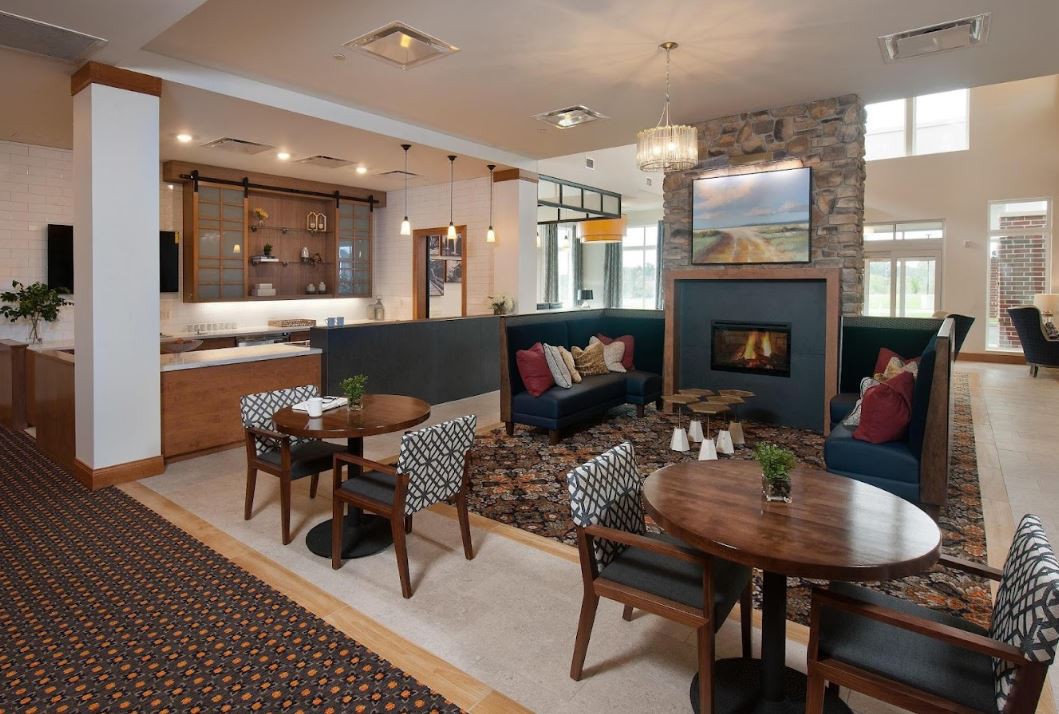
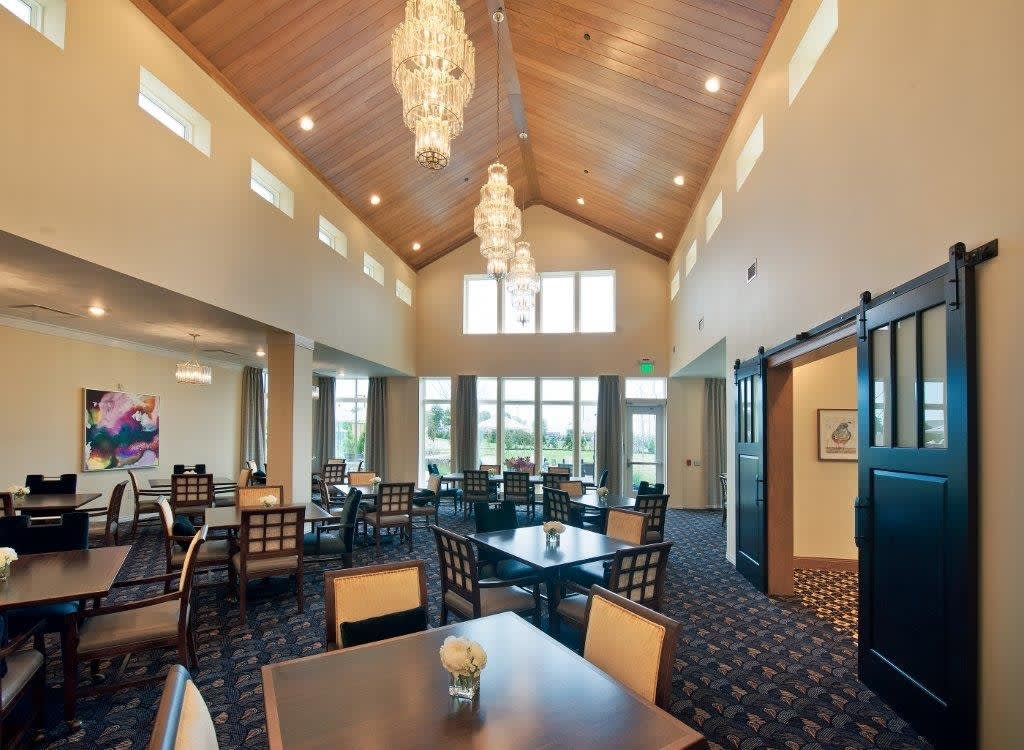
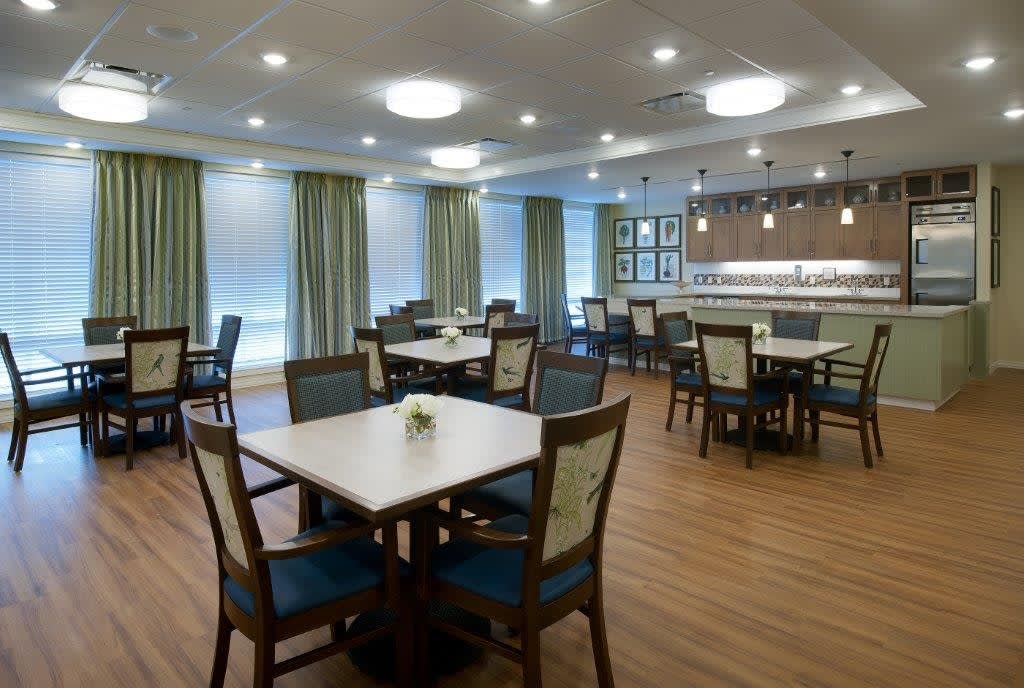
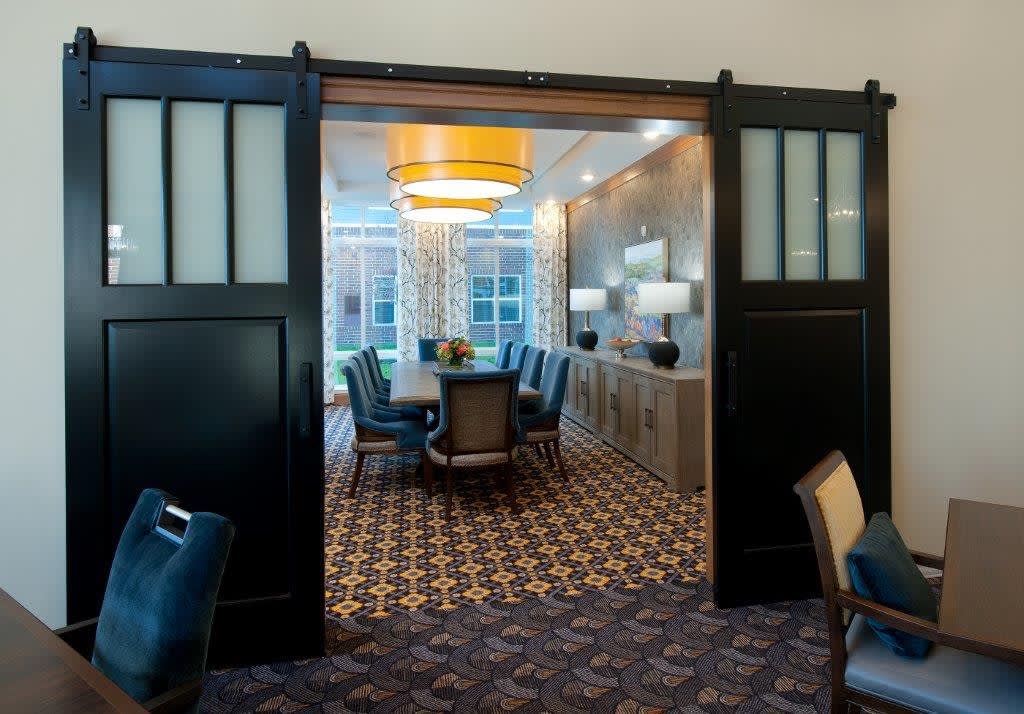
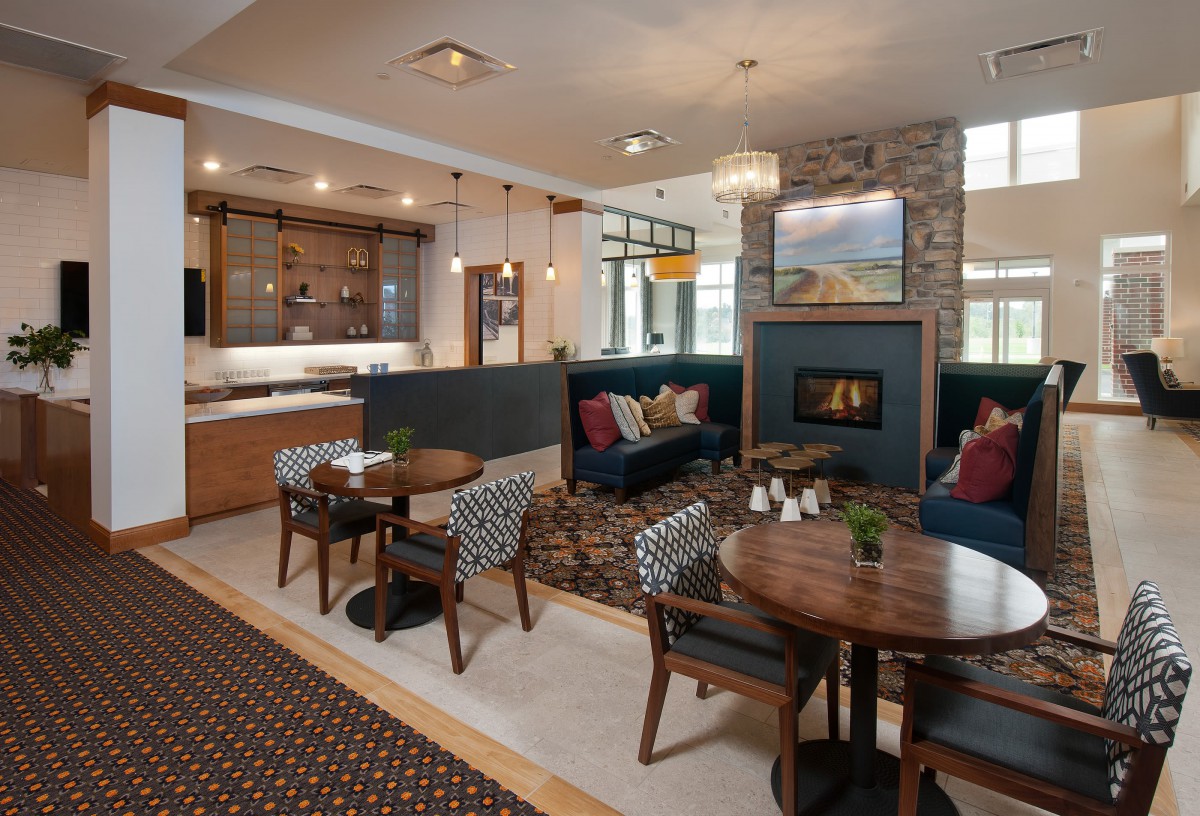
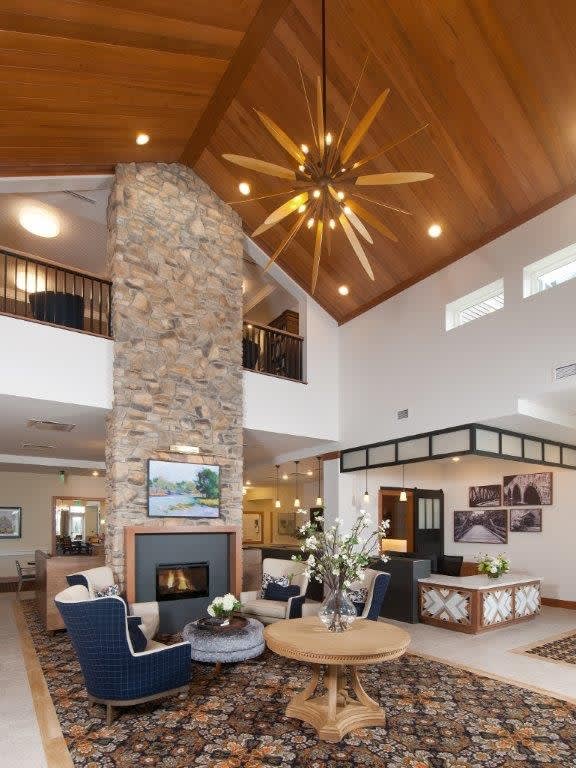
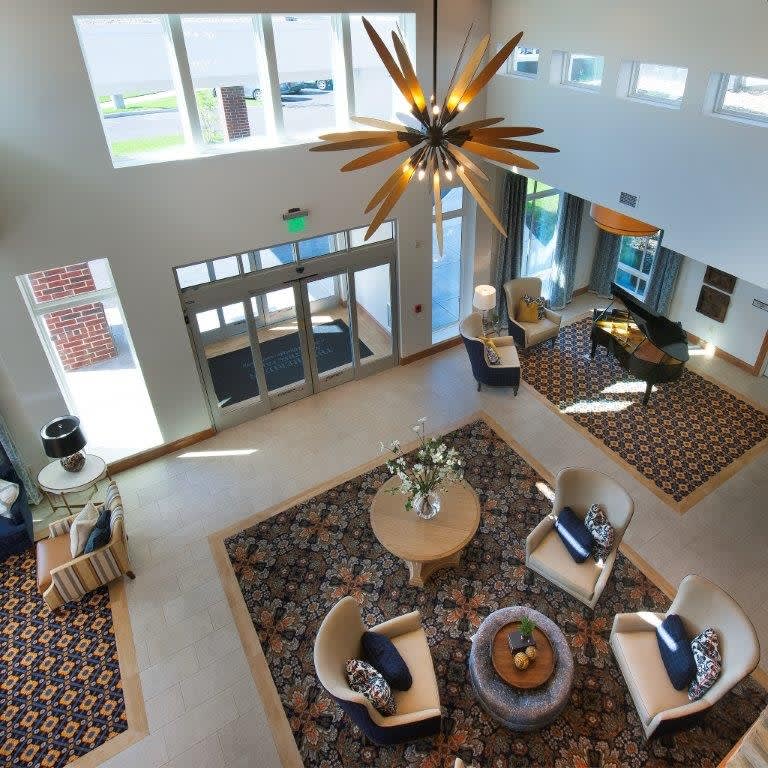
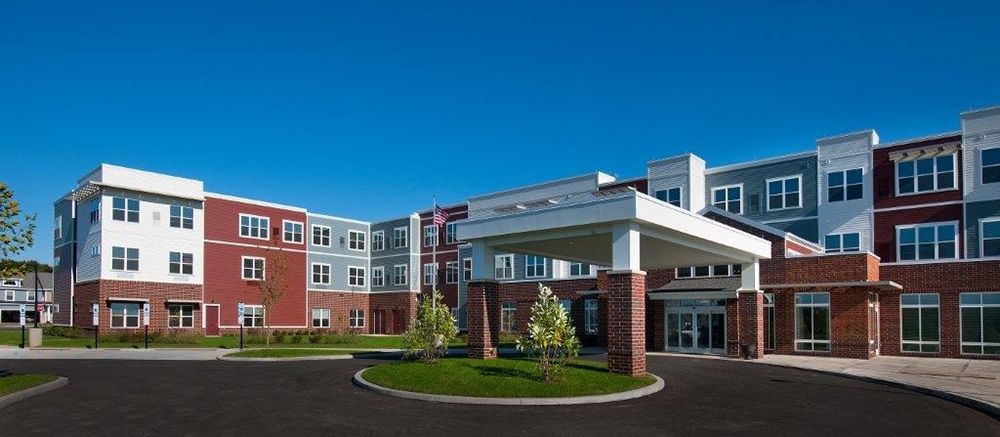
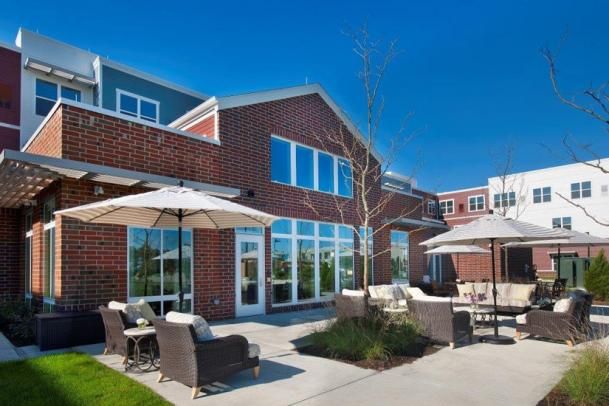
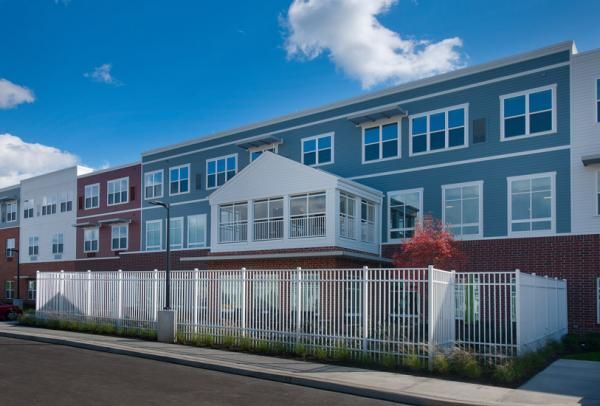
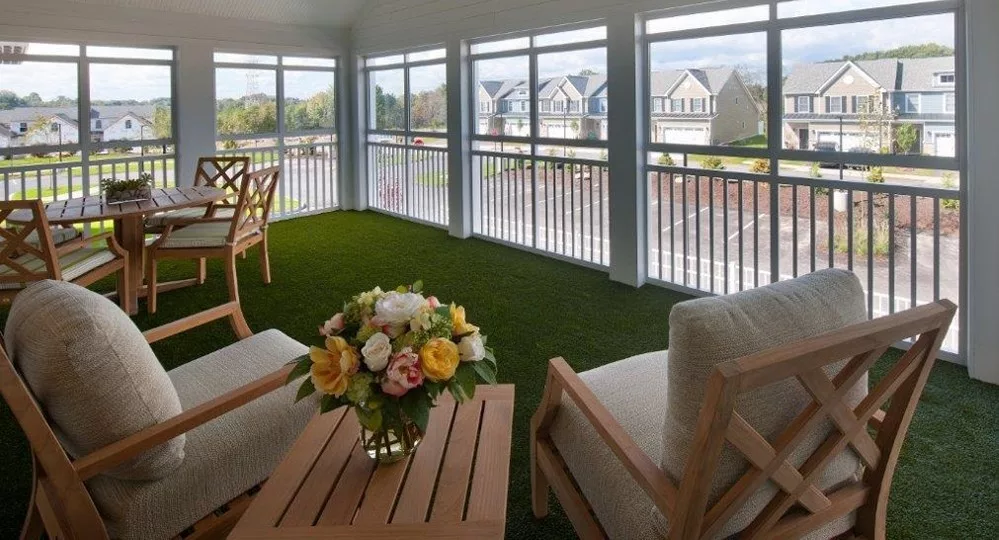
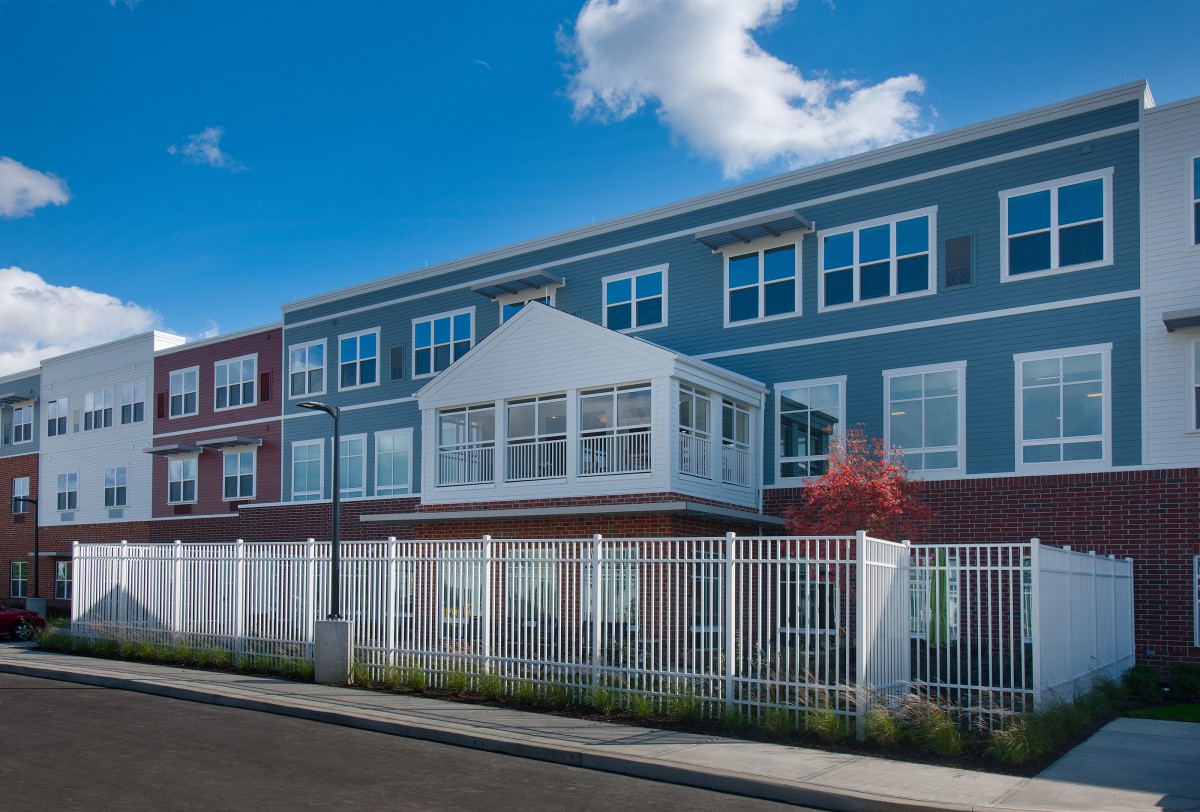
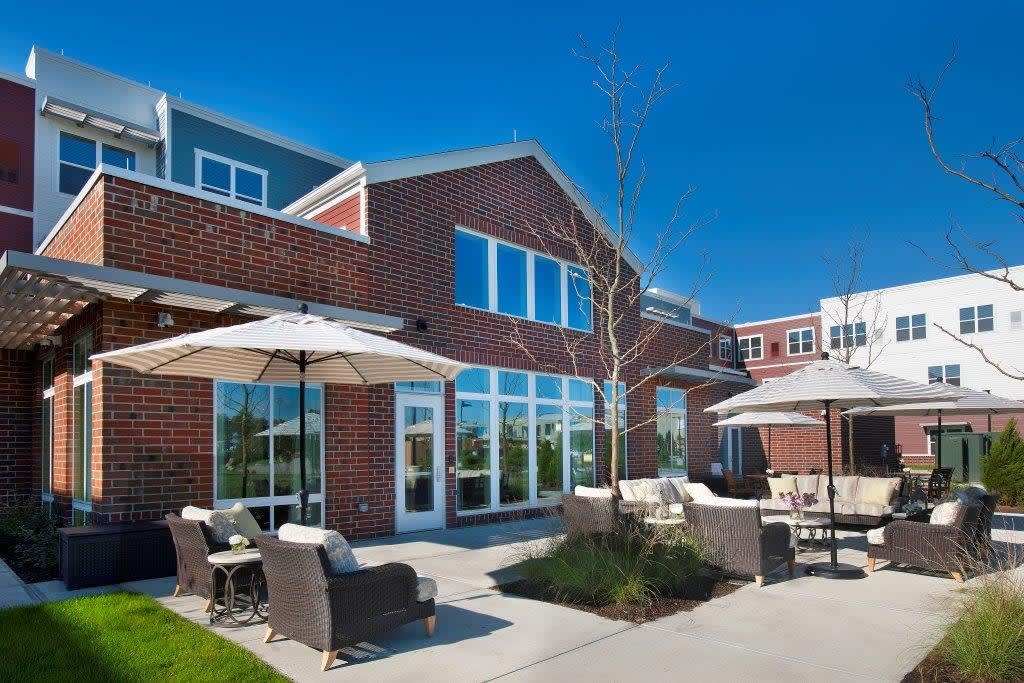
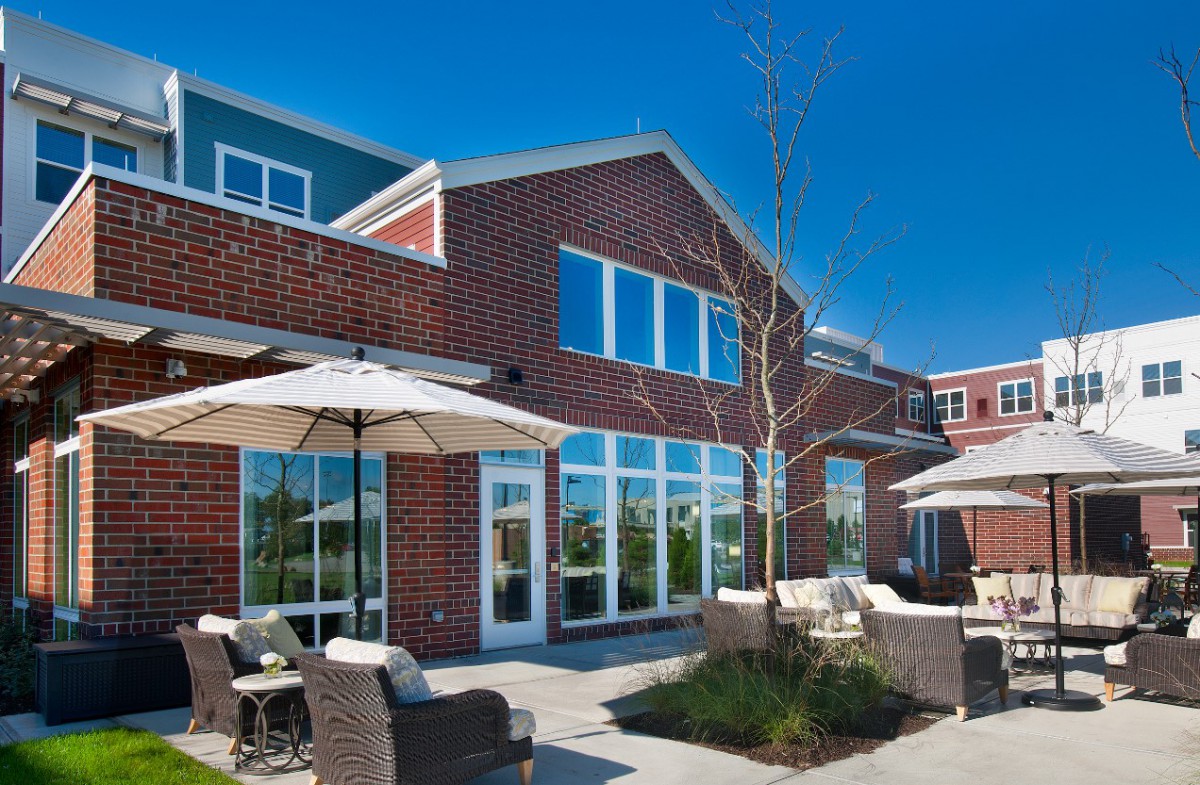
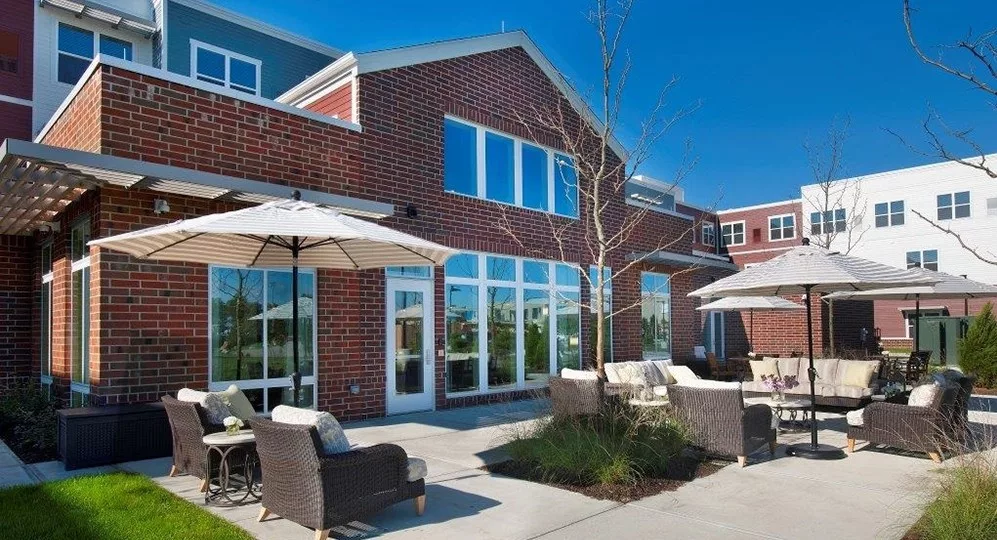
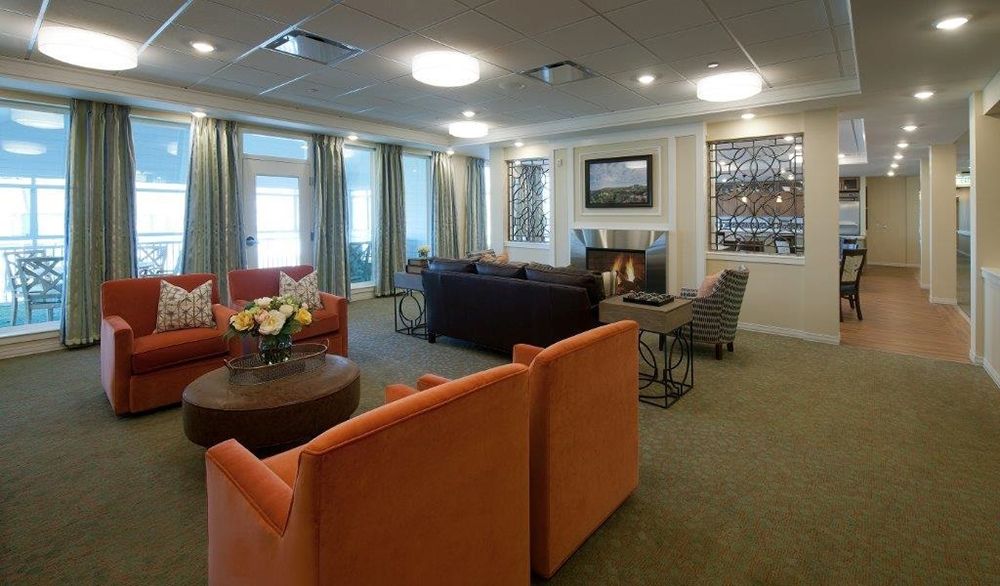
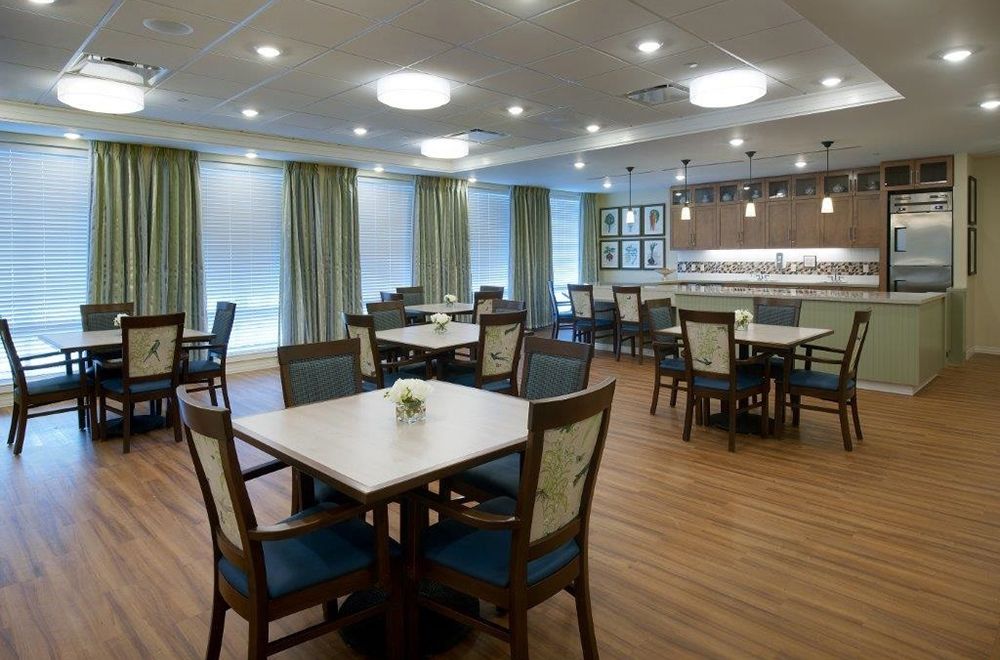
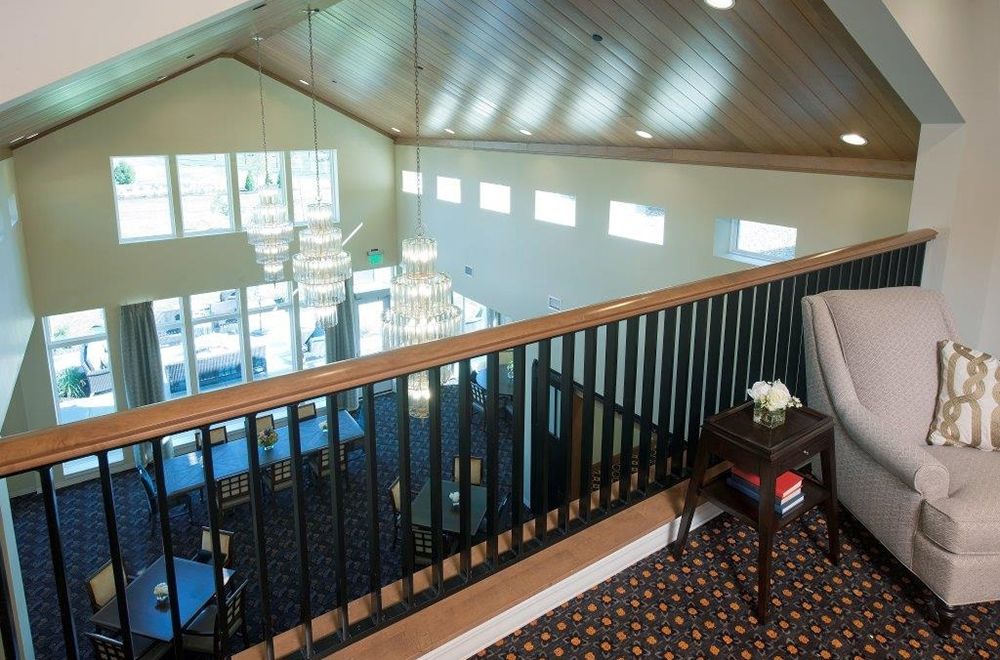
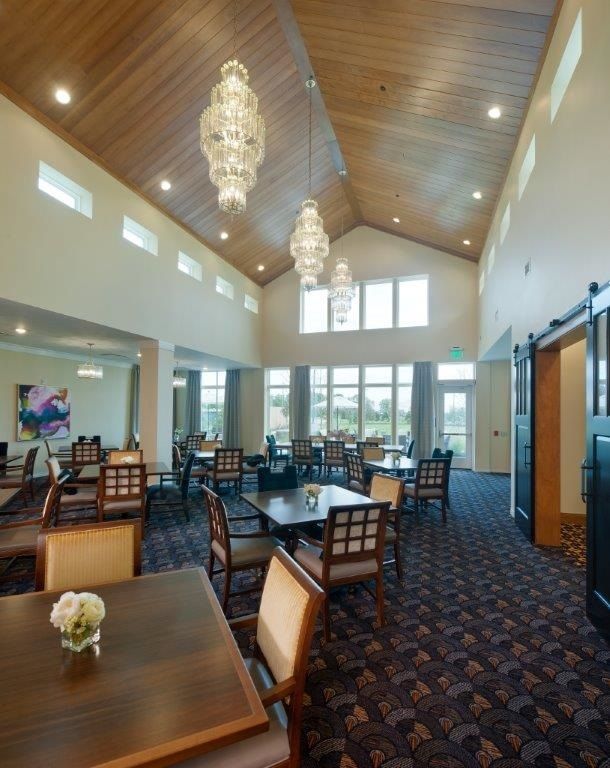
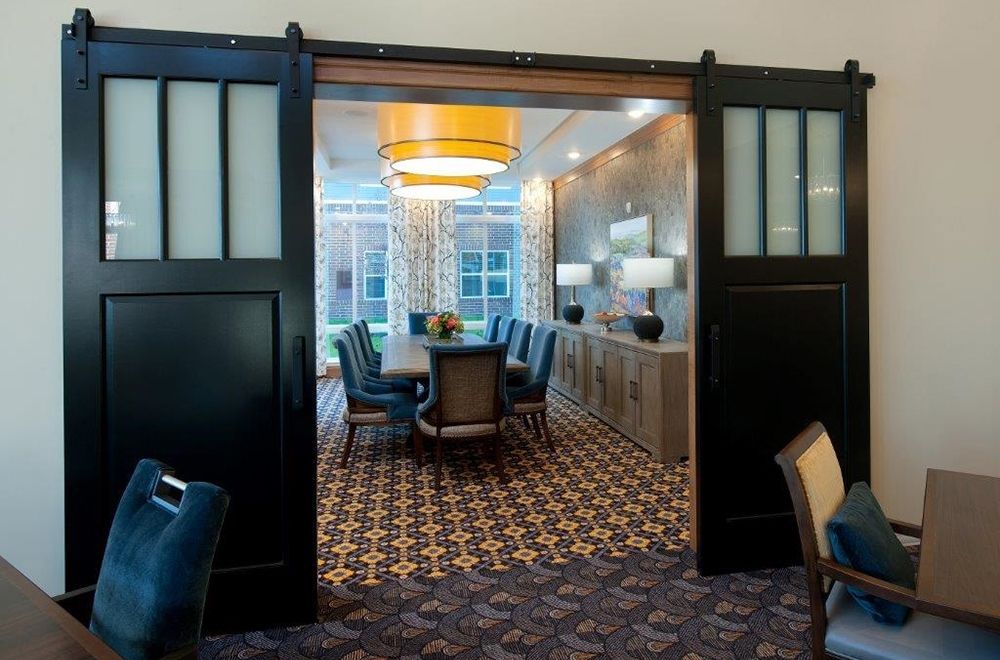
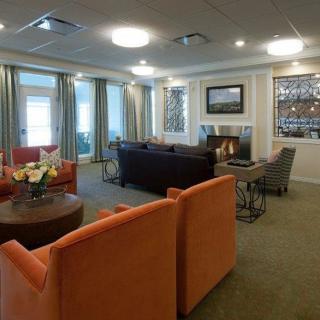
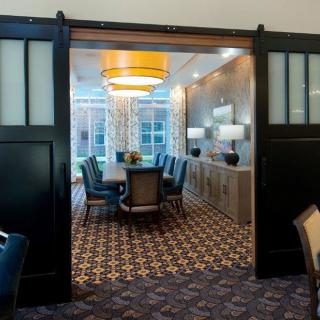
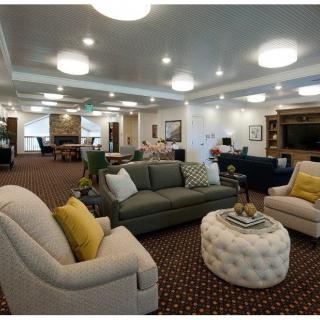
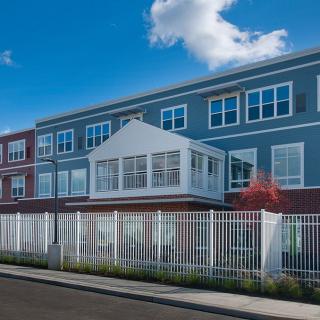
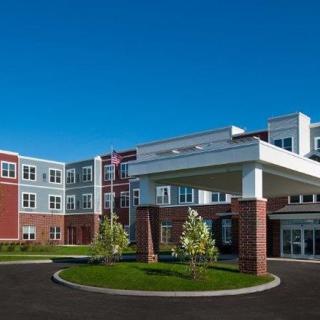
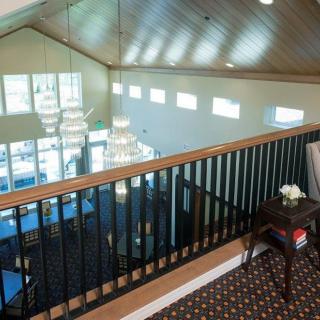
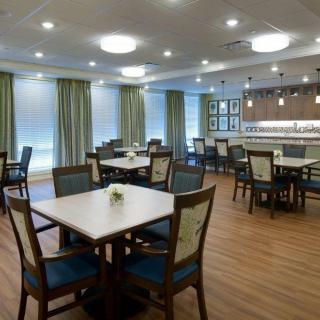
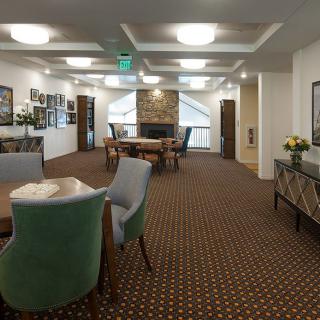
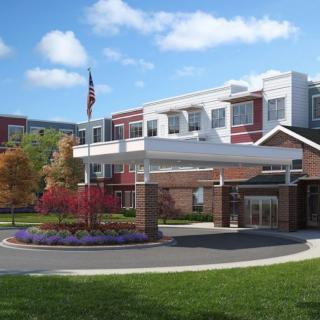
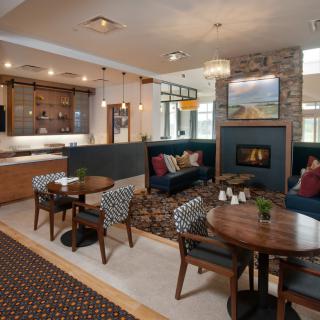
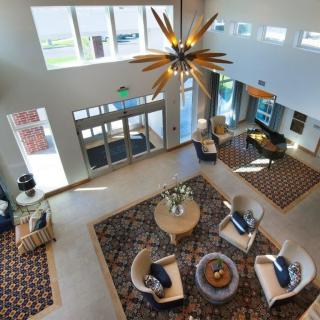
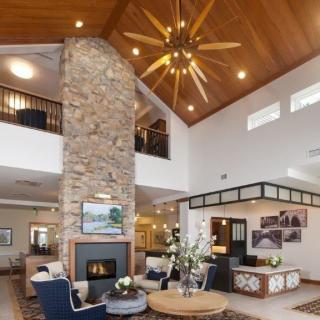
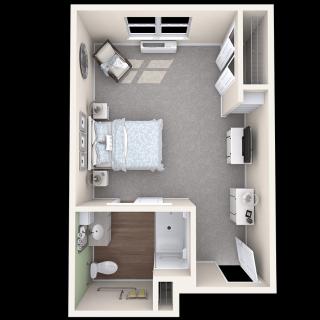
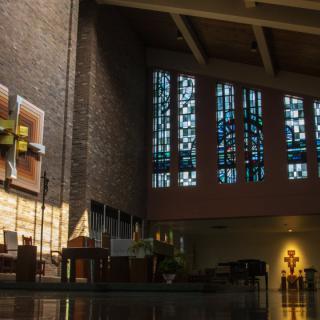
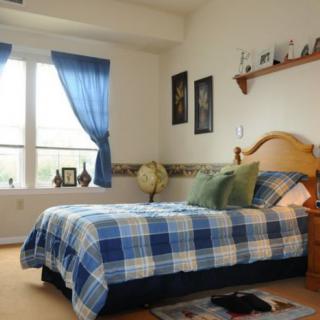
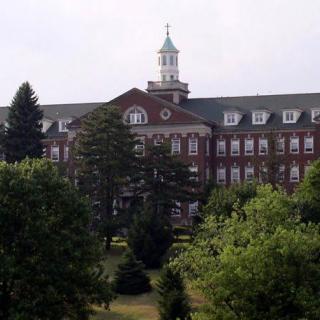
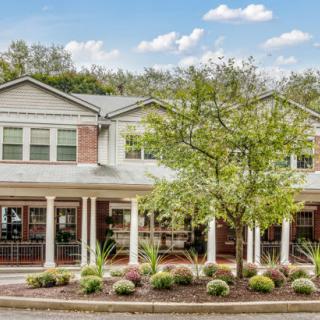
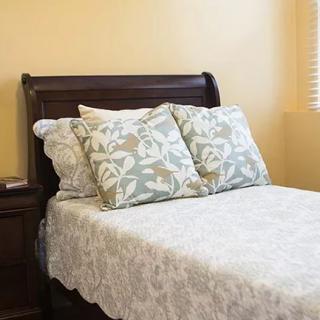
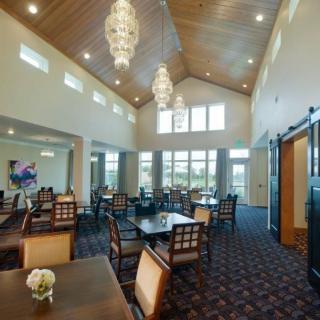
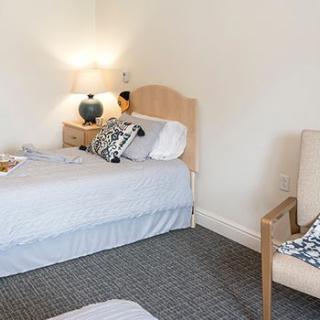
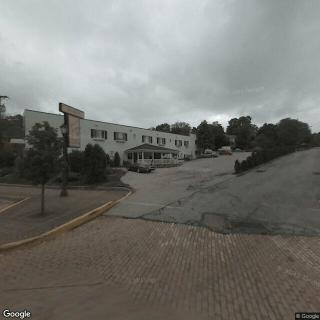
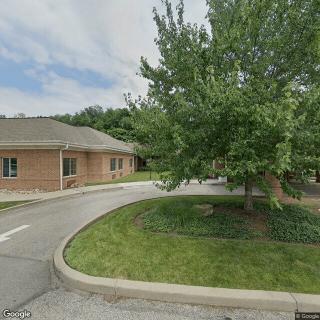
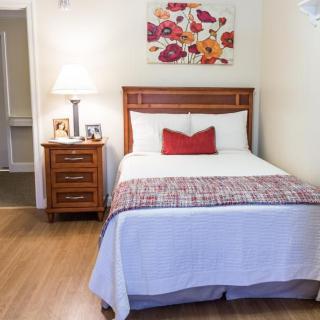
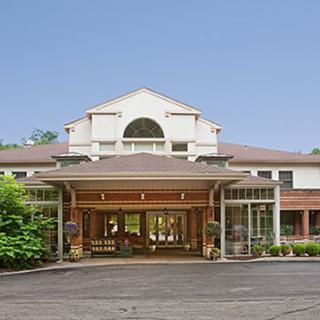
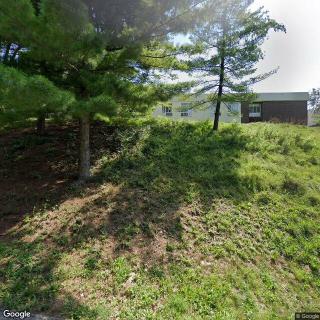
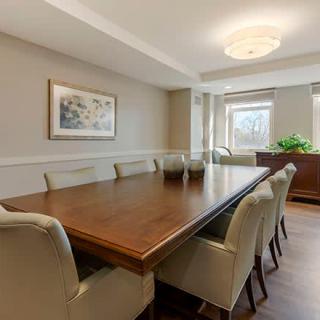
The Sheridan at Bethel Park on seniors.fyi includes 49 photos including images showing interior, living room, decor, seating area, windows, dining, floor plan, fireplace, and more.
Nearby Communities
Paramount Senior Living At Bethel Park
Bethel Park, PA
3.7 from 66 reviews
$3,450 to $4,530 / month
Caring, attentive staff; clean, welcoming environment with good dining and on-site activities.
South Hills Square Retirement Resort
Pittsburgh, PA
4.6 from 44 reviews
$3,346 to $4,568 / month
Warm, welcoming community with attentive staff and strong dining/activities.
Overlook Green
Pittsburgh, PA
4.1 from 104 reviews
$2,750 to $3,600 / month
Friendly staff and engaging activities in a clean, pleasant setting.
Gracious Living Personal Care Home
Pittsburgh, PA
3.5 from 11 reviews
$1,850 to $2,550 / month
Caring, communicative staff; convenient location; engaging activities and family updates.
Manorcare Health Services - Whitehall Borough
Pittsburgh, PA
3.3 from 143 reviews
Some attentive staff; clean, comfortable facility with positive rehab experiences.
Artis Senior Living Of South Hills
Bethel Park, PA
4.7 from 94 reviews
Friendly staff, strong social engagement, and accessible, well-maintained grounds.
The Pines of Mt. Lebanon
Pittsburgh, PA
4.3 from 101 reviews
$3,089 to $5,003 / month
Compassionate staff, engaging activities, and a homey atmosphere.
Mt Lebanon Rehabilitation And Wellness Center
Pittsburgh, PA
4 from 2 reviews
$6,813 to $7,137 / month
Convenient location with attentive staff and private rooms.
Brookdale Mt. Lebanon
Pittsburgh, PA
4.7 from 93 reviews
$2,410 to $4,055 / month
Friendly staff; clean, inviting environment with engaging activities.
Alzheimer’s disease is a progressive neurological disorder that significantly impacts memory and cognitive functions, accounting for 60-80% of dementia cases, with early diagnosis being crucial yet challenging. It involves brain changes like beta-amyloid plaques and tau tangles, influenced by genetic and lifestyle factors, and while there is no cure, symptom management and support for caregivers are essential.
Dementia, influenced by aging and certain medications, may be exacerbated by drug classes such as anticholinergics, benzodiazepines, and antipsychotics, which are associated with cognitive impairment. Regular medication reviews by healthcare professionals are crucial for older adults to manage risks and optimize cognitive health.
Dementia often results in disrupted sleep patterns, leading to excessive daytime sleeping due to factors like brain damage affecting circadian rhythms, medication side effects, and lack of structure in daily activities. Caregivers must monitor these changes closely, as oversleeping can increase risks such as malnutrition or dehydration, and provide necessary support and routines to enhance patient engagement and well-being.
Get PricingAsk A QuestionSchedule A TourContact Senior Advisor
By clicking submit, you agree to our Partner's Terms of Use. You
also consent to receive calls and texts, which may be autodialed, from our Partner. Your consent is not a condition to
using our Partner's service. Please visit our Partner's Privacy Policy for information about their privacy practices.

 22 resident community capacity
 1-bedroom apartments
 Assisted Living
 Independent Living
 Memory Care
 Skilled Nursing Facility
 Cats allowed
 Dogs allowed
 Activities on-site
 Air-conditioning
 Beautician on-site
 Cable or satellite TV
 Devotional services off-site
 Dining room
 Fully furnished
 Garden
 Guest parking
 Handicap accessible
 Housekeeping services
 Indoor common areas
 Kitchenette
 Laundry
 Move-in coordination
 Outdoor space
 Restaurant-style dining
 Small library
 Telephone
 Wheelchair accessible showers
 Wi-Fi/high-speed internet available
 Pittsburgh International (15 miles away)
 Transportation & parking
 12-16 hour nursing
 24-hour call system
 Ambulatory care
 Assistance with bathing
 Assistance with dressing
 Assistance with transfers
 Diabetes diet
 Diabetic care
 High acuity care
 Hospice waiver
 Incontinence care
 Medication management
 Mental wellness program
 Physical therapy
 Special dietary restrictions
 Transportation arrangement (medical)
 Art classes
 Bible study group
 Cooking classes
 Day trips and outings
 Educational speakers / life long learning
 Fitness programs
 Happy hour
 Karaoke
 Live musical performances
 Live well programs
 Wine tasting
 English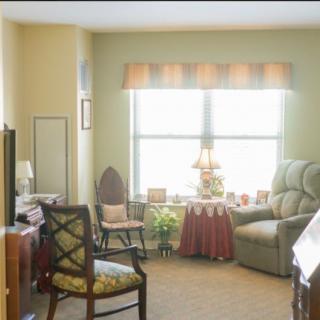
 Caring, attentive staff; clean, welcoming environment with good dining and on-site activities.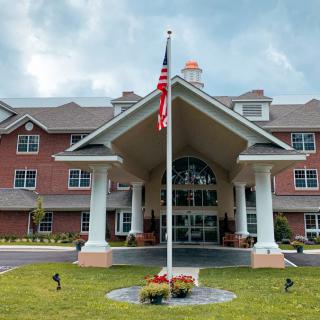
 Illuminating Insights About Alzheimer's Disease: Ten Crucial Realities
 A Thorough Discussion of Medications Potentially Linked to Dementia Risk
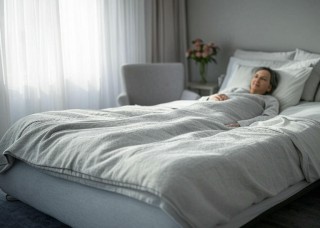 Why Do Dementia Patients Sleep So Much? Understanding Oversleeping, Stages, and Care Approaches