
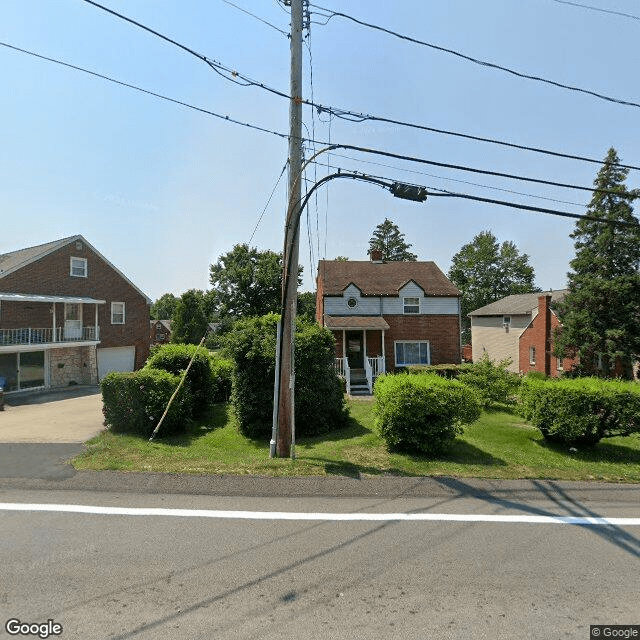
500 Vanadium Rd., Bridgeville, PA 15017
To contact a resident: (412) 221-2900
For more information about senior living options: (866) 208-4318

Vanadium Woods Costs & Pricing
Vanadium Woods offers competitive monthly costs for its accommodation options when compared to both Washington County and the broader state of Pennsylvania. For instance, a studio at Vanadium Woods is priced at $1,416, significantly lower than the county average of $3,389 and the state average of $3,737. Similarly, the one-bedroom unit is available for $2,030, again much more affordable than Washington County's $3,659 and Pennsylvania's $4,006. Even in the case of two-bedroom apartments, Vanadium Woods remains cost-effective at $2,569 compared to a much higher county cost of $3,502 and state average of $4,242. This pricing strategy positions Vanadium Woods as an attractive option for those seeking quality living accommodations while maintaining budgetary considerations in mind.
| Floor plans | Vanadium Woods | Washington County | Pennsylvania |
|---|---|---|---|
| Studio | $1,416 | $3,389 | $3,737 |
| 1 Bedroom | $2,030 | $3,659 | $4,006 |
| 2 Bedrooms | $2,569 | $3,502 | $4,242 |
Independent Living communities with a similar price nearby
-
from -$126 / mo

The Residence at Arrowood
$1,290 to $3,570 / month10.0 miles away -
from +$271 / mo
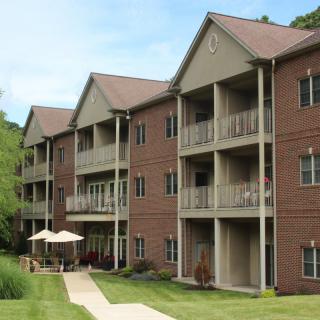
The Commons at Stonebrook Village
$1,687 to $2,641 / month13.1 miles away -
About the same
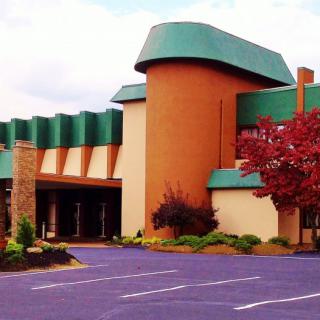
The Gardens Of Lincoln Court
$1,400 to $2,200 / month13.6 miles away -
from +$234 / mo
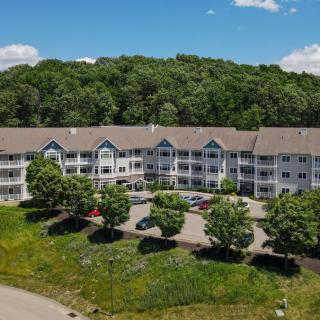
St John Community, a CCRC
$1,650 to $3,506 / month22.8 miles away -
from +$109 / mo

Overbrook Pointe
$1,525 to $2,175 / month22.6 miles away
Overall Review of Vanadium Woods
Pros
 The staff are caring and loving.
- Gina, the social director, is amazing and constantly seeking new ways to engage residents.
- The food is outstanding, and there is evident camaraderie among residents.
- Vanadium Woods is a truly independent living community.
- The accommodations are impeccable.
- There are wonderful activities and delicious meal choices, with van services for shopping and church.
- The community feels warm, friendly, and like a family; the facility is very clean.
Cons
 The drawback was the limited meal options, with no cafe.
- The units contained no kitchen whatsoever, and all meals were served through the dining room.
- It was expensive for what it offered.
- There were few options if the noon meal was missed.
Review
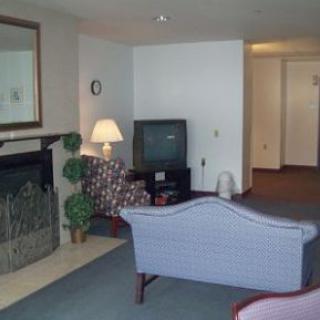
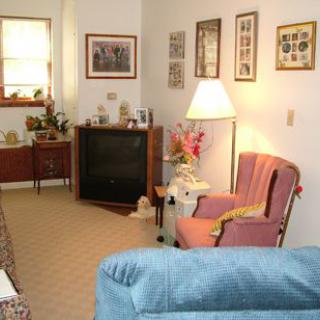
Vanadium Woods in Bridgeville is best suited for independent seniors who want a warm, homelike retirement community where daily life centers on connection, quality service, and purposeful activity. The campus delivers a comfortable apartment living experience, spacious units residents often personalize, paired with a sense of stability that lets families feel confident aging in familiar surroundings. The staff read as a true extended family: attentive caregivers, maintenance and dining teams, and a proactive social director who builds engagement rather than waiting for residents to seek it out. The care culture is not clinical; it feels personal, with staff who remember preferences, celebrate milestones, and make ordinary days feel special. Food is consistently praised as a strong pillar, and residents form a lively camaraderie that makes meals and programs feel social, not transactional. The affiliation with UPMC adds a layer of credibility and access to resources that many families value when planning for longer-term needs.
Who should consider alternatives? Those who want a facility with in-unit kitchens or more flexible dining options may find Vanadium Woods limiting. Several reviews flag the absence of a personal kitchen and the reliance on a central dining room for most meals as a trade-off for independence. For families planning around memory care, skilled nursing, or more intensive medical support, the community is best viewed as an ideal independent living home rather than a full continuum of care. The price point also matters: some reviewers describe the community as expensive for what it offers, particularly if the desire is to slip in and out of meals outside a fixed dining schedule or to enjoy casual café-style options. Finally, residents who crave high-energy activity calendars with constant on-site amenities may feel space constraints and a quieter atmosphere dampen the pace.
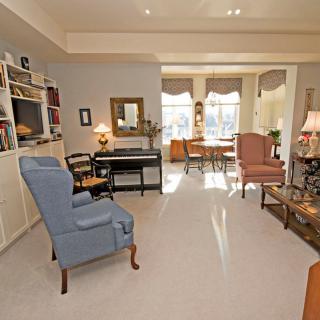
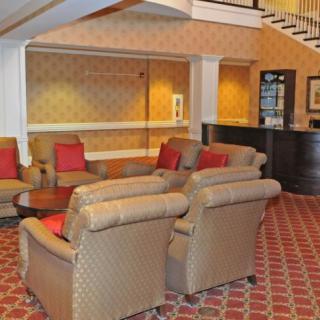
On the upside, the programmatic and social strengths almost always offset these constraints. The staff’s warmth translates into a dependable safety net: aides, dining staff, and maintenance people who create a reliable, responsive environment. The activities director consistently lines up programs, presentations, games, performances, and memory-support avenues, that keep brains engaged and spirits uplifted. Dining quality stands out, with a wide menu and special touches that make residents feel indulged rather than served. Transportation and outings, shopping trips, church visits, and social events, mutually reinforce independence while reducing the burden on families. The community also earns extra points for being pet-friendly and for the clean, well-kept facilities, which contribute to a homey, comfortable atmosphere that many families are seeking when choosing to age in place near loved ones.
Yet several cons are real and should weigh into the decision. The lack of a kitchen in units is more than a quibble; it undercuts flexibility for residents who want to snack on a private cup of tea or cook simple meals. For some, the main noon meal being the sit-down option in the dining room translates to limited flexibility during the day, especially when schedules clash with appointments or travel. The dining-room-only model also narrows casual dining opportunities, a factor for those who enjoy café-style options or a quick bite outside scheduled mealtimes. While many residents thrive and stay long-term, the presence of a quiet, less active ambiance can be a mismatch for seniors seeking a bustling social scene or more vigorous programming. In cases where health needs rise, the community is not a full-continuum care facility, so transitions to higher levels of care must be planned externally.
Still, the strengths align closely with what most aging adults want: predictable routines, a supportive community, and a sense of belonging. For residents who prize companionship and the feeling of family, Vanadium Woods delivers. The combination of high-quality meals, meaningful programming, and seamless access to services within a UPMC-affiliated network creates a compelling value proposition that can justify the cost for many families. Being able to stay connected with a core social circle, receive attentive care from staff who know names and preferences, and rely on transport for errands reduces stress and preserves independence. The ability to remain in Bridgeville near familiar churches, shops, and neighborhood routines often translates into greater peace of mind for both residents and families, especially when compared with out-of-area placements that require substantial adjustment.
Ultimately, Vanadium Woods earns its recommendation for those prioritizing relationship-rich living and a dependable, well-managed independent community. It suits seniors who are content with central dining and a stable schedule, who value a strong, warm staff, and who want a bright social calendar without the need for intensive medical services on-site. Pros clear: exceptional staff, vibrant activities, excellent dining, and a sense of belonging that often lasts a lifetime. Cons clear: no in-unit kitchen, dining-room-centric meals, and a price point that may stretch some budgets. Families should bluntly assess whether autonomy and social capital trump culinary flexibility and price. For caregivers and elders who want an established, people-first environment with easy access to broad resources, Vanadium Woods is a compelling choice; for those who require in-unit cooking, robust casual dining, or a lower-cost option, alternatives in the same region deserve careful comparison.
 Independent Living
 Cats allowed
 Dogs allowed
 Pittsburgh International (12 miles away)
 Comprehensive Approaches for Arthritis: A Detailed Guide to Symptoms, Causes, and Care
 Comprehensive Insights and Practical Strategies to Help Older Adults Avoid Falls
 6 Crucial Ways an Elder Law Attorney Assists Families