
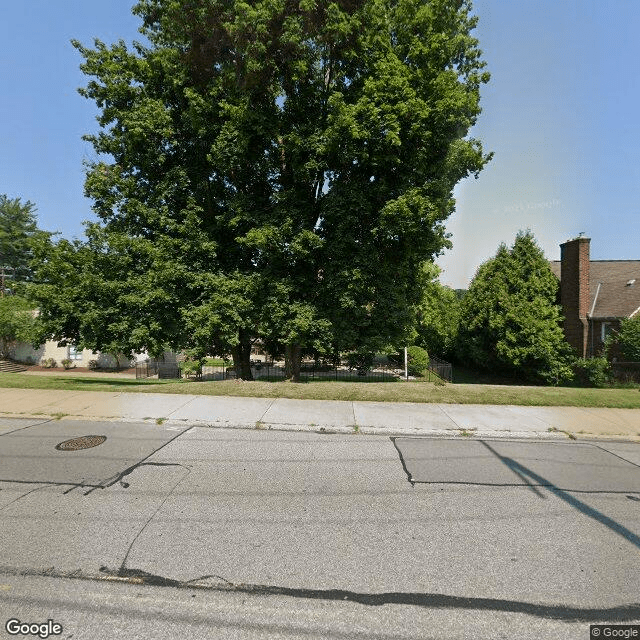
528 Dewey Ave., Bridgeville, PA 15017
To contact a resident: (412) 257-1137
For more information about senior living options: (866) 208-4318
Washington Commons Costs & Pricing
Washington Commons offers competitive pricing for its accommodations compared to both Washington County and the broader Pennsylvania region. For semi-private rooms, residents can expect a monthly cost of $2,592, which is significantly lower than the county average of $3,185 and even more so than the state average of $3,542. Similarly, studio apartments at Washington Commons are priced at $3,454, aligning closely with the county's rate of $3,389 but still offering savings compared to the state's average of $3,737. These rates underline Washington Commons' commitment to providing quality housing options that are economically accessible within the local market landscape.
| Floor plans | Washington Commons | Washington County | Pennsylvania |
|---|---|---|---|
| Semi-Private | $2,592 | $3,185 | $3,542 |
| Studio | $3,454 | $3,389 | $3,737 |
Assisted Living communities with a similar price nearby
-
About the same
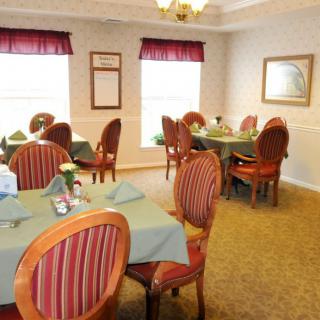
Concordia Of Cranberry
$2,640 to $4,050 / month23.1 miles away -
from -$416 / mo
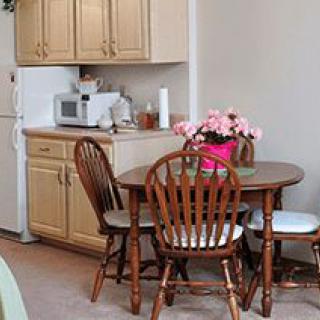
Strabane Woods Of Washington
$2,176 to $2,893 / month12.4 miles away -
from -$182 / mo

Brookdale Mt. Lebanon
$2,410 to $4,055 / month5.0 miles away -
from +$348 / mo
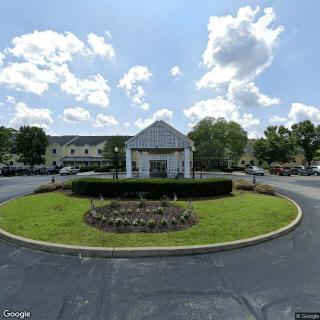
The Residence At Hilltop
$2,940 to $3,390 / month17.0 miles away -
About the same

Mount Vernon Of South Park
$2,550 to $3,550 / month8.6 miles away
Overall Review of Washington Commons
Pros
 The facility looks and smells clean.
- There has been a positive change in staff; they are uniformed and seem dedicated to the well-being of the clients.
- Washington Commons staff is very caring and attentive to the residents and the family.
- The facility is clean and the staff was friendly; the residents and employees seemed happy.
- The administrator was informative and empathetic.
- The facility is resident-focused with full-time nurses on staff.
- The activity calendar includes lots of activities that residents would enjoy.
- Moving Dad to Washington Commons was the best move; he really likes the facility.
Cons
 The facility is horrible.
- The staff turnover is high and much of the staff seems lazy and incompetent.
- Much of the areas smell of urine and some staff seem inconsiderate and uncaring.
- The doctor seems only interested in receiving Medicare payments and does not return calls.
- The wheelchair was in storage and never delivered after waiting weeks.
- Deposits are not refunded, even after ownership changes.
- The facility is understaffed and cleanliness is poor, with cleaning products unavailable to families.
- There was only one aide for 36 residents.
- There were multiple occasions where residents fell and family were not notified promptly.
- Sewer backups occurred in residents’ rooms and they were not moved promptly.
- The administration is incompetent and unreachable; voicemail is always full.
- The place smells like urine, nurses are rude, and the overall atmosphere is depressing.
- The facility is infested with bed bugs and unsanitary conditions.
- There is a very low staff-to-resident ratio and flies in residents’ rooms.
Review
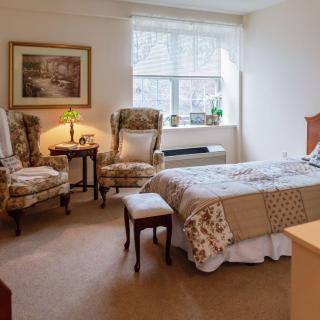
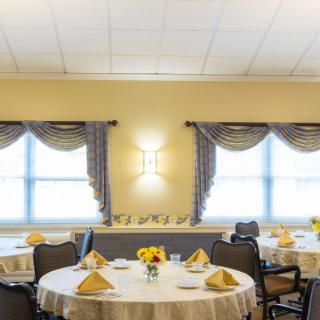
Washington Commons in Bridgeville is best suited for families who can stay actively involved in their loved one’s care, are comfortable visiting frequently, and are looking for a lower-cost option that has shown the capacity to improve under new leadership. It functions as a small, resident-focused setting where meals can be solid and daily life includes activities that residents may enjoy. The strongest practical upside is a nursing presence when staffing is stable, plus recent signals of better hygiene and attentive front-desk service in some shifts. For families who can supervise care, advocate for timely responses, and visit regularly, the facility can work as a workable compromise between price and quality.
However, this community is not ideal for those needing consistently reliable, high-touch care without close oversight. Alternatives should be considered by families who cannot visit often, rely on staff to be consistently proactive, or demand a consistently clean, secure environment with transparent management. Deposit disputes, reports of poor communication, and episodes alleged of administrative inattention are red flags that should push families to other options. The facility’s history features ownership shifts and a pattern of ups and downs in staffing and culture, and that instability matters when a loved one depends on dependable daily care and timely escalation of concerns.
The most persuasive pros revolve around nursing oversight when it is present, tangible improvements in cleanliness and meals, and a few testimonials that the administration and care team can be caring and responsive. When two full-time nurses are on site, medical needs can be managed more smoothly, and residents can receive more attentive attention than in facilities with thinner medical coverage. Cleanliness and a more welcoming ambiance have been observed in some visits, and activity calendars suggest a degree of engagement that can improve quality of life. The pricing is described as reasonable, which matters for families balancing budget with ongoing care.
Yet the dominant cons frequently overwhelm these positives. Chronic understaffing translates into long waits for help, with reports of aides stretched thin across many residents. Consistency in training and communication appears uneven, leading to moments when care feels routine or reactive rather than proactive. Olfactory and hygiene concerns, urine odors, flies, and isolated reports of bed bugs, underscore serious infection-control and maintenance risks. Administrative accessibility and responsiveness have been cited as major pain points, including voicemail blocks and difficulty reaching leadership, which compounds the stress of managing a loved one’s needs from afar. Financial concerns, e.g., deposits not refunded, delays or disputes, add a further layer of caution for families weighing this option.
The key to whether the positives truly offset the negatives lies in ongoing governance and staffing stability. If the administration can sustain consistent, well-trained staff, maintain a visibly clean and secure environment, and keep open lines of communication, the facility’s affordable price and resident-centered moments become meaningful advantages. Conversely, if turnover persists, if patient care remains uneven, or if deposits and communications continue to be mishandled, the drawbacks will overwhelm the potential benefits. Prospective families should enter with a clear plan: arrange unannounced tours, speak directly with frontline staff and multiple residents, and probe current nurse coverage, housekeeping practices, and the status of any prior odor, pest, or safety complaints. Also verify the latest contract terms on deposits and ensure there is a transparent process for refunds if a move becomes necessary.
In the end, Washington Commons demands a partnership approach. It rewards families who will advocate vigorously, monitor care closely, and remain engaged with staff and administrators. For those who expect near-universal consistency in care, rapid problem resolution, and an environment that feels immaculate at all times, alternatives are advisable. For families willing to invest time and attention to ensure daily needs are met, and who value affordability without surrendering basic dignity and safety, this community can be a reasonable choice, provided the active oversight remains constant and the administrative leadership proves durable and responsive.
 Assisted Living
 Activities off-site
 Bath tubs
 Beautician on-site
 Cable or satellite TV
 Devotional services on-site
 Indoor common areas
 Kitchenette
 Outdoor common areas
 Respite or short term stays offered
 Wheelchair accessible showers
 Pittsburgh International (11 miles away)
 Ambulatory care
 Diabetic care
 Incontinence care
 Medication management
 Guest meals
 Art classes
 Bible study group
 Brain fitness
 Educational speakers / life long learning
 Live musical performances
 Stretching classes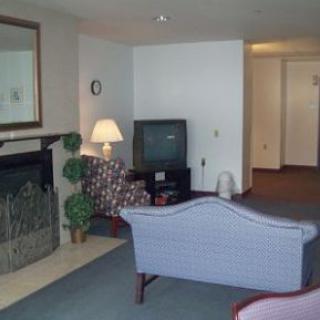


 How and When Medicaid May Cover Assisted Living Costs
 A Detailed Exploration of Assisted Living Medicaid Waivers Across the United States
 Comprehensive Residential Support and Assisted Living Solutions for Individuals with Disabilities