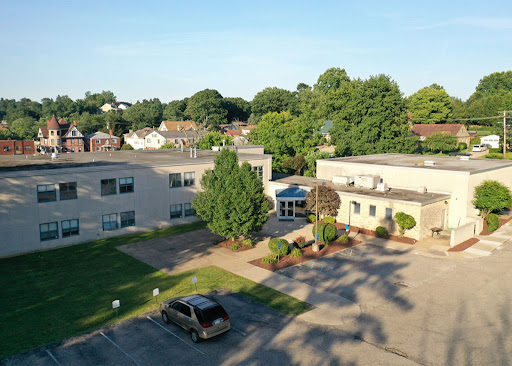
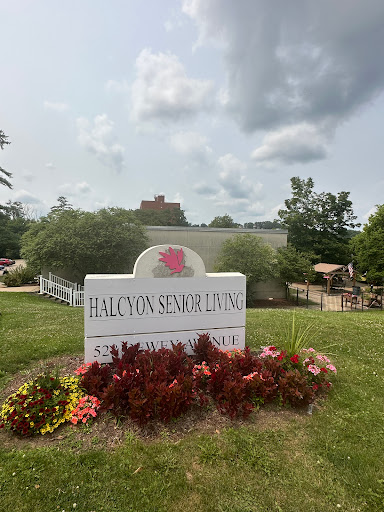
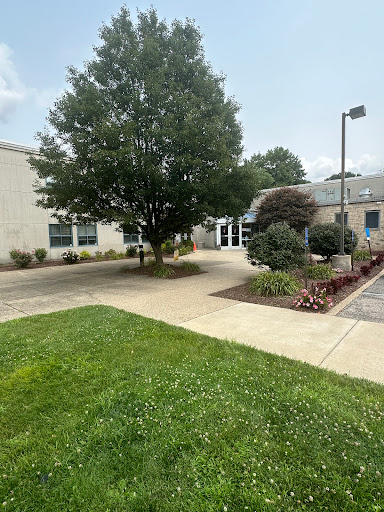
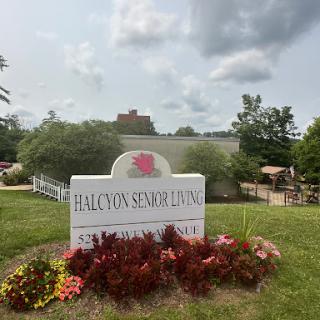

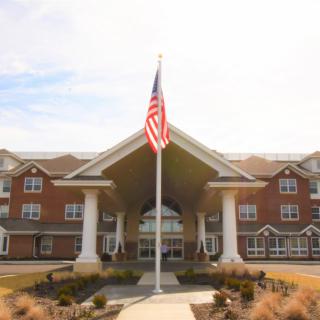
528 Dewey Avenue, Bridgeville, PA 15017
For more information about senior living options: (866) 208-4318
Overall Review of Washington Commons Personal Care Facility
Pros
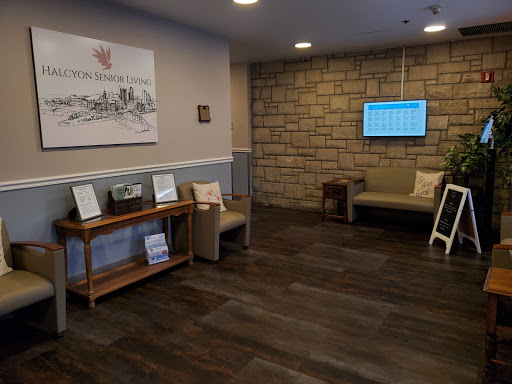
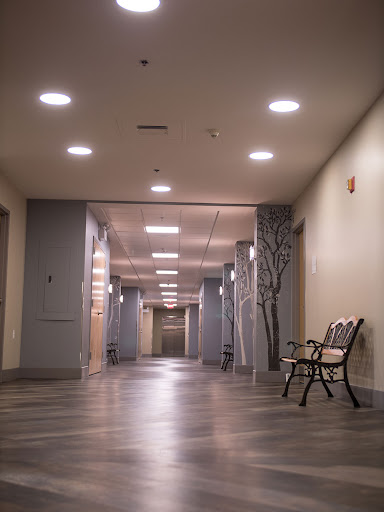
 The facility is clean, well-staffed, and the food is wonderful.
 - The administrator is informative, empathetic, and helpful.
- The staff are friendly and welcoming, making residents feel cared for.
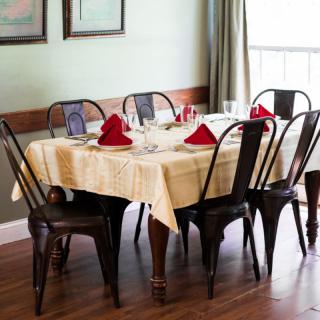
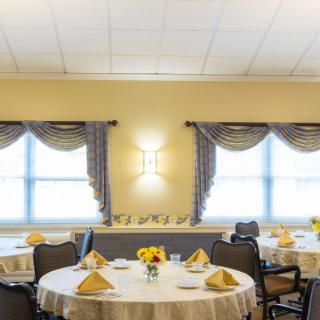
- The dining room has been updated and feels like a real restaurant.
- Residents are kept engaged with a variety of activities and outings.
- The rates are reasonable and the overall value is good.
- The front desk staff remember visitors’ names and greet them warmly.
Cons
 The facility is severely understaffed, with only a couple of aides present in the building at any time.
- The new administrator is horrible and doesn’t seem to know anything.
- The staff treat visitors as if they’re stupid for asking questions.
- The Director of Nursing doesn’t seem to know what she’s doing with the staffing.
- The facility is dirty; it’s the dirtiest it has ever been, with resident rooms and bathrooms filthy.
- The new menu is horrible, and dinners are cold sandwiches that the residents won’t eat.
- Housekeeping keeps losing Mom’s laundry.
- There is no one around after 3 pm to answer questions, leaving families frustrated.
Review
Washington Commons Personal Care Facility in Bridgeville is best suited for families seeking an affordable, activity-rich environment where residents can enjoy spacious rooms and a social calendar, provided there is active oversight from families or a trusted advocate. This community tends to work well for residents who flourish with structured programming, restaurant-style dining in a familiar atmosphere, and a sense of family-like care when operations are well-staffed. Those who prize consistent, around-the-clock staffing, meticulous cleanliness, and prompt medication management should not assume these will be reliably present without careful verification. In short, it fits a budget-conscious, socially oriented profile, with the caveat that staffing stability must be demonstrated on site.
Alternatives become worth considering for families who cannot tolerate fluctuating coverage, gaps in medication administration, or sporadic leadership presence. Several reviews flag persistent understaffing, especially after traditional business hours, and indicate frequent gaps in answering questions or addressing concerns. If a loved one requires regular help with daily tasks, continuous monitoring, or rapid response to needs, there are communities with more transparent staffing patterns and steadier nursing oversight. If clean, orderly environments and professional, consistent care are non-negotiables, it is prudent to compare other options with stronger, documented staffing reliability.
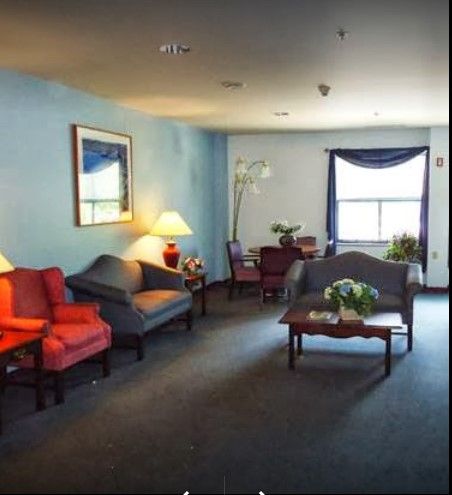
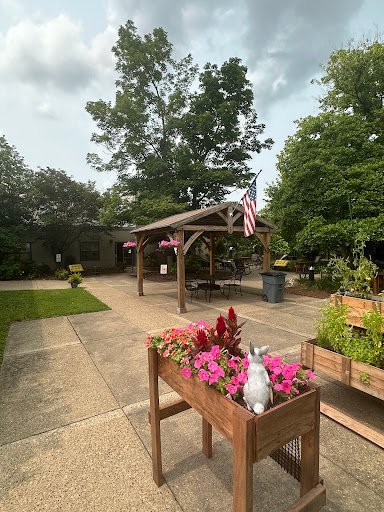
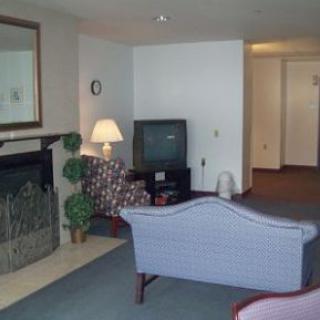
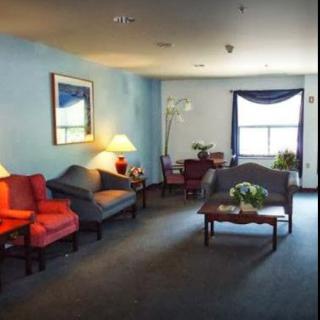
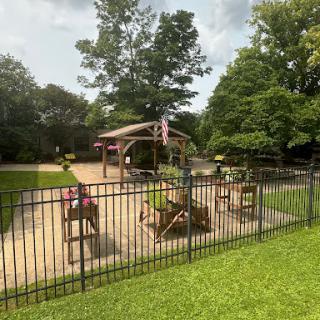
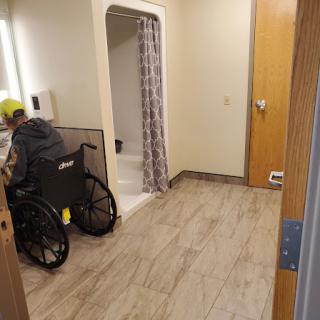
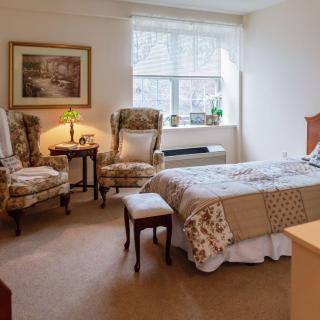
The upside hinges on several durable strengths. On balance, the facility has earned praise for clean, well-maintained environments, large resident rooms, and a dining experience that has at times been described as both appealing and practical. Activity calendars, ranging from social events to field trips, provide meaningful engagement, and families note moments when staff are genuinely attentive and friendly. The administrator has been described in multiple visits as informative and empathetic, and some families recount feeling reassured after tours or during transitions. When management and staffing align, these elements translate into a livelier, more home-like atmosphere than might be expected for the price.
Yet the most persistent concerns relate to staffing and oversight. Reports of limited staff coverage, especially in late afternoons and nights, raise questions about reliable help for medications, mobility assistance, and response times. Instances of rude or dismissive behavior by staff, disrupted cleanliness in certain areas, and lost or mishandled laundry also surface in several reviews. The tone of care can swing depending on who is present and on the management climate at any given time. These inconsistencies undermine safety and trust, and they cannot be dismissed when evaluating risk for a loved one with higher care needs or cognitive challenges.
In weighing the positives against the negatives, the argument hinges on current staffing discipline and consistent operations. When a steady, engaged team is in place, the combination of reasonable rates, generous room sizes, and an active social schedule can deliver real value and a comfortable living environment. The improved dining presentation and the sense that staff and administrators are listening to families can meaningfully offset some concerns, particularly for residents who value social connection and routine. However, the weight of reported staffing gaps and cleanliness lapses cannot be ignored, and these factors will tilt decisions toward caution if they persist.
For families proceeding with a tour, a disciplined, investigative approach is essential. Schedule observations during multiple shifts to gauge staffing presence, ask for a current medication protocol and staffing ratios, and request to meet the director of nursing along with the on-site administrator. Inspect common areas and resident rooms for cleanliness, listen to how staff handle call lights, and ask current residents or families about recent experiences with meals, laundry, and activities. If the answers align with steady staffing, responsive care, and consistent cleanliness, Washington Commons can be a solid match for the right caregiver and resident. If not, it is wise to explore alternatives that deliver tighter operational reliability and fewer questions about daily safety and oversight.
 95 resident community capacity
 Assisted Living
 Respite Care
 Air-conditioning
 Beauty salon
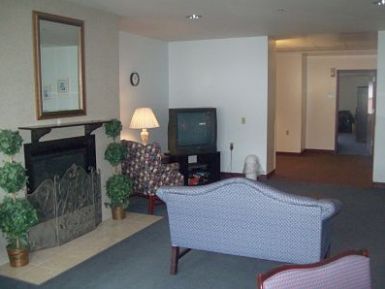
 Cable or satellite TV
 Computer center
 Dining room
 Fitness room
 Fully furnished
 Gaming room
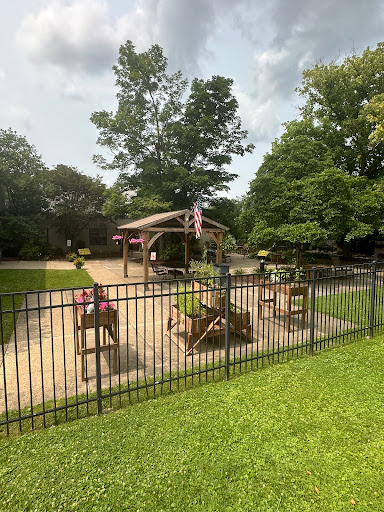
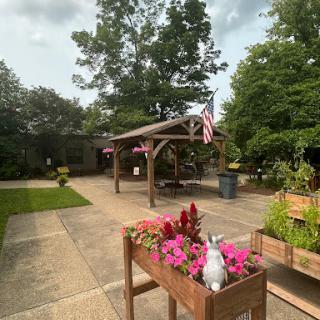
 Garden
 Housekeeping services
 Kitchenette
 Move-in coordination
 Outdoor space
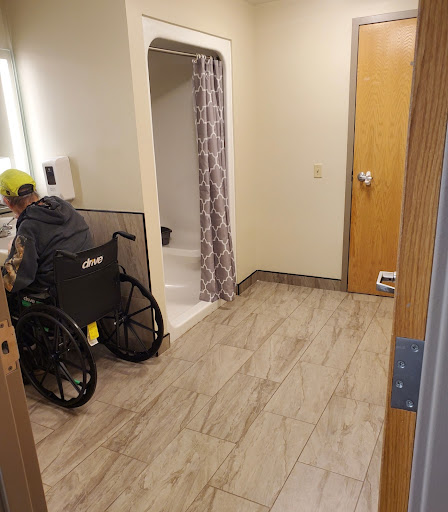
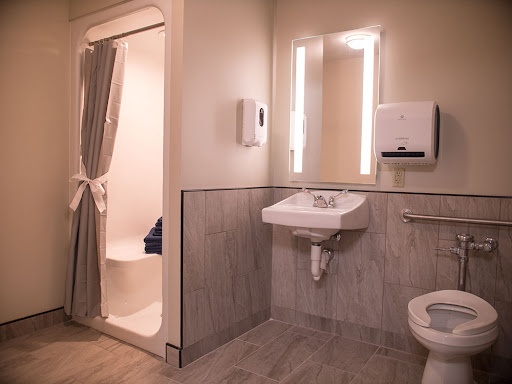
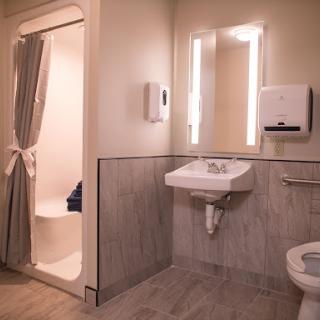
 Private bathrooms
 Restaurant-style dining
 Small library
 Telephone
 VA Benefits Consultation
 Wellness center
 Wi-Fi/high-speed internet available
 Pittsburgh International (11 miles away)
 Community operated transportation
 12-16 hour nursing
 24-hour call system
 Activities of daily living assistance
 Assistance with bathing
 Assistance with dressing
 Assistance with transfers
 Diabetes diet
 Medication management
 Mental wellness program
 Special dietary restrictions
 Concierge services
 Planned day trips


 Beyond the Bingo Hall: 50+ Enriching Activities for Seniors in Assisted Living
 Understanding the Distinctions: Assisted Living and Memory Care Explained
 Guiding Elderly Parents Who Refuse Assisted Living: 6 Practical Steps