The Grand Residence At Upper St Clair Costs & Pricing
The Grand Residence At Upper St Clair offers competitive pricing for its accommodations compared to both Washington County and the wider state of Pennsylvania. For a studio, residents can enjoy a monthly cost of $3,295, which is slightly more affordable than the county average of $3,389 and significantly lower than the state average of $3,737. When considering one-bedroom units, The Grand Residence stands at $4,195. While this price exceeds that of Washington County's average of $3,659, it remains comparable to the state's mean cost of $4,006. This positioning highlights The Grand Residence At Upper St Clair as an attractive option for those seeking quality living arrangements in a desirable location while still being mindful of costs.
Floor plans
The Grand Residence At Upper St Clair
Washington County
Pennsylvania
Studio
$3,295
$3,389
$3,737
1 Bedroom
$4,195
$3,659
$4,006
Assisted Living communities with a similar price nearby
Overall Review of The Grand Residence At Upper St Clair
common37 reviews mention this
Staff compassion is consistently cited
Residents and families repeatedly describe caring, attentive staff.
Many reviews emphasize kindness and responsiveness from the people working there, including administration and staff who address questions and concerns. Several families also describe communication support, help with medications, and nurses or aides who notice and follow up on needs. Even when reviewers mention a shortcoming, they often still highlight particular staff members as helpful and compassionate.
differentiator23 reviews mention this
Dining feels restaurant-like
Dining stands out as high-quality and more restaurant-like than typical.
Food is one of the most frequent positives, with reviews calling out great taste, top-shelf meals, and homemade items. Multiple reviewers describe a dining room experience that feels closer to a restaurant atmosphere, along with menu variety and options beyond just standard cafeteria-style meals. Some families also mention that residents can choose between dining settings like the dining room and a café.
common15 reviews mention this
Activities keep residents engaged
Daily activity options are a repeated reason families feel supported.
Reviews frequently mention scheduled activities such as games, crafts, trivia, movie nights, and bingo. Families also describe outings and community events, including shopping trips and sightseeing-style rides. Even reviewers who are newer to residency mention planned activities and spaces like libraries and activity rooms.
caveat3 reviews mention this
Some reviews raise serious care concerns
A small set of reviews reports neglect and lack of responsiveness.
A few reviews describe situations they felt were unacceptable, including neglect and unresponsiveness to resident needs. These accounts also mention distressing incidents related to basic care and delays in getting help when needed. While most reviews are positive about care, these reports are strong enough that you may want to ask specific questions during your visit.
How we summarize
Counts show how many written reviews mention each theme; a review can touch several themes, and only frequently mentioned themes are displayed.
Features
Housing
85 resident community capacity
1-bedroom apartments
2-bedroom apartments
Studio apartments
Types of Care
Assisted Living
Respite Care
Pets
Cats allowed
Dogs allowed
Amenities
Activities off-site
Activities on-site
Air-conditioning
Bath tubs
Beautician on-site
Beauty salon
Cable or satellite TV
Computer center
Devotional services off-site
Devotional services on-site
Dining room
Fitness room
Fully furnished
Gaming room
Garden
Housekeeping services
Indoor common areas
Kitchenette
Move-in coordination
Outdoor common areas
Outdoor space
Private bathrooms
Respite or short term stays offered
Restaurant-style dining
Small library
Telephone
Wellness center
Wheelchair accessible showers
Wi-Fi/high-speed internet available
Transportation
Pittsburgh International (14 miles away)
Community operated transportation
Transportation arrangement
Transportation arrangement (non-medical)
Transportation to doctors appointments
Care Services
12-16 hour nursing
24-hour call system
24-hour supervision
Activities of daily living assistance
Ambulatory care
Assistance with bathing
Assistance with dressing
Assistance with transfers
Diabetes diet
Diabetic care
Meal preparation and service
Medication management
Mental wellness program
Special dietary restrictions
Dining
Diabetes diet
Meals provided
Special dietary restrictions
Activities
Activities off-site
Activities on-site
Community-sponsored activities
Concierge services
Devotional activities offsite
Devotional activities on-site
Fitness programs
Planned day trips
Resident-run activities
Scheduled daily activities
Videos
Nearby Places of Interest
Located in Pittsburgh, Pennsylvania, this neighborhood offers a convenient and bustling area for senior living. With a variety of amenities within close proximity, such as transportation options like the South Hills Village Trolley Stop and U-Haul Moving & Storage, along with numerous cafes including De Lallo's Fort Couch Cafe and Starbucks, seniors will have plenty of opportunities for entertainment and dining out. Nearby restaurants like Condado Tacos and BJ's Restaurant & Brewhouse provide delicious dining options, while places of worship such as St Louise De Marillac Church offer spiritual fulfillment. Hospitals like UPMC South Hills are easily accessible for medical needs, and pharmacies like Walgreens and CVS Pharmacy are conveniently located for medication pick-ups. With parks like Village Green Park and Mt. Lebanon Park nearby, seniors can enjoy outdoor activities, while theaters like Chartiers Valley Stadium 18 offer entertainment options. This neighborhood provides a well-rounded living environment for seniors seeking convenience and comfort in Pittsburgh.
Transportation
South Hills Village Trolley Stop (1 miles)
U-Haul Moving & Storage of Pleasant Hills (5.5 miles)
Cafes
De Lallo's Fort Couch Cafe (1 miles)
Starbucks (1.1 miles)
Al's Cafe (1.2 miles)
Panera Bread (2.1 miles)
Starbucks (2.2 miles)
OTB Bicycle Cafe at Hastings (2.4 miles)
Starbucks (3 miles)
Restaurants
Condado Tacos (1 miles)
McDonald's (1 miles)
Eat'n Park Restaurant (1.1 miles)
BJ's Restaurant & Brewhouse (1.2 miles)
Chick-Fil-A (1.7 miles)
Primanti Bros. Restaurant and Bar Mt. Lebo (2 miles)
Bee'z Bistro & Pub (2.9 miles)
Places of Worship
St Louise De Marillac Church (1.1 miles)
Saint Barbara Church (3.8 miles)
Calvary Full Gospel Church (4.3 miles)
St Simon & Jude Church (4.9 miles)
St Elizabeth Ann Seton Church (5.2 miles)
St Elizabeth Ann Seton Parish (5.2 miles)
Kingdom Hall Of Jehovahs Witnesses (6.2 miles)
Hospitals
UPMC South Hills (1.3 miles)
St Clair Hospital Outpatient Center (5.2 miles)
Pharmacies
Walgreens (1.4 miles)
CVS Pharmacy (1.4 miles)
Market District Pharmacy (1.6 miles)
Rite Aid (2.2 miles)
CVS Pharmacy (2.3 miles)
Walgreens (2.4 miles)
Rite Aid (3 miles)
Physicians
Pediatric Alliance-St Clair (1.4 miles)
Integrated Medical Systems (3.2 miles)
Bachner Darla Pediatric South Peters (3.2 miles)
Stepping Stone Psychiatric Care - Muhammad I Shaikh MD (3.3 miles)
The Grand Residence At Upper St Clair offers competitive pricing for its accommodations compared to both Washington County and the wider state of Pennsylvania. For a studio, residents can enjoy a monthly cost of $3,295, which is slightly more affordable than the county average of $3,389 and significantly lower than the state average of $3,737. When considering one-bedroom units, The Grand Residence stands at $4,195. While this price exceeds that of Washington County's average of $3,659, it remains comparable to the state's mean cost of $4,006. This positioning highlights The Grand Residence At Upper St Clair as an attractive option for those seeking quality living arrangements in a desirable location while still being mindful of costs.
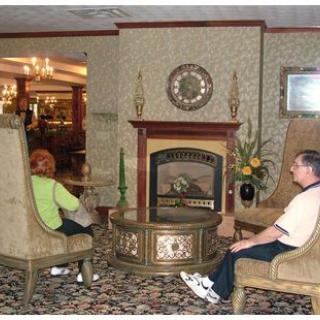
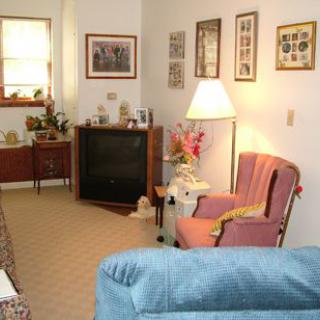
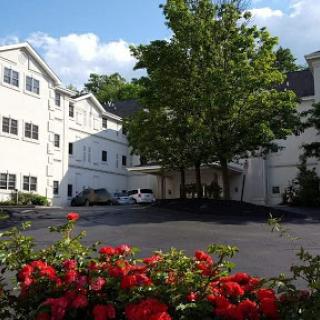
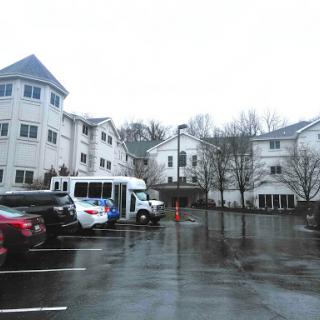
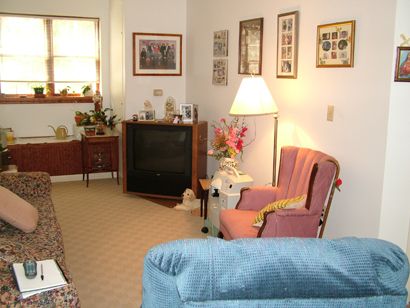
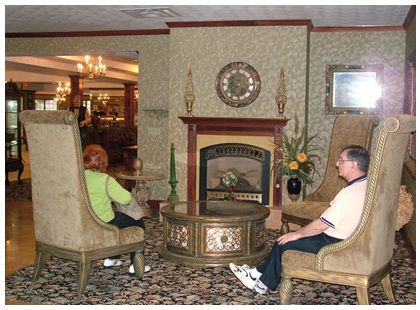
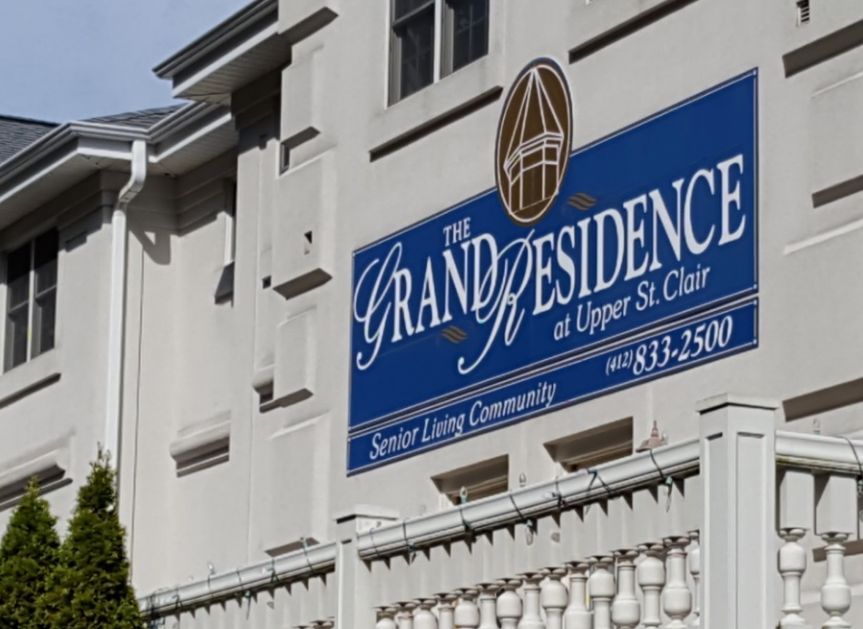
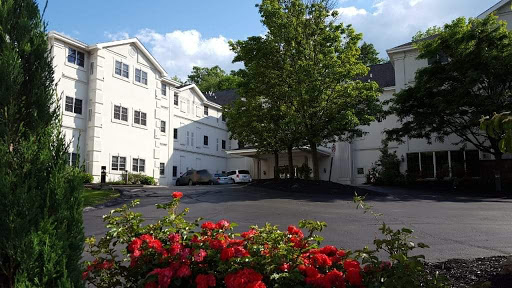
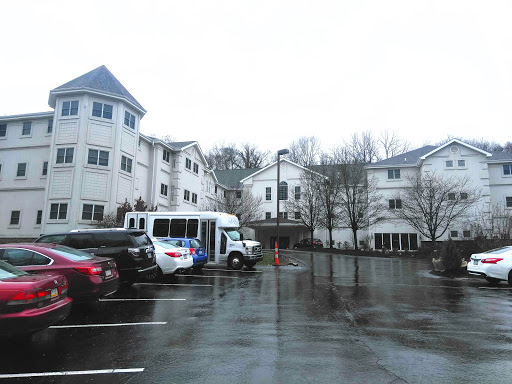
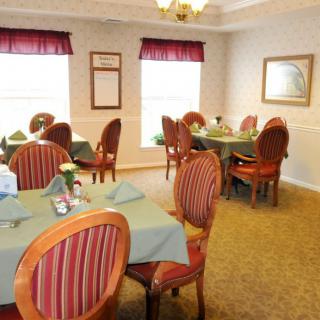
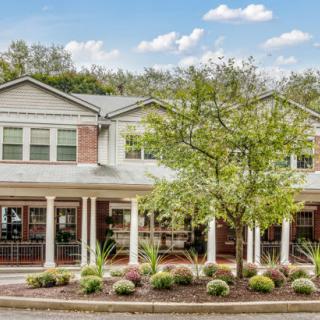
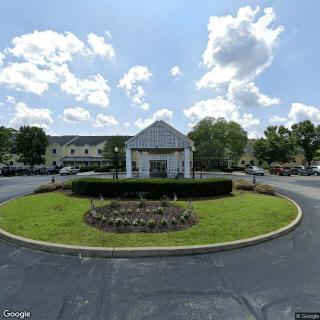
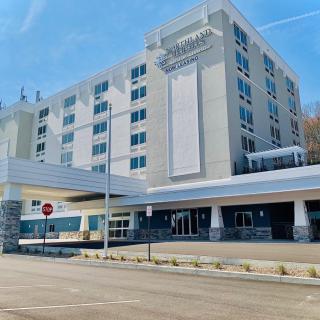
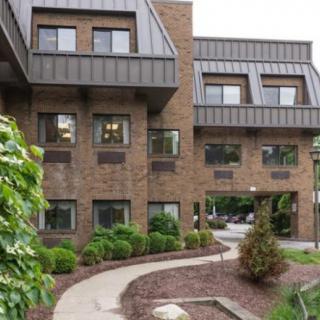
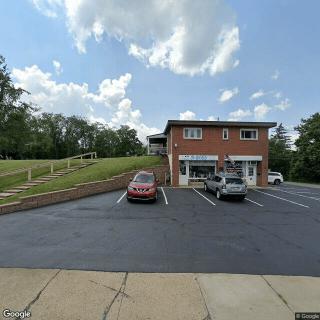
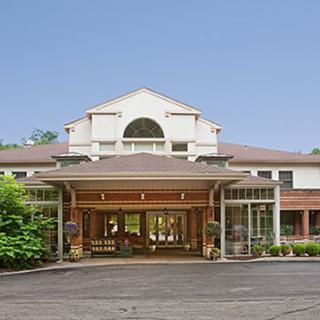
The Grand Residence At Upper St Clair on seniors.fyi includes 6 photos including images showing building, parking, decor, trees, interior, lobby, fireplace, seating, and more.
Nearby Communities
Sunrise of Upper St. Clair
Upper St. Clair, PA
3.9 from 128 reviews
$5,670 to $7,560 / month
Friendly, attentive staff; warm, home-like atmosphere with good dining and engaging activities.
Holiday Bethel Park
Bethel Park, PA
4.3 from 125 reviews
$2,409 to $5,099 / month
Friendly staff, clean facilities, and an active resident life.
Home Instead Bethel Park PA
Bethel Park, PA
4.3 from 16 reviews
Convenient location with abundant nearby dining, parks, and healthcare.
Senior Helpers of Southwest Pittsburgh
Bethel Park, PA
5 from 21 reviews
Compassionate, personalized care in a vibrant community with easy access to many nearby amenities.
Manorcare Health Services-Bethel Park
Bethel Park, PA
$1,550 to $2,060 / month
Competitive pricing for the area with extensive amenities and care services.
Preferred Care At Home - Pittsburgh, PA
Pittsburgh, PA
4.9 from 7 reviews
Compassionate, punctual caregivers and personalized in-home care.
The Pines of Mt. Lebanon
Pittsburgh, PA
4.3 from 101 reviews
$3,089 to $5,003 / month
Compassionate staff, engaging activities, and a homey atmosphere.
Mt Lebanon Rehabilitation And Wellness Center
Pittsburgh, PA
4 from 2 reviews
$6,813 to $7,137 / month
Convenient location with attentive staff and private rooms.
The guide outlines the complexities of Medicaid coverage for assisted living, highlighting significant state-to-state variations, limited coverage often restricted to personal care services, and the existence of specialized waivers for certain needs like memory care. It advises families to consult local Medicaid offices for options while emphasizing the importance of understanding state-specific regulations and facility policies.
Medicaid coverage for assisted living varies by state and is primarily available to low-income individuals, with eligibility dependent on strict income and asset limits. Some states offer HCBS waivers for specific services in assisted living, but families must generally cover room and board costs, and should verify facility acceptance of Medicaid while considering potential waiting lists.
Medicaid waivers for assisted living services provide vital support for seniors and individuals with disabilities in need of long-term care, with varying state-specific eligibility criteria and benefits. These waivers cover personal care and case management but often do not fully cover room and board, leading to waiting lists for many applicants.
Get PricingAsk A QuestionSchedule A TourContact Senior Advisor
By clicking submit, you agree to our Partner's Terms of Use. You
also consent to receive calls and texts, which may be autodialed, from our Partner. Your consent is not a condition to
using our Partner's service. Please visit our Partner's Privacy Policy for information about their privacy practices.


 85 resident community capacity
 1-bedroom apartments
 Assisted Living
 Respite Care
 Cats allowed
 Dogs allowed
 Activities off-site
 Air-conditioning
 Bath tubs
 Beautician on-site
 Cable or satellite TV
 Computer center
 Devotional services off-site
 Dining room
 Fitness room
 Fully furnished
 Gaming room
 Garden
 Housekeeping services
 Indoor common areas
 Kitchenette
 Move-in coordination
 Outdoor common areas
 Private bathrooms
 Restaurant-style dining
 Small library
 Telephone
 Wellness center
 Wheelchair accessible showers
 Wi-Fi/high-speed internet available
 Pittsburgh International (14 miles away)
 Community operated transportation
 12-16 hour nursing
 24-hour call system
 Ambulatory care
 Assistance with bathing
 Assistance with dressing
 Assistance with transfers
 Diabetes diet
 Diabetic care
 Medication management
 Mental wellness program
 Special dietary restrictions
 Concierge services
 Planned day trips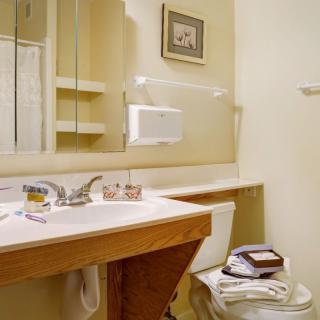
 Friendly, attentive staff; warm, home-like atmosphere with good dining and engaging activities.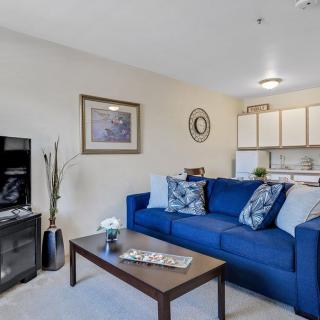

 Understanding Medicaid Coverage for Assisted Living: A Comprehensive Guide
 How and When Medicaid May Cover Assisted Living Costs
 A Detailed Exploration of Assisted Living Medicaid Waivers Across the United States