
760 Bower Hill Road, Pittsburgh, PA 15243
For more information about senior living options: (866) 208-4318
Overall Review of Asbury Place
Pros
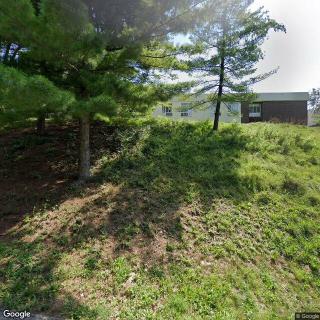
 Asbury Place is nicely landscaped and modern, with beautiful grounds and excellent facilities.
- Its location is convenient to stores and medical resources, with medical assistance available on campus.
- The staff are very pleasant and caring.
- Residents appear very happy.
- The dining area is pleasant and brightly lit.
- The staff know each resident well and provide very caring, high-quality care.
- Nurses actively monitor residents’ health and respond promptly to concerns.
- Nurses regularly check residents’ vitals.
Cons
 One reviewer wouldn’t give Asbury Place a 5 because they hadn’t tasted the food.
- Asbury’s buildings are long, resulting in very long hallways for residents.
- The walking distance to an elevator is burdensome for seniors.
- The mother appeared pale and unwell prior to admission.
- She aspirated food a few years ago, which was a serious incident.
- After aspirating, she became very ill and spent a few days in the hospital.
Review
Asbury Place in Pittsburgh is best suited for seniors who want dependable, hands-on nursing oversight, immediate on-site medical access, and a campus setting that feels orderly and reassuring. The grounds are well kept and the building feels contemporary, which translates into a calm, predictable daily rhythm. Its location adds practicality, placing residents near shops and medical resources, while on-campus medical assistance is readily available. The demeanor of the staff comes through as genuinely pleasant, and there is a perceptible tone of satisfaction among residents strolling the halls rather than signs of disengagement. The dining area is bright and inviting, contributing to a sense of normalcy for residents seeking a dignified, low-stress place to age in place. For families prioritizing visible safety nets and reliable medical responsiveness, this community lands squarely in the practical, reassuring column.
Those weighing alternatives should consider layout and mobility first. The property’s long, extended corridors are a real consideration for residents with limited stamina or those who rely on mobility aids. If easy navigation and shorter walks are non-negotiable, look for communities with more compact floor plans or residential wings designed to minimize distance between rooms, dining, and care stations. Prospective residents who want to verify dining quality should plan to taste meals firsthand or request a recent sample menu; one reviewer notes the dining room is pleasant but could not judge the kitchen, so a firsthand tasting becomes a meaningful risk-reduction step. In short, Asbury Place delivers strong clinical reassurance and a welcoming environment, but its architecture may tilt the calculus for those whose daily mobility is especially constrained.
The core advantages, attentive staff, robust daily health monitoring, and visible warmth from caregivers, offset several notable drawbacks. The campus-style setting fosters comfort, while practical advantages like proximity to medical resources reduce the friction of urgent needs. Most compelling is the demonstrated commitment to resident health: staff who know residents well, check vitals daily, and act promptly when concerns arise. The narrative of care is reinforced by a powerful success story: a resident who appeared to improve markedly under staff supervision, with nurses advocating for timely diagnostic work when there was risk. That proactive, no-nonsense approach to health monitoring acts as a meaningful counterweight to concerns about long hallways and the absence of a firsthand meals verdict. When safety nets and proactive medical attention matter most, the pros clearly tilt toward risk management and peace of mind.
On balance, the second family’s testimony strengthens the case for Asbury Place as a trustworthy option in the Pittsburgh area. The staff’s close engagement, knowing residents individually, checking vitals every day, and responding with decisive medical follow-up, offers a level of assurance that many families seek in assisted living. The nurses’ vigilance and the ability to mobilize hospital-level evaluations quickly translate into fewer scary what-ifs and a clearer path to stabilizing health issues before they escalate. For a community evaluating how well it translates good intentions into tangible daily care, these stories provide a persuasive counterpoint to architectural caveats and the lack of a formal meal-tasting verdict. In decision terms, this is a facility that earns confidence through concrete, on-the-ground care practices.
For families ready to move forward, the practical questions are clear. Schedule a walk-through that emphasizes elevator access and the distance from common areas to living spaces, and observe how staff assist residents who are moving about or navigating long corridors. Request to dine during a real mealtime to assess flavor, portion size, and variety, and insist on meeting the nurse manager to understand how daily vitals are tracked and how emergencies are escalated. Ask about the cadence of health notes, how quickly changes in condition trigger medical reviews, and whether there are care plans that specifically address aspiration risks or weight management. If memory support is anticipated, inquire about memory-care options or referrals within the campus network. With these checks, Asbury Place can be evaluated as a solid, safety-forward home that blends pleasant surroundings with a concrete, responsive care culture.
 42 resident community capacity
 Assisted Living
 Respite Care
 Beauty salon
 Cable or satellite TV
 Dining room
 Fully furnished
 Garden
 Housekeeping services
 Kitchenette
 Move-in coordination
 Outdoor space
 Overnight guests
 Resident parking
 Restaurant-style dining
 Security gate
 Small library
 Telephone
 Wi-Fi/high-speed internet available
 Pittsburgh International (12 miles away)
 Transportation & parking
 24-hour call system
 Activities of daily living assistance
 Assistance with bathing
 Assistance with dressing
 Assistance with transfers
 Diabetes diet
 Medication management
 Mental wellness program
 Special dietary restrictions
 English







 How and When Medicaid May Cover Assisted Living Costs
 A Detailed Exploration of Assisted Living Medicaid Waivers Across the United States
 Comprehensive Residential Support and Assisted Living Solutions for Individuals with Disabilities