For more information about senior living options: (866) 208-4318
3.6 from 87 reviews
5 stars
40
4 stars
18
3 stars
5
2 stars
4
1 stars
20
Asbury Health Center Costs & Pricing
Asbury Health Center offers competitive pricing for its various room types, particularly when compared to both Allegheny County and state averages in Pennsylvania. For instance, the cost of a one-bedroom unit at Asbury is $3,200, which is notably lower than the county average of $3,798 and significantly less than the state average of $4,006. In contrast, the semi-private rooms are priced at $3,497, slightly above the county's more affordable rate of $3,166 but still below the state figure of $3,542. Private rooms at Asbury are listed at $4,196 - higher than both local and statewide averages - but provide an appealing option for those seeking exclusivity with significant amenities. Lastly, studio accommodations are priced at $4,546, which again surpasses both averages but reflects a premium experience tailored to residents' needs. Overall, Asbury Health Center strikes a thoughtful balance between cost and quality in its offerings.
Floor plans
Asbury Health Center
Allegheny County
Pennsylvania
1 Bedroom
$3,200
$3,798
$4,006
Semi-Private
$3,497
$3,166
$3,542
Private
$4,196
$3,905
$4,890
Studio
$4,546
$3,637
$3,737
Skilled Nursing Facilities with a similar price nearby
Residents and visitors repeatedly describe the facility as clean and well kept.
A noticeable theme is that people walked in and immediately felt the building was clean and well cared for. Several reviews also mention fresh or pleasant-smelling spaces, along with rooms and common areas that look maintained. A few other comments suggest improvements are still needed in parts of the building or presentation, but they generally start from the same cleanliness impression.
differentiator5 reviews mention this
Restaurant-style dining and better meals
Dining quality is a frequent positive, including restaurant-style meal service.
Multiple reviewers point to food as a strong point, including comments that meals were better than at other places they had seen. People also mention having choices for resident meals and liking the food once their family member moved in. The community is set up for restaurant-style dining, which aligns with how several residents describe the meal experience.
common9 reviews mention this
Activities feel available, with limits
There are many scheduled activities, but some residents report reduced options.
Reviews commonly describe an active calendar and resident involvement, including group activities like sing-alongs and outings. Other comments praise how attentive activity staff tried to keep residents engaged. At the same time, several reviewers say entertainment and social programming were limited at points, including one complaint about no options beyond TV rooms and another note that activity offerings were reduced during a virus period.
caveat5 reviews mention this
Costs and buy-in raise concerns
Pricing can be a sticking point, especially for higher monthly fees and buy-ins.
A recurring concern is that the community can be expensive, with multiple reviewers comparing its cost unfavorably or calling the monthly rates too high. Several comments focus on buy-in terms and how long or uncertain refunds can be, depending on the situation. One review also pairs the cost complaint with dissatisfaction about the food and meal frequency.
caveat11 reviews mention this
Some reviews describe unsafe care
A minority of reviews raise serious concerns about staffing and safety during care.
Several critical reviews describe situations involving falls, delayed response, or basic care not being carried out as expected. Multiple comments also mention extreme staffing shortages or under-staffing, with family members stepping in because they felt resident needs were not consistently met. A few reviews go further, describing communication problems and alleging neglect; others simply summarize the experience as unsafe and urge people to avoid the facility.
How we summarize
Counts show how many written reviews mention each theme; a review can touch several themes, and only frequently mentioned themes are displayed.
Features
Housing
120 resident community capacity
Types of Care
Assisted Living
Continuing Care Retirement Community (CCRC)
Respite Care
Skilled Nursing Facility
Amenities
Air-conditioning
Beauty salon
Cable or satellite TV
Computer center
Dining room
Fitness room
Fully furnished
Gaming room
Garden
Housekeeping services
Kitchenette
Move-in coordination
Outdoor space
Private bathrooms
Restaurant-style dining
Small library
Telephone
Wellness center
Wi-Fi/high-speed internet available
Transportation
Pittsburgh International (12 miles away)
Community operated transportation
Transportation arrangement
Transportation arrangement (non-medical)
Transportation to doctors appointments
Care Services
12-16 hour nursing
24-hour call system
24-hour supervision
Activities of daily living assistance
Assistance with bathing
Assistance with dressing
Assistance with transfers
Diabetes diet
Meal preparation and service
Medication management
Mental wellness program
Special dietary restrictions
Dining
Diabetes diet
Special dietary restrictions
Activities
Community-sponsored activities
Concierge services
Fitness programs
Planned day trips
Resident-run activities
Scheduled daily activities
Nearby Places of Interest
Pharmacies
CVS Pharmacy (0.4 miles)
Rite Aid (0.9 miles)
CVS Pharmacy (1.1 miles)
Rite Aid (1.7 miles)
Walgreens (1.8 miles)
Shop 'n Save (1.9 miles)
CVS Pharmacy (2 miles)
Restaurants
Scoops On Beverly (0.5 miles)
Wendy's (0.6 miles)
Taco Bell (0.6 miles)
Hitchhiker Brewing (1 miles)
McDonald's (1.6 miles)
McDonald's (1.9 miles)
Primanti Bros. Restaurant and Bar Mt. Lebo (2.1 miles)
Cafes
Mediterra Cafe (0.5 miles)
Panera Bread (0.9 miles)
Panera Bread (1.9 miles)
Carnegie Coffee Company (2.2 miles)
Bistro Marketplace (2.3 miles)
Starbucks (2.8 miles)
De Lallo's Fort Couch Cafe (3.2 miles)
Physicians
St. Clair Hospital (0.7 miles)
Chang Eye Group (0.7 miles)
Vujevich Dermatology Associates (0.7 miles)
Upmc (1.6 miles)
Pediatric Alliance-St Clair (3 miles)
Integrated Medical Systems (4 miles)
Stepping Stone Psychiatric Care - Muhammad I Shaikh MD (4 miles)
Parks
Mt. Lebanon Park (0.7 miles)
Village Green Park (2.7 miles)
Mt Washington Observation Deck (4.2 miles)
The Duquesne Incline (4.4 miles)
Point State Park Fountain (4.6 miles)
Point State Park (4.8 miles)
Boyce-Mayview Park (5 miles)
Places of Worship
St Simon & Jude Church (1.2 miles)
St Elizabeth Ann Seton Church (2.2 miles)
St Elizabeth Ann Seton Parish (2.2 miles)
St Margaret of Scotland Roman Catholic Church (2.7 miles)
Asbury Health Center offers competitive pricing for its various room types, particularly when compared to both Allegheny County and state averages in Pennsylvania. For instance, the cost of a one-bedroom unit at Asbury is $3,200, which is notably lower than the county average of $3,798 and significantly less than the state average of $4,006. In contrast, the semi-private rooms are priced at $3,497, slightly above the county's more affordable rate of $3,166 but still below the state figure of $3,542. Private rooms at Asbury are listed at $4,196 - higher than both local and statewide averages - but provide an appealing option for those seeking exclusivity with significant amenities. Lastly, studio accommodations are priced at $4,546, which again surpasses both averages but reflects a premium experience tailored to residents' needs. Overall, Asbury Health Center strikes a thoughtful balance between cost and quality in its offerings.
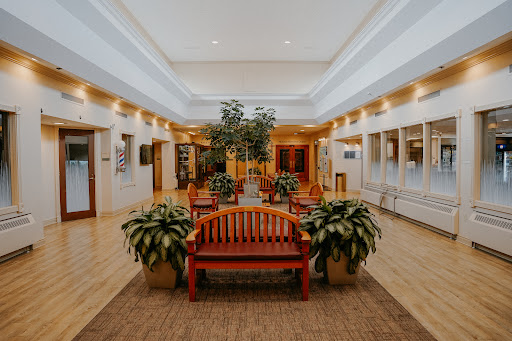
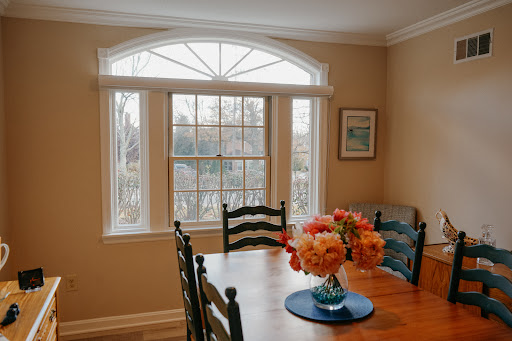
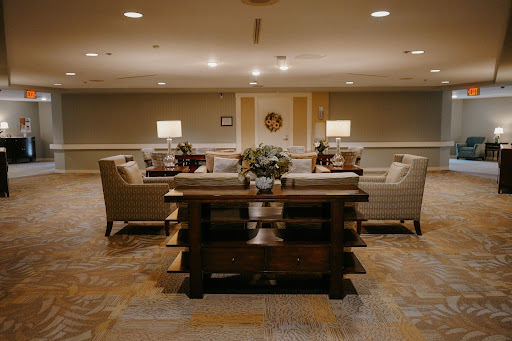
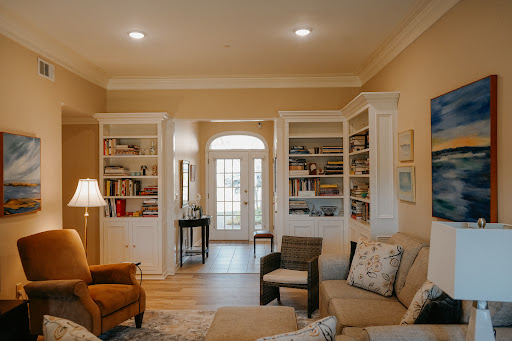
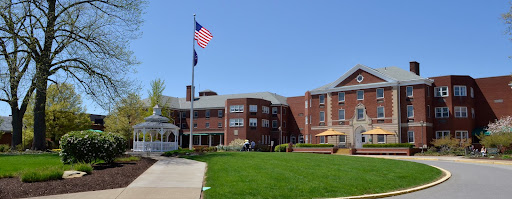
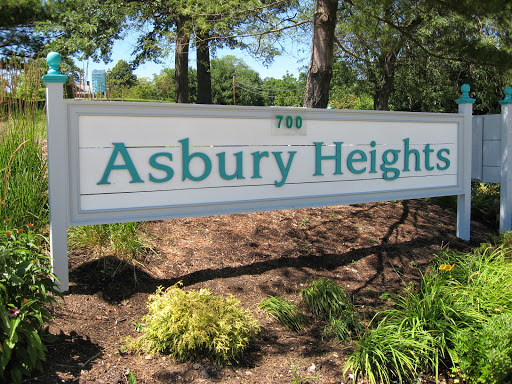
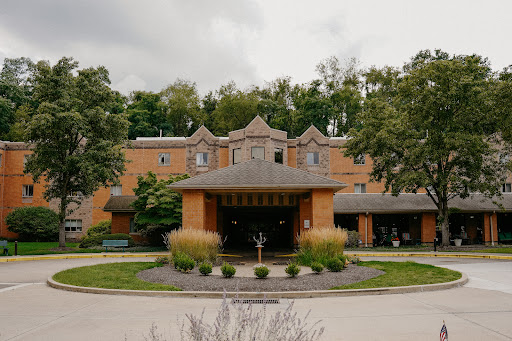
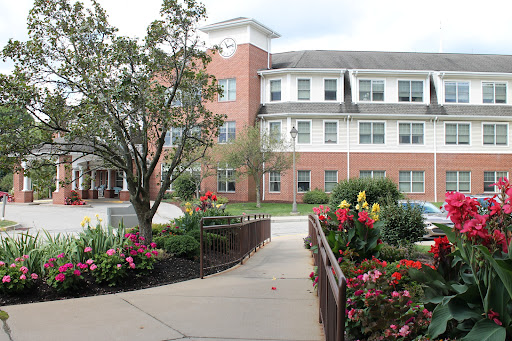
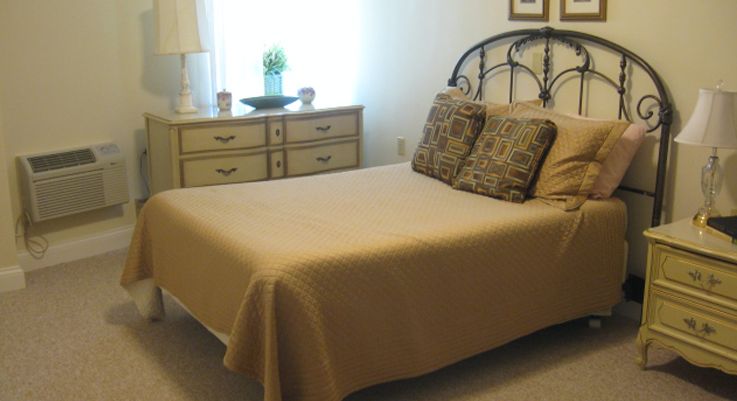
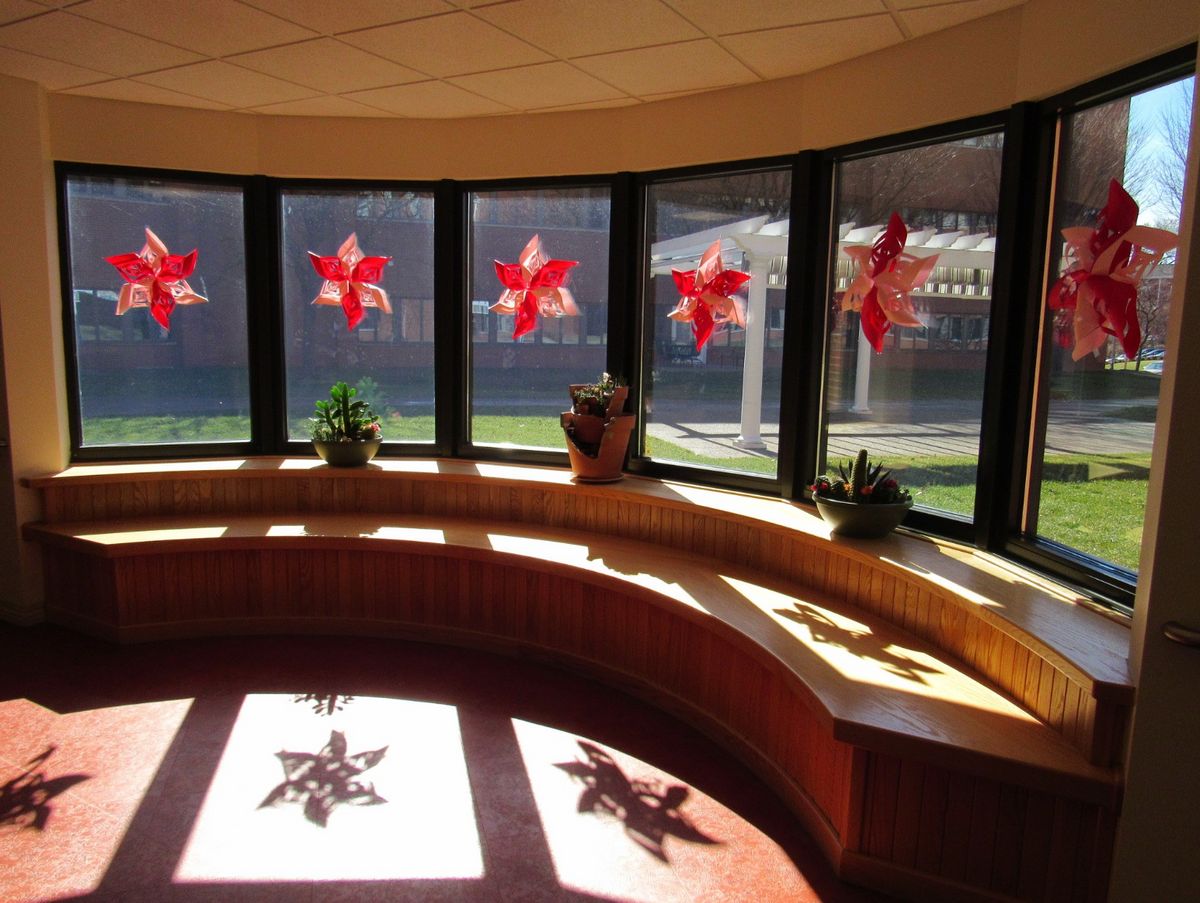
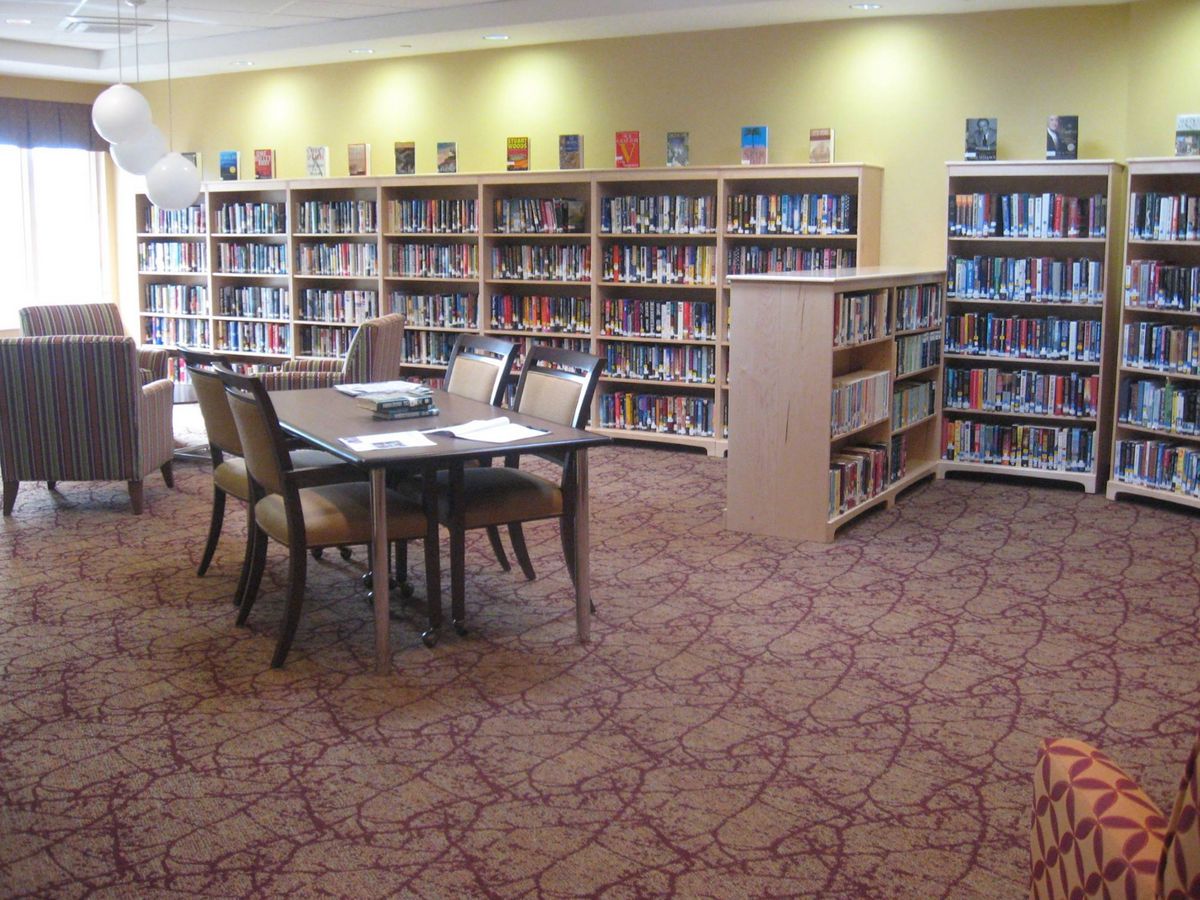
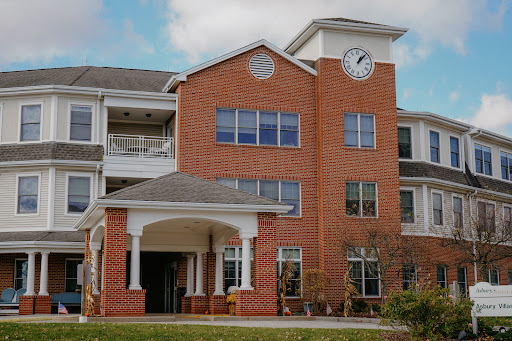
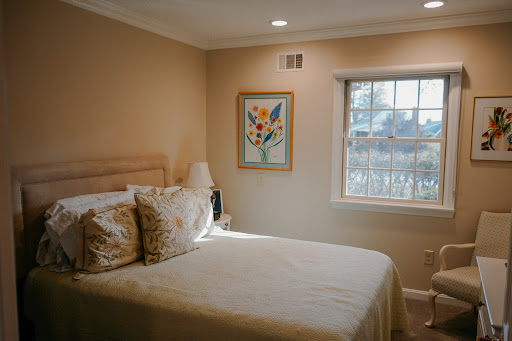
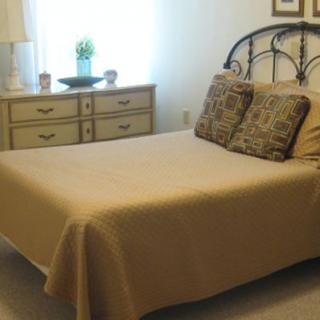
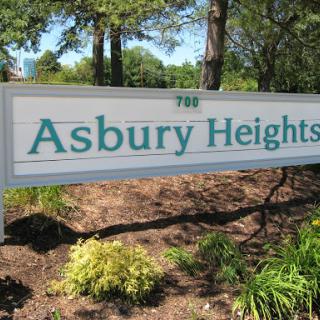
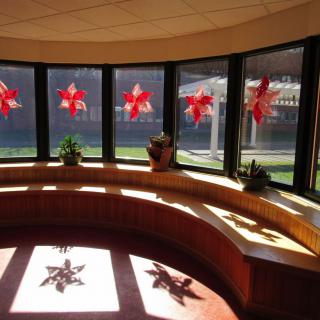
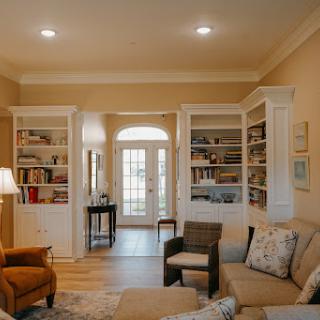
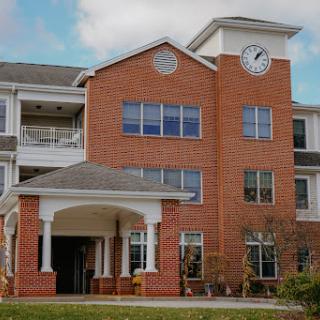
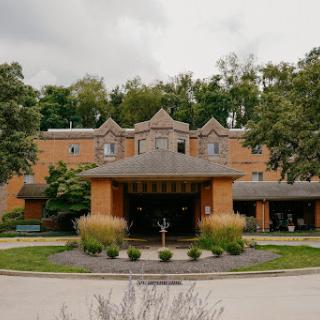
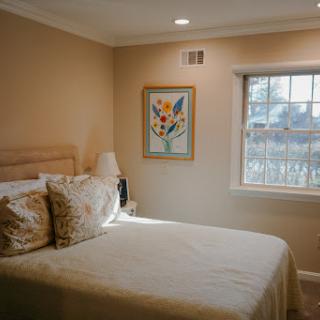
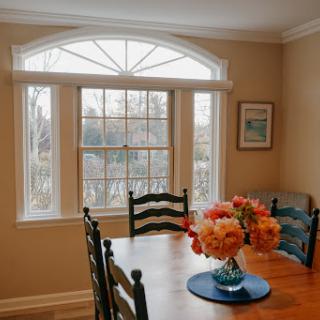
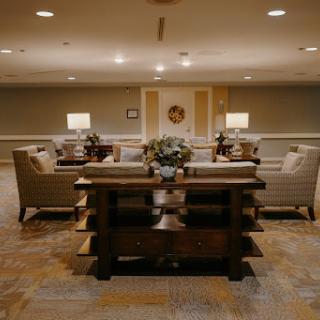
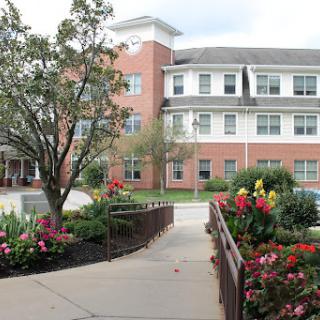
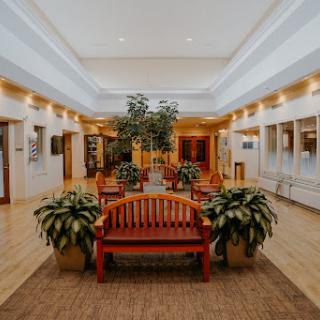
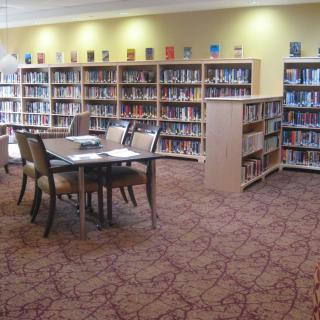
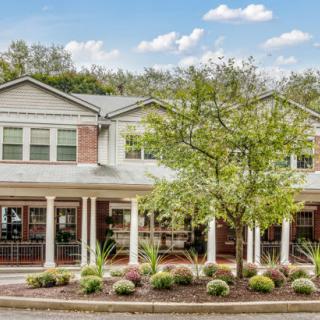
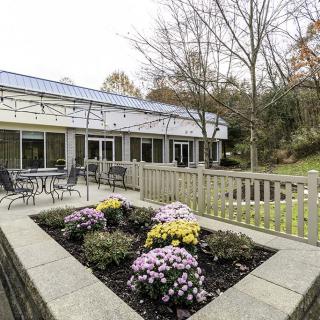
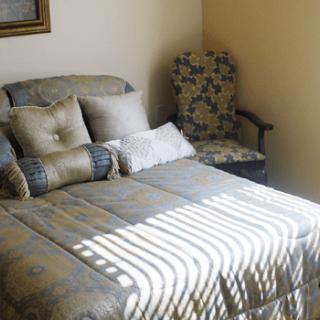
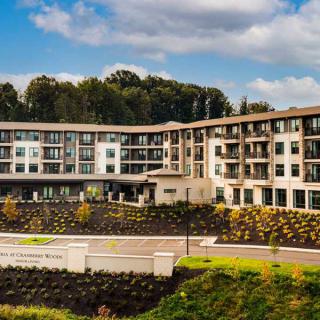
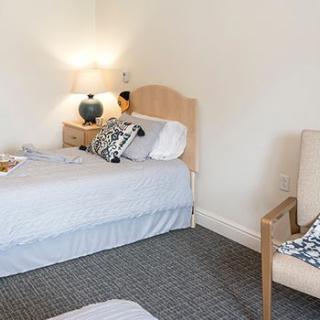
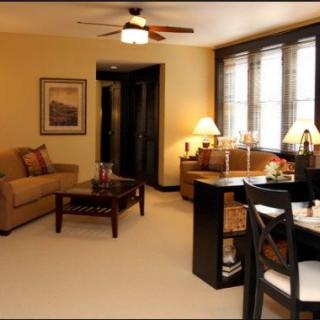
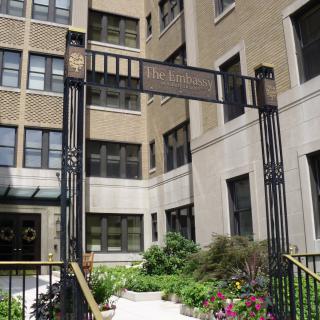
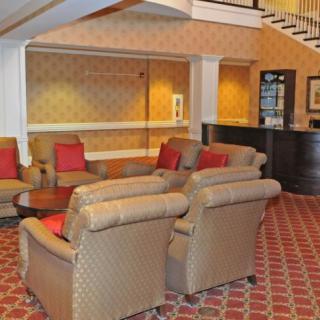
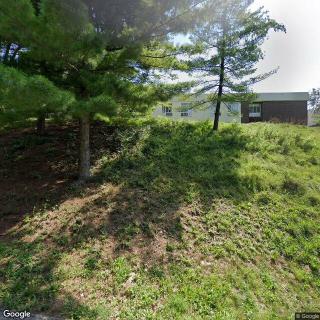
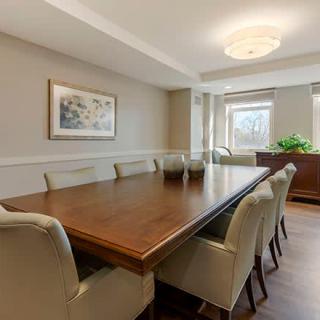
Asbury Health Center on seniors.fyi includes 13 photos including images showing interior, bedroom, decor, building, windows, architecture, outdoor, landscaping, and more.
Nearby Communities
Asbury Heights Independent Living
Pittsburgh, PA
3.8 from 88 reviews
$2,000 to $3,291 / month
Affordable pricing relative to county/state; extensive on-site amenities (dining with chef, activities, beautician, full kitchen, air-conditioning, ground-floor and accessible units); diabetic care; pet-friendly; respite stays offered.
Asbury Heights
Pittsburgh, PA
4 from 133 reviews
$4,800 to $10,260 / month
Friendly staff with good dining and comprehensive care options.
Asbury Villas
Pittsburgh, PA
3 from 3 reviews
Comprehensive care with transport, dining, fitness, and activities.
Asbury Place
Pittsburgh, PA
4.5 from 2 reviews
Beautiful landscaping, modern facilities, and attentive staff in a convenient location.
Asbury Heights-The Embassy
Pittsburgh, PA
5 from 1 review
Room service and in-room full kitchens, plus on-site and off-site devotional services and indoor/outdoor common areas.
Manorcare Health Services-Green Tree
Pittsburgh, PA
3.5 from 63 reviews
Engaging activities and a clean, comfortable environment.
Concordia Of The South Hills
Pittsburgh, PA
2.9 from 100 reviews
Friendly, attentive staff with effective therapy and a pleasant atmosphere.
Mt Lebanon Rehabilitation And Wellness Center
Pittsburgh, PA
4 from 2 reviews
$6,813 to $7,137 / month
Convenient location with attentive staff and private rooms.
Brookdale Mt. Lebanon
Pittsburgh, PA
4.7 from 93 reviews
$2,410 to $4,055 / month
Friendly staff; clean, inviting environment with engaging activities.
Assisted living in 2025 offers a crucial balance of independence and support for seniors, with costs varying from $2,500 to over $7,000 per month based on factors such as location and care level. Understanding pricing complexities, including regional differences and potential hidden fees, is essential for families to plan financially while ensuring quality care for their loved ones.
The guide outlines the complexities of Medicaid coverage for assisted living, highlighting significant state-to-state variations, limited coverage often restricted to personal care services, and the existence of specialized waivers for certain needs like memory care. It advises families to consult local Medicaid offices for options while emphasizing the importance of understanding state-specific regulations and facility policies.
Medicaid coverage for assisted living varies by state and is primarily available to low-income individuals, with eligibility dependent on strict income and asset limits. Some states offer HCBS waivers for specific services in assisted living, but families must generally cover room and board costs, and should verify facility acceptance of Medicaid while considering potential waiting lists.
Get PricingAsk A QuestionSchedule A TourContact Senior Advisor
By clicking submit, you agree to our Partner's Terms of Use. You
also consent to receive calls and texts, which may be autodialed, from our Partner. Your consent is not a condition to
using our Partner's service. Please visit our Partner's Privacy Policy for information about their privacy practices.


 120 resident community capacity
 Assisted Living
 Continuing Care Retirement Community (CCRC)
 Respite Care
 Skilled Nursing Facility
 Air-conditioning
 Beauty salon
 Cable or satellite TV
 Computer center
 Dining room
 Fitness room
 Fully furnished
 Gaming room
 Garden
 Housekeeping services
 Kitchenette
 Move-in coordination
 Outdoor space
 Private bathrooms
 Restaurant-style dining
 Small library
 Telephone
 Wellness center
 Wi-Fi/high-speed internet available
 Pittsburgh International (12 miles away)
 Community operated transportation
 12-16 hour nursing
 24-hour call system
 Activities of daily living assistance
 Assistance with bathing
 Assistance with dressing
 Assistance with transfers
 Diabetes diet
 Medication management
 Mental wellness program
 Special dietary restrictions
 Concierge services
 Planned day trips
 Affordable pricing relative to county/state; extensive on-site amenities (dining with chef, activities, beautician, full kitchen, air-conditioning, ground-floor and accessible units); diabetic care; pet-friendly; respite stays offered.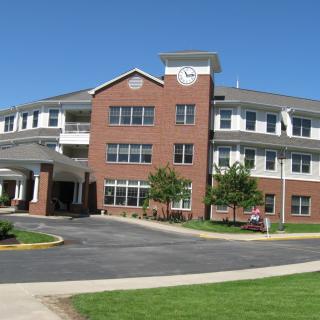

 Understanding the True Cost of Assisted Living in 2025: A Comprehensive Guide
 Understanding Medicaid Coverage for Assisted Living: A Comprehensive Guide
 How and When Medicaid May Cover Assisted Living Costs