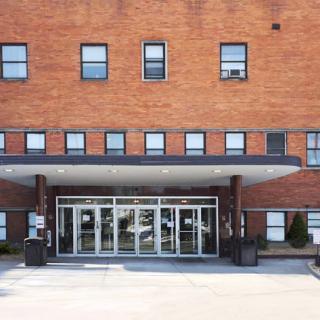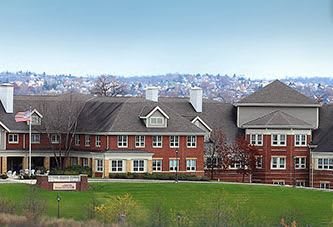
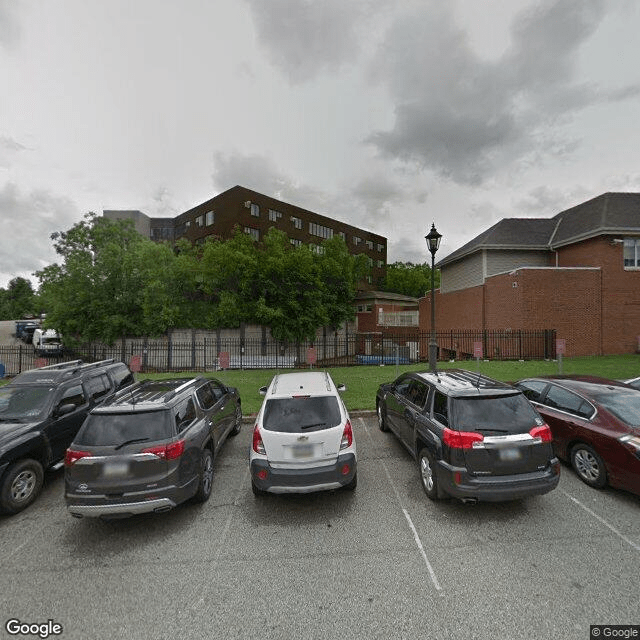
The Residence At Weinberg Village in Pittsburgh, PA

Save
The Residence At Weinberg Village The Residence At Weinberg Village

The Residence At Weinberg Village in Pittsburgh, PA

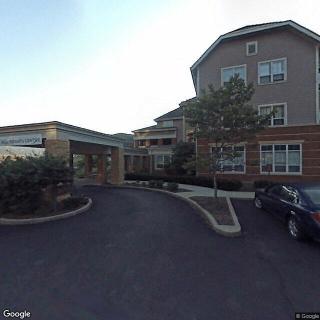
300 Jhf Drive, Pittsburgh, PA 15217

For more information about senior living options: (844) 490-3973

4.3 from 11 reviews
5 stars
9
4 stars
0
3 stars
0
2 stars
0
1 stars
2

Assisted Living Memory Care Respite Care

The Residence At Weinberg Village Costs & Pricing

At The Residence At Weinberg Village, the monthly cost for a studio apartment is $4,377, which is notably higher than both the average costs in Allegheny County at $3,637 and the state average of $3,737. This pricing reflects the premium amenities and tailored services offered to residents, emphasizing a commitment to quality care and an enriching lifestyle within a supportive community. While it may exceed local and state norms, many find that the enhanced living experience justifies the investment in their well-being and comfort.

Floor plansThe Residence At Weinberg VillageAllegheny CountyPennsylvania
Studio$4,377$3,637$3,737

What level of care are you interested in?

Assisted Living

Memory Care

Independent Living

Skilled Nursing Facility

Continuing Care Retirement Community (CCRC)CCRC

Other


Request a tour at The Residence At Weinberg Village

    Overall Review of The Residence At Weinberg Village

    Pros

    • pro The Weinberg Village director is very professional in assisting with placement.
    • pro The entire team is very helpful and responds in a timely manner to complete all paperwork and address family needs.
    • pro The facility is described as the mother's and family's choice, providing all the needs she requires and more.
    • pro Her experience at Weinberg Village was excellent for the first time away in any community.
    • pro The staff offer daily interaction and a specialized memory care program, with other seniors to converse with.
    • pro The facility is very clean and visitors receive hospitable greetings.
    • pro The Anathan Club Adult Day Services & Nighttime Memory Care Program provides daily interactions and memory care activities.

    Cons

    • pro The reviewer claims Weinberg Village discriminates against people and refuses to accept residents with health issues.
    • pro The reviewer advises others to stay away from Weinberg Village.
    • pro The reviewer notes that residents at Weinberg Village included people in worse health than the reviewer's mother, implying concerns about care or admissions.

    Review

    The Residence At Weinberg Village is best suited for families seeking a full-service, memory-care capable community that can support respite stays and ongoing engagement on a sizable campus. The layout and programming support daily interaction, structured activities, and time for socializing, with dedicated memory-care programming (including an evening/overnight component) and adult day services. A professional director oversees placements and coordinates care with families, which helps reduce the friction often found in transitions to assisted living. For seniors who respond well to routine, purposeful activities, and a campus atmosphere where staff and programs are readily visible, Weinberg Village delivers a cohesive, well-supported experience. This is not a minimalist option; it is a comprehensive, campus-style solution designed to keep residents busy and connected.

    However, potential residents should consider alternatives if admission fairness and clear, reaffirmed acceptance policies are non-negotiable. A minority of reviews allege discriminatory admissions practices, claiming that health issues can lead to denial despite visible needs elsewhere in the building. While other families praise the admissions team and the director, this tension around eligibility criteria creates a meaningful risk signal. Families with residents who have complex medical or behavioral needs may want to compare how this community articulates its criteria, request explicit written policies, and interview admissions staff directly. If certainty about acceptance standards matters, exploring other options with more transparent benchmarks would be prudent.

    The strongest positives here are the operational strengths that can offset a perceived admissions risk. The on-site leadership is described as professional and responsive, with staff who handle paperwork promptly and coordinate required documents efficiently. The memory-care program is complemented by an adult day service, expanding opportunities for socialization without mandating overnight commitment. Cleanliness and daily routines stand out in repeat feedback, alongside a willingness to tailor services to family wishes. The combination of respite care flexibility, memory-care availability, and family-facing coordination makes Weinberg Village a credible, practical choice for those who value continuity of care and a predictable, activity-rich environment.

    Cost considerations come into play as well, and the impressions point to reasonable pricing for the Pittsburgh market, particularly for a large campus with broad programming. The ability to arrange respite care for shorter blocks and extend into longer engagements as needs evolve provides financial flexibility that many families appreciate. Residents can access a range of services without moving between separate facilities, which reduces transfer stress for both seniors and their families. While price is not the sole predictor of value, Weinberg Village appears to offer a balanced package - comprehensive activity programming, robust memory care, and accessible support staff - at a level described as reasonable given the scope of amenities.

    From a decision-making perspective, the right approach is to verify admissions criteria up front and demand clarity on how those policies are applied to current residents. Prospective families should request a tour that emphasizes the Anathan Club Adult Day Services and Nighttime Memory Care, and insist on speaking with the director about a sample care plan, emergency procedures, and regular family updates. Reference checks with current or recent residents' families can illuminate how the community handles health changes, transitions between care levels, and ongoing communication. It's wise to confirm what the campus can accommodate in the area of mobility, nutrition, and specialized medical needs before committing, and to align expectations with the resident's daily routines and social goals.

    Overall, Weinberg Village stands as a pragmatic, capable option for families prioritizing memory-care capability, structured programming, and a single-campus ecosystem that blends day services, evening care, and overnight accommodations. The key caveat is the admissions concern raised in a minority of reviews; due diligence is essential to determine whether current policies align with the loved one's health status and family expectations. For families who value a professional leadership team, consistent programming, and visible engagement from staff, this community offers meaningful value. If certainty about acceptance criteria, transparency in policy, and personalized admissions conversations are secured, Weinberg Village can be a strong, dependable fit for the right resident.

    Features

    Housing

    • 76 resident community capacity 76 resident community capacity

    Types of Care

    • Assisted Living Assisted LivingAssisted living facilities provide crucial support and care for seniors who may need help with daily tasks such as medication management, bathing, and meal preparation. These communities offer a safe and comfortable environment where seniors can maintain their independence while receiving the assistance they need to thrive in their golden years.
    • Memory Care Memory CareMemory care is crucial for seniors as it provides specialized support and services for individuals with dementia or Alzheimer's disease. These programs offer a safe and secure environment where residents receive personalized care, cognitive stimulation, and help with daily activities. Memory care helps seniors maintain their independence, quality of life, and dignity while also providing peace of mind for their families.
    • Respite Care Respite CareRespite care provides temporary relief for caregivers, allowing them to recharge and attend to their own needs. It also gives seniors the opportunity to socialize, receive professional care, and experience a change of scenery, promoting overall well-being and reducing feelings of isolation.

    Pets

    • Cats allowed Cats allowed"Pet friendly" senior living communities are important for seniors because pets provide companionship, reduce feelings of loneliness and depression, promote physical activity and mental stimulation, and offer a sense of purpose and responsibility. Pets can improve overall well-being and quality of life for seniors in many ways.

    Amenities

    • Activities off-site Activities off-siteEngaging in off-site activities is crucial for seniors to maintain social connections, stay active, and stimulate their minds. It promotes overall well-being and helps combat feelings of isolation and loneliness.
    • Activities on-site Activities on-siteActivities on-site are important for seniors because they provide opportunities for socialization, mental stimulation, physical activity, and overall well-being. Engaging in activities can help seniors stay active, maintain their independence, and improve their quality of life.
    • Air-conditioning Air-conditioningAir conditioning is important for seniors as they are more vulnerable to heat-related illnesses and may have underlying health conditions that make it difficult for them to regulate their body temperature. It helps to keep them comfortable, safe, and healthy in hot weather.
    • Beautician on-site Beautician on-siteHaving a beautician on-site at a senior living community is important for seniors as it allows them to easily access grooming and personal care services, boosting their self-esteem and overall well-being. It also provides convenience and helps seniors maintain their sense of independence and personal style.
    • Beauty salon Beauty salonBeauty salons are important for seniors because they provide a space for them to feel pampered, socialize, and maintain their personal grooming and hygiene. Regular visits to a beauty salon can help boost seniors' self-esteem and overall well-being.
    • Cable or satellite TV Cable or satellite TVCable or satellite TV is important for seniors because it provides entertainment, news, and companionship, helping to combat loneliness and boredom. It also offers a wide range of programming options tailored to different interests and preferences.
    • Computer center Computer centerA computer center is essential for seniors as it provides access to technology, communication tools, and resources that can enhance their daily lives. It allows them to stay connected with loved ones, engage in online activities, and learn new skills, ultimately promoting socialization and mental stimulation.
    • Devotional services off-site Devotional services off-siteDevotional services off-site are important for seniors as they provide spiritual nourishment, social engagement, and a sense of community outside of the senior living facility. This can enhance overall well-being and help combat feelings of isolation and loneliness often experienced by older adults.
    • Devotional services on-site Devotional services on-siteDevotional services on-site provide seniors with spiritual support and a sense of community, as well as an opportunity for reflection and guidance during their senior living experience. This can promote emotional well-being and connection to others, leading to a more fulfilling and enriching lifestyle in their later years.
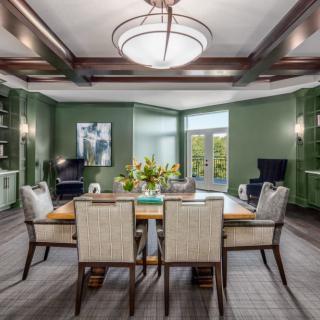
    • Dining room Dining roomDining rooms are important for seniors as they provide a space for socialization, connection, and nutritious meals. They offer opportunities for residents to bond over shared meals, foster a sense of community, and promote healthy eating habits. Dining rooms also ensure that seniors have access to well-balanced meals tailored to their dietary needs and preferences.
    • Fitness room Fitness roomHaving a fitness room in a senior living community is essential for seniors to stay active, maintain their physical health, and improve their overall well-being. Regular exercise can help prevent falls, reduce the risk of chronic diseases, and promote mental sharpness. It also provides social opportunities for residents to connect with others and enjoy a sense of community.
    • Fully furnished Fully furnishedFully furnished senior living communities are important for seniors because they provide convenience, comfort, and a hassle-free moving experience. Seniors can easily settle into their new living space without the stress of having to buy and move furniture. This allows them to focus on enjoying their new home and community.
    • Gaming room Gaming roomGaming rooms are important for seniors as they provide a fun and engaging environment for socializing, cognitive stimulation, and physical activity. Games can improve memory, problem-solving skills, and overall mental well-being while fostering friendships and reducing feelings of isolation.
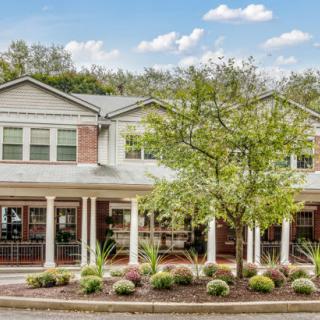
    • Garden GardenGardens are important for seniors as they provide a peaceful and therapeutic environment for relaxation, physical activity, and socialization. Being in nature has been shown to reduce stress, improve mood, and promote overall well-being. Gardens also offer opportunities for seniors to engage in gardening activities, which can improve mobility, flexibility, and cognitive function. Additionally, gardens create a sense of community and connection with others who share a passion for plants and outdoor spaces.
    • Housekeeping services Housekeeping servicesHousekeeping services are important for seniors because they help maintain a clean and safe living environment, promote independence, and reduce the risk of accidents or illnesses. Additionally, having assistance with household chores can alleviate physical strain and allow seniors to focus on other aspects of their well-being.
    • Indoor common areas Indoor common areasIndoor common areas are crucial for seniors as they provide a space for socialization, recreation, and community engagement, promoting overall well-being and reducing feelings of isolation and loneliness.
    • Kitchenette KitchenetteKitchenettes are important for seniors living in senior living communities because they provide the convenience and independence of being able to prepare simple meals and snacks in the comfort of their own living space. This can help promote a sense of autonomy and well-being for seniors, allowing them to maintain some level of control over their dietary choices and daily routines.
    • Move-in coordination Move-in coordinationMove-in coordination is important for seniors because it helps ease the transition into their new living environment. It ensures that all logistics, such as packing, organizing movers, and setting up utilities are taken care of, allowing seniors to focus on settling in and adjusting to their new home. Having a smooth move-in process can alleviate stress and anxiety, making the transition smoother and more enjoyable for seniors.
    • Outdoor space Outdoor spaceOutdoor spaces are important for seniors as they provide opportunities for physical activity, social interaction, exposure to natural light and fresh air, and a sense of connection to nature. Having access to outdoor spaces can improve overall well-being and quality of life for older adults living in senior communities.
    • Private bathrooms Private bathroomsPrivate bathrooms are important for seniors in senior living communities because they provide independence, dignity, and comfort. Having a private bathroom allows seniors to maintain their personal hygiene routines without the need for assistance, promoting a sense of autonomy and privacy. Additionally, private bathrooms help prevent the spread of infections and provide a safe and clean environment for seniors to navigate safely.
    • Respite or short term stays offered Respite or short term stays offeredRespite or short term stays provide seniors with a temporary solution when their regular caregiver is unavailable, offering them the opportunity to receive additional care and support during times of need, while also giving caregivers a chance to rest and recharge.
    • Restaurant-style dining Restaurant-style diningRestaurant-style dining is important for seniors because it allows them to enjoy delicious, nutritious meals in a social and upscale setting. This enhances their dining experience, promotes healthy eating habits, and fosters socialization with fellow residents, ultimately contributing to their overall well-being and quality of life.
    • Small library Small librarySmall libraries are important for seniors as they provide access to a variety of reading materials, including books, newspapers, and magazines. This can help stimulate their minds, keep them engaged, and provide a sense of community through book clubs and other social activities. Additionally, reading has been shown to improve cognitive function and overall mental well-being in older adults.
    • Telephone TelephoneTelephones are important for seniors as they provide a lifeline for communication with loved ones, emergency services, and healthcare providers. They offer a sense of security and independence, enabling seniors to stay connected and access assistance when needed.
    • Wellness center Wellness centerWellness centers are important for seniors because they offer a variety of programs and services that promote physical, mental, and emotional well-being. These centers provide opportunities for exercise, socialization, education, and relaxation, helping seniors maintain their overall health and quality of life.
    • Wheelchair accessible showers Wheelchair accessible showersWheelchair accessible showers are crucial for seniors as they provide a safe and independent bathing option for those with mobility challenges. These showers help prevent falls and allow seniors to maintain their dignity and autonomy while ensuring they can bathe comfortably.
    • Wi-Fi/high-speed internet available Wi-Fi/high-speed internet availableWi-Fi/high-speed internet is important for seniors to stay connected with loved ones, access online resources, and participate in virtual activities to combat feelings of loneliness and isolation. It also allows them to easily manage healthcare needs, access entertainment, and engage in lifelong learning opportunities.

    Transportation

    • Pittsburgh International (17 miles away) Pittsburgh International (17 miles away)
    • Community operated transportation Community operated transportationCommunity operated transportation is crucial for seniors as it provides them with the means to access essential services, social activities, and medical appointments. It allows seniors to maintain their independence and quality of life by ensuring they can participate in activities outside of their homes. Additionally, community-operated transportation services offer a safe and reliable way for seniors to travel without having to rely on family or friends for assistance.
    • Transportation arrangement Transportation arrangementTransportation arrangements are crucial for seniors as they may face challenges with driving, mobility, or access to public transportation. Having reliable transportation services ensures that seniors can easily attend appointments, social activities, and maintain their independence and quality of life.
    • Transportation arrangement (non-medical) Transportation arrangement (non-medical)Transportation arrangements are essential for seniors as they provide access to essential services, activities, and social interactions outside the home. This service helps maintain independence, mobility, and overall well-being for seniors who may have limited transportation options.
    • Transportation to doctors appointments Transportation to doctors appointmentsTransportation to doctors appointments is crucial for seniors as it ensures they have access to necessary medical care and support, promoting their health and well-being. It allows them to receive timely treatment, monitor existing conditions, and address any new health concerns efficiently. Additionally, transportation services can help seniors maintain their independence and quality of life by enabling them to stay connected with their healthcare providers.

    Care Services

    • 12-16 hour nursing 12-16 hour nursing12-16 hour nursing care is crucial for seniors in order to ensure around-the-clock monitoring, timely medication administration, and prompt response to any health concerns or emergencies. This level of care helps to promote the overall well-being and safety of seniors living in senior living communities.
    • 24-hour call system 24-hour call system24-hour call systems are important for seniors because they provide peace of mind and immediate assistance in case of emergencies. This technology ensures that help is always available, promoting safety and security for elderly individuals living alone or in assisted living facilities.
    • 24-hour supervision 24-hour supervision24-hour supervision is important for seniors to ensure their safety, well-being, and access to immediate assistance in case of emergencies or health issues. This constant support provides peace of mind for both seniors and their loved ones, allowing them to age in place with dignity and security.
    • Activities of daily living assistance Activities of daily living assistanceActivities of daily living assistance are important for seniors because they provide essential support with tasks such as eating, bathing, dressing, and mobility. This assistance helps seniors maintain their independence, dignity, and overall quality of life as they age.
    • Ambulatory care Ambulatory care"Ambulatory care services provide essential medical support and treatment to seniors without requiring hospitalization, allowing them to maintain their independence and quality of life while managing chronic conditions or receiving routine medical care."
    • Assistance with bathing Assistance with bathingAssistance with bathing is crucial for seniors as it helps maintain personal hygiene, prevents infections, and ensures their overall well-being and comfort. It also provides a sense of dignity and independence for seniors who may struggle with this task on their own.
    • Assistance with dressing Assistance with dressingAssistance with dressing is important for seniors because it helps maintain their independence, promotes personal hygiene, prevents accidents and injuries, and improves overall quality of life. This service ensures that seniors can continue to dress comfortably and confidently, despite any physical limitations they may have.
    • Assistance with transfers Assistance with transfersAssistance with transfers is crucial for seniors as it helps prevent falls and injuries, maintains their independence, and ensures they can safely navigate their living environment. It also provides peace of mind for both seniors and their loved ones.
    • Diabetes diet Diabetes dietA diabetes diet is crucial for seniors as it helps manage blood sugar levels, reduce risks of complications, and improve overall health and well-being. By following a balanced and nutritious diet tailored to their specific needs, seniors can better control their diabetes and enhance their quality of life.
    • Diabetic care Diabetic careDiabetic care is crucial for seniors as they are more susceptible to developing diabetes due to aging and other health conditions. Proper management of diabetes can help prevent complications such as heart disease, vision loss, and nerve damage, improving the overall quality of life for seniors in senior living communities.
    • Incontinence care Incontinence careIncontinence care is essential for seniors to maintain their dignity, hygiene, and overall quality of life. By addressing incontinence issues promptly and effectively, seniors can enjoy a sense of independence and comfort in their daily activities.
    • Meal preparation and service Meal preparation and serviceMeal preparation and service are crucial for seniors as they may have limited mobility or energy to cook nutritious meals. Having access to healthy and convenient food options can ensure they are getting the proper nutrition needed to maintain their overall health and well-being.
    • Medication management Medication managementMedication management is crucial for seniors to ensure they are taking the right medications at the correct dosages and times. This helps prevent adverse drug interactions, reduces the risk of medication errors, and promotes overall health and well-being. Proactive management also allows for adjustments as needed based on changing health conditions or new prescriptions.
    • Mental wellness program Mental wellness programMental wellness programs are essential for seniors as they promote cognitive stimulation, emotional support, and social engagement. These programs help prevent isolation, depression, and cognitive decline, ultimately enhancing the overall quality of life for older adults.
    • Special dietary restrictions Special dietary restrictionsSpecial dietary restrictions are important for seniors because age-related changes in metabolism and health conditions can make it difficult for their bodies to process certain foods. By following a diet tailored to their specific needs, seniors can maintain their overall health and well-being, manage chronic conditions, and reduce the risk of complications such as malnutrition or food interactions with medications.

    Dining

    • Diabetes diet Diabetes dietA diabetes diet is crucial for seniors as it helps manage blood sugar levels, reduce risks of complications, and improve overall health and well-being. By following a balanced and nutritious diet tailored to their specific needs, seniors can better control their diabetes and enhance their quality of life.
    • Kosher KosherKosher options are important for seniors because they adhere to dietary laws that are significant to many Jewish individuals, providing them with peace of mind and an opportunity to maintain their cultural traditions and beliefs while living in a senior living community.
    • Meals provided Meals provided"Meals provided" are crucial for seniors in assisted living communities as it ensures they have access to nutritious, balanced meals without the stress of meal planning and preparation. This can help promote overall health and well-being for seniors who may have limited mobility or cognitive abilities.
    • Special dietary restrictions Special dietary restrictionsSpecial dietary restrictions are important for seniors because age-related changes in metabolism and health conditions can make it difficult for their bodies to process certain foods. By following a diet tailored to their specific needs, seniors can maintain their overall health and well-being, manage chronic conditions, and reduce the risk of complications such as malnutrition or food interactions with medications.

    Activities

    • Activities off-site Activities off-siteEngaging in off-site activities is crucial for seniors to maintain social connections, stay active, and stimulate their minds. It promotes overall well-being and helps combat feelings of isolation and loneliness.
    • Activities on-site Activities on-siteActivities on-site are important for seniors because they provide opportunities for socialization, mental stimulation, physical activity, and overall well-being. Engaging in activities can help seniors stay active, maintain their independence, and improve their quality of life.
    • Community-sponsored activities Community-sponsored activitiesCommunity-sponsored activities are important for seniors as they provide opportunities for social interaction, mental stimulation, and physical activity. These activities can help improve overall well-being, combat loneliness and isolation, and promote a sense of belonging and purpose among older adults.
    • Concierge services Concierge servicesConcierge services are essential for seniors as they provide assistance with daily tasks and errands, enhance their quality of life by offering convenience and personalized care, and promote a sense of safety and security.
    • Devotional activities offsite Devotional activities offsiteDevotional activities offsite are important for seniors because they provide social engagement, spiritual growth, and a sense of community outside of their living environment. This can improve overall well-being, mental health, and combat feelings of isolation or loneliness.
    • Devotional activities on-site Devotional activities on-siteDevotional activities on-site provide seniors with a sense of community, spiritual fulfillment, and emotional support, promoting overall well-being and a positive sense of purpose in their lives.
    • Fitness programs Fitness programsFitness programs are crucial for seniors as they help improve strength, flexibility, balance, and overall well-being. Staying active can reduce the risk of chronic diseases, improve mental health, and enhance quality of life in older adults.
    • Planned day trips Planned day tripsPlanned day trips are important for seniors because they offer opportunities for socialization, mental stimulation, and physical activity. They provide a change of scenery and help seniors stay engaged and connected to their community, promoting overall well-being and quality of life.
    • Resident-run activities Resident-run activitiesResident-run activities are important for seniors as they encourage social interaction, creativity, and a sense of autonomy. These activities empower seniors to stay engaged and active in their community while fostering meaningful connections with their peers.
    • Scheduled daily activities Scheduled daily activitiesScheduled daily activities are important for seniors because they provide structure, socialization, mental stimulation, and physical activity. Engaging in regular activities can improve overall well-being and quality of life for seniors living in a community setting.

    Description

    The Residence At Weinberg Village in Pittsburgh, PA is an exceptional assisted living community that provides top-notch care for seniors in need of memory care and respite care. With a wide range of amenities and services, residents can expect to live a comfortable and fulfilling life.

    Our community offers a variety of on-site activities to keep residents engaged and entertained, including a gaming room, fitness room, and small library. Additionally, there are beautiful common areas both indoors and outdoors for socializing or enjoying some fresh air. Our caring staff is always available to assist with daily tasks such as bathing, dressing, and transfers.

    Residents can enjoy delicious meals prepared by our skilled culinary team in our elegant dining room with restaurant-style dining. We accommodate special dietary restrictions including kosher meals and diabetes diets. Additionally, our mental wellness program ensures that each resident's emotional well-being is nurtured.

    At The Residence At Weinberg Village, we prioritize the safety and security of our residents. Our 24-hour call system and supervision guarantee that help is always just a call away. Medication management services are provided to ensure proper administration of medications.

    We understand the importance of staying connected to the community outside our walls. Our transportation services offer non-medical transportation arrangements as well as transportation to doctors' appointments. Nearby amenities include numerous cafes, parks, pharmacies, physicians' offices, restaurants, places of worship, theaters, and hospitals.

    We pride ourselves on creating a warm and welcoming environment where residents feel at home. Come join us at The Residence At Weinberg Village in Pittsburgh for exceptional care and an enriching lifestyle experience.

    Nearby Places of Interest

    This area of Pittsburgh, Pennsylvania, offers a convenient and accessible location for senior living. With multiple pharmacies available within a short distance, residents have easy access to medication and healthcare needs. There are various dining options nearby, including popular restaurants and cafes for socializing or enjoying a meal out. Additionally, there are recreational opportunities with parks like Frick Park and Schenley Park nearby for outdoor activities. Access to quality healthcare is also readily available with hospitals such as Magee-Women's Hospital of UPMC and UPMC Presbyterian in close proximity. Public transportation options like the Amtrak station and bus station provide convenient travel options for seniors looking to explore the city or visit loved ones. Overall, this area offers a well-rounded environment with essential amenities for comfortable senior living.

    Pharmacies

    • CVS Pharmacy (0.1 miles)
    • Walgreens (0.7 miles)
    • Rite Aid (1 miles)
    • Rite Aid (1.6 miles)
    • CVS Pharmacy (1.7 miles)
    • CVS Pharmacy (2.1 miles)
    • Walgreens (2.6 miles)

    Restaurants

    • Rock Bottom Restaurant & Brewery (0.4 miles)
    • Burgatory (0.5 miles)
    • Chick-Fil-A (0.6 miles)
    • Duke's Upper Deck Cafe (0.7 miles)
    • Voodoo Brewery (0.7 miles)
    • Squirrel Hill Sports Bar (1.1 miles)
    • Applebee's (1.8 miles)

    Cafes

    • Starbucks (0.5 miles)
    • Panera Bread (2.5 miles)
    • Big Dog Coffee (2.6 miles)
    • Arriviste Coffee Bar (2.9 miles)
    • Bakery Square (3 miles)
    • Redstart Roasters (3.4 miles)
    • Parkside Cafe (3.4 miles)

    Theaters

    • AMC Waterfront 22 (0.5 miles)

    Parks

    • Frick Park Blue Slide Playground (1.1 miles)
    • Frick Park (1.7 miles)
    • Schenley Park (1.8 miles)
    • Filmet Park (2.2 miles)
    • Arsenal Park (4.2 miles)
    • Leslie Park Field (4.5 miles)

    Places of Worship

    • First Presbyterian Church of Edgewood (2.3 miles)
    • Calvary Episcopal Church (2.9 miles)
    • Kingdom Hall Of Jehovahs Witnesses (3.6 miles)

    Physicians

    • Bellissimo Plastic Surgery & Medi Spa (2.5 miles)
    • Plastic and Reconstructive Surgery (2.8 miles)
    • Kaufmann Medical Building (2.8 miles)
    • Western Psychiatric Institute and Clinic of UPMC (2.9 miles)
    • Aiken Medical Building (3 miles)
    • Community Family Practice (3.8 miles)

    Hospitals

    • Magee-Women's Hospital of UPMC (2.7 miles)
    • Sleep Laboratory at UPMC Montefiore (2.9 miles)
    • University of Pittsburgh Medical Center (2.9 miles)
    • UPMC Presbyterian (2.9 miles)
    • Hillman Cancer Center (3.1 miles)
    • VA Pittsburgh Healthcare System (3.1 miles)
    • Western Pennsylvania Hospital labor and delivery (3.5 miles)

    Transportation

    • Amtrak - Pittsburgh Station (4.3 miles)
    • Bus Station (4.4 miles)

    Frequently Asked Questions

    How much does it cost to live at The Residence At Weinberg Village in Pittsburgh, PA?
    Where is The Residence At Weinberg Village?
    Does The Residence At Weinberg Village provide care for residents with dementia or Alzheimer's disease?
    Does The Residence At Weinberg Village allow residents to have pets?

    Nearby Communities

    • Ahava Memory Care Residence

      Ahava Memory Care Residence

      Pittsburgh, PA

       
      $3,440 to $4,128 / month

      pro Comprehensive care options with 24/7 supervision and dementia-focused services.

    • Comforcare Senior Services,  Allegheny County

      Comforcare Senior Services, Allegheny County

      Pittsburgh, PA


      pro Excellent access to nearby healthcare and amenities.

    • John J Kane Regional Center - Gl

      John J Kane Regional Center - Gl

      Pittsburgh, PA

      3.4 from 55 reviews
       

      pro Welcoming lobby and courtyard with clean rooms and on-site amenities.

    • Homestead Apartments

      Homestead Apartments

      Homestead, PA


      pro Extensive nearby amenities and healthcare options.

    • Murray Towers Hi-Rise Management Office

      Murray Towers Hi-Rise Management Office

      Pittsburgh, PA


      pro Excellent access to dining, parks, healthcare, and transit nearby.

    • Forward Housing

      Forward Housing

      Pittsburgh, PA

      3.9 from 21 reviews
       

      pro Vibrant location with extensive nearby amenities (cafes, parks, dining, healthcare, worship, and cultural options).

    • Squirrel Hill Wellness And Rehabilitation Center

      Squirrel Hill Wellness And Rehabilitation Center

      Pittsburgh, PA

      2.7 from 104 reviews
       

      pro Attractive facility with some attentive staff (e.g., speech therapy) and a broad range of amenities.

    • Village At Pennwood

      Village At Pennwood

      Pittsburgh, PA

      3 from 2 reviews
       

      pro Clean facility with attentive staff and good family communication.

    • Locust Grove

      Locust Grove

      West Mifflin, PA

      4.5 from 101 reviews
      $4,094 to $5,400 / month

      pro Compassionate staff in a welcoming, activity-rich community.

    Related Resources

    • what do dementia patients think aboutDelving into the Inner World of Dementia: Insights into Thoughts and Awareness

      Dementia, primarily caused by Alzheimer's disease but also linked to other conditions, leads to cognitive decline impacting memory and daily functioning, with individuals experiencing varied awareness of their impairments. Despite memory loss, emotional connections persist, enabling responses to familiar stimuli, highlighting the need for caregivers to provide compassionate support that recognizes both limitations and retained emotional depth.

    • does my mom have dementia quizFive Subtle Dementia Indicators to Observe: An In-Depth Guide to Understanding “Does My Mom Have Dementia?”

      The article presents five subtle indicators of dementia, such as memory lapses and mood swings, to help families assess cognitive decline in loved ones. It emphasizes early detection, open communication, and seeking professional help while providing practical support steps.

    • dementia paranoiaDementia, Paranoia, and Caregiver Guidance: Understanding the Connection
      Dementia encompasses progressive neurological disorders that impair cognitive functions and can lead to paranoia due to cognitive decline and emotional changes. The article discusses the triggers of paranoia in dementia, caregiver strategies for managing it, and the importance of distinguishing between dementia-related paranoia and other psychiatric conditions.


    Get Pricing Ask A Question Schedule A Tour Contact Senior Advisor