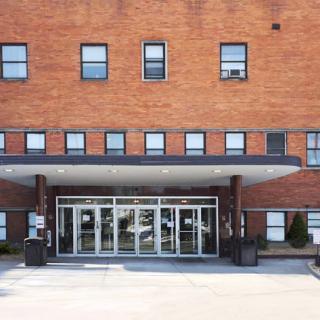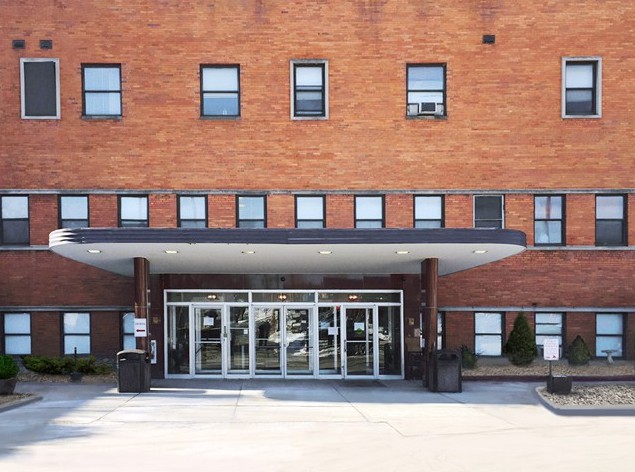
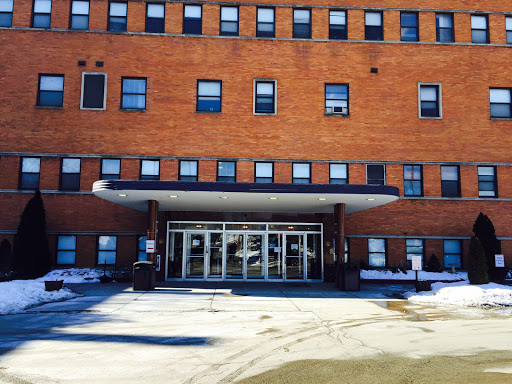

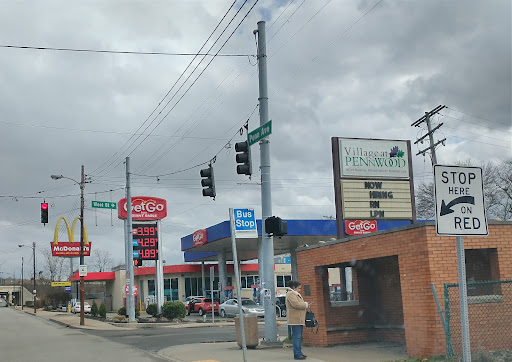
909 West Street, Pittsburgh, PA 15221
For more information about senior living options: (866) 208-4318
Overall Review of Village At Pennwood
Pros
 The facility is very clean.
- The workers are very attentive.
- They are very good at keeping the family involved and aware of problems.
Cons
 The facility has inadequate staff.
- Most of the nursing aides are temporary staff.
- They couldn't even take a proper blood pressure reading with a wrist BP cuff.
- There are staffing shortages and HIPAA violations.
Review
Village At Pennwood is best suited for families that value a clean, well-maintained environment and want to stay closely involved in daily care decisions. The community lends itself to residents with moderate care needs who do not require constant, high-intensity skilled nursing. For these families, the transparency and regular updates help preserve peace of mind, since a vigilant family presence can effectively bridge gaps between staff and resident. This is a place where meticulous housekeeping and visible attentiveness can make daily routines smoother, and where a hands-on family approach is both welcomed and encouraged.
Those considering alternatives should be alert to several red flags that emerge from the darker side of the experience. Residents with complex medical conditions or a requirement for steady, stable, non-temporary nursing staff may find Pennwood lacking in consistency and reliability. Families who cannot commit to frequent visits or ongoing oversight may prefer a community with deeper bench strength and lower turnover. Additionally, concerns about privacy and proper patient information handling are not merely theoretical here; if HIPAA-related lapses arise, the risk to resident dignity and trust can erode quickly.
On the upside, cleanliness and attentiveness stand out as real, tangible advantages. A clean facility reduces infection risk and creates a more dignified atmosphere for everyday living, while attentive staff can mitigate small problems before they escalate. The emphasis on keeping families involved translates into better communication, fewer miscommunications, and a shared sense of accountability. When problems are identified, there is a genuine effort to involve loved ones in the care plan, which can help residents feel seen and respected, and it can prevent disconnection between staff and family.
The most significant drawbacks center on staffing. Reports of inadequate staffing and a heavy reliance on temporary aides raise legitimate concerns about consistency, accuracy, and continuity of care. The specific example of difficulty obtaining a proper blood pressure reading points to training gaps that can affect safety. Combined with perceived HIPAA violations, these issues underscore a real risk that surface-level attentiveness may not always translate into dependable, privacy-respecting medical care. In higher-need situations, such gaps become more consequential, potentially undermining trust and resident well-being over time.
These pros and cons interact in a way that favors a cautious, engaged family over one seeking a hands-off experience. The positive elements – cleanliness, visible attentiveness, and open family communication – do offset some risk, but not enough to fully compensate for staffing volatility and the privacy concerns raised. Families should plan to monitor staffing stability closely, request detailed care plans, and verify training and HIPAA compliance on an ongoing basis. In practical terms, a trial period with explicit benchmarks for staff consistency, response times, and privacy protocols can reveal whether Pennwood can sustain the level of care the resident requires without constant family intervention.
Bottom line: Village At Pennwood can be a solid choice for residents who want a clean, well-managed setting and whose families are ready to stay actively involved in care decisions. It is less ideal for those who depend on steady, high-caliber nursing staff or who cannot regularly oversee care operations. Prospective residents should probe staffing patterns, training standards, and privacy practices before committing, and should prepare to advocate for clear, written expectations about care plans and response times. If those conditions can be met, Pennwood offers a practical, reasonably comfortable option; if not, exploring other options with more stable nursing staff and stronger privacy controls will likely yield better long-term outcomes.
 22 resident community capacity
 Assisted Living
 Respite Care
 Skilled Nursing Facility
 Beauty salon
 Cable or satellite TV
 Dining room
 Fully furnished
 Garden
 Housekeeping services
 Kitchenette
 Move-in coordination
 Outdoor space
 Restaurant-style dining
 Small library
 Telephone
 Wi-Fi/high-speed internet available
 Pittsburgh International (18 miles away)
 24-hour call system
 Activities of daily living assistance
 Assistance with bathing
 Assistance with dressing
 Assistance with transfers
 Diabetes diet
 Medication management
 Mental wellness program
 Special dietary restrictions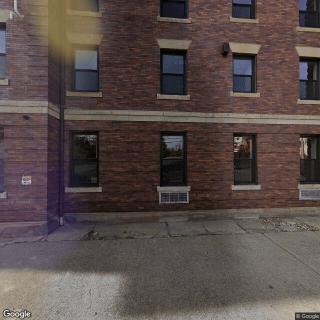




 Exploring the Contrasts Between Assisted Living and Skilled Nursing
 8 Key Indicators That Suggest It May Be Time to Transition from Assisted Living to Skilled Nursing Care
 Vibrant Senior Living: A Comprehensive Guide for Active Older Adults