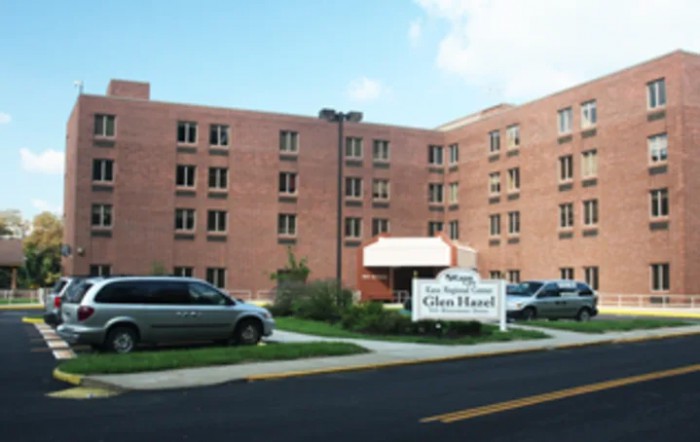
John J Kane Regional Center - Gl in Pittsburgh, PA

Save

John J Kane Regional Center - Gl in Pittsburgh, PA

955 Rivermont Drive, Pittsburgh, PA 15207

For more information about senior living options: (844) 490-3973

3.4 from 55 reviews
5 stars
23
4 stars
8
3 stars
7
2 stars
3
1 stars
14

Skilled Nursing Facility

What level of care are you interested in?

Assisted Living

Memory Care

Independent Living

Skilled Nursing Facility

Continuing Care Retirement Community (CCRC)CCRC

Other


Request a tour at John J Kane Regional Center - Gl

    Overall Review of John J Kane Regional Center - Gl

    Pros

    • pro Georganna, Glen Hazel's social worker, went above and beyond to assist in the transfer and admission, ensuring a safe process.
    • pro The transfer and admission were handled quickly and effectively, described as an amazing experience.
    • pro Glen Hazel staff provide excellent care and welcomed agency nurses.
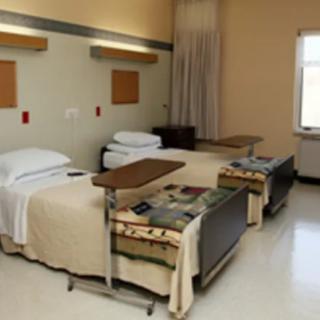
    • pro The facility is very clean and residents are treated with respect.
    • pro The staff are attentive and caring, with detailed updates and responsiveness to input.
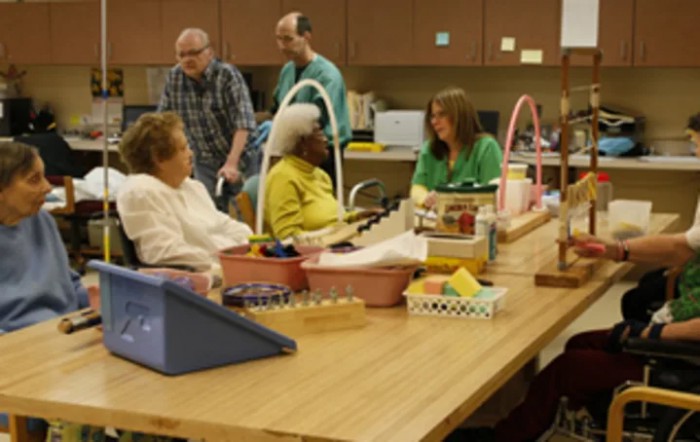
    • pro Kane Regional Center offers comprehensive on-site amenities, including medical facilities, a gym, physical and occupational therapy, and a beauty salon.
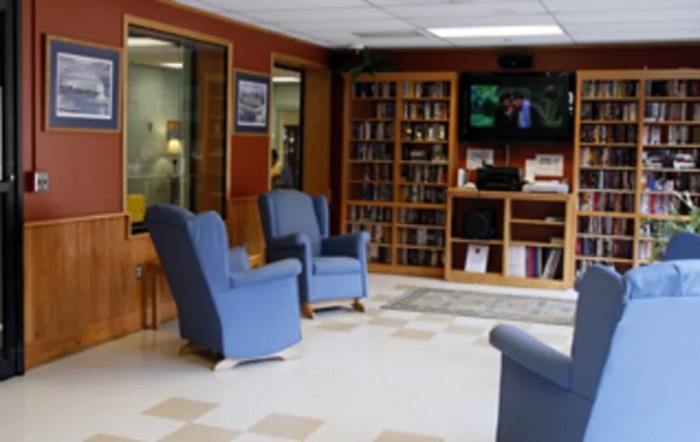
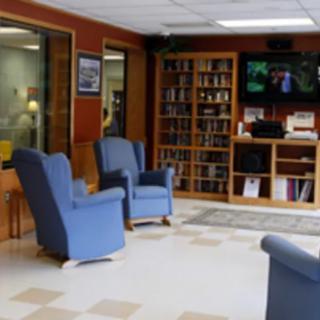
    • pro There are daily activities and multiple recreational areas for residents to enjoy.
    • pro Meals can be customized to residents' likes and dislikes.
    • pro Residents have opportunities to go on biweekly shopping trips, and visits from pets are allowed with a health certificate.
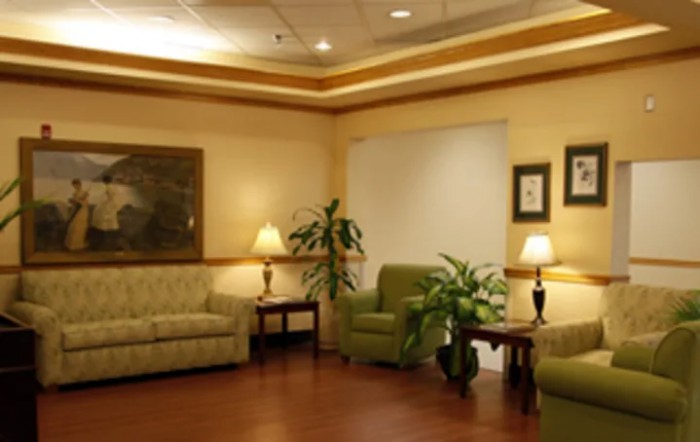
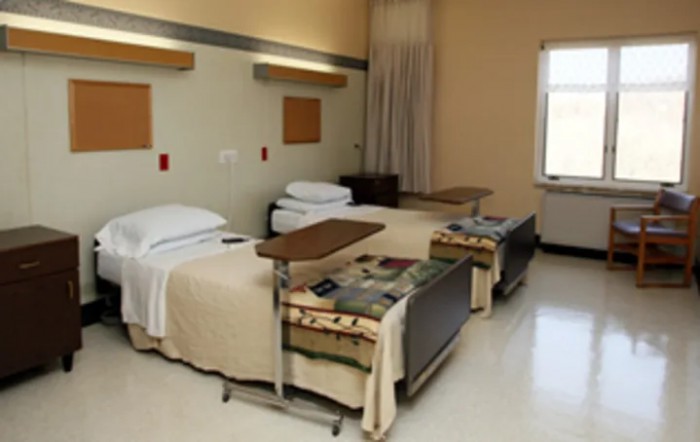
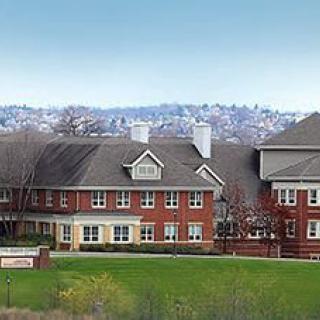
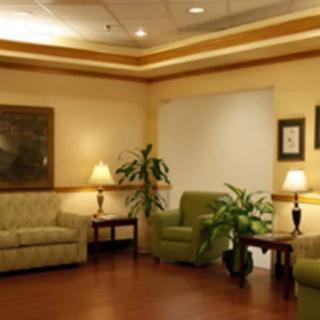
    • pro The lobby and courtyard at John Kane Regional Center are pleasant, and the rooms are kept very clean.

    Cons

    • pro The care was horrible; the patient left with bedsores on his bottom and feet.
    • pro A staff member hit him in the eye, leaving him with a black eye.
    • pro The staff did not care about complaints or concerns.
    • pro This is a terrible place and loved ones should not be left there.
    • pro The RN supervisor Jackie is highly unprofessional.
    • pro The facility is old, understaffed, and has unclean rooms with staff who yell at dementia patients.
    • pro They care only about money and have immunity from liability.

    Review

    This community is best suited for families that need a county-operated, budget-conscious skilled-nursing option with robust on-site medical resources and rehabilitation services. It serves residents who require ongoing nursing care, routine therapy, and ready access to medical equipment and specialists without frequent transitions outside the campus. The setting works best when families are willing to be actively involved, conducting regular visits and demanding clear accountability from leadership and frontline staff. For those who prioritize a consistently positive culture and high staff stability, however, alternatives with stronger reputations for family communication and resident dignity should be explored.

    On the upside, the campus offers a comprehensive medical ecosystem under one roof. Reviews repeatedly note cleanliness and a facility that feels orderly, with on-site gym, therapy services (PT/OT), and a beauty salon that can support mobility and comfort. Several accounts praise certain staff members and departments - most notably a social worker who facilitated a difficult admission with timely communication, and agency nurses who spoke highly of the care they observed. Residents can receive meals tailored to preferences, and the building accommodates various service floors to address dementia or behavioral needs. These structural strengths can reduce hospital transfers and keep skilled-care needs centralized, an important factor for families pressed by complex care requirements.

    Yet the strong advantages are clearly offset by persistent and systemic concerns that recur across multiple reviews. A troubling narrative centers on understaffing and inconsistent supervision, with reports of insufficient reporting, poor handoffs, and a culture that sometimes undervalues front-line workers. Several families recount alarming incidents - bedsores, unexplained injuries, and even alleged mistreatment - that demand rigorous investigation and ongoing oversight. Complaints about leadership behavior, verbal disrespect, and slow or incomplete communication with families further undermine trust. Additional issues cited include outdated facilities on some units, meals described as unappealing, and occasional lapses in basic care routines or privacy protections. Taken together, these themes paint a picture where safety and dignity are not reliably guaranteed.

    The key pros and cons must be weighed carefully through the lens of risk versus benefit. For residents with complex medical needs who require steady access to nursing staff, physical therapy, and medical appointments, the on-site infrastructure can be a compelling asset. It reduces the friction of coordinating care across multiple sites and can shorten response times for urgent needs. However, the concerns about staffing quality, leadership responsiveness, and the potential for neglect or poor treatment experiences cannot be dismissed. In such an environment, even strong clinical offerings may be negated by inconsistent caregiving, miscommunication with families, and episodes that erode residents' dignity.

    To mitigate risk, prospective families should pursue a structured due-diligence plan before committing. Schedule face-to-face meetings with the director of nursing and social work leadership, request recent state survey results, and ask for floor-by-floor tours at varied times of day to observe staffing patterns and call-light responsiveness. Seek candid references from current families, and verify whether the facility has implemented targeted staffing improvements, updated care protocols, and active family-communication practices. Prepare a clear care plan with measurable goals and a documented escalation path for concerns, and insist on timely updates whenever changes occur in a resident's condition or treatment.

    In decision terms, Kane Glen Hazel remains a viable option only for those prepared to insist on rigorous oversight and to remain highly involved. The campus' comprehensive medical footprint is a meaningful asset for residents who can tolerate a potential variability in staff experience and culture. For families prioritizing consistency, transparent communication, and a warm, continuously respectful environment, alternatives - whether other Kane campuses with different leadership or non-profit/private facilities with stronger family-satisfaction histories - are worth pursuing. In short, this community can meet concrete clinical needs, but the overarching care experience hinges on active advocacy, vigilant monitoring, and a readiness to switch paths if safety or dignity falters.

    Features

    Housing

    • 255 resident community capacity 255 resident community capacity

    Types of Care

    • Skilled Nursing Facility Skilled Nursing FacilitySkilled Nursing Facilities are crucial for seniors as they provide round-the-clock medical care, rehabilitation services, and assistance with daily activities. These facilities ensure that seniors receive the specialized care they need to maintain their health and well-being as they age.

    Amenities

    • Air-conditioning Air-conditioningAir conditioning is important for seniors as they are more vulnerable to heat-related illnesses and may have underlying health conditions that make it difficult for them to regulate their body temperature. It helps to keep them comfortable, safe, and healthy in hot weather.
    • Beauty salon Beauty salonBeauty salons are important for seniors because they provide a space for them to feel pampered, socialize, and maintain their personal grooming and hygiene. Regular visits to a beauty salon can help boost seniors' self-esteem and overall well-being.
    • Cable or satellite TV Cable or satellite TVCable or satellite TV is important for seniors because it provides entertainment, news, and companionship, helping to combat loneliness and boredom. It also offers a wide range of programming options tailored to different interests and preferences.
    • Computer center Computer centerA computer center is essential for seniors as it provides access to technology, communication tools, and resources that can enhance their daily lives. It allows them to stay connected with loved ones, engage in online activities, and learn new skills, ultimately promoting socialization and mental stimulation.
    • Dining room Dining roomDining rooms are important for seniors as they provide a space for socialization, connection, and nutritious meals. They offer opportunities for residents to bond over shared meals, foster a sense of community, and promote healthy eating habits. Dining rooms also ensure that seniors have access to well-balanced meals tailored to their dietary needs and preferences.
    • Fitness room Fitness roomHaving a fitness room in a senior living community is essential for seniors to stay active, maintain their physical health, and improve their overall well-being. Regular exercise can help prevent falls, reduce the risk of chronic diseases, and promote mental sharpness. It also provides social opportunities for residents to connect with others and enjoy a sense of community.
    • Fully furnished Fully furnishedFully furnished senior living communities are important for seniors because they provide convenience, comfort, and a hassle-free moving experience. Seniors can easily settle into their new living space without the stress of having to buy and move furniture. This allows them to focus on enjoying their new home and community.
    • Gaming room Gaming roomGaming rooms are important for seniors as they provide a fun and engaging environment for socializing, cognitive stimulation, and physical activity. Games can improve memory, problem-solving skills, and overall mental well-being while fostering friendships and reducing feelings of isolation.
    • Garden GardenGardens are important for seniors as they provide a peaceful and therapeutic environment for relaxation, physical activity, and socialization. Being in nature has been shown to reduce stress, improve mood, and promote overall well-being. Gardens also offer opportunities for seniors to engage in gardening activities, which can improve mobility, flexibility, and cognitive function. Additionally, gardens create a sense of community and connection with others who share a passion for plants and outdoor spaces.
    • Housekeeping services Housekeeping servicesHousekeeping services are important for seniors because they help maintain a clean and safe living environment, promote independence, and reduce the risk of accidents or illnesses. Additionally, having assistance with household chores can alleviate physical strain and allow seniors to focus on other aspects of their well-being.
    • Kitchenette KitchenetteKitchenettes are important for seniors living in senior living communities because they provide the convenience and independence of being able to prepare simple meals and snacks in the comfort of their own living space. This can help promote a sense of autonomy and well-being for seniors, allowing them to maintain some level of control over their dietary choices and daily routines.
    • Move-in coordination Move-in coordinationMove-in coordination is important for seniors because it helps ease the transition into their new living environment. It ensures that all logistics, such as packing, organizing movers, and setting up utilities are taken care of, allowing seniors to focus on settling in and adjusting to their new home. Having a smooth move-in process can alleviate stress and anxiety, making the transition smoother and more enjoyable for seniors.
    • Outdoor space Outdoor spaceOutdoor spaces are important for seniors as they provide opportunities for physical activity, social interaction, exposure to natural light and fresh air, and a sense of connection to nature. Having access to outdoor spaces can improve overall well-being and quality of life for older adults living in senior communities.
    • Private bathrooms Private bathroomsPrivate bathrooms are important for seniors in senior living communities because they provide independence, dignity, and comfort. Having a private bathroom allows seniors to maintain their personal hygiene routines without the need for assistance, promoting a sense of autonomy and privacy. Additionally, private bathrooms help prevent the spread of infections and provide a safe and clean environment for seniors to navigate safely.
    • Restaurant-style dining Restaurant-style diningRestaurant-style dining is important for seniors because it allows them to enjoy delicious, nutritious meals in a social and upscale setting. This enhances their dining experience, promotes healthy eating habits, and fosters socialization with fellow residents, ultimately contributing to their overall well-being and quality of life.
    • Small library Small librarySmall libraries are important for seniors as they provide access to a variety of reading materials, including books, newspapers, and magazines. This can help stimulate their minds, keep them engaged, and provide a sense of community through book clubs and other social activities. Additionally, reading has been shown to improve cognitive function and overall mental well-being in older adults.
    • Telephone TelephoneTelephones are important for seniors as they provide a lifeline for communication with loved ones, emergency services, and healthcare providers. They offer a sense of security and independence, enabling seniors to stay connected and access assistance when needed.
    • Wellness center Wellness centerWellness centers are important for seniors because they offer a variety of programs and services that promote physical, mental, and emotional well-being. These centers provide opportunities for exercise, socialization, education, and relaxation, helping seniors maintain their overall health and quality of life.
    • Wi-Fi/high-speed internet available Wi-Fi/high-speed internet availableWi-Fi/high-speed internet is important for seniors to stay connected with loved ones, access online resources, and participate in virtual activities to combat feelings of loneliness and isolation. It also allows them to easily manage healthcare needs, access entertainment, and engage in lifelong learning opportunities.

    Transportation

    • Pittsburgh International (17 miles away) Pittsburgh International (17 miles away)
    • Community operated transportation Community operated transportationCommunity operated transportation is crucial for seniors as it provides them with the means to access essential services, social activities, and medical appointments. It allows seniors to maintain their independence and quality of life by ensuring they can participate in activities outside of their homes. Additionally, community-operated transportation services offer a safe and reliable way for seniors to travel without having to rely on family or friends for assistance.
    • Transportation arrangement Transportation arrangementTransportation arrangements are crucial for seniors as they may face challenges with driving, mobility, or access to public transportation. Having reliable transportation services ensures that seniors can easily attend appointments, social activities, and maintain their independence and quality of life.
    • Transportation arrangement (non-medical) Transportation arrangement (non-medical)Transportation arrangements are essential for seniors as they provide access to essential services, activities, and social interactions outside the home. This service helps maintain independence, mobility, and overall well-being for seniors who may have limited transportation options.
    • Transportation to doctors appointments Transportation to doctors appointmentsTransportation to doctors appointments is crucial for seniors as it ensures they have access to necessary medical care and support, promoting their health and well-being. It allows them to receive timely treatment, monitor existing conditions, and address any new health concerns efficiently. Additionally, transportation services can help seniors maintain their independence and quality of life by enabling them to stay connected with their healthcare providers.

    Care Services

    • 12-16 hour nursing 12-16 hour nursing12-16 hour nursing care is crucial for seniors in order to ensure around-the-clock monitoring, timely medication administration, and prompt response to any health concerns or emergencies. This level of care helps to promote the overall well-being and safety of seniors living in senior living communities.
    • 24-hour call system 24-hour call system24-hour call systems are important for seniors because they provide peace of mind and immediate assistance in case of emergencies. This technology ensures that help is always available, promoting safety and security for elderly individuals living alone or in assisted living facilities.
    • 24-hour supervision 24-hour supervision24-hour supervision is important for seniors to ensure their safety, well-being, and access to immediate assistance in case of emergencies or health issues. This constant support provides peace of mind for both seniors and their loved ones, allowing them to age in place with dignity and security.
    • Activities of daily living assistance Activities of daily living assistanceActivities of daily living assistance are important for seniors because they provide essential support with tasks such as eating, bathing, dressing, and mobility. This assistance helps seniors maintain their independence, dignity, and overall quality of life as they age.
    • Assistance with bathing Assistance with bathingAssistance with bathing is crucial for seniors as it helps maintain personal hygiene, prevents infections, and ensures their overall well-being and comfort. It also provides a sense of dignity and independence for seniors who may struggle with this task on their own.
    • Assistance with dressing Assistance with dressingAssistance with dressing is important for seniors because it helps maintain their independence, promotes personal hygiene, prevents accidents and injuries, and improves overall quality of life. This service ensures that seniors can continue to dress comfortably and confidently, despite any physical limitations they may have.
    • Assistance with transfers Assistance with transfersAssistance with transfers is crucial for seniors as it helps prevent falls and injuries, maintains their independence, and ensures they can safely navigate their living environment. It also provides peace of mind for both seniors and their loved ones.
    • Diabetes diet Diabetes dietA diabetes diet is crucial for seniors as it helps manage blood sugar levels, reduce risks of complications, and improve overall health and well-being. By following a balanced and nutritious diet tailored to their specific needs, seniors can better control their diabetes and enhance their quality of life.
    • Meal preparation and service Meal preparation and serviceMeal preparation and service are crucial for seniors as they may have limited mobility or energy to cook nutritious meals. Having access to healthy and convenient food options can ensure they are getting the proper nutrition needed to maintain their overall health and well-being.
    • Medication management Medication managementMedication management is crucial for seniors to ensure they are taking the right medications at the correct dosages and times. This helps prevent adverse drug interactions, reduces the risk of medication errors, and promotes overall health and well-being. Proactive management also allows for adjustments as needed based on changing health conditions or new prescriptions.
    • Mental wellness program Mental wellness programMental wellness programs are essential for seniors as they promote cognitive stimulation, emotional support, and social engagement. These programs help prevent isolation, depression, and cognitive decline, ultimately enhancing the overall quality of life for older adults.
    • Special dietary restrictions Special dietary restrictionsSpecial dietary restrictions are important for seniors because age-related changes in metabolism and health conditions can make it difficult for their bodies to process certain foods. By following a diet tailored to their specific needs, seniors can maintain their overall health and well-being, manage chronic conditions, and reduce the risk of complications such as malnutrition or food interactions with medications.

    Dining

    • Diabetes diet Diabetes dietA diabetes diet is crucial for seniors as it helps manage blood sugar levels, reduce risks of complications, and improve overall health and well-being. By following a balanced and nutritious diet tailored to their specific needs, seniors can better control their diabetes and enhance their quality of life.
    • Special dietary restrictions Special dietary restrictionsSpecial dietary restrictions are important for seniors because age-related changes in metabolism and health conditions can make it difficult for their bodies to process certain foods. By following a diet tailored to their specific needs, seniors can maintain their overall health and well-being, manage chronic conditions, and reduce the risk of complications such as malnutrition or food interactions with medications.

    Activities

    • Community-sponsored activities Community-sponsored activitiesCommunity-sponsored activities are important for seniors as they provide opportunities for social interaction, mental stimulation, and physical activity. These activities can help improve overall well-being, combat loneliness and isolation, and promote a sense of belonging and purpose among older adults.
    • Concierge services Concierge servicesConcierge services are essential for seniors as they provide assistance with daily tasks and errands, enhance their quality of life by offering convenience and personalized care, and promote a sense of safety and security.
    • Fitness programs Fitness programsFitness programs are crucial for seniors as they help improve strength, flexibility, balance, and overall well-being. Staying active can reduce the risk of chronic diseases, improve mental health, and enhance quality of life in older adults.
    • Planned day trips Planned day tripsPlanned day trips are important for seniors because they offer opportunities for socialization, mental stimulation, and physical activity. They provide a change of scenery and help seniors stay engaged and connected to their community, promoting overall well-being and quality of life.
    • Resident-run activities Resident-run activitiesResident-run activities are important for seniors as they encourage social interaction, creativity, and a sense of autonomy. These activities empower seniors to stay engaged and active in their community while fostering meaningful connections with their peers.
    • Scheduled daily activities Scheduled daily activitiesScheduled daily activities are important for seniors because they provide structure, socialization, mental stimulation, and physical activity. Engaging in regular activities can improve overall well-being and quality of life for seniors living in a community setting.

    Description

    The John J Kane Regional Center - Gl in Pittsburgh, PA is an assisted living community that offers a wide range of amenities and care services to meet the needs of its residents. The community provides a comfortable and fully furnished living environment with private bathrooms and access to cable or satellite TV and high-speed internet. Residents can enjoy the convenience of having their meals prepared and served in a restaurant-style dining room, with special dietary restrictions accommodated.

    The community also offers various recreational facilities for residents to stay active and engaged. There is a fitness room for exercise, gaming room for entertainment, small library for reading, and outdoor spaces including a garden for relaxation. Daily activities are scheduled, ranging from fitness programs to resident-run activities, ensuring there is something for everyone's interests.

    Residents at John J Kane Regional Center - Gl receive 24-hour supervision and have access to assistance with activities of daily living such as bathing, dressing, transfers, and medication management. The staff also supports residents with diabetes diets and mental wellness programs to promote their overall well-being. Non-medical transportation arrangements are available for both general errands and doctor's appointments.

    Conveniently located near numerous cafes, parks, pharmacies, physicians' offices, restaurants, transportation options, places of worship, theaters, and hospitals; residents have easy access to various amenities outside the community.

    Overall, the John J Kane Regional Center - Gl provides a comprehensive assisted living experience with exceptional care services and a variety of amenities to ensure residents live comfortably while maintaining an active lifestyle.

    Nearby Places of Interest

    Pharmacies

    • CVS Pharmacy (0.6 miles)
    • Walgreens (0.9 miles)
    • Rite Aid (1.5 miles)
    • Rite Aid (2.1 miles)
    • CVS Pharmacy (2.4 miles)
    • CVS Pharmacy (2.5 miles)
    • Rite Aid (2.5 miles)

    Theaters

    • AMC Waterfront 22 (0.6 miles)

    Restaurants

    • Burgatory (0.7 miles)
    • Rock Bottom Restaurant & Brewery (0.8 miles)
    • Duke's Upper Deck Cafe (1 miles)
    • Voodoo Brewery (1.1 miles)
    • Chick-Fil-A (1.2 miles)
    • Page Dairy Mart (1.3 miles)
    • Squirrel Hill Sports Bar (1.5 miles)

    Cafes

    • Starbucks (0.7 miles)
    • Big Dog Coffee (2.3 miles)
    • Panera Bread (2.4 miles)
    • Arriviste Coffee Bar (3.3 miles)
    • Bakery Square (3.5 miles)
    • Parkside Cafe (3.8 miles)
    • Starbucks (3.8 miles)

    Parks

    • Frick Park Blue Slide Playground (1.7 miles)
    • Schenley Park (1.9 miles)
    • Frick Park (2.3 miles)
    • Filmet Park (2.9 miles)
    • Arsenal Park (4.4 miles)
    • Mt Washington Observation Deck (4.4 miles)

    Hospitals

    • Magee-Women's Hospital of UPMC (2.6 miles)
    • Sleep Laboratory at UPMC Montefiore (2.8 miles)
    • University of Pittsburgh Medical Center (2.8 miles)
    • UPMC Presbyterian (2.9 miles)
    • VA Pittsburgh Healthcare System (3.1 miles)
    • Hillman Cancer Center (3.3 miles)
    • UPMC Mercy (3.5 miles)

    Physicians

    • Kaufmann Medical Building (2.7 miles)
    • Plastic and Reconstructive Surgery (2.8 miles)
    • Bellissimo Plastic Surgery & Medi Spa (2.8 miles)
    • Western Psychiatric Institute and Clinic of UPMC (2.9 miles)
    • Aiken Medical Building (3.3 miles)
    • Community Family Practice (4 miles)

    Places of Worship

    • Kingdom Hall Of Jehovahs Witnesses (2.9 miles)
    • First Presbyterian Church of Edgewood (3 miles)
    • Calvary Episcopal Church (3.4 miles)

    Transportation

    • Amtrak - Pittsburgh Station (4.1 miles)
    • Bus Station (4.2 miles)

    Frequently Asked Questions

    Where is John J Kane Regional Center - Gl?
    What photos are available for John J Kane Regional Center - Gl in Pittsburgh, Pennsylvania?

    Nearby Communities

    • Ahava Memory Care Residence

      Ahava Memory Care Residence

      Pittsburgh, PA

       
      $3,440 to $4,128 / month

      pro Comprehensive care options with 24/7 supervision and dementia-focused services.
    • The Residence At Weinberg Village

      The Residence At Weinberg Village

      Pittsburgh, PA

      4.3 from 11 reviews
      $4,377 / month

      pro Comprehensive care options (assisted living, memory care, respite) with professional staff and engaging activities.

    • Comforcare Senior Services,  Allegheny County

      Comforcare Senior Services, Allegheny County

      Pittsburgh, PA


      pro Excellent access to nearby healthcare and amenities.

    • Homestead Apartments

      Homestead Apartments

      Homestead, PA


      pro Extensive nearby amenities and healthcare options.

    • Murray Towers Hi-Rise Management Office

      Murray Towers Hi-Rise Management Office

      Pittsburgh, PA


      pro Excellent access to dining, parks, healthcare, and transit nearby.

    • Munhall Retirement Residence

      Munhall Retirement Residence

      Munhall, PA

      5 from 1 review
      $542 to $5,000 / month

      pro Affordable studio and 1-bedroom pricing compared to county/state averages.

    • Squirrel Hill Wellness And Rehabilitation Center

      Squirrel Hill Wellness And Rehabilitation Center

      Pittsburgh, PA

      2.7 from 104 reviews
       

      pro Attractive facility with some attentive staff (e.g., speech therapy) and a broad range of amenities.

    • Locust Grove

      Locust Grove

      West Mifflin, PA

      4.5 from 101 reviews
      $4,094 to $5,400 / month

      pro Compassionate staff in a welcoming, activity-rich community.

    • Village At Pennwood

      Village At Pennwood

      Pittsburgh, PA

      3 from 2 reviews
       

      pro Clean facility with attentive staff and good family communication.

    Related Resources

    • geriatric care managerIs a Geriatric Care Manager the Right Choice for Your Family?

      Geriatric care managers create personalized care plans for older adults, addressing their medical, social, financial, and psychological needs while coordinating services and advocating for their well-being. They help families navigate caregiving challenges but may be hindered by high costs and a shortage of qualified professionals.

    • what to say to someone who is grievingCompassionate Conversations: How to Comfort Someone Who Is Grieving

      The article highlights the importance of empathy and open communication when comforting someone who is grieving, noting that grief is unique to each individual and emphasizing the need for sincere expressions of condolence, active listening, and ongoing support. It also addresses cultural differences in mourning practices and encourages tailored approaches to provide effective comfort.

    • home care aideHome Health Care Aides: Understanding Their Role and Supporting Your Family
      Home health care aides provide vital medical and non-medical support to individuals at home, assisting with daily living activities and promoting emotional well-being, while the demand for these services increases due to an aging population. Families benefit from in-home care's flexibility and cost-effectiveness but face challenges like scheduling consistency and caregiver turnover.


    Get Pricing Ask A Question Schedule A Tour Contact Senior Advisor