
44 Broad Street, Pittston, PA 18640
For more information about senior living options: (866) 208-4318
Overall Review of Adult Personal Care Home
Pros
 The initial screening process was prompt and thorough.
- The agency sought candidates with temperaments similar to their Mother to ensure the best care.
- The prices were competitive and reasonable.
Cons
 The agency did not return the call to hire the chosen candidate in a timely manner.
Review
This community in Pittston, PA is best suited for families who want a carefully curated staffing approach through an agency, where the emphasis is on matching temperaments and building a caregiving plan that can endure over time. The experience described centers on a screening process that is prompt and thorough, with deliberate effort to pair a caregiver whose temperament aligns with the loved one’s personality and daily rhythms. Prices are consistently framed as competitive and reasonable, which matters to families balancing ongoing care with budget constraints. For families prioritizing a thoughtful, compatible match and willing to invest upfront to secure the right person, this option offers a solid path forward.
Those who may want to consider alternatives include families needing faster placement or more aggressive follow-through on candidate outreach. The primary drawback cited is a delay in communication regarding hiring a chosen candidate. When timeliness is non-negotiable, such as in acute changes in health, or a tight move-in schedule, other agencies or direct-hire arrangements that promise quicker feedback may be more appropriate. Additionally, families seeking highly specialized medical oversight or more hands-on supervision might look beyond a temperament-focused match to ensure immediate access to the exact level of care required.
The key pros, thorough screening, temperament-aligned matching, and competitive pricing, tend to offset the main con only to a point. A well-screened candidate pool reduces the risk of friction between caregiver and recipient, fostering trust, consistency, and fewer disruptive caregiver shifts. That can translate into meaningful daily stability for a loved one and less stress for family decision-makers. However, the value of a careful fit can be overshadowed if the placement process drags, leaving families waiting or worried about coverage. In such cases, the strength of the matching process does not fully compensate for slower communication.
The screening and matching strengths deserve emphasis. When the care plan hinges on a caregiver who can synchronize with routines, preferences, and temperament, the potential for misalignment drops significantly. Families can view this as a practical pathway to long-term compatibility, reducing turnover and the emotional labor of onboarding new caregivers frequently. The pricing being described as competitive further supports a sustainable approach to in-home care, especially for households balancing fixed incomes or varying care needs over time. In practical terms, this means less churn and steadier daily life for the person receiving care.
On the downside, the most palpable weakness is the delayed response regarding hiring decisions. That gap can complicate scheduling, disrupt the initial setup of shifts, and intensify worry during a transition period. For families facing urgent care needs, this is a real constraint that can erode the perceived value of otherwise strong screening and matching. To mitigate, demand a written timeline for candidate outreach, a guaranteed contact window, and a clear escalation path to a supervisor if responses stall. Also consider requesting backup candidates who are pre-screened and ready to move forward, so a delay does not derail the overall plan.
In the end, this Pittston option stands out for families who prize a disciplined, temperament-aware matching process and good value. It is well-suited for caregivers who benefit from a measured, family-oriented approach and can accept a potential trade-off in favor of slower initial placement. For households where speed of hire and unwavering immediacy of communication are paramount, it is prudent to compare other agencies or pursue direct-hire routes, with explicit expectations set in a service agreement. This way, the strongest virtues of careful screening are preserved, while practical safeguards guard against timing pitfalls that can cloud the decision.
 8 resident community capacity
 Assisted Living
 Board and Care Home
 Cable or satellite TV
 Dining room
 Fully furnished
 Garden
 Housekeeping services
 Move-in coordination
 Outdoor space
 Telephone
 Wi-Fi/high-speed internet available
 Wilkes-Barre Scranton International (4 miles away)
 24-hour supervision
 Activities of daily living assistance
 Assistance with bathing
 Assistance with dressing
 Assistance with transfers
 Diabetes diet
 Meal preparation and service
 Medication management
 Special dietary restrictions
 Transportation arrangement (medical)
 Transportation to doctors appointments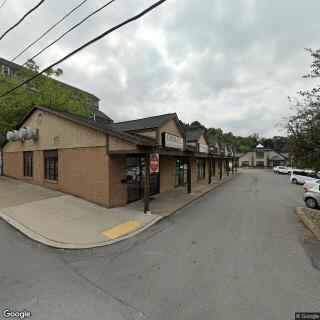





 How and When Medicaid May Cover Assisted Living Costs
 A Detailed Exploration of Assisted Living Medicaid Waivers Across the United States
 Comprehensive Residential Support and Assisted Living Solutions for Individuals with Disabilities