
51 North Main Street, Pittston, PA 18640
For more information about senior living options: (866) 208-4318
Pittston Heavenly Manor Costs & Pricing
Pittston Heavenly Manor offers competitive pricing for its private rooms at $4,125 per month, making it an attractive option within Luzerne County and the broader context of Pennsylvania. When compared to the average cost in Luzerne County, which stands at $5,536 per month for similar accommodations, Pittston Heavenly Manor provides a notable savings of over $1,400. Additionally, when looking at the statewide average of $4,890, the facility remains well below this figure as well. This positioning not only highlights Pittston Heavenly Manor's commitment to affordability but also underscores its value in delivering quality care without compromising on comfort or service.
| Floor plans | Pittston Heavenly Manor | Luzerne County | Pennsylvania |
|---|---|---|---|
| Private | $4,125 | $5,536 | $4,890 |
Assisted Living communities with a similar price nearby
-
from -$780 / mo
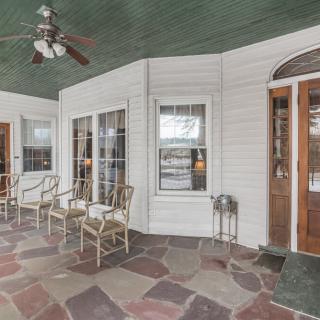
Briarwood Senior Living
$3,345 to $3,945 / month24.3 miles away -
About the same
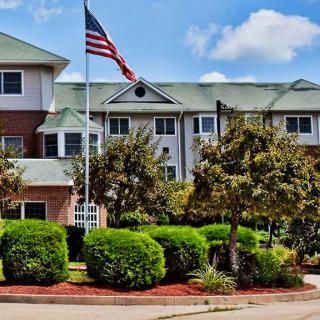
Elan Gardens, Inc.
$4,244 to $4,764 / month13.2 miles away -
from -$345 / mo
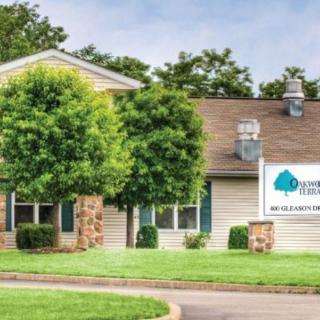
Oakwood Terrace
$3,780 to $6,264 / month5.1 miles away -
from -$629 / mo
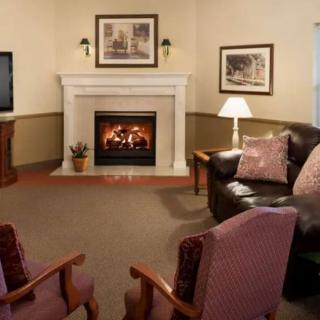
Willowbrook Place
$3,496 to $6,111 / month12.2 miles away -
from -$665 / mo
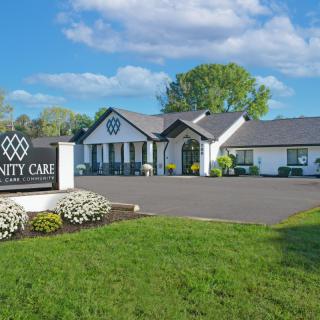
Serenity Care Kingston
$3,460 to $4,800 / month6.2 miles away
Overall Review of Pittston Heavenly Manor
Pros
 It is a great place to live.
- It is amazing.
Cons
 The place is described as deplorable and smelly.
- The staff are accused of stealing from him.
- The father reportedly became emaciated and is on a long recovery with new staff and a new place.
- The facility is terrible to live in.
- Staff allegedly meddled and bothered residents and entered the room despite requests not to.
- A laptop went missing and residents with dementia harassed her; there was no security.
- The building is infested with bed bugs, and the employees including the owner are described as drug addicts, drunks, and pill poppers.
- The reviewer would never recommend the place, calling it a hole in the wall.
Review
Pittston Heavenly Manor is best suited for seniors who place the lowest possible price point ahead of everything else and can tolerate a basic, imperfect living environment. This community may work for truly independent residents who do not require consistent daily assistance and for families unwilling or unable to pay higher rates at more controlled facilities. In practice, cost-driven residents who can overlook odors, maintenance gaps, and sporadic service may find a place here, but the alignment with real care needs is thin and uneven.
Those weighing alternatives should strongly consider options if any level of safety, privacy, or reliable staffing is nonnegotiable. The reviews flag serious red flags that should trigger a longer, more cautious search: reports of persistent odor and cleanliness issues, pest problems, and a troubling sense of insecurity. Allegations about staff behavior, ranging from privacy violations to harassment, plus claims of theft and drug or alcohol involvement among employees, create a pattern that many families will deem unacceptable for anyone who requires consistent supervision or memory care. For residents with dementia or significant medical needs, the questions should tilt toward stability, oversight, and staff training.
The potential positives cited in a minority of experiences, such as statements like “Great place to live” and “Amazing”, indicate that when things click, the environment can feel welcoming and affordable. Those pockets of satisfaction often hinge on personal compatibility with staff and neighbors, and on a relatively low expectation for high-level care. But such positives do not erase the weight of the more frequent, explicit complaints: rooms and common areas described as unclean or poorly maintained, and a sense that basic protections and respectful treatment are not consistently in place. In practical terms, the cost savings come with a risk trade-off: you may pay less upfront, yet endure frequent stress about cleanliness, safety, and privacy.
The central downside, the combination of unreliable security, maintenance lapses, and troubling staff conduct, has to be weighed against any perceived affordability. Several reviews emphasize the absence of solid security and the feeling of personal boundaries being violated, including incidents of doors being pounded and unauthorized access to personal spaces. The mention of bed bugs and pest issues compounds the concern that residents may live in an environment that undermines health and comfort. When a community signals such volatility in staff behavior or accountability, it becomes difficult to justify recommending it for anyone who relies on consistent daily support, privacy, or a respectful living atmosphere.
Before deciding, families should demand specific assurances: current licensing and inspection records, a tour during typical activity hours, and candid conversations with front-line staff and the administrator about day-to-day routines, housekeeping standards, and pest control history. Ask for concrete details on room-by-room security measures, visitor policies, and how privacy is protected when staff must access living spaces. Request recent resident feedback and a plan for addressing complaints, as well as staffing ratios, turnover rates, and training, especially for memory care or fall prevention. Concrete, documentable answers should accompany any decision to move forward.
Bottom line: this community is not an easy fit for families prioritizing reliable care, strong safety, and immaculate conditions. If affordability is the guiding criterion and independence is the chief need, Heavenly Manor may be a workable option, provided the resident and family accept significant risk factors and actively verify every safety and service claim. For most seniors with ongoing assistance requirements, cognitive challenges, or sensitivities to odor, cleanliness, privacy, or staff reliability, broader search or alternatives with documented quality controls and stronger oversight are strongly advised. A deliberate, questions-first approach will prevent choosing a setting that promises savings but delivers ongoing stress and dissatisfaction.
 55 resident community capacity
 Assisted Living
 Air-conditioning
 Beauty salon
 Cable or satellite TV
 Computer center
 Dining room
 Fitness room
 Fully furnished
 Gaming room
 Garden
 Housekeeping services
 Kitchenette
 Move-in coordination
 Outdoor space
 Private bathrooms
 Restaurant-style dining
 Small library
 Telephone
 Wellness center
 Wi-Fi/high-speed internet available
 Wilkes-Barre Scranton International (4 miles away)
 Community operated transportation
 12-16 hour nursing
 24-hour call system
 Activities of daily living assistance
 Assistance with bathing
 Assistance with dressing
 Assistance with transfers
 Diabetes diet
 Medication management
 Mental wellness program
 Special dietary restrictions
 Concierge services
 Planned day trips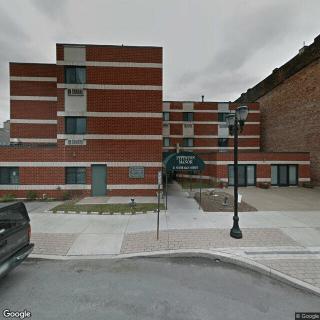


 A Detailed Exploration of Assisted Living Medicaid Waivers Across the United States
 Comprehensive Residential Support and Assisted Living Solutions for Individuals with Disabilities
 Comprehensive Supportive Living Arrangements for Adults with Disabilities