
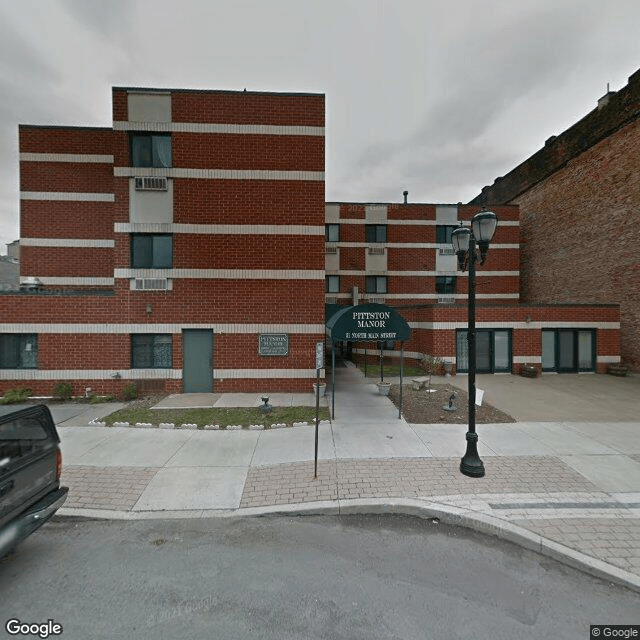
51 N Main St, Pittston, PA 18640
To contact a resident: (570) 851-8055
For more information about senior living options: (866) 208-4318
Pittston's Heavenly Manor Costs & Pricing
Pittston's Heavenly Manor offers remarkably competitive pricing for its accommodations when compared to both Luzerne County and the broader Pennsylvania market. For a semi-private room, residents can expect to pay just $1,100 per month, a significant saving in contrast to the county average of $3,056 and the state average of $3,542. Similarly, those opting for a studio will find the monthly fee of $1,900 quite appealing, especially when comparing it to Luzerne County's average of $3,211 and Pennsylvania's overall average of $3,737. These cost-effective options make Pittston's Heavenly Manor an attractive choice for individuals seeking quality care within a budget-friendly environment while still ensuring comfort and community engagement.
| Floor plans | Pittston's Heavenly Manor | Luzerne County | Pennsylvania |
|---|---|---|---|
| Semi-Private | $1,100 | $3,056 | $3,542 |
| Studio | $1,900 | $3,211 | $3,737 |
Assisted Living communities with a similar price nearby
-
from +$100 / mo
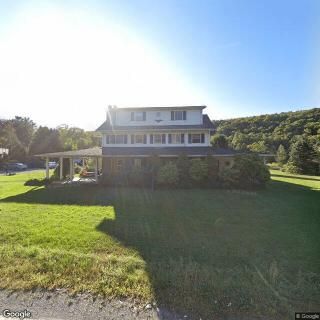
Brookside Personal Care Home
$1,200 / month23.2 miles away
Overall Review of Pittston's Heavenly Manor
Pros
 They describe it as a great place to live and plan to stay for about two more years.
- They find it amazing.
Cons
 They wouldn’t recommend this place, calling it deplorable and smelly.
- They claimed belongings were stolen from a family member there.
- A woman described it as a terrible place to live, with meddling staff and no security.
- They reported harassment by staff, including entering the room without permission, and that residents with dementia harassed them; a laptop went missing.
- They alleged that employees, including the owner, were drug addicts and drunks, and said they would never recommend the place.
- The deluxe room was overpriced, with an extra $400 per month for basic furnishings, and there were no closets in the rooms.
- It was not an option for their aunt.
Review
Heavenly Manor in Pittston is best suited for families and residents who must choose a very low-cost option and can tolerate variable care, questionable cleanliness, and a less-than-ideal environment. This is not a high-trust, high-service setting; price becomes the dominant entry point, and ongoing quality concerns are expected rather than resolved. For anyone who prioritizes affordability above all else and is prepared to stay vigilant about safety, hygiene, and staff conduct, a stay here may be the only practical option in a tight local market. Yet this is not a fit for those who depend on reliable staffing, respectful treatment, or consistently clean, secure quarters. The price advantage does not guarantee a dignified daily life, and that mismatch shows up early in the decision-making process.
Families should weigh alternatives if safety, privacy, and predictable care are non-negotiable. Prospective residents who require steady supervision, clean living conditions, and respectful staff interactions will want to look outside this community. The overall sentiment from reviews points to persistent questions about staffing reliability, intrusion into personal space, and the broader culture inside the facility. When the goal is to protect a loved one’s dignity and daily routines, the risks implied by inconsistent care and governance become decisive factors. In short, if a resident’s needs include secure access, minimal disruption, and a clean, orderly environment, alternative options deserve priority.
From the positive notes, a narrow thread appears: a few residents describe the place as “great” or “amazing,” and a small number indicate they intend to stay long-term. Yet these affirmations are starkly outnumbered by criticism, and they are not strong counterweights to the dominant concerns. The few favorable impressions tend to hinge on price or familiarity rather than measurable quality of care. In practice, the advantageous economics and the potential convenience of location do not translate into a consistently positive daily experience. For families comparing options, the limited upside should not be mistaken for meaningful reliability or a compelling case to overlook pervasive shortcomings.
The core drawbacks are hard to overlook. Reports repeatedly describe foul odors, unclean conditions, and pest issues such as bed bugs, which erode any sense of a comfortable living space. Allegations ranging from theft of belongings to residents with dementia facing harassment, coupled with claims of security gaps and intrusive staff behavior, create a troubling picture of daily life. Multiple accounts speak to staff with indifferent or confrontational attitudes, frequent room intrusions, and a lack of privacy. Management and policy concerns surface too, price negotiations, opaque add-ons, and a structure that seems to tolerate inconsistent service. Taken together, these factors sharply limit the community’s appeal beyond the raw price point.
In weighing whether the pros can offset the cons, the answer is clear: price relief cannot compensate for the risk to safety, dignity, and steady daily living. The small hints of affordability do not counterbalance pervasive operational and behavioral red flags. The most material questions, security, cleanliness, respectful care, and predictable routines, do not have a solid track record here. Families must accept that any savings will come with ongoing headaches, potential loss of personal autonomy, and the emotional toll of frequent problem-solving rather than steady, reliable care. The financial upside evaporates quickly if the resident experiences repeated stress, exposure to pests, or interpersonal conflicts that degrade quality of life.
For families seriously considering this community, a disciplined due-diligence process is non-negotiable. Schedule a comprehensive tour and request current floor plans, room dimensions, and a candid accounting of what is included in the monthly rate versus what carries an extra fee. Probe staffing levels on different shifts, review any recent licensing or inspection reports, and talk directly to current residents about daily routines, privacy, and safety. Compare these findings with nearby facilities that offer stronger reputations for cleanliness, stable staffing, and demonstrably respectful care. If moving forward, insist on clear, written expectations: a transparent price schedule, defined room amenities, and a concrete plan for privacy, security, and care responsiveness. Where outcomes remain uncertain, prioritizing alternatives is the prudent, practical choice.
 Assisted Living
 Activities off-site
 Bath tubs
 Devotional services on-site
 Indoor common areas
 Outdoor common areas
 Respite or short term stays offered
 Wheelchair accessible showers
 Wilkes-Barre Scranton International (4 miles away)
 Ambulatory care
 Diabetic care
 Incontinence care
 Meals provided
 Christian services


 Understanding Medicaid Coverage for Assisted Living: A Comprehensive Guide
 How and When Medicaid May Cover Assisted Living Costs
 A Detailed Exploration of Assisted Living Medicaid Waivers Across the United States