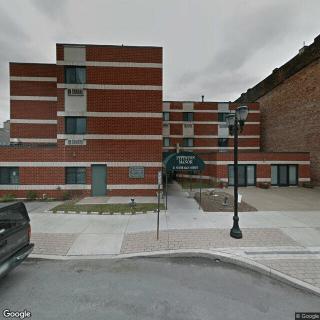
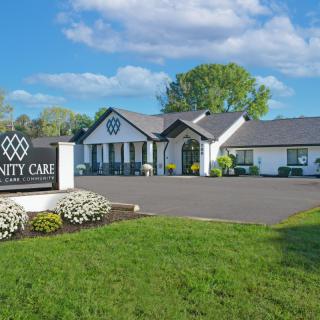
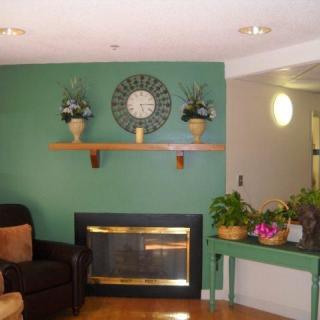
Wesley Village

Save

  • Interior

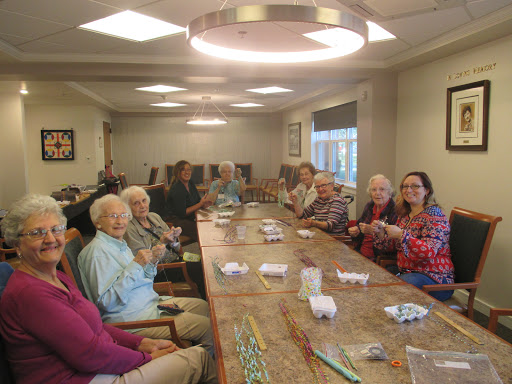
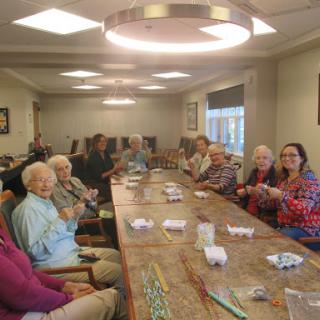
    A group of elderly individuals engaging in a craft activity together at a community center.
  • Trees

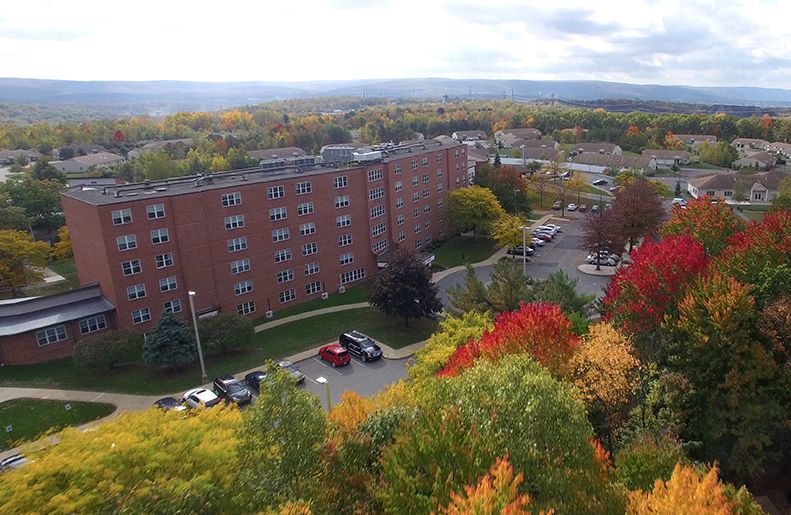
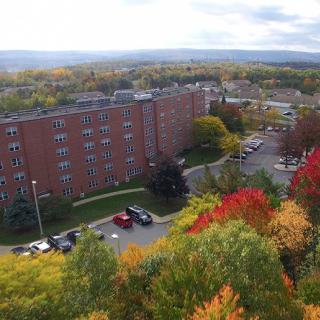
    Aerial view of a campus with vibrant fall foliage surrounding brick buildings.
  • Dining

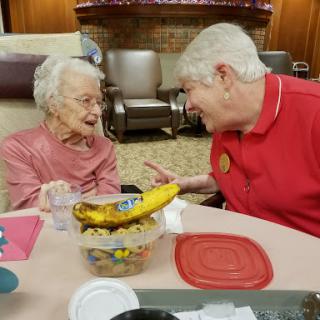
    A joyful moment shared between two elderly friends in a warm setting.
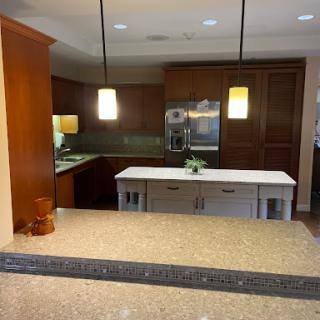
  • Kitchen

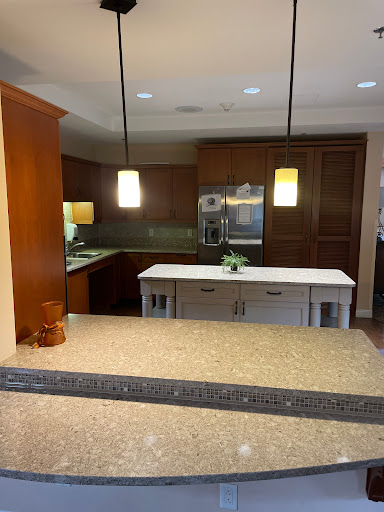
    A modern kitchen featuring wooden cabinets, a granite countertop, and stylish lighting.
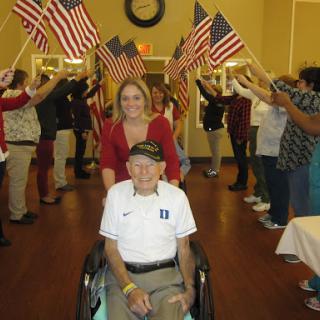
  • Flag

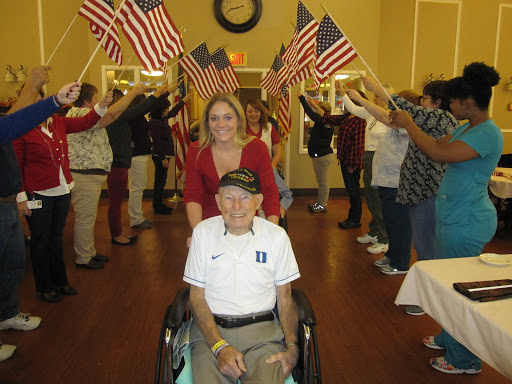
    A heartwarming celebration honoring a veteran, surrounded by community members waving American flags.
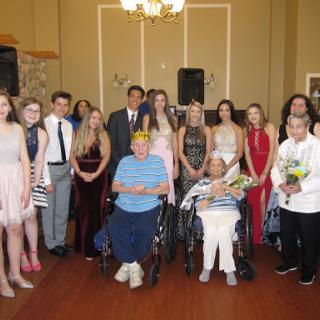
  • Wheelchair

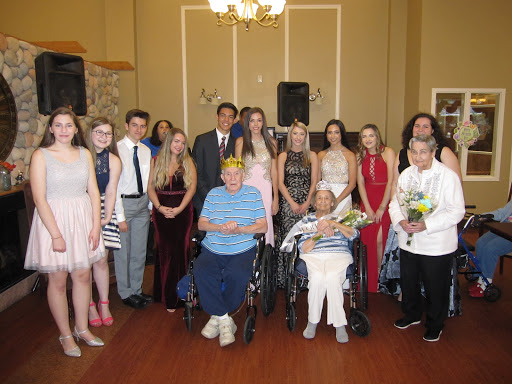
    A memorable group photo taken during a family celebration, featuring individuals in formal attire with two seated in wheelchairs.

Wesley Village

209 Roberts Road, Pittston, PA 18640

For more information about senior living options: (844) 490-3973

3.9 from 72 reviews
5 stars
42
4 stars
12
3 stars
2
2 stars
0
1 stars
16

Assisted Living Continuing Care Retirement Community (CCRC) Independent Living Memory Care Skilled Nursing Facility

What level of care are you interested in?

Assisted Living

Memory Care

Independent Living

Skilled Nursing Facility

Continuing Care Retirement Community (CCRC)CCRC

Other


Request a tour at Wesley Village

    Overall Review of Wesley Village

    Pros

    • pro The staff at UMH treated residents like family and guided them through discharge with exceptional care.
    • pro From admissions to nursing, therapy, social services, dietary and housekeeping, the care was exemplary and produced a positive outcome.
    • pro Wesley Village is a beautiful campus with much to offer its residents.
    • pro The friendliness of the staff and the well-kept, elegant environment leave a strong positive impression.
    • pro The cottages and apartments are spacious, and the campus is well maintained.
    • pro Residents receive excellent care with dignity, and staff keep families informed, making the residence feel like home.
    • pro The rehab team works diligently to help residents reach their personal best through exercises, encouragement, and attentive care.
    • pro Administration is responsive and makes the process smooth for families.
    • pro The facilities are spotless, gorgeous, and equipped with state-of-the-art technology, with staff who are knowledgeable, professional and friendly.

    Cons

    • pro The mother was terribly neglected and abused at Wesley Village.
    • pro She fell three times in as many days, starting on the first night.
    • pro A nurse allegedly pushed her down, causing a hip injury and bruises on the eye socket, hands, arms, and hip.
    • pro A prolonged "body audit" before transfer to the hospital was described as unacceptable.
    • pro The family was repeatedly told she was fine and that the phone was out of order, hindering contact.
    • pro The ER reportedly sent her back without adequate treatment despite trauma concerns.
    • pro Wesley Village was accused of holding her hostage and delaying transfers to trauma care.
    • pro There was a two-day period of distress breathing with no information provided to the family.
    • pro An unnecessary catheter was inserted with blood evident, followed by a urinary tract infection.
    • pro The poster believes elderly abuse occurred and urges authorities to investigate.

    Review

    Wesley Village Campus in Pittston, Pennsylvania has a wide range of stories attached to it, spanning praise for compassionate, professional care and sharp, painful accusations of neglect and abuse. On one hand, there are accounts from someone who spent a month there last year, describing proficient care and individual attention that helped them recover quickly from a serious accident and return home to resume daily life. The rehabilitation facilities and the staff across the organization are portrayed as capable and dedicated, able to address a resident's physical needs so that recovery could proceed smoothly and the person could regain independence as soon as possible.

    But the other side of the picture is equally troubling and explicit. The writer details a mother's experience that was, in their words, "terribly neglected and abused." Over a frightening period starting on the first night, the mother fell three times within as many days. The caller received an 11 PM notification that she had fallen from the bed and hit her head, with assurances that she was "fine," a line that the author found deeply misleading. In the ensuing days, the mother sustained head injuries, followed by a hip injury after an incident described as a nurse pushing her down. The abuse and neglect allegations extend to bruises around the eye socket, arms, and hip, and the author recounts a sense of horror at witnessing suffering that felt like harm done to someone who had spent a lifetime caring for others. The situation grew more distressing as attempts to communicate failed - calls went unreturned, phones appeared to be out of order, and there was a long "body audit" that took more than an hour before her transfer to the hospital was considered. The author felt trapped and says they would have hired a private nurse if they had known the truth, especially while recovering from their own injuries after a car accident.

    The mother's subsequent medical journey reads like a troubling sequence of miscommunications and delayed care. The initial emergency room evaluation reportedly sent her back with minimal treatment, and the writer describes ongoing concern, repeated attempts to reach staff, and transportation hurdles that left them scrambling to get their loved one to proper care. They recount a period when the patient was effectively "held hostage" at Wesley Village, with further distressing notes about the escalation of care needs, the shocking detail of an unnecessary catheter installed with blood present, and a urinary tract infection that did not begin recently. These experiences culminated in weeks of hospitalization with IV antibiotics and fluids, followed by a transfer back home where family members had to provide ongoing care. The account makes a pointed appeal to authorities, noting that abuse of the elderly is illegal and should be addressed by the Department of Aging and local police.

    Identity and affiliation also come into play in the narrative. The campus uses an insignia associated with the Wesleyan Church, but the writer notes that the institution has not been affiliated for a century. They point out there isn't a dove insignia and that the emblem resembles the United Methodist Church, with a location noted at Roberts Road in Pittston. The result is confusion about branding and identity, underscoring a larger issue about how the facility presents itself versus its historic roots and current affiliations.

    When the church's response is included, it emphasizes that the United Methodist Church is not a direct parent organization of Wesley Village. The response explains that some conferences ended ties with hospitals and senior care centers they helped found long ago, and that oversight does not rest with the annual conference. The suggested course of action is to contact the on-site chaplain and the executive director first; if concerns remain unresolved, then reach out to the corporate office in Binghamton. The message also signals that the denomination's reach to influence care directly is limited since these homes were founded by conferences rather than by the denomination itself.

    Beyond these contrasting narratives, other voices contribute to a much more uniformly positive picture. A recent hospital stay and ICU experience for a family member led to praise for Wesley Village Rehab in Pittston, with staff described as treating the patient like family throughout the discharge process. The campus comes across as beautiful and well maintained, with spacious cottages and an inviting atmosphere. Tour experiences are described as consistently favorable, and many note the staff's courteous, friendly, and professional conduct across departments - from admissions and nursing to therapy, social services, dietary, activities, and housekeeping. Several reviewers emphasize that they would choose Wesley Village for their loved ones and that the facility's amenities and environment strongly support a sense of safety and well-being.

    Several residents' family members share heartfelt gratitude for the rehabilitative care they received after strokes or other serious health events. The rehabilitation team - physical, speech, and occupational therapy - are repeatedly highlighted for their diligence, encouragement, and careful attention to safety and personal well-being. Families describe the administration as accessible and supportive, making the process feel smooth and understandable during stressful times. One community member even recalls a personal, intimate moment - the staff offering a PB&J when a loved one would not eat - an example of the small acts of kindness that left a lasting impression. A sense of belonging and family emerges in these accounts, with stories of long-term care considerations, transparent communication with families, and a shared commitment to residents' dignity and comfort.

    In sum, the campus is portrayed as a place of contrasts. For some families, Wesley Village stands out as an exceptionally caring and well-run environment offering comprehensive rehab services, welcoming staff, a thoughtful and aesthetically pleasing setting, and a strong sense of community. For others, the same address carries painful memories of neglect, perceived mistreatment, and a troubling mismatch between the care delivered and the assurances given. The collection of anecdotes - ranging from harrowing accounts of miscommunication and delayed care to glowing testimonies of professional excellence and genuine compassion - highlights both the real strengths of Wesley Village and the urgent need for ongoing oversight, transparency, and accountability to ensure every resident receives safe, respectful, and dignified care.

    Features

    Housing

    • 157 resident community capacity 157 resident community capacity

    Types of Care

    • Assisted Living Assisted LivingAssisted living facilities provide crucial support and care for seniors who may need help with daily tasks such as medication management, bathing, and meal preparation. These communities offer a safe and comfortable environment where seniors can maintain their independence while receiving the assistance they need to thrive in their golden years.
    • Continuing Care Retirement Community (CCRC) Continuing Care Retirement Community (CCRC)Continuing Care Retirement Communities (CCRCs) are important for seniors because they provide a range of housing options and care services all in one location. This allows seniors to age in place and receive the level of care they need as their health changes, without having to move to a new facility. CCRCs provide a sense of security and peace of mind for seniors and their families, knowing that they will be taken care of no matter what the future holds.
    • Independent Living Independent LivingIndependent living communities are important for seniors because they offer a safe and supportive environment where older adults can live independently while still having access to amenities and services that enhance their quality of life. These communities provide social opportunities, recreational activities, and assistance with daily tasks, promoting overall well-being and allowing seniors to maintain their independence for as long as possible.
    • Memory Care Memory CareMemory care is crucial for seniors as it provides specialized support and services for individuals with dementia or Alzheimer's disease. These programs offer a safe and secure environment where residents receive personalized care, cognitive stimulation, and help with daily activities. Memory care helps seniors maintain their independence, quality of life, and dignity while also providing peace of mind for their families.
    • Skilled Nursing Facility Skilled Nursing FacilitySkilled Nursing Facilities are crucial for seniors as they provide round-the-clock medical care, rehabilitation services, and assistance with daily activities. These facilities ensure that seniors receive the specialized care they need to maintain their health and well-being as they age.

    Amenities

    • Air-conditioning Air-conditioningAir conditioning is important for seniors as they are more vulnerable to heat-related illnesses and may have underlying health conditions that make it difficult for them to regulate their body temperature. It helps to keep them comfortable, safe, and healthy in hot weather.
    • Beauty salon Beauty salonBeauty salons are important for seniors because they provide a space for them to feel pampered, socialize, and maintain their personal grooming and hygiene. Regular visits to a beauty salon can help boost seniors' self-esteem and overall well-being.
    • Cable or satellite TV Cable or satellite TVCable or satellite TV is important for seniors because it provides entertainment, news, and companionship, helping to combat loneliness and boredom. It also offers a wide range of programming options tailored to different interests and preferences.
    • Computer center Computer centerA computer center is essential for seniors as it provides access to technology, communication tools, and resources that can enhance their daily lives. It allows them to stay connected with loved ones, engage in online activities, and learn new skills, ultimately promoting socialization and mental stimulation.
    • Fitness room Fitness roomHaving a fitness room in a senior living community is essential for seniors to stay active, maintain their physical health, and improve their overall well-being. Regular exercise can help prevent falls, reduce the risk of chronic diseases, and promote mental sharpness. It also provides social opportunities for residents to connect with others and enjoy a sense of community.
    • Fully furnished Fully furnishedFully furnished senior living communities are important for seniors because they provide convenience, comfort, and a hassle-free moving experience. Seniors can easily settle into their new living space without the stress of having to buy and move furniture. This allows them to focus on enjoying their new home and community.
    • Gaming room Gaming roomGaming rooms are important for seniors as they provide a fun and engaging environment for socializing, cognitive stimulation, and physical activity. Games can improve memory, problem-solving skills, and overall mental well-being while fostering friendships and reducing feelings of isolation.
    • Garden GardenGardens are important for seniors as they provide a peaceful and therapeutic environment for relaxation, physical activity, and socialization. Being in nature has been shown to reduce stress, improve mood, and promote overall well-being. Gardens also offer opportunities for seniors to engage in gardening activities, which can improve mobility, flexibility, and cognitive function. Additionally, gardens create a sense of community and connection with others who share a passion for plants and outdoor spaces.
    • Housekeeping services Housekeeping servicesHousekeeping services are important for seniors because they help maintain a clean and safe living environment, promote independence, and reduce the risk of accidents or illnesses. Additionally, having assistance with household chores can alleviate physical strain and allow seniors to focus on other aspects of their well-being.
    • Kitchenette KitchenetteKitchenettes are important for seniors living in senior living communities because they provide the convenience and independence of being able to prepare simple meals and snacks in the comfort of their own living space. This can help promote a sense of autonomy and well-being for seniors, allowing them to maintain some level of control over their dietary choices and daily routines.
    • Move-in coordination Move-in coordinationMove-in coordination is important for seniors because it helps ease the transition into their new living environment. It ensures that all logistics, such as packing, organizing movers, and setting up utilities are taken care of, allowing seniors to focus on settling in and adjusting to their new home. Having a smooth move-in process can alleviate stress and anxiety, making the transition smoother and more enjoyable for seniors.
    • Outdoor space Outdoor spaceOutdoor spaces are important for seniors as they provide opportunities for physical activity, social interaction, exposure to natural light and fresh air, and a sense of connection to nature. Having access to outdoor spaces can improve overall well-being and quality of life for older adults living in senior communities.
    • Private bathrooms Private bathroomsPrivate bathrooms are important for seniors in senior living communities because they provide independence, dignity, and comfort. Having a private bathroom allows seniors to maintain their personal hygiene routines without the need for assistance, promoting a sense of autonomy and privacy. Additionally, private bathrooms help prevent the spread of infections and provide a safe and clean environment for seniors to navigate safely.
    • Restaurant-style dining Restaurant-style diningRestaurant-style dining is important for seniors because it allows them to enjoy delicious, nutritious meals in a social and upscale setting. This enhances their dining experience, promotes healthy eating habits, and fosters socialization with fellow residents, ultimately contributing to their overall well-being and quality of life.
    • Small library Small librarySmall libraries are important for seniors as they provide access to a variety of reading materials, including books, newspapers, and magazines. This can help stimulate their minds, keep them engaged, and provide a sense of community through book clubs and other social activities. Additionally, reading has been shown to improve cognitive function and overall mental well-being in older adults.
    • Telephone TelephoneTelephones are important for seniors as they provide a lifeline for communication with loved ones, emergency services, and healthcare providers. They offer a sense of security and independence, enabling seniors to stay connected and access assistance when needed.
    • Wellness center Wellness centerWellness centers are important for seniors because they offer a variety of programs and services that promote physical, mental, and emotional well-being. These centers provide opportunities for exercise, socialization, education, and relaxation, helping seniors maintain their overall health and quality of life.
    • Wi-Fi/high-speed internet available Wi-Fi/high-speed internet availableWi-Fi/high-speed internet is important for seniors to stay connected with loved ones, access online resources, and participate in virtual activities to combat feelings of loneliness and isolation. It also allows them to easily manage healthcare needs, access entertainment, and engage in lifelong learning opportunities.

    Transportation

    • Wilkes-Barre Scranton International (6 miles away) Wilkes-Barre Scranton International (6 miles away)
    • Community operated transportation Community operated transportationCommunity operated transportation is crucial for seniors as it provides them with the means to access essential services, social activities, and medical appointments. It allows seniors to maintain their independence and quality of life by ensuring they can participate in activities outside of their homes. Additionally, community-operated transportation services offer a safe and reliable way for seniors to travel without having to rely on family or friends for assistance.
    • Transportation arrangement Transportation arrangementTransportation arrangements are crucial for seniors as they may face challenges with driving, mobility, or access to public transportation. Having reliable transportation services ensures that seniors can easily attend appointments, social activities, and maintain their independence and quality of life.
    • Transportation arrangement (non-medical) Transportation arrangement (non-medical)Transportation arrangements are essential for seniors as they provide access to essential services, activities, and social interactions outside the home. This service helps maintain independence, mobility, and overall well-being for seniors who may have limited transportation options.

    Care Services

    • 24-hour call system 24-hour call system24-hour call systems are important for seniors because they provide peace of mind and immediate assistance in case of emergencies. This technology ensures that help is always available, promoting safety and security for elderly individuals living alone or in assisted living facilities.
    • 24-hour supervision 24-hour supervision24-hour supervision is important for seniors to ensure their safety, well-being, and access to immediate assistance in case of emergencies or health issues. This constant support provides peace of mind for both seniors and their loved ones, allowing them to age in place with dignity and security.
    • Activities of daily living assistance Activities of daily living assistanceActivities of daily living assistance are important for seniors because they provide essential support with tasks such as eating, bathing, dressing, and mobility. This assistance helps seniors maintain their independence, dignity, and overall quality of life as they age.
    • Assistance with bathing Assistance with bathingAssistance with bathing is crucial for seniors as it helps maintain personal hygiene, prevents infections, and ensures their overall well-being and comfort. It also provides a sense of dignity and independence for seniors who may struggle with this task on their own.
    • Assistance with dressing Assistance with dressingAssistance with dressing is important for seniors because it helps maintain their independence, promotes personal hygiene, prevents accidents and injuries, and improves overall quality of life. This service ensures that seniors can continue to dress comfortably and confidently, despite any physical limitations they may have.
    • Assistance with transfers Assistance with transfersAssistance with transfers is crucial for seniors as it helps prevent falls and injuries, maintains their independence, and ensures they can safely navigate their living environment. It also provides peace of mind for both seniors and their loved ones.
    • Diabetes diet Diabetes dietA diabetes diet is crucial for seniors as it helps manage blood sugar levels, reduce risks of complications, and improve overall health and well-being. By following a balanced and nutritious diet tailored to their specific needs, seniors can better control their diabetes and enhance their quality of life.
    • Meal preparation and service Meal preparation and serviceMeal preparation and service are crucial for seniors as they may have limited mobility or energy to cook nutritious meals. Having access to healthy and convenient food options can ensure they are getting the proper nutrition needed to maintain their overall health and well-being.
    • Medication management Medication managementMedication management is crucial for seniors to ensure they are taking the right medications at the correct dosages and times. This helps prevent adverse drug interactions, reduces the risk of medication errors, and promotes overall health and well-being. Proactive management also allows for adjustments as needed based on changing health conditions or new prescriptions.
    • Special dietary restrictions Special dietary restrictionsSpecial dietary restrictions are important for seniors because age-related changes in metabolism and health conditions can make it difficult for their bodies to process certain foods. By following a diet tailored to their specific needs, seniors can maintain their overall health and well-being, manage chronic conditions, and reduce the risk of complications such as malnutrition or food interactions with medications.

    Dining

    • Diabetes diet Diabetes dietA diabetes diet is crucial for seniors as it helps manage blood sugar levels, reduce risks of complications, and improve overall health and well-being. By following a balanced and nutritious diet tailored to their specific needs, seniors can better control their diabetes and enhance their quality of life.
    • Special dietary restrictions Special dietary restrictionsSpecial dietary restrictions are important for seniors because age-related changes in metabolism and health conditions can make it difficult for their bodies to process certain foods. By following a diet tailored to their specific needs, seniors can maintain their overall health and well-being, manage chronic conditions, and reduce the risk of complications such as malnutrition or food interactions with medications.

    Activities

    • Community-sponsored activities Community-sponsored activitiesCommunity-sponsored activities are important for seniors as they provide opportunities for social interaction, mental stimulation, and physical activity. These activities can help improve overall well-being, combat loneliness and isolation, and promote a sense of belonging and purpose among older adults.
    • Concierge services Concierge servicesConcierge services are essential for seniors as they provide assistance with daily tasks and errands, enhance their quality of life by offering convenience and personalized care, and promote a sense of safety and security.
    • Fitness programs Fitness programsFitness programs are crucial for seniors as they help improve strength, flexibility, balance, and overall well-being. Staying active can reduce the risk of chronic diseases, improve mental health, and enhance quality of life in older adults.
    • Planned day trips Planned day tripsPlanned day trips are important for seniors because they offer opportunities for socialization, mental stimulation, and physical activity. They provide a change of scenery and help seniors stay engaged and connected to their community, promoting overall well-being and quality of life.
    • Resident-run activities Resident-run activitiesResident-run activities are important for seniors as they encourage social interaction, creativity, and a sense of autonomy. These activities empower seniors to stay engaged and active in their community while fostering meaningful connections with their peers.
    • Scheduled daily activities Scheduled daily activitiesScheduled daily activities are important for seniors because they provide structure, socialization, mental stimulation, and physical activity. Engaging in regular activities can improve overall well-being and quality of life for seniors living in a community setting.

    Description

    Wesley Village in Pittston, PA is a premier assisted living community that offers a range of care services to meet the individual needs of its residents. With options such as Continuing Care Retirement Community (CCRC), Independent Living, Memory Care, and Skilled Nursing Facility, Wesley Village provides a continuum of care ensuring residents can age in place and receive the appropriate level of assistance as their needs change.

    The community is packed with amenities to enhance the quality of life for its residents. From a beauty salon to keep them looking their best to a fully furnished living space offering comfort and convenience, Wesley Village leaves no stone unturned. Residents can stay connected with cable or satellite TV, Wi-Fi/high-speed internet, and telephone services. Transportation is made easy with community-operated transportation and transportation arrangement services.

    For those who enjoy staying active and fit, there is a fitness room and wellness center available. The gaming room provides opportunities for social interaction and entertainment, while the small library caters to bookworms looking for some quiet time. The on-site restaurant-style dining serves delicious meals with special dietary restrictions taken into consideration.

    Care services at Wesley Village are comprehensive and include 24-hour supervision, assistance with activities of daily living such as bathing, dressing, transfers, medication management, and diabetes diet management. The dedicated staff ensures that residents receive the support they need while maintaining their independence.

    Wesley Village prioritizes social engagement and offers a wide range of activities for residents to enjoy. From planned day trips to concierge services that cater to individual interests or preferences, there is always something exciting happening at Wesley Village. Resident-run activities allow residents to take charge of their own entertainment while scheduled daily activities provide structured events that promote socialization.

    Located close to several cafes, parks, pharmacies, physicians' offices, restaurants, places of worship, and hospitals in the area; Wesley Village ensures convenient access to necessary amenities outside the community.

    Overall, Wesley Village offers a vibrant and inclusive assisted living community where residents can age gracefully, receiving the care they need in a comfortable and supportive environment.

    Videos

    Nearby Places of Interest

    Restaurants

    • Susquehanna Brewing Company (0.8 miles)
    • Italian Club (1.5 miles)
    • Valenti's Restaurant (1.8 miles)
    • Ruth's Chris Steak House (1.8 miles)
    • McDonald's (2 miles)
    • Tomato Bar and Bistro (2.2 miles)
    • Agolino's Char-Grill Restaurant (2.4 miles)

    Places of Worship

    • St Maria Goretti Church (1.1 miles)
    • Luzerne United Methodist Church (4 miles)

    Pharmacies

    • Discount Med Direct (1.6 miles)
    • CVS Pharmacy (1.9 miles)
    • CVS Pharmacy (2.1 miles)
    • CVS Pharmacy (2.1 miles)
    • Rite Aid (2.5 miles)
    • Rite Aid (2.8 miles)
    • Advanced Pharmacy Services (2.9 miles)

    Physicians

    • Renal Consultants-Wyoming Valley (1.6 miles)
    • Pittston Medical Center (1.8 miles)
    • Bucci Laser Vision (2.3 miles)
    • Comprehensive Pain Management Specialists (2.5 miles)
    • Coordinated Health (2.5 miles)
    • Allied Services John Heinz (2.5 miles)
    • Plastic & Reconstructive Surgeons (2.6 miles)

    Cafes

    • Bistro On Hudson (1.9 miles)
    • Panera Bread (4 miles)
    • Starbucks (4.5 miles)

    Parks

    • Luzerne County Recreational Complex (2.6 miles)

    Hospitals

    • Geisinger East entrance (2.7 miles)
    • Janet Weis Children's Hospital At Geisinger Wyoming Valley (2.7 miles)
    • Geisinger Hospital (2.7 miles)
    • Geisinger Health System (2.8 miles)
    • VA Medical Center (3.4 miles)
    • General Hospital (3.6 miles)
    • Center For Same Day Surgery (3.8 miles)

    Frequently Asked Questions

    Where is Wesley Village?
    Does Wesley Village provide care for residents with dementia or Alzheimer's disease?
    What photos are available for Wesley Village in Pittston, Pennsylvania?

    Nearby Communities

    Related Resources

    • list of drugs linked to dementiaMedications Associated with Dementia Risk: A Comprehensive Overview

      The article examines the link between certain medications and increased dementia risk, particularly in older adults, emphasizing that long-term or high-dose use of anticholinergics, benzodiazepines, and other drug classes can exacerbate cognitive impairment. It calls for careful medication evaluation and shared decision-making to mitigate these risks while managing treatment efficacy.

    • power of attorney for elderly parentGuiding Your Journey: Understanding Power of Attorney for Elderly Parents

      The article emphasizes the significance of establishing a power of attorney for elderly parents to enable an agent to make decisions on their behalf regarding health and finances, especially during cognitive or physical decline. It outlines various types of power of attorney, the importance of consulting legal professionals, and the responsibilities and challenges faced by agents, while also discussing alternatives and common misconceptions.

    • caregiver support group22 Remarkable Caregiver Support Groups Available Online and In-Person
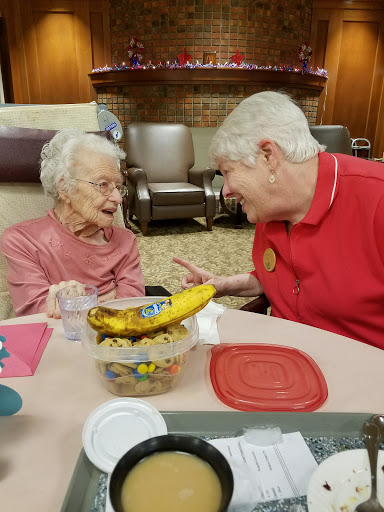
      Caregiver support groups are crucial for providing emotional and practical assistance to those caring for loved ones, offering resources, coping strategies, and a sense of community through various organizations and platforms. These groups help alleviate isolation and burnout while addressing the unique challenges faced by caregivers of individuals with specific conditions.


    Get Pricing Ask A Question Schedule A Tour Contact Senior Advisor