Senior Helpers - Philadelphia, PA

Save
Senior Helpers - Philadelphia,  PA Senior Helpers - Philadelphia,  PA Senior Helpers - Philadelphia,  PA

Senior Helpers - Philadelphia, PA

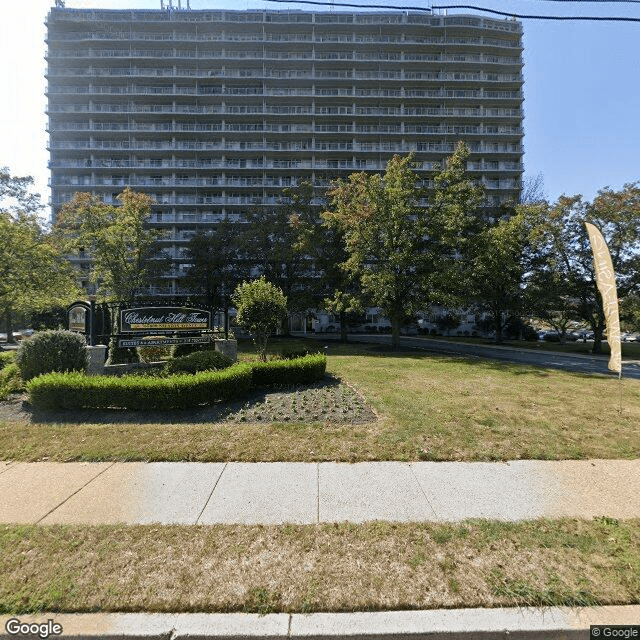
Chestnut Hill Towers 7600 Stenton Avenue Suite 1B, Philadelphia, PA 19118

For more information about senior living options: (844) 490-3973

3.1 from 7 reviews
5 stars
3
4 stars
1
3 stars
0
2 stars
0
1 stars
3

Senior Helpers - Philadelphia, PA Costs & Pricing

At Senior Helpers in Philadelphia, PA, the monthly cost for private room accommodations is $2,800. This figure represents a significant savings when compared to the average costs within both Philadelphia County and the broader state of Pennsylvania, where prices stand at $4,448 and $4,890, respectively. By choosing Senior Helpers, families can benefit from a more affordable option while still ensuring quality care for their loved ones. This competitive pricing highlights Senior Helpers' commitment to providing accessible and personalized care solutions tailored to meet the needs of seniors in the Philadelphia area.

Floor plansSenior Helpers - Philadelphia, PAPhiladelphia CountyPennsylvania
Private$2,800$4,448$4,890

What level of care are you interested in?

Assisted Living

Memory Care

Independent Living

Skilled Nursing Facility

Continuing Care Retirement Community (CCRC)CCRC

Other


Request a tour at Senior Helpers - Philadelphia, PA

    Overall Review of Senior Helpers - Philadelphia, PA

    Pros

    • pro The company self-promotes a compassionate concern for the elderly.
    • pro The reviewer commits to always paying what is legitimately owed.
    • pro The reviewer urges others to review their credit reports.
    • pro The reviewer seeks mature and honest resolutions to disputes.

    Cons

    • pro The company reported an unpaid bill to all credit bureaus, harming the customer's credit for 7+ years.
    • pro The company lacks ethical and professional standards, despite presenting a compassionate image.
    • pro The staff arrived late and delivered unacceptable partial service.
    • pro The company billed for excessive service hours that never existed or were performed.
    • pro Management failed to offer a mature, professional resolution after the error was brought to their attention.
    • pro The company persisted with the erroneous bill and used it punitively by reporting it across credit bureaus.
    • pro The reviewer warns others to stay away to avoid victimization.

    Review

    The author of this account begins with a striking admission about how they view themselves in this whole situation: they call themselves a ZERO. This self-description frames the rest of the narrative, underscoring a feeling of being small, overlooked, and dismissed in a system that was supposed to support vulnerable adults. What follows reads not like a casual complaint, but a sustained lament about a company that presents itself as compassionate toward the elderly while delivering anything but that care in practice. The writer wants to be clear from the outset: they did what they always insist is wise and responsible - pay what is owed and seek an honest, mature resolution to legitimate disputes. What they encountered instead was the opposite in every meaningful sense.

    The core grievance begins with a specific, concrete harm: an outstanding bill of $67 that this company allegedly reported to all credit bureaus. The writer emphasizes that this was not a debt they refused to acknowledge; rather, it was a bill they contend was erroneous. They insist they typically settle what they owe and would have no reason to dispute such a small amount if the service had been delivered properly. The troubling escalation here is not the dispute itself but the way the company escalated it by placing the charge on credit reports, thereby turning a minor billing issue into a long-term financial stain. The impact, they insist, extends far beyond a single line item; it drags along a credit history for seven years or more, with potential consequences that ripple through their financial life.

    Another thread in the account centers on expectations set by a respectable, community-oriented model of service. The company positions itself as a benevolent, compassionate actor in the ecosystem of elder care, gaining work through referrals from a local senior center. This positioning creates a dissonance for the writer: the service they received did not live up to the public persona of kindness and reliability. The staff that arrived to provide assistance did so late and delivered only partial service that the writer found unacceptable. The writer notes that they could have raised concerns or filed complaints about the service quality, but chose instead to disengage and avoid future work with them. The crucial point is that even after deciding not to use the company again, the negative experience did not stay contained within a one-off incident; it culminated in deceitful billing that misrepresented what had actually occurred.

    The narrative then crescendos into a more troubling accusation: the company charged for excessive service hours that, in the writer's view, did not even exist. This is not framed as a misunderstanding but as a deliberate overbilling that compounds the earlier problem. The writer reports that they attempted to address this issue by informing management and seeking a professional resolution, only to be met with indifference and a lack of accountability. The sense of betrayal deepens as the writer describes management not only failing to correct the error but continuing to perpetuate it. The situation then escalates into punitive action: by reporting THEIR wrong bill to credit bureaus, the company weaponizes a clerical mistake as a long-lasting financial penalty against the writer.

    Throughout these episodes, the tone remains one of disillusionment with an organization that claims a moral compass but acts in ways that undermine basic ethical and professional standards. The writer casts the company's conduct as a stark contrast to what one might expect from a business that claims to serve the elderly with care and integrity. The charges are described not merely as an annoyance but as a fundamental breach of trust, a betrayal that corrupts both the relationship with the client and the community's faith in a referral network built on goodwill. The use of credit reporting as a weapon against a client who disputes a bill - especially someone who is elderly or otherwise vulnerable - adds a layer of severity that the writer finds especially troubling.

    As the narrative closes, the writer refuses to soften the verdict. They label the company as engaging in practices that are "far removed from any ethical and professional standard," a phrase chosen to starkly mark the distance between aspirational values and actual behavior. The implication is clear: this is a cautionary tale not just about a single billing error, but about a systemic pattern of poor oversight, dubious billing practices, and a punitive approach to customer complaints. The writer's final exhortation is a warning to others: stay away. The appeal is as much a call to protect fellow seniors as it is a reflection of personal harm - the ongoing stigma of a damaged credit score, the eroded trust in service providers, and the emotional toll of feeling unheard and misled.

    In sum, the account blends a personal grievance with a broader critique of how a company can misalign its professed mission with its everyday practices. It pivots on a few core experiences: a late, subpar service visit; a billing dispute that should have been resolvable with honesty and transparency; and a retaliatory use of credit reporting that casts a long shadow over the writer's financial life. The overarching message is blunt and unambiguous: the company's conduct, as described here, is unacceptable, inconsistent with its claimed compassionate identity, and something to be avoided by anyone who values fairness, accountability, and the protection of credit integrity.

    Features

    Transportation

    • Philadelphia International (14 miles away) Philadelphia International (14 miles away)

    • Trenton-Mercer County (24 miles away) Trenton-Mercer County (24 miles away)

    Description

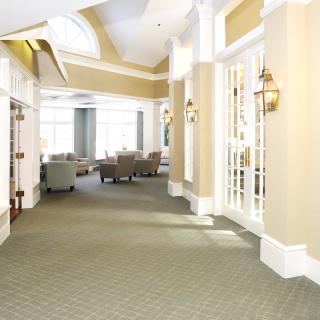
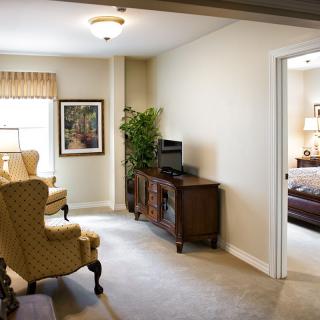
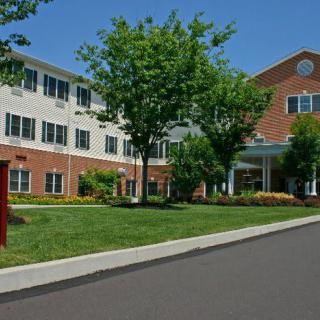
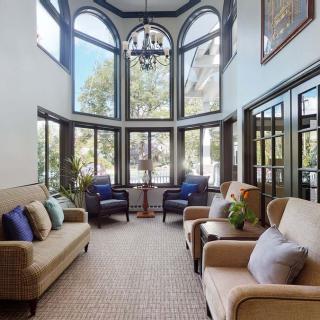
    Senior Helpers is an assisted living community located in the bustling city of Philadelphia, PA. Our community is dedicated to providing exceptional care and support for seniors in a comfortable and nurturing environment.

    Conveniently situated near various amenities, residents at Senior Helpers have easy access to a range of services. With five cafes located nearby, our residents can enjoy coffee or a bite to eat in a cozy and inviting setting. Additionally, there are 13 pharmacies in close proximity, ensuring that residents have convenient access to necessary medications and healthcare products.

    When it comes to healthcare, Senior Helpers believes in prioritizing the well-being of our residents. With two physicians nearby, residents can feel confident knowing that they have access to quality medical care whenever it is needed. Furthermore, our community is located within reach of four hospitals, offering peace of mind for both residents and their families.

    At Senior Helpers, we understand the importance of socialization and dining experiences for our residents' well-being. With five restaurants located nearby, our residents can enjoy delicious meals and socialize with friends and family members in vibrant settings.

    Transportation is made easy for our residents with three transportation options available nearby. Whether it's visiting local attractions or attending medical appointments, our staff ensures that every resident has the means to travel comfortably and safely.

    With such convenient amenities and services nearby, Senior Helpers provides a supportive living experience that promotes independence and enhances quality of life for seniors in Philadelphia.

    Nearby Places of Interest

    This part of Philadelphia, Pennsylvania, offers a convenient and accessible location with a variety of amenities to cater to senior living. There are several pharmacies located within a few miles, making it easy to access medications and healthcare supplies. Public transportation options such as Stenton Station and SEPTA Jenkintown-Wyncote Station provide access to nearby hospitals like Chestnut Hill Emergency Room and Albert Einstein Employee Health Center. Additionally, there are numerous dining options ranging from fast food to sit-down restaurants, as well as cafes for socializing or enjoying a cup of coffee. For entertainment, there is the AMC Plymouth Meeting Mall 12 theater nearby, and several parks for outdoor recreation including Fairmount Park and Champion Park Playground. Overall, this area provides a balanced mix of convenience, healthcare facilities, dining options, and recreational activities for seniors looking to settle in a bustling yet comfortable neighborhood in Philadelphia.

    Pharmacies

    • CVS Pharmacy (0.6 miles)
    • Walgreens (1.6 miles)
    • Rite Aid (1.7 miles)
    • CVS Pharmacy (2 miles)
    • Walgreens (2.4 miles)
    • CVS Pharmacy (2.6 miles)
    • Rite Aid (2.7 miles)

    Transportation

    • Stenton Station (1.1 miles)
    • SEPTA Jenkintown-Wyncote Station (3.1 miles)
    • Septa Wayne Junction Station (3.9 miles)
    • Ambler Station (5.8 miles)

    Hospitals

    • Chestnut Hill Emergency Room (1.3 miles)
    • Albert Einstein Employee Health Center (3.5 miles)
    • Abington Hospital, Widener Building (4.8 miles)
    • Abington Memorial Hospital (4.8 miles)
    • Temple University Hospital (5.2 miles)
    • Fox Chase Cancer Center (5.3 miles)
    • St Christopher's Hospital for Children (5.8 miles)

    Restaurants

    • Chick-Fil-A (1.9 miles)
    • McDonald's (2.1 miles)
    • McDonald's (2.7 miles)
    • Dalessandro's Steaks (3.2 miles)
    • Custard & Cakes Creamery (3.6 miles)
    • Pizza Hut (5.4 miles)
    • Miller's Ale House (5.7 miles)

    Cafes

    • Starbucks (3.1 miles)
    • Pilgrim Roasters (3.8 miles)
    • The Landing Kitchen (4.2 miles)
    • Panera Bread (4.6 miles)
    • Starbucks (4.7 miles)
    • Starbucks (5.2 miles)
    • Starbucks (5.3 miles)

    Physicians

    • Simms Hank Md Albert Einstein Medical Center Philadelphia (3.5 miles)
    • Mid Atlantic Retina (4.9 miles)
    • AMS Cardiology (6.5 miles)
    • Frankford Avenue Health Center (6.9 miles)

    Theaters

    • AMC Plymouth Meeting Mall 12 (5.5 miles)

    Parks

    • Fairmount Park (6 miles)
    • Champion Park Playground (6.5 miles)
    • Womrath Park (6.9 miles)
    • Homested Park (7.3 miles)
    • Palmer Doggie Depot (7.4 miles)
    • Palmer Park Farmers Market (7.5 miles)
    • Piazza Dog Park (7.9 miles)

    Frequently Asked Questions

    How much does it cost to live at Senior Helpers - Philadelphia, PA in Philadelphia, PA?
    Where is Senior Helpers - Philadelphia, PA?
    What photos are available for Senior Helpers - Philadelphia, PA in Philadelphia, Pennsylvania?

    Nearby Communities

    Related Resources

    • palliative care vs hospiceUnderstanding the Nuances of Palliative Care and Hospice: A Comprehensive Exploration

      Palliative care focuses on alleviating distress at any stage of a serious illness and can accompany curative treatments, while hospice care is for those nearing the end of life with a prognosis of six months or less, emphasizing comfort over curative measures. Both prioritize holistic care for patients and families but differ in timing, goals, and scope.

    • fecal incontinenceFecal Incontinence in Older Adults: A Comprehensive Guide
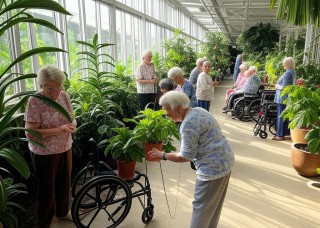
      Fecal incontinence, prevalent among older adults, arises from factors like weakened pelvic muscles and nerve damage, significantly affecting well-being and social interactions. Diagnosis involves clinical evaluation and tests to inform tailored treatments, while caregivers and preventive measures can aid in managing the condition effectively.

    • gardening for seniorsNurturing Well-Being Through Gardening: A Detailed Guide for Senior Enthusiasts
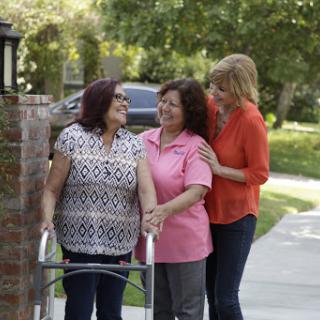
      Gardening provides seniors with physical exercise, mental and emotional support, and social interaction opportunities, while accommodating their needs through raised beds and ergonomic tools. It promotes health benefits like improved dexterity and cardiovascular health, encourages sustainable practices, and allows for manageable upkeep with low-maintenance plants.


    Get Pricing Ask A Question Schedule A Tour Contact Senior Advisor