Liberty Center For Rehabilitation And Nursing

Save

Liberty Center For Rehabilitation And Nursing

7310 Stenton Avenue, Philadelphia, PA 19150

For more information about senior living options: (844) 490-3973

3.8 from 100 reviews
5 stars
61
4 stars
10
3 stars
1
2 stars
3
1 stars
25

Skilled Nursing Facility

Liberty Center For Rehabilitation And Nursing Costs & Pricing

Liberty Center For Rehabilitation and Nursing offers a private room at a monthly rate of $5,954, which is notably higher than both Philadelphia County's average cost of $4,448 and the state average for Pennsylvania at $4,890. This pricing reflects the facility's commitment to providing specialized care and personalized services that may not be available in other facilities within the region. While the costs are elevated compared to local and state averages, they may be indicative of enhanced amenities, quality of care, or tailored rehabilitation services that cater to the unique needs of its residents. Prospective residents and their families should weigh these factors carefully against their budgetary considerations when exploring care options.

Floor plansLiberty Center For Rehabilitation And NursingPhiladelphia CountyPennsylvania
Private$5,954$4,448$4,890

Overall Review of Liberty Center For Rehabilitation And Nursing

Pros

  • pro Liberty Center for Rehabilitation and Nursing is an awesome facility, with welcoming staff and incredible administration.
  • pro The Rehab department is phenomenal and helps residents regain mobility quickly.
  • pro The entire Liberty Center team is caring, attentive, and truly dedicated to residents.
  • pro Liberty Pointe Rehabilitation and Healthcare Center is described as a sanctuary of healing and compassion, led by Meir and Jacqui who foster warmth, accountability, and personal care.
  • pro The environment at Liberty Pointe is clean, welcoming, and cheerful, with recreation, dietary, security, maintenance, and housekeeping staff delivering warmth and professionalism.

Cons

  • pro The reviewer claimed their mother was being treated with no empathy or compassion by the staff.
  • pro They alleged a nurse was extremely rude, did not listen to concerns, and hung up on them.
  • pro They stated there was no management staff available on weekends.
  • pro They claimed the dietary staff served beef to someone who cannot digest red meat, suggesting retaliation.
  • pro They described unsafe and unsanitary conditions, including delays in medication administration, dirty cups, and unsanitary laundry practices, plus a male resident entering their room at night.
  • pro They concluded they would never send a loved one there and believed the facility should be shut down.

Review

Across the mix of reviews there is a clear through-line: Liberty Center and Liberty Pointe Rehabilitation and Nursing are places where the experience of care can be powerful, personal, and deeply meaningful, but the quality and tone of that care feel inconsistent from one person to the next. Several families describe tours and introductions that dramatically eased a difficult transition - from hospital to rehabilitation or long-term care - and they credit those first moments with setting a tone of warmth, familiarity, and confidence. "The tour of the building and meeting the people who would be caring for my uncle" helped his family feel that the move would be manageable, and for many residents the staff's initial warmth continued to color their stay in a positive way. In these accounts, the transition itself becomes a doorway to trust, with staff described as welcoming and able to put anxious relatives at ease as they witnessed the care in action.

The more consistently positive threads focus on the general caliber of staff and the sense that there is real competence across the facilities. The Liberty Center reviews repeatedly praise "great staff and great employees" and label the facility as an outstanding environment for rehabilitation and nursing. Administrators frequently emerge as a standout feature: several reviewers call the administration "incredible" and the leadership as a driver of a culture that emphasizes patient progress, professional care, and accessible communication. The rehabilitation and therapy teams are highlighted for their expertise and impact. Words like "phenomenal" and "absolutely amazing" recur when describing therapists who help patients regain mobility and confidence, with anecdotes of patients going from wheelchair to walking in a matter of weeks. In short, many families feel the therapy department is a powerful engine for recovery, supported by a team that stays present, encouraging, and goal-focused.

Alongside admiration for clinical excellence, several reviews emphasize the human elements of care - the daily touchpoints that shape every resident's experience. There is a common motif of compassionate, attentive staff who treat residents with dignity and kindness, and who respond promptly to call bells and questions. Some families talk about a daily atmosphere of warmth and hospitality, with the recreation and dietary teams contributing to a cheerful, resident-centered environment. The overarching sentiment is that, when leadership and frontline staff align around patient well-being, the setting feels like a place where people are truly seen and respected. The cleanliness and general ambiance - bright, welcoming, and well-maintained - also come up in multiple accounts as reinforcing the sense of safety and comfort for residents and their families alike.

One extended tribute stands out for its depth and specificity. A review from Liberty Pointe lauds Meir, the Administrator, for creating a culture that blends warmth with accountability and deeply personal care. The writer emphasizes Meir's open-door policy and rapid responsiveness, arguing that his leadership cascades through the entire staff to produce consistently coordinated and compassionate care. Jacqui, the Director of Nursing, receives similar praise for clinical acumen, attentiveness, and the ability to reassure families with clear, actionable updates rather than vague assurances. The therapy team is singled out again for tangible progress and a patient-centered approach, while the facility's environment - clean, cheerful, and staffed by people who show genuine care - receives high marks. Taken together, the message is that Liberty Pointe can embody the best of what a rehabilitation and nursing center aspires to be when leadership models the right values and the team executes with consistency.

But the same collection of reviews also contains stark, cautionary notes that cannot be ignored. A family member of a current patient at Liberty Pointe describes a troubling experience marked by a lack of empathy and responsiveness: the patient, a newly diagnosed cancer patient with leg involvement, experiences pain during movement and feels that her distress is being ignored. The reviewer describes a nurse as rude and unhelpful, with a communication breakdown that escalates to the point of the caller hanging up in frustration. The emotional weight of this account is clear - the family member signals intent to pursue legal avenues and notes that no management personnel were available on weekends. This sits in sharp contrast to the more glowing testimonials and underscores how quickly perceptions can shift when pain management, empathy, and timely communication fail to meet expectations.

Another review threads the needle between praise and concern with a personal reminiscence of a positive stay - about a nurse named Abe and the staff's kindness - but it sits amid broader complaints about safety and quality of life. The writer reflects on a generally favorable impression of the staff and the learning experience "to move forward," yet this sentiment sits next to a more troubling account of systemic problems in another patient's experience. The juxtaposition highlights a truth often reported in care settings: individual moments of warmth and competence can coexist with more troubling, systemic issues that affect safety, trust, and the overall perception of the facility.

The most troubling, explicit critique comes from a comprehensive, narrative-driven post that describes a sequence of hazardous and distressing events. It recounts a patient's surgery-related meals, mislabeled food that caused digestion problems, and a persistent pattern of delays in medication administration and unsanitary conditions. The reviewer describes being served beef despite lactose intolerance and a documented dietary restriction, accusations of retaliation after reporting concerns, and a home-like fear generated by a lack of privacy and unsafe situations with other residents. Additional details describe broken trust around contaminated or poorly prepared meals, multiple shower scheduling concerns, and laundry practices that cross-contaminate. A sense of vulnerability and danger pervades the account, culminating in a blunt verdict: the facility should be shut down for the safety and dignity of its residents.

Taken together, these observations portray a complex landscape. When Liberty Center and Liberty Pointe are at their best, families celebrate administrators and clinicians who lead with compassion, maintain open channels of communication, deliver robust therapy, and foster environments that feel clean, supportive, and respectful. In those moments, the care feels holistic - addressing physical rehabilitation while also honoring emotional and social well-being. In other moments, families raise concerns about pain management, safety, dietary accuracy, sanitation, and respectful treatment, with enough specificity to suggest systemic gaps that could endanger residents or erode trust. The contrast is instructive: the difference between a place that feels like a true sanctuary of healing and one where fear or frustration can overshadow the potential for recovery.

For anyone weighing Liberty Center or Liberty Pointe for a loved one, these reviews collectively suggest the importance of due diligence and direct engagement. Tour early and meet the teams; ask about pain management protocols, fall and safety procedures, and how leadership responds to concerns after hours. Seek out recent family experiences, and, when possible, speak with multiple staff members in therapy, nursing, and administration to understand how decisions are made and how families are kept informed. The stories reflect both the best and the most challenging realities of long-term care and rehabilitation: with the right leadership, dedicated clinicians, and a culture of accountability, care can be deeply meaningful and effective; with gaps in empathy, communication, or safety, the experience can deteriorate quickly and leave lasting trauma for families and residents alike.

Features

Housing

  • 94 resident community capacity 94 resident community capacity

Types of Care

  • Skilled Nursing Facility Skilled Nursing FacilitySkilled Nursing Facilities are crucial for seniors as they provide round-the-clock medical care, rehabilitation services, and assistance with daily activities. These facilities ensure that seniors receive the specialized care they need to maintain their health and well-being as they age.

Amenities

  • Air-conditioning Air-conditioningAir conditioning is important for seniors as they are more vulnerable to heat-related illnesses and may have underlying health conditions that make it difficult for them to regulate their body temperature. It helps to keep them comfortable, safe, and healthy in hot weather.
  • Beauty salon Beauty salonBeauty salons are important for seniors because they provide a space for them to feel pampered, socialize, and maintain their personal grooming and hygiene. Regular visits to a beauty salon can help boost seniors' self-esteem and overall well-being.
  • Cable or satellite TV Cable or satellite TVCable or satellite TV is important for seniors because it provides entertainment, news, and companionship, helping to combat loneliness and boredom. It also offers a wide range of programming options tailored to different interests and preferences.
  • Computer center Computer centerA computer center is essential for seniors as it provides access to technology, communication tools, and resources that can enhance their daily lives. It allows them to stay connected with loved ones, engage in online activities, and learn new skills, ultimately promoting socialization and mental stimulation.
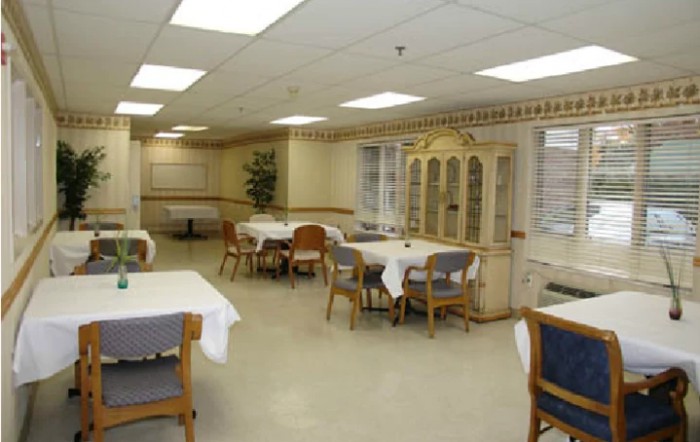
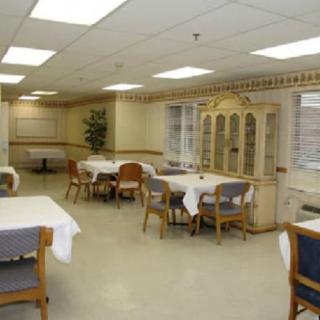
  • Dining room Dining roomDining rooms are important for seniors as they provide a space for socialization, connection, and nutritious meals. They offer opportunities for residents to bond over shared meals, foster a sense of community, and promote healthy eating habits. Dining rooms also ensure that seniors have access to well-balanced meals tailored to their dietary needs and preferences.
  • Fitness room Fitness roomHaving a fitness room in a senior living community is essential for seniors to stay active, maintain their physical health, and improve their overall well-being. Regular exercise can help prevent falls, reduce the risk of chronic diseases, and promote mental sharpness. It also provides social opportunities for residents to connect with others and enjoy a sense of community.
  • Fully furnished Fully furnishedFully furnished senior living communities are important for seniors because they provide convenience, comfort, and a hassle-free moving experience. Seniors can easily settle into their new living space without the stress of having to buy and move furniture. This allows them to focus on enjoying their new home and community.
  • Gaming room Gaming roomGaming rooms are important for seniors as they provide a fun and engaging environment for socializing, cognitive stimulation, and physical activity. Games can improve memory, problem-solving skills, and overall mental well-being while fostering friendships and reducing feelings of isolation.
  • Garden GardenGardens are important for seniors as they provide a peaceful and therapeutic environment for relaxation, physical activity, and socialization. Being in nature has been shown to reduce stress, improve mood, and promote overall well-being. Gardens also offer opportunities for seniors to engage in gardening activities, which can improve mobility, flexibility, and cognitive function. Additionally, gardens create a sense of community and connection with others who share a passion for plants and outdoor spaces.
  • Housekeeping services Housekeeping servicesHousekeeping services are important for seniors because they help maintain a clean and safe living environment, promote independence, and reduce the risk of accidents or illnesses. Additionally, having assistance with household chores can alleviate physical strain and allow seniors to focus on other aspects of their well-being.
  • Kitchenette KitchenetteKitchenettes are important for seniors living in senior living communities because they provide the convenience and independence of being able to prepare simple meals and snacks in the comfort of their own living space. This can help promote a sense of autonomy and well-being for seniors, allowing them to maintain some level of control over their dietary choices and daily routines.
  • Move-in coordination Move-in coordinationMove-in coordination is important for seniors because it helps ease the transition into their new living environment. It ensures that all logistics, such as packing, organizing movers, and setting up utilities are taken care of, allowing seniors to focus on settling in and adjusting to their new home. Having a smooth move-in process can alleviate stress and anxiety, making the transition smoother and more enjoyable for seniors.
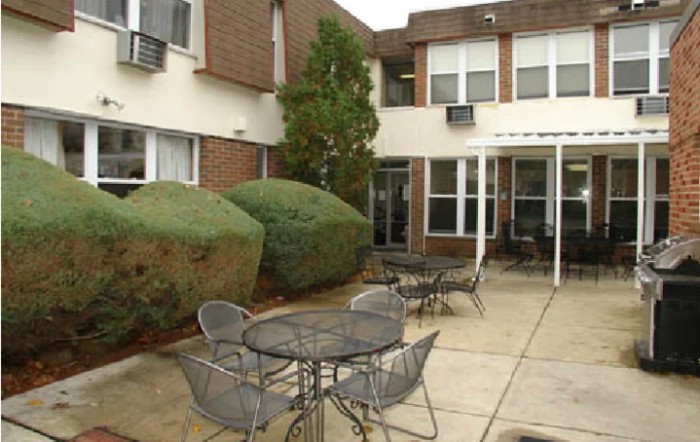
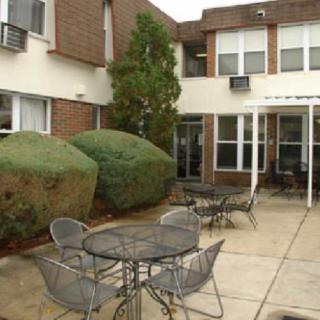
  • Outdoor space Outdoor spaceOutdoor spaces are important for seniors as they provide opportunities for physical activity, social interaction, exposure to natural light and fresh air, and a sense of connection to nature. Having access to outdoor spaces can improve overall well-being and quality of life for older adults living in senior communities.
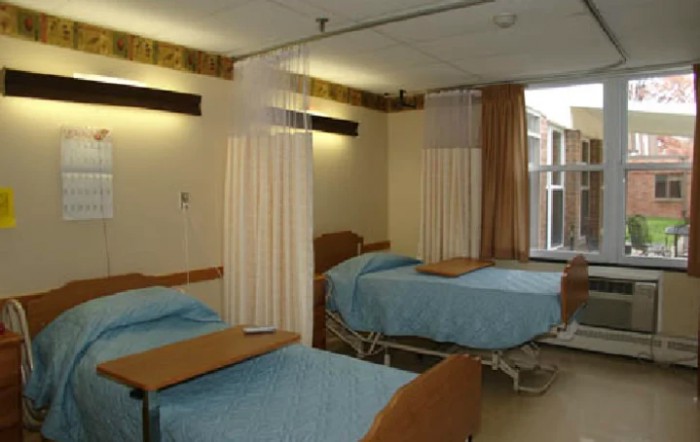
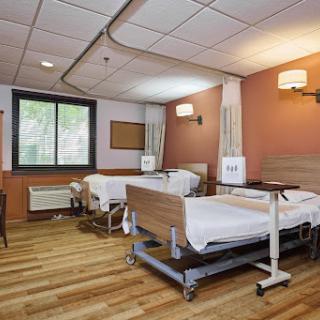
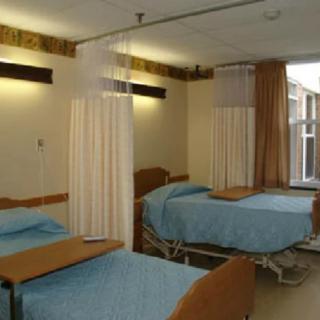
  • Private PrivatePrivacy is important for seniors as it allows them to maintain their independence, dignity, and sense of control over their own lives. It also gives them the space and freedom to relax, reflect, and engage in activities that bring them joy and fulfillment. Creating private spaces within senior living facilities is crucial for promoting overall well-being and quality of life.
  • Private bathrooms Private bathroomsPrivate bathrooms are important for seniors in senior living communities because they provide independence, dignity, and comfort. Having a private bathroom allows seniors to maintain their personal hygiene routines without the need for assistance, promoting a sense of autonomy and privacy. Additionally, private bathrooms help prevent the spread of infections and provide a safe and clean environment for seniors to navigate safely.
  • Restaurant-style dining Restaurant-style diningRestaurant-style dining is important for seniors because it allows them to enjoy delicious, nutritious meals in a social and upscale setting. This enhances their dining experience, promotes healthy eating habits, and fosters socialization with fellow residents, ultimately contributing to their overall well-being and quality of life.
  • Small library Small librarySmall libraries are important for seniors as they provide access to a variety of reading materials, including books, newspapers, and magazines. This can help stimulate their minds, keep them engaged, and provide a sense of community through book clubs and other social activities. Additionally, reading has been shown to improve cognitive function and overall mental well-being in older adults.
  • Telephone TelephoneTelephones are important for seniors as they provide a lifeline for communication with loved ones, emergency services, and healthcare providers. They offer a sense of security and independence, enabling seniors to stay connected and access assistance when needed.
  • Wellness center Wellness centerWellness centers are important for seniors because they offer a variety of programs and services that promote physical, mental, and emotional well-being. These centers provide opportunities for exercise, socialization, education, and relaxation, helping seniors maintain their overall health and quality of life.
  • Wi-Fi/high-speed internet available Wi-Fi/high-speed internet availableWi-Fi/high-speed internet is important for seniors to stay connected with loved ones, access online resources, and participate in virtual activities to combat feelings of loneliness and isolation. It also allows them to easily manage healthcare needs, access entertainment, and engage in lifelong learning opportunities.

Transportation

  • Philadelphia International (14 miles away) Philadelphia International (14 miles away)
  • Trenton-Mercer County (24 miles away) Trenton-Mercer County (24 miles away)
  • Community operated transportation Community operated transportationCommunity operated transportation is crucial for seniors as it provides them with the means to access essential services, social activities, and medical appointments. It allows seniors to maintain their independence and quality of life by ensuring they can participate in activities outside of their homes. Additionally, community-operated transportation services offer a safe and reliable way for seniors to travel without having to rely on family or friends for assistance.
  • Transportation arrangement Transportation arrangementTransportation arrangements are crucial for seniors as they may face challenges with driving, mobility, or access to public transportation. Having reliable transportation services ensures that seniors can easily attend appointments, social activities, and maintain their independence and quality of life.
  • Transportation arrangement (non-medical) Transportation arrangement (non-medical)Transportation arrangements are essential for seniors as they provide access to essential services, activities, and social interactions outside the home. This service helps maintain independence, mobility, and overall well-being for seniors who may have limited transportation options.
  • Transportation to doctors appointments Transportation to doctors appointmentsTransportation to doctors appointments is crucial for seniors as it ensures they have access to necessary medical care and support, promoting their health and well-being. It allows them to receive timely treatment, monitor existing conditions, and address any new health concerns efficiently. Additionally, transportation services can help seniors maintain their independence and quality of life by enabling them to stay connected with their healthcare providers.

Care Services

  • 12-16 hour nursing 12-16 hour nursing12-16 hour nursing care is crucial for seniors in order to ensure around-the-clock monitoring, timely medication administration, and prompt response to any health concerns or emergencies. This level of care helps to promote the overall well-being and safety of seniors living in senior living communities.
  • 24-hour call system 24-hour call system24-hour call systems are important for seniors because they provide peace of mind and immediate assistance in case of emergencies. This technology ensures that help is always available, promoting safety and security for elderly individuals living alone or in assisted living facilities.
  • 24-hour supervision 24-hour supervision24-hour supervision is important for seniors to ensure their safety, well-being, and access to immediate assistance in case of emergencies or health issues. This constant support provides peace of mind for both seniors and their loved ones, allowing them to age in place with dignity and security.
  • Activities of daily living assistance Activities of daily living assistanceActivities of daily living assistance are important for seniors because they provide essential support with tasks such as eating, bathing, dressing, and mobility. This assistance helps seniors maintain their independence, dignity, and overall quality of life as they age.
  • Assistance with bathing Assistance with bathingAssistance with bathing is crucial for seniors as it helps maintain personal hygiene, prevents infections, and ensures their overall well-being and comfort. It also provides a sense of dignity and independence for seniors who may struggle with this task on their own.
  • Assistance with dressing Assistance with dressingAssistance with dressing is important for seniors because it helps maintain their independence, promotes personal hygiene, prevents accidents and injuries, and improves overall quality of life. This service ensures that seniors can continue to dress comfortably and confidently, despite any physical limitations they may have.
  • Assistance with transfers Assistance with transfersAssistance with transfers is crucial for seniors as it helps prevent falls and injuries, maintains their independence, and ensures they can safely navigate their living environment. It also provides peace of mind for both seniors and their loved ones.
  • Diabetes diet Diabetes dietA diabetes diet is crucial for seniors as it helps manage blood sugar levels, reduce risks of complications, and improve overall health and well-being. By following a balanced and nutritious diet tailored to their specific needs, seniors can better control their diabetes and enhance their quality of life.
  • Meal preparation and service Meal preparation and serviceMeal preparation and service are crucial for seniors as they may have limited mobility or energy to cook nutritious meals. Having access to healthy and convenient food options can ensure they are getting the proper nutrition needed to maintain their overall health and well-being.
  • Medication management Medication managementMedication management is crucial for seniors to ensure they are taking the right medications at the correct dosages and times. This helps prevent adverse drug interactions, reduces the risk of medication errors, and promotes overall health and well-being. Proactive management also allows for adjustments as needed based on changing health conditions or new prescriptions.
  • Mental wellness program Mental wellness programMental wellness programs are essential for seniors as they promote cognitive stimulation, emotional support, and social engagement. These programs help prevent isolation, depression, and cognitive decline, ultimately enhancing the overall quality of life for older adults.
  • Special dietary restrictions Special dietary restrictionsSpecial dietary restrictions are important for seniors because age-related changes in metabolism and health conditions can make it difficult for their bodies to process certain foods. By following a diet tailored to their specific needs, seniors can maintain their overall health and well-being, manage chronic conditions, and reduce the risk of complications such as malnutrition or food interactions with medications.

Dining

  • Diabetes diet Diabetes dietA diabetes diet is crucial for seniors as it helps manage blood sugar levels, reduce risks of complications, and improve overall health and well-being. By following a balanced and nutritious diet tailored to their specific needs, seniors can better control their diabetes and enhance their quality of life.
  • Special dietary restrictions Special dietary restrictionsSpecial dietary restrictions are important for seniors because age-related changes in metabolism and health conditions can make it difficult for their bodies to process certain foods. By following a diet tailored to their specific needs, seniors can maintain their overall health and well-being, manage chronic conditions, and reduce the risk of complications such as malnutrition or food interactions with medications.

Activities

  • Community-sponsored activities Community-sponsored activitiesCommunity-sponsored activities are important for seniors as they provide opportunities for social interaction, mental stimulation, and physical activity. These activities can help improve overall well-being, combat loneliness and isolation, and promote a sense of belonging and purpose among older adults.
  • Concierge services Concierge servicesConcierge services are essential for seniors as they provide assistance with daily tasks and errands, enhance their quality of life by offering convenience and personalized care, and promote a sense of safety and security.
  • Fitness programs Fitness programsFitness programs are crucial for seniors as they help improve strength, flexibility, balance, and overall well-being. Staying active can reduce the risk of chronic diseases, improve mental health, and enhance quality of life in older adults.
  • Planned day trips Planned day tripsPlanned day trips are important for seniors because they offer opportunities for socialization, mental stimulation, and physical activity. They provide a change of scenery and help seniors stay engaged and connected to their community, promoting overall well-being and quality of life.
  • Resident-run activities Resident-run activitiesResident-run activities are important for seniors as they encourage social interaction, creativity, and a sense of autonomy. These activities empower seniors to stay engaged and active in their community while fostering meaningful connections with their peers.
  • Scheduled daily activities Scheduled daily activitiesScheduled daily activities are important for seniors because they provide structure, socialization, mental stimulation, and physical activity. Engaging in regular activities can improve overall well-being and quality of life for seniors living in a community setting.

Description

The Liberty Center for Rehabilitation and Nursing in Philadelphia, PA, is an exceptional assisted living community that offers a wide range of amenities and care services to ensure the comfort and well-being of its residents.

Within our beautiful facility, residents have access to a variety of amenities that promote relaxation and convenience. Our on-site beauty salon ensures that residents can always look and feel their best, while the availability of cable or satellite TV keeps them entertained and connected. Community-operated transportation is provided for various needs, such as shopping trips or social outings. Our computer center allows residents to stay connected with loved ones or engage in online activities, while our small library offers a peaceful space for reading and reflection. Additionally, our fully furnished apartments provide a comfortable living environment.

For dining purposes, we prioritize restaurant-style dining experiences where residents can enjoy delicious meals prepared by our talented culinary team. We also accommodate special dietary restrictions to ensure each individual's unique needs are met.

We understand the importance of maintaining an active lifestyle, which is why a range of activities are offered at our community. Residents can utilize our fitness room for exercise routines or participate in planned daily activities designed to stimulate mental and physical wellness. Our wellness center further promotes overall health and well-being.

The Liberty Center also places emphasis on providing excellent care services to meet the individual needs of each resident. With 24-hour call systems and supervision, residents can feel secure knowing assistance is readily available when needed. Our compassionate staff assists with activities of daily living such as bathing, dressing, and transfers. Medication management ensures proper administration of medications according to physician instructions. A mental wellness program is in place to support emotional well-being.

We pride ourselves on being conveniently located near various amenities within the local community. There are numerous cafes, restaurants, pharmacies, transportation options, physicians' offices, and hospitals nearby ensuring easy access to essential goods and services.

At the Liberty Center for Rehabilitation and Nursing in Philadelphia, PA, we strive to create a warm and caring environment where residents can enjoy a high quality of life while receiving the support they need.

Nearby Places of Interest

This particular area of Philadelphia, Pennsylvania, offers a variety of amenities that may appeal to seniors looking for a convenient and bustling community. With several pharmacies, hospitals, and physicians offices within a few miles radius, residents can easily access healthcare services. There are also numerous transportation options, including train stations and bus stops, making it easy to get around the city. Additionally, there is a good selection of restaurants and cafes for dining out or grabbing a quick bite to eat. Parks provide opportunities for outdoor recreation and relaxation. Overall, this neighborhood offers a mix of convenience and entertainment options that may be appealing to seniors looking for an active lifestyle in their later years.

Pharmacies

  • CVS Pharmacy (0.7 miles)
  • Rite Aid (1.3 miles)
  • Walgreens (1.4 miles)
  • Rite Aid (2.3 miles)
  • CVS Pharmacy (2.4 miles)
  • Walgreens (2.8 miles)
  • CVS Pharmacy (2.8 miles)

Transportation

  • Stenton Station (0.7 miles)
  • SEPTA Jenkintown-Wyncote Station (3 miles)
  • Septa Wayne Junction Station (3.5 miles)
  • Ambler Station (6.1 miles)
  • 30th Street Station (7.9 miles)
  • SEPTA: MFL/TRL 30th Street Station (8 miles)

Restaurants

  • Chick-Fil-A (1.6 miles)
  • McDonald's (1.7 miles)
  • McDonald's (2.4 miles)
  • Dalessandro's Steaks (3 miles)
  • Custard & Cakes Creamery (3.5 miles)
  • Pizza Hut (5.3 miles)
  • Chick-Fil-A (5.3 miles)

Hospitals

  • Chestnut Hill Emergency Room (1.7 miles)
  • Albert Einstein Employee Health Center (3.1 miles)
  • Abington Hospital, Widener Building (4.7 miles)
  • Abington Memorial Hospital (4.8 miles)
  • Temple University Hospital (4.8 miles)
  • Fox Chase Cancer Center (5 miles)
  • St Christopher's Hospital for Children (5.4 miles)

Cafes

  • Starbucks (3 miles)
  • Pilgrim Roasters (3.7 miles)
  • The Landing Kitchen (4 miles)
  • Panera Bread (4.5 miles)
  • Starbucks (4.6 miles)
  • Starbucks (5 miles)
  • Starbucks (5.1 miles)

Physicians

  • Simms Hank Md Albert Einstein Medical Center Philadelphia (3.1 miles)
  • Mid Atlantic Retina (5.3 miles)
  • Frankford Avenue Health Center (6.5 miles)
  • AMS Cardiology (6.6 miles)

Parks

  • Fairmount Park (5.9 miles)
  • Champion Park Playground (6.2 miles)
  • Womrath Park (6.5 miles)
  • Palmer Doggie Depot (7 miles)
  • Palmer Park Farmers Market (7.1 miles)
  • Piazza Dog Park (7.5 miles)
  • Homested Park (7.6 miles)

Theaters

  • AMC Plymouth Meeting Mall 12 (5.9 miles)

Frequently Asked Questions

How much does it cost to live at Liberty Center For Rehabilitation And Nursing in Philadelphia, PA?
Where is Liberty Center For Rehabilitation And Nursing?
What photos are available for Liberty Center For Rehabilitation And Nursing in Philadelphia, Pennsylvania?

Nearby Communities

Related Resources

  • caregiver benefitsSupportive Employee Benefits That Help Caregivers Attain Better Work-Life Harmony

    The article emphasizes the critical role of supportive employee benefits for caregivers, advocating for flexible scheduling, paid leave, and mental health services to ease their challenges while enhancing employee well-being and organizational loyalty. It also highlights the importance of strong leadership in promoting these initiatives to foster a sustainable workplace culture that values caregivers.

  • best car for seniorsTop Cars for Senior Drivers and Essential Safety Innovations

    Senior drivers prioritize comfort, safety, and ease of use in vehicles due to age-related challenges, seeking features like easy entry, clear visibility, and modern driver-assistance technologies. Recommended models include the Subaru Forester, Honda CR-V, and Toyota Camry, with emphasis on test-driving for personal comfort and evaluating crash-test ratings alongside insurance considerations.

  • private pay home careA Closer Look at Private Pay Home Care
    Private pay home care offers a flexible caregiving option for older adults and families who don't qualify for government programs, allowing them to directly fund in-home care services that range from daily assistance to specialized support. This model's customization potential enables aging in place while addressing financial considerations through strategic planning options, though clients must navigate marketplace challenges and ensure quality compliance.