Lehigh Commons offers competitive pricing for its accommodations when compared to both Lehigh County and the broader state of Pennsylvania. For a semi-private room, residents can expect a monthly cost of $3,000, which is notably lower than the county's average of $3,741 and also below Pennsylvania's average of $3,542. The studio options at Lehigh Commons are priced at $4,110, slightly less than Lehigh County's average of $4,504 but higher than the state average of $3,737. For those seeking one-bedroom units, the cost stands at $5,970 - significantly above both the county's rate of $4,418 and the statewide average of $4,006. Overall, while Lehigh Commons presents some appealing price points for certain room types, it tends to be more expensive for one-bedroom accommodations compared to regional peers.
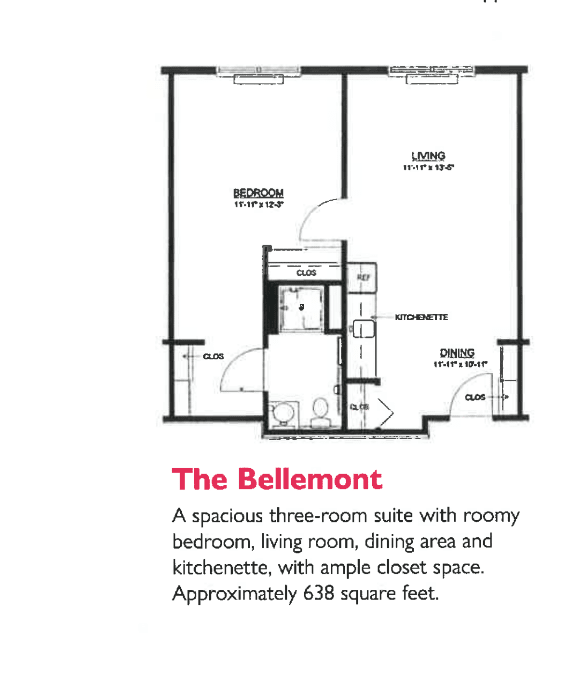
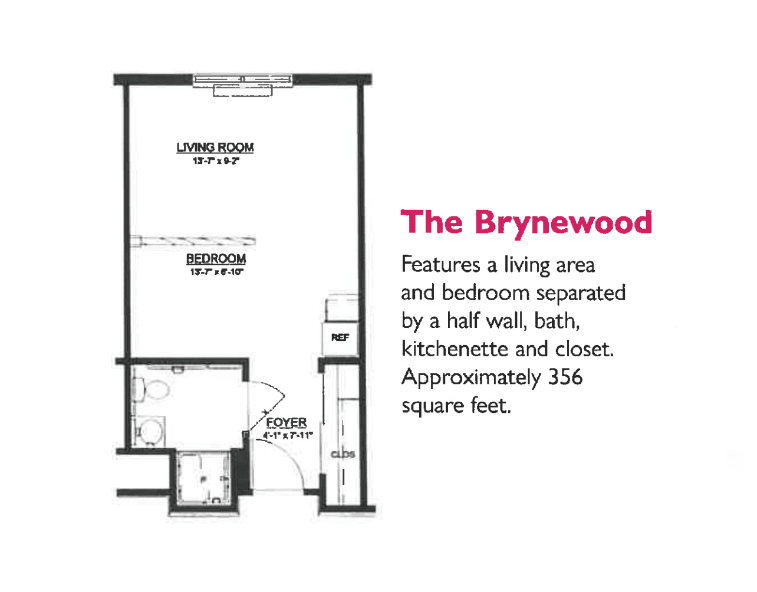
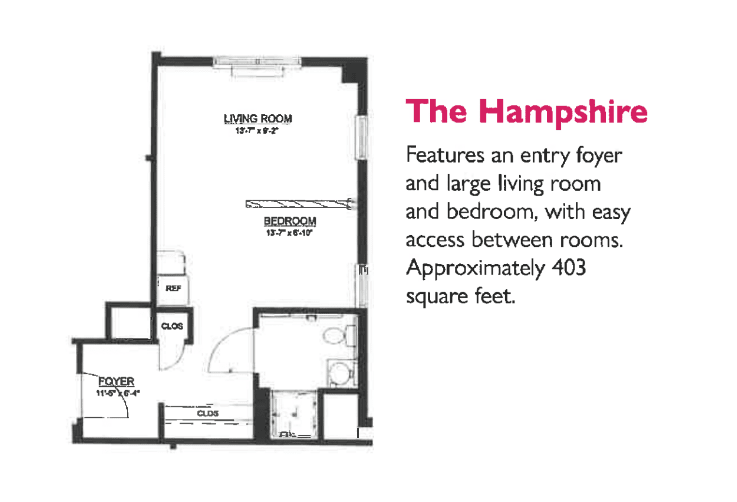
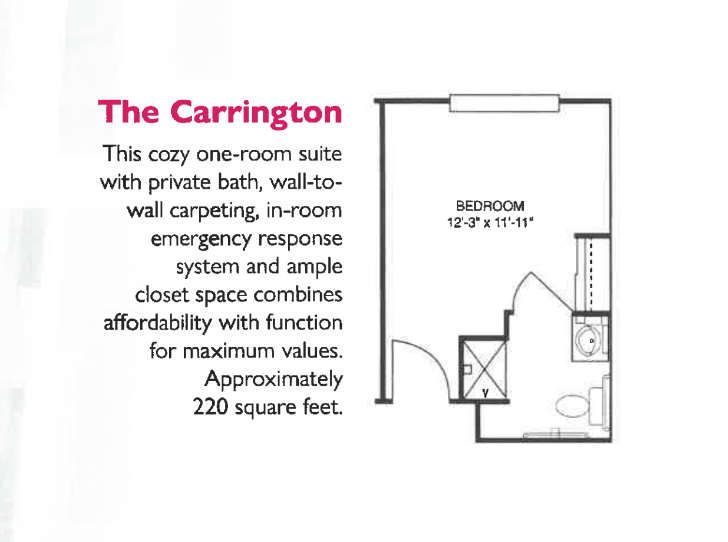
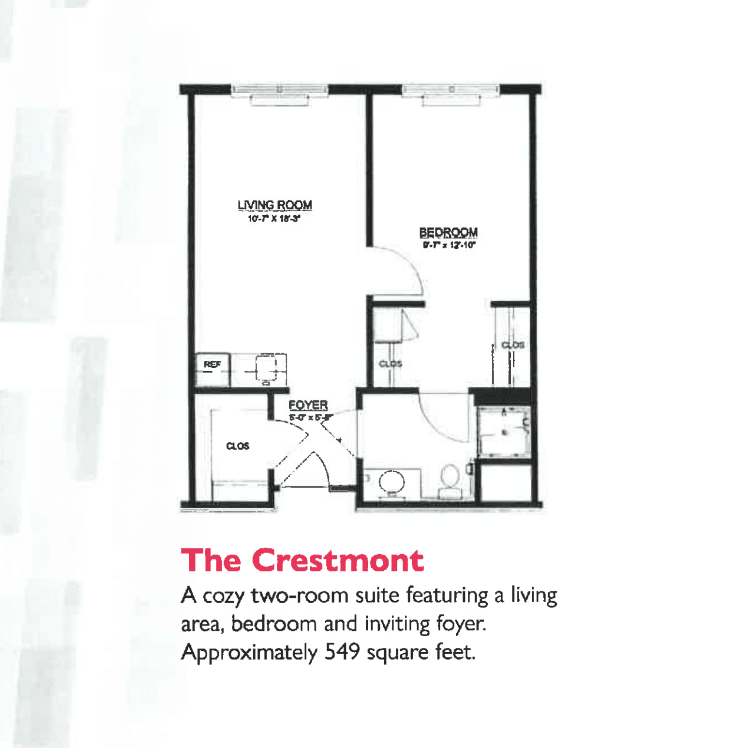
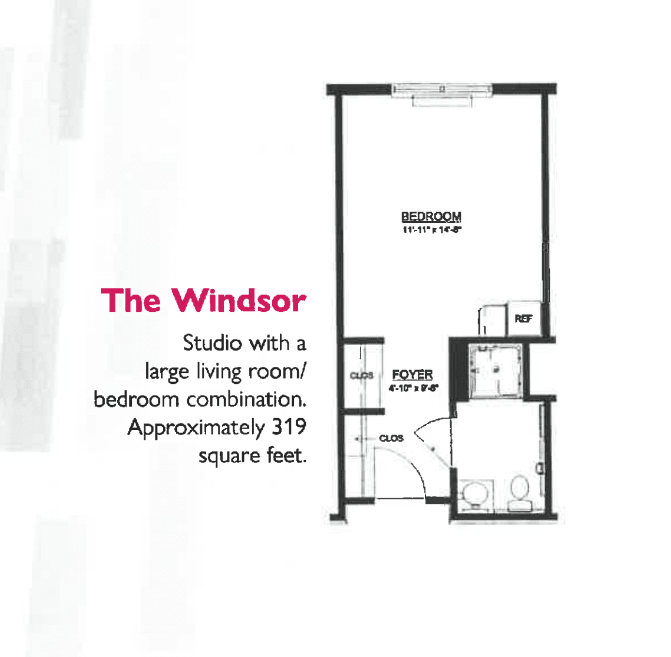
Floor plans
Lehigh Commons
Lehigh County
Pennsylvania
Semi-Private
$3,000
$3,741
$3,542
Studio
$4,110
$4,504
$3,737
1 Bedroom
$5,970
$4,418
$4,006
Memory care communities with a similar price nearby
Residents and families consistently describe staff as kind, attentive, and easy to reach.
Many reviews describe staff who treat residents with dignity and keep families reassured, from day-to-day check-ins to quick help when questions come up. Admissions and care-team leadership are repeatedly mentioned as calm and helpful during stressful transitions. Several residents also describe staff being present whenever they need assistance, including support with meals, dressing, and staying on top of daily routines.
common38 reviews mention this
Clean, well-kept, and comfortable feel
Reviews frequently mention a clean, well-maintained environment that feels comfortable.
A common thread is that the building is kept tidy, with visitors and residents noting the cleanliness and overall upkeep. Several people also describe the space as welcoming and home-like rather than institutional. Even among mixed experiences, cleanliness and facility condition come up as part of the overall impression.
common22 reviews mention this
Lots of activities keep people engaged
Daily activities and outings are a recurring reason families say residents stay engaged.
Residents and visitors describe regular activities, including games and group events, and some mention getting out for shopping, lunches, and day trips. The reviews also include examples of residents having something to do each day, rather than sitting idle. This lines up with the community offering scheduled daily activities plus fitness programs and community-run transportation for non-medical needs.
common26 reviews mention this
Food is often praised
Dining is repeatedly described as enjoyable, with restaurant-style meals and good variety.
Many reviews mention that residents like the meals and that dining staff are friendly. Several comments specifically point to the quality of the food and enjoyment of eating with friends, including in the dining room. The community also offers restaurant-style dining, room service, and meal options for special dietary needs, which matches the way residents describe meals that fit their preferences.
differentiator24 reviews mention this
Care coordination and communication matter
Families describe reliable care support, medication help, and proactive communication.
Beyond general friendliness, multiple reviews focus on practical care tasks—help with bathing and dressing, medication management, and ensuring meals happen on schedule. Families also describe communication that keeps them informed about concerns and changes, including support around appointments and coordination for transportation. The community offers assisted living, memory care, and respite, along with services like medication management and meal preparation and service.
caveat6 reviews mention this
Staffing and medication errors concern some
A smaller set of reviews raises serious concerns about staffing coverage and medication handling.
Some reviewers describe periods of understaffing and missed or delayed care needs, including inconsistent showers and difficulty getting help. There are also reports of medication dose mistakes and oxygen being allowed to run out, along with residents not receiving promised support. While many reviews are positive about care and responsiveness, these concerns are significant enough that they may warrant careful questions about staffing plans and medication processes.
How we summarize
Counts show how many written reviews mention each theme; a review can touch several themes, and only frequently mentioned themes are displayed.
Features
Housing
80 resident community capacity
1-bedroom apartments
Studio apartments
Types of Care
Assisted Living
Memory Care
Respite Care
Pets
Cats allowed
Dogs allowed
Amenities
Activities off-site
Activities on-site
Air-conditioning
Bath tubs
Beautician on-site
Beauty salon
Cable or satellite TV
Computer center
Devotional services off-site
Devotional services on-site
Dining room
Fitness room
Fully furnished
Gaming room
Garden
Ground floor units
Handicap accessible
Housekeeping services
Indoor common areas
Kitchenette
Move-in coordination
Outdoor common areas
Outdoor space
Private bathrooms
Respite or short term stays offered
Restaurant-style dining
Small library
Telephone
Wellness center
Wheelchair accessible showers
Wi-Fi/high-speed internet available
Transportation
Lehigh Valley International (10 miles away)
Community operated transportation
Transportation arrangement
Transportation arrangement (non-medical)
Transportation to doctors appointments
Care Services
12-16 hour nursing
24-hour call system
24-hour supervision
Activities of daily living assistance
Ambulatory care
Assistance with bathing
Assistance with dressing
Assistance with transfers
Diabetes diet
Diabetic care
Incontinence care
Meal preparation and service
Medication management
Mental wellness program
Mild cognitive impairment
Special dietary restrictions
Specialized memory care programming
Dining
Diabetes diet
Gluten-free
Guest meals
Low / no sodium
Meals provided
No Sugar
Professional chef
Restaurant style dining
Room service
Special dietary restrictions
Special dining programs
Vegan
Vegetarian
Activities
Art classes
Catholic services
Community-sponsored activities
Concierge services
Cooking classes
Devotional activities offsite
Devotional activities on-site
Educational speakers / life long learning
Fitness programs
Jewish services
Live well programs
Other religious services
Planned day trips
Protestant services
Resident-run activities
Scheduled daily activities
Visiting chaplain or priest
Nearby Places of Interest
This part of Macungie, Pennsylvania offers a convenient and well-rounded community for seniors. With close proximity to a Movie Tavern, various dining options such as Chick-Fil-A and BJ's Restaurant & Brewhouse, as well as several pharmacies including Walgreens and CVS, residents have easy access to entertainment, dining, and healthcare needs. Additionally, there are various parks nearby for outdoor recreation and places of worship for spiritual fulfillment. In terms of healthcare, there are multiple physicians' offices in the vicinity along with hospitals like Lehigh Valley Hospital and St Luke's Radiology/X-Ray-Allentown Campus within a few miles. Overall, this area provides a comfortable and convenient living environment for seniors looking to enjoy their retirement years.
Theaters
Movie Tavern Trexlertown (0.7 miles)
Restaurants
Chick-Fil-A (0.8 miles)
McDonald's (1 miles)
Wendy's (1.1 miles)
Westside Grill (1.2 miles)
Don Juan Mex Grill & Cantina (1.2 miles)
Taco Bell (1.3 miles)
BJ's Restaurant & Brewhouse (1.5 miles)
Pharmacies
Walgreens (0.8 miles)
CVS Pharmacy (1 miles)
CVS Pharmacy (1.6 miles)
CVS Pharmacy (1.9 miles)
CVS Pharmacy (3.3 miles)
Cedar Care Pharmacy (3.3 miles)
Omnicare Pharmacy Services of Eastern PA (3.5 miles)
Cafes
Panera Bread (0.8 miles)
Starbucks (1.4 miles)
Starbucks (1.6 miles)
Starbucks (3.6 miles)
Starbucks (4.6 miles)
Physicians
LVPG Arthritis & RHMTLGY - James M Ross MD (0.9 miles)
Dr Michael Pengelly, Doctor of Audiology (1.6 miles)
Urology Specialists of the Lehigh Valley (1.8 miles)
Village Lane Primary Care (1.9 miles)
Macungie Medical Group (2.6 miles)
Dnese Mary Sokolowski (2.7 miles)
Center For Allergy & Asthma Care (2.7 miles)
Parks
Church Lane Park (1 miles)
Grange Park (1.8 miles)
Macungie Memorial Park (2.5 miles)
Cedar Creek Park (4.4 miles)
Bob Rodale Cycling and Fitness Park (4.7 miles)
Places of Worship
Bethany United Methodist Church (1.4 miles)
St Thomas More Catholic Church (3.9 miles)
Hospitals
Life Care Holdings (2.8 miles)
Kaysch Pavilion (3 miles)
LVH Pediatric Unit (3 miles)
Lehigh Valley Hospital (3 miles)
Open Heart Unit (3.1 miles)
Lehigh Valley Hospital - Mother/Baby Unit (3.1 miles)
St Luke's Radiology/X-Ray-Allentown Campus (5.5 miles)
Lehigh Commons offers competitive pricing for its accommodations when compared to both Lehigh County and the broader state of Pennsylvania. For a semi-private room, residents can expect a monthly cost of $3,000, which is notably lower than the county's average of $3,741 and also below Pennsylvania's average of $3,542. The studio options at Lehigh Commons are priced at $4,110, slightly less than Lehigh County's average of $4,504 but higher than the state average of $3,737. For those seeking one-bedroom units, the cost stands at $5,970 - significantly above both the county's rate of $4,418 and the statewide average of $4,006. Overall, while Lehigh Commons presents some appealing price points for certain room types, it tends to be more expensive for one-bedroom accommodations compared to regional peers.
Lehigh Commons offers comprehensive features that significantly enhance the quality of care for residents experiencing dementia or Alzheimer's disease. The 24-hour supervision ensures that trained staff are always available to monitor and respond to the needs of residents, promoting safety and peace of mind for families. Assistance with daily living activities, such as bathing, dressing, and transfers, empowers individuals to maintain their dignity while receiving necessary support tailored to their abilities. Incontinence care is provided discreetly to help residents feel comfortable and secure throughout the day. Meal preparation and service cater to dietary needs while promoting social interaction during meal times, crucial for mental engagement. Medication management helps in the proper administration of prescribed treatments, thereby reducing anxiety related to medication adherence. The inclusion of a mental wellness program fosters cognitive stimulation through engaging activities designed specifically for individuals with mild cognitive impairment. Additionally, specialized memory care programming offers structured routines and personalized therapies aimed at enhancing cognitive function while providing emotional support tailored to each resident's unique journey with dementia or Alzheimer's disease.
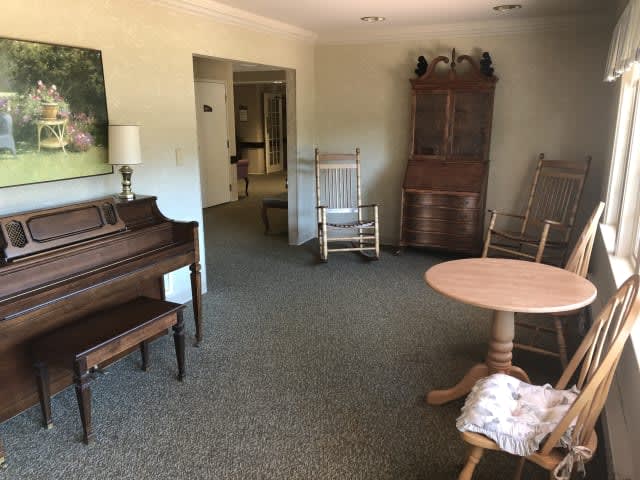
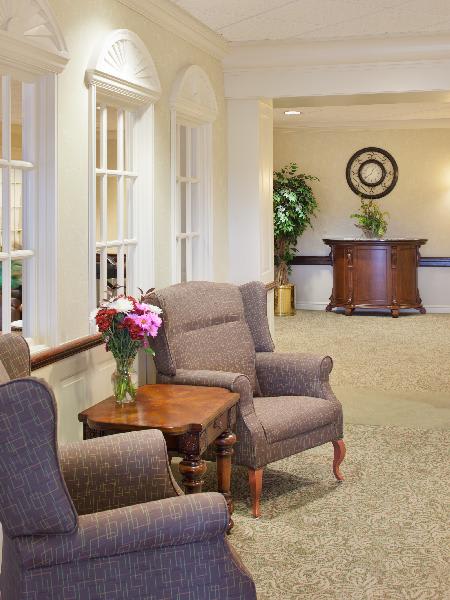
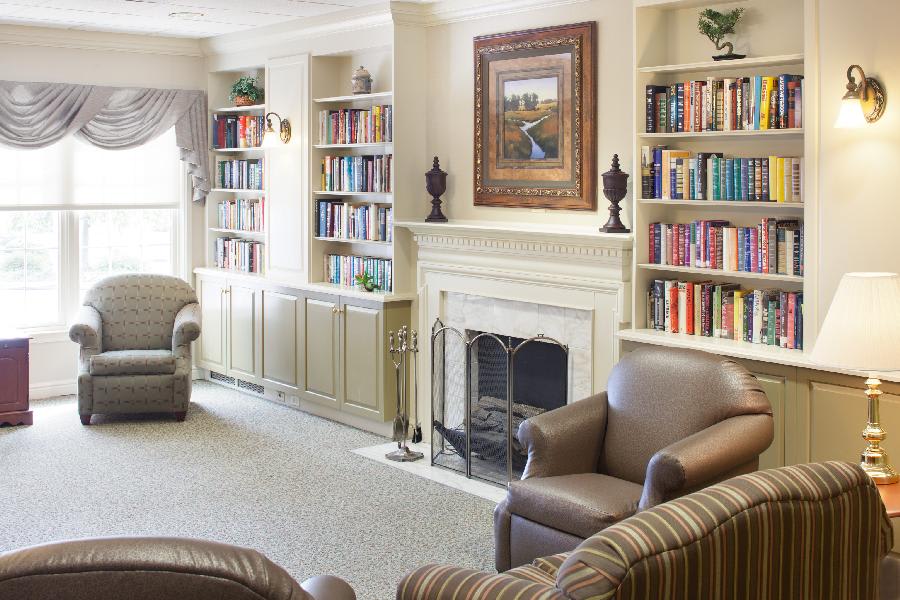
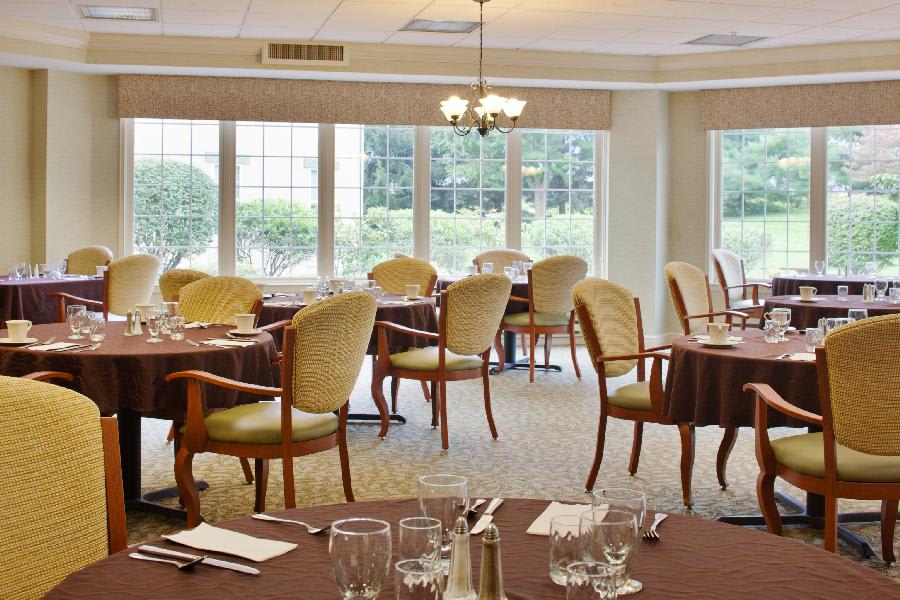
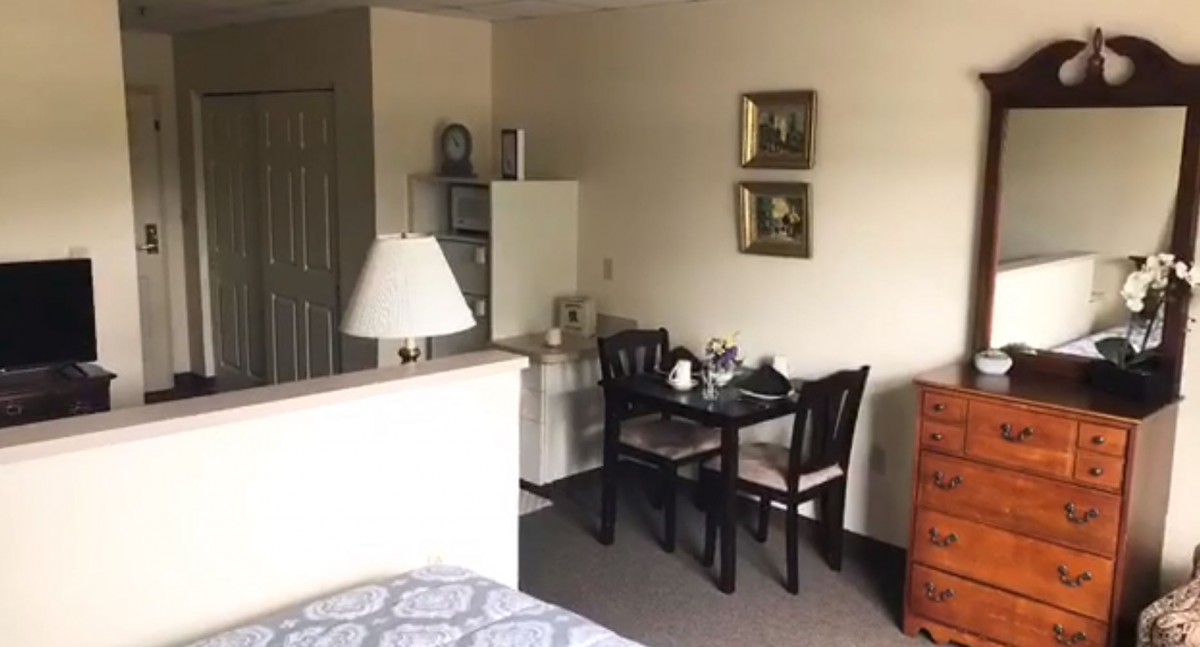
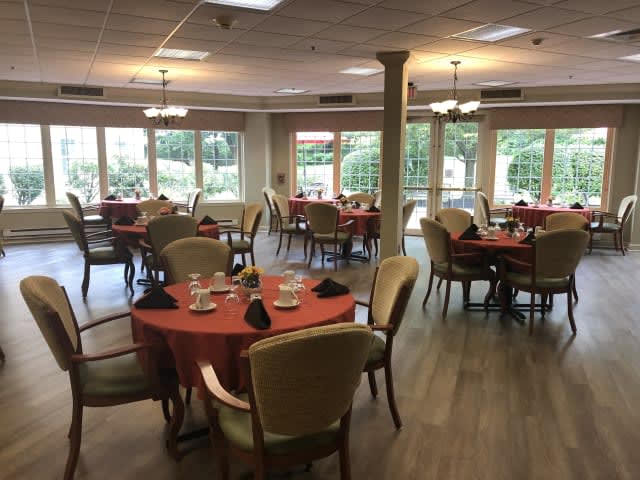
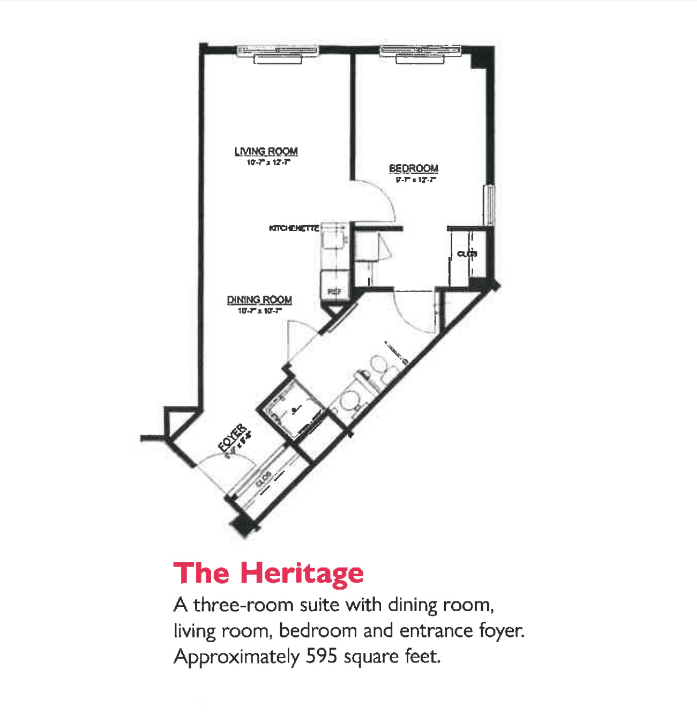
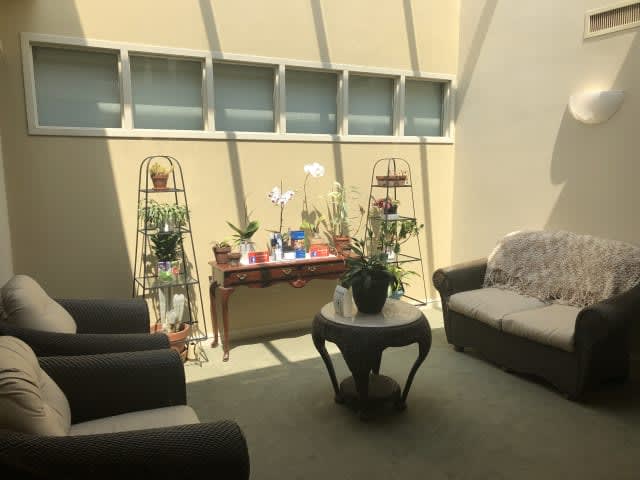
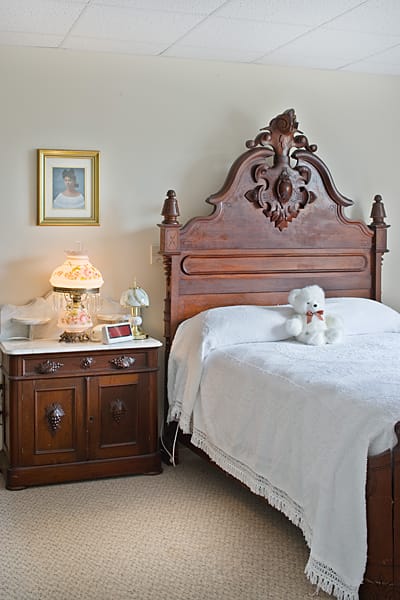
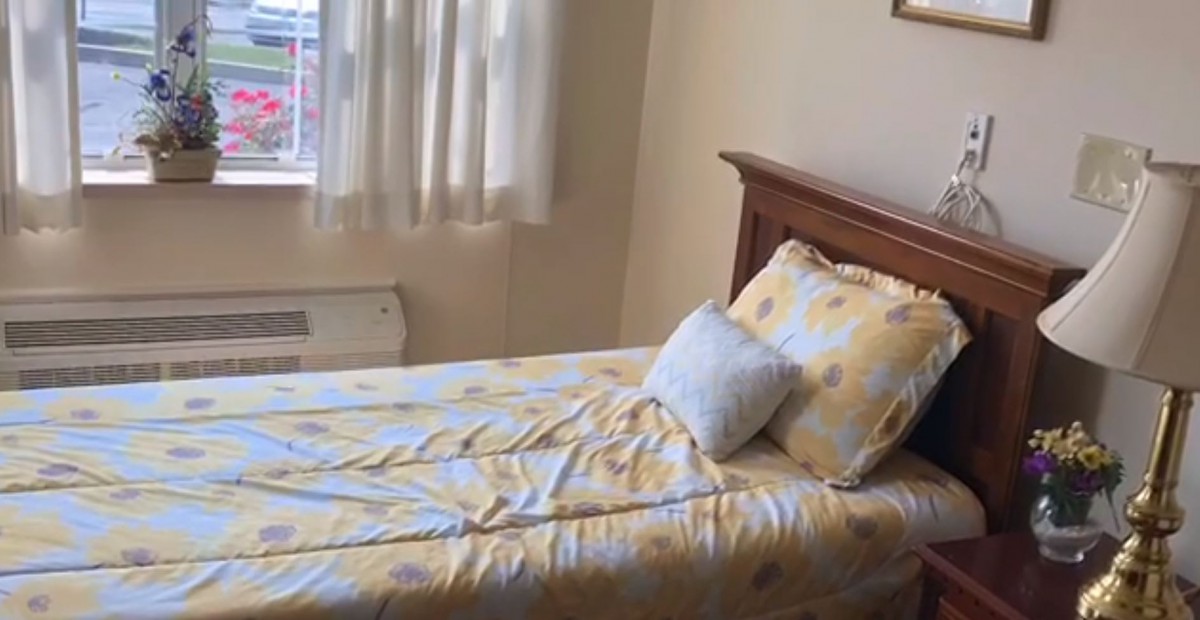
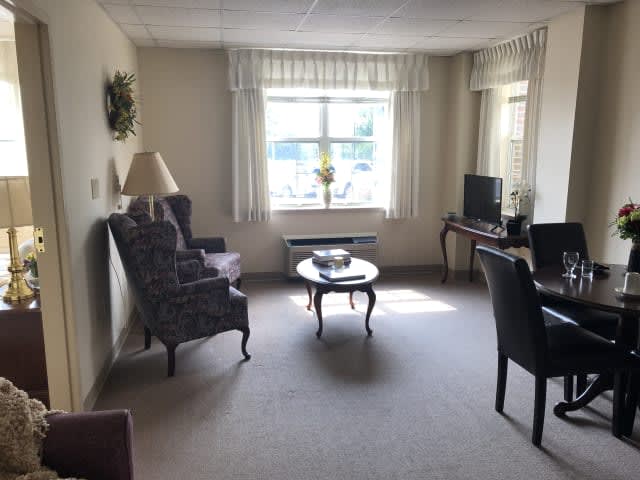
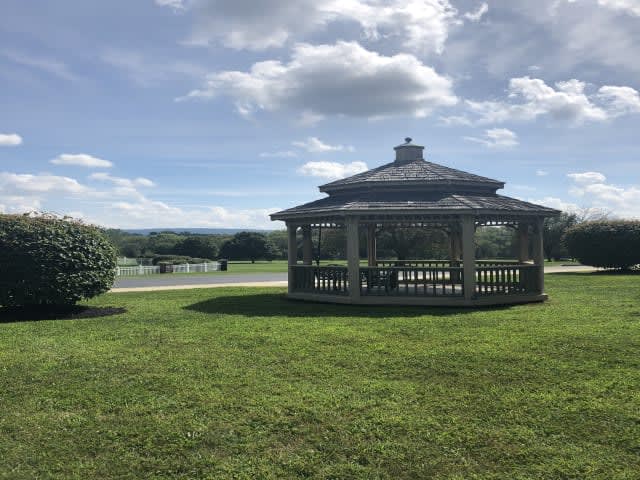
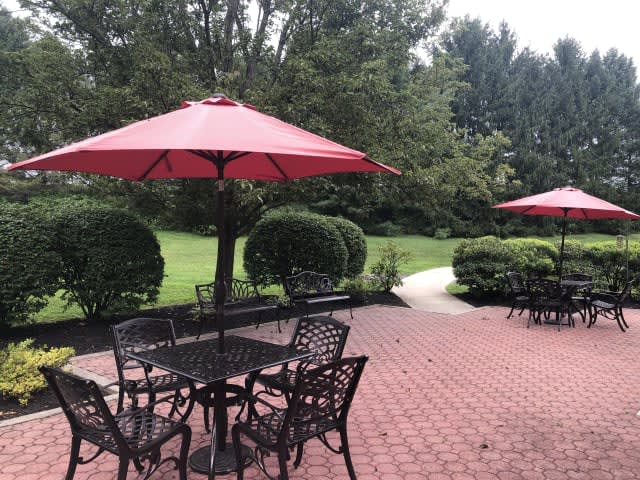
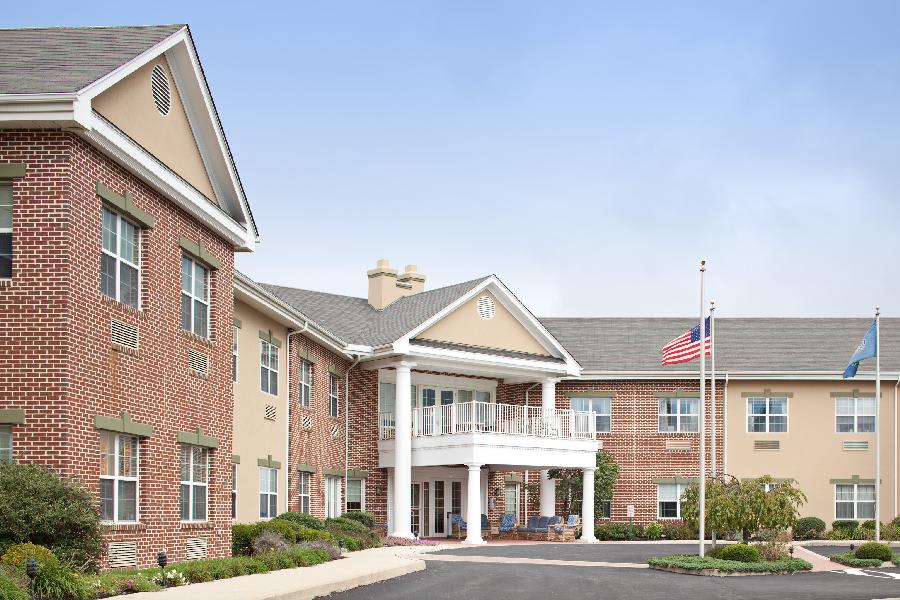
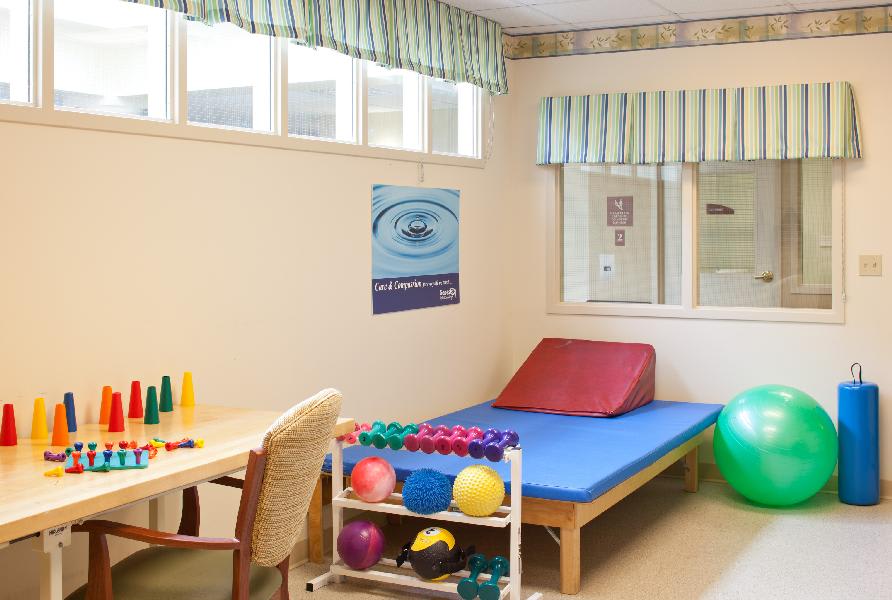
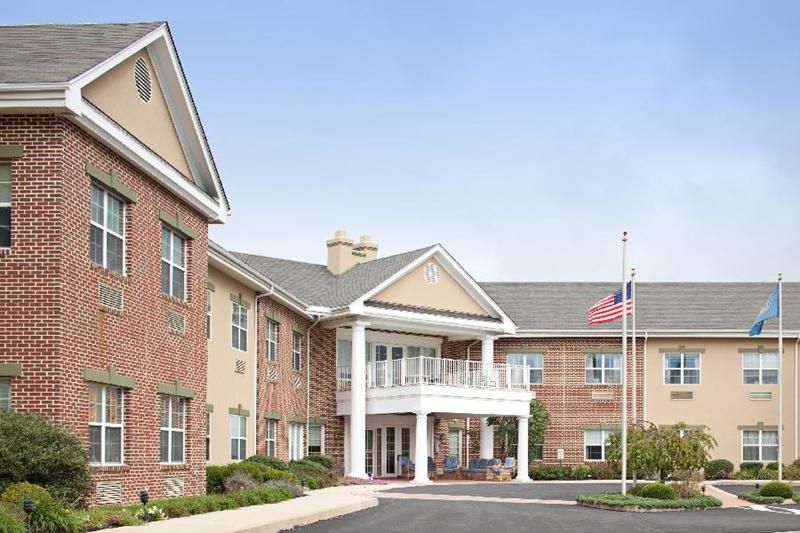
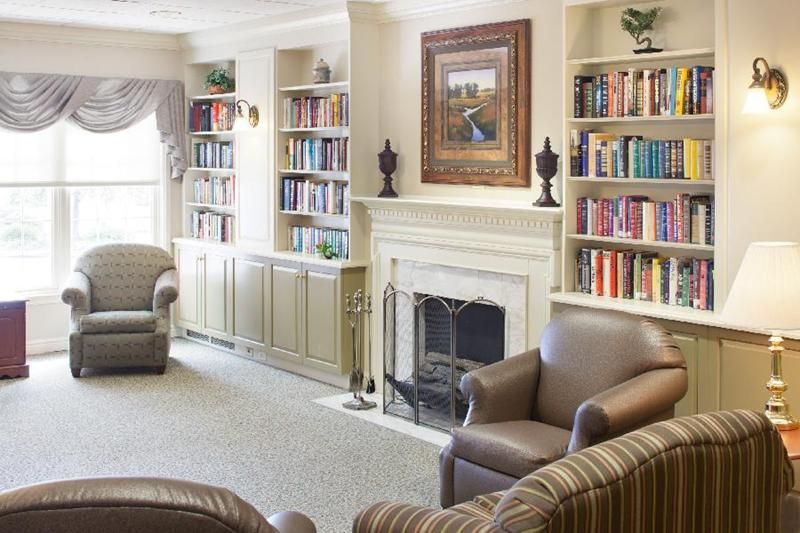
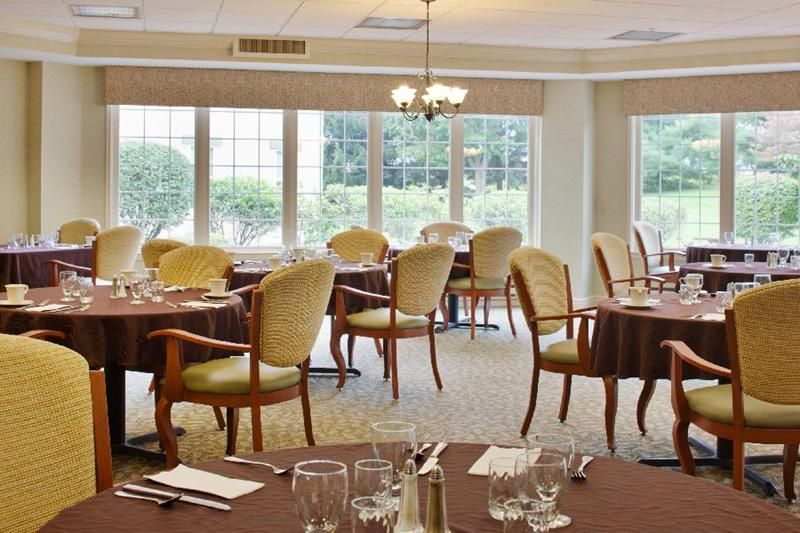
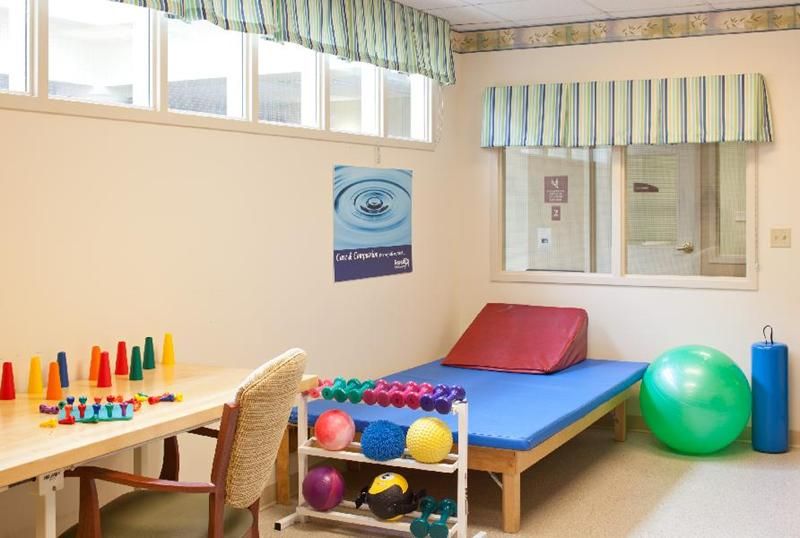
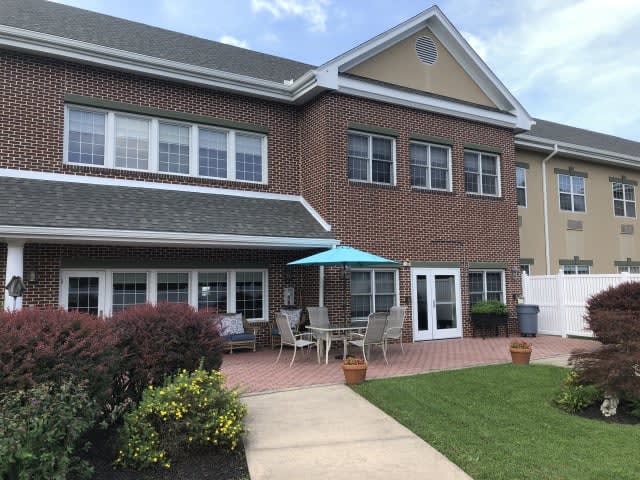
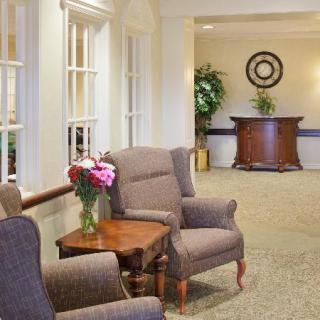
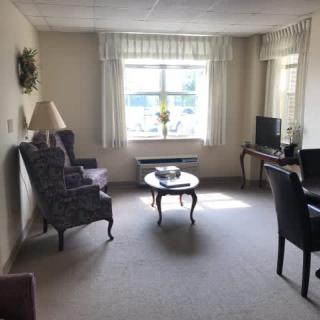
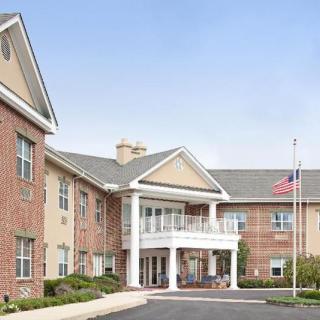
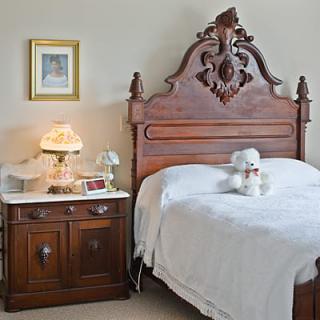
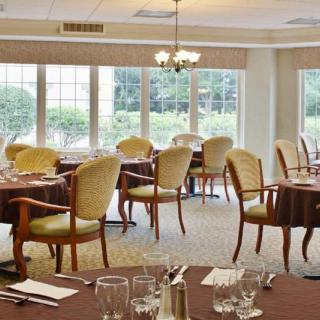
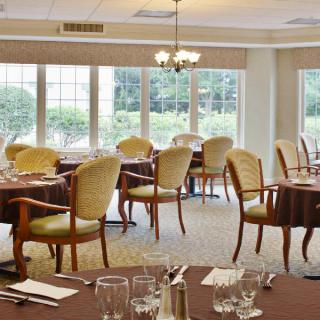
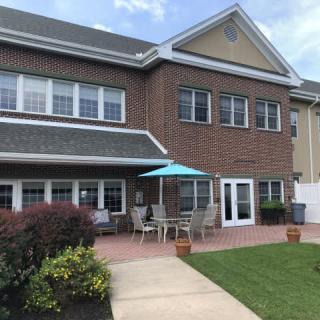
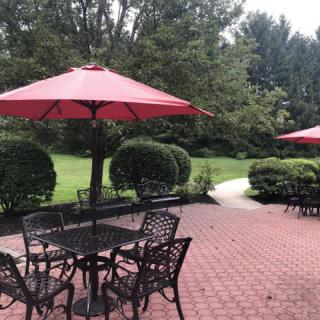
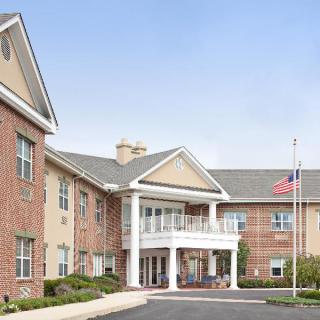
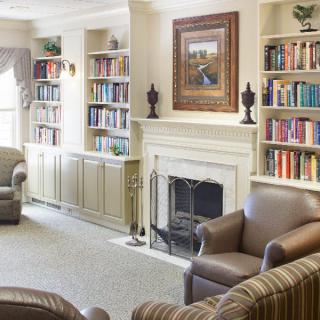
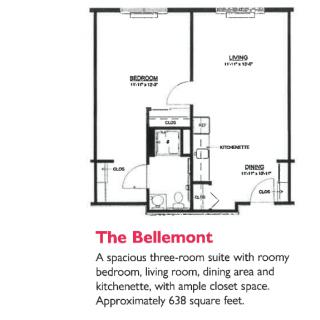
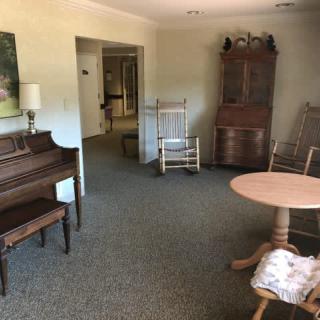
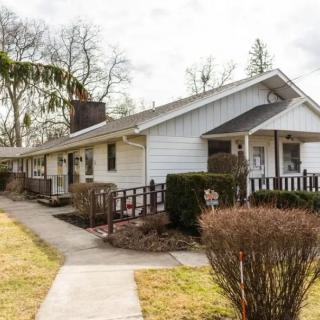
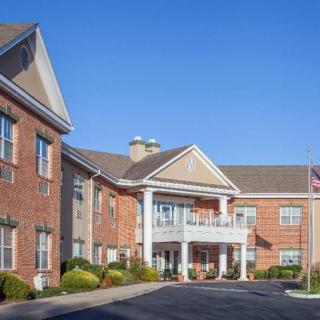
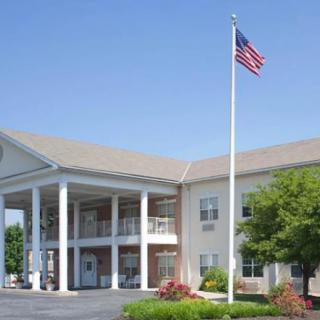
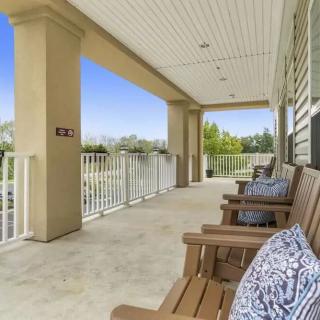
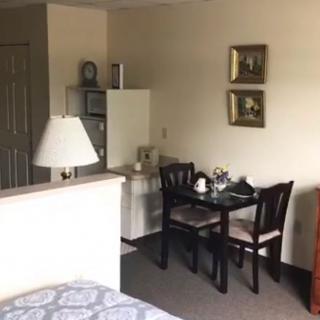
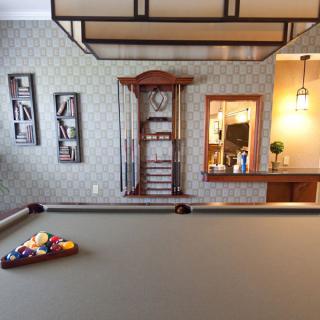
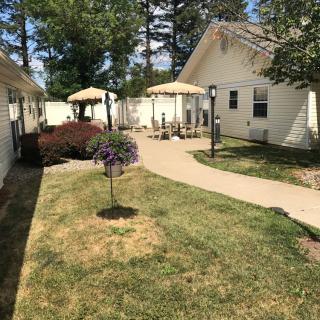
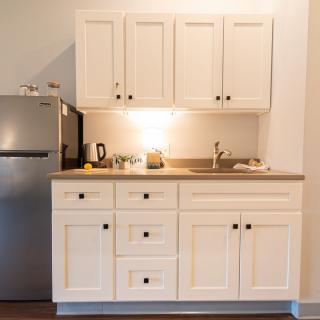
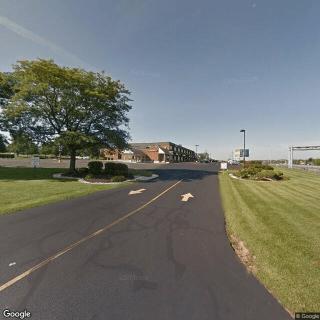
Lehigh Commons on seniors.fyi includes 26 photos including images showing floor plan, interior, bedroom, living room, dining, windows, exercise equipment, living area, and more.
Nearby Communities
Complete Care at Lehigh Center
Macungie, PA
3.8 from 44 reviews
Comprehensive skilled nursing with memory care and 24-hour supervision.
Legend Of Allentown
Macungie, PA
4.3 from 99 reviews
Upscale, homely environment with engaging activities and memory-care options.
Four Seasons at Farmington
Macungie, PA
Small, intimate community with personalized care and dietary meal options.
Country Meadows of Allentown
Allentown, PA
4.5 from 72 reviews
Compassionate, attentive staff with engaging activities and strong family communication.
Arden Courts of Allentown
Allentown, PA
4.7 from 71 reviews
$6,800 to $7,400 / month
Caring staff with engaging activities and good dining in a bright, home-like environment.
Atrium of Allentown
Allentown, PA
4.4 from 62 reviews
$3,600 to $4,500 / month
Beautiful, modern facility with attentive staff, strong dining, and engaging activities.
BAYADA Home Health Care - Allentown
Allentown, PA
3.8 from 12 reviews
Consistently reliable and helpful nursing care.
Heather Glen Senior Living
Allentown, PA
4.4 from 104 reviews
$4,600 to $5,900 / month
Compassionate, attentive staff in a warm, home-like setting with engaging activities.
Senior Helpers of the Lehigh Valley
Allentown, PA
4.6 from 28 reviews
Effective caregiver match with proactive support and prompt communication.
The transition from assisted living to skilled nursing care is often prompted by complex medical needs that assisted living cannot meet, with key indicators including frequent health declines, increased falls, severe memory issues, and caregiver burnout. Families should recognize these signs early to discuss options with healthcare providers and prepare for the emotional and logistical aspects of moving to a facility that offers comprehensive medical support.
Dementia is characterized by cognitive decline, with nutrition playing a vital role in brain health; while no specific diet can prevent or reverse it, a nutrient-dense diet rich in antioxidants and healthy fats may support cognitive function. The MIND diet, which emphasizes beneficial foods and limits processed items, along with proper hydration and individualized meal strategies, can enhance the well-being of dementia patients.
Dementia affects memory and cognitive function in older adults, presenting challenges for caregivers due to behavioral changes such as confusion and mood swings. Compassionate, person-centered care that considers individual history and preferences, along with effective communication and environmental modifications, is essential for supporting both patients and their caregivers.
Exercise Equipment, Rehabilitation, and Therapy Room
Exterior and Road
Natural Light
Library
Piano and Rocking Chairs
Indoor Plants
Physical Therapy
Brick
Kitchenette
Closet
Living Area
Paintings
Design
Brick Exterior
Table Settings
Vintage
Two-bedroom
Get PricingAsk A QuestionSchedule A TourContact Senior Advisor
By clicking submit, you agree to our Partner's Terms of Use. You
also consent to receive calls and texts, which may be autodialed, from our Partner. Your consent is not a condition to
using our Partner's service. Please visit our Partner's Privacy Policy for information about their privacy practices.

 80 resident community capacity
 1-bedroom apartments
 Assisted Living
 Memory Care
 Respite Care
 Cats allowed
 Dogs allowed
 Activities off-site
 Air-conditioning
 Bath tubs
 Beautician on-site
 Cable or satellite TV
 Computer center
 Devotional services off-site
 Dining room
 Fitness room
 Fully furnished
 Gaming room
 Garden
 Ground floor units
 Handicap accessible
 Housekeeping services
 Indoor common areas
 Kitchenette
 Move-in coordination
 Outdoor common areas
 Private bathrooms
 Restaurant-style dining
 Small library
 Telephone
 Wellness center
 Wheelchair accessible showers
 Wi-Fi/high-speed internet available
 Lehigh Valley International (10 miles away)
 Community operated transportation
 12-16 hour nursing
 24-hour call system
 Ambulatory care
 Assistance with bathing
 Assistance with dressing
 Assistance with transfers
 Diabetes diet
 Diabetic care
 Incontinence care
 Medication management
 Mental wellness program
 Special dietary restrictions
 Art classes
 Catholic services
 Concierge services
 Cooking classes
 Educational speakers / life long learning
 Jewish services
 Planned day trips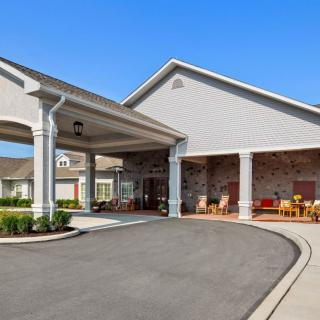
 Comprehensive skilled nursing with memory care and 24-hour supervision.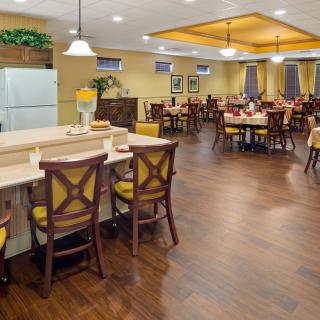


 8 Key Indicators That Suggest It May Be Time to Transition from Assisted Living to Skilled Nursing Care
 Nourishing the Mind: Essential Dietary Approaches for Dementia
 Understanding Dementia Behaviors: Practical Insights and Strategies for Caregivers