Arden Courts of Allentown offers specialized care with pricing that reflects its tailored services and amenities. The monthly costs for room types at Arden Courts are notably higher than both the county and state averages. For instance, a studio or semi-private room is priced at $6,800, which significantly exceeds Lehigh County's average of $4,504 and $3,741 respectively. Even a one-bedroom unit at Arden Courts comes in at $7,400, surpassing the county's average of $4,418 and Pennsylvania's overall average of $4,006. While these rates are above local and state benchmarks, they underscore the premium care environment provided by Arden Courts, catering specifically to residents who require memory care support in a nurturing setting.
Floor plans
Arden Courts of Allentown
Lehigh County
Pennsylvania
Studio
$6,800
$4,504
$3,737
Semi-Private
$6,800
$3,741
$3,542
1 Bedroom
$7,400
$4,418
$4,006
Assisted Living communities with a similar price nearby
Residents and families repeatedly describe the care team as compassionate, attentive, and responsive.
Across the reviews, families highlight staff members as caring, patient, and proactive in day-to-day support, from answering questions to treating residents with respect. Several reviewers specifically mention personalized attention and professionalism during difficult transitions, including memory care placements and end-of-life support. A few comments also note that communication can lag, but the overall tone keeps returning to how supported families feel because staff stay engaged with residents.
common10 reviews mention this
Memory care activities keep engagement
Families say the schedule helps residents stay engaged rather than sitting around.
Many reviews mention frequent programming and activities as a core part of daily life, including keeping residents entertained and creating opportunities to participate throughout the day and evening. Several families describe staff-led engagement as a reason their loved ones adjusted well after moving in. The community’s design also comes up alongside activities, with enclosed outdoor space and walking areas used as part of residents’ routines.
common9 reviews mention this
Facility is repeatedly described clean
Multiple reviews describe the building as clean, well maintained, and comfortable.
Reviewers frequently comment that the community feels clean, bright, and well cared for, with staff and administration taking pride in upkeep. A number of families also describe the atmosphere as warm and home-like rather than institutional. There are a couple of isolated negatives about maintenance or cleanliness, but they are outweighed by the repeated praise for the facility’s condition.
caveat2 reviews mention this
Pricing is a recurring concern
Some families call out the cost as high, alongside unmet expectations at times.
At least two reviewers raise concerns about expense, including one noting the community is pricey. Another dissatisfied review pairs the high cost with serious care-related issues during a respite stay, saying the supervision and outcomes did not match what was paid. Taken together, the reviews suggest value depends heavily on the level of support needed for an individual resident.
How we summarize
Counts show how many written reviews mention each theme; a review can touch several themes, and only frequently mentioned themes are displayed.
Features
Housing
56 resident community capacity
Studio apartments
Types of Care
Assisted Living
Independent Living
Memory Care
Skilled Nursing Facility
Amenities
Activities on-site
Air-conditioning
Beautician on-site
Beauty salon
Cable or satellite TV
Computer center
Devotional services on-site
Dining room
Fitness room
Fully furnished
Gaming room
Garden
Housekeeping services
Indoor common areas
Kitchenette
Laundry
Move-in coordination
Outdoor common areas
Outdoor space
Party space
Private bathrooms
Respite or short term stays offered
Restaurant-style dining
Security gate
Small library
TV room
Telephone
Wellness center
Wheelchair accessible showers
Wi-Fi/high-speed internet available
Transportation
Lehigh Valley International (9 miles away)
Community operated transportation
Transportation arrangement
Transportation arrangement (non-medical)
Transportation to doctors appointments
Care Services
12-16 hour nursing
24-hour call system
24-hour supervision
Activities of daily living assistance
Ambulatory care
Assistance with bathing
Assistance with dressing
Assistance with transfers
Diabetes diet
Diabetic care
Hospice care
Incontinence care
Meal preparation and service
Medication management
Mental wellness program
Mild cognitive impairment
Personal care assistants
Special dietary restrictions
Specialized memory care programming
Dining
Diabetes diet
Guest meals
Low / no sodium
Meals provided
No Sugar
Restaurant style dining
Special dietary restrictions
Special dining programs
Vegetarian
Activities
Art classes
Arts and crafts
Catholic services
Community-sponsored activities
Concierge services
Cooking classes
Devotional activities on-site
Educational speakers / life long learning
Fitness programs
Games
Jewish services
Live dance or theater performances
Live musical performances
Other religious services
Planned day trips
Protestant services
Resident-run activities
Scheduled daily activities
Stories
Visiting chaplain or priest
Nearby Places of Interest
This part of Allentown, Pennsylvania, offers a convenient and diverse range of amenities for senior living. With multiple pharmacies nearby, accessing medication and healthcare services is easily achievable. In addition, there are several cafes and restaurants within close proximity, providing opportunities for socializing and enjoying meals outside the home. The presence of various physicians' offices ensures access to specialized medical care, while nearby places of worship offer spiritual support. The area also boasts theaters for entertainment, hospitals for emergency medical needs, and parks for outdoor recreation. Overall, this neighborhood provides a well-rounded community with essential services and recreational options for seniors looking to enjoy a comfortable and fulfilling lifestyle.
Pharmacies
CVS Pharmacy (0.2 miles)
CVS Pharmacy (0.7 miles)
Walgreens (1.4 miles)
Wegmans (2.1 miles)
Cedar Care Pharmacy (2.1 miles)
CVS Pharmacy (2.5 miles)
CVS Pharmacy (2.8 miles)
Cafes
Starbucks (0.2 miles)
Starbucks (0.4 miles)
Panera Bread (1.4 miles)
Starbucks (2 miles)
Starbucks (3.6 miles)
Physicians
Urology Specialists of the Lehigh Valley (0.2 miles)
Dr Michael Pengelly, Doctor of Audiology (0.3 miles)
Dnese Mary Sokolowski (1.3 miles)
Center For Allergy & Asthma Care (1.3 miles)
Kevitch, Chung & Jan - Aesthetic Surgery Associates (1.3 miles)
St. Luke's Center for Advanced Gynecologic Care (1.3 miles)
Integrated Health Campus (1.3 miles)
Restaurants
The Shelby (0.2 miles)
Taco Bell (0.3 miles)
BJ's Restaurant & Brewhouse (0.3 miles)
Don Juan Mex Grill & Cantina (1.2 miles)
Westside Grill (1.3 miles)
Chick-Fil-A (1.4 miles)
McDonald's (1.5 miles)
Places of Worship
Bethany United Methodist Church (0.4 miles)
St Thomas More Catholic Church (2.5 miles)
Theaters
Movie Tavern Trexlertown (1.2 miles)
Hospitals
Kaysch Pavilion (1.7 miles)
Lehigh Valley Hospital (1.8 miles)
Open Heart Unit (1.8 miles)
LVH Pediatric Unit (1.8 miles)
Lehigh Valley Hospital - Mother/Baby Unit (1.8 miles)
Life Care Holdings (2 miles)
St Luke's Radiology/X-Ray-Allentown Campus (4 miles)
Arden Courts of Allentown offers specialized care with pricing that reflects its tailored services and amenities. The monthly costs for room types at Arden Courts are notably higher than both the county and state averages. For instance, a studio or semi-private room is priced at $6,800, which significantly exceeds Lehigh County's average of $4,504 and $3,741 respectively. Even a one-bedroom unit at Arden Courts comes in at $7,400, surpassing the county's average of $4,418 and Pennsylvania's overall average of $4,006. While these rates are above local and state benchmarks, they underscore the premium care environment provided by Arden Courts, catering specifically to residents who require memory care support in a nurturing setting.
The comprehensive array of features at Arden Courts of Allentown is designed to effectively support residents with memory care needs at various stages of dementia or Alzheimer's disease. The 24-hour supervision ensures that residents receive continuous monitoring and immediate assistance, fostering a safe environment where they feel secure. Activities of daily living assistance, including help with bathing, dressing, and transfers, promotes dignity and independence while addressing personal care challenges often faced by individuals with cognitive impairments. Incontinence care further enhances comfort and ensures well-being, allowing residents to focus on their engagement in daily activities rather than personal concerns. Meal preparation and service cater to nutritional requirements, while medication management helps maintain the health of residents by ensuring adherence to prescribed regimens. The mental wellness program and specialized memory care programming are tailored specifically for those with mild cognitive impairment or advanced stages of dementia, offering stimulating activities that support cognitive function and emotional well-being. Collectively, these features create a nurturing environment that encourages both physical health and mental engagement for those on their memory care journey.
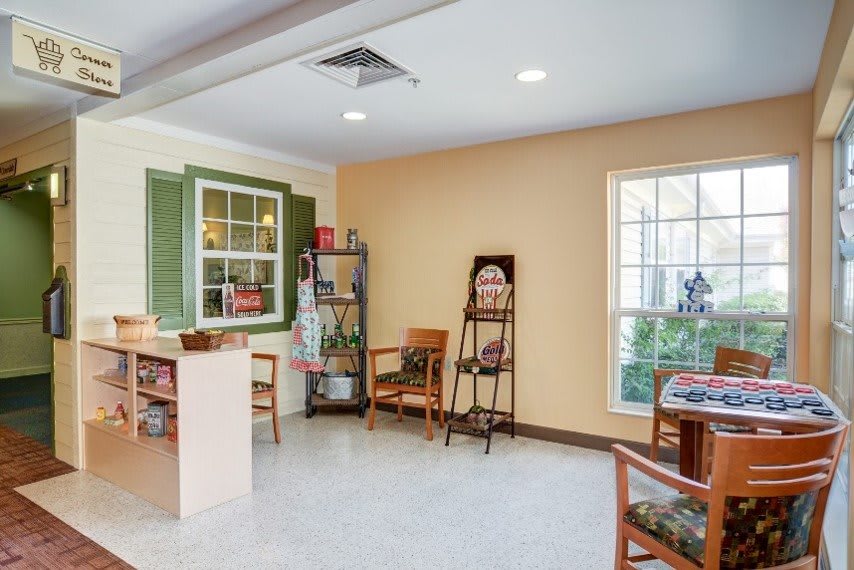
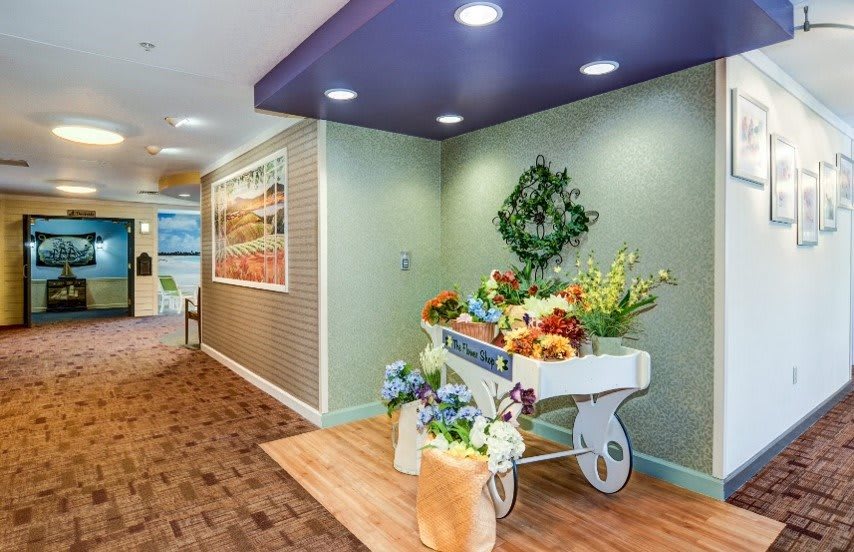
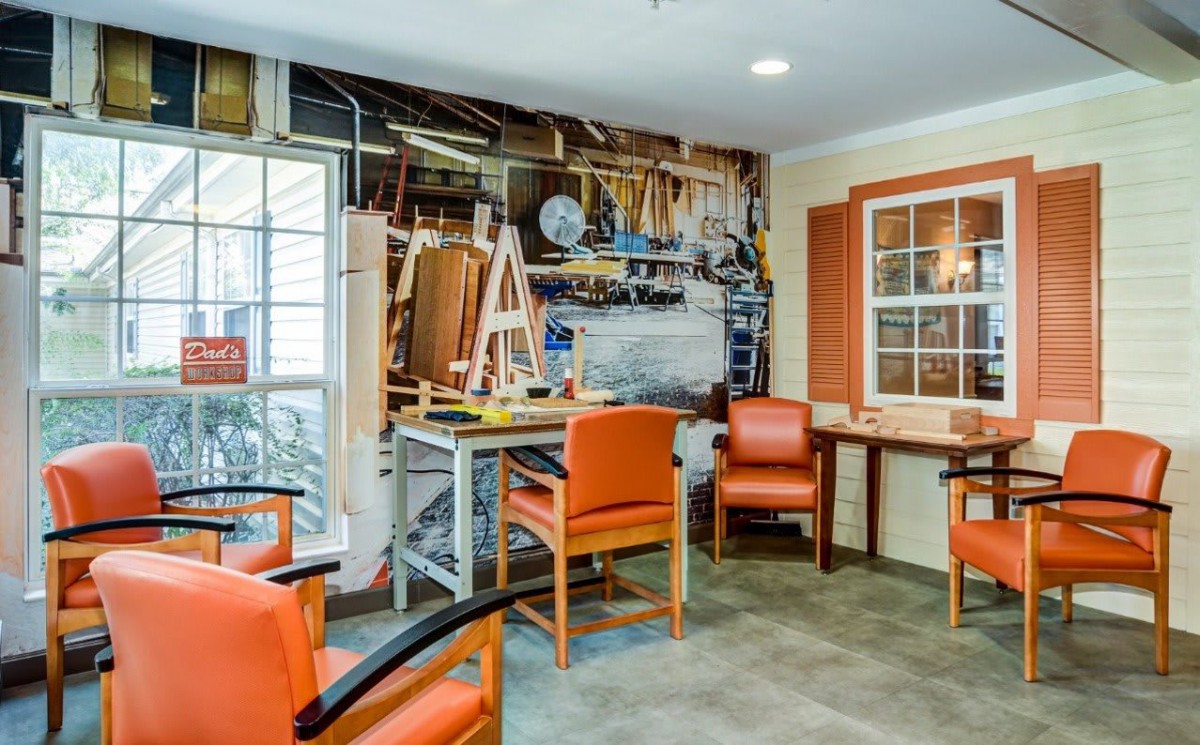
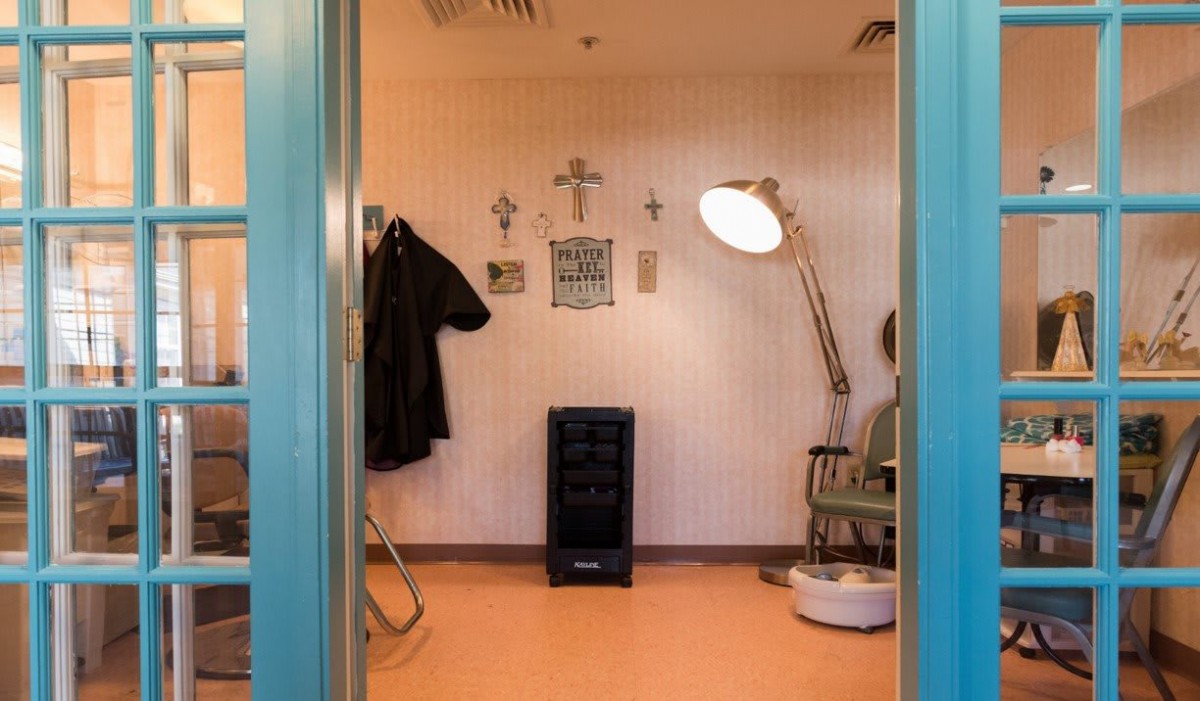
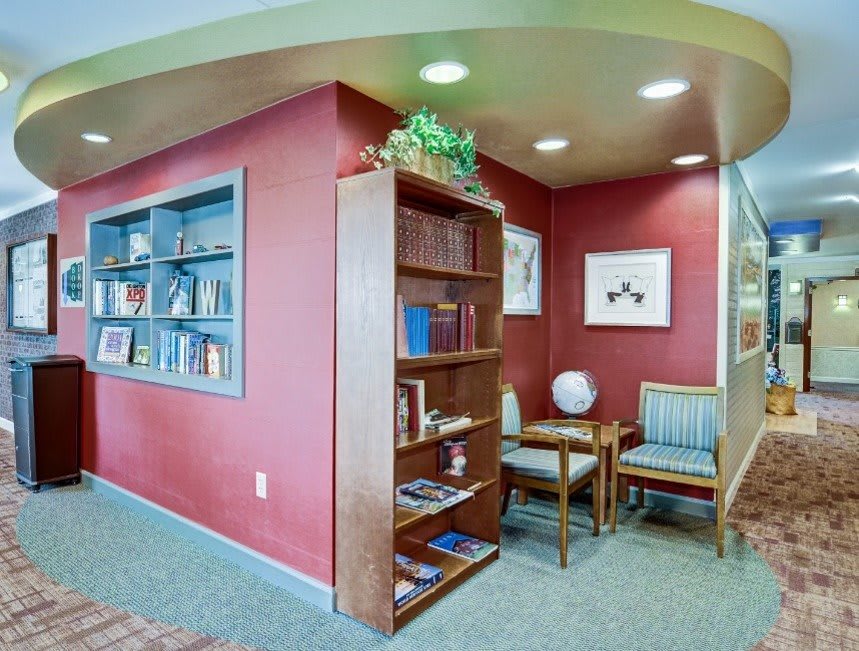
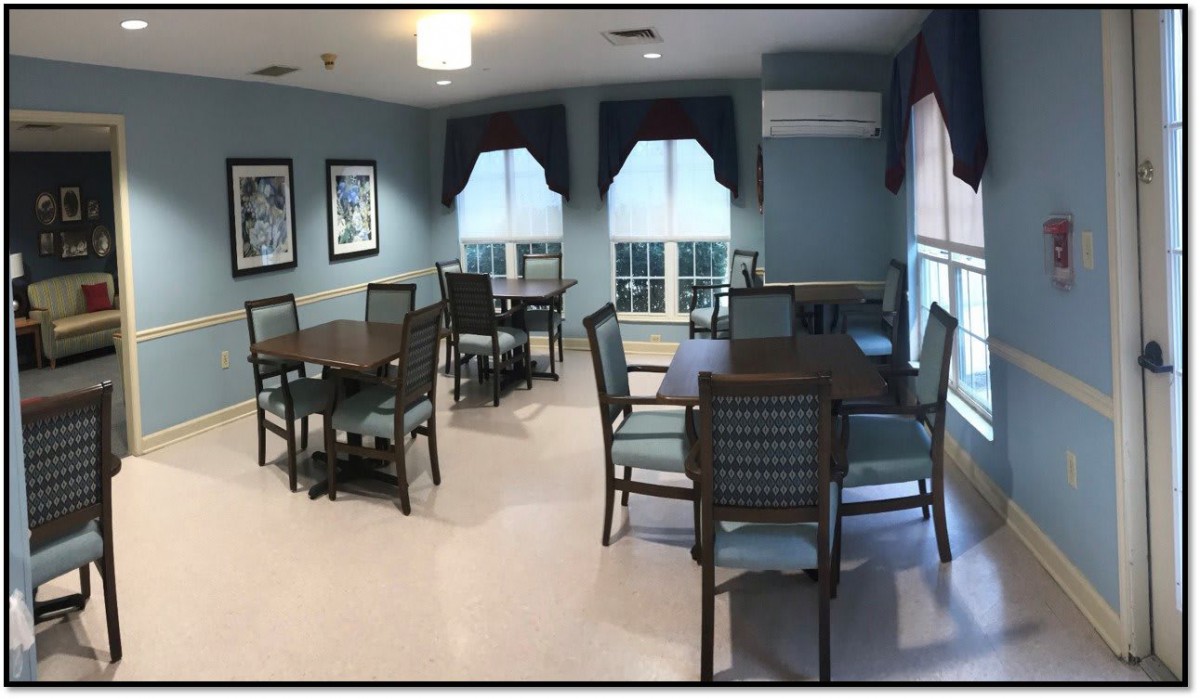
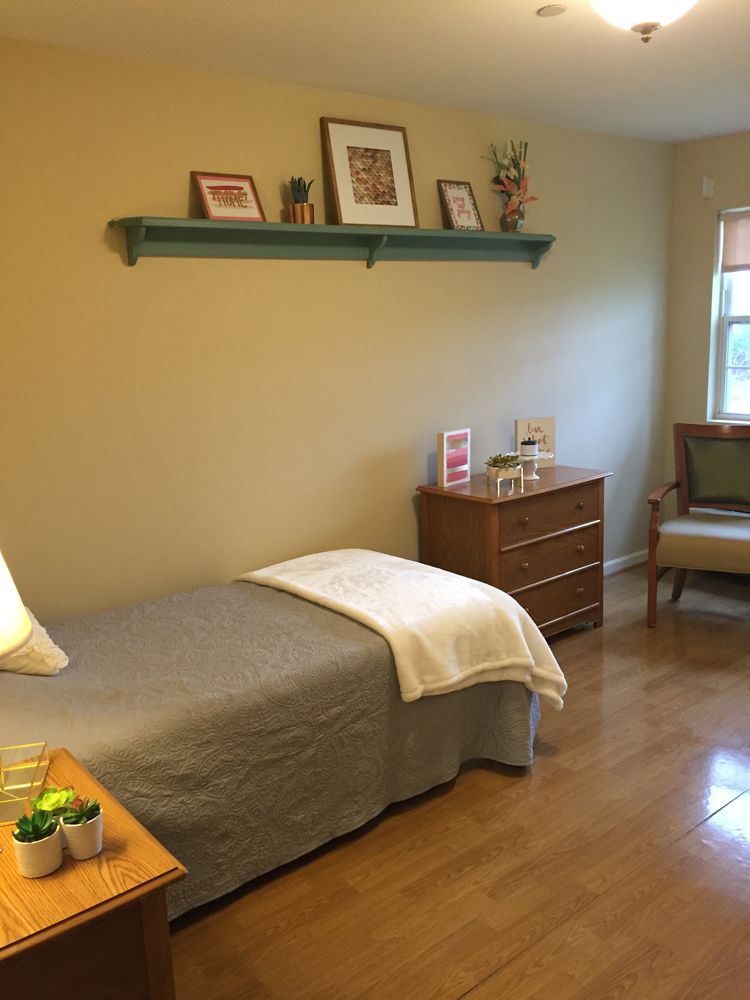
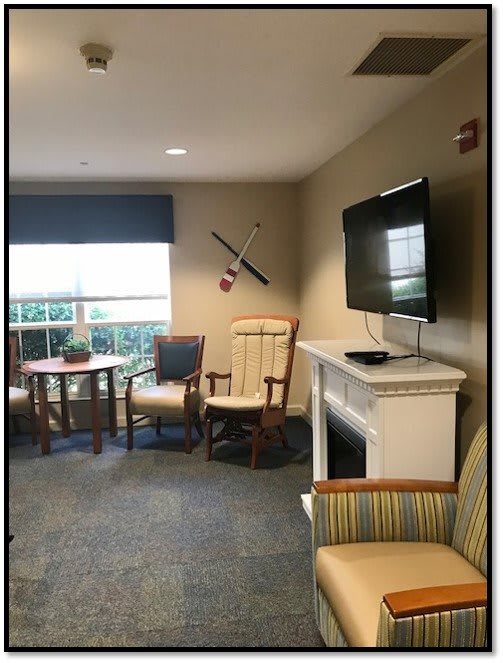
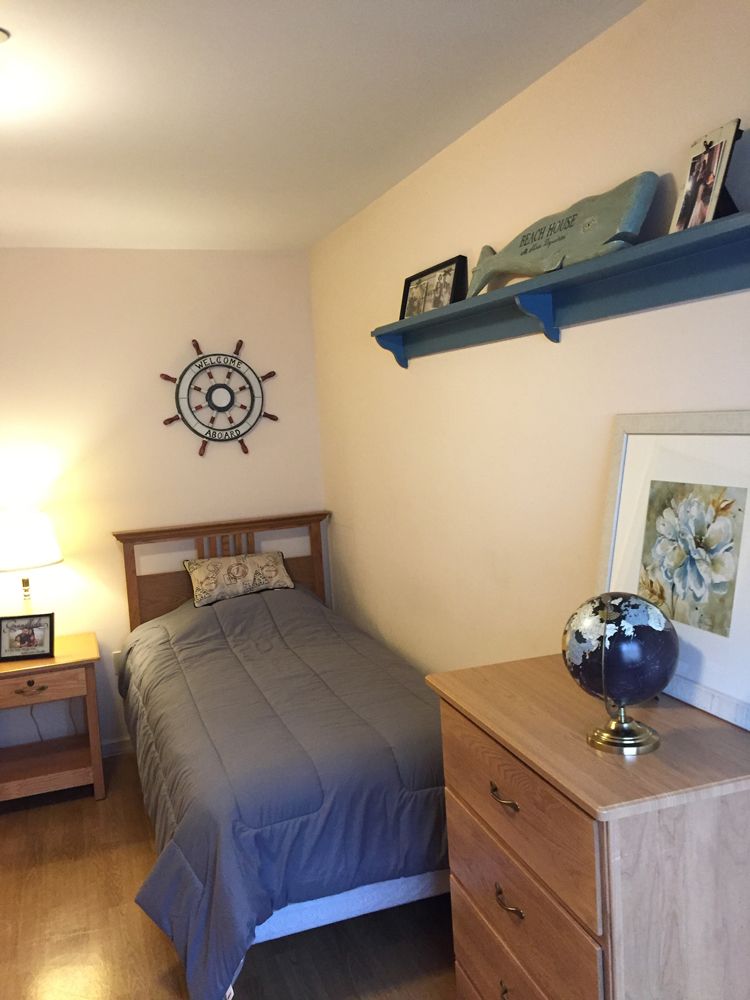
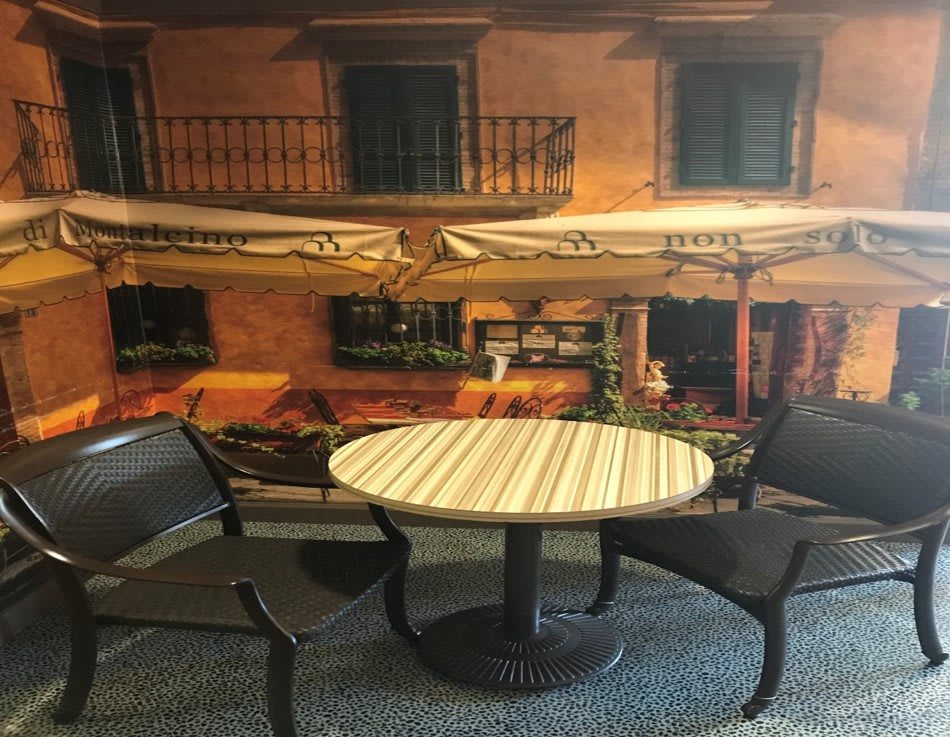
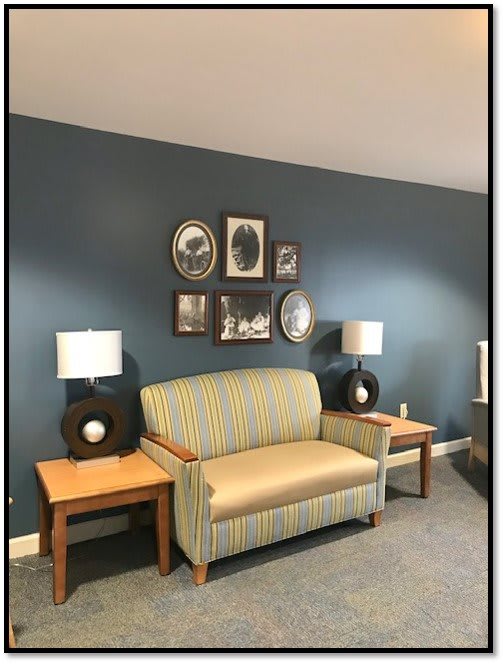
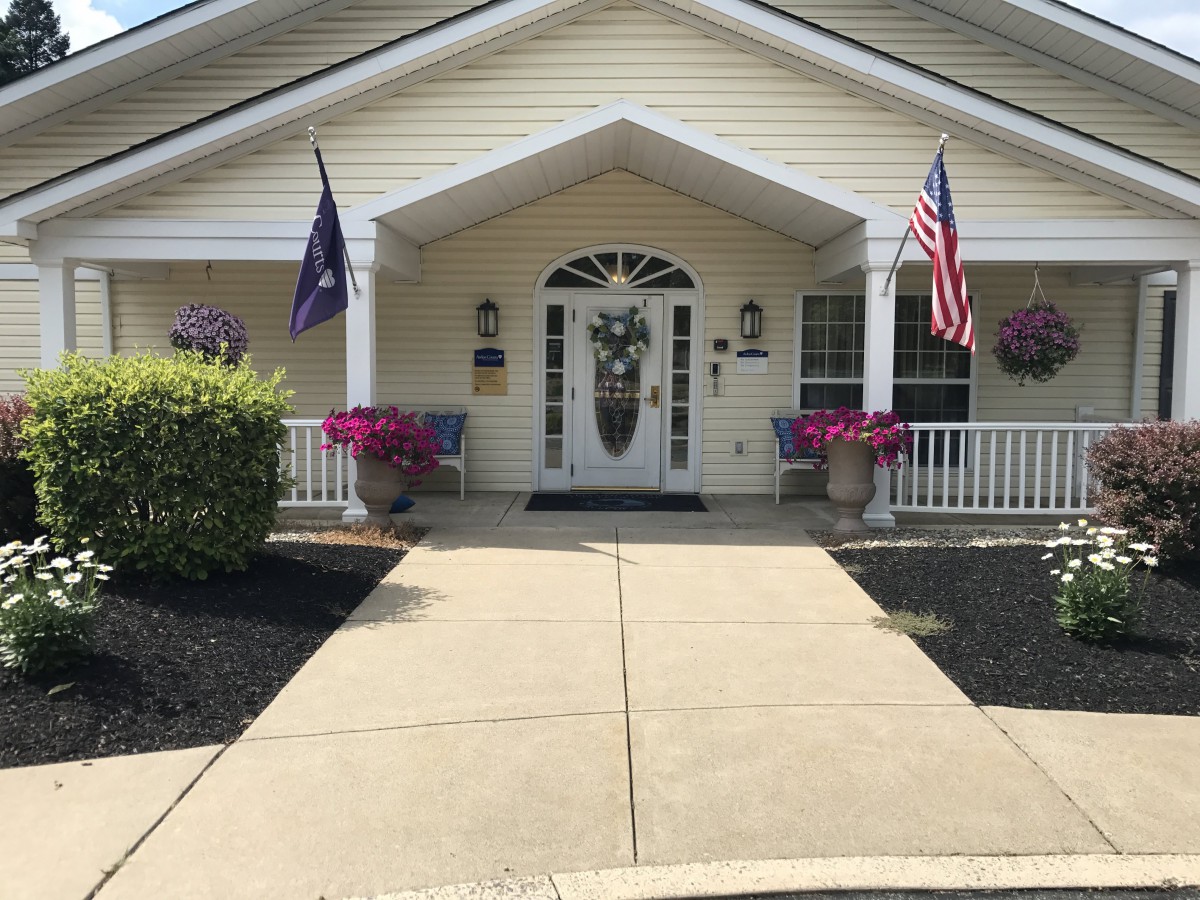
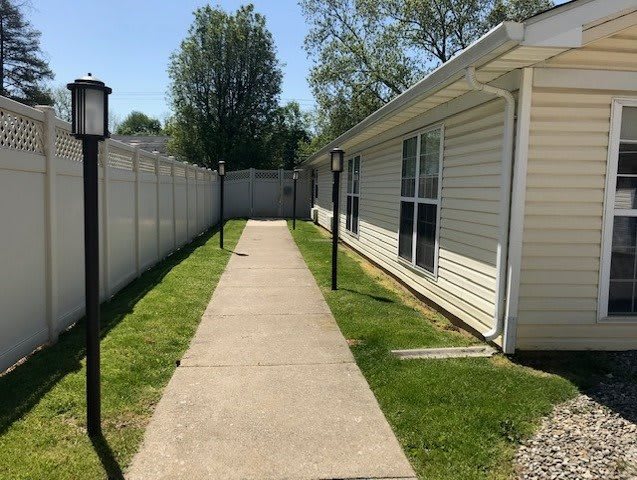
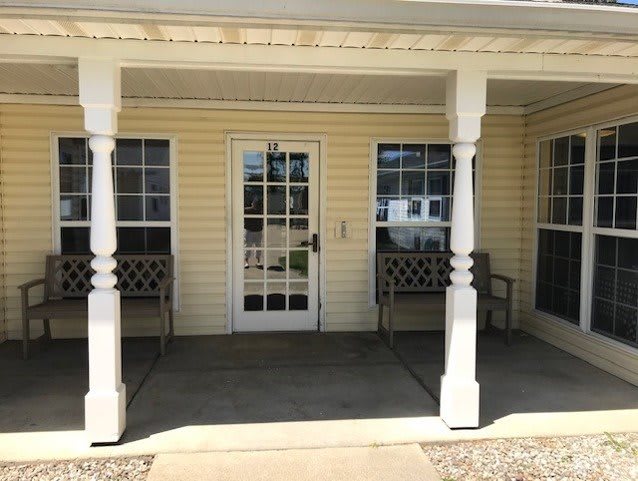
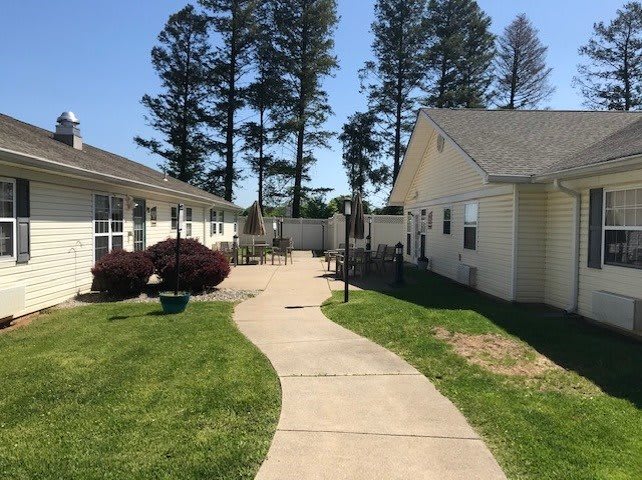
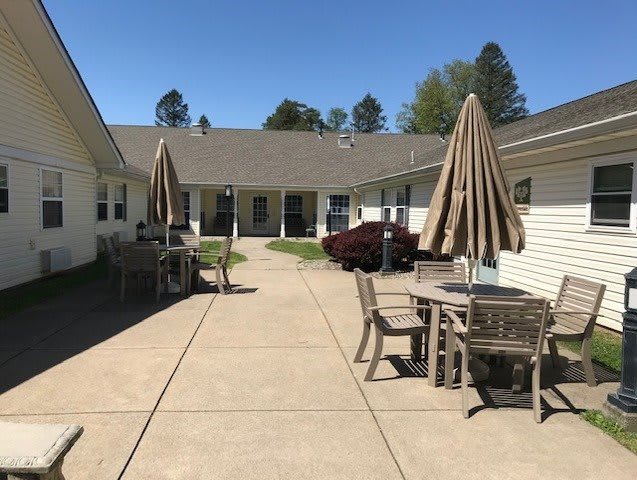
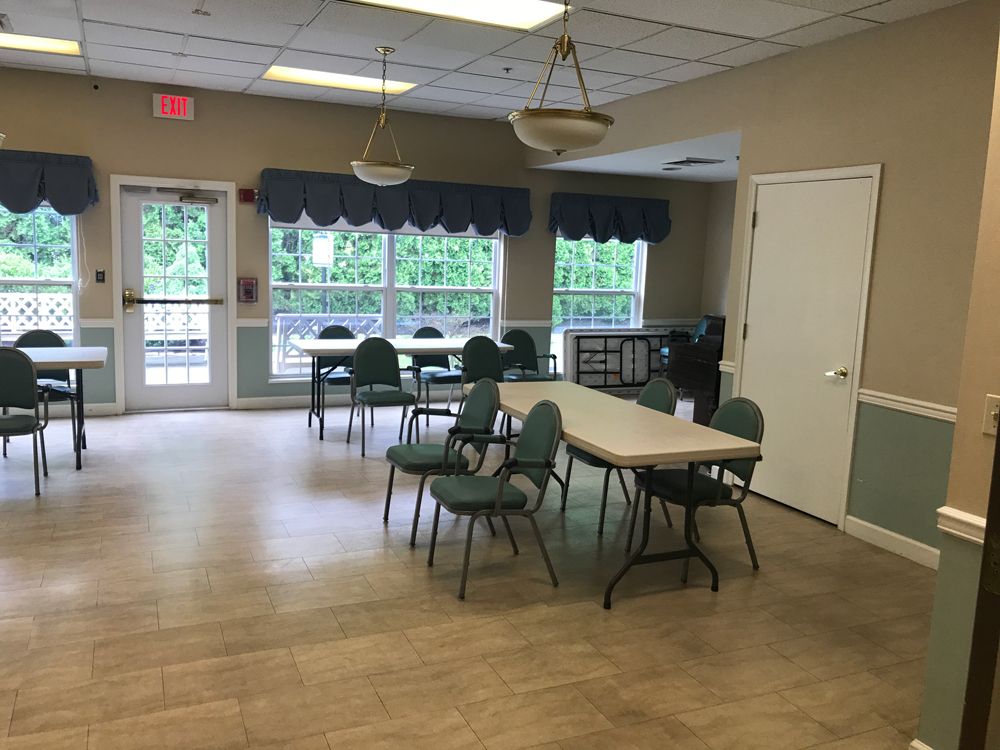
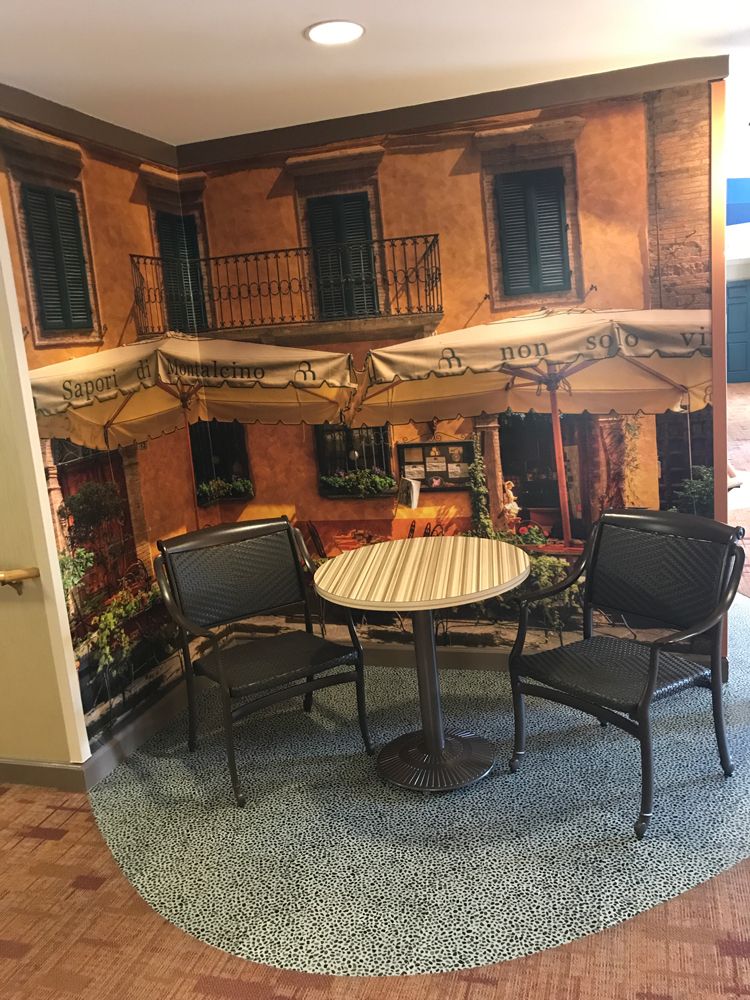
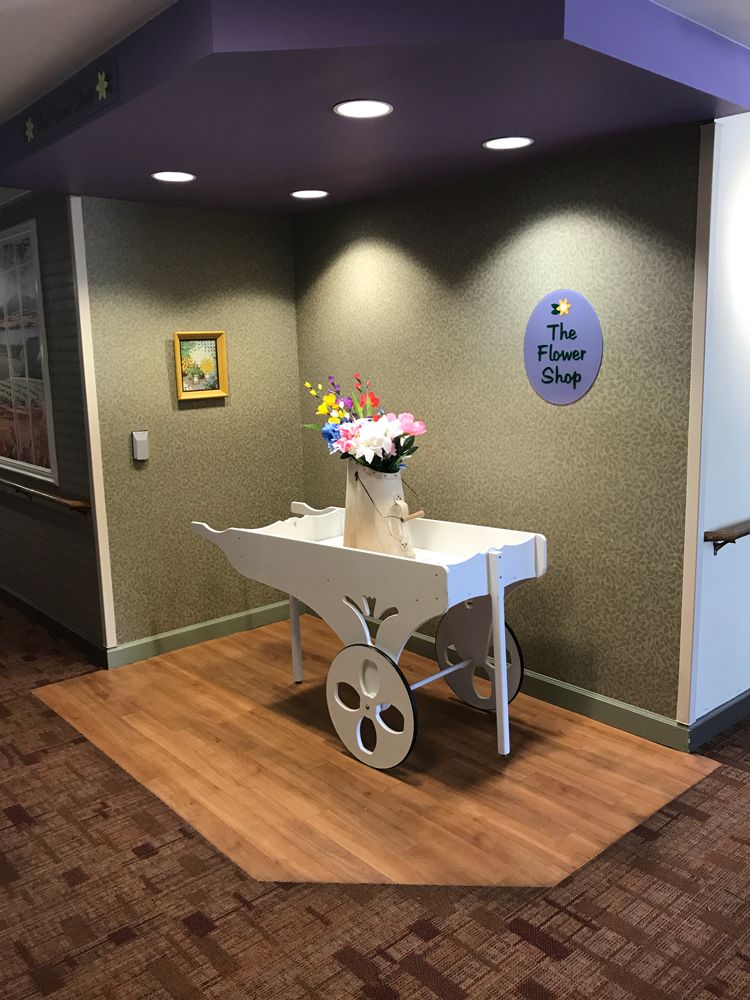
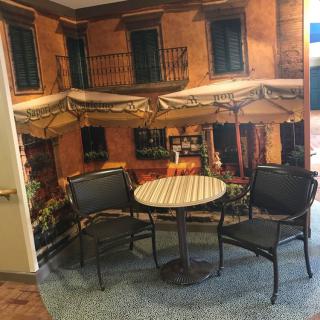
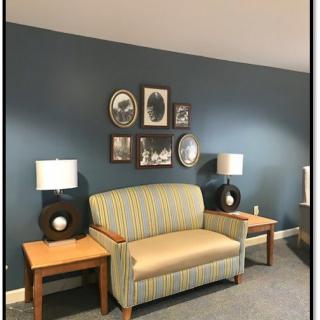
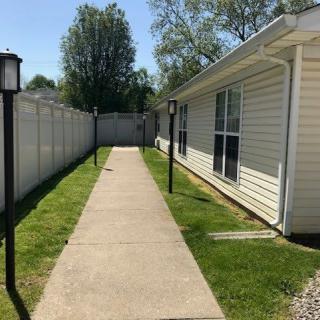
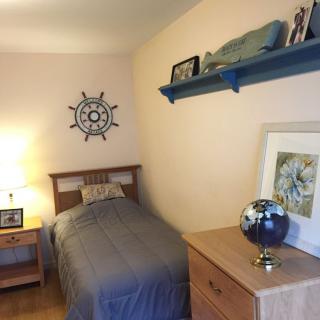
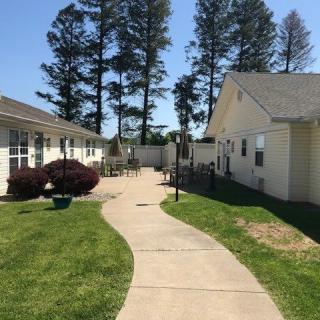
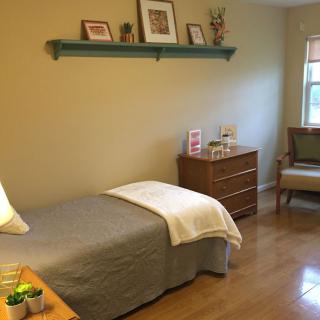
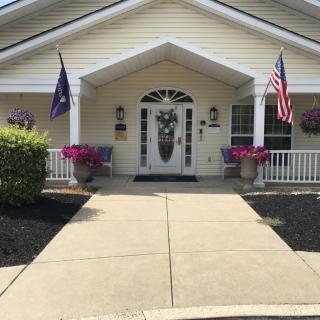
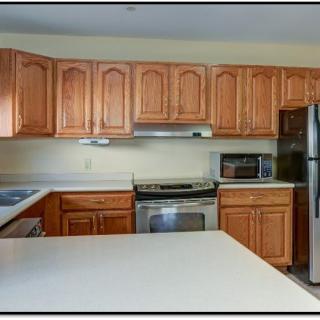
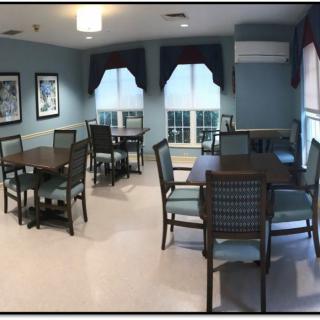
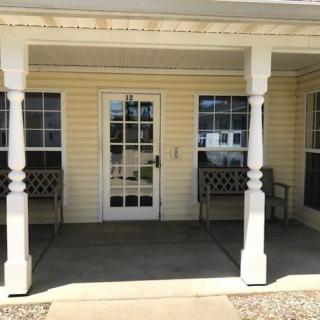
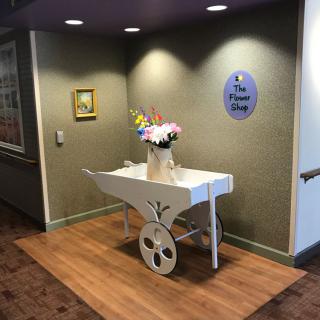
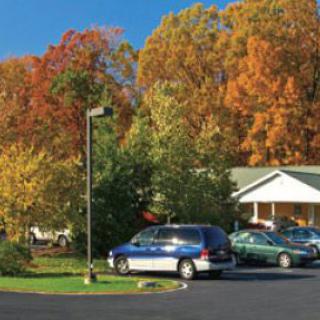
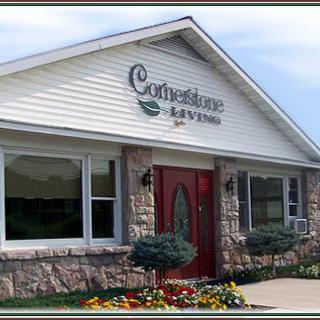
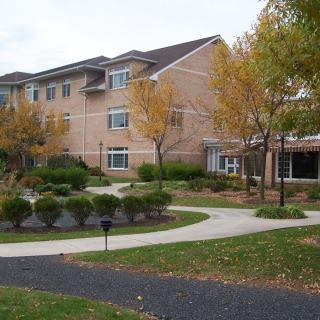
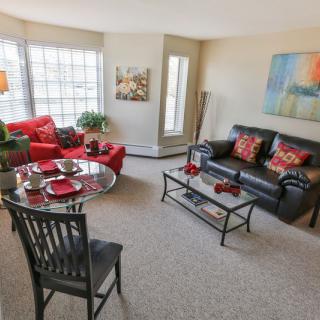
Arden Courts of Allentown on seniors.fyi includes 24 photos including images showing interior, decor, windows, bedroom, dining, hallway, outdoor, trees, and more.
Nearby Communities
Country Meadows of Allentown
Allentown, PA
4.5 from 72 reviews
Compassionate, attentive staff with engaging activities and strong family communication.
Atrium of Allentown
Allentown, PA
4.4 from 62 reviews
$3,600 to $4,500 / month
Beautiful, modern facility with attentive staff, strong dining, and engaging activities.
Cedarbrook Senior Care And Rehabilitation
Allentown, PA
1 from 1 review
Extensive on-site amenities and care services.
Cedarbrook Nursing Home
Allentown, PA
3.4 from 40 reviews
Vibrant community with extensive nearby amenities
BAYADA Home Health Care - Allentown
Allentown, PA
3.8 from 12 reviews
Consistently reliable and helpful nursing care.
Legend Of Allentown
Macungie, PA
4.3 from 99 reviews
Upscale, homely environment with engaging activities and memory-care options.
Senior Helpers of the Lehigh Valley
Allentown, PA
4.6 from 28 reviews
Effective caregiver match with proactive support and prompt communication.
Heather Glen Senior Living
Allentown, PA
4.4 from 104 reviews
$4,600 to $5,900 / month
Compassionate, attentive staff in a warm, home-like setting with engaging activities.
Rittenhouse Village at Lehigh Valley
Allentown, PA
4.3 from 110 reviews
$3,500 to $5,900 / month
Compassionate staff who engage residents; clean, comfortable rooms; varied activities and dining.
The article outlines effective communication strategies for interacting with loved ones with dementia, highlighting the need for empathy, patience, and understanding while emphasizing supportive approaches like using simple language, minimizing distractions, and focusing on feelings over facts to maintain dignity and foster connection. It also suggests seeking professional guidance when needed as communication challenges evolve.
VA nursing homes, or Community Living Centers (CLCs), offer tailored long-term care for veterans, featuring medical attention and rehabilitation in a supportive environment. The guide covers facility types, eligibility criteria, financial assistance options, quality of care standards, and alternatives to full-time nursing home placement.
At-home dementia care expenses vary widely based on care levels, location, and caregiver expertise, with monthly costs for home health aides exceeding $4,500 and specialized care potentially surpassing $100,000 annually. While families favor in-home care for its comfort and personalized attention, they must consider financial planning and the challenges of caregiver fatigue.
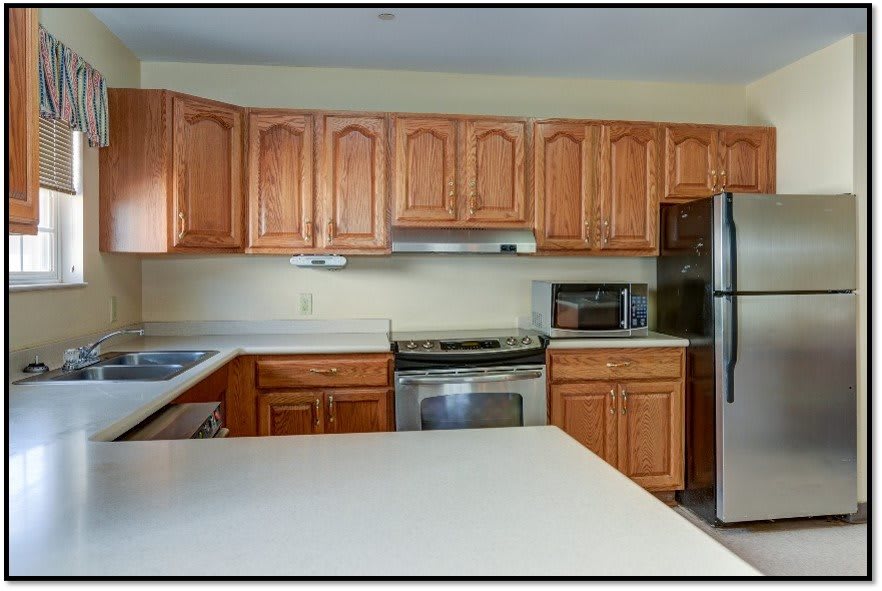
Kitchen, Appliances, Cabinets, Refrigerator, and Oven
Lighting
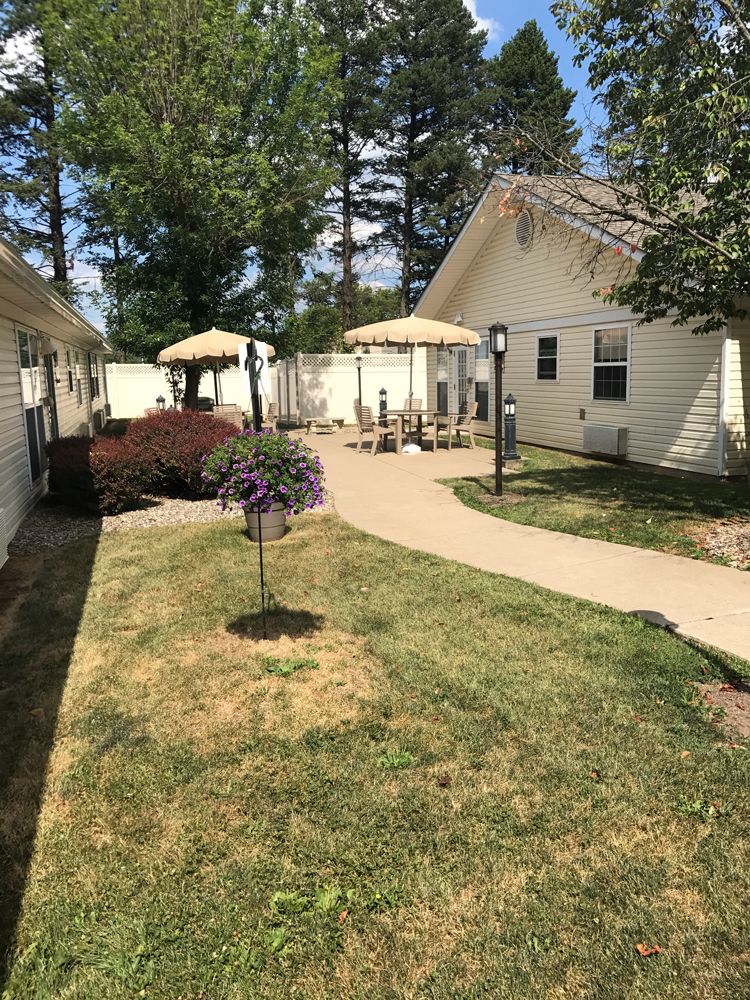
Garden and Outdoors
Artwork
Television and Seating Area
Outdoor
Entrance
Patio
Pathway
Seating
Flag and Front Porch
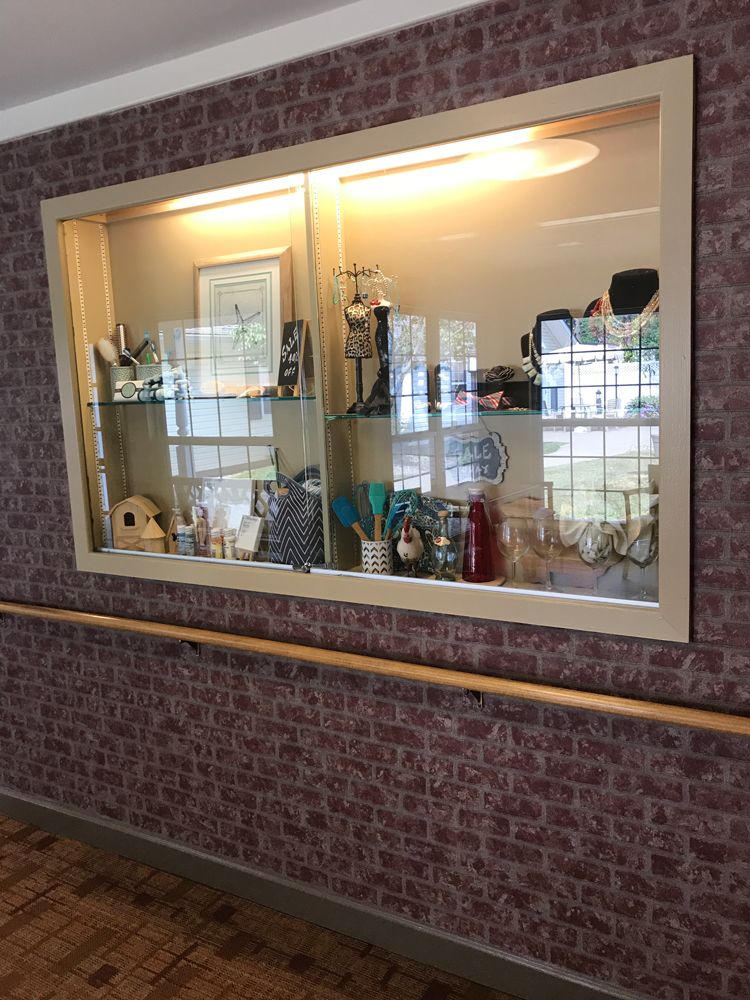
Wall Art
Hallway
Library and Reading Area
Porch
Grass
Courtyard and Building Exterior
Minimalist
Umbrellas
Nursing Home
Interior Decor
Get PricingAsk A QuestionSchedule A TourContact Senior Advisor
By clicking submit, you agree to our Partner's Terms of Use. You
also consent to receive calls and texts, which may be autodialed, from our Partner. Your consent is not a condition to
using our Partner's service. Please visit our Partner's Privacy Policy for information about their privacy practices.




 56 resident community capacity
 Studio apartments
 Assisted Living
 Independent Living
 Memory Care
 Skilled Nursing Facility
 Activities on-site
 Air-conditioning
 Beautician on-site
 Cable or satellite TV
 Computer center
 Devotional services on-site
 Dining room
 Fitness room
 Fully furnished
 Gaming room
 Garden
 Housekeeping services
 Indoor common areas
 Kitchenette
 Laundry
 Move-in coordination
 Outdoor common areas
 Party space
 Private bathrooms
 Respite or short term stays offered
 Restaurant-style dining
 Security gate
 Small library
 Telephone
 Wellness center
 Wheelchair accessible showers
 Wi-Fi/high-speed internet available
 Lehigh Valley International (9 miles away)
 Community operated transportation
 12-16 hour nursing
 24-hour call system
 Ambulatory care
 Assistance with bathing
 Assistance with dressing
 Assistance with transfers
 Diabetes diet
 Diabetic care
 Hospice care
 Incontinence care
 Medication management
 Mental wellness program
 Special dietary restrictions
 Art classes
 Catholic services
 Concierge services
 Cooking classes
 Educational speakers / life long learning
 Games
Games Jewish services
 Live dance or theater performances
 Live musical performances
 Planned day trips
 Stories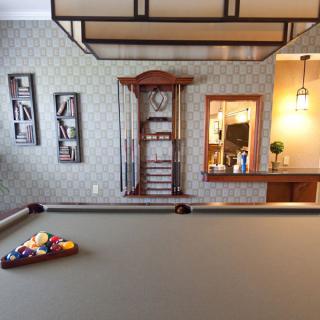
 Compassionate, attentive staff with engaging activities and strong family communication.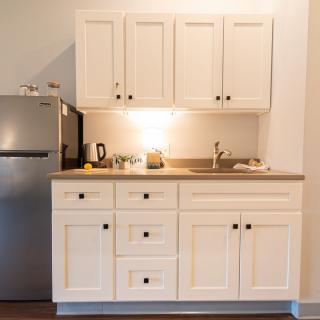


 How to Communicate with a Loved One Living with Dementia: 10 Supportive Strategies
 Comprehensive Guide to VA Nursing Homes: A Crucial Long-Term Care Resource for Veterans
 Estimating the Expenses of At-Home Dementia Care: A Detailed Exploration