For more information about senior living options: (866) 208-4318
4.4 from 62 reviews
5 stars
50
4 stars
4
3 stars
0
2 stars
1
1 stars
7
Atrium of Allentown Costs & Pricing
Atrium of Allentown offers competitive pricing for its residential options compared to both Lehigh County and the broader state of Pennsylvania. For a semi-private room, residents can expect to pay $3,600 per month, which is notably lower than the county average of $3,741 and slightly more affordable than the state average of $3,542. When considering studio accommodations, Atrium's rate stands at $4,500, closely aligning with the county's price of $4,504 but significantly exceeding the statewide average of $3,737. These figures reflect Atrium's commitment to providing quality care while maintaining cost-effectiveness relative to local and state benchmarks.
Floor plans
Atrium of Allentown
Lehigh County
Pennsylvania
Semi-Private
$3,600
$3,741
$3,542
Studio
$4,500
$4,504
$3,737
Memory care communities with a similar price nearby
Residents and families describe staff who are attentive and easy to work with.
Many reviews emphasize staff as a steady point of support, describing help that meets needs and a team that feels genuinely caring. Several also mention welcoming interactions at the front desk and staff who are responsive when families have questions. A few critical reviews go the other direction, alleging poor availability or unprofessional behavior, but the overall pattern in the testimonials is that families feel supported day to day.
common20 reviews mention this
Activities keep residents engaged
The community’s daily programming is a frequent reason families feel their loved one stays engaged.
Reviews repeatedly mention on-site activities throughout the day, including group events like arts and crafts and chair yoga. Families also describe outings and trips that expand routines beyond the building. Even in memory care, reviewers say residents are included when possible, and some comment that programming helps maintain connection and reduce isolation.
differentiator15 reviews mention this
Dining is a standout
Meals are repeatedly described as thoughtfully prepared and enjoyable.
Food comes up often, with multiple reviews praising meal quality and how meals feel more like restaurant dining than cafeteria-style eating. Families describe staff who plan events and serve special meals, and at least one review highlights a multi-course occasion. There is also at least one concern about variety and another request for softer textures for easier eating, but dining remains a consistent bright spot overall.
common12 reviews mention this
Clean, well-kept facility
Multiple residents and families mention a consistently clean, well-maintained environment.
Several reviews describe the building as clean and well maintained, including rooms and common areas. Tour experiences also frequently mention seeing staff cleaning and noticing spotless dining spaces. A minority of reviews raise cleanliness concerns, including claims of filth or items not being properly handled, so it’s not universally agreed—but cleaning is still a common theme in positive accounts.
caveat4 reviews mention this
Care staffing and follow-through concerns
A few reviews raise concerns about staffing levels and follow-through on care tasks.
Some critical reviews allege that staffing availability was not sufficient, with claims that residents were neglected or that basic needs were not handled consistently. One review specifically describes an urgent incident involving a memory care resident leaving an area and needing law enforcement help. Others mention the facility being understaffed and care needs not being fully met, including medication and movement assistance.
common4 reviews mention this
Pricing fits select budgets
Several reviewers felt the pricing aligned reasonably with the support they received.
A few reviews frame the cost as manageable for their situation or as a good balance compared with care quality. One review also notes moving from another place to match their needs and budget. For reference, studio pricing is shown as below county and slightly below state averages, while semi-private pricing is shown as slightly below county and above state.
How we summarize
Counts show how many written reviews mention each theme; a review can touch several themes, and only frequently mentioned themes are displayed.
Features
Housing
80 resident community capacity
Studio apartments
Types of Care
Assisted Living
Memory Care
Pets
Cats allowed
Dogs allowed
Amenities
Activities off-site
Activities on-site
Air-conditioning
Beautician on-site
Beauty salon
Cable or satellite TV
Cafe
Computer center
Continuing learning programs
Devotional services on-site
Dining room
Family education and support services
Family private dining rooms
Fitness room
Fully furnished
Gaming room
Garden
Guasts at mealtime
Guest parking
Housekeeping services
Indoor common areas
Kitchenette
Laundry
Located close to restaurants
Located close to shopping centers
Move-in coordination
Outdoor common areas
Outdoor patio
Outdoor space
Party space
Pet friendly
Private bathrooms
Religious/meditation center
Resident parking
Respite or short term stays offered
Restaurant-style dining
Small library
TV room
Telephone
Wellness center
Wheelchair accessible showers
Wi-Fi/high-speed internet available
Transportation
Lehigh Valley International (9 miles away)
Community operated transportation
Transportation & parking
Transportation arrangement
Transportation arrangement (non-medical)
Care Services
24-hour call system
24-hour nursing
24-hour supervision
Accept incoming residents on hospice
Activities of daily living assistance
Administer insulin injections
Ambulatory care
Assistance with bathing
Assistance with dressing
Assistance with transfers
Coordination with health care providers
Diabetes diet
Diabetic care
Hospice care
Incontinence care
Meal preparation and service
Medication management
Mental wellness program
Mild cognitive impairment
Personal care assistants
Physical therapy
Rehabilitation program
Respite program
Special dietary restrictions
Specialized memory care programming
Transportation arrangement (medical)
Transportation to doctors appointments
Dining
Diabetes diet
Meals provided
Special dietary restrictions
Activities
Activities off-site
Activities on-site
Arts and crafts
Book club
Community-sponsored activities
Concierge services
Devotional activities on-site
Educational speakers / life long learning
Fitness programs
Games
Live musical performances
Planned day trips
Religious services
Resident-run activities
Scheduled daily activities
Stories
Nearby Places of Interest
This part of Allentown, Pennsylvania, offers a convenient and diverse range of amenities for seniors looking to settle in the area. With a variety of restaurants nearby such as Westside Grill, BJ's Restaurant & Brewhouse, and Chick-Fil-A, there are plenty of dining options to choose from. Additionally, there are several cafes including Starbucks and Panera Bread for socializing or enjoying a cup of coffee. For healthcare needs, there are multiple pharmacies such as CVS Pharmacy and Walgreens within close proximity. Surrounding parks like Grange Park and Cedar Creek Park provide opportunities for outdoor activities and relaxation. Nearby theaters like Movie Tavern Trexlertown offer entertainment options, while various medical facilities such as Urology Specialists of the Lehigh Valley and St. Luke's Center for Advanced Gynecologic Care ensure access to quality healthcare services. Places of worship like Bethany United Methodist Church cater to spiritual needs within the community. Overall, this area presents a well-rounded environment with essential services that can cater to the needs of seniors seeking comfortable living arrangements in Allentown.
Restaurants
Westside Grill (0.6 miles)
BJ's Restaurant & Brewhouse (0.7 miles)
The Shelby (0.8 miles)
Taco Bell (0.9 miles)
Chick-Fil-A (1 miles)
McDonald's (1.6 miles)
Chris' Family Restaurant (1.7 miles)
Cafes
Starbucks (0.7 miles)
Starbucks (0.8 miles)
Panera Bread (1 miles)
Starbucks (2.3 miles)
Starbucks (4.6 miles)
Pharmacies
CVS Pharmacy (0.8 miles)
CVS Pharmacy (0.8 miles)
Walgreens (1 miles)
CVS Pharmacy (1.7 miles)
Omnicare Pharmacy Services of Eastern PA (2.3 miles)
Wegmans (2.4 miles)
Central Admixture Pharmacy Services (2.4 miles)
Parks
Grange Park (0.9 miles)
Church Lane Park (1.9 miles)
Cedar Creek Park (3 miles)
Bob Rodale Cycling and Fitness Park (3.1 miles)
Macungie Memorial Park (4 miles)
Theaters
Movie Tavern Trexlertown (0.9 miles)
Physicians
Urology Specialists of the Lehigh Valley (1 miles)
Dnese Mary Sokolowski (1.3 miles)
Center For Allergy & Asthma Care (1.3 miles)
Kevitch, Chung & Jan - Aesthetic Surgery Associates (1.3 miles)
St. Luke's Center for Advanced Gynecologic Care (1.3 miles)
Dr Michael Pengelly, Doctor of Audiology (1.3 miles)
Integrated Health Campus (1.3 miles)
Places of Worship
Bethany United Methodist Church (1.3 miles)
St Thomas More Catholic Church (3.3 miles)
Hospitals
Kaysch Pavilion (2.7 miles)
Lehigh Valley Hospital (2.7 miles)
Open Heart Unit (2.7 miles)
LVH Pediatric Unit (2.7 miles)
Lehigh Valley Hospital - Mother/Baby Unit (2.8 miles)
Life Care Holdings (3 miles)
St Luke's Radiology/X-Ray-Allentown Campus (4.7 miles)
Atrium of Allentown offers competitive pricing for its residential options compared to both Lehigh County and the broader state of Pennsylvania. For a semi-private room, residents can expect to pay $3,600 per month, which is notably lower than the county average of $3,741 and slightly more affordable than the state average of $3,542. When considering studio accommodations, Atrium's rate stands at $4,500, closely aligning with the county's price of $4,504 but significantly exceeding the statewide average of $3,737. These figures reflect Atrium's commitment to providing quality care while maintaining cost-effectiveness relative to local and state benchmarks.
Atrium of Allentown is designed to enhance the quality of life for residents with dementia or Alzheimer's disease through a comprehensive suite of services tailored to their unique needs. The 24-hour supervision ensures that individuals are always monitored and supported, promoting safety and security. Assistance with activities of daily living--including bathing, dressing, transfers, and incontinence care--ensures that residents maintain dignity while receiving necessary support. Coordination with health care providers optimizes medical oversight, while medication management helps prevent errors and promote adherence. The meal preparation and service are geared toward nutritional needs, fostering both physical health and enjoyment during mealtimes. Engaging residents in specialized memory care programming alongside a mental wellness program encourages cognitive stimulation and social interaction, which are vital in preserving mental acuity. Additionally, transportation arrangements for medical appointments ensure that residents have access to essential healthcare services without added stress. Overall, these features work synergistically to provide holistic care focused on improving the well-being of those experiencing cognitive decline.
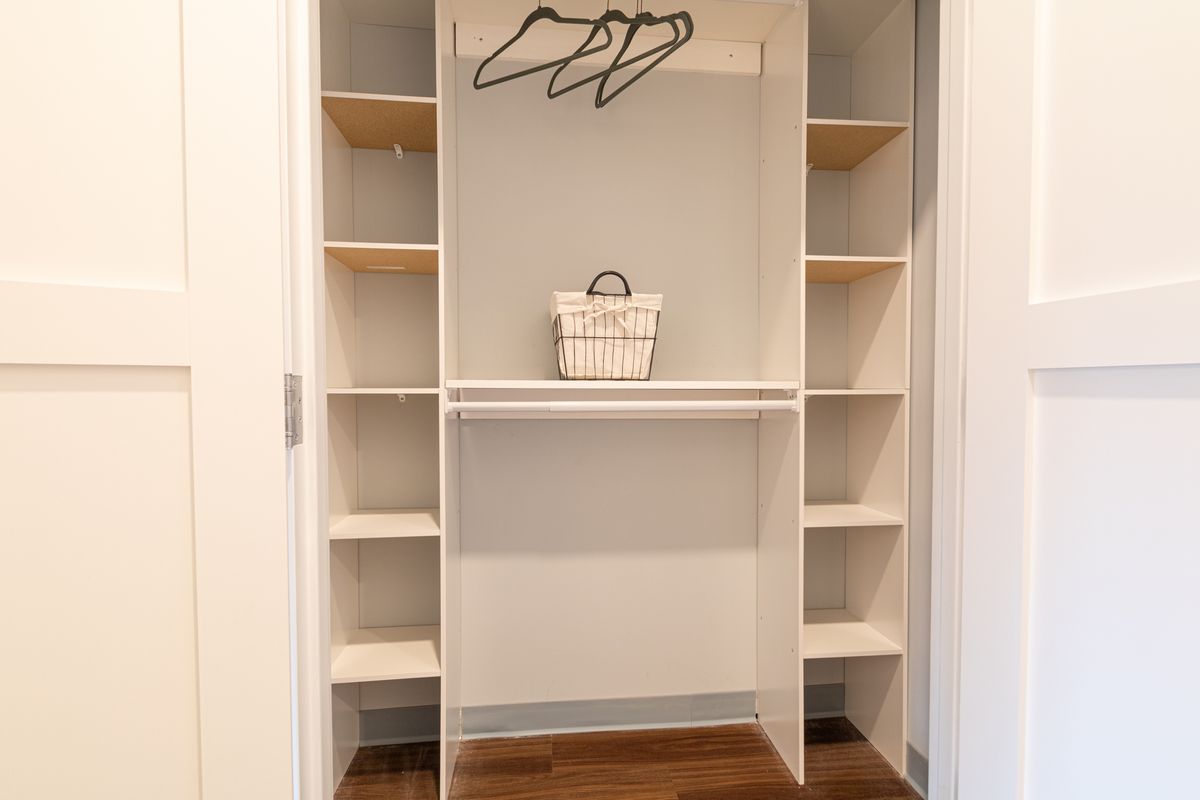
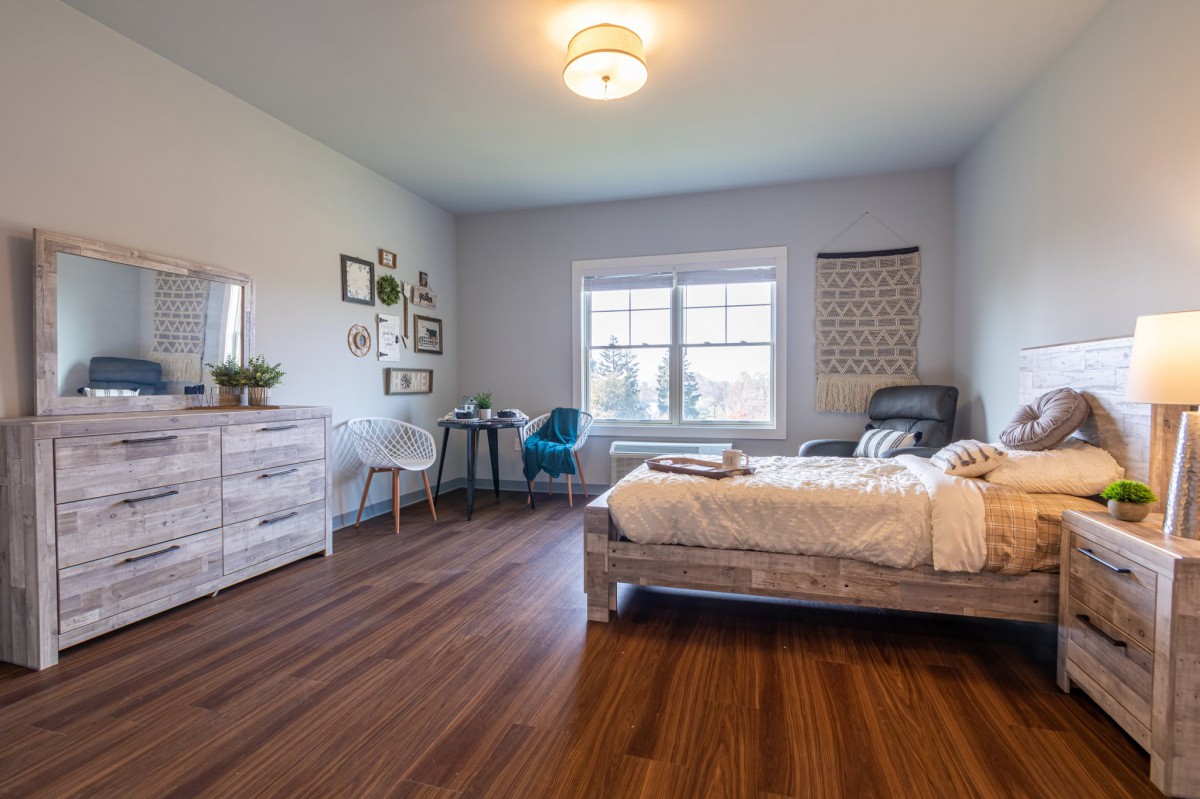
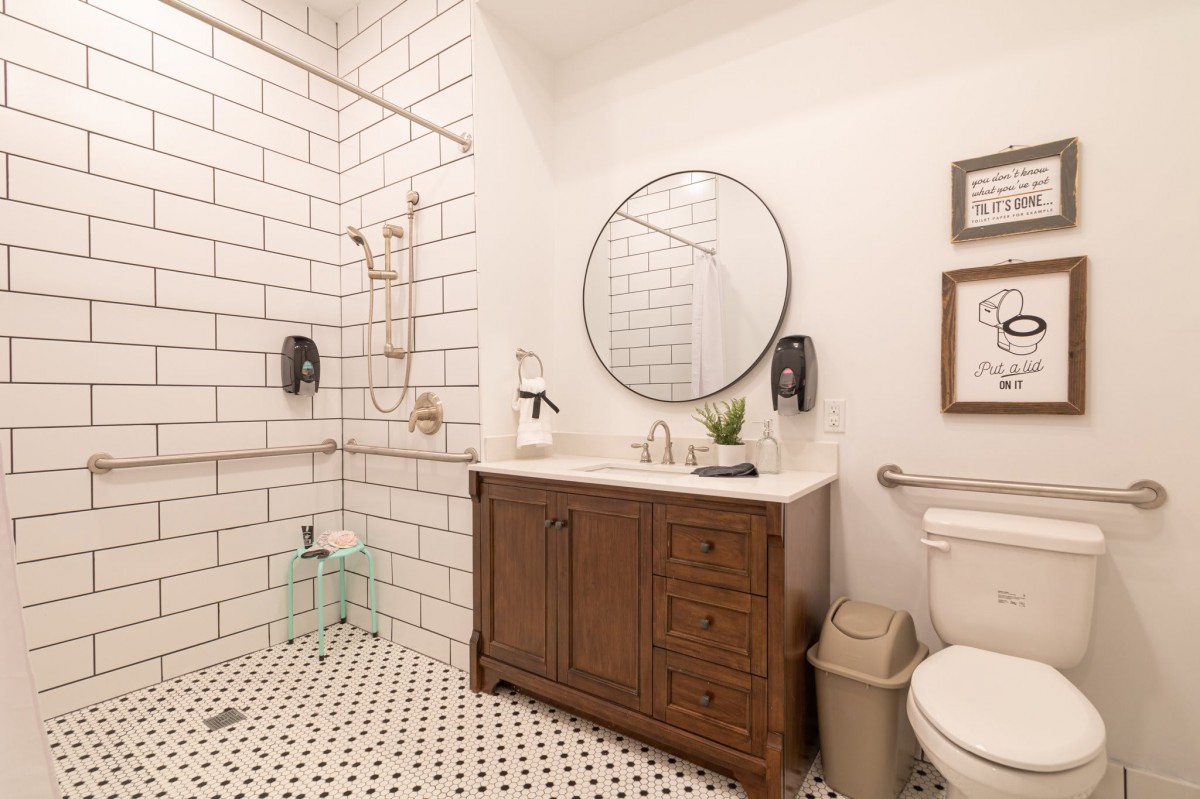
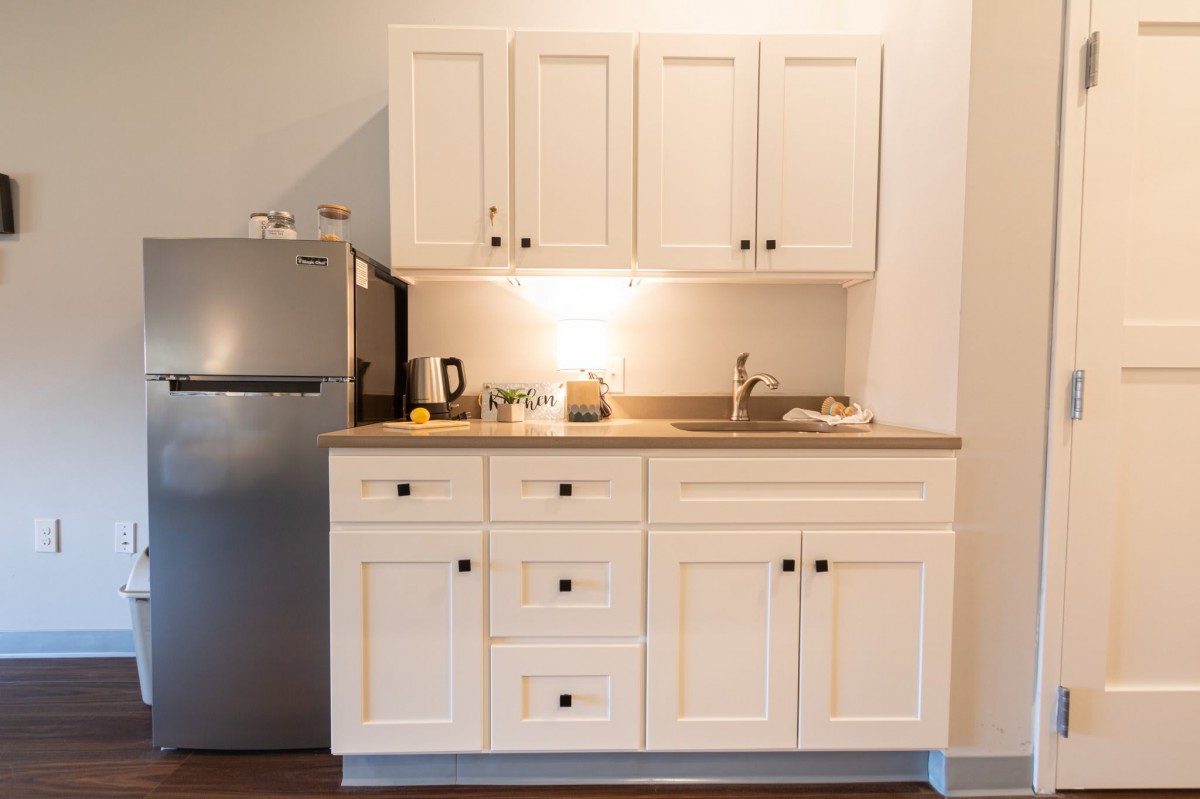
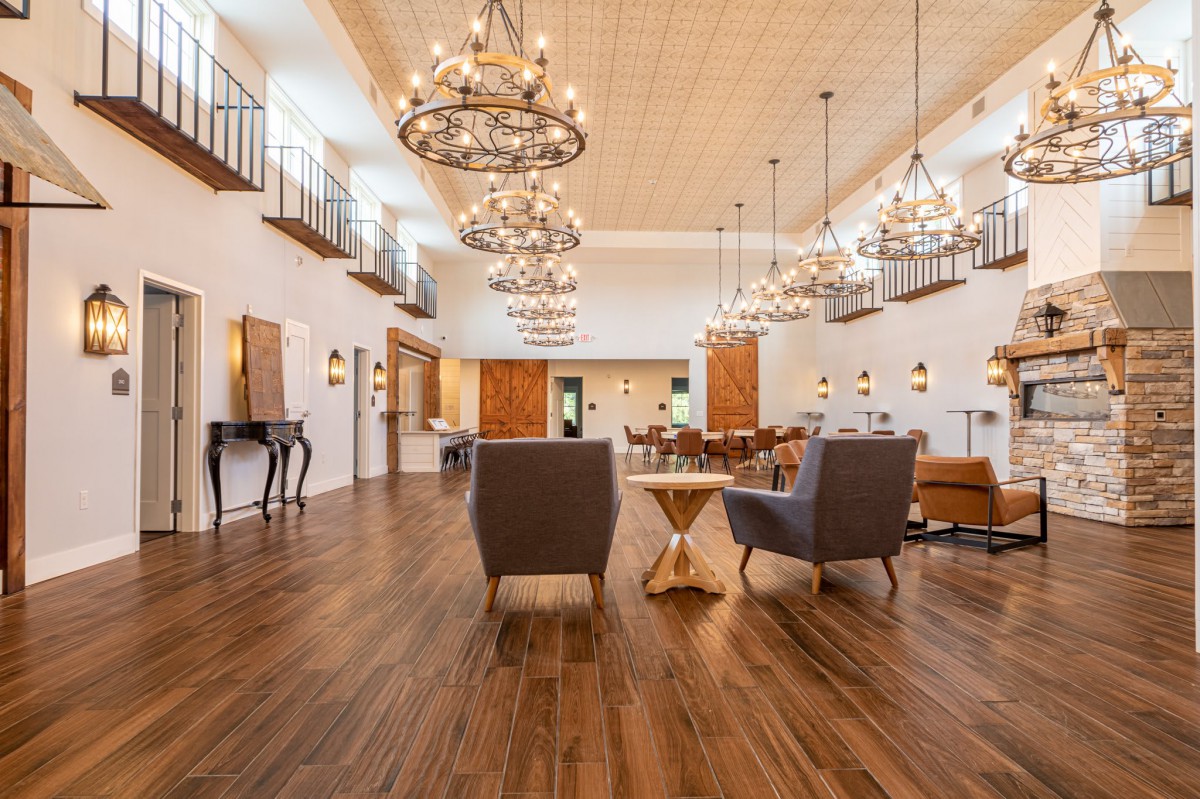
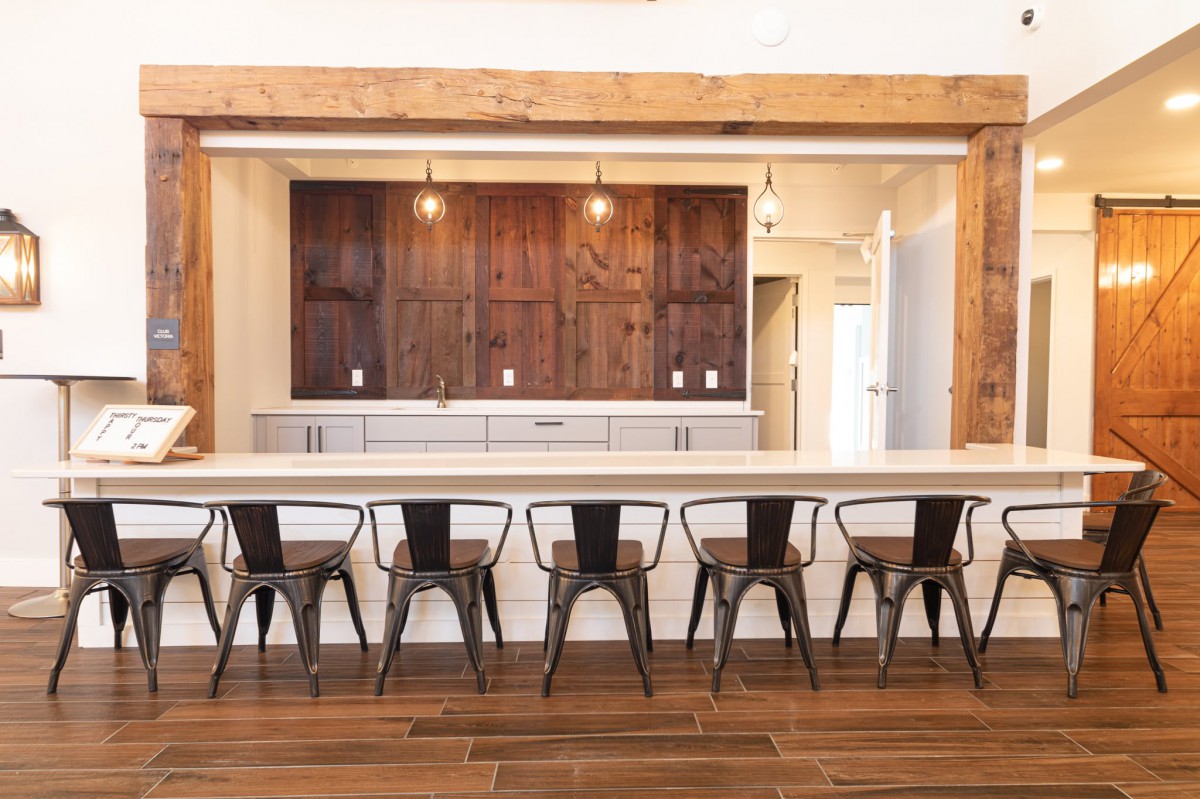
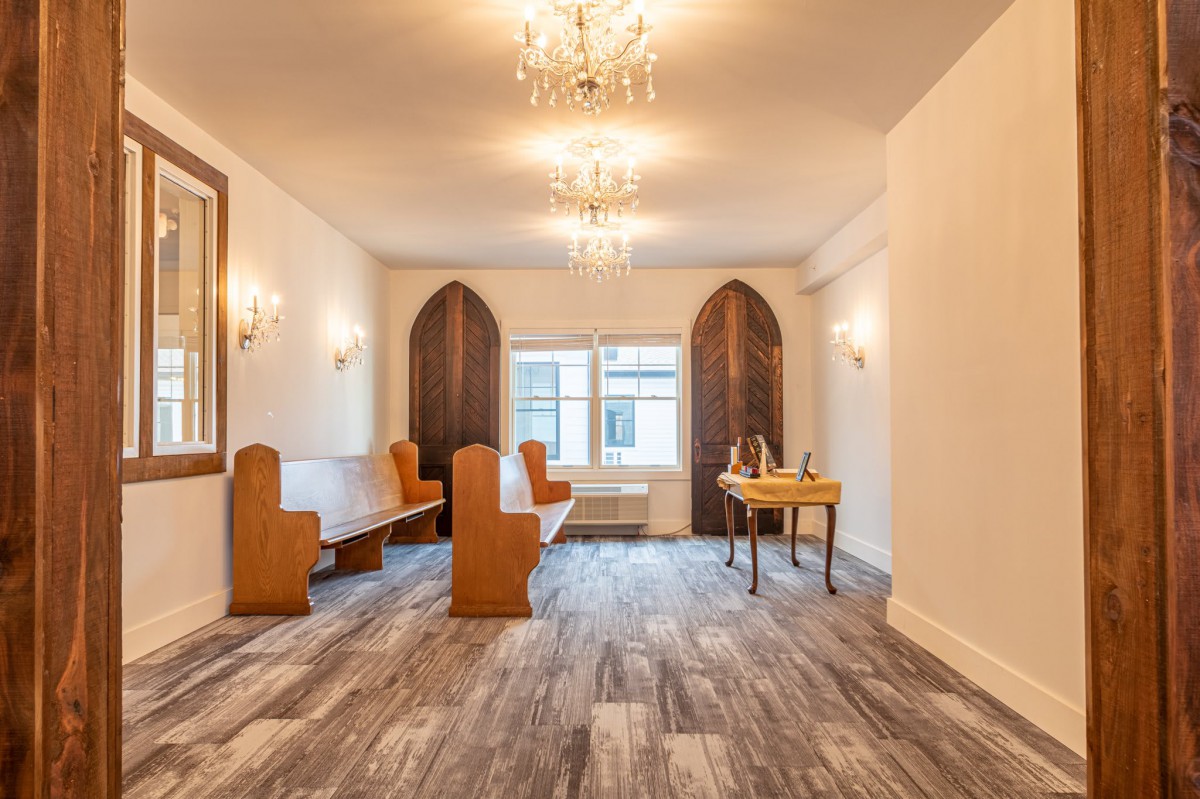
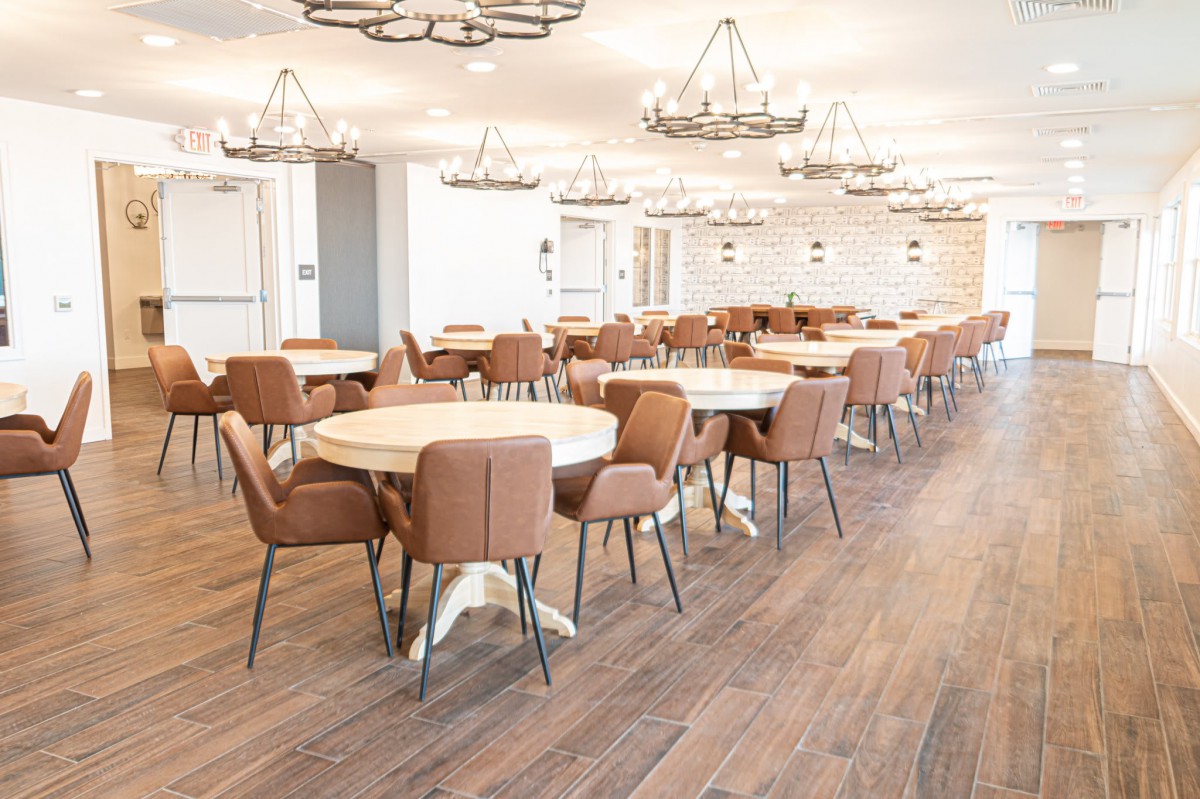
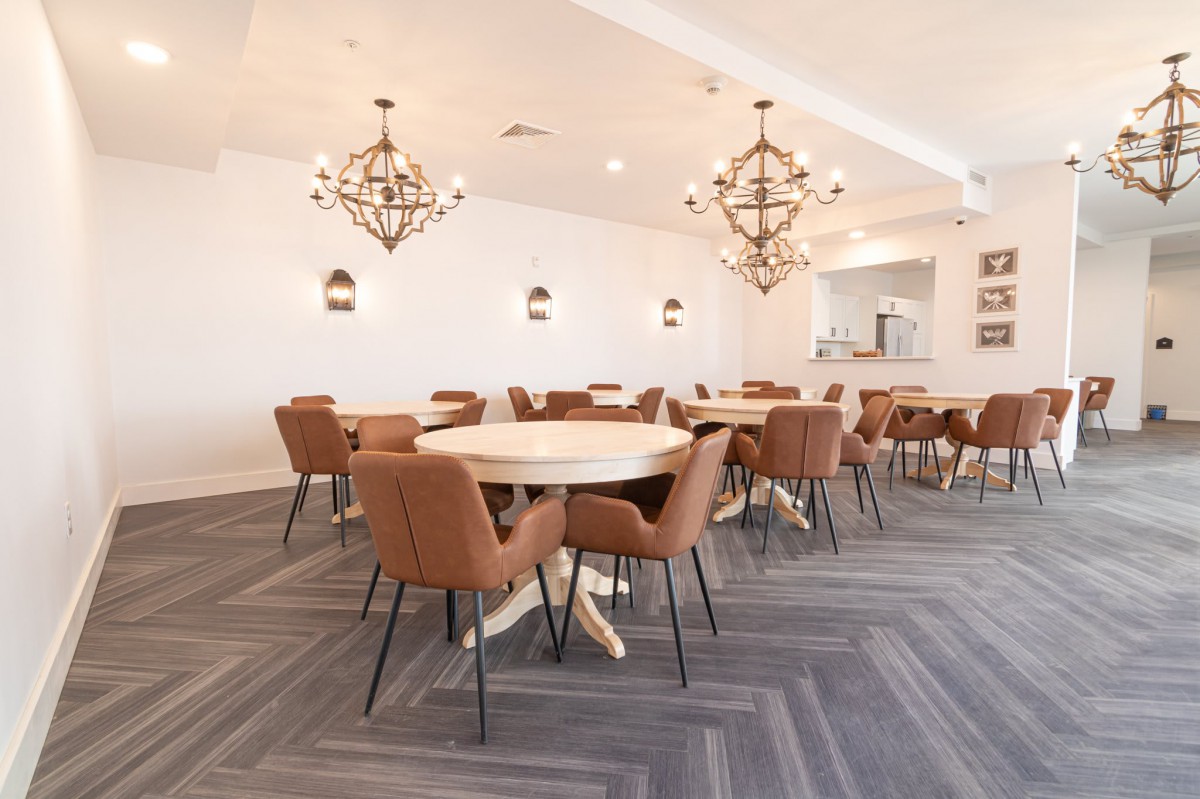
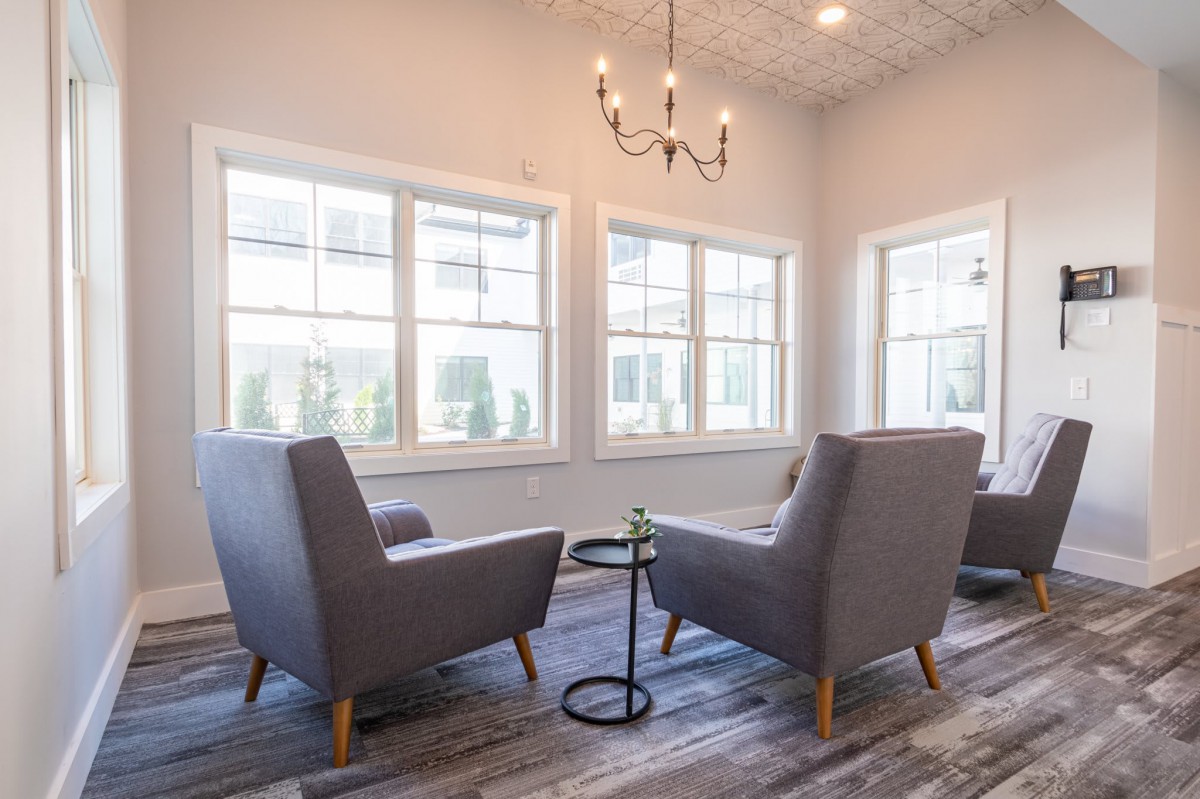
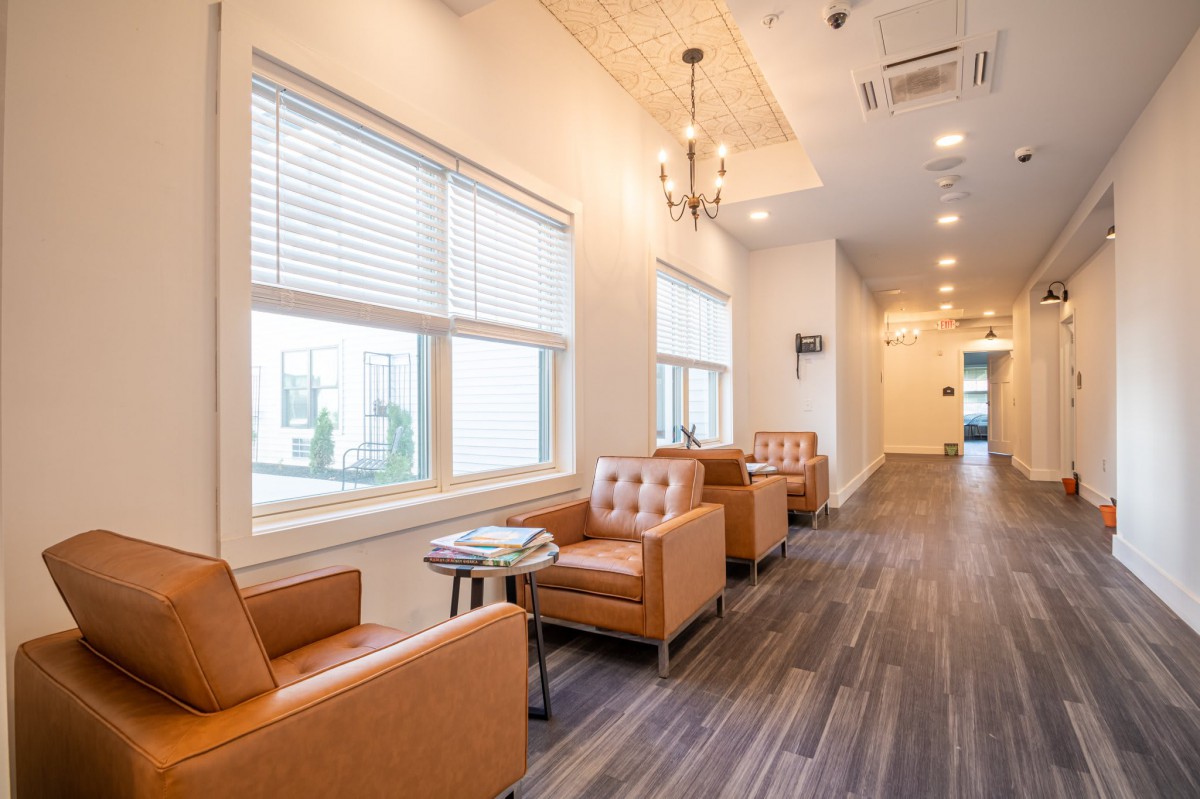
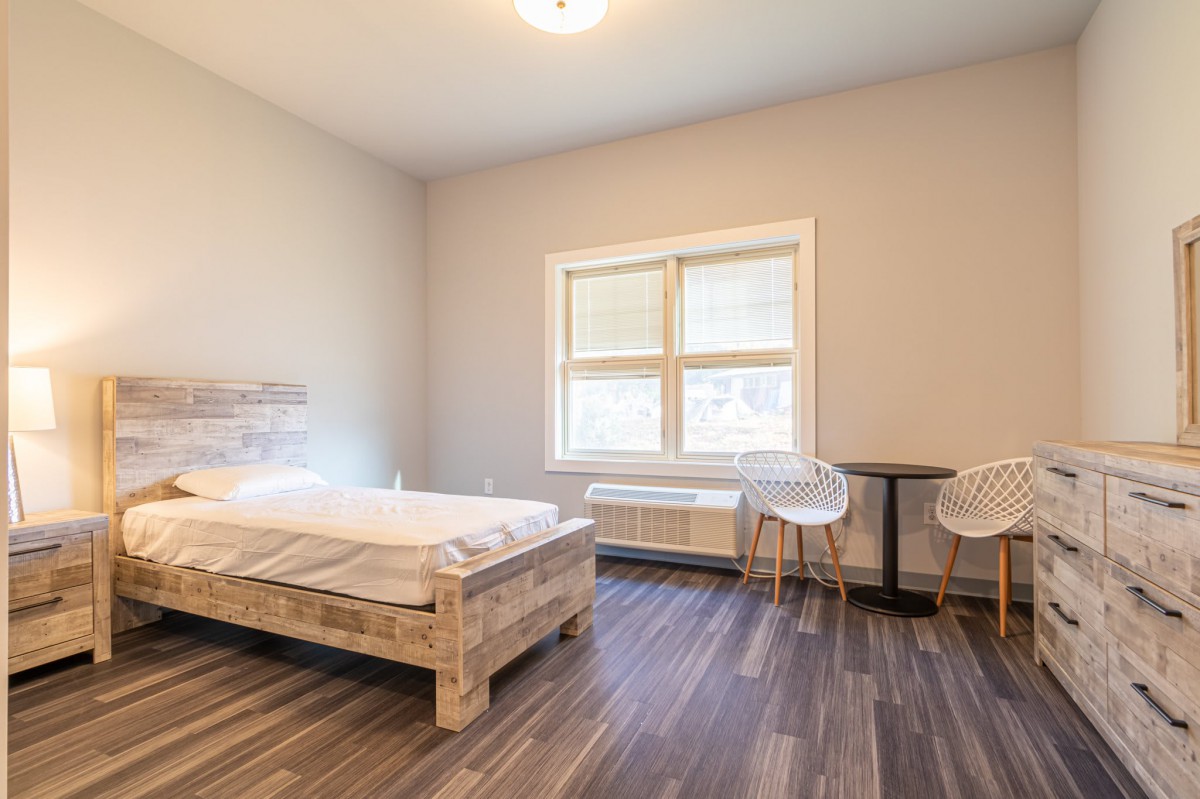
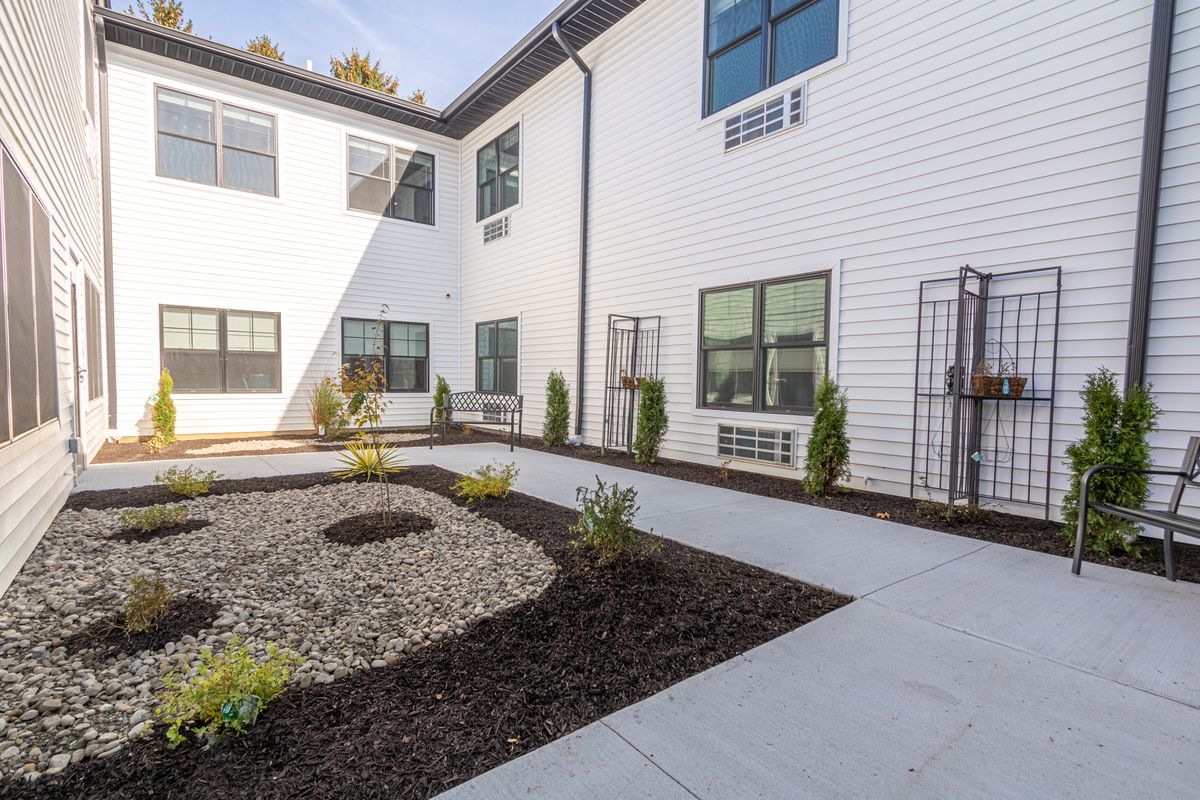
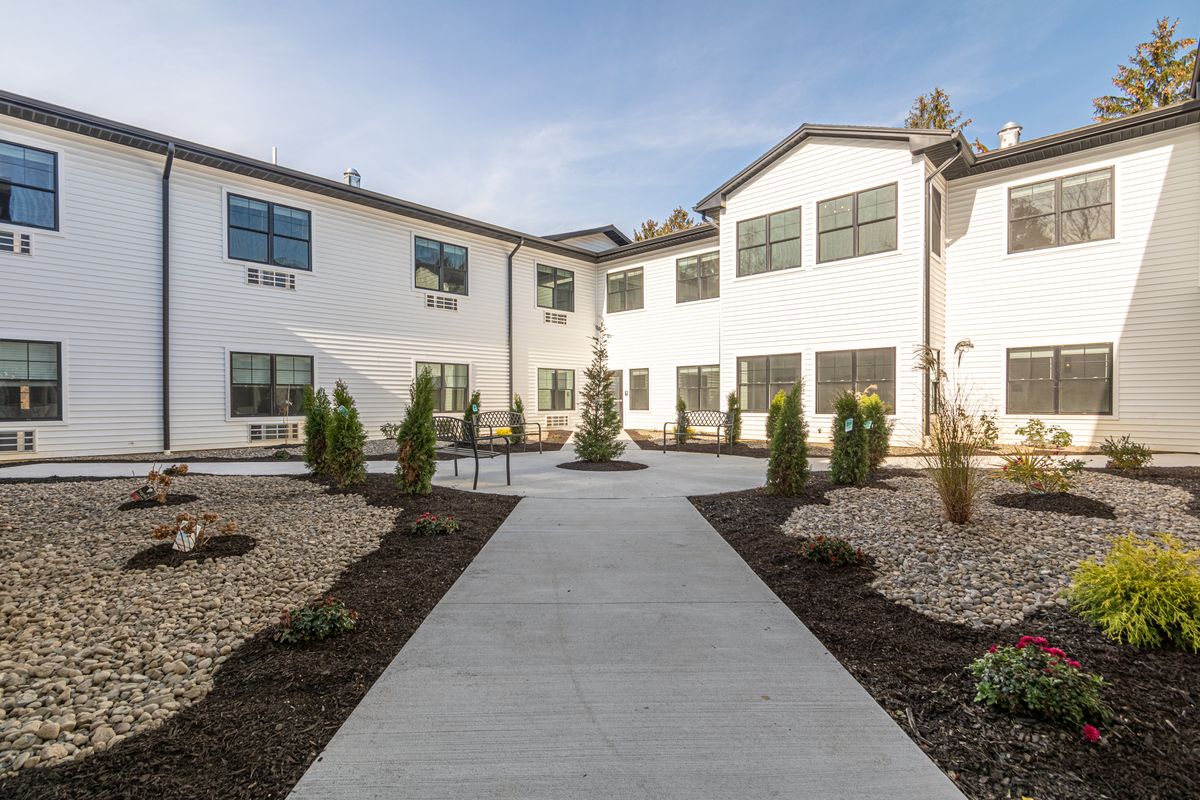
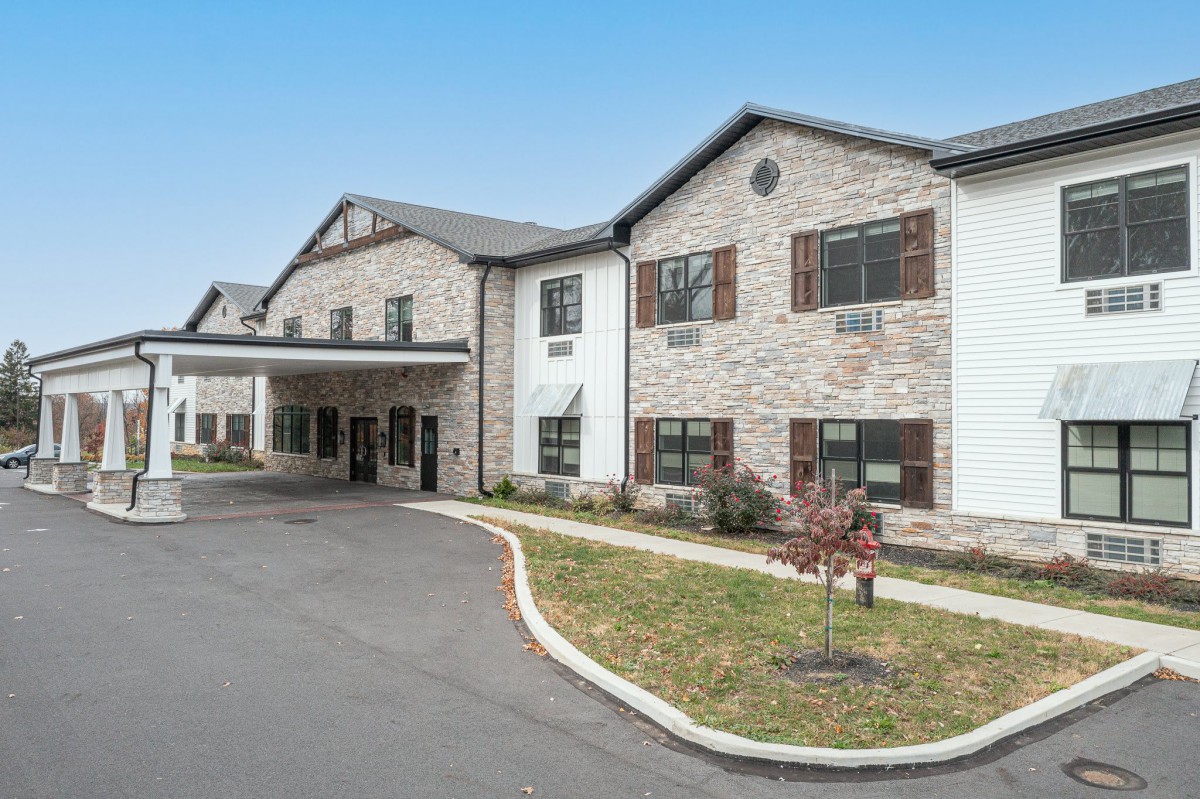
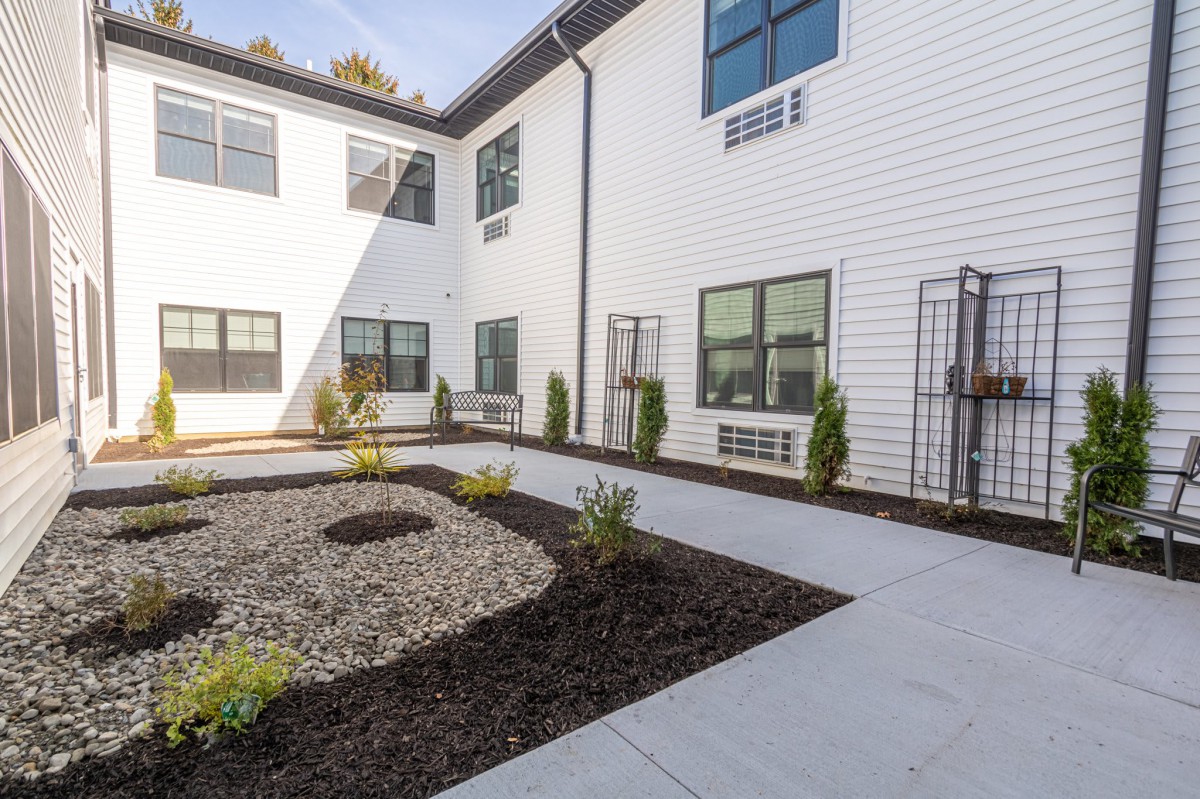
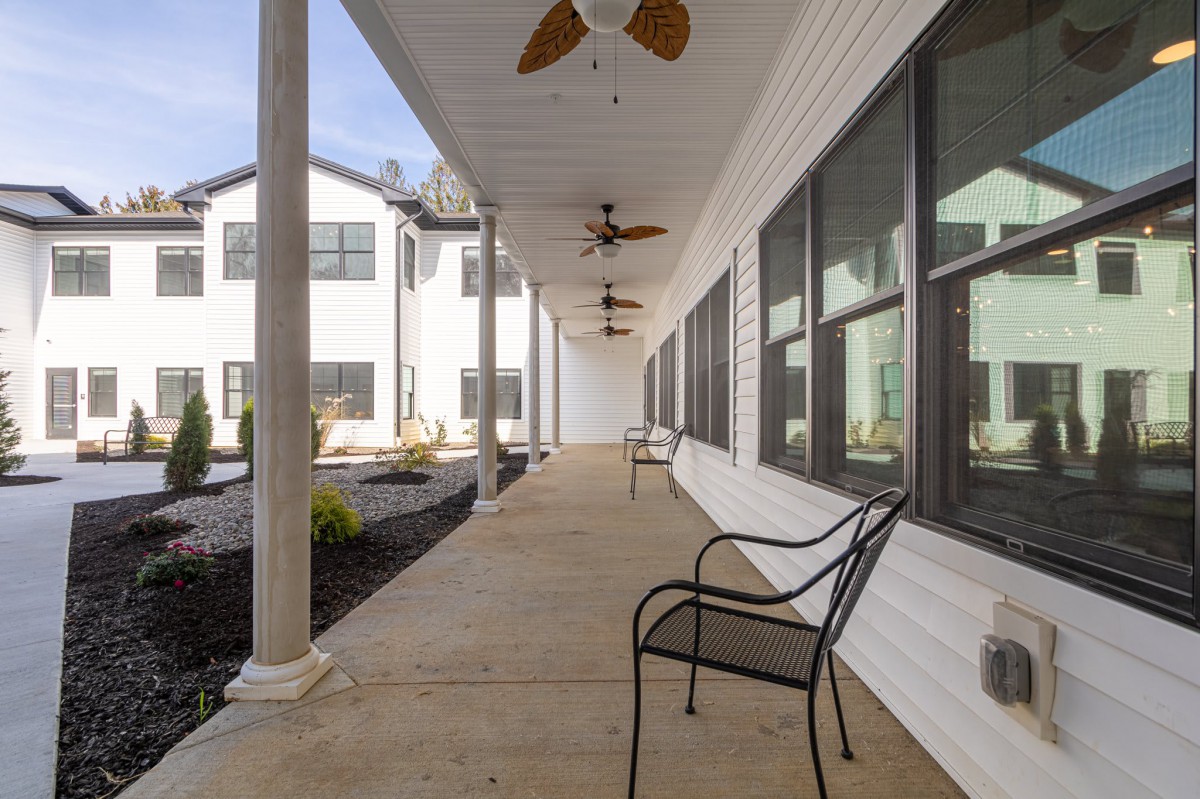
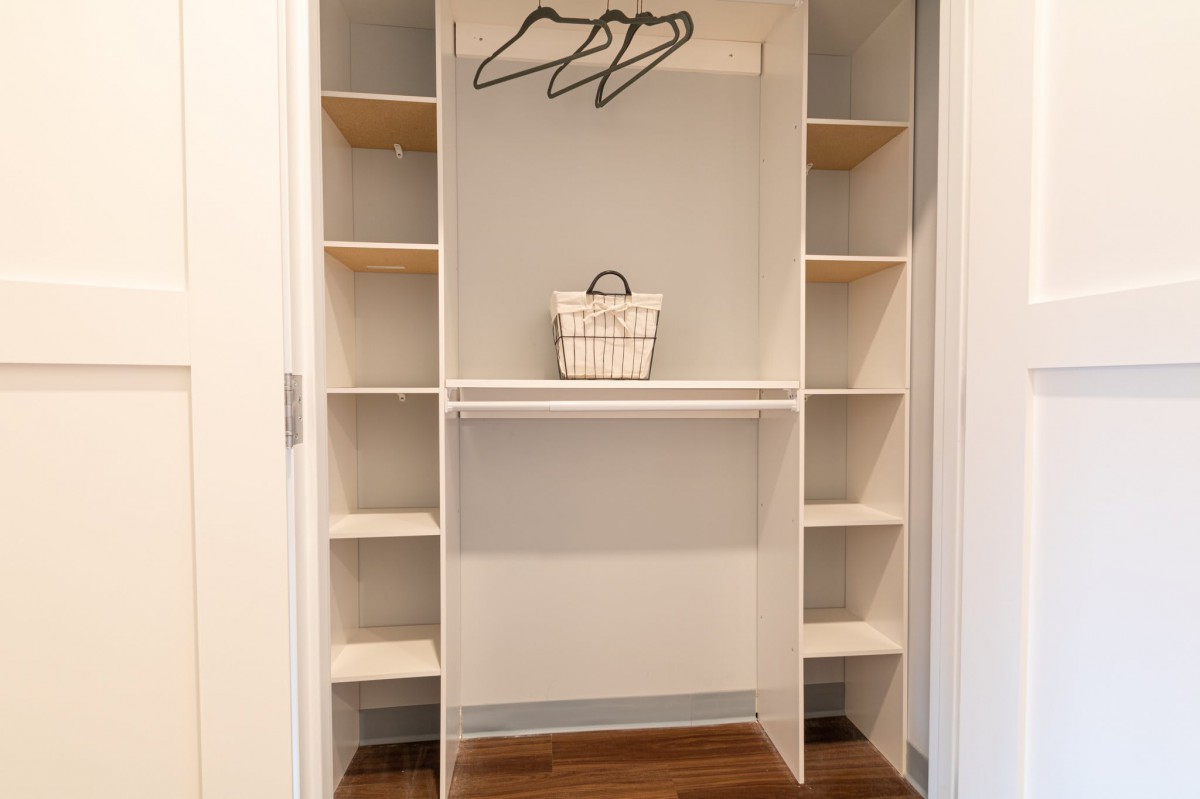
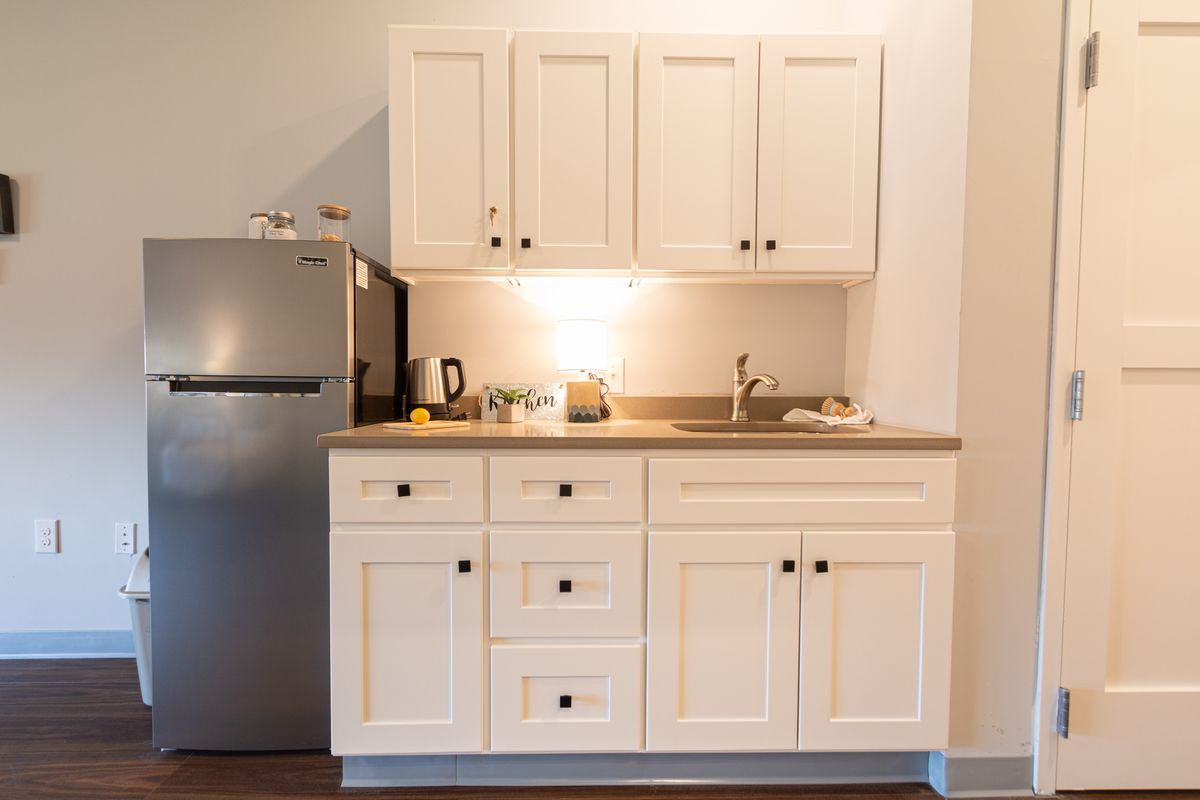
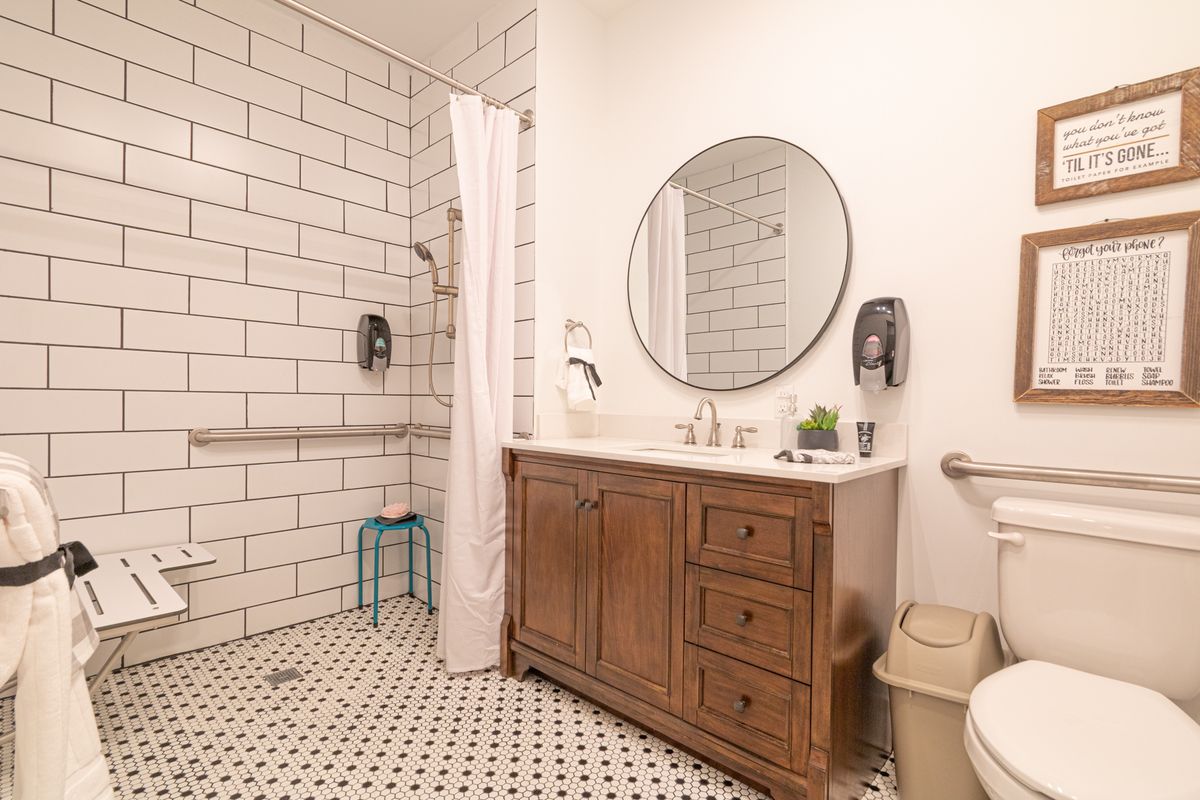
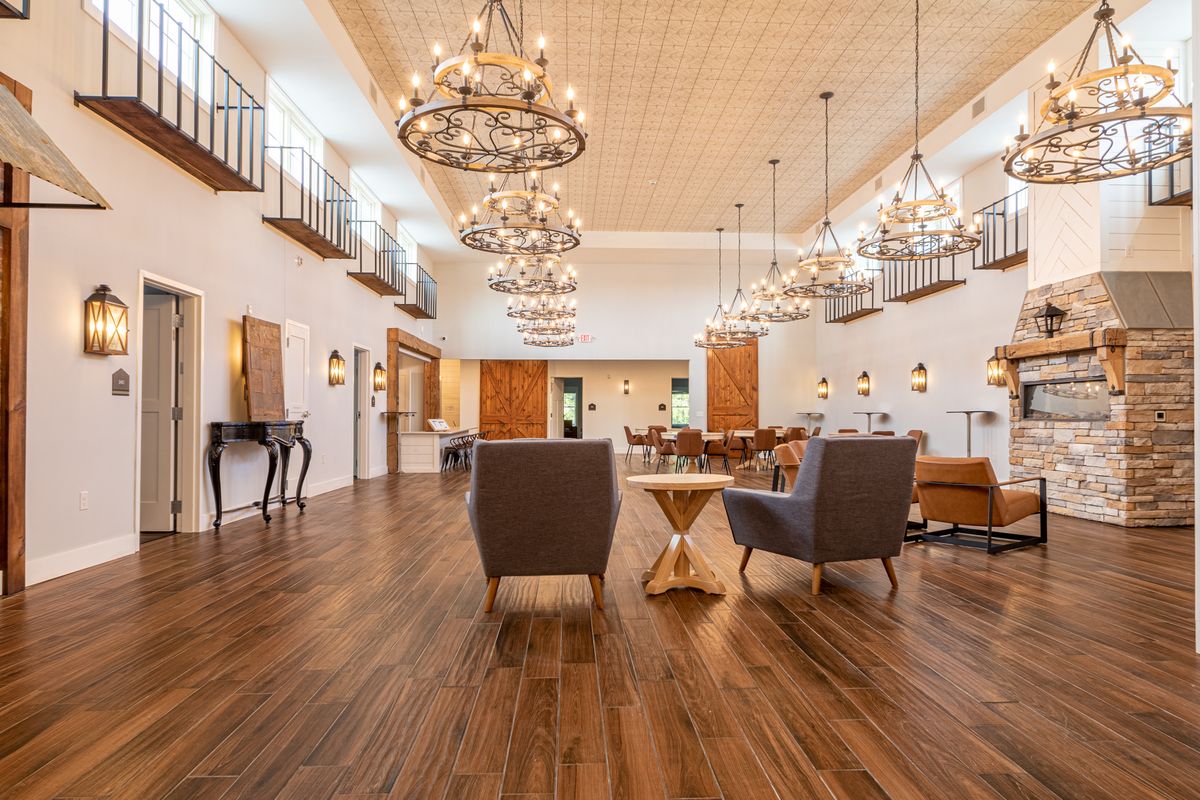
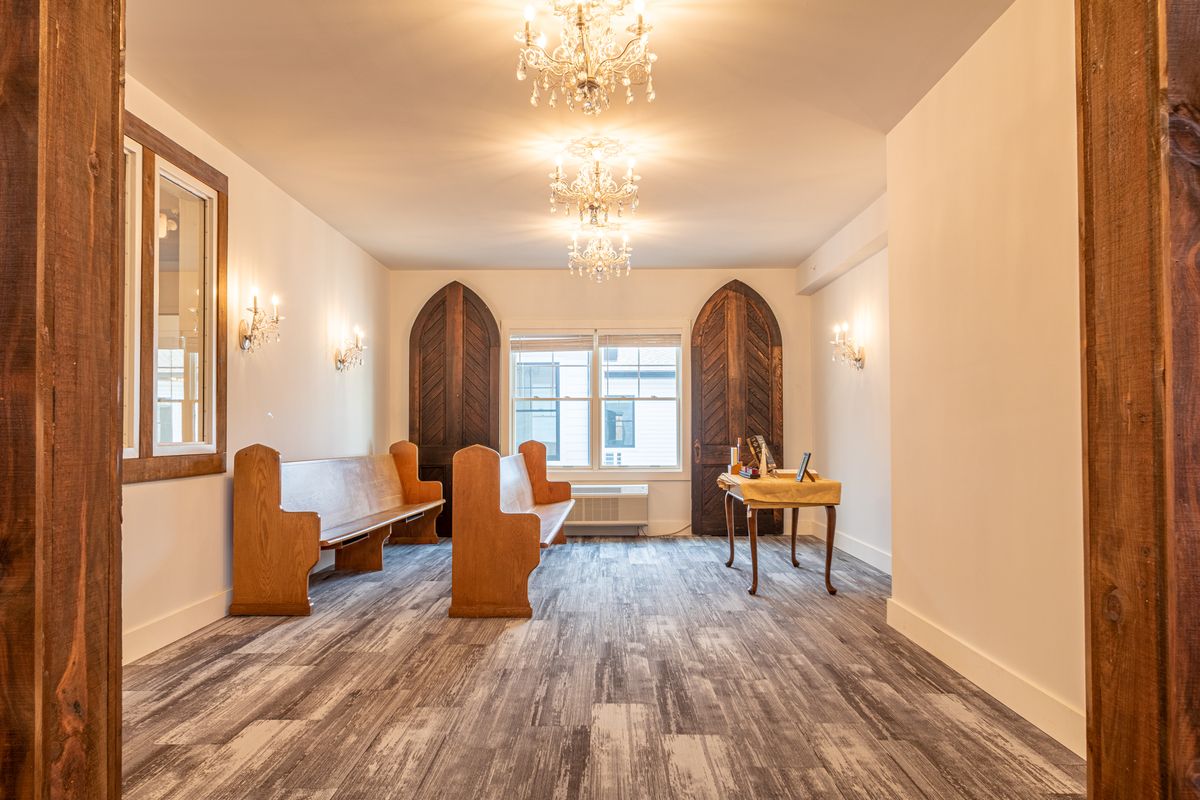
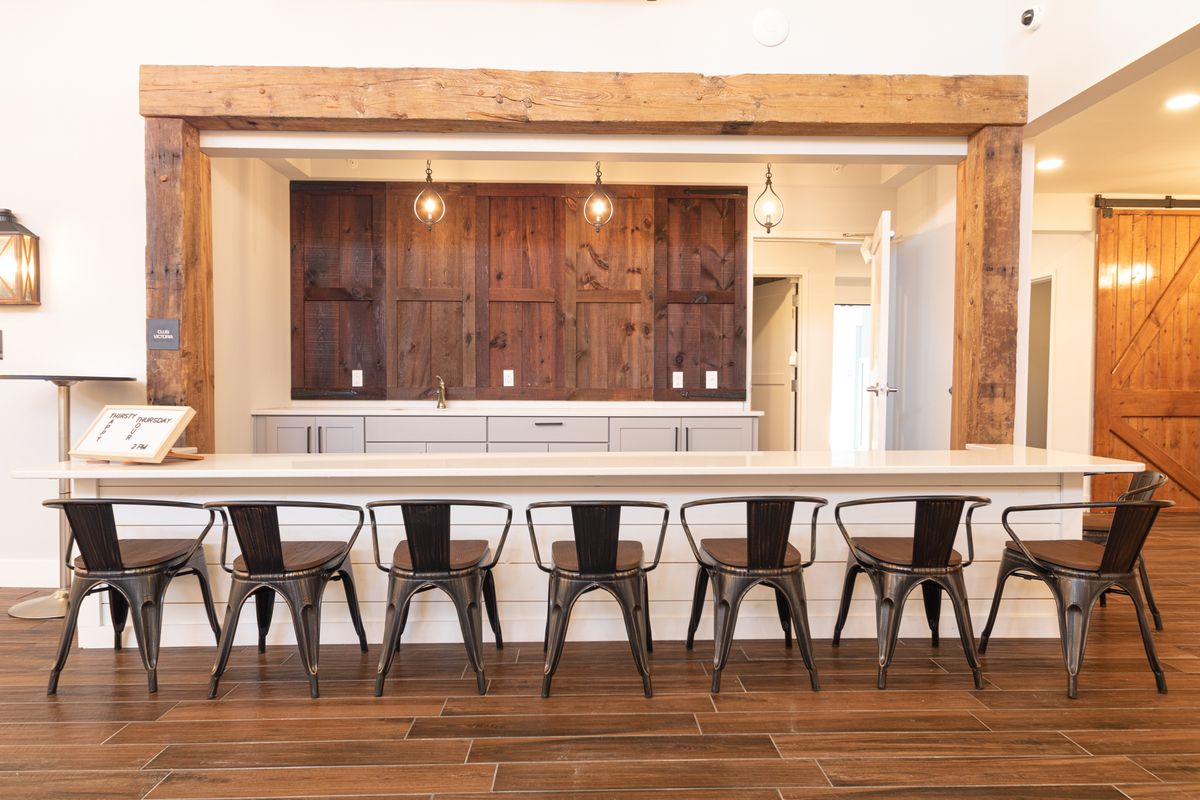
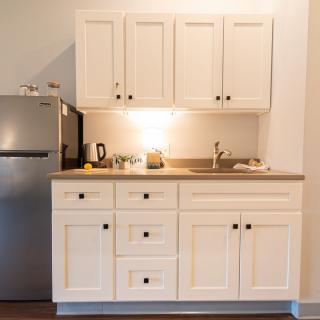
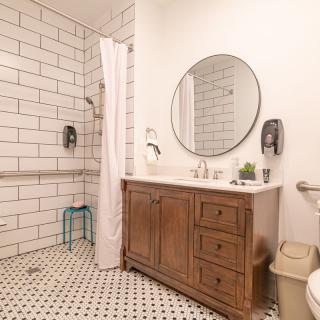
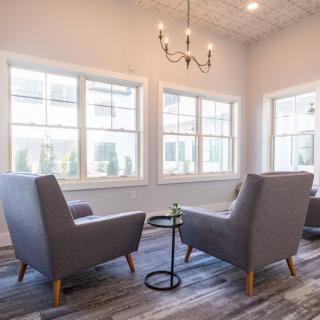
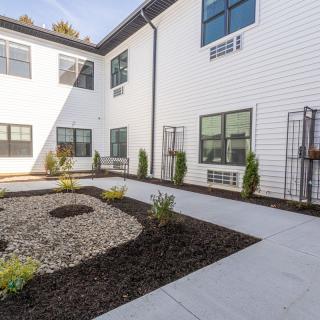
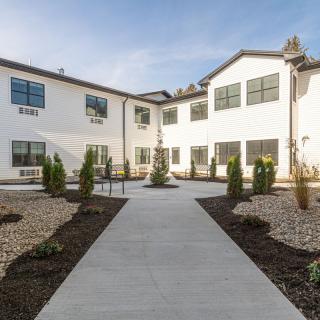
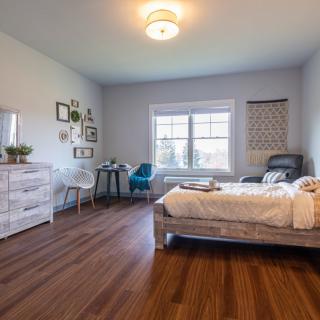
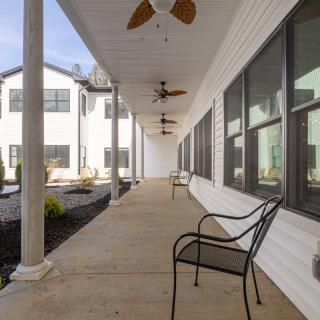
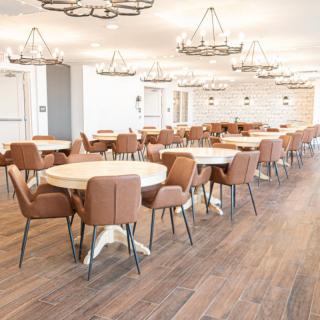
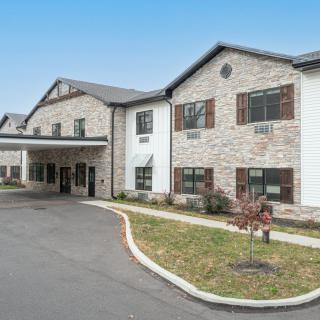
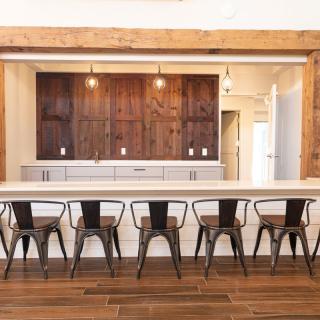
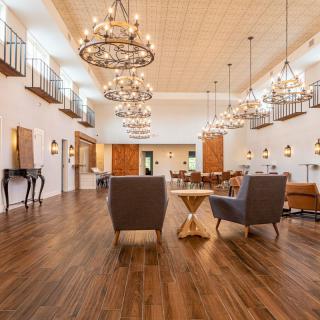
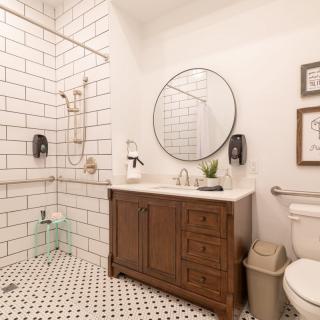
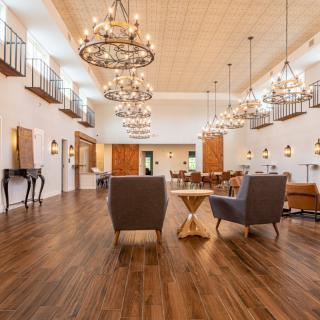
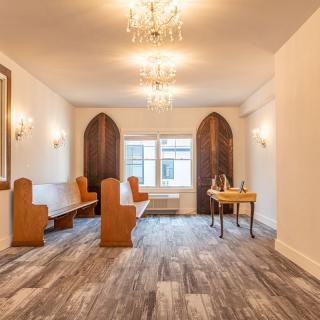
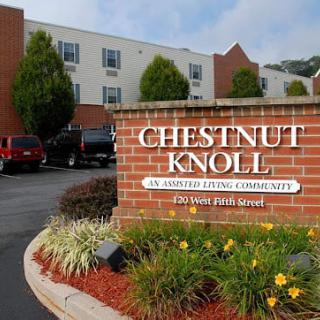
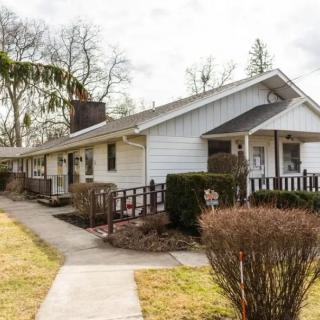
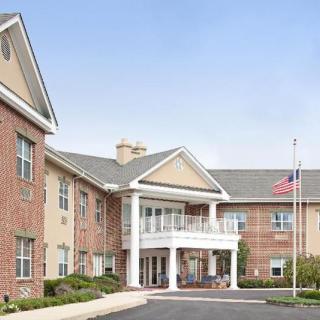
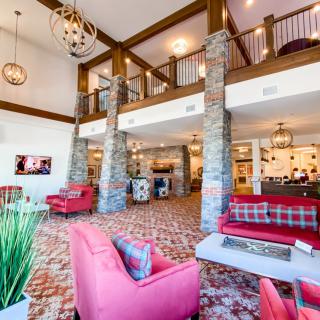
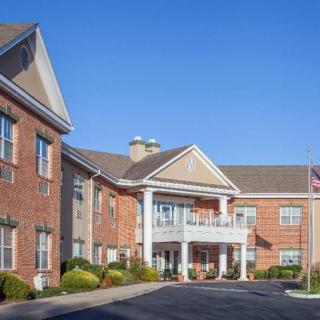
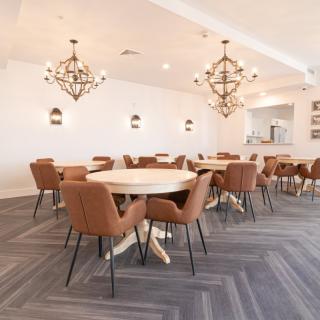
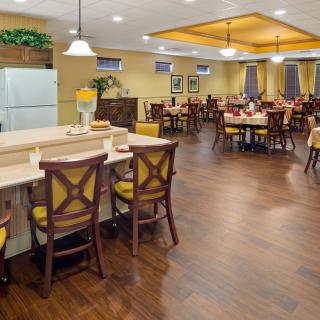
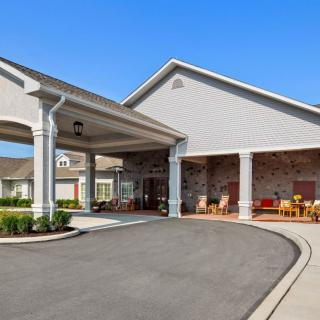
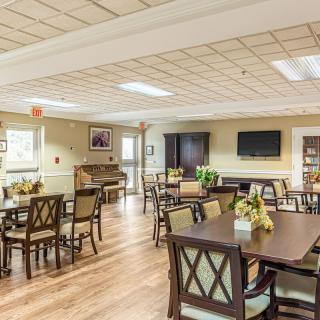
Atrium of Allentown on seniors.fyi includes 24 photos including images showing interior, windows, chandelier, decor, building, landscaping, bedroom, minimalist, and more.
Nearby Communities
Country Meadows of Allentown
Allentown, PA
4.5 from 72 reviews
Compassionate, attentive staff with engaging activities and strong family communication.
Arden Courts of Allentown
Allentown, PA
4.7 from 71 reviews
$6,800 to $7,400 / month
Caring staff with engaging activities and good dining in a bright, home-like environment.
Heather Glen Senior Living
Allentown, PA
4.4 from 104 reviews
$4,600 to $5,900 / month
Compassionate, attentive staff in a warm, home-like setting with engaging activities.
Legend Of Allentown
Macungie, PA
4.3 from 99 reviews
Upscale, homely environment with engaging activities and memory-care options.
Lehigh Commons
Macungie, PA
4.7 from 151 reviews
$3,000 to $5,970 / month
Friendly staff, engaging activities, and good dining.
Complete Care at Lehigh Center
Macungie, PA
3.8 from 44 reviews
Comprehensive skilled nursing with memory care and 24-hour supervision.
BAYADA Home Health Care - Allentown
Allentown, PA
3.8 from 12 reviews
Consistently reliable and helpful nursing care.
Senior Helpers of the Lehigh Valley
Allentown, PA
4.6 from 28 reviews
Effective caregiver match with proactive support and prompt communication.
Rittenhouse Village at Lehigh Valley
Allentown, PA
4.3 from 110 reviews
$3,500 to $5,900 / month
Compassionate staff who engage residents; clean, comfortable rooms; varied activities and dining.
Vibrant Senior Living emphasizes active senior living communities that promote independence and engagement through diverse amenities and activities, fostering wellness and social interaction among older adults. These communities range from independent to assisted living, with a focus on personal growth, family involvement, financial planning, and leveraging technology to enhance residents' experiences.
Assisted living provides moderate support for seniors seeking independence, while memory care offers specialized support for individuals with dementia or cognitive impairments through structured routines and trained staff. Key differences include care approaches, environment security measures, staff training levels, activity types, and cost considerations.
Choosing between assisted living and nursing homes involves evaluating emotional and financial factors, with assisted living offering independence and support for daily activities at a lower cost, while nursing homes provide intensive medical care for individuals with significant health needs. The decision is influenced by personal preferences, health status, cognitive function, and varying Medicaid coverage across states.
Get PricingAsk A QuestionSchedule A TourContact Senior Advisor
By clicking submit, you agree to our Partner's Terms of Use. You
also consent to receive calls and texts, which may be autodialed, from our Partner. Your consent is not a condition to
using our Partner's service. Please visit our Partner's Privacy Policy for information about their privacy practices.

 80 resident community capacity
 Studio apartments
 Assisted Living
 Memory Care
 Cats allowed
 Dogs allowed
 Activities off-site
 Air-conditioning
 Beautician on-site
 Cable or satellite TV
 Cafe
Cafe Computer center
 Continuing learning programs
 Devotional services on-site
 Dining room
 Family education and support services
 Fitness room
 Fully furnished
 Gaming room
 Garden
 Guest parking
 Housekeeping services
 Indoor common areas
 Kitchenette
 Laundry
 Located close to restaurants
 Located close to shopping centers
 Move-in coordination
 Outdoor common areas
 Outdoor patio
 Party space
 Pet friendly
 Private bathrooms
 Respite or short term stays offered
 Restaurant-style dining
 Small library
 Telephone
 Wellness center
 Wheelchair accessible showers
 Wi-Fi/high-speed internet available
 Lehigh Valley International (9 miles away)
 Community operated transportation
 24-hour call system
 24-hour nursing
 Accept incoming residents on hospice
 Administer insulin injections
 Ambulatory care
 Assistance with bathing
 Assistance with dressing
 Assistance with transfers
 Diabetes diet
 Incontinence care
 Medication management
 Mental wellness program
 Physical therapy
 Special dietary restrictions
 Transportation arrangement (medical)
 Arts and crafts
 Concierge services
 Educational speakers / life long learning
 Games
Games Live musical performances
 Planned day trips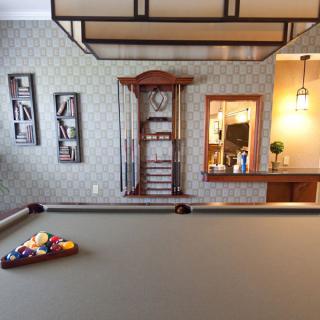
 Compassionate, attentive staff with engaging activities and strong family communication.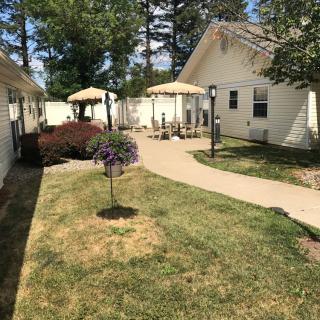


 Vibrant Senior Living: A Comprehensive Guide for Active Older Adults
 Assisted Living and Memory Care: Understanding Their Core Differences
 Choosing the Right Senior Care: A Detailed Exploration of Assisted Living and Nursing Homes