
800 Randolph St, Hanover, PA 17331
To contact a resident: (717) 632-8081
For more information about senior living options: (866) 208-4318
Overall Review of Clearview Terrace Apartments
Pros
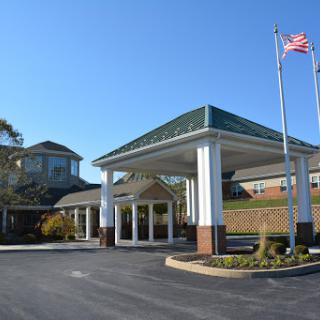
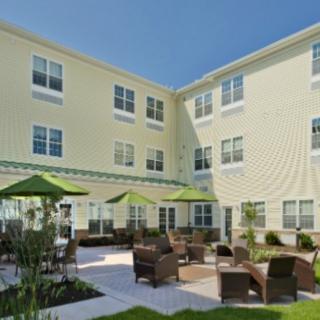
 The community center is nice.
 - Residents want a nice, pleasant place to live.
- The community is focused on creating a peaceful, pleasant living environment for everyone.
- There is concern for accessibility and safety for all residents, including the elderly and disabled.
Cons
 The management evicts disabled and elderly residents without warning, which is described as elder abuse.
- The lawn mowing is ineffective, as the mower blade does not touch the grass, causing noise and disruption with nothing to show for the day’s work.
- The addition of a small front-door ledge is seen as unsafe for the blind and other disabled residents, and the justification that “some people need it” is criticized.
- Gossip pervades the community, making Clearview Terrace feel like Gossip Streets rather than a nice, pleasant place to live.
Review
This community is best suited for independent seniors who want affordable apartment living with an active social hub and are willing to tolerate uneven management and some safety gaps. The appeal lies in a functional, low-key residence that offers a reasonably lively community center and a sense of belonging without high daily care needs. For residents who prize proximity to social activities and a shared space to mingle, Clearview Terrace provides a tangible value proposition. It is not, however, a deliberate choice for those who require strong staff oversight, meticulous maintenance, or a design that accommodates disability without risk.
For families weighing alternatives, several red flags tip the balance away from this particular property. Those who expect consistent, respectful management and predictable, safety-forward operations should look elsewhere. The most serious concerns in the current feedback involve treatment of residents, including evictions without adequate warning, which raises questions about fairness and responsiveness. If a matter involving staff or policy enforcement could disrupt a resident’s living situation, this community is unlikely to feel supportive or reliable. Alternatives with a track record of clear tenant communication and transparent processes deserve serious consideration.
The positive thread, the community center, offers genuine social value when management and residents are aligned. It can foster companionship, organized activities, and a sense of belonging that is important in senior living. Yet the strength of this pro is undermined if the surrounding environment is perceived as punitive or disorganized. The absence of consistent, person-centered responses to concerns can quickly erode the comfort generated by social opportunities. In practical terms, the community center is a potential benefit, but only if staff engagement is dependable and residents feel protected by fair policies and respectful interactions.
Maintenance and grounds familiarity present another divide between wishful living and lived experience. The lawn service, while ostensibly contributing to curb appeal, is described as loud and disruptive, with questions about whether ongoing upkeep actually yields a meaningful outcome. This signals a broader issue: maintenance priorities and execution may not align with residents’ daily rhythms. When landscaping work intrudes on privacy or quiet, it diminishes the overall quality of life and can discourage residents from enjoying communal spaces during peak hours. The pro of a shared center fades if routine maintenance becomes a source of ongoing irritation rather than a backdrop to peaceful living.
Accessibility and safety emerge as a sharper point of concern. A recent account highlights a design addition, a small ledge near the door, that could pose a trip hazard for visually impaired residents or anyone navigating with limited sight. This kind of modification suggests a misalignment between architectural changes and resident safety, particularly in a setting that should prioritize independence and ease of movement. The risk is not theoretical; it translates to real concerns about falls and injuries, undermining confidence in the community’s commitment to adapting spaces for diverse needs. In short, design choices that appear incongruent with accessibility standards can rapidly erode trust in management.
Overall, the balance tilts toward caution. The strong social potential and affordable living are compelling on paper, but the combination of alleged improper treatment, inconsistent maintenance practices, and accessibility risks create a risk profile that is hard to overlook. For families and seniors who cannot tolerate uncertainties in eviction policies, who require proactive, respectful, and transparent management, and who insist on safe, accessible design, alternatives are worth pursuing. Consider communities with documented resident-friendly processes, clear safety protocols, and demonstrable maintenance reliability. If choosing Clearview Terrace, approach with a thorough, front-loaded conversation: verify current management practices, request written policies on evictions and complaint handling, tour accessible routes with a critical eye, and speak candidly with current residents about day-to-day realities. The decision hinges on whether the social benefits can be pursued without compromising safety, dignity, and predictable oversight.
 Active Adult Communities (55+)
 Activities on-site
 Devotional services off-site
 Indoor common areas
 Ambulatory care
 Diabetic care
 Meals provided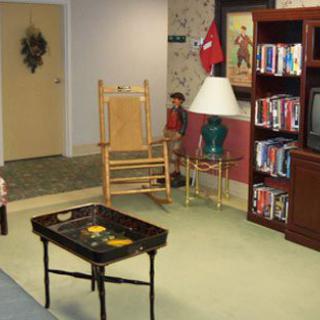


 Essential Knowledge on Pneumonia in Older Adults
 Exploring Palliative Care in the Home: A Comprehensive Overview
 Comprehensive Insights into Palliative Home Care: What It Is and What to Expect