





337 Frederick St, Hanover, PA 17331
To contact a resident: (717) 881-4284
For more information about senior living options: (866) 208-4318
You First Personal Care Costs & Pricing
At You First Personal Care, the monthly costs for accommodations present a competitive option compared to both York County and the state of Pennsylvania. For a semi-private room, residents can expect to pay $2,250, which is significantly lower than the county average of $3,483 and the state average of $3,542. This pricing structure makes You First Personal Care an attractive choice for those seeking quality care without breaking the bank. In contrast, the cost for a one-bedroom unit stands at $4,200 - slightly above York County's average of $3,266 but still more affordable than Pennsylvania's statewide average of $4,006. Overall, You First Personal Care offers value that aligns well with budget-conscious individuals looking for personal care options in a supportive environment.
| Floor plans | You First Personal Care | York County | Pennsylvania |
|---|---|---|---|
| Semi-Private | $2,250 | $3,483 | $3,542 |
| 1 Bedroom | $4,200 | $3,266 | $4,006 |
Assisted Living communities with a similar price nearby
-
from +$250 / mo

Comfort Care
$2,500 to $3,000 / month20.5 miles away -
from +$250 / mo
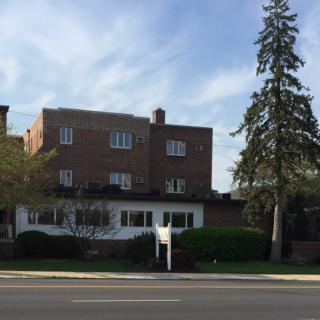
Autumn House West
$2,500 to $4,400 / month17.0 miles away -
from -$250 / mo

Sharon's Personal Care Home
$2,000 to $2,200 / month2.4 miles away -
from +$250 / mo

Golden Crest Corporation III
$2,500 to $2,900 / month12.8 miles away -
About the same
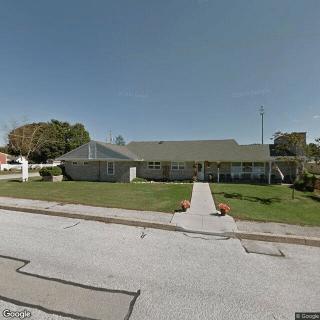
Accolades
$2,250 to $2,500 / month15.7 miles away
Overall Review of You First Personal Care
Pros
 Residents experience renewed vitality and happiness at You First Personal Care.
- They form friendships and enjoy interacting with supportive staff.
- Families describe the owners as personally communicative and like part of the family.
- Staff are professional, friendly, and attentive to residents' needs.
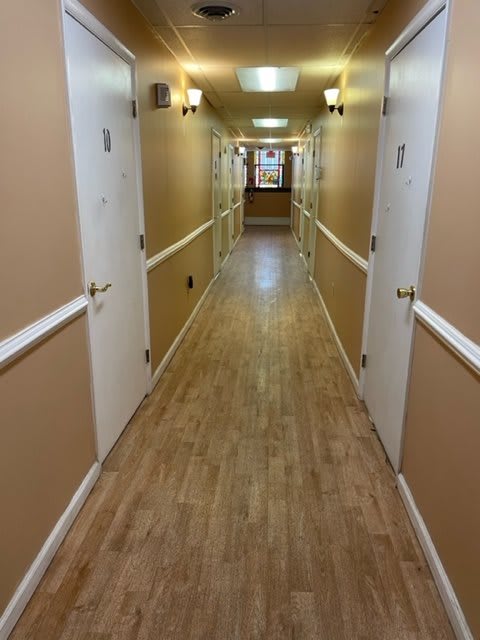
- The facility is clean, well-maintained, and welcoming.
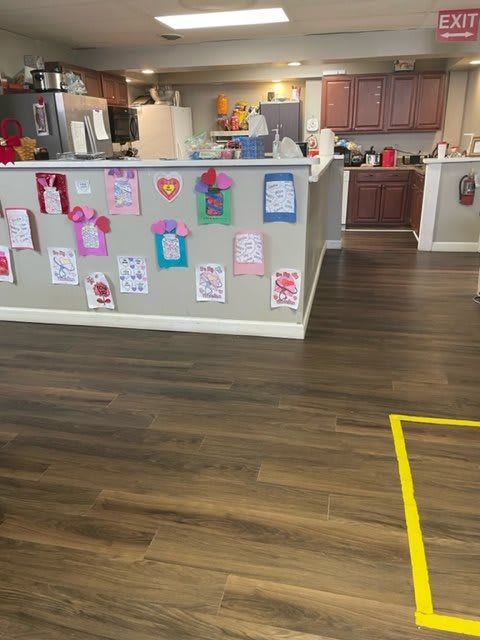
- There is a variety of daily activities and events that help residents thrive.
- The food menu is excellent and well liked by residents.
- You First Personal Care is praised by many as one of the best care options in the area.
- Overall, residents are happy, well cared for, and content.
Cons
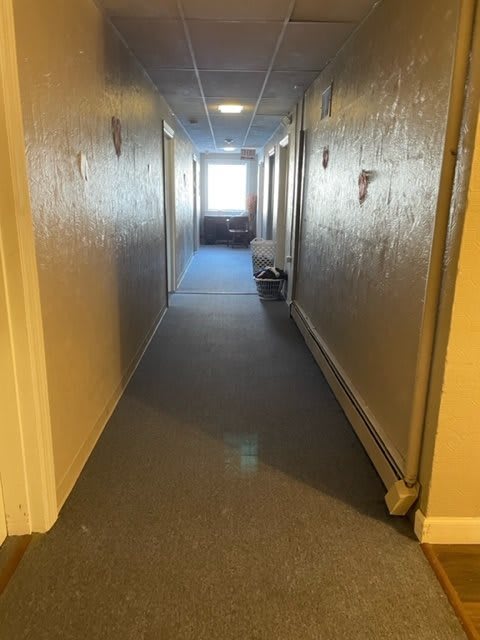
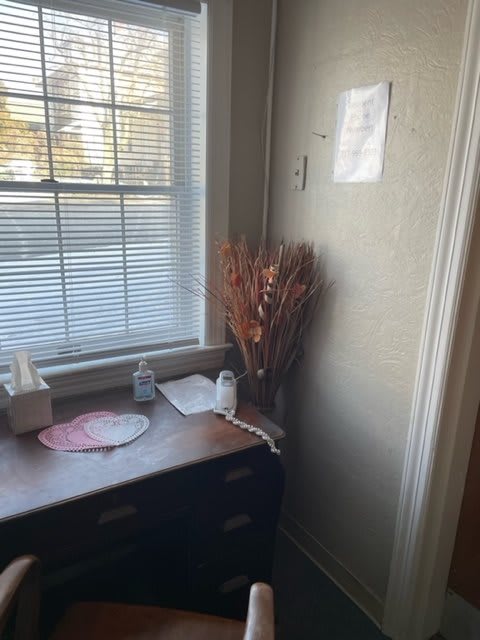
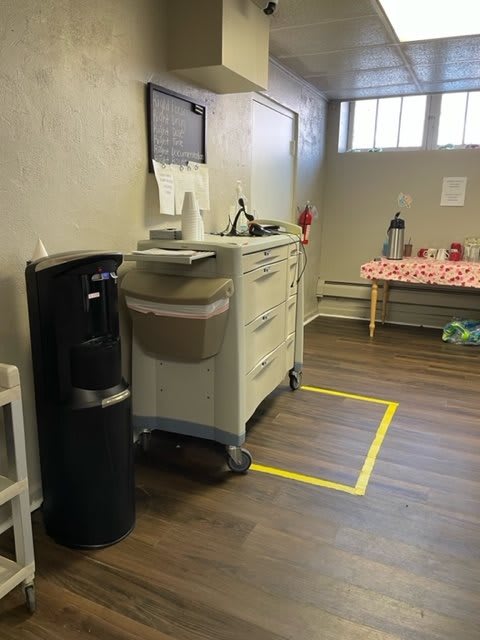
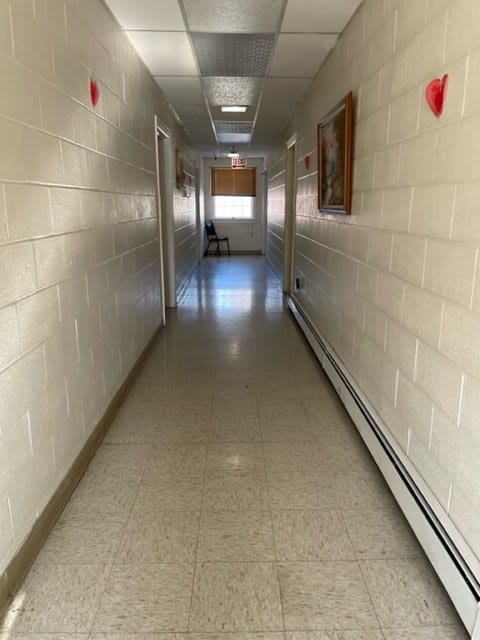
 The facility was not up to par and looked run-down.
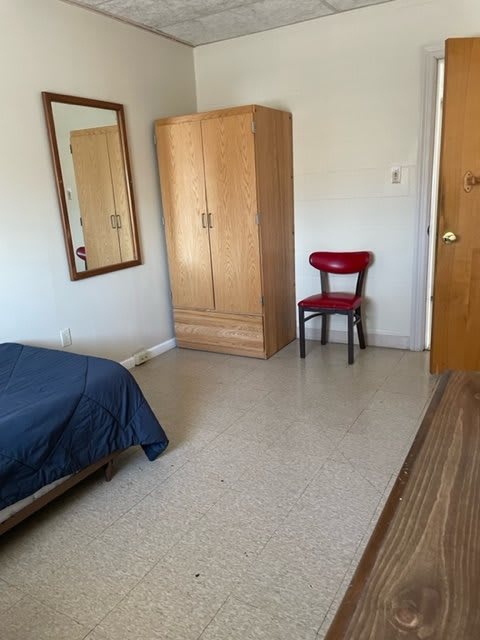
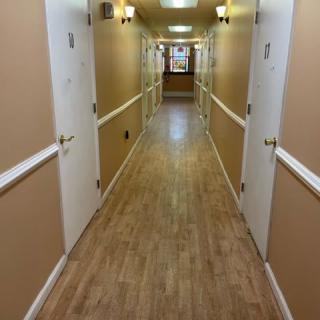
- It felt dingy and unorganized, with little privacy in the double rooms.
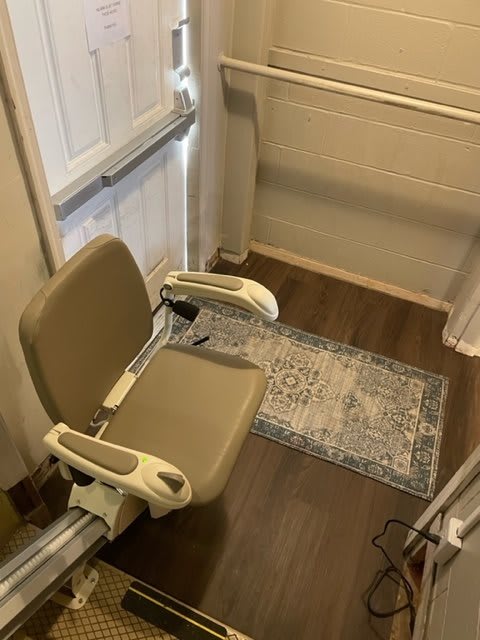
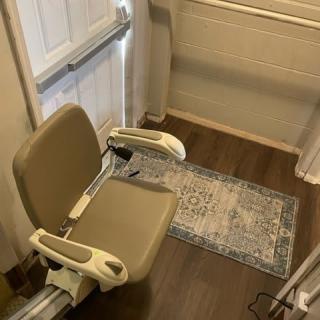
- There was no elevator and the chair lift to the second floor was broken, limiting access.
- The owners were described as rude and fake.
- The cost was higher than warranted by the facility's condition.
- It was described as not a good place to leave loved ones, with reports of unkept patients and a fatal incident.
Review
This community is best suited for families seeking a warm, home‑like personal care setting in Hanover where residents are treated as part of a close‑knit, family atmosphere and daily life centers on connection, activities, and genuine staff relationships. It shines for seniors who value personal attention, frequent owner communication, and a sense that the facility is a collaborative effort with families on the same team. Those who want privacy, a modern, clinical ambience, or elevator access should consider alternatives, as the building itself leans toward a smaller, older, church‑converted feel with limited second‑floor accessibility.
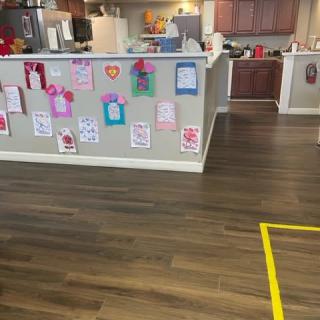
The strongest selling points are the human connections and the community vibe. Families consistently report owners who stay in close contact, offering a personal touch that makes families feel involved and heard. Staff are described as friendly, professional, discreet, and genuinely attentive to residents’ needs, with residents forming bonds and friendships quickly. There is a clear emphasis on social engagement: regular activities, bingo, outings, and events that keep residents active and engaged, helping people “come back to life” and feel valued again. In this setting, meals and daily routines are designed around shared experiences, which can be a powerful antidote to isolation for many seniors.
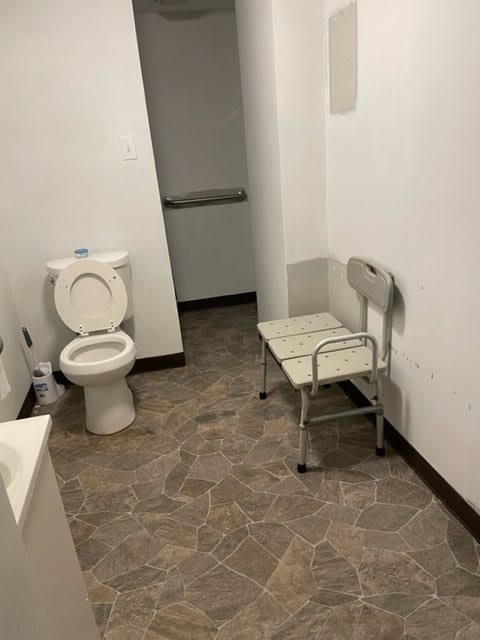
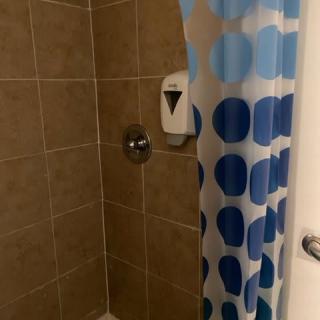
Yet the facility carries meaningful drawbacks that cannot be ignored. Several reviewers note that the building feels worn, small, and less private, with shared rooms and shared showers presenting real limitations for those who prize quiet, personal space, or independence. The absence of an elevator and the presence of a second‑floor living option without reliable access can be a significant barrier for mobility or safety, particularly for residents who may deteriorate or require easier ascent. Some accounts describe maintenance and cosmetic issues that contribute to a “dingy” or college‑dorm vibe, and at least one review points to concerns about how residents are treated by leadership. These tensions highlight a core trade‑off: the emotional warmth and activity schedule versus the physical limitations and privacy challenges of a smaller, older facility.
Despite these drawbacks, the positives often offset them for many families when the priority is ongoing companionship, meaningfully tailored care, and a sense of sanctuary within a compact, informal setting. The engaging calendar of daily activities, remarks about flavorful and well‑liked meals, and the feeling that caregivers “keep everything clean” and residents connected all contribute to a lived experience that many families find deeply reassuring. For residents who thrive on social interaction, celebrate regular gatherings, and appreciate a setting where staff know names and preferences, the tradeoffs in space and privacy can feel well worth it. The proximity to parks and community resources also adds a practical advantage for outings and independence within a supportive framework.
Decision guidance should center on practical thresholds: verify whether elevator access is available and functional, especially for second‑floor residents or those with declining mobility; inspect private versus shared room options and privacy amenities; confirm cleanliness standards and what “maintenance in good repair” looks like in practice; review meal variety and dietary accommodations; and inquire about cost transparency and what is included in the price. Speak with multiple residents and families to gauge consistency of care and to hear how staff respond to concerns. Ask about staffing ratios, daily schedules, and how personalized care plans are developed and adjusted as needs evolve. These checks matter because the most compelling warmth and activity calendar can be overshadowed by persistent access barriers or privacy concerns.
In the end, You First Personal Care stands out as a compelling choice for seniors who value heart‑centered care, a family‑feeling operation, and an active, engaging lifestyle within a modest, intimate setting. It is not the best fit for those who require robust privacy, private rooms, modern décor, or strong clinical infrastructure, nor for families balancing tight budgets where higher cost becomes a decisive factor. For the right resident, one who thrives on companionship, consistent personal attention, and a vibrant social slate, the community delivers meaningful quality of life and a sense of belonging that can truly be transformative.
 Assisted Living
 Activities on-site
 Air-conditioning
 Beautician on-site
 Cable or satellite TV
 Devotional services on-site
 Dining room
 Garden
 Guest parking
 Housekeeping services
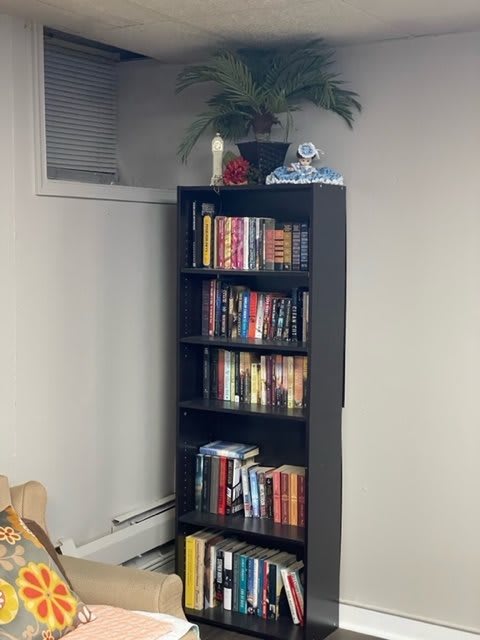
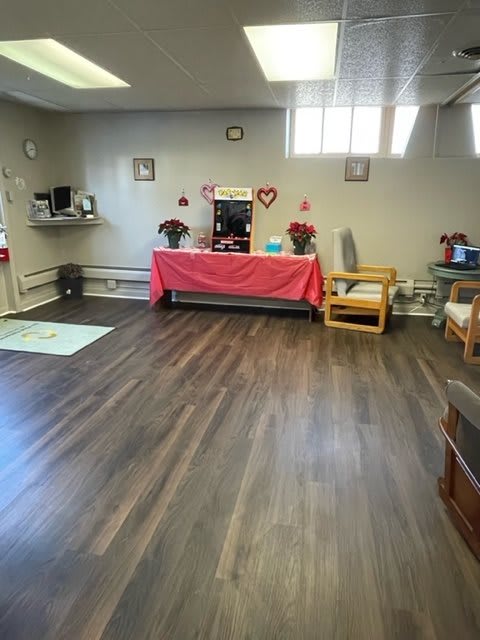
 Indoor common areas
 Laundry
 Outdoor common areas
 Party space
 Respite or short term stays offered
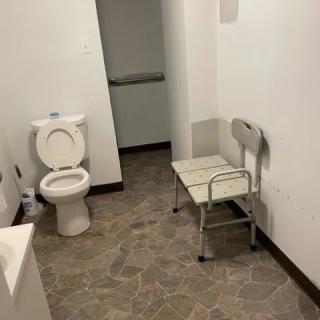
 Wheelchair accessible showers
 Wi-Fi/high-speed internet available
 Transportation & parking
 Ambulatory care
 Companion care
 Diabetic care
 High acuity care
 Incontinence care
 Medication management
 Meals provided
 Arts and crafts
 BBQs or picnics
 Cooking club
 Educational speakers / life long learning
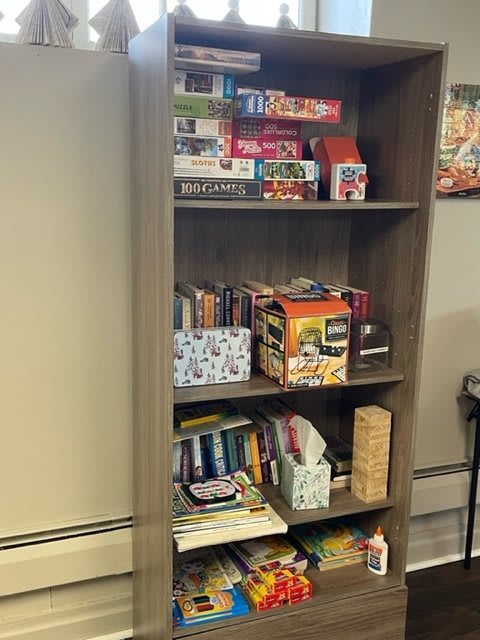
 Games
Games Live musical performances
 Pet-focused programs
 Stories
 Stretching classes
 Visiting chaplain or priest




 Is Assisted Living Deductible on Your Taxes? Understanding the Complexities of Assisted Living Expenses and Deductions
 Assisted Living Support for Veterans: A Complete and Detailed Overview
 Exploring the Contrasts Between Assisted Living and Skilled Nursing