Sharon's Personal Care Home in Hanover, PA

Save
Sharon's Personal Care Home

Sharon's Personal Care Home in Hanover, PA

1441 Baltimore Pike, Hanover, PA 17331

For more information about senior living options: (844) 490-3973

4.5 from 6 reviews
5 stars
3
4 stars
3
3 stars
0
2 stars
0
1 stars
0

Assisted Living Respite Care

Sharon's Personal Care Home Costs & Pricing

Sharon's Personal Care Home offers competitive pricing for its services, particularly when compared to the average costs in York County and the broader Pennsylvania region. For a semi-private room, residents pay $2,000 per month at Sharon's, significantly lower than the county average of $3,483 and the state average of $3,542. Similarly, the cost for a studio room at Sharon's is $2,200, which is more affordable than the county's average of $4,267 and slightly below the state average of $3,737. These pricing structures present an appealing option for families seeking quality personal care without the burden of inflated costs commonly found in the area.

Floor plansSharon's Personal Care HomeYork CountyPennsylvania
Semi-Private$2,000$3,483$3,542
Studio$2,200$4,267$3,737

Overall Review of Sharon's Personal Care Home

Pros

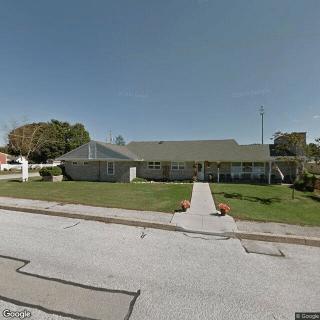
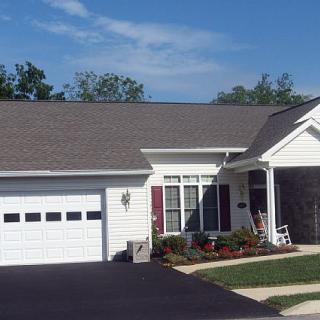
  • pro Sharon's Personal Care Home feels like a home, in a real house with about 20 residents.
  • pro The staff are very nice, attentive, and take good care of residents' medications and daily needs.
  • pro Meals are home-cooked with fresh ingredients and served family-style for breakfast, lunch, and dinner.
  • pro The home is clean, bright, and well maintained, with comfortable rooms.
  • pro Activities keep residents engaged, including bingo and regular entertainment.
  • pro The staff encourage social interaction by bringing residents down for meals rather than letting them stay in their rooms.
  • pro Wonder's Personal Care Home is described as competent, dedicated, and comfortable in its care.
  • pro The owners of Wonder's are nice, caring, and treat residents like family.
  • pro Families consider Wonder's to be good value and would highly recommend it.

Cons

  • pro The fireplace in the room doesn't work.
  • pro They won't let residents stay in their rooms and require them to come down for meals.
  • pro Residents are not allowed to stay in their rooms and must come down for meals.
  • pro There is only one staff member on duty, who has her hands full.
  • pro They were not responsive when contacted and did not call back.
  • pro Access to some rooms requires a chair lift, signaling accessibility issues.
  • pro The facility hasn't fully recovered from the COVID era and could do a little more.

Review

This community is best suited for seniors who want to be cared for in a true, home-like setting where attention feels personal and consistent. Sharon's Personal Care Home functions like a small, single-family residence - roughly 20 residents, a familiar routine, and a kitchen that turns out home-style meals. For families seeking firsthand involvement, proximity, and a place where staff know residents by name, this environment delivers. Rooms lean toward comfortable, modest private or semi-private spaces, and the overall tone is warm, calm, and familiar rather than clinical or flashy. Those who prize a sense of belonging, regular meals eaten together, and daily activities that keep residents engaged will find this setting particularly appealing.

Yet, some families may want alternatives. The property is not a large, upscale campus with extensive amenities or a formal dining room you'd find in bigger facilities. For seniors insisting on a strictly private room in every case, or for those needing intensive clinical oversight and specialized memory care, other options may serve better. The housing stock includes two-bed rooms, which may not suit a resident who requires a strictly private space. Mobility needs also matter: accessing some upstairs rooms can require a chair lift, and that kind of logistics can influence safety and daily ease for certain residents. In short, this is not the choice for those chasing the most modern build, the broadest programming, or constant clinical visibility.

The strongest pros center on the intimate, hands-on care model. The home-like atmosphere, small size, and consistent staff create a sense of security: caregivers know residents' routines, med management is handled on-site, and daily structure reduces the drift toward isolation. Meals are a focal point - home-cooked, fresh, and served as a disciplined daily rhythm rather than left to individual wandering. Residents are kept involved in meals and activities, from bingo to occasional live entertainment, which helps maintain social connections and cognitive engagement. Cleanliness and comfort are repeatedly highlighted, and families consistently praise caregivers for their kindness and the feeling that residents are treated as members of a family, not as numbers. The combination of accessible proximity to family and a warm staff culture makes up for a lot of potential rigidity elsewhere.

Still, the cons are real and worth weighing. Staffing can be lean at times; in some instances, the on-site coverage is managed by a single caregiver who handles cooking and caregiving in parallel. That can translate to moments where requests aren't answered immediately or where supervision of activities feels stretched. Room configurations vary, with some residents sharing a two-bed setup, which may not suit everyone's privacy preferences. There are occasional gaps in facility-wide offerings - no, this is not a "country club" environment - and some families will want more extensive common spaces or a broader slate of programs. Price is another factor; while many feel the value matches the quality, it isn't the cheapest option in the market, and the balance between cost and perks will matter to budgeting decisions.

Despite these trade-offs, the advantages often offset the drawbacks for the right resident. The home-like culture, dependable daily routine, and the immediate availability of staff support create a reassuring environment that many families prioritize over glossier facilities. The emphasis on meals, social engagement, and caretaking that treats residents with genuine warmth can materially improve day-to-day quality of life, especially for those who thrive on predictable structure and close-knit community ties. Proximity to family further magnifies this benefit, allowing loved ones to participate in care, monitor changes closely, and maintain meaningful daily contact.

For families deciding whether Sharon's Personal Care Home is the right path, there are clear next steps. Favor this option if a warm, small-scale, home-style setting with attentive caregivers and regular meals suits your loved one's temperament and care needs. If private rooms with maximal on-site programming, extensive specialty services, or frequent clinical oversight are non-negotiable, consider alternatives. When evaluating, request a current room type inventory (private versus shared), confirm how mobility will be managed (including access to upper floors), and talk through a realistic staffing picture for shifts throughout the day. Verify how med management is coordinated and ask to meet the lead caregiver team to gauge consistency of attention. In the end, Sharon's Personal Care Home stands out as a practical, emotionally supportive choice for seniors who value home-like care, steady routines, and a caring, engaged staff - precisely the combination that makes it a strong option for the right family and the right resident.

Features

Housing

  • 23 resident community capacity 23 resident community capacity

Types of Care

  • Assisted Living Assisted LivingAssisted living facilities provide crucial support and care for seniors who may need help with daily tasks such as medication management, bathing, and meal preparation. These communities offer a safe and comfortable environment where seniors can maintain their independence while receiving the assistance they need to thrive in their golden years.
  • Respite Care Respite CareRespite care provides temporary relief for caregivers, allowing them to recharge and attend to their own needs. It also gives seniors the opportunity to socialize, receive professional care, and experience a change of scenery, promoting overall well-being and reducing feelings of isolation.

Amenities

  • Activities on-site Activities on-siteActivities on-site are important for seniors because they provide opportunities for socialization, mental stimulation, physical activity, and overall well-being. Engaging in activities can help seniors stay active, maintain their independence, and improve their quality of life.
  • Beauty salon Beauty salonBeauty salons are important for seniors because they provide a space for them to feel pampered, socialize, and maintain their personal grooming and hygiene. Regular visits to a beauty salon can help boost seniors' self-esteem and overall well-being.
  • Cable or satellite TV Cable or satellite TVCable or satellite TV is important for seniors because it provides entertainment, news, and companionship, helping to combat loneliness and boredom. It also offers a wide range of programming options tailored to different interests and preferences.
  • Devotional services off-site Devotional services off-siteDevotional services off-site are important for seniors as they provide spiritual nourishment, social engagement, and a sense of community outside of the senior living facility. This can enhance overall well-being and help combat feelings of isolation and loneliness often experienced by older adults.
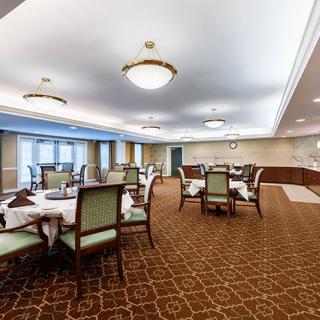
  • Dining room Dining roomDining rooms are important for seniors as they provide a space for socialization, connection, and nutritious meals. They offer opportunities for residents to bond over shared meals, foster a sense of community, and promote healthy eating habits. Dining rooms also ensure that seniors have access to well-balanced meals tailored to their dietary needs and preferences.
  • Fully furnished Fully furnishedFully furnished senior living communities are important for seniors because they provide convenience, comfort, and a hassle-free moving experience. Seniors can easily settle into their new living space without the stress of having to buy and move furniture. This allows them to focus on enjoying their new home and community.
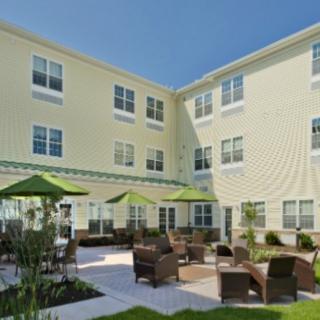
  • Garden GardenGardens are important for seniors as they provide a peaceful and therapeutic environment for relaxation, physical activity, and socialization. Being in nature has been shown to reduce stress, improve mood, and promote overall well-being. Gardens also offer opportunities for seniors to engage in gardening activities, which can improve mobility, flexibility, and cognitive function. Additionally, gardens create a sense of community and connection with others who share a passion for plants and outdoor spaces.
  • Housekeeping services Housekeeping servicesHousekeeping services are important for seniors because they help maintain a clean and safe living environment, promote independence, and reduce the risk of accidents or illnesses. Additionally, having assistance with household chores can alleviate physical strain and allow seniors to focus on other aspects of their well-being.
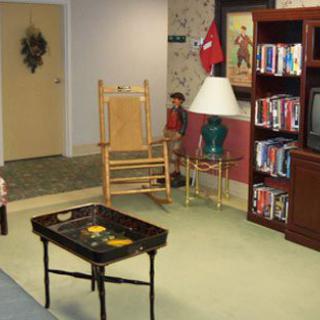
  • Indoor common areas Indoor common areasIndoor common areas are crucial for seniors as they provide a space for socialization, recreation, and community engagement, promoting overall well-being and reducing feelings of isolation and loneliness.
  • Kitchenette KitchenetteKitchenettes are important for seniors living in senior living communities because they provide the convenience and independence of being able to prepare simple meals and snacks in the comfort of their own living space. This can help promote a sense of autonomy and well-being for seniors, allowing them to maintain some level of control over their dietary choices and daily routines.
  • Move-in coordination Move-in coordinationMove-in coordination is important for seniors because it helps ease the transition into their new living environment. It ensures that all logistics, such as packing, organizing movers, and setting up utilities are taken care of, allowing seniors to focus on settling in and adjusting to their new home. Having a smooth move-in process can alleviate stress and anxiety, making the transition smoother and more enjoyable for seniors.
  • Outdoor common areas Outdoor common areasOutdoor common areas are important for seniors as they provide a space for socialization, physical activity, and relaxation. Being outside in nature can improve mood and overall well-being, while also encouraging movement and engagement with others. These spaces can help combat feelings of isolation and promote a sense of community among residents.
  • Outdoor space Outdoor spaceOutdoor spaces are important for seniors as they provide opportunities for physical activity, social interaction, exposure to natural light and fresh air, and a sense of connection to nature. Having access to outdoor spaces can improve overall well-being and quality of life for older adults living in senior communities.
  • Restaurant-style dining Restaurant-style diningRestaurant-style dining is important for seniors because it allows them to enjoy delicious, nutritious meals in a social and upscale setting. This enhances their dining experience, promotes healthy eating habits, and fosters socialization with fellow residents, ultimately contributing to their overall well-being and quality of life.
  • Small library Small librarySmall libraries are important for seniors as they provide access to a variety of reading materials, including books, newspapers, and magazines. This can help stimulate their minds, keep them engaged, and provide a sense of community through book clubs and other social activities. Additionally, reading has been shown to improve cognitive function and overall mental well-being in older adults.
  • Telephone TelephoneTelephones are important for seniors as they provide a lifeline for communication with loved ones, emergency services, and healthcare providers. They offer a sense of security and independence, enabling seniors to stay connected and access assistance when needed.
  • Wheelchair accessible showers Wheelchair accessible showersWheelchair accessible showers are crucial for seniors as they provide a safe and independent bathing option for those with mobility challenges. These showers help prevent falls and allow seniors to maintain their dignity and autonomy while ensuring they can bathe comfortably.
  • Wi-Fi/high-speed internet available Wi-Fi/high-speed internet availableWi-Fi/high-speed internet is important for seniors to stay connected with loved ones, access online resources, and participate in virtual activities to combat feelings of loneliness and isolation. It also allows them to easily manage healthcare needs, access entertainment, and engage in lifelong learning opportunities.

Care Services

  • 24-hour call system 24-hour call system24-hour call systems are important for seniors because they provide peace of mind and immediate assistance in case of emergencies. This technology ensures that help is always available, promoting safety and security for elderly individuals living alone or in assisted living facilities.
  • 24-hour supervision 24-hour supervision24-hour supervision is important for seniors to ensure their safety, well-being, and access to immediate assistance in case of emergencies or health issues. This constant support provides peace of mind for both seniors and their loved ones, allowing them to age in place with dignity and security.
  • Activities of daily living assistance Activities of daily living assistanceActivities of daily living assistance are important for seniors because they provide essential support with tasks such as eating, bathing, dressing, and mobility. This assistance helps seniors maintain their independence, dignity, and overall quality of life as they age.
  • Ambulatory care Ambulatory care"Ambulatory care services provide essential medical support and treatment to seniors without requiring hospitalization, allowing them to maintain their independence and quality of life while managing chronic conditions or receiving routine medical care."
  • Assistance with bathing Assistance with bathingAssistance with bathing is crucial for seniors as it helps maintain personal hygiene, prevents infections, and ensures their overall well-being and comfort. It also provides a sense of dignity and independence for seniors who may struggle with this task on their own.
  • Assistance with dressing Assistance with dressingAssistance with dressing is important for seniors because it helps maintain their independence, promotes personal hygiene, prevents accidents and injuries, and improves overall quality of life. This service ensures that seniors can continue to dress comfortably and confidently, despite any physical limitations they may have.
  • Assistance with transfers Assistance with transfersAssistance with transfers is crucial for seniors as it helps prevent falls and injuries, maintains their independence, and ensures they can safely navigate their living environment. It also provides peace of mind for both seniors and their loved ones.
  • Diabetes diet Diabetes dietA diabetes diet is crucial for seniors as it helps manage blood sugar levels, reduce risks of complications, and improve overall health and well-being. By following a balanced and nutritious diet tailored to their specific needs, seniors can better control their diabetes and enhance their quality of life.
  • Diabetic care Diabetic careDiabetic care is crucial for seniors as they are more susceptible to developing diabetes due to aging and other health conditions. Proper management of diabetes can help prevent complications such as heart disease, vision loss, and nerve damage, improving the overall quality of life for seniors in senior living communities.
  • High acuity care High acuity careHigh acuity care is important for seniors because it provides specialized medical attention and support for individuals with complex medical needs. This level of care ensures that seniors receive the appropriate treatment and assistance to maintain their health and quality of life as they age.
  • Meal preparation and service Meal preparation and serviceMeal preparation and service are crucial for seniors as they may have limited mobility or energy to cook nutritious meals. Having access to healthy and convenient food options can ensure they are getting the proper nutrition needed to maintain their overall health and well-being.
  • Medication management Medication managementMedication management is crucial for seniors to ensure they are taking the right medications at the correct dosages and times. This helps prevent adverse drug interactions, reduces the risk of medication errors, and promotes overall health and well-being. Proactive management also allows for adjustments as needed based on changing health conditions or new prescriptions.
  • Mental wellness program Mental wellness programMental wellness programs are essential for seniors as they promote cognitive stimulation, emotional support, and social engagement. These programs help prevent isolation, depression, and cognitive decline, ultimately enhancing the overall quality of life for older adults.
  • Special dietary restrictions Special dietary restrictionsSpecial dietary restrictions are important for seniors because age-related changes in metabolism and health conditions can make it difficult for their bodies to process certain foods. By following a diet tailored to their specific needs, seniors can maintain their overall health and well-being, manage chronic conditions, and reduce the risk of complications such as malnutrition or food interactions with medications.

Dining

  • Diabetes diet Diabetes dietA diabetes diet is crucial for seniors as it helps manage blood sugar levels, reduce risks of complications, and improve overall health and well-being. By following a balanced and nutritious diet tailored to their specific needs, seniors can better control their diabetes and enhance their quality of life.
  • Meals provided Meals provided"Meals provided" are crucial for seniors in assisted living communities as it ensures they have access to nutritious, balanced meals without the stress of meal planning and preparation. This can help promote overall health and well-being for seniors who may have limited mobility or cognitive abilities.
  • Special dietary restrictions Special dietary restrictionsSpecial dietary restrictions are important for seniors because age-related changes in metabolism and health conditions can make it difficult for their bodies to process certain foods. By following a diet tailored to their specific needs, seniors can maintain their overall health and well-being, manage chronic conditions, and reduce the risk of complications such as malnutrition or food interactions with medications.

Activities

  • Activities on-site Activities on-siteActivities on-site are important for seniors because they provide opportunities for socialization, mental stimulation, physical activity, and overall well-being. Engaging in activities can help seniors stay active, maintain their independence, and improve their quality of life.
  • Community-sponsored activities Community-sponsored activitiesCommunity-sponsored activities are important for seniors as they provide opportunities for social interaction, mental stimulation, and physical activity. These activities can help improve overall well-being, combat loneliness and isolation, and promote a sense of belonging and purpose among older adults.
  • Devotional activities offsite Devotional activities offsiteDevotional activities offsite are important for seniors because they provide social engagement, spiritual growth, and a sense of community outside of their living environment. This can improve overall well-being, mental health, and combat feelings of isolation or loneliness.
  • Resident-run activities Resident-run activitiesResident-run activities are important for seniors as they encourage social interaction, creativity, and a sense of autonomy. These activities empower seniors to stay engaged and active in their community while fostering meaningful connections with their peers.
  • Scheduled daily activities Scheduled daily activitiesScheduled daily activities are important for seniors because they provide structure, socialization, mental stimulation, and physical activity. Engaging in regular activities can improve overall well-being and quality of life for seniors living in a community setting.

Description

Sharon's Personal Care Home - Hanover, PA

Welcome to Sharon's Personal Care Home, a nurturing and comfortable assisted living community located in the heart of Hanover, Pennsylvania. Specializing in Respite Care, our home is dedicated to providing a supportive environment for individuals seeking a temporary or short-term stay while receiving exceptional care tailored to their unique needs.

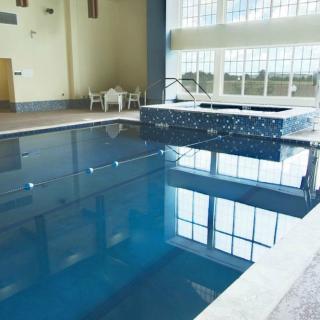
At Sharon's Personal Care Home, residents enjoy a wide range of amenities that enhance their quality of life. Our beautifully furnished accommodations feature indoor common areas that promote socialization and engagement among residents. In addition to our cozy dining room offering restaurant-style dining experiences, we have an outdoor space and garden where residents can relax and enjoy the fresh air. For those who value wellness and self-care, our onsite beauty salon ensures they look and feel their best.

Our committed team provides 24-hour supervision and assistance with activities of daily living, including bathing, dressing, transfers, medication management, and meal preparation tailored to meet special dietary restrictions. We also offer specific programs for high acuity care as well as diabetes management, ensuring that all health needs are met with compassion and expertise.

Residents can participate in a variety of scheduled daily activities designed to promote mental wellness and foster community connections. From resident-run initiatives to community-sponsored events and devotional activities offsite, there are ample opportunities for engagement and enrichment.

Conveniently located near local parks, pharmacies, physicians' offices, restaurants, places of worship, theaters, and hospitals, all just moments away, Sharon’s Personal Care Home prioritizes not only comfort but also accessibility for our residents.

Whether you’re looking for respite care for yourself or a loved one, Sharon's Personal Care Home in Hanover stands ready to provide an inviting atmosphere filled with warmth and support in every aspect of daily living. Experience the peace of mind that comes from compassionate care in a vibrant community setting, where your well-being is always the top priority.

Nearby Places of Interest

This part of Hanover, Pennsylvania offers a convenient and well-equipped neighborhood for senior living. With a variety of restaurants such as McDonald's, Arby's, and Aldus Brewing nearby, residents have easy access to dining options. The area also features several pharmacies including Rite Aid and CVS Pharmacy for medication needs. In terms of healthcare, there are multiple physician offices and hospitals within a short distance, providing excellent medical care. For recreation, there are parks like Youngs Woods Park and West Manheim Dog Park where seniors can enjoy the outdoors. Places of worship like Hanover Community Church offer spiritual support while theaters like R/C Movies Hanover 16 provide entertainment options. Transportation services like Skytech and Carroll County Regional Airport/Jack B Poage Field ensure easy mobility for seniors in the area. Overall, this neighborhood offers a comfortable and convenient lifestyle for senior residents in Hanover.

Restaurants

  • McDonald's (0.1 miles)
  • Arby's (0.4 miles)
  • Burger King (1.3 miles)
  • Aldus Brewing (1.7 miles)
  • York Street Treat (2.1 miles)
  • McDonald's (3.7 miles)
  • Famous Hot Weiner (3.7 miles)

Pharmacies

  • Rite Aid (0.2 miles)
  • Brockie Pharmatech (2 miles)
  • Brockie Pharmtech at Plum (2 miles)
  • Rite Aid (2.4 miles)
  • CVS Pharmacy (3.2 miles)
  • Laslow's Pharmacy (3.4 miles)
  • Choice Health Care (3.8 miles)

Physicians

  • UPMC Pinnacle South Hanover Primary Care (0.3 miles)
  • York Women's Health Center (0.7 miles)
  • WellSpan OB/GYN - Hanover (0.7 miles)
  • Meadowview Family Practice (1.2 miles)
  • Hanover Orthopedics (2 miles)
  • Hanover Orthopaedic Assoc (2 miles)
  • Holtz's (2.4 miles)

Hospitals

  • UPMC Express Care (0.5 miles)
  • Hanover Hospital (2.2 miles)
  • Lifeline Personal Response Service (3 miles)
  • Hanover Hospital (3 miles)
  • Hanover Hospital (8 miles)

Parks

  • Youngs Woods Park (1.9 miles)
  • West Manheim Dog Park (2.4 miles)
  • Codorus State Park (2.7 miles)
  • Christmas Tree Park (8.4 miles)

Places of Worship

  • St Vincent Gymnasium (3.1 miles)
  • Hanover Community Church (3.5 miles)
  • Piney Creek Church of the Brethren (11.2 miles)

Theaters

  • R/C Movies Hanover 16 (4.3 miles)

Transportation

  • Skytech (11.5 miles)
  • Carroll County Regional Airport/Jack B Poage Field (11.5 miles)

Frequently Asked Questions

How much does it cost to live at Sharon's Personal Care Home in Hanover, PA?
Where is Sharon's Personal Care Home?

Nearby Communities

  • Spiritrust Lutheran The Village At Utz Terrace

    Spiritrust Lutheran The Village At Utz Terrace

    Hanover, PA

    4.9 from 8 reviews
     

    pro Continuum-of-care CCRC with 24-hour supervision and comprehensive services.

  • Fair Havens

    Fair Havens

    Hanover, PA

    3.5 from 16 reviews
     

    pro Compassionate, capable staff in a clean, engaging environment.

  • Columbia Cottage Hanover

    Columbia Cottage Hanover

    Hanover, PA

    4.3 from 16 reviews
     

    pro Home-like environment with attentive staff and engaging daily activities

  • Homewood At Plum Creek

    Homewood At Plum Creek

    Hanover, PA

    4.6 from 50 reviews
     

    pro Comprehensive care options in a well-maintained, resort-like campus with strong dining and responsive staff.

  • You First Personal Care

    You First Personal Care

    Hanover, PA

    4.3 from 13 reviews
    $2,250 to $4,200 / month

    pro Friendly staff and a lively, community-focused environment with on-site amenities.

  • Hanover Hall

    Hanover Hall

    Hanover, PA

    3.5 from 39 reviews
     

    pro Caring staff and engaging activities foster a warm, community feel.

  • Lorien Taneytown

    Lorien Taneytown

    Taneytown, MD

    4.3 from 72 reviews
    $5,280 to $6,510 / month

    pro Caring staff, engaging activities, and a clean, welcoming environment with good dining.

  • Brightview Westminster Ridge

    Brightview Westminster Ridge

    Westminster, MD

    4.7 from 129 reviews
    $3,295 to $4,970 / month

    pro Clean, welcoming community with friendly staff and engaging activities.

  • The Terraces at Westminster

    The Terraces at Westminster

    Westminster, MD

    4.5 from 68 reviews
    $3,000 to $5,500 / month

    pro Caring staff, engaging activities, and a welcoming, homey atmosphere.

Related Resources

  • assisted living costUnderstanding the True Cost of Assisted Living in 2025: A Comprehensive Guide

    Assisted living in 2025 offers a crucial balance of independence and support for seniors, with costs varying from $2,500 to over $7,000 per month based on factors such as location and care level. Understanding pricing complexities, including regional differences and potential hidden fees, is essential for families to plan financially while ensuring quality care for their loved ones.

  • does medicaid pay for assisted livingUnderstanding Medicaid Coverage for Assisted Living: A Comprehensive Guide

    The guide outlines the complexities of Medicaid coverage for assisted living, highlighting significant state-to-state variations, limited coverage often restricted to personal care services, and the existence of specialized waivers for certain needs like memory care. It advises families to consult local Medicaid offices for options while emphasizing the importance of understanding state-specific regulations and facility policies.

  • does medicaid pay for assisted livingHow and When Medicaid May Cover Assisted Living Costs

    Medicaid coverage for assisted living varies by state and is primarily available to low-income individuals, with eligibility dependent on strict income and asset limits. Some states offer HCBS waivers for specific services in assisted living, but families must generally cover room and board costs, and should verify facility acceptance of Medicaid while considering potential waiting lists.