Lorien Taneytown offers competitive pricing for its room types when compared to both Frederick County and the broader Maryland state averages. For a studio apartment, residents can expect to pay $5,280 per month, which is significantly higher than the county's average of $4,467 and the state average of $4,656. This price difference may reflect the enhanced amenities and services provided by Lorien Taneytown. Similarly, for a one-bedroom unit, the monthly cost at Lorien is $6,510, markedly above Frederick County's average of $3,506 and Maryland's state average of $3,904. While these rates are on the higher side compared to regional averages, they likely encompass a level of care and community that residents find valuable.
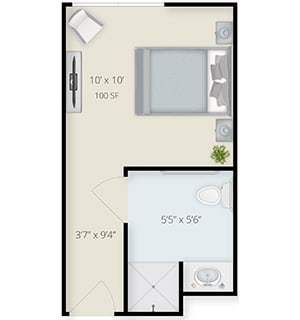
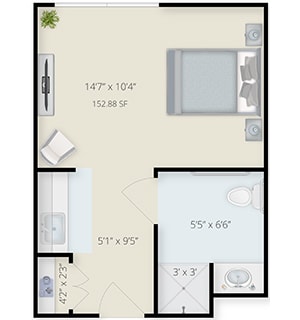
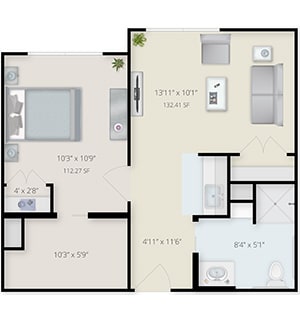
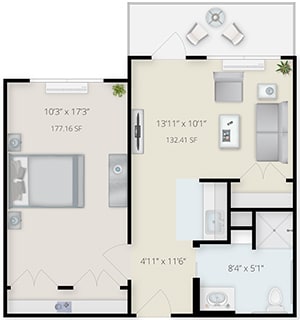
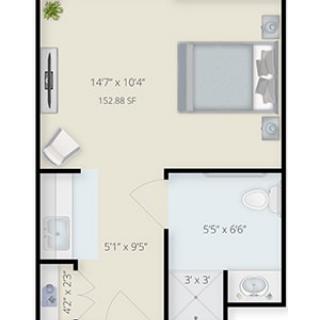
Floor plans
Lorien Taneytown
Frederick County
Maryland
Studio
$5,280
$4,467
$4,656
1 Bedroom
$6,510
$3,506
$3,904
Skilled Nursing Facilities with a similar price nearby
Residents and families consistently describe caring, supportive staff.
Many reviews emphasize that staff members take time to know residents and respond to individual needs, with families mentioning help with everything from daily care to transitions between levels of care. Several reviewers also describe frequent communication with families and professional support when medical issues came up. A few negative reviews mention breakdowns in responsiveness or staffing consistency, but the overall tone is that people feel looked after.
common
Cleanliness stands out across visits
Multiple reviewers highlight the facility’s cleanliness and upkeep.
Residents and visitors repeatedly mention a clean, well-kept environment, including spotless bathrooms and attention from housekeeping staff. Reviewers also connect cleanliness with feeling comfortable and safe during their stay. While there are a few complaints about the experience, none dispute that the building is generally kept clean.
common
Activities keep residents engaged
Reviews frequently describe a steady schedule of activities.
Many reviews talk about resident engagement, from music and bingo to classes, games, and group outings. Families describe activities as helping residents stay active and connected, and several mention specific preferences being supported. The community also offers community and off-site options, which aligns with the variety reviewers describe.
common
Food is a common positive
Dining is repeatedly described as enjoyable and satisfying.
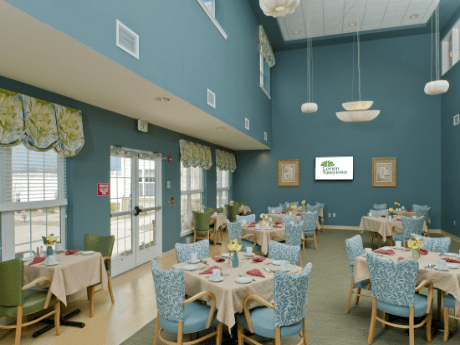
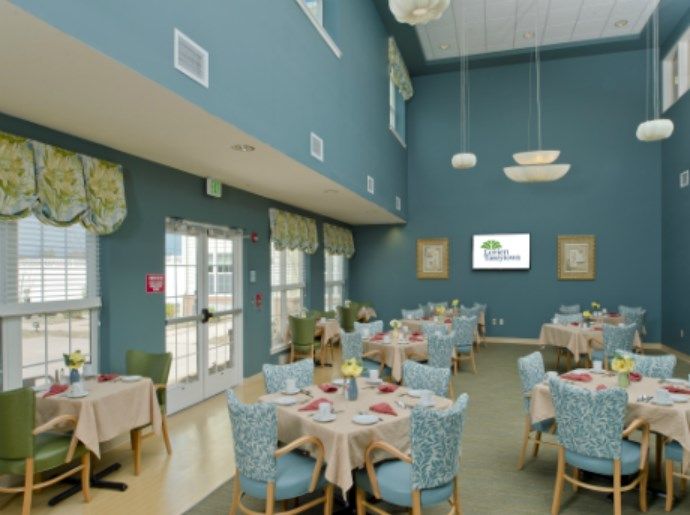
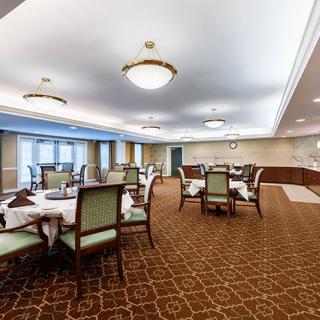
Several reviews praise the quality and taste of meals, with some residents specifically calling out how much they liked the food. A number of families also mention that special dietary needs are handled through the meals provided, and others describe ordering options when residents want something different. The community offers restaurant-style dining, guest meals, and room service, which fits the way reviews discuss mealtimes and food variety.
differentiator
24-hour support is reassuring to families
Families often feel reassured by around-the-clock care support.
Reviews describe peace of mind because staff are available to provide help throughout the day, including reassurance during the night. Some residents also describe therapy and medical follow-through during rehab and care needs while at the facility. The community provides assistance with activities of daily living, medication management, and a 24-hour call system, supporting the idea that help is reachable when needed.
caveat
Inconsistent staffing and call response
A minority of reviews raise concerns about staffing consistency.
Several negative reviews mention delays with aides when residents call for help, including concerns about missed meals or needing multiple attempts to get medications. Others cite inconsistency with agency nursing, especially on weekends. One review also describes communication problems with management and responsiveness, which directly contrasts with the more communication-focused positive reviews.
caveat
Pricing can feel high for more care
Some families say higher care levels come at a steep price.
While some reviewers describe the cost as reasonable or better than other options, at least a couple mention that the highest level of care can cost much more without feeling meaningfully different. The listing’s pricing ranges are above both county and state benchmarks across unit types, which helps explain why budget-sensitive families may feel stretched. If you’re comparing care needs, reviews suggest it’s especially important to ask what changes as care level increases.
How we summarize
We summarize when many written reviews mention each theme; a review can touch several themes, and only frequently mentioned themes are displayed.
Features
Housing
69 resident community capacity
1-bedroom apartments
Studio apartments
Types of Care
Assisted Living
Skilled Nursing Facility
Pets
Cats allowed
Dogs allowed
Amenities
Activities off-site
Activities on-site
Air-conditioning
Beautician on-site
Beauty salon
Cable or satellite TV
Computer center
Devotional services off-site
Devotional services on-site
Dining room
Fitness room
Fully furnished
Gaming room
Garden
Garden view
Ground floor units
Guasts at mealtime
Handicap accessible
Housekeeping services
Indoor common areas
Kitchenette
Laundry
Move-in coordination
Outdoor common areas
Outdoor space
Private bathrooms
Respite or short term stays offered
Restaurant-style dining
Small library
Swimming pool
Swimming pool / hot tub
Telephone
Wellness center
Wheelchair accessible showers
Wi-Fi/high-speed internet available
Transportation
Community operated transportation
Transportation & parking
Transportation arrangement
Transportation arrangement (non-medical)
Transportation to doctors appointments
Care Services
12-16 hour nursing
24-hour call system
24-hour supervision
Activities of daily living assistance
Assistance with bathing
Assistance with dressing
Assistance with transfers
Diabetes diet
Diabetic care
High acuity care
Incontinence care
Meal preparation and service
Medication management
Mental wellness program
Physical therapy
Special dietary restrictions
Dining
Diabetes diet
Guest meals
Low / no sodium
Meals provided
No Sugar
Professional chef
Restaurant style dining
Room service
Special dietary restrictions
Vegan
Vegetarian
Activities
Activities off-site
Art classes
Bible study group
Catholic services
Community-sponsored activities
Concierge services
Cooking classes
Devotional activities offsite
Devotional activities on-site
Educational speakers / life long learning
Fitness programs
Other religious services
Planned day trips
Protestant services
Religious services
Resident-run activities
Scheduled daily activities
Visiting chaplain or priest
Languages Spoken
English
Nearby Places of Interest
Restaurants
Thunderhead Bowl & Grill (0.2 miles)
The Buttersburg Inn (5.5 miles)
Maryland Mallet (8 miles)
Burger King (8.8 miles)
IHOP (8.8 miles)
Illiano's J&P Restaurant (8.8 miles)
Baugher's Country Restaurant (8.9 miles)
Transportation
U-Haul Moving & Storage (0.2 miles)
Skytech (8.7 miles)
Carroll County Regional Airport/Jack B Poage Field (8.7 miles)
Pharmacies
Justin Nixon (0.2 miles)
CVS Pharmacy (0.2 miles)
Kennie's Markets (7.3 miles)
Walgreens (8.8 miles)
Walmart Pharmacy (10.1 miles)
Giant Pharmacy (10.7 miles)
Anchor Pharmacy (10.8 miles)
Hospitals
Carroll Hospital Center-Med Labs (1.5 miles)
Carroll County Food Sunday (10 miles)
Carroll Hospital Center (10.8 miles)
X- Ray Room (10.8 miles)
Lifebridge Health (11.1 miles)
Carroll Hospital Knit Building (11.4 miles)
Westminster Nursing and Convalescent Center (11.4 miles)
Parks
Taneytown Memorial Park (1.7 miles)
Rocky Ridge Big Slide (9.1 miles)
Loys Station Park (10.7 miles)
Landon C Burns Park (10.9 miles)
Devil's Den (10.9 miles)
Peach Orchard (11 miles)
Places of Worship
Piney Creek Church of the Brethren (3.9 miles)
Uniontown Bible Church (5.6 miles)
St Johns Catholic Church (9.7 miles)
Chapel of the Immaculate Conception (10.7 miles)
St Anthony's Shrine Parish (10.8 miles)
National Shrine Grotto of Our Lady of Lourdes (10.8 miles)
WW Studio (10.8 miles)
Physicians
Dr Arumugarajah (7.7 miles)
Airpark Primary Care (8.9 miles)
Johnston Family Medicine (9.2 miles)
Carroll Occupational Health (9.3 miles)
Grillon George L DMD (9.9 miles)
Family & Children's Services of Central Maryland (10.4 miles)
Sterling Optical - Town Mall Westminster (10.4 miles)
Lorien Taneytown offers competitive pricing for its room types when compared to both Frederick County and the broader Maryland state averages. For a studio apartment, residents can expect to pay $5,280 per month, which is significantly higher than the county's average of $4,467 and the state average of $4,656. This price difference may reflect the enhanced amenities and services provided by Lorien Taneytown. Similarly, for a one-bedroom unit, the monthly cost at Lorien is $6,510, markedly above Frederick County's average of $3,506 and Maryland's state average of $3,904. While these rates are on the higher side compared to regional averages, they likely encompass a level of care and community that residents find valuable.
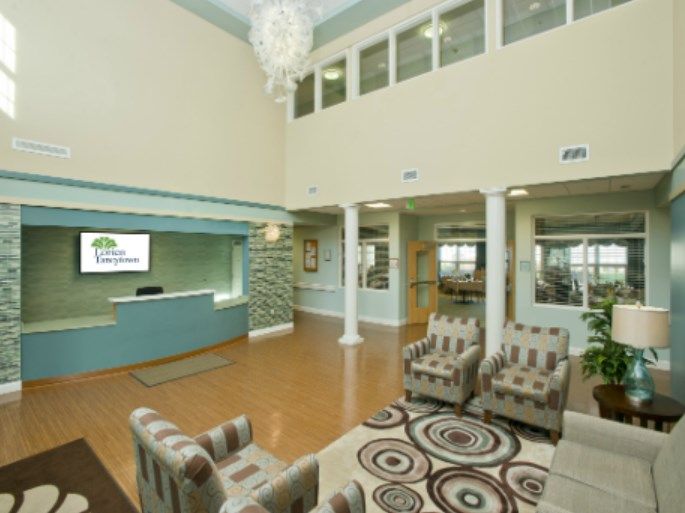
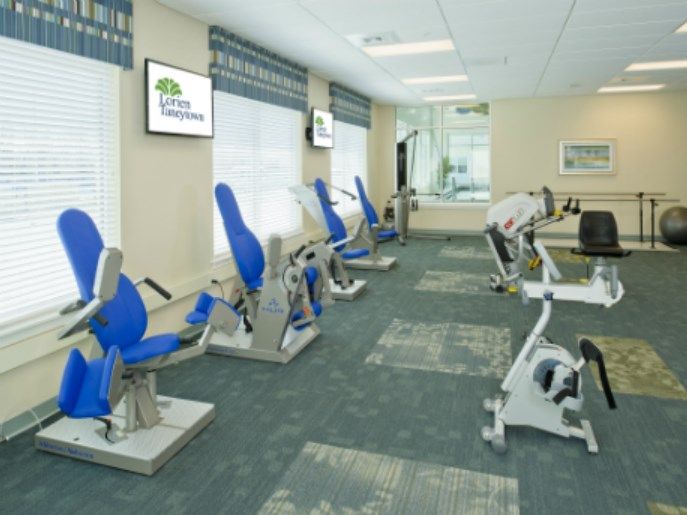
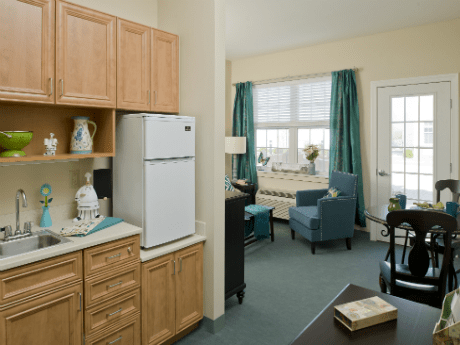
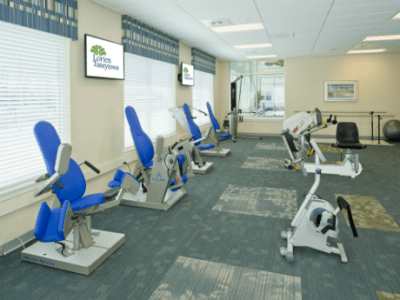
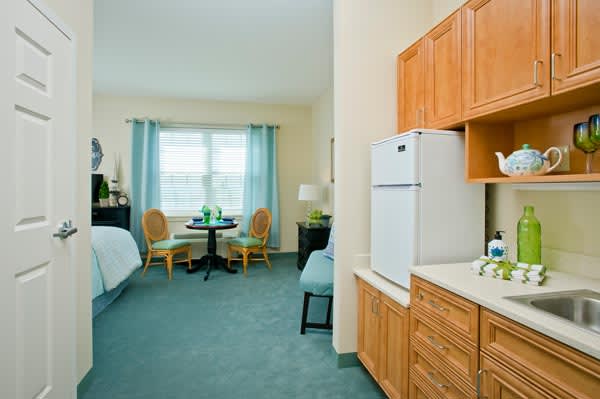
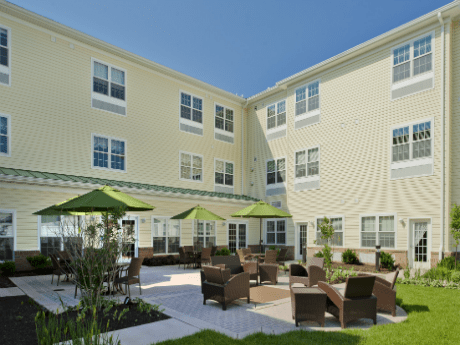
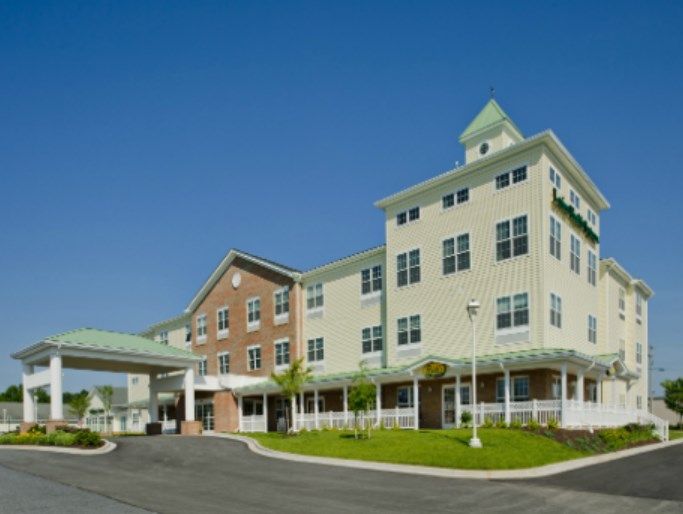
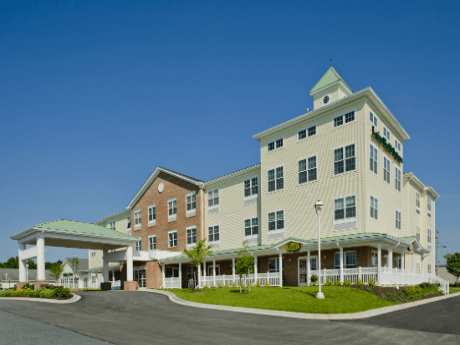
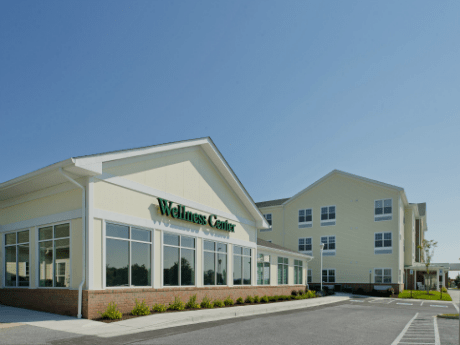
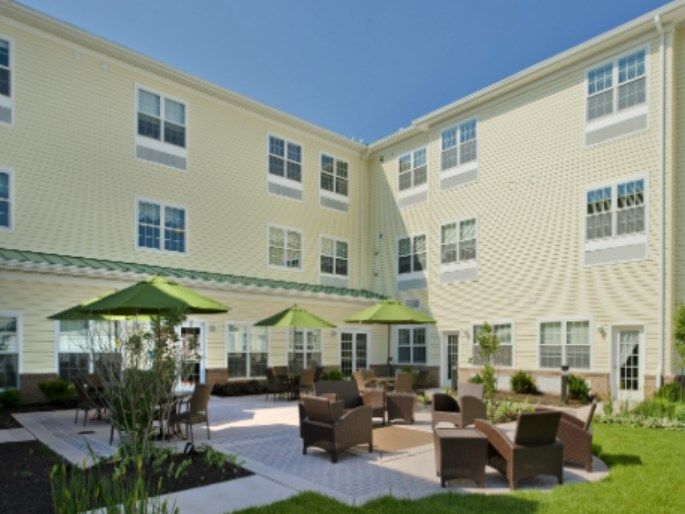
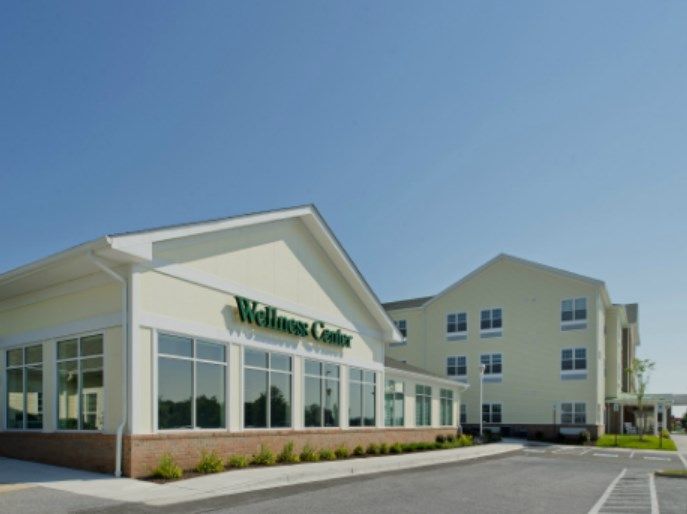
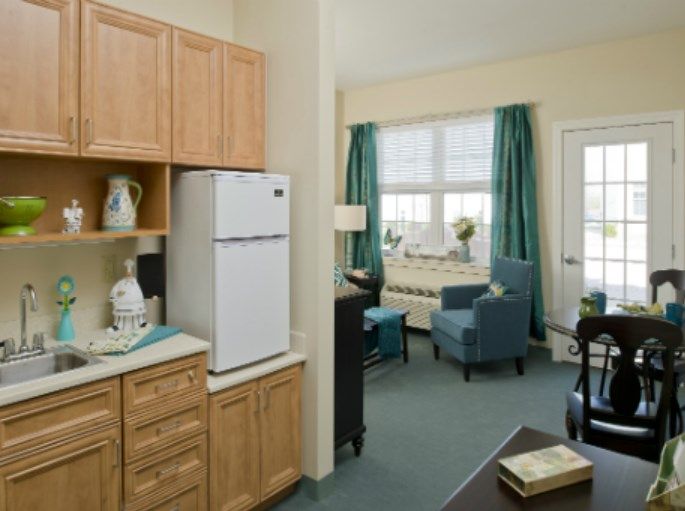
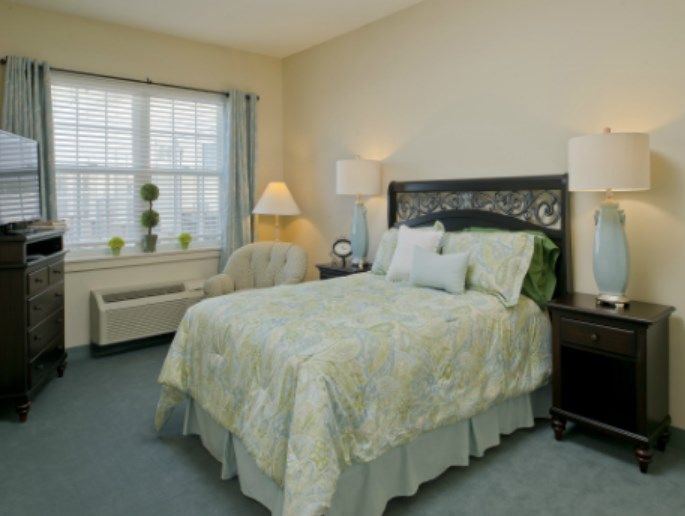
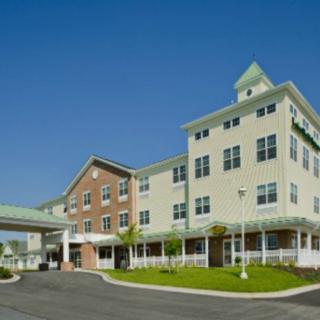
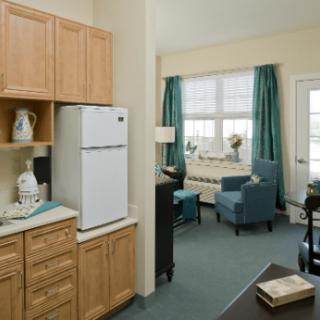
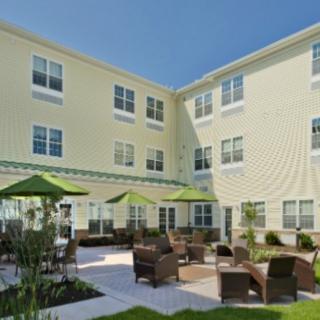
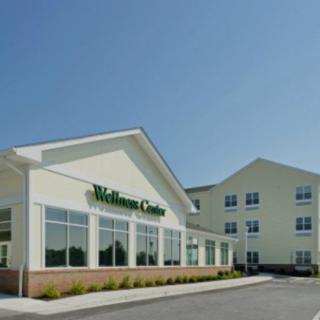
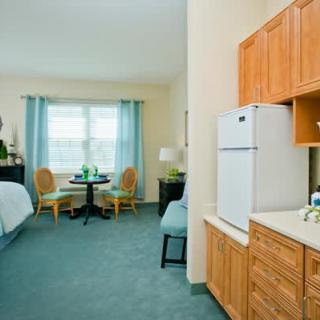
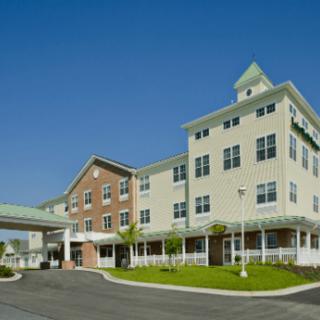
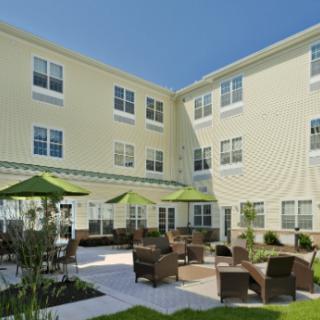
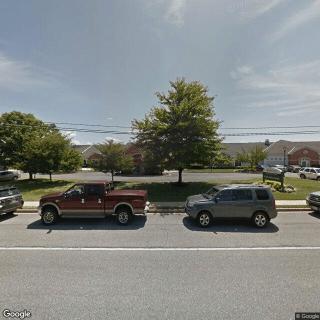
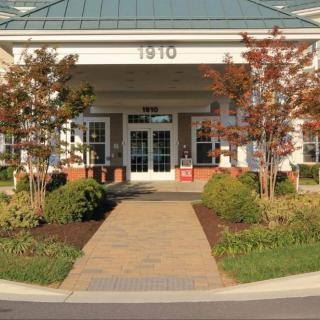
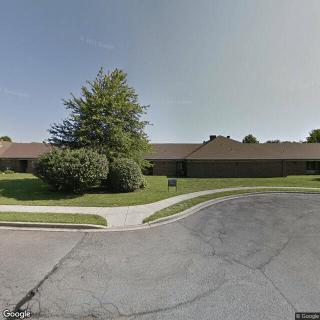
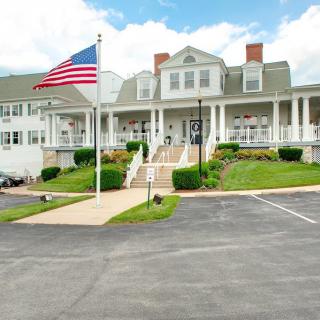
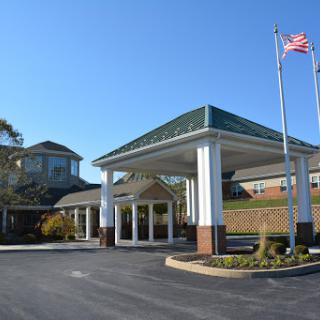
Lorien Taneytown on seniors.fyi includes 22 photos including images showing interior, floor plan, bedroom, windows, decor, building, architecture, living room, and more.
Nearby Communities
Carroll Vista
Taneytown, MD
4.9 from 16 reviews
Small, intimate assisted living with essential services (meals, medication management) and connectivity.
Almost Home I
Taneytown, MD
Intimate, personalized care in a small community.
Country Companions Assisted Living
Taneytown, MD
3 from 2 reviews
$4,000 to $4,250 / month
Friendly staff and clean rooms; pleasant atmosphere for Level 3 memory care.
Divine Intervention At Shepherds Glen
Taneytown, MD
Warm, welcoming board-and-care with furnished rooms, meals, daily activities, and attentive staff.
Brookfield Manor Resident Care
Keymar, MD
4.5 from 117 reviews
Diabetic care focus with on-site activities and meals provided.
Lookabout Manor
Westminster, MD
3.7 from 3 reviews
Personalized, home-like care with scratch-made meals and a caring staff.
The Terraces at Westminster
Westminster, MD
4.5 from 75 reviews
$3,000 to $5,500 / month
Caring staff, engaging activities, and a welcoming, homey atmosphere.
Brightview Westminster Ridge
Westminster, MD
4.7 from 141 reviews
$3,295 to $4,970 / month
Clean, welcoming community with friendly staff and engaging activities.
Spiritrust Lutheran The Village At Utz Terrace
Hanover, PA
4.9 from 8 reviews
Continuum-of-care CCRC with 24-hour supervision and comprehensive services.
The guide outlines the complexities of Medicaid coverage for assisted living, highlighting significant state-to-state variations, limited coverage often restricted to personal care services, and the existence of specialized waivers for certain needs like memory care. It advises families to consult local Medicaid offices for options while emphasizing the importance of understanding state-specific regulations and facility policies.
Medicaid coverage for assisted living varies by state and is primarily available to low-income individuals, with eligibility dependent on strict income and asset limits. Some states offer HCBS waivers for specific services in assisted living, but families must generally cover room and board costs, and should verify facility acceptance of Medicaid while considering potential waiting lists.
Medicaid waivers for assisted living services provide vital support for seniors and individuals with disabilities in need of long-term care, with varying state-specific eligibility criteria and benefits. These waivers cover personal care and case management but often do not fully cover room and board, leading to waiting lists for many applicants.
Get PricingAsk A QuestionSchedule A TourContact Senior Advisor
By clicking submit, you agree to our Partner's Terms of Use. You
also consent to receive calls and texts, which may be autodialed, from our Partner. Your consent is not a condition to
using our Partner's service. Please visit our Partner's Privacy Policy for information about their privacy practices.







 69 resident community capacity
 1-bedroom apartments
 Assisted Living
 Skilled Nursing Facility
 Cats allowed
 Dogs allowed
 Activities off-site
 Air-conditioning
 Beautician on-site
 Cable or satellite TV
 Computer center
 Devotional services off-site
 Dining room
 Fitness room
 Fully furnished
 Gaming room
 Garden
 Ground floor units
 Handicap accessible
 Housekeeping services
 Indoor common areas
 Kitchenette
 Laundry
 Move-in coordination
 Outdoor common areas
 Private bathrooms
 Respite or short term stays offered
 Restaurant-style dining
 Small library
 Swimming pool
 Telephone
 Wellness center
 Wheelchair accessible showers
 Wi-Fi/high-speed internet available
 Community operated transportation
 12-16 hour nursing
 24-hour call system
 Assistance with bathing
 Assistance with dressing
 Assistance with transfers
 Diabetes diet
 Diabetic care
 High acuity care
 Incontinence care
 Medication management
 Mental wellness program
 Physical therapy
 Special dietary restrictions
 Art classes
 Bible study group
 Concierge services
 Cooking classes
 Educational speakers / life long learning
 Planned day trips
 English
 Small, intimate assisted living with essential services (meals, medication management) and connectivity.

 Understanding Medicaid Coverage for Assisted Living: A Comprehensive Guide
 How and When Medicaid May Cover Assisted Living Costs
 A Detailed Exploration of Assisted Living Medicaid Waivers Across the United States