Country Companions Assisted Living in Taneytown, MD

Information last verified:

3217 Bert Koontz Road, Taneytown, MD 21787

For more information about senior living options: (844) 490-3973

3 from 2 reviews

Country Companions Assisted Living Costs & Pricing

At Country Companions Assisted Living, the monthly costs for accommodations are reflective of the level of care and comfort provided. For a one-bedroom unit, residents can expect to pay $4,000, which is notably higher than the average cost in Frederick County at $3,506 and slightly above the state average of $3,904. For those seeking a private room, the rate is set at $4,250, which aligns closely with Frederick County's average of $4,441 but remains competitive when compared to Maryland's overall rate of $4,112. These pricing structures suggest that while Country Companions may be priced above local averages for certain options, they likely deliver enhanced services or amenities that justify the investment in quality care.

Floor plansCountry Companions Assisted LivingFrederick CountyMaryland
1 Bedroom$4,000$3,506$3,904
Private$4,250$4,441$4,112

Overall Review of Country Companions Assisted Living

Pros

  • pro The staff members were nice and very informative.
  • pro The single-occupancy rooms were fine and clean.
  • pro Everything was nice if it matched their needs.

Cons

  • pro The facility claimed to handle memory care but could only offer Level 3, without clearly informing them of this limitation.
  • pro It did not have enough staff for residents needing more skilled care.
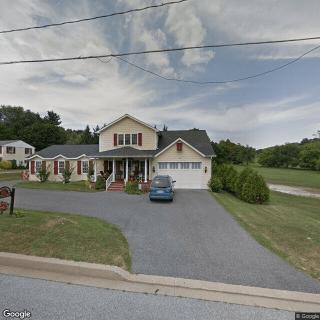
  • pro It was located in the middle of nowhere, essentially a single house, with little outside usage.
  • pro They showed confusion about Medicaid and only accepted Medicaid waivers.
  • pro They claimed to be a Medicaid facility, but they were not a nursing home.

Review

Country Companions Assisted Living in Taneytown, Maryland, is best suited for seniors who want a small, home‑like setting and whose care needs stay at a modest level. The community works best for residents who require help with daily activities but do not suddenly require intensive memory support or skilled nursing. A single-house layout and clean, private rooms provide a straightforward, low‑key living environment that can ease transitions for those who prize privacy and simplicity over campus size or formal programming. Families seeking predictable routines, personal attention, and a quiet, less institutional atmosphere will find this option aligns with those preferences, provided expectations stay within the facility’s capacity.

However, serious memory impairment or escalating medical needs point to alternatives. Any family facing memory care beyond a basic level will want to explore other options, as the facility appears unable to deliver more than Level 3 memory care. The staffing levels described suggest potential gaps if care demands exceed routine assistance. Those requiring a robust daily program, frequent medical oversight, or comprehensive behavioral management should consider facilities with dedicated memory care units or larger teams. Additionally, certainty about Medicaid coverage is essential; if finances rely on waivers, a facility with clear, state-aligned Medicaid status should be prioritized.

On the positive side, the staff are reported as nice and informative, and the single rooms are clean and serviceable. This translates into a comfortable daily living experience when needs are modest and stability is valued. The intimate setting can foster strong one‑on‑one attention and easier communication with caregivers, which matters for residents who thrive on routine and straightforward assistance. Yet the practical benefits of warmth and tidiness dim when care needs rise or safety protocols fail to match the resident’s cognitive profile. The current arrangement risks leaving a memory‑impaired resident under-supervised or undersupported if behavior becomes unpredictable.

Several concrete concerns undermine the appeal. The memory care limitation, described as Level 3 only, signals a capped ceiling on cognitive support and safety measures. Staff shortages, especially for more skilled tasks, become acute when memory or behavioral challenges intensify. The setting, a rural, single-house operation with limited outdoor use, also constrains activity options and social engagement, which are vital for mood and function in memory care. The Medicaid narrative adds a further layer of risk: inconsistent messaging about eligibility and coverage can complicate planning and payment, and the claim of “Medicaid facility” but non‑nursing home status creates questions about what is included in the care plan.

These realities must be weighed carefully against the apparent pros. The advantage of a calm, home-like environment and personal attention cannot fully offset the need for reliable access to skilled care and transparent funding. For families with residents who may require escalation, more supervision, memory care programming, or medical oversight, the gaps are likely to become more pronounced over time. The lack of a broad activity program or outdoor-equipped space also reduces opportunities for engagement that help memory and overall well‑being. In other words, the upsides are real but contingent, and the downsides tend to expand as care needs move beyond simple assistance.

Actionable next steps involve a direct, detailed inquiry before any commitment. Verify the exact memory care capabilities and request a written care plan, including staff-to-resident ratios, safety measures, and escalation procedures. Confirm which Medicaid waivers are accepted, how payments map to services, and what happens if care needs exceed current capabilities. If memory impairment is a possibility, broaden the search to facilities with dedicated memory‑care wings or larger teams. For residents who can maintain independence with light supervision and prize a quiet setting, Country Companions may work, provided the care plan and funding are clearly aligned with long‑term needs.

Features

Housing

  • 16 resident community capacity 16 resident community capacity

Types of Care

  • Assisted Living Assisted LivingAssisted living facilities provide crucial support and care for seniors who may need help with daily tasks such as medication management, bathing, and meal preparation. These communities offer a safe and comfortable environment where seniors can maintain their independence while receiving the assistance they need to thrive in their golden years.
  • Board and Care Home Board and Care HomeBoard and care homes provide a smaller, more intimate setting for seniors who require assistance with daily tasks but do not need the level of care offered by a nursing home. They offer personalized care, meals, and social activities in a homelike environment, ensuring that seniors receive individualized attention and support in their golden years.

Amenities

  • Cable or satellite TV Cable or satellite TVCable or satellite TV is important for seniors because it provides entertainment, news, and companionship, helping to combat loneliness and boredom. It also offers a wide range of programming options tailored to different interests and preferences.
  • Dining room Dining roomDining rooms are important for seniors as they provide a space for socialization, connection, and nutritious meals. They offer opportunities for residents to bond over shared meals, foster a sense of community, and promote healthy eating habits. Dining rooms also ensure that seniors have access to well-balanced meals tailored to their dietary needs and preferences.
  • Fully furnished Fully furnishedFully furnished senior living communities are important for seniors because they provide convenience, comfort, and a hassle-free moving experience. Seniors can easily settle into their new living space without the stress of having to buy and move furniture. This allows them to focus on enjoying their new home and community.
  • Garden GardenGardens are important for seniors as they provide a peaceful and therapeutic environment for relaxation, physical activity, and socialization. Being in nature has been shown to reduce stress, improve mood, and promote overall well-being. Gardens also offer opportunities for seniors to engage in gardening activities, which can improve mobility, flexibility, and cognitive function. Additionally, gardens create a sense of community and connection with others who share a passion for plants and outdoor spaces.
  • Housekeeping services Housekeeping servicesHousekeeping services are important for seniors because they help maintain a clean and safe living environment, promote independence, and reduce the risk of accidents or illnesses. Additionally, having assistance with household chores can alleviate physical strain and allow seniors to focus on other aspects of their well-being.
  • Move-in coordination Move-in coordinationMove-in coordination is important for seniors because it helps ease the transition into their new living environment. It ensures that all logistics, such as packing, organizing movers, and setting up utilities are taken care of, allowing seniors to focus on settling in and adjusting to their new home. Having a smooth move-in process can alleviate stress and anxiety, making the transition smoother and more enjoyable for seniors.
  • Outdoor space Outdoor spaceOutdoor spaces are important for seniors as they provide opportunities for physical activity, social interaction, exposure to natural light and fresh air, and a sense of connection to nature. Having access to outdoor spaces can improve overall well-being and quality of life for older adults living in senior communities.
  • Telephone TelephoneTelephones are important for seniors as they provide a lifeline for communication with loved ones, emergency services, and healthcare providers. They offer a sense of security and independence, enabling seniors to stay connected and access assistance when needed.
  • Wi-Fi/high-speed internet available Wi-Fi/high-speed internet availableWi-Fi/high-speed internet is important for seniors to stay connected with loved ones, access online resources, and participate in virtual activities to combat feelings of loneliness and isolation. It also allows them to easily manage healthcare needs, access entertainment, and engage in lifelong learning opportunities.

Care Services

  • 24-hour supervision 24-hour supervision24-hour supervision is important for seniors to ensure their safety, well-being, and access to immediate assistance in case of emergencies or health issues. This constant support provides peace of mind for both seniors and their loved ones, allowing them to age in place with dignity and security.
  • Activities of daily living assistance Activities of daily living assistanceActivities of daily living assistance are important for seniors because they provide essential support with tasks such as eating, bathing, dressing, and mobility. This assistance helps seniors maintain their independence, dignity, and overall quality of life as they age.
  • Assistance with bathing Assistance with bathingAssistance with bathing is crucial for seniors as it helps maintain personal hygiene, prevents infections, and ensures their overall well-being and comfort. It also provides a sense of dignity and independence for seniors who may struggle with this task on their own.
  • Assistance with dressing Assistance with dressingAssistance with dressing is important for seniors because it helps maintain their independence, promotes personal hygiene, prevents accidents and injuries, and improves overall quality of life. This service ensures that seniors can continue to dress comfortably and confidently, despite any physical limitations they may have.
  • Assistance with transfers Assistance with transfersAssistance with transfers is crucial for seniors as it helps prevent falls and injuries, maintains their independence, and ensures they can safely navigate their living environment. It also provides peace of mind for both seniors and their loved ones.
  • Coordination with health care providers Coordination with health care providersCoordination with health care providers is crucial for seniors to ensure proper medical care, medication management, and overall well-being. This collaboration helps prevent overlapping treatments, track progress more effectively, and provide comprehensive support tailored to individual needs.
  • Diabetes diet Diabetes dietA diabetes diet is crucial for seniors as it helps manage blood sugar levels, reduce risks of complications, and improve overall health and well-being. By following a balanced and nutritious diet tailored to their specific needs, seniors can better control their diabetes and enhance their quality of life.
  • Meal preparation and service Meal preparation and serviceMeal preparation and service are crucial for seniors as they may have limited mobility or energy to cook nutritious meals. Having access to healthy and convenient food options can ensure they are getting the proper nutrition needed to maintain their overall health and well-being.
  • Medication management Medication managementMedication management is crucial for seniors to ensure they are taking the right medications at the correct dosages and times. This helps prevent adverse drug interactions, reduces the risk of medication errors, and promotes overall health and well-being. Proactive management also allows for adjustments as needed based on changing health conditions or new prescriptions.
  • Special dietary restrictions Special dietary restrictionsSpecial dietary restrictions are important for seniors because age-related changes in metabolism and health conditions can make it difficult for their bodies to process certain foods. By following a diet tailored to their specific needs, seniors can maintain their overall health and well-being, manage chronic conditions, and reduce the risk of complications such as malnutrition or food interactions with medications.
  • Transportation arrangement (medical) Transportation arrangement (medical)Transportation arrangements for medical purposes are essential for seniors as they may have difficulty driving themselves to appointments or accessing public transportation. Having reliable and safe transportation options ensures that seniors can receive timely medical care and maintain their health and well-being.
  • Transportation to doctors appointments Transportation to doctors appointmentsTransportation to doctors' appointments is crucial for seniors as it ensures they have access to necessary medical care and support for their health needs. Without reliable transportation, seniors may struggle to attend important appointments, leading to potential delays in treatment and health complications. Providing transportation services helps seniors maintain their overall well-being and quality of life.
Dining

  • Diabetes diet Diabetes dietA diabetes diet is crucial for seniors as it helps manage blood sugar levels, reduce risks of complications, and improve overall health and well-being. By following a balanced and nutritious diet tailored to their specific needs, seniors can better control their diabetes and enhance their quality of life.
  • Special dietary restrictions Special dietary restrictionsSpecial dietary restrictions are important for seniors because age-related changes in metabolism and health conditions can make it difficult for their bodies to process certain foods. By following a diet tailored to their specific needs, seniors can maintain their overall health and well-being, manage chronic conditions, and reduce the risk of complications such as malnutrition or food interactions with medications.

Activities

  • Community-sponsored activities Community-sponsored activitiesCommunity-sponsored activities are important for seniors as they provide opportunities for social interaction, mental stimulation, and physical activity. These activities can help improve overall well-being, combat loneliness and isolation, and promote a sense of belonging and purpose among older adults.
  • Scheduled daily activities Scheduled daily activitiesScheduled daily activities are important for seniors because they provide structure, socialization, mental stimulation, and physical activity. Engaging in regular activities can improve overall well-being and quality of life for seniors living in a community setting.

Description

Country Companions Assisted Living in Taneytown, MD is a warm and inviting board and care home that offers personalized care and support for older adults. Our community provides a comfortable and fully furnished living environment, ensuring that residents feel right at home from the moment they move in.

Our amenities include a dining room where nutritious and delicious meals are served, taking into consideration any special dietary restrictions. Housekeeping services are provided to maintain cleanliness and tidiness throughout the community. Residents can also enjoy spending time outdoors in our beautiful garden or outdoor space.

We understand the challenges of daily living, which is why we offer assistance with activities such as bathing, dressing, and transfers. Our dedicated staff works closely with health care providers to ensure that each resident receives the appropriate coordination of care. Diabetes diets and medication management are also provided to promote overall wellness.

Transportation arrangement for medical purposes is available, as well as transportation to doctors' appointments. We aim to make life easier for our residents by taking care of their transportation needs.

In terms of nearby amenities, there are several parks, pharmacies, restaurants, places of worship, and hospitals in close proximity to our community. This allows residents to easily access recreational experiences, medical services, and fulfill their spiritual needs.

At Country Companions Assisted Living in Taneytown, MD, we believe in providing a homely environment where residents can thrive physically and emotionally. With scheduled daily activities available for everyone's enjoyment, our community encourages socialization and engagement among residents.

Choose Country Companions Assisted Living for exceptional care that caters to individual needs while fostering a sense of belonging and community involvement.

Nearby Places of Interest

This part of Taneytown, Maryland offers a variety of amenities and services that cater to seniors looking to settle in the area. With several dining options such as Thunderhead Bowl & Grill and Baugher's Country Restaurant nearby, residents can enjoy delicious meals without having to travel far. Additionally, there are multiple pharmacies including CVS Pharmacy and Walmart Pharmacy for easy access to medications. Places of worship like Piney Creek Church of the Brethren and Uniontown Bible Church provide spiritual support, while parks like Taneytown Memorial Park offer opportunities for outdoor recreation. The proximity to Carroll Hospital Center ensures that medical care is easily accessible, and transportation options like U-Haul Moving & Storage and Skytech make getting around convenient. This area also features cafes such as Panera Bread for leisurely gatherings with friends or family members. Overall, this neighborhood in Taneytown provides a well-rounded environment for seniors seeking a comfortable and convenient place to call home.

Restaurants

  • Thunderhead Bowl & Grill (3 miles)
  • Maryland Mallet (5.6 miles)
  • IHOP (7.8 miles)
  • Illiano's J&P Restaurant (7.8 miles)
  • Burger King (7.8 miles)
  • The Buttersburg Inn (8 miles)
  • Baugher's Country Restaurant (8 miles)

Pharmacies

  • Justin Nixon (3 miles)
  • CVS Pharmacy (3 miles)
  • Kennie's Markets (4.9 miles)
  • Walgreens (7.8 miles)
  • Walmart Pharmacy (8.9 miles)
  • Giant Pharmacy (9.6 miles)
  • Anchor Pharmacy (9.9 miles)

Places of Worship

  • Piney Creek Church of the Brethren (3.2 miles)
  • Uniontown Bible Church (7.6 miles)
  • St Johns Catholic Church (8.5 miles)
  • WW Studio (10 miles)

Transportation

  • U-Haul Moving & Storage (3.3 miles)
  • Skytech (7.2 miles)
  • Carroll County Regional Airport/Jack B Poage Field (7.3 miles)

Hospitals

  • Carroll Hospital Center-Med Labs (3.8 miles)
  • Carroll County Food Sunday (9 miles)
  • UPMC Express Care (9.9 miles)
  • Carroll Hospital Center (10.1 miles)
  • X- Ray Room (10.1 miles)
  • Carroll Hospital Knit Building (10.5 miles)
  • Lifebridge Health (10.5 miles)

Parks

  • Taneytown Memorial Park (4.1 miles)
  • West Manheim Dog Park (8.5 miles)
  • Landon C Burns Park (10.2 miles)

Physicians

  • Dr Arumugarajah (5.1 miles)
  • Airpark Primary Care (7.4 miles)
  • Johnston Family Medicine (7.7 miles)
  • Carroll Occupational Health (8 miles)
  • Grillon George L DMD (8.8 miles)
  • Sterling Optical - Town Mall Westminster (9.3 miles)
  • Family & Children's Services of Central Maryland (9.4 miles)

Cafes

  • American Ice Co Cafe (8.9 miles)
  • Panera Bread (8.9 miles)

Frequently Asked Questions

How much does it cost to live at Country Companions Assisted Living in Taneytown, MD?
Where is Country Companions Assisted Living?

Nearby Communities

  • Almost Home I

    Almost Home I

    Taneytown, MD


    pro Intimate, personalized care in a small community.

  • Lorien Taneytown

    Lorien Taneytown

    Taneytown, MD

    4.4 from 77 reviews
    $5,280 to $6,510 / month

    pro Caring staff, engaging activities, and a clean, welcoming environment with good dining.

  • Carroll Vista

    Carroll Vista

    Taneytown, MD

    4.9 from 15 reviews
     

    pro Small, intimate assisted living with essential services (meals, medication management) and connectivity.

  • Lookabout Manor

    Lookabout Manor

    Westminster, MD

    3.7 from 3 reviews
     

    pro Personalized, home-like care with scratch-made meals and a caring staff.

  • Martin S Care Home

    Martin S Care Home

    Littlestown, PA

    5 from 2 reviews
     

    pro Warm, home-like setting with personalized care, 24-hour supervision, medication management, and transportation for medical appointments.

  • Morning Glory Assisted Living

    Morning Glory Assisted Living

    Littlestown, PA

    4 from 6 reviews
     

    pro Small, home-like community with attentive owners and staff and on-site, home-cooked meals.

  • Spiritrust Lutheran The Village At Utz Terrace

    Spiritrust Lutheran The Village At Utz Terrace

    Hanover, PA

    4.9 from 8 reviews
     

    pro Continuum-of-care CCRC with 24-hour supervision and comprehensive services.

  • The Terraces at Westminster

    The Terraces at Westminster

    Westminster, MD

    4.5 from 71 reviews
    $3,000 to $5,500 / month

    pro Caring staff, engaging activities, and a welcoming, homey atmosphere.

  • Brightview Westminster Ridge

    Brightview Westminster Ridge

    Westminster, MD

    4.7 from 137 reviews
    $3,295 to $4,970 / month

    pro Clean, welcoming community with friendly staff and engaging activities.

Related Resources

  • assisted living vs nursing homeChoosing the Right Senior Care: A Detailed Exploration of Assisted Living and Nursing Homes

    Choosing between assisted living and nursing homes involves evaluating emotional and financial factors, with assisted living offering independence and support for daily activities at a lower cost, while nursing homes provide intensive medical care for individuals with significant health needs. The decision is influenced by personal preferences, health status, cognitive function, and varying Medicaid coverage across states.

  • assisted living costUnderstanding the True Cost of Assisted Living in 2025: A Comprehensive Guide

    Assisted living in 2025 offers a crucial balance of independence and support for seniors, with costs varying from $2,500 to over $7,000 per month based on factors such as location and care level. Understanding pricing complexities, including regional differences and potential hidden fees, is essential for families to plan financially while ensuring quality care for their loved ones.

  • does medicaid pay for assisted livingUnderstanding Medicaid Coverage for Assisted Living: A Comprehensive Guide

    The guide outlines the complexities of Medicaid coverage for assisted living, highlighting significant state-to-state variations, limited coverage often restricted to personal care services, and the existence of specialized waivers for certain needs like memory care. It advises families to consult local Medicaid offices for options while emphasizing the importance of understanding state-specific regulations and facility policies.