Allegria at The Oaks offers competitive pricing for its residents when compared to the broader market in Philadelphia County and across Pennsylvania. For a semi-private room, residents can expect a monthly cost of $2,500, which is significantly lower than the county average of $3,662 and the state average of $3,542. This makes it an attractive option for individuals seeking affordable yet quality care. On the other hand, the studio units are priced at $3,500 per month. While this is higher than Philadelphia County's average of $2,752, it remains below the statewide figure of $3,737. Overall, Allegria at The Oaks presents a compelling value proposition that balances quality living with financial accessibility.
Floor plans
Allegria at The Oaks
Philadelphia County
Pennsylvania
Semi-Private
$2,500
$3,662
$3,542
Studio
$3,500
$2,752
$3,737
Memory care communities with a similar price nearby
Caregivers are described as kind, responsive, and attentive to residents.
Many reviewers say the staff are friendly and that residents are checked on regularly. Several families mention good communication, including updates and responsive follow-ups when questions came up. A number of comments also describe staff being professional during transitions like move-in, hospice coordination, and daily support needs.
common24 reviews mention this
Activities keep residents engaged
Residents are kept busy with frequent activities and outings.
Across reviews, families describe bingo, games, music, and regular scheduled engagement throughout the day. Memory care reviewers in particular mention day-to-day activities, parties, and planned trips or outings. A few residents also note that the facility supports engagement even with restrictions during COVID periods.
common18 reviews mention this
Dining is generally liked
Food quality is often described as good, with restaurant-style dining offered.
Several reviewers say their loved ones like the food and that dining is a bright spot in day-to-day life. At the same time, some comments ask for menu variety or say the food could be better, so expectations may vary. The community offers restaurant-style dining and meal accommodations like low/no sodium and diabetes diets, which aligns with dietary needs families mention.
common10 reviews mention this
Pricing is framed as good value
Families often describe the pricing as reasonable and budget-friendly.
Multiple reviews describe the rates as affordable or a good value compared with other options they considered. Some families specifically mention shared-room choices reducing cost and that the community worked within budgets. Pricing is also positioned around being below county and state benchmarks for both the semi-private and studio ranges provided.
caveat5 reviews mention this
Memory care concerns appear in reviews
Some reviewers report insufficient memory care support and supervision.
A smaller set of reviews raises serious concerns about memory care, including claims of minimal care, residents being left in front of a television, and lack of attention after incidents. Other negative reviews describe issues involving dementia-related care planning and follow-through. Because these complaints are not universal, it’s best to consider them alongside the many positive accounts of staff attentiveness and activities.
caveat4 reviews mention this
Facility feels institutional to some
A few reviews say the building lacks a home-like feel.
Some reviewers describe the overall atmosphere as institutional rather than homey and suggest upgrades like more personal artwork, color, or other ways to brighten spaces. Others mention that cosmetic updates or construction can affect expectations. On the positive side, several residents and families also describe the community as clean and well-kept, which can make the difference more noticeable depending on what you value.
How we summarize
Counts show how many written reviews mention each theme; a review can touch several themes, and only frequently mentioned themes are displayed.
Features
Housing
95 resident community capacity
2-bedroom apartments
Studio apartments
Types of Care
Assisted Living
Memory Care
Respite Care
Pets
Cats allowed
Dogs allowed
Amenities
Activities off-site
Activities on-site
Air-conditioning
Bath tubs
Beautician on-site
Beauty salon
Cable or satellite TV
Computer center
Devotional services off-site
Devotional services on-site
Dining room
Fitness room
Fully furnished
Gaming room
Garden
Ground floor units
Housekeeping services
Indoor common areas
Kitchenette
Laundry
Move-in coordination
Outdoor common areas
Outdoor space
Private bathrooms
Respite or short term stays offered
Restaurant-style dining
Small library
Telephone
Wellness center
Wheelchair accessible showers
Wi-Fi/high-speed internet available
Transportation
Trenton-Mercer County (11 miles away)
Community operated transportation
Transportation arrangement
Transportation arrangement (non-medical)
Transportation to doctors appointments
Care Services
12-16 hour nursing
24-hour call system
24-hour supervision
Activities of daily living assistance
Ambulatory care
Assistance with bathing
Assistance with dressing
Assistance with transfers
Diabetes diet
Diabetic care
High acuity care
Incontinence care
Meal preparation and service
Medication management
Mental wellness program
Mild cognitive impairment
Special dietary restrictions
Specialized memory care programming
Dining
Diabetes diet
Guest meals
Low / no sodium
Meals provided
No Sugar
Restaurant style dining
Special dietary restrictions
Vegetarian
Activities
Activities off-site
Art classes
Catholic services
Community-sponsored activities
Concierge services
Cooking classes
Day trips and outings
Devotional activities offsite
Devotional activities on-site
Fitness programs
Happy hour
Live dance or theater performances
Live musical performances
Other religious services
Planned day trips
Protestant services
Religious services
Resident-run activities
Scheduled daily activities
Wine tasting
Languages Spoken
English
Videos
Nearby Places of Interest
This part of Bensalem, Pennsylvania offers a variety of amenities and services that may be appealing to seniors looking for a convenient and accessible location. Within a few miles radius, there are several pharmacies including Walgreens, CVS Pharmacy, and Rite Aid for easy access to medications and healthcare supplies. Additionally, there are restaurants such as McDonald's, J.B. Dawson's Restaurant & Bar, and Chick-Fil-A for dining options. For medical care, there are physicians' offices like Wilson Dermatology & Skin Care and Stoltz and Hahn Family Practice, as well as hospitals like Frankford Hospital-Bucks County and St Mary Rehab Hospital nearby. In terms of recreation, there are parks like Columbus Park and Tyler State Park for outdoor activities. Overall, this area provides a good mix of conveniences and services for seniors looking to live in Bensalem.
Allegria at The Oaks offers competitive pricing for its residents when compared to the broader market in Philadelphia County and across Pennsylvania. For a semi-private room, residents can expect a monthly cost of $2,500, which is significantly lower than the county average of $3,662 and the state average of $3,542. This makes it an attractive option for individuals seeking affordable yet quality care. On the other hand, the studio units are priced at $3,500 per month. While this is higher than Philadelphia County's average of $2,752, it remains below the statewide figure of $3,737. Overall, Allegria at The Oaks presents a compelling value proposition that balances quality living with financial accessibility.
The features at Allegria at The Oaks are meticulously designed to support residents with dementia or Alzheimer's disease, ensuring their safety and well-being. With 24-hour supervision, residents are continuously monitored, providing reassurance for families and immediate assistance in case of emergencies. Activities of daily living assistance, including help with bathing, dressing, and transfers, fosters independence while addressing the challenges posed by cognitive decline. Incontinence care is discreetly managed to maintain dignity, while meal preparation and service cater to nutritional needs, enhancing overall health. Comprehensive medication management ensures that residents receive the correct dosages at the right times, which is crucial for those managing multiple health conditions. Additionally, a mental wellness program alongside specialized memory care programming targets cognitive engagement through tailored activities that stimulate memory recall and social interaction, ultimately creating a supportive environment conducive to maintaining quality of life for individuals experiencing mild cognitive impairment or advanced dementia.
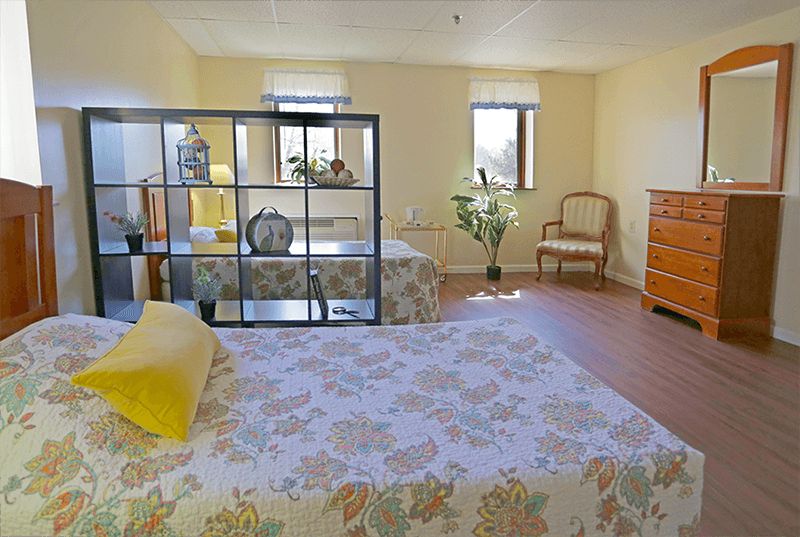
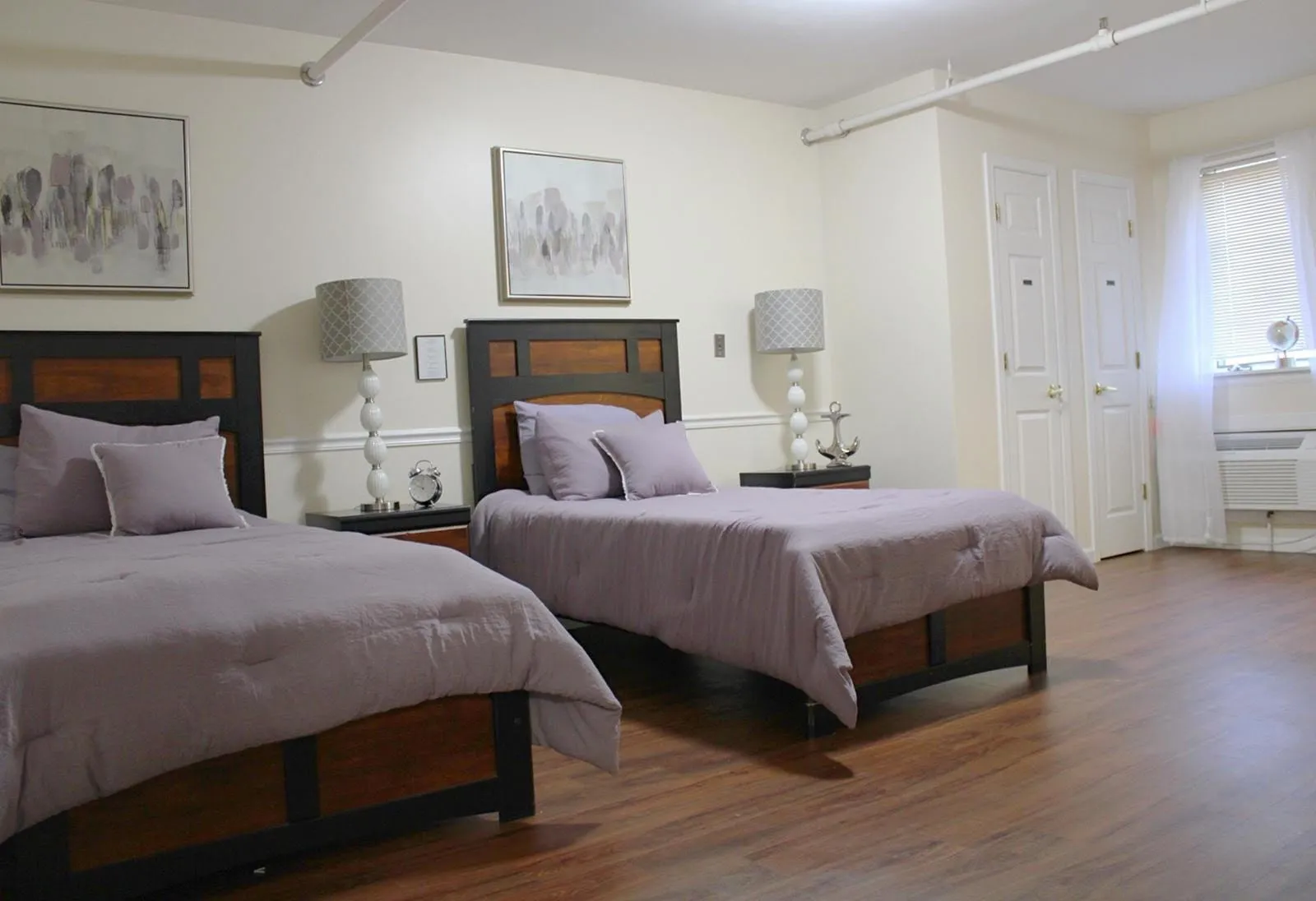
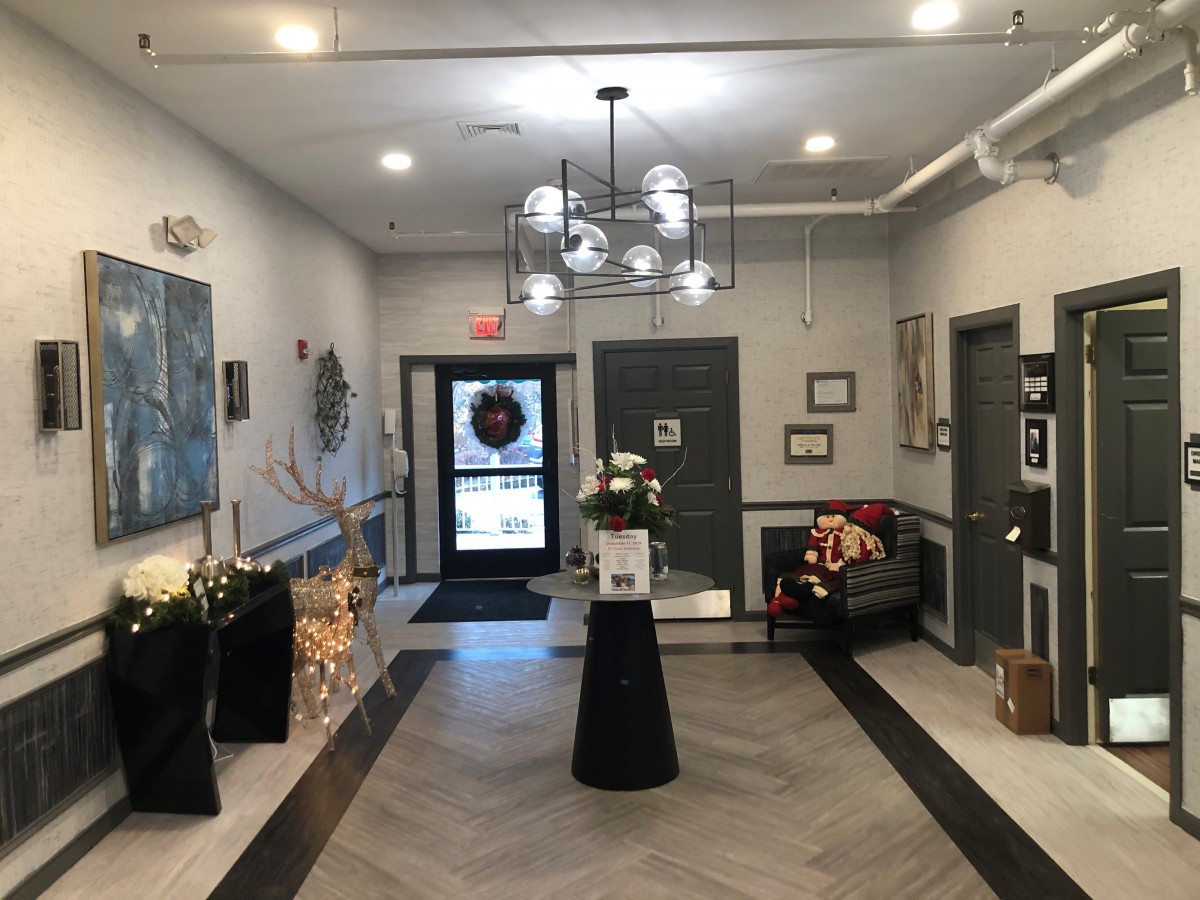
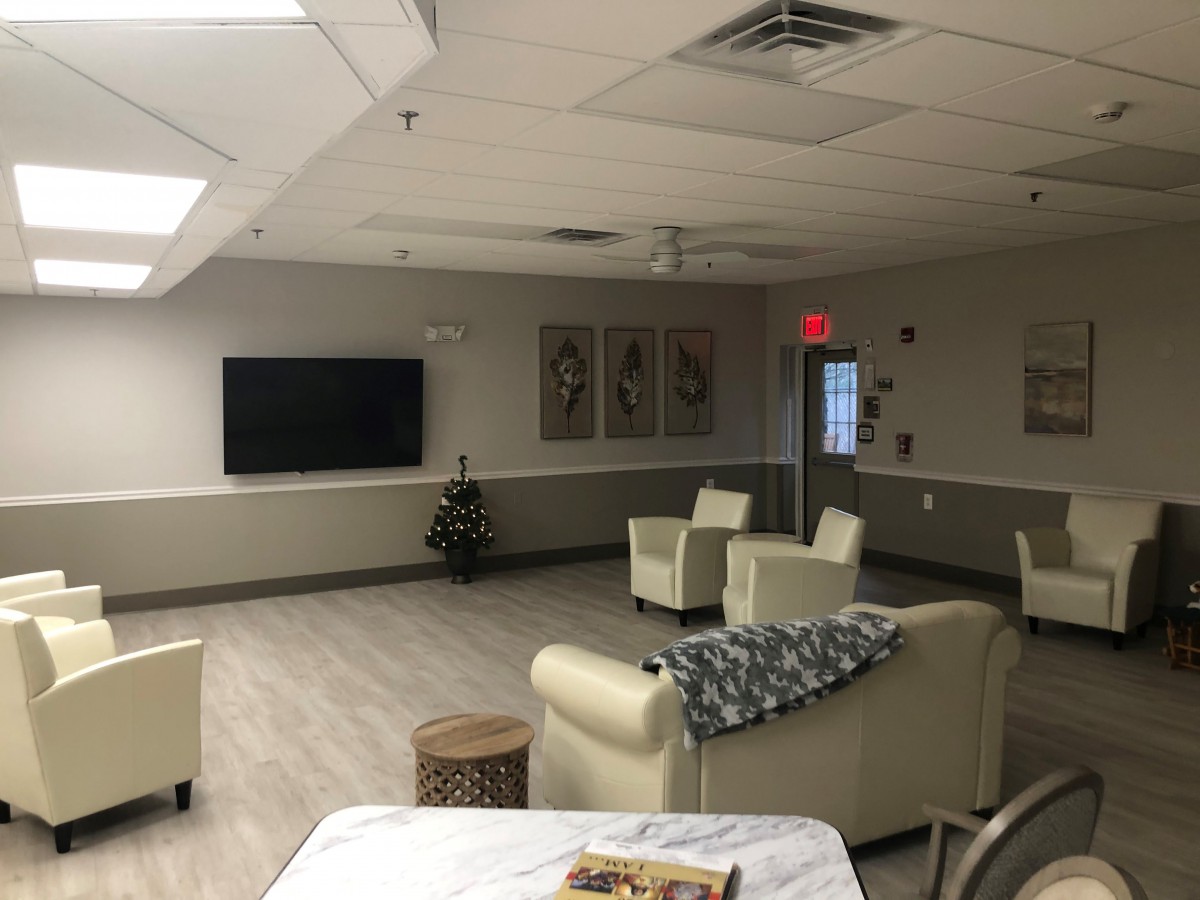
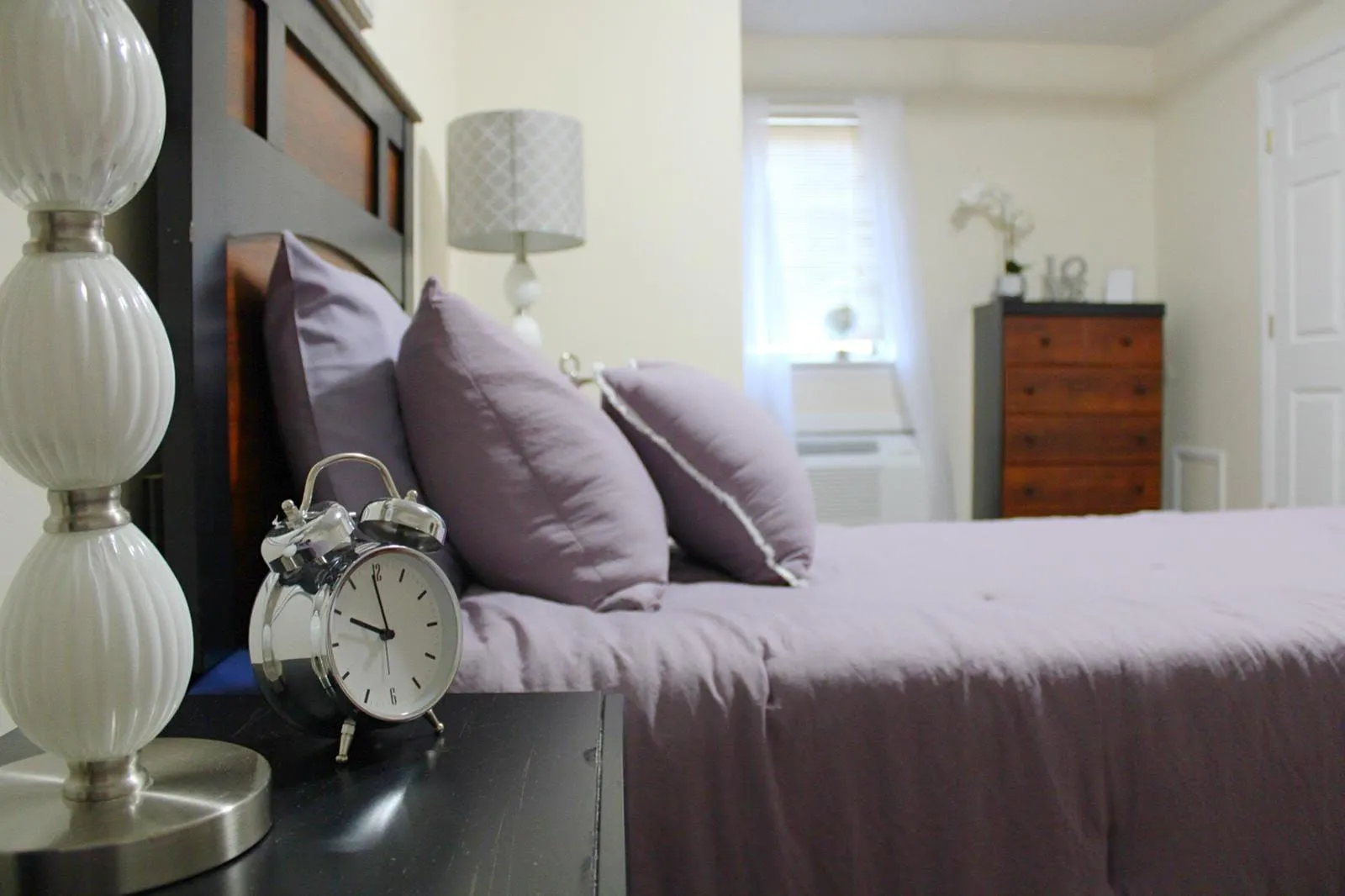
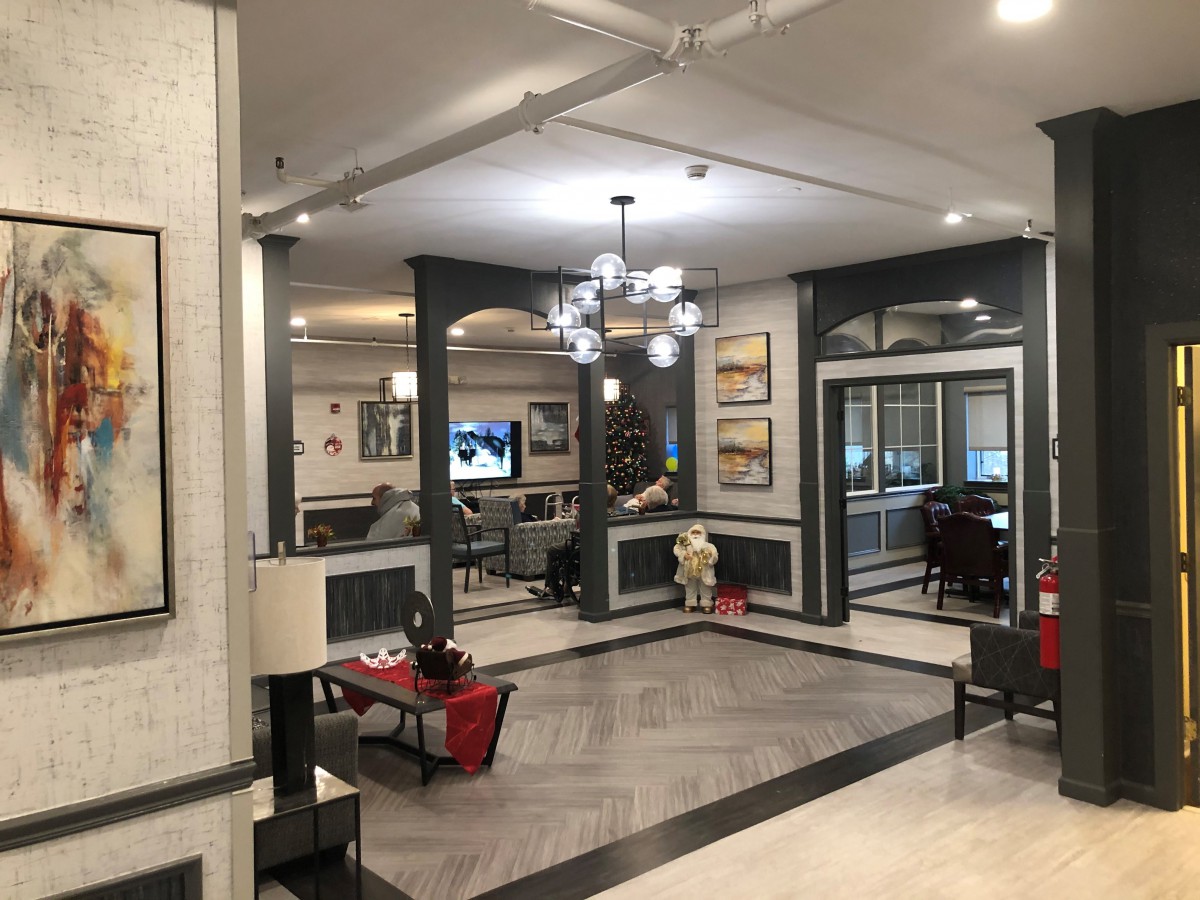
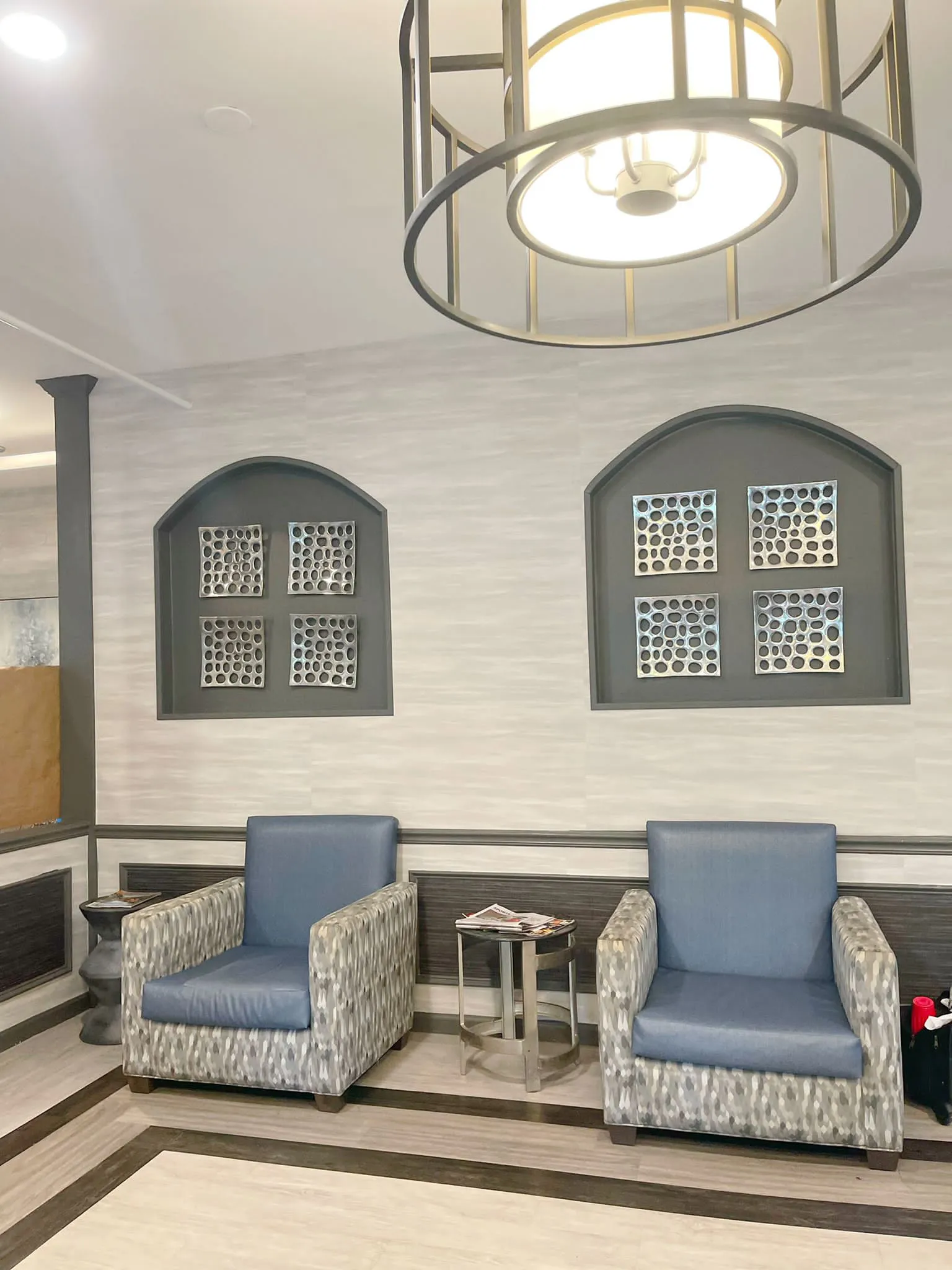
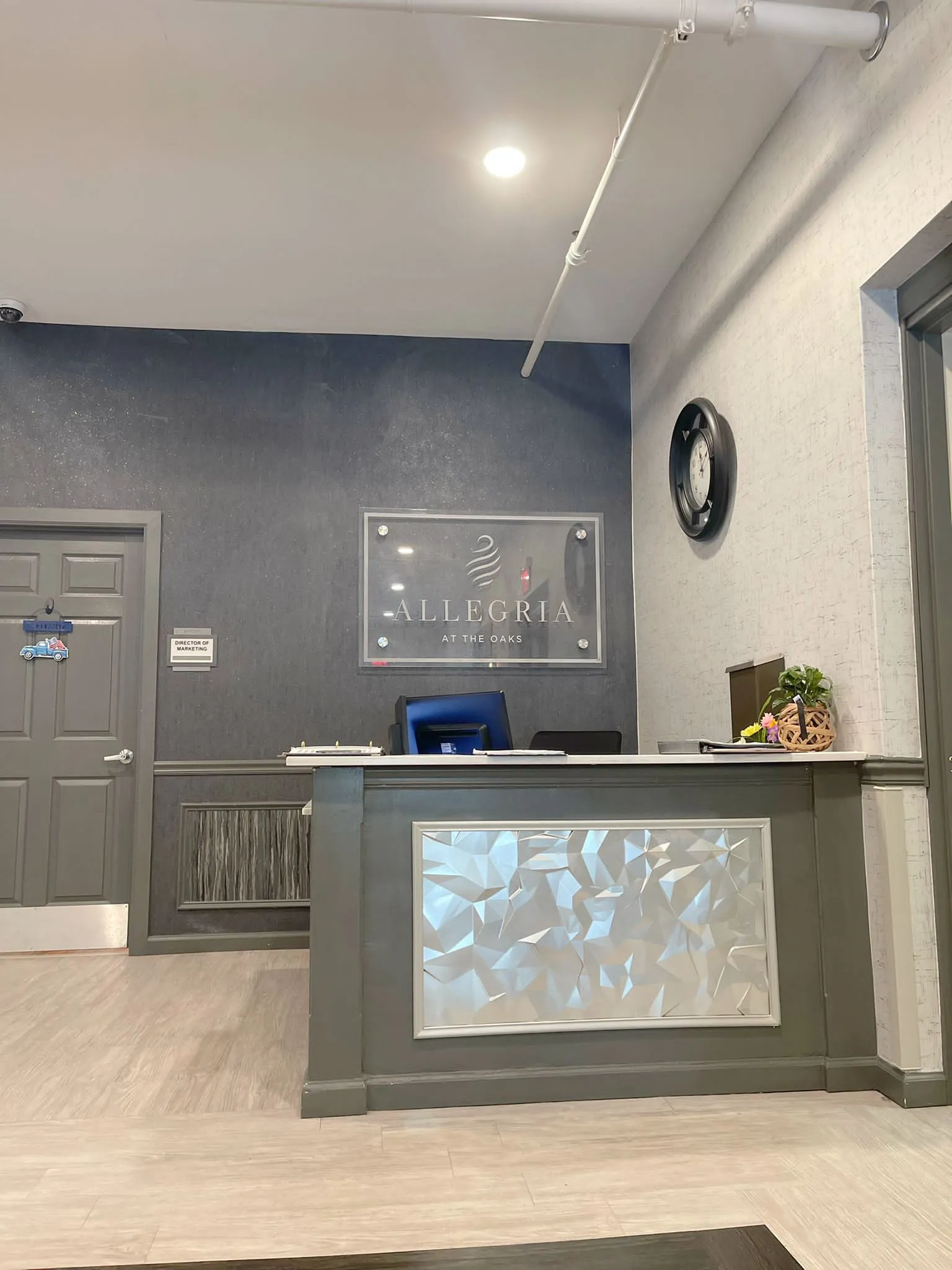
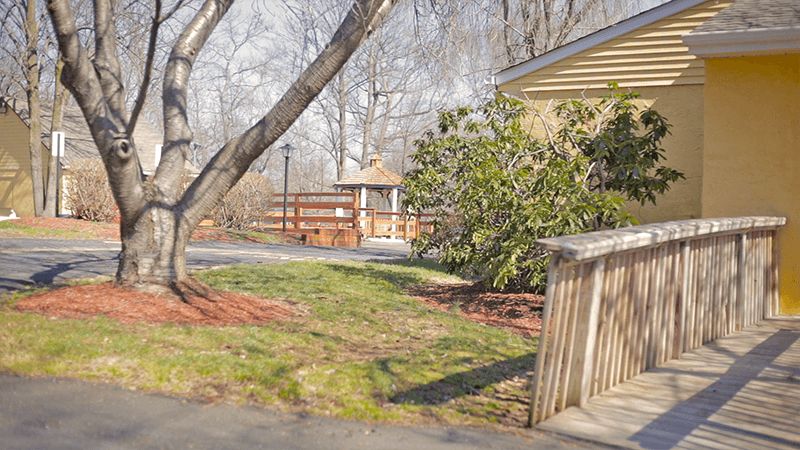
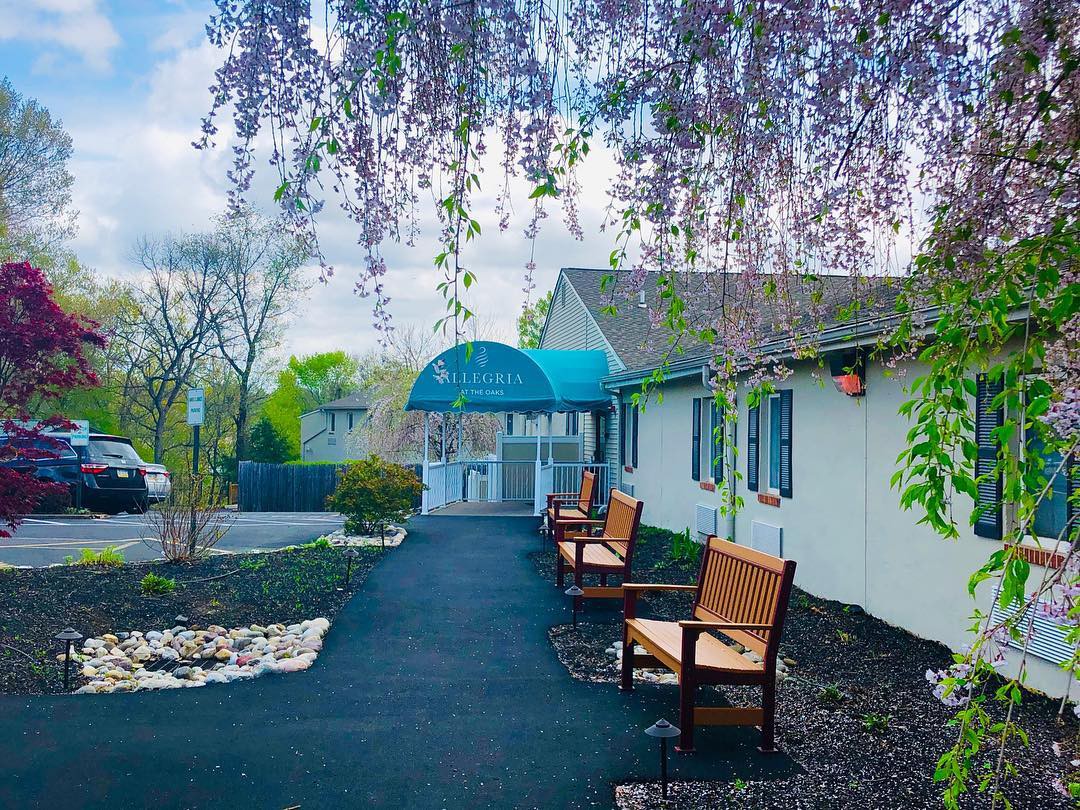
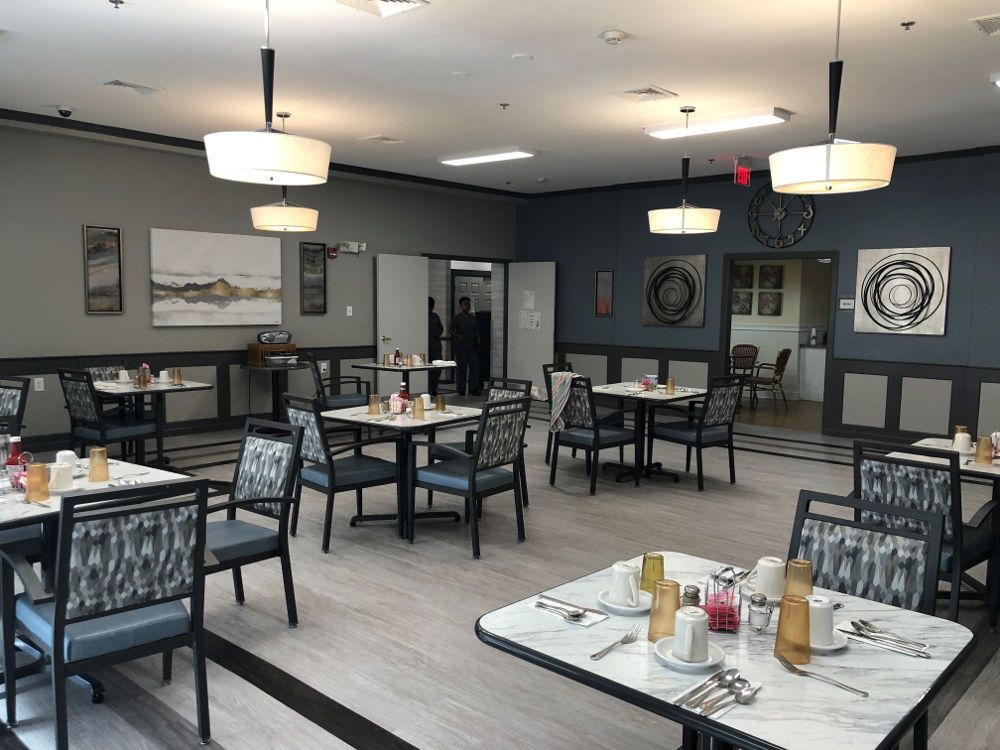
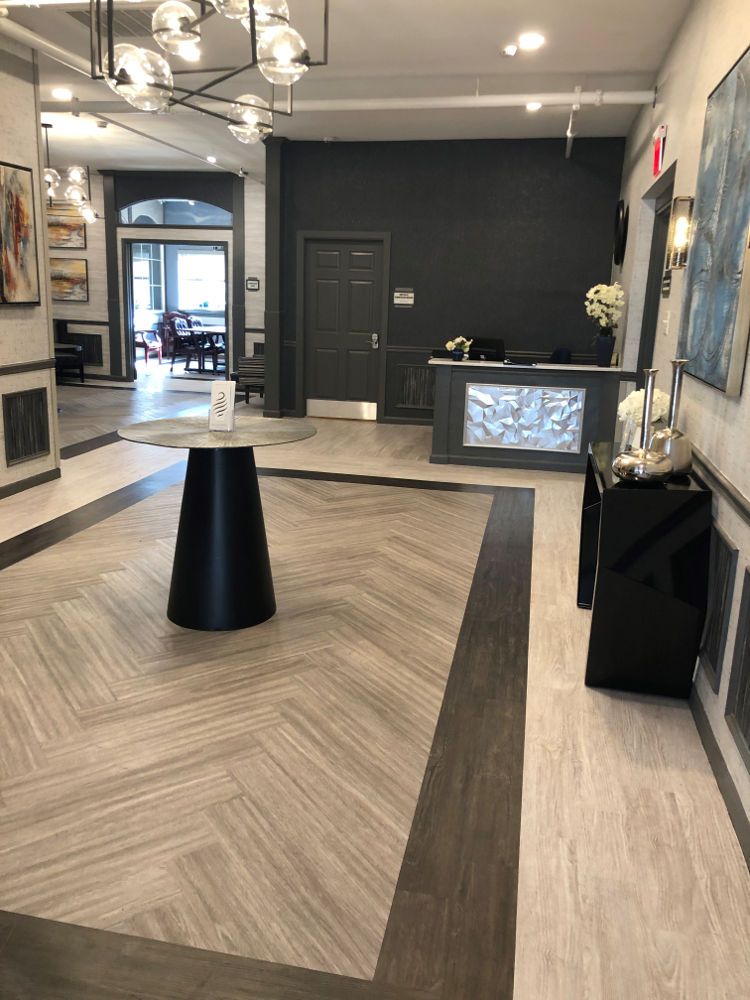
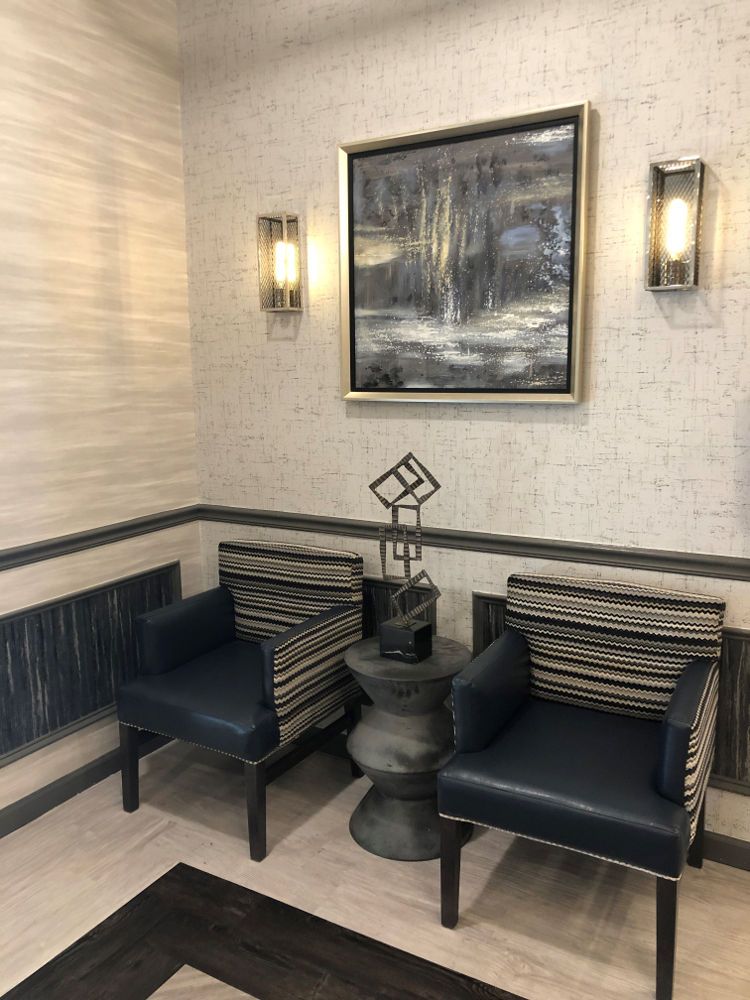
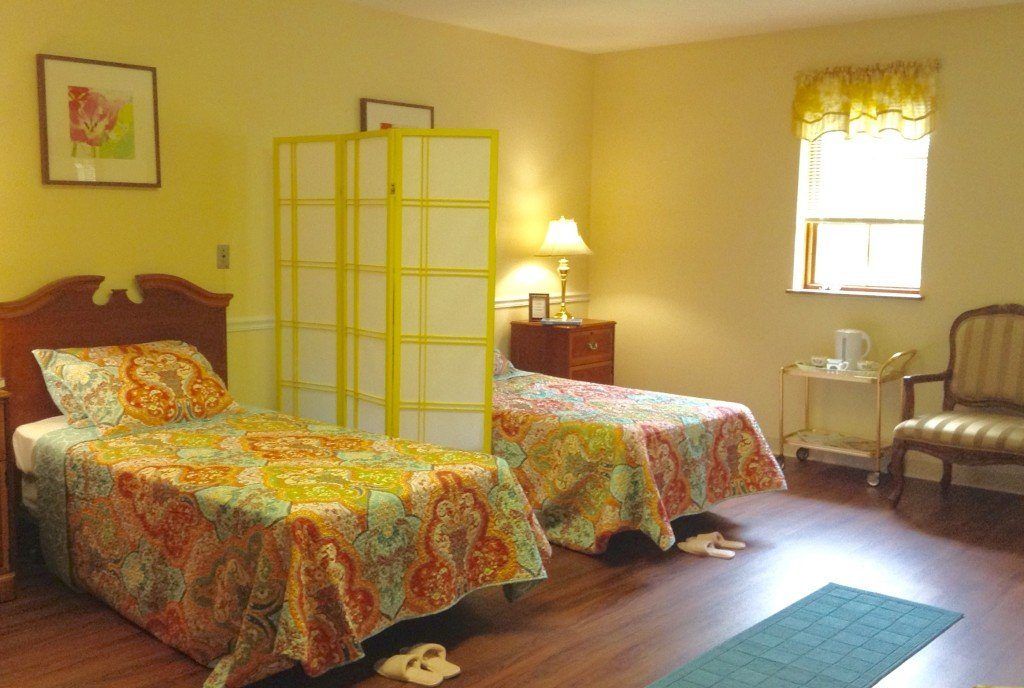
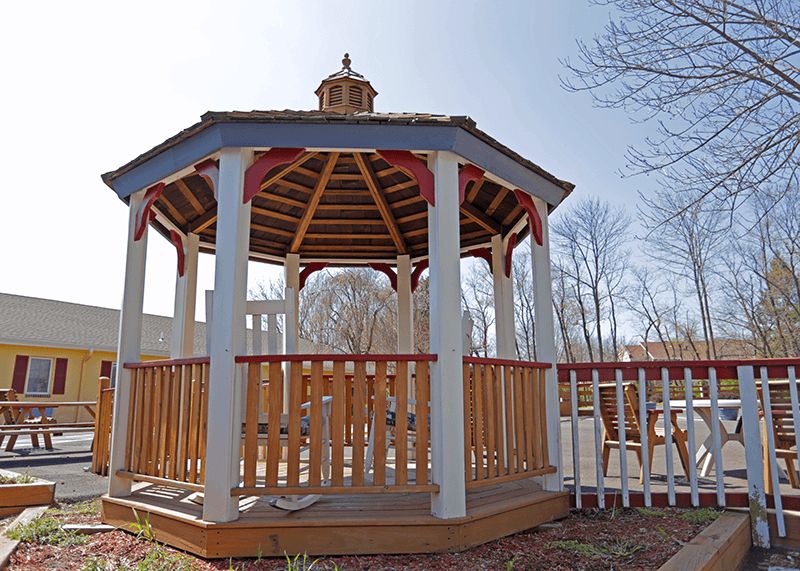
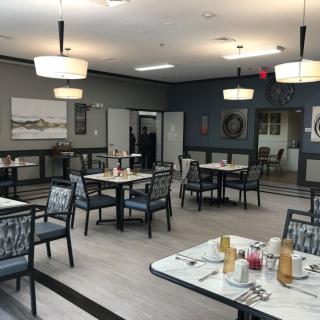
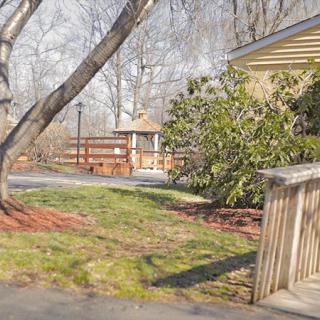
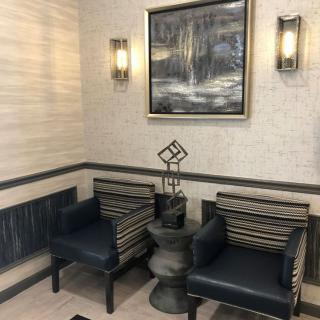
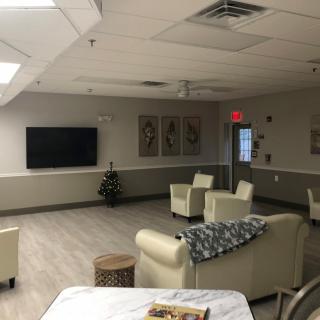
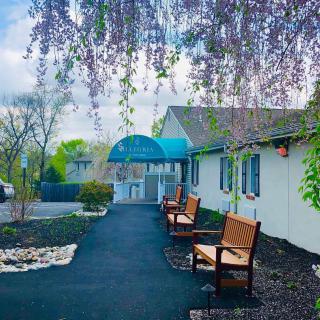
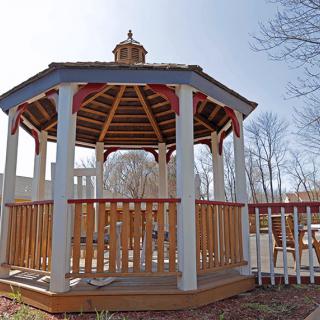
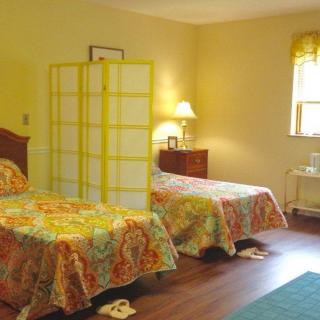
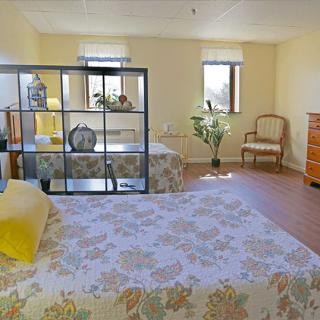
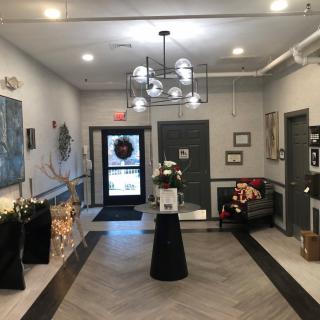
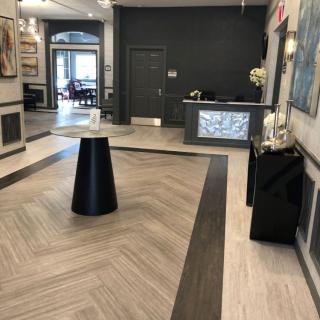
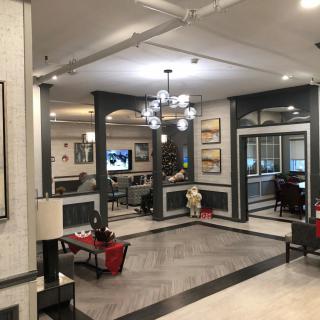
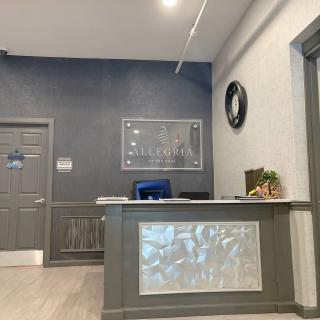
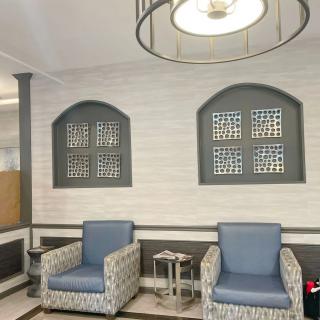
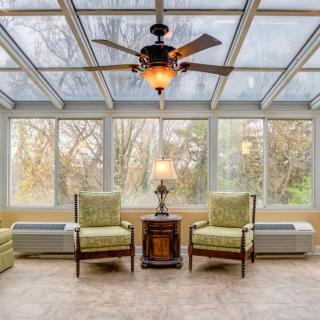
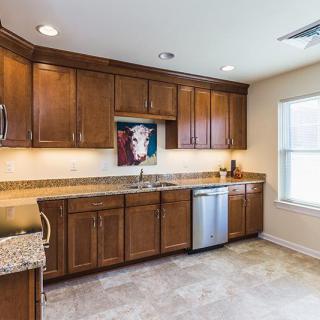
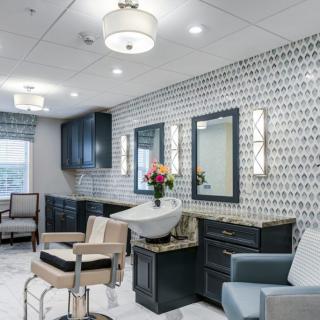
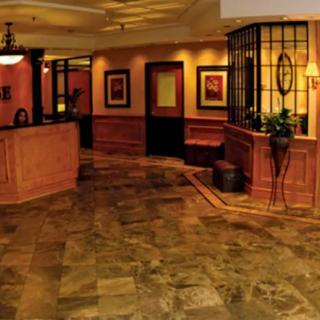
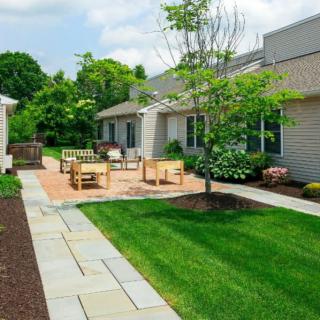
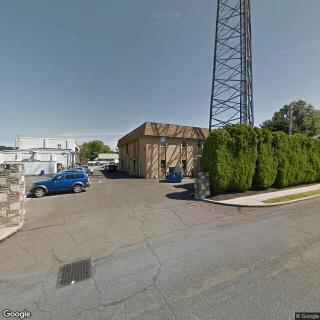
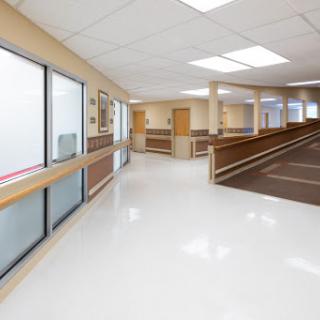
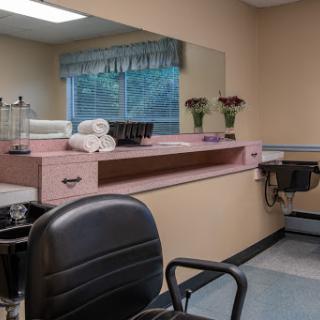
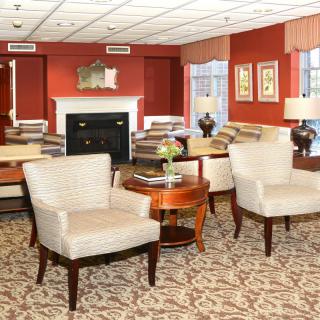
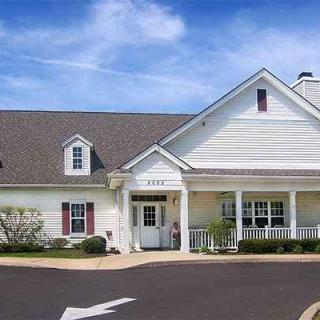
Allegria at The Oaks on seniors.fyi includes 18 photos including images showing interior, decor, bedroom, lobby, lighting, windows, landscaping, dining, and more.
Nearby Communities
Juniper Village at Bucks County Independent Senior Living
Bensalem, PA
4.5 from 118 reviews
Wide range of care options and attractive amenities.
Juniper Village at Bucks County
Bensalem, PA
4.4 from 176 reviews
$3,240 to $5,295 / month
Friendly staff, vibrant activities, and clean, spacious apartments with attractive outdoor spaces.
Salem Manor
Bensalem, PA
4.1 from 13 reviews
$4,995 / month
Private rooms with meals and medication management; strong access to nearby health, dining, and entertainment options.
Josinia Senior Home Care
Penndel, PA
4 from 20 reviews
Friendly, responsive staff with attentive daily care.
The Villas at Chancellor's Glen
Bensalem, PA
3 from 3 reviews
Small, personalized assisted living with on-site meals, housekeeping, medication management, and close access to local pharmacies and doctors.
Langhorne Gardens Health & Rehabilitation Center
Langhorne, PA
3.6 from 105 reviews
Wide range of on-site amenities and comprehensive 24/7 care
Statesman Health & Rehabilitation Center
Levittown, PA
3.3 from 87 reviews
$3,600 to $7,295 / month
Restaurant-style dining, 24/7 care, and transportation services.
Oxford Crossings
Langhorne, PA
4.5 from 58 reviews
$4,550 to $5,550 / month
Kind, attentive staff; clean, welcoming environment with engaging activities.
Legacy Gardens of Bristol
Bristol, PA
4.1 from 35 reviews
$2,925 to $3,980 / month
Small, home-like setting with attentive staff and strong family communication.
Assisted living provides moderate support for seniors seeking independence, while memory care offers specialized support for individuals with dementia or cognitive impairments through structured routines and trained staff. Key differences include care approaches, environment security measures, staff training levels, activity types, and cost considerations.
Choosing between assisted living and nursing homes involves evaluating emotional and financial factors, with assisted living offering independence and support for daily activities at a lower cost, while nursing homes provide intensive medical care for individuals with significant health needs. The decision is influenced by personal preferences, health status, cognitive function, and varying Medicaid coverage across states.
The article presents eight strategies for preserving cognitive health and memory in older adults, emphasizing a nutrient-rich diet, regular exercise, intellectually stimulating activities, adequate sleep, social connections, stress management techniques, limiting harmful substances, and regular medical checkups to mitigate age-related memory decline.
Get PricingAsk A QuestionSchedule A TourContact Senior Advisor
By clicking submit, you agree to our Partner's Terms of Use. You
also consent to receive calls and texts, which may be autodialed, from our Partner. Your consent is not a condition to
using our Partner's service. Please visit our Partner's Privacy Policy for information about their privacy practices.


 95 resident community capacity
 2-bedroom apartments
 Assisted Living
 Memory Care
 Respite Care
 Cats allowed
 Dogs allowed
 Activities off-site
 Air-conditioning
 Bath tubs
 Beautician on-site
 Cable or satellite TV
 Computer center
 Devotional services off-site
 Dining room
 Fitness room
 Fully furnished
 Gaming room
 Garden
 Ground floor units
 Housekeeping services
 Indoor common areas
 Kitchenette
 Laundry
 Move-in coordination
 Outdoor common areas
 Private bathrooms
 Restaurant-style dining
 Small library
 Telephone
 Wellness center
 Wheelchair accessible showers
 Wi-Fi/high-speed internet available
 Trenton-Mercer County (11 miles away)
 Community operated transportation
 12-16 hour nursing
 24-hour call system
 Ambulatory care
 Assistance with bathing
 Assistance with dressing
 Assistance with transfers
 Diabetes diet
 Diabetic care
 High acuity care
 Incontinence care
 Medication management
 Mental wellness program
 Special dietary restrictions
 Art classes
 Catholic services
 Concierge services
 Cooking classes
 Day trips and outings
 Happy hour
 Live dance or theater performances
 Live musical performances
 Wine tasting
 English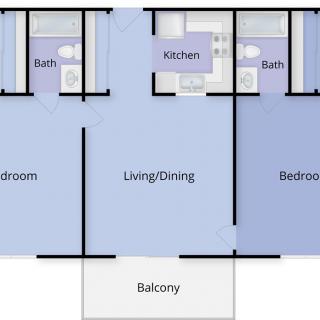
 Wide range of care options and attractive amenities.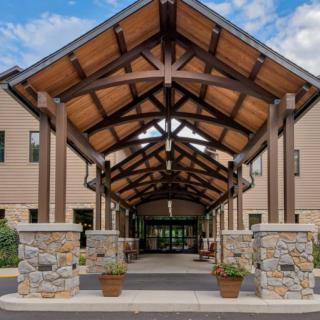

 Assisted Living and Memory Care: Understanding Their Core Differences
 Choosing the Right Senior Care: A Detailed Exploration of Assisted Living and Nursing Homes
 Safeguarding Your Memory Through the Golden Years: Eight Ways to Preserve Cognitive Health