For more information about senior living options: (866) 208-4318
3.6 from 105 reviews
5 stars
63
4 stars
7
3 stars
2
2 stars
1
1 stars
32
Overall Review of Langhorne Gardens Health & Rehabilitation Center
common32 reviews mention this
Staff care and responsiveness vary
Many residents and families describe attentive, respectful caregiving and clear follow-through.
A large share of reviews praise the staff for being welcoming, professional, and attentive, including nurses, aides, social workers, and therapists who residents say helped them feel cared for. Several reviewers specifically describe staff making sure needs were addressed, helping with therapy goals, and treating people with respect.
At the same time, other reviews describe serious lapses—such as delays with call-bell requests, difficulty contacting staff, or inadequate attention when concerns were raised. Taken together, reviews show real differences in day-to-day experiences.
caveat18 reviews mention this
Cleanliness and odors are a split
Cleanliness concerns and strong odors show up repeatedly in negative reviews.
Several negative reviews describe smells (often described as urine) and unsanitary conditions, including reports of patients left in urine or feces and rooms that felt dirty or poorly maintained. A number of these reviewers also say they had to push for help with basic care like cleaning, changing, or answering calls.
Positive reviews frequently mention a clean facility, housekeeping, and clean rooms or bedding, which suggests experiences can differ depending on timing and unit conditions.
common16 reviews mention this
Food quality draws mixed reactions
Residents describe meals that range from good to disappointing.
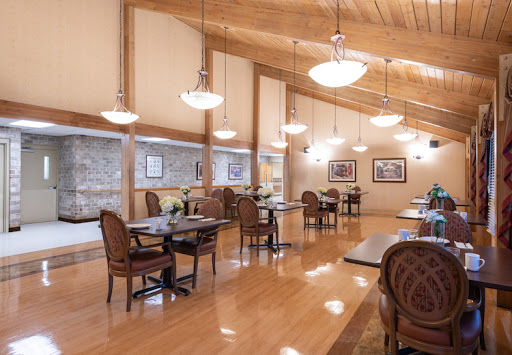
Some reviewers say meals were good, including mentions of healthy meals and restaurant-quality or enjoyable food. Others describe the food negatively, ranging from “horrible” or unfit to dissatisfaction with portions or meal quality.
There are also repeated mentions of dietary needs being accommodated, and the community’s meal service includes special diets like diabetes and other restrictions. Reviews reflect that diet management may be a strength for some families while others are less satisfied.
differentiator19 reviews mention this
Therapy support helps residents recover
Physical and occupational therapy is a recurring theme tied to recovery progress.
Many reviews describe hands-on physical therapy and, in some cases, occupational therapy that helped residents regain strength and work toward returning home. Several people mention therapy sessions happening quickly, staff being patient, and progress like walking again or improving after fractures, falls, or hospital stays.
A smaller set of negative reviews dispute the level of therapy support, including claims that PT wasn’t provided when expected or that residents were not helped in ways they needed. Overall, reviews connect rehab care to outcomes, with experiences varying.
caveat7 reviews mention this
Communication and call access concerns
Some families report difficulty reaching staff and delays with requests.
A few reviews describe trouble contacting the facility by phone or getting timely responses when calling for help, including being left on hold or not connected to a relative. Others mention that call-bell requests weren’t handled with urgency, leading to frustration for family members.
Other reviewers say staff were prompt to greet new arrivals and helped coordinate care needs, so the reliability of communication appears inconsistent across experiences.
How we summarize
Counts show how many written reviews mention each theme; a review can touch several themes, and only frequently mentioned themes are displayed.
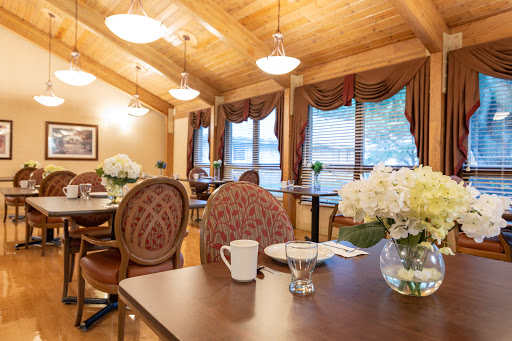
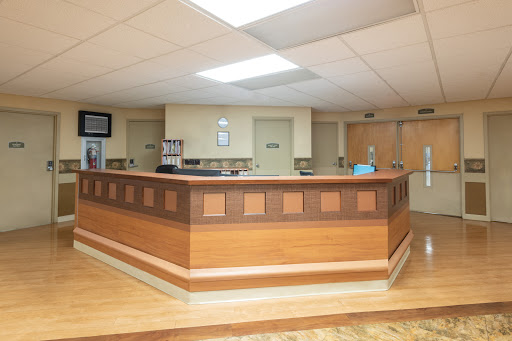
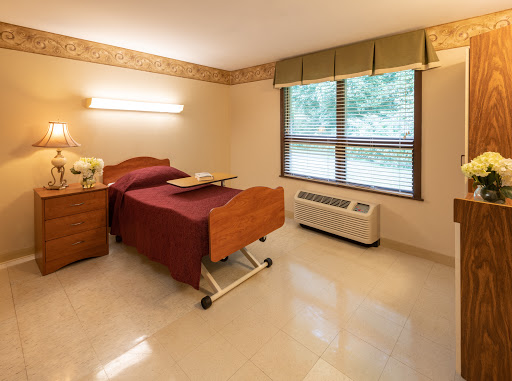
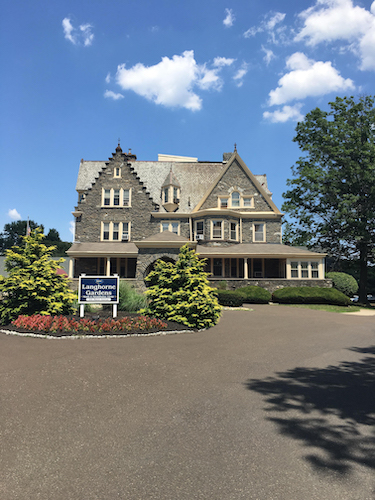
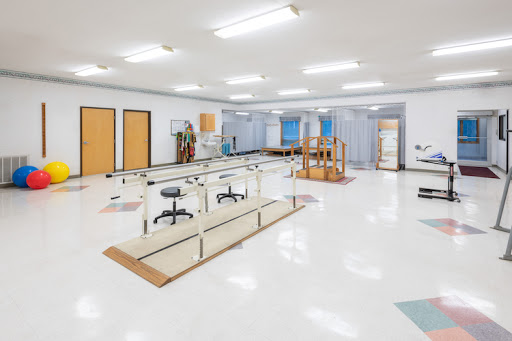
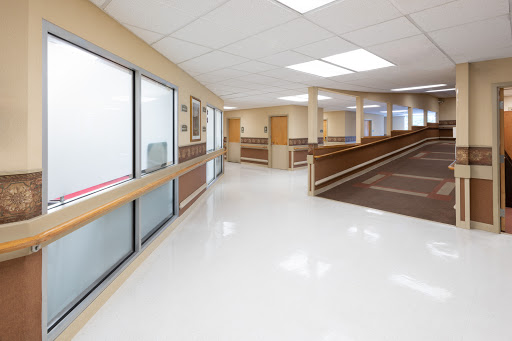
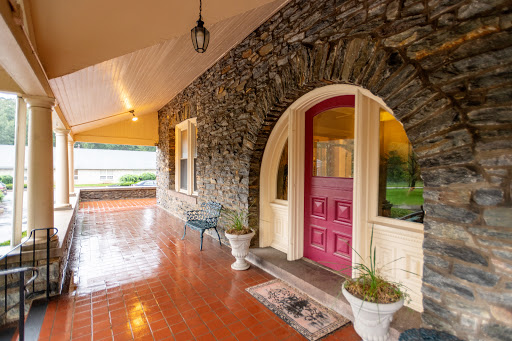
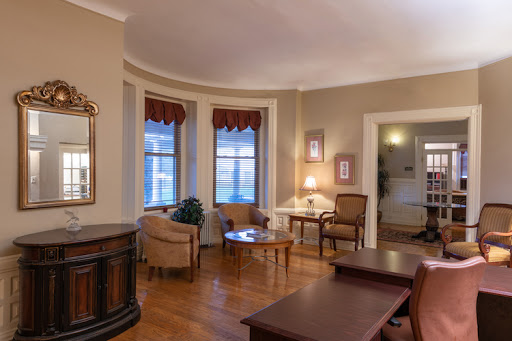
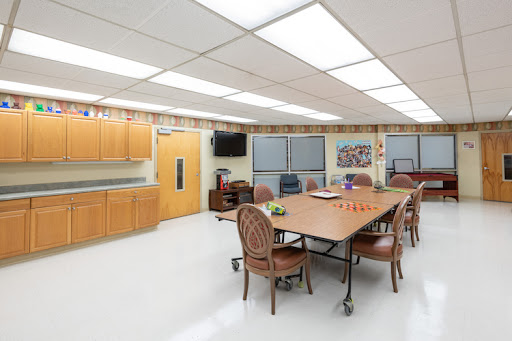
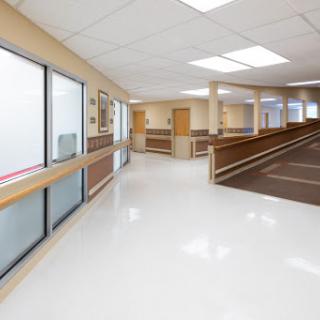
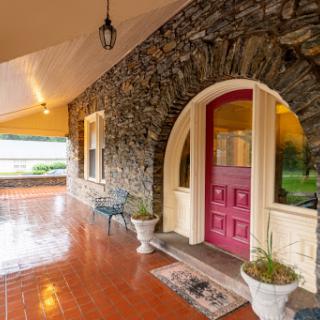
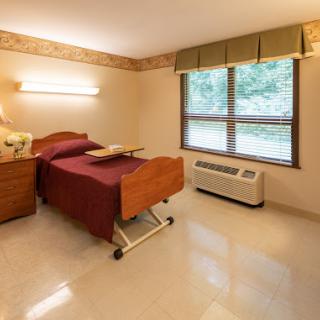
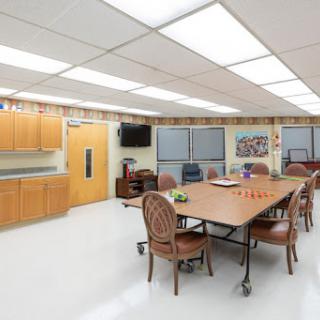
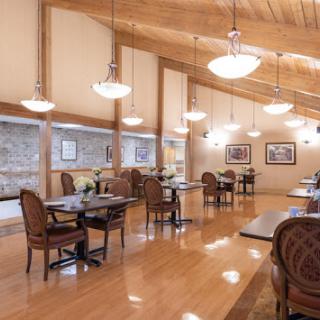
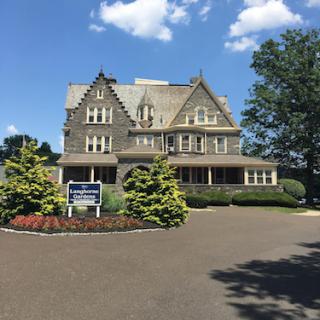
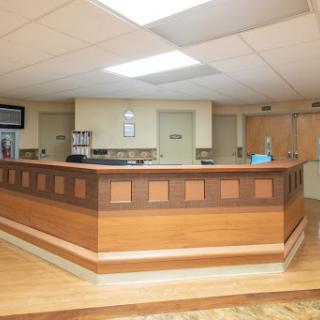
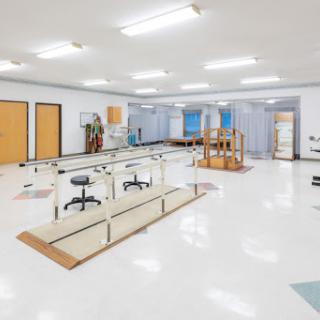
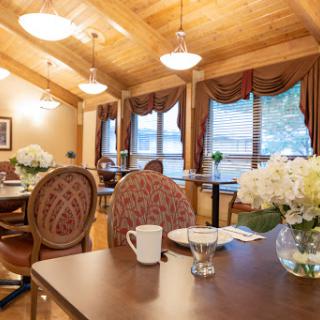
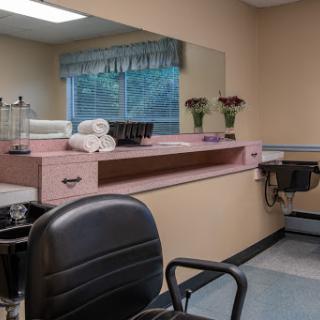
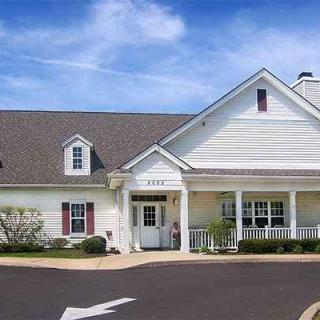
Langhorne Gardens Health & Rehabilitation Center on seniors.fyi includes 10 photos including images showing interior, dining, healthcare, lighting, bright lighting, waiting area, bedroom, architecture, and more.
Nearby Communities
Josinia Senior Home Care
Penndel, PA
4 from 20 reviews
Friendly, responsive staff with attentive daily care.
Beechwood Center 8
Langhorne, PA
4.5 from 4 reviews
Fully furnished board-and-care with meals, daily living assistance, medication management, transportation to medical appointments, and a supportive community.
Beechwood Center 9
Langhorne, PA
4.5 from 4 reviews
Small, personalized board-and-care with 24-hour supervision, diabetes-friendly meals, and transportation to appointments.
Beechwood Center 7
Langhorne, PA
4.5 from 4 reviews
Small 8-bed board-and-care with personalized 24-hour supervision and healthcare coordination.
Right at Home
Langhorne, PA
4.9 from 119 reviews
Friendly, accommodating staff and an empathetic owner.
Beechwood Center 2
Langhorne, PA
4.5 from 4 reviews
Intimate, supportive board-and-care with 24-hour supervision and ADL assistance.
Oxford Crossings
Langhorne, PA
4.5 from 58 reviews
$4,550 to $5,550 / month
Kind, attentive staff; clean, welcoming environment with engaging activities.
Statesman Health & Rehabilitation Center
Levittown, PA
3.3 from 87 reviews
$3,600 to $7,295 / month
Restaurant-style dining, 24/7 care, and transportation services.
Legacy Gardens of Bristol
Bristol, PA
4.1 from 35 reviews
$2,925 to $3,980 / month
Small, home-like setting with attentive staff and strong family communication.
The article highlights nine memory-boosting activities for seniors that enhance cognitive health and social interaction, including puzzles, trivia quizzes, and storytelling, while emphasizing the importance of adapting these activities to individual preferences to maximize enjoyment and engagement. Consistent mental engagement is linked to improved cognitive function and emotional well-being in older adults.
Medicare provides limited coverage for skilled nursing home care, covering full benefits for the first 20 days and partial benefits up to 100 days under certain conditions, after which families must explore alternative funding options like Medicaid or long-term care insurance to manage potentially high costs. Proactive planning is essential to navigate the complexities of financing ongoing care once Medicare coverage ends.
Geriatric care managers create personalized care plans for older adults, addressing their medical, social, financial, and psychological needs while coordinating services and advocating for their well-being. They help families navigate caregiving challenges but may be hindered by high costs and a shortage of qualified professionals.
Langhorne Gardens Health & Rehabilitation Center photos
×
Interior
Decor
Architecture
Bedroom
Windows
Dining
Landscaping
Lighting
Exercise Equipment
Bright Lighting
Interior
Decor, Living Room, and Cozy Atmosphere
Bedroom and Natural Light
Dining
Landscaping, Outdoor, and Tree
Windows, Television, and Kitchenette
Architecture
Lighting
Entrance, Porch, and Stone Wall
Exercise Equipment and Physical Therapy
Healthcare
Hallway and Facility
Waiting Area
Bright Lighting
Reception
Lighting Fixtures and Wooden Flooring
Get PricingAsk A QuestionSchedule A TourContact Senior Advisor
By clicking submit, you agree to our Partner's Terms of Use. You
also consent to receive calls and texts, which may be autodialed, from our Partner. Your consent is not a condition to
using our Partner's service. Please visit our Partner's Privacy Policy for information about their privacy practices.

 120 resident community capacity
 Skilled Nursing Facility
 Air-conditioning
 Beauty salon
 Cable or satellite TV
 Computer center
 Dining room
 Fitness room
 Fully furnished
 Gaming room
 Garden
 Housekeeping services
 Kitchenette
 Move-in coordination
 Outdoor space
 Private bathrooms
 Restaurant-style dining
 Small library
 Telephone
 Wellness center
 Wi-Fi/high-speed internet available
 Trenton-Mercer County (9 miles away)
 Community operated transportation
 12-16 hour nursing
 24-hour call system
 Activities of daily living assistance
 Assistance with bathing
 Assistance with dressing
 Assistance with transfers
 Diabetes diet
 Medication management
 Mental wellness program
 Special dietary restrictions
 Concierge services
 Planned day trips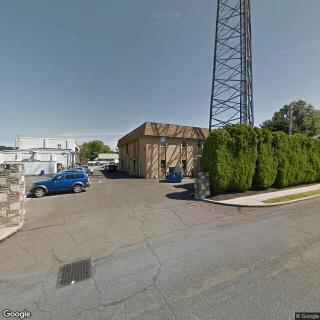
 Friendly, responsive staff with attentive daily care.


 9 Stimulating Memory Activities for Seniors: Puzzles, Cards, and Much More
 Managing Nursing Home Expenses After Medicare Coverage Ends
 Is a Geriatric Care Manager the Right Choice for Your Family?