Oxford Crossings

Save

  • Interior

    A cozy living room with red walls, featuring comfortable armchairs, a central coffee table, and a fireplace for a warm ambiance.
  • Decor

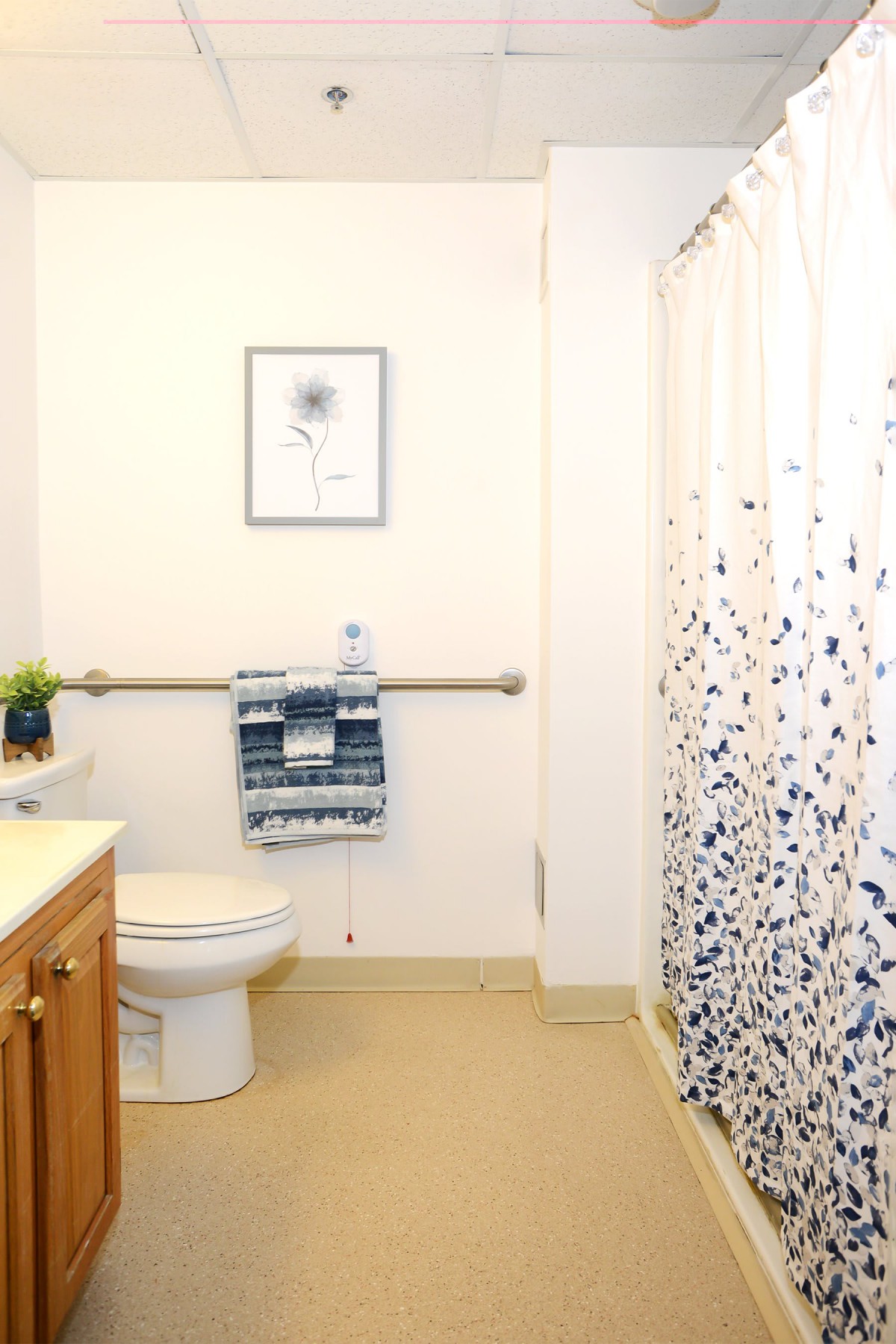
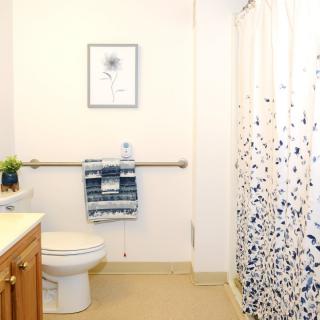
    A modern and clean bathroom with a patterned shower curtain and neatly arranged towels.
  • Living Room

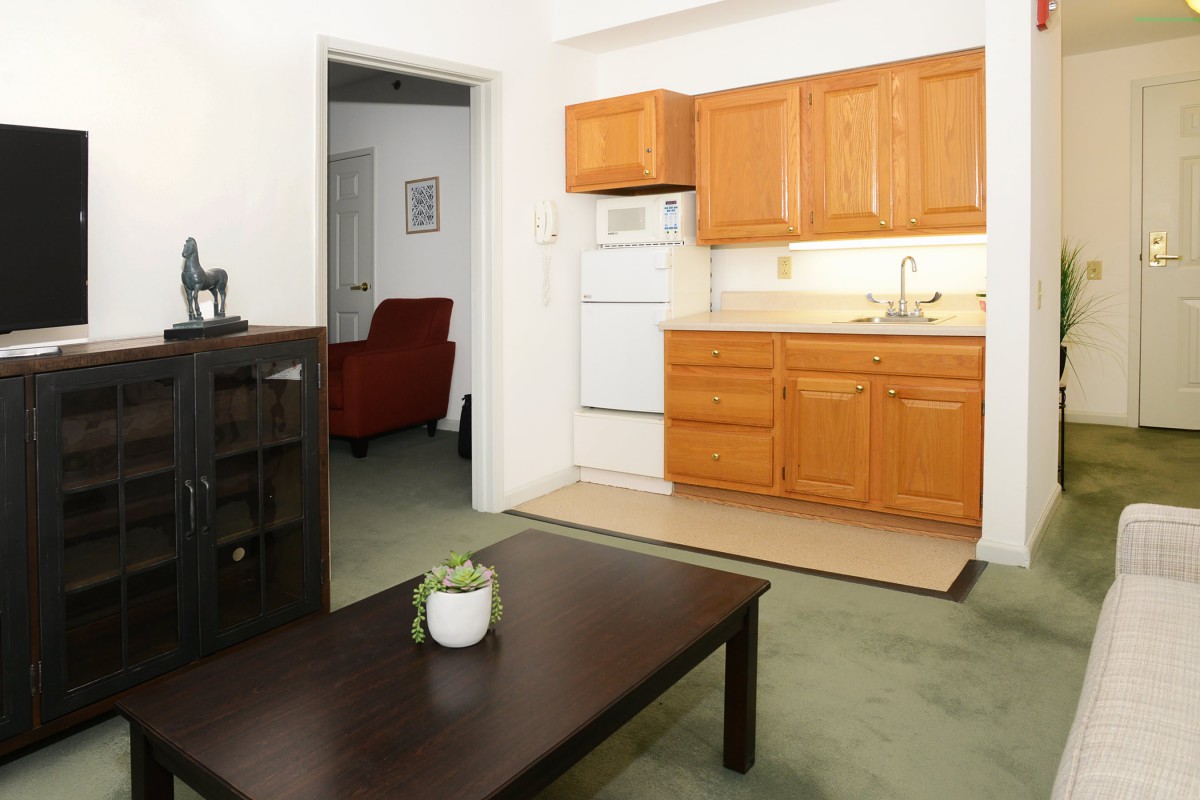
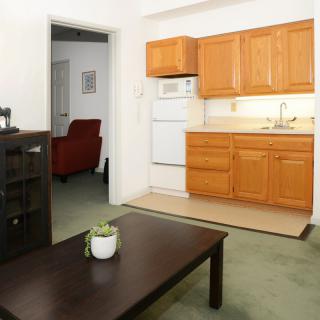
    Compact apartment kitchen area with wooden cabinets and a simple living space.
  • Bedroom

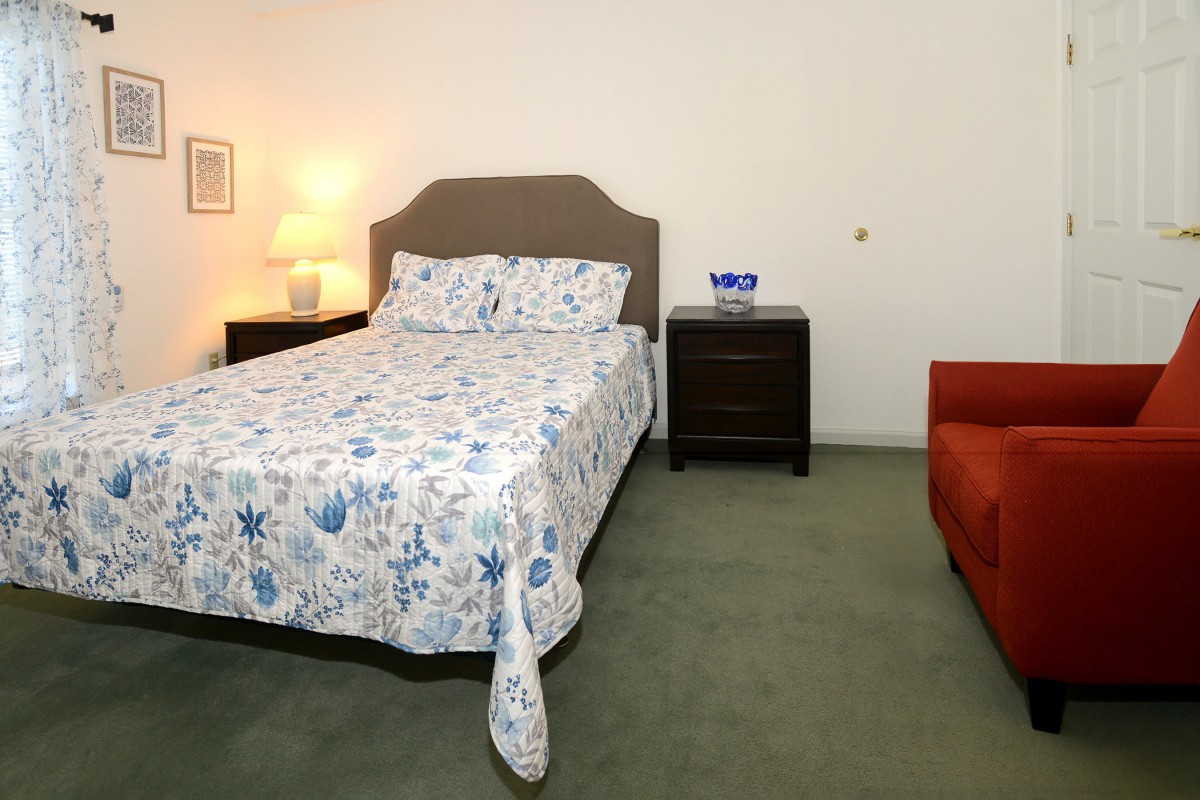
    A cozy bedroom with a bed, nightstand, lamp, and a red couch.
  • Windows

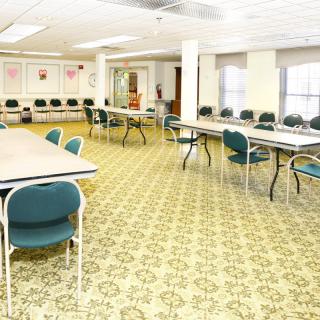
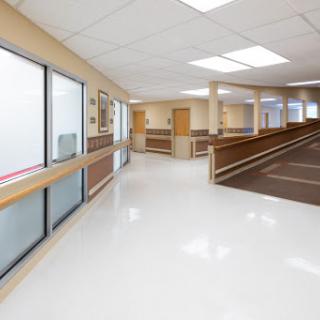
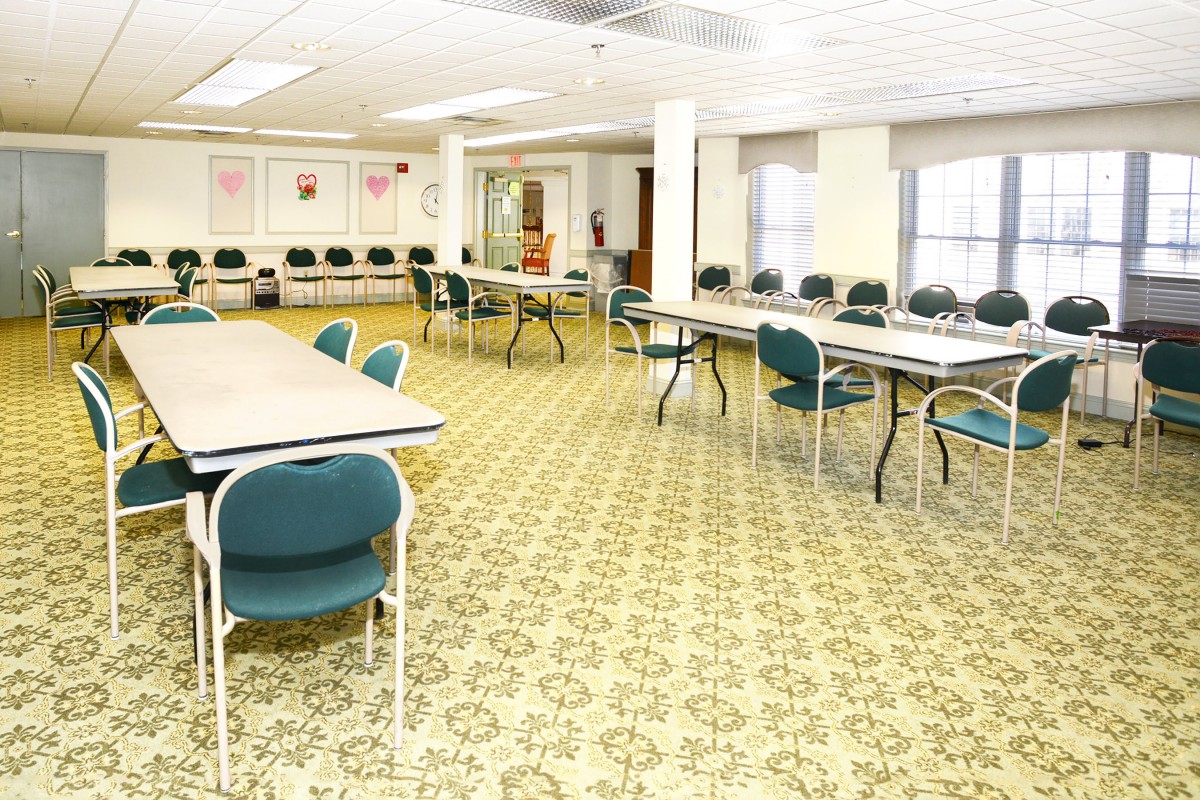
    A spacious conference room with arranged tables and chairs, ready for a meeting.
  • Dining

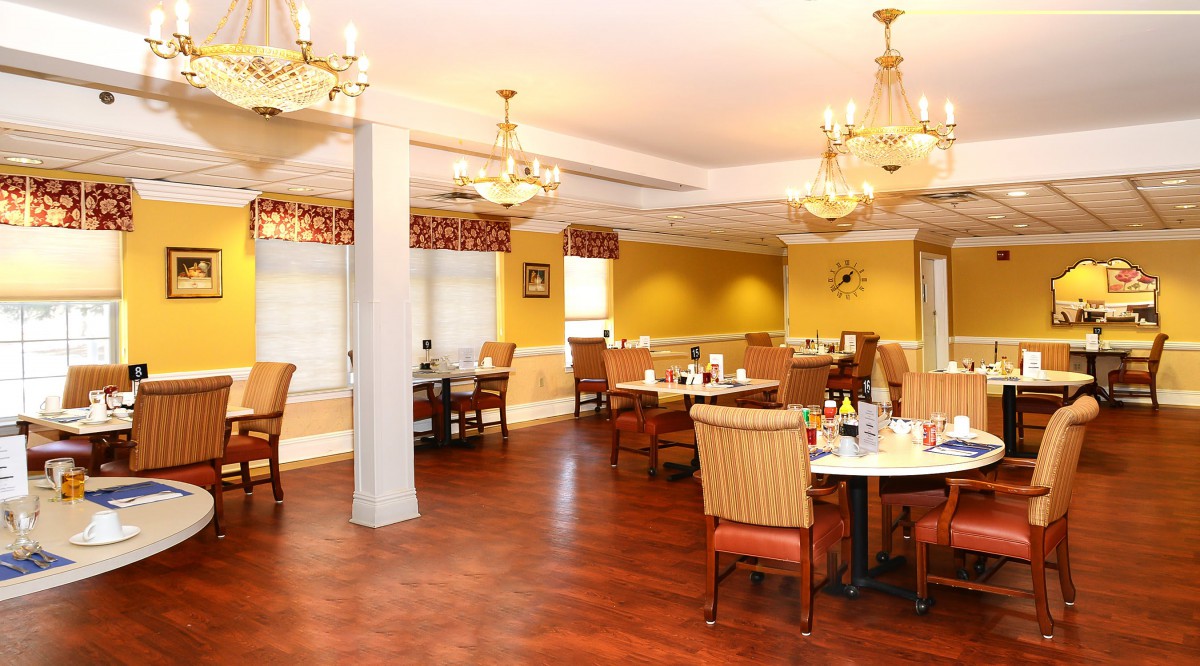
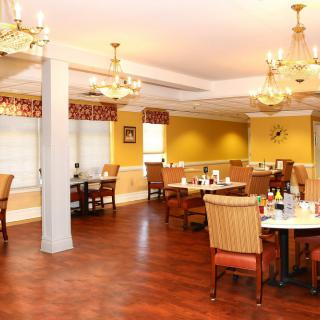
    A well-lit dining room interior with several tables and chairs, featuring elegant lighting and wooden flooring.
  • Artwork

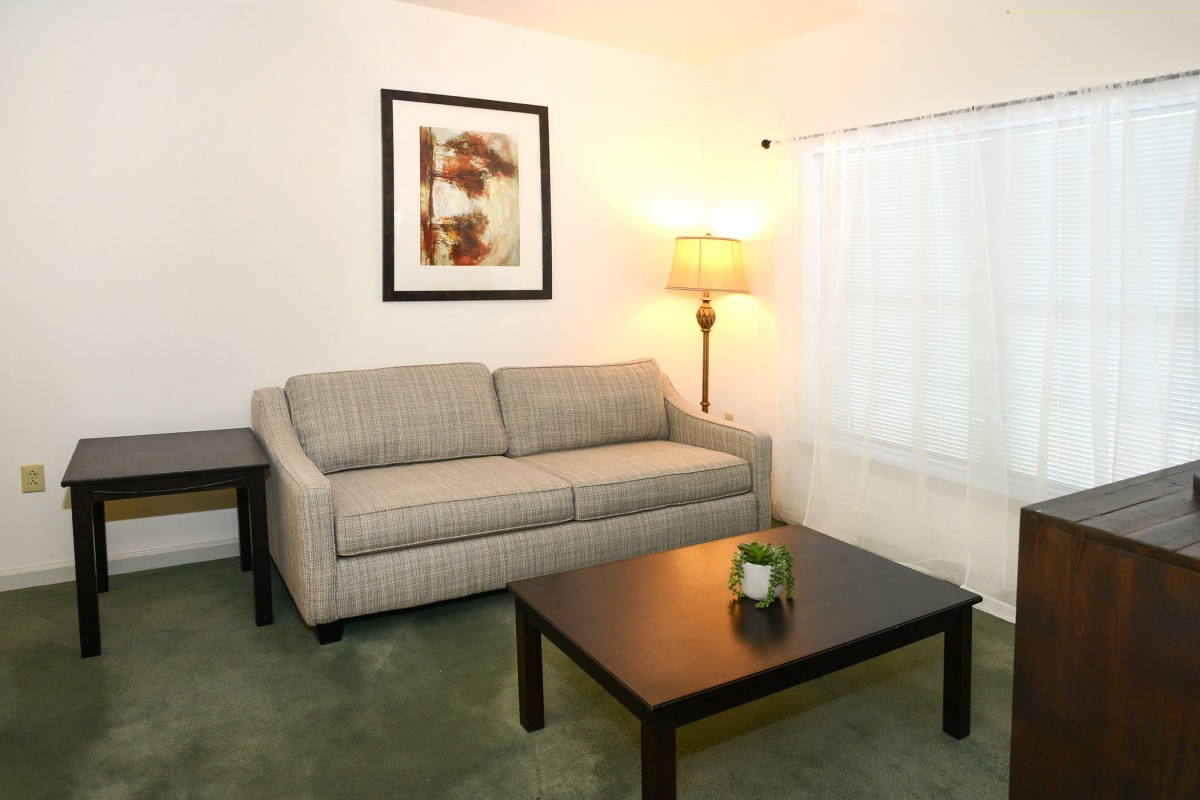
    A cozy living room featuring a sofa, coffee table, and lamp with artwork on the wall.
  • Fireplace

    Cozy living room with elegant furnishings and a warm color scheme.
  • Television

    A spacious living room with white sofas, a chandelier, wall posters, and a large television.
  • Salon

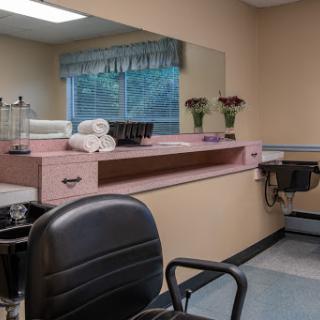
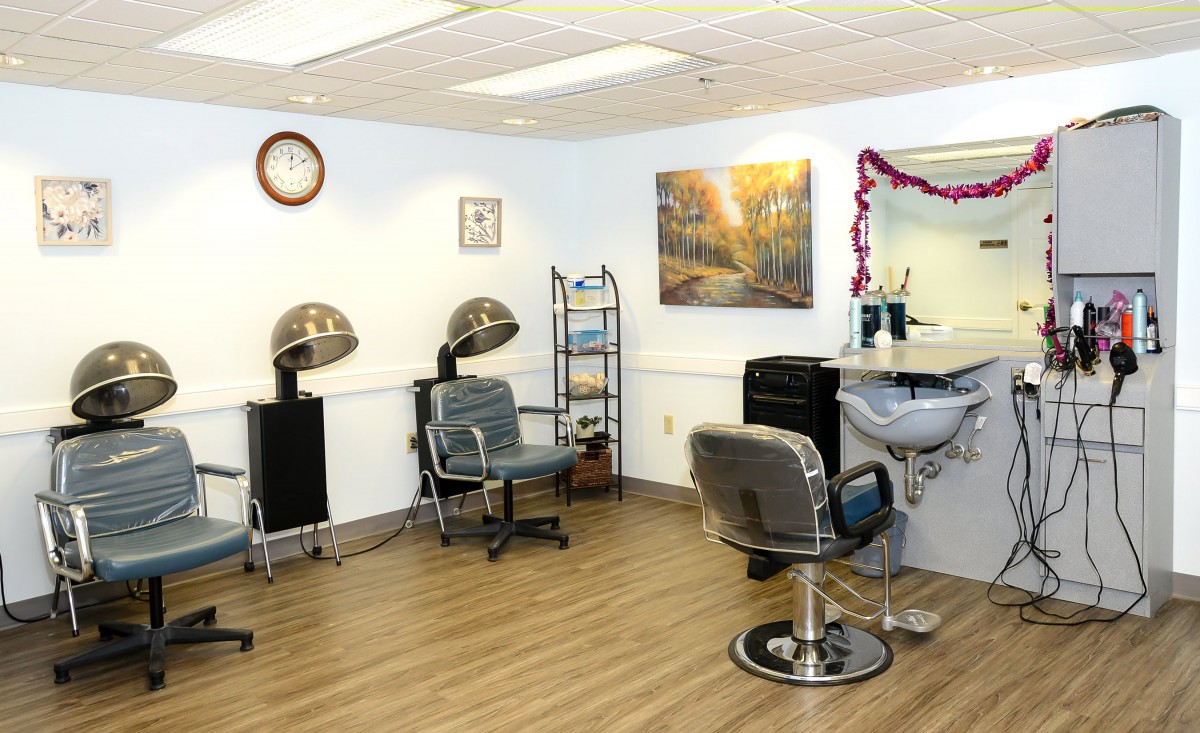
    A cozy hair salon interior with chairs, hair dryers, and a mirror.

Oxford Crossings

310 E Winchester Ave, Langhorne, PA 19047

For more information about senior living options: (844) 490-3973

4.5 from 54 reviews
5 stars
43
4 stars
5
3 stars
0
2 stars
2
1 stars
4

Assisted Living Memory Care

Oxford Crossings Costs & Pricing

At Oxford Crossings, the monthly costs for various room types reflect a balance between quality living and local market trends. For instance, studios are priced at $4,550, which is slightly below the Bucks County average of $4,593 but significantly higher than the state average of $3,737. In terms of semi-private rooms, residents can expect to pay $5,500 - this amount exceeds both Bucks County's rate of $5,028 and Pennsylvania's more affordable average of $3,542. The one-bedroom option is available for $5,550, positioning it above the county's price of $4,397 and also comfortably above the statewide figure of $4,006. Overall, while Oxford Crossings maintains a competitive stance within Bucks County and Pennsylvania as a whole, its pricing reflects the premium associated with its offerings in a desirable community setting.

Floor plansOxford CrossingsBucks CountyPennsylvania
Studio$4,550$4,593$3,737
Semi-Private$5,500$5,028$3,542
1 Bedroom$5,550$4,397$4,006

What level of care are you interested in?

Assisted Living

Memory Care

Independent Living

Skilled Nursing Facility

Continuing Care Retirement Community (CCRC)CCRC

Other


Request a tour at Oxford Crossings

    Overall Review of Oxford Crossings

    Pros

    • pro The staff at Oxford Crossing are comforting, attentive, and genuinely caring for residents and families.
    • pro Ariel Hinton's depth of knowledge, industry experience, warm demeanor, and calm confidence create a welcoming and safe home-like environment.
    • pro Ariel's leadership, heart, and dedication are invaluable assets to the community.
    • pro The staff consistently go the extra mile to ensure transitions are seamless and residents feel heard and valued.
    • pro Nichole E regularly stops in, answers medication questions, and keeps families well informed.
    • pro The med techs, including Gianna and Leo, are attentive, kind, and make a positive difference in residents' lives.
    • pro Carlyn handles the application process smoothly and provides useful information.
    • pro Oxford Crossing is clean, classy, and well-organized, with helpful staff and a positive atmosphere.

    Cons

    • pro They had forgotten to give her her medication, which is critical for someone with dementia.
    • pro They didn't brush her teeth, weren't the nicest of people, and seemed like they didn't know what they were doing there.
    • pro She had fallen about two times there because no one attended to her the way she needed.
    • pro Her teeth wouldn't be brushed, she wouldn't be showered, and she would still be in the same clothes from earlier in the week.
    • pro They aren't trained or knowledgeable enough about those kinds of patients.
    • pro They might need to hire new staff because the people there right now seem like they have one brain cell.
    • pro The administration is terrible, and the lack of communication and follow-through is very upsetting.
    • pro If someone you love has dementia, they advise not sending them here.

    Review

    Oxford Crossing in the Langhorne area has clearly become a focal point for families seeking elevated senior living, and the experiences shared by many residents and their loved ones reflect a community that genuinely cares. A number of families recount moving loved ones into Oxford Crossing and finding immediate comfort in the warmth and professionalism of the staff. In one moving instance, a son notes that his mother's passing shortly after the move did not diminish the sense of care: the staff remained a steady source of comfort for the family as they navigated that loss. They also describe how the staff continues to support a stepfather with patience and diligence, even when his mood isn't easy to manage. Central to these impressions is Ariel Hinton, whose positive attitude and dedication consistently shine through in these stories.

    Ariel Hinton stands out repeatedly as a beacon of exceptional service for both residents and families. Reviewers describe her as patient, caring, and highly responsive to every need that arises. Her ability to bring comfort, understanding, and practical knowledge into the process of tours and placements is highlighted as a distinguishing factor for Oxford Crossing. Families say that Ariel's approach helps them feel seen and heard, and they express deep appreciation for her availability, including during weekends, which many find indispensable during transitions. One comment even labels her service as 10-star quality, underscoring how deeply her demeanor and competence resonate with those she helps.

    Beyond Ariel, the broader picture at Oxford Crossing is portrayed as a professional and compassionate environment where leadership and heart drive daily operations. Several testimonials emphasize that Ariel's leadership cultivates a culture of going the extra mile to ensure residents and families feel safe, respected, and valued. The sense that the community is a welcoming home - where warmth, calm confidence, and structured care come together - appears repeatedly. In these narratives, Ariel's presence is not only a source of reassurance for families but also a foundational strength that makes the entire community feel more secure and thoughtfully managed.

    In addition to the core staff, many families recount the ease and care with which transitions are handled. One reviewer notes that moving a relative closer to family was facilitated seamlessly, with staff genuinely prioritizing happiness and wellbeing. The sentiment here is that Oxford Crossing doesn't simply provide care; it builds a bridge to family connection and peace of mind. Another family member, describing their experience with a mobile notary service connected to the community, highlights that serving Oxford Crossings is a genuine honor for professionals who collaborate with the residence, underscoring a sense of partnership that extends beyond the walls of the campus.

    Intake experiences and ongoing communication receive high praise as well. A family member who guided their mother through the intake process lauds Ariel for warmth, clear communication, and a steady stream of updates. The reviewer emphasizes the importance of having accessible guidance and notes that the process can be notably smoother when a primary contact remains responsive and patient. The reassurance that comes from knowing someone who truly cares about the family's questions and concerns can make a significant difference during a stressful time, and many families describe feeling that sense of reassurance in their interactions with Ariel and the team.

    Not every review is uniformly glowing, and one heartfelt but critical account stands in contrast to the otherwise overwhelmingly positive feedback. A family shared a deeply troubling experience related to their abuela's memory care stay, recounting missed medications, inadequate personal care such as teeth brushing and hygiene, and a general sense that caregivers did not consistently attend to her needs. The reviewer described a lack of clear answers and frustration with communication, cautioning others to be proactive in monitoring care. While this account reflects a highly negative experience, it is presented as a stark reminder that, in any community, the quality of care can vary by shift, staff, and specific individuals involved. It serves as a sobering counterpoint to the many stories of exemplary service and underscores the importance of ongoing attention to memory-care protocols, medication management, and open lines of communication.

    On a more consistently positive note, several testimonials highlight the kindness and attentiveness of the memory-care team, including specific mentions of Gianna and Leo, who are praised for their compassionate, patient approaches. Families describe the med techs as very sweet and responsive, with particular appreciation for Gianna's attentiveness and the way she provides steady, reliable support. The aides and med techs are recognized for creating moments of connection, safety, and trust, while the broader staff - such as Nichole E and Amelia T - are repeatedly commended for going above and beyond. One reviewer notes how Nichole stops in frequently to talk, answer questions about medications, and ensure their relative's comfort, while another highlights Amelia's willingness to take extra steps to address questions and provide clarity. The sense across these accounts is that the staff, as a team, contribute to a living environment where residents feel cared for, engaged, and respected.

    In sum, Oxford Crossing is portrayed as a community that families can trust to provide genuine care, understanding, and practical support during some of life's toughest transitions. The experiences vary across individuals and moments in time, but the prevailing theme is clear: a dedicated cadre of staff led by Ariel Hinton, with strong contributions from Nichole E, Gianna, Leo, Carlyn, Amelia T, Donna, and others, work to create a welcoming, well-managed environment where residents can feel safe, valued, and at home. The stories reflect a commitment to partnership with families, a willingness to go the extra mile, and the everyday actions that, collectively, make Oxford Crossing a place many are glad to call their loved ones' home.

    Features

    Housing

    • 1-bedroom apartments 1-bedroom apartments1-bedroom apartments are important for seniors because they provide a sense of independence, privacy, and autonomy while still offering the necessary space for comfortable living. These apartments allow seniors to maintain their own personal space and lifestyle preferences in a supportive community setting.
    • Studio apartments Studio apartmentsStudio apartments are important for seniors because they offer a smaller, more manageable living space that is easier to navigate and maintain as physical abilities decline. Additionally, studio apartments provide seniors with independence and privacy while still being part of a community that offers support and social opportunities.

    Types of Care

    • Assisted Living Assisted LivingAssisted living facilities provide crucial support and care for seniors who may need help with daily tasks such as medication management, bathing, and meal preparation. These communities offer a safe and comfortable environment where seniors can maintain their independence while receiving the assistance they need to thrive in their golden years.
    • Memory Care Memory CareMemory care is crucial for seniors as it provides specialized support and services for individuals with dementia or Alzheimer's disease. These programs offer a safe and secure environment where residents receive personalized care, cognitive stimulation, and help with daily activities. Memory care helps seniors maintain their independence, quality of life, and dignity while also providing peace of mind for their families.

    Pets

    • Cats allowed Cats allowed"Pet friendly" senior living communities are important for seniors because pets provide companionship, reduce feelings of loneliness and depression, promote physical activity and mental stimulation, and offer a sense of purpose and responsibility. Pets can improve overall well-being and quality of life for seniors in many ways.
    • Dogs allowed Dogs allowed"Pet friendly" senior living communities are important for seniors because pets provide companionship, reduce feelings of loneliness and depression, promote physical activity and mental stimulation, and offer a sense of purpose and responsibility. Pets can improve overall well-being and quality of life for seniors in many ways.

    Amenities

    • Activities off-site Activities off-siteEngaging in off-site activities is crucial for seniors to maintain social connections, stay active, and stimulate their minds. It promotes overall well-being and helps combat feelings of isolation and loneliness.
    • Activities on-site Activities on-siteActivities on-site are important for seniors because they provide opportunities for socialization, mental stimulation, physical activity, and overall well-being. Engaging in activities can help seniors stay active, maintain their independence, and improve their quality of life.
    • Air-conditioning Air-conditioningAir conditioning is important for seniors as they are more vulnerable to heat-related illnesses and may have underlying health conditions that make it difficult for them to regulate their body temperature. It helps to keep them comfortable, safe, and healthy in hot weather.
    • Beautician on-site Beautician on-siteHaving a beautician on-site at a senior living community is important for seniors as it allows them to easily access grooming and personal care services, boosting their self-esteem and overall well-being. It also provides convenience and helps seniors maintain their sense of independence and personal style.
    • Cable or satellite TV Cable or satellite TVCable or satellite TV is important for seniors because it provides entertainment, news, and companionship, helping to combat loneliness and boredom. It also offers a wide range of programming options tailored to different interests and preferences.
    • Cafe CafeCafes are important for seniors because they provide a social setting where they can connect with others, enjoy a meal or beverage, and engage in activities that promote mental stimulation and overall well-being. Additionally, cafes offer a convenient and accessible option for seniors to dine out without the hassle of preparing meals at home.
    • Devotional services off-site Devotional services off-siteDevotional services off-site are important for seniors as they provide spiritual nourishment, social engagement, and a sense of community outside of the senior living facility. This can enhance overall well-being and help combat feelings of isolation and loneliness often experienced by older adults.
    • Devotional services on-site Devotional services on-siteDevotional services on-site provide seniors with spiritual support and a sense of community, as well as an opportunity for reflection and guidance during their senior living experience. This can promote emotional well-being and connection to others, leading to a more fulfilling and enriching lifestyle in their later years.
    • Dining room Dining roomDining rooms are important for seniors as they provide a space for socialization, connection, and nutritious meals. They offer opportunities for residents to bond over shared meals, foster a sense of community, and promote healthy eating habits. Dining rooms also ensure that seniors have access to well-balanced meals tailored to their dietary needs and preferences.
    • Full kitchen Full kitchenHaving a full kitchen in a senior living facility is important for seniors because it allows them to maintain their independence and prepare their own meals. This promotes healthy eating habits, saves money on dining out, and provides a sense of familiarity and comfort for residents.
    • Garden GardenGardens are important for seniors as they provide a peaceful and therapeutic environment for relaxation, physical activity, and socialization. Being in nature has been shown to reduce stress, improve mood, and promote overall well-being. Gardens also offer opportunities for seniors to engage in gardening activities, which can improve mobility, flexibility, and cognitive function. Additionally, gardens create a sense of community and connection with others who share a passion for plants and outdoor spaces.
    • Ground floor units Ground floor unitsGround floor units are important for seniors because they provide easy accessibility, reduced risk of falls and injuries, and convenience for those with mobility issues. Seniors can avoid climbing stairs or using elevators, making daily tasks and activities more manageable and enjoyable.
    • Guasts at mealtime Guasts at mealtime"Guests at mealtime" offer seniors the opportunity for social interaction, companionship, and a sense of community during meals, which can help combat feelings of loneliness and isolation commonly experienced in senior living environments. It can also enhance their overall dining experience and improve their mental and emotional well-being.
    • Guest parking Guest parkingGuest parking is important for seniors because it allows their friends and family members to visit them easily and safely. Having convenient parking options can help combat feelings of isolation and loneliness, promote regular social interaction, and improve overall mental and emotional well-being for seniors in senior living communities.
    • Handicap accessible Handicap accessible"Handicap accessible" amenities are crucial for seniors to ensure they can easily navigate and access facilities, services, and activities without barriers or limitations due to physical impairments. This promotes independence, safety, and inclusivity for seniors in senior living communities.
    • Housekeeping services Housekeeping servicesHousekeeping services are important for seniors because they help maintain a clean and safe living environment, promote independence, and reduce the risk of accidents or illnesses. Additionally, having assistance with household chores can alleviate physical strain and allow seniors to focus on other aspects of their well-being.
    • Indoor common areas Indoor common areasIndoor common areas are crucial for seniors as they provide a space for socialization, recreation, and community engagement, promoting overall well-being and reducing feelings of isolation and loneliness.
    • Kitchenette KitchenetteKitchenettes are important for seniors living in senior living communities because they provide the convenience and independence of being able to prepare simple meals and snacks in the comfort of their own living space. This can help promote a sense of autonomy and well-being for seniors, allowing them to maintain some level of control over their dietary choices and daily routines.
    • Laundry LaundryLaundry services are important for seniors as they may have difficulty with physical tasks such as bending, lifting, or carrying heavy loads. Having access to laundry services can help seniors maintain personal hygiene, cleanliness, and independence in their daily lives.
    • Outdoor common areas Outdoor common areasOutdoor common areas are important for seniors as they provide a space for socialization, physical activity, and relaxation. Being outside in nature can improve mood and overall well-being, while also encouraging movement and engagement with others. These spaces can help combat feelings of isolation and promote a sense of community among residents.
    • Party space Party spaceHaving access to party space is important for seniors as it provides opportunities for socialization, connection, and enjoyment. These spaces allow seniors to celebrate special occasions, host gatherings with friends and family, and participate in community events, enhancing their overall well-being and quality of life.
    • Private bathrooms Private bathroomsPrivate bathrooms are important for seniors in senior living communities because they provide independence, dignity, and comfort. Having a private bathroom allows seniors to maintain their personal hygiene routines without the need for assistance, promoting a sense of autonomy and privacy. Additionally, private bathrooms help prevent the spread of infections and provide a safe and clean environment for seniors to navigate safely.
    • Resident parking Resident parkingResident parking is crucial for seniors in a senior living community as it provides convenience, accessibility, and safety for residents who may have limited mobility or rely on personal vehicles for transportation. Having designated parking spaces ensures that seniors can easily access their homes without having to walk long distances or navigate crowded parking lots, ultimately enhancing their overall quality of life and sense of independence.
    • Respite or short term stays offered Respite or short term stays offeredRespite or short term stays provide seniors with a temporary solution when their regular caregiver is unavailable, offering them the opportunity to receive additional care and support during times of need, while also giving caregivers a chance to rest and recharge.
    • TV room TV roomTV rooms are important for seniors in senior living communities because they provide a space for social interaction, entertainment, and relaxation. Watching TV can help reduce feelings of loneliness and boredom, and create a sense of community among residents. Additionally, TV rooms offer a break from daily routines and can be a source of comfort and familiarity for seniors.
    • Wheelchair accessible showers Wheelchair accessible showersWheelchair accessible showers are crucial for seniors as they provide a safe and independent bathing option for those with mobility challenges. These showers help prevent falls and allow seniors to maintain their dignity and autonomy while ensuring they can bathe comfortably.
    • Wi-Fi/high-speed internet available Wi-Fi/high-speed internet availableWi-Fi/high-speed internet is important for seniors to stay connected with loved ones, access online resources, and participate in virtual activities to combat feelings of loneliness and isolation. It also allows them to easily manage healthcare needs, access entertainment, and engage in lifelong learning opportunities.

    Transportation

    • Trenton-Mercer County (9 miles away) Trenton-Mercer County (9 miles away)
    • Transportation & parking Transportation & parkingTransportation and parking are vital for seniors as they offer access to essential services, activities, and social interactions. Reliable transportation options can help seniors maintain independence, stay connected within their community, and enjoy a higher quality of life. Additionally, convenient parking facilities ensure that seniors can easily access necessary resources and amenities without added stress or difficulty.

    Care Services

    • Ambulatory care Ambulatory care"Ambulatory care services provide essential medical support and treatment to seniors without requiring hospitalization, allowing them to maintain their independence and quality of life while managing chronic conditions or receiving routine medical care."
    • Diabetic care Diabetic careDiabetic care is crucial for seniors as they are more susceptible to developing diabetes due to aging and other health conditions. Proper management of diabetes can help prevent complications such as heart disease, vision loss, and nerve damage, improving the overall quality of life for seniors in senior living communities.
    • High acuity care High acuity careHigh acuity care is important for seniors because it provides specialized medical attention and support for individuals with complex medical needs. This level of care ensures that seniors receive the appropriate treatment and assistance to maintain their health and quality of life as they age.
    • Hospice care Hospice careHospice care is important for seniors as it provides specialized end-of-life support, pain management, and emotional comfort for both the senior and their loved ones. It allows seniors to maintain dignity, receive personalized care, and spend their remaining time in a peaceful and comfortable environment.
    • Incontinence care Incontinence careIncontinence care is essential for seniors to maintain their dignity, hygiene, and overall quality of life. By addressing incontinence issues promptly and effectively, seniors can enjoy a sense of independence and comfort in their daily activities.
    • Medication management Medication managementMedication management is crucial for seniors to ensure they are taking the right medications at the correct dosages and times. This helps prevent adverse drug interactions, reduces the risk of medication errors, and promotes overall health and well-being. Proactive management also allows for adjustments as needed based on changing health conditions or new prescriptions.
    • Personal care assistants Personal care assistantsPersonal care assistants are essential for seniors as they provide assistance with daily tasks, such as dressing, bathing, and medication management. They offer crucial support and companionship to help seniors maintain independence and quality of life in their own homes or in senior living communities.
    • Physical therapy Physical therapyPhysical therapy is essential for seniors to maintain and improve their mobility, strength, and overall quality of life. It helps reduce pain, prevent falls, and enhance independence in daily activities. By promoting movement and function, physical therapy can help seniors stay active, healthy, and engaged in their communities.

    Dining

    • Anytime dining Anytime diningAnytime dining is important for seniors because it allows them the flexibility to eat when they are hungry, rather than being restricted to set meal times. This can be especially beneficial for those with medical conditions or medications that affect their appetite, as well as those who may have difficulty adhering to a strict dining schedule. Overall, anytime dining promotes independence and overall well-being for seniors in senior living communities.
    • Diabetes diet Diabetes dietA diabetes diet is crucial for seniors as it helps manage blood sugar levels, reduce risks of complications, and improve overall health and well-being. By following a balanced and nutritious diet tailored to their specific needs, seniors can better control their diabetes and enhance their quality of life.
    • Gluten-free Gluten-freeGluten-free options are important for seniors as they are more prone to digestive issues and dietary sensitivities. Offering gluten-free meal choices in senior living communities can help improve their overall health and well-being.
    • Guest meals Guest mealsGuest meals are important for seniors living in senior living communities because they provide an opportunity for socialization and companionship. Sharing a meal with friends, family, or new acquaintances can help combat feelings of loneliness and isolation, promote a sense of community, and enhance overall well-being. Additionally, guest meals allow seniors to enjoy delicious food in a comfortable setting without the hassle of cooking or cleaning up, making dining a pleasurable and stress-free experience.
    • Kosher KosherKosher options are important for seniors because they adhere to dietary laws that are significant to many Jewish individuals, providing them with peace of mind and an opportunity to maintain their cultural traditions and beliefs while living in a senior living community.
    • Low / no sodium Low / no sodiumLow/no sodium options are important for seniors because excessive sodium intake can lead to high blood pressure, heart disease, and other health issues commonly experienced by older adults. By choosing low/no sodium foods, seniors can better manage their health and reduce their risk of developing these conditions.
    • Low fat Low fatLow fat diets are important for seniors because they can help reduce the risk of heart disease, stroke, and other health issues commonly faced by older adults. Consuming less fat can also help manage weight and improve overall health and well-being in the senior population.
    • Meals provided Meals provided"Meals provided" are crucial for seniors in assisted living communities as it ensures they have access to nutritious, balanced meals without the stress of meal planning and preparation. This can help promote overall health and well-being for seniors who may have limited mobility or cognitive abilities.
    • No Sugar No SugarNo sugar diets are important for seniors because they can help prevent or manage chronic conditions such as diabetes, heart disease, and obesity. Sugar can also contribute to cognitive decline and inflammation in the body, so reducing sugar intake can lead to overall improved health and well-being in older adults.
    • Renal RenalRenal health is crucial for seniors because the kidneys play a key role in filtering waste and toxins from the body. As we age, the risk of developing kidney problems increases, making it essential for seniors to prioritize their renal health through proper hydration, healthy eating habits, and regular check-ups with healthcare providers.
    • Restaurant style dining Restaurant style diningRestaurant style dining is important for seniors as it offers them a social and enjoyable dining experience, promotes healthy eating habits, and provides personalized menu options to cater to their dietary needs and preferences. This type of dining setting can enhance their overall quality of life and create a sense of community within the senior living facility.
    • Room service Room serviceRoom service is important for seniors in a senior living community because it provides convenience and allows them to have their meals delivered directly to their room. This can be especially beneficial for seniors who may have mobility issues or difficulty accessing the dining area. Room service ensures that seniors are able to receive nutritious meals without having to navigate through the facility, allowing them to maintain their independence and overall well-being.
    • Special dietary restrictions Special dietary restrictionsSpecial dietary restrictions are important for seniors because age-related changes in metabolism and health conditions can make it difficult for their bodies to process certain foods. By following a diet tailored to their specific needs, seniors can maintain their overall health and well-being, manage chronic conditions, and reduce the risk of complications such as malnutrition or food interactions with medications.
    • Vegetarian VegetarianA vegetarian diet is important for seniors because it can help lower the risk of chronic diseases, maintain a healthy weight, and provide essential nutrients needed for aging bodies. Additionally, plant-based diets are often easier on digestive systems and can contribute to overall well-being in older adults.

    Activities

    • Activities off-site Activities off-siteEngaging in off-site activities is crucial for seniors to maintain social connections, stay active, and stimulate their minds. It promotes overall well-being and helps combat feelings of isolation and loneliness.
    • Art classes Art classesArt classes are important for seniors because they provide a creative outlet, improve cognitive function, reduce stress and anxiety, promote socialization, and enhance overall well-being and quality of life.
    • Arts and crafts Arts and craftsEngaging in arts and crafts activities provides seniors with a creative outlet, promotes cognitive function, enhances dexterity and fine motor skills, fosters social interaction, and boosts overall well-being and mental health.
    • Book club Book clubBook clubs are important for seniors because they provide socialization, intellectual stimulation, and a sense of community. They offer the opportunity to engage in meaningful discussions, share perspectives, and connect with others who share a love of reading. Book clubs can also help seniors stay mentally active and combat feelings of loneliness or isolation.
    • Brain fitness Brain fitnessBrain fitness is important for seniors as it helps to maintain cognitive function, memory, and overall mental well-being. Engaging in activities that challenge the brain can help prevent cognitive decline and promote a healthier, more fulfilling quality of life in older adults.
    • Day trips and outings Day trips and outingsDay trips and outings are important for seniors as they provide opportunities for socialization, mental stimulation, physical activity, and a break from daily routines. These experiences can enhance overall well-being and quality of life for older adults living in senior communities.
    • Devotional activities offsite Devotional activities offsiteDevotional activities offsite are important for seniors because they provide social engagement, spiritual growth, and a sense of community outside of their living environment. This can improve overall well-being, mental health, and combat feelings of isolation or loneliness.
    • Devotional activities on-site Devotional activities on-siteDevotional activities on-site provide seniors with a sense of community, spiritual fulfillment, and emotional support, promoting overall well-being and a positive sense of purpose in their lives.
    • Educational speakers / life long learning Educational speakers / life long learningEducational speakers and lifelong learning opportunities are crucial for seniors as they provide mental stimulation, promote social engagement, and contribute to overall well-being. Continuous learning helps seniors stay mentally sharp, build new skills, and maintain a sense of purpose and fulfillment in their lives. It also allows them to stay connected to the world around them and fosters a sense of community within senior living facilities.
    • Forever fit Forever fit"Forever fit" programs are crucial for seniors as they promote physical activity, social engagement, and overall well-being. These programs help seniors maintain their independence, improve their strength and flexibility, and reduce the risk of chronic diseases. By participating in these activities, seniors can enjoy a higher quality of life and live independently for longer.
    • Games GamesGames are an essential part of senior living as they help promote cognitive function, social interaction, and overall well-being. Playing games can improve memory, concentration, and decision-making skills while also providing a fun and engaging way to connect with others. Seniors who participate in games regularly tend to experience higher levels of satisfaction and happiness in their daily lives.
    • Gardening club Gardening clubGardening clubs are important for seniors because they provide a sense of community, promote physical activity and mental well-being, and offer opportunities for socialization and connection with nature. Gardening can also improve cognitive function and overall quality of life for seniors.
    • Happy hour Happy hourHappy hour is important for seniors as it provides a social activity that promotes camaraderie and reduces feelings of loneliness or isolation. It also offers an opportunity for older adults to relax, unwind, and enjoy some drinks or snacks in a fun and welcoming atmosphere.
    • Live musical performances Live musical performancesLive musical performances can provide seniors with a sense of joy, nostalgia, and connection. Music has the power to evoke emotions and memories, improve mood and cognitive function, and foster social interaction among seniors. It can also serve as a form of therapy and stress relief for older adults, making it an important activity to include in senior living communities.
    • Live well programs Live well programs"Live well programs are essential for seniors as they provide opportunities for physical activity, social engagement, and mental stimulation, ultimately promoting overall health and well-being in later years."
    • Religious services Religious servicesReligious services provide seniors with a sense of community, support, and spiritual fulfillment, which can improve their overall well-being and mental health. It also offers them opportunities for socialization and connection with others who share their beliefs.
    • Stories StoriesStories are important for seniors because they provide a sense of connection, stimulate memory and cognitive function, and offer entertainment and emotional engagement. Sharing stories can foster social interaction and create a sense of community among seniors, enhancing their overall well-being and quality of life.
    • Stretching classes Stretching classesStretching classes are important for seniors because they help improve flexibility, reduce the risk of injury, and promote overall health and well-being. Regular stretching can also help alleviate joint pain and stiffness, enhance balance and coordination, and increase range of motion.
    • Tai Chi Tai ChiTai Chi is important for seniors because it promotes balance, strength, flexibility, and mental relaxation. It can help prevent falls, improve mobility, and reduce stress and anxiety, making it an excellent form of exercise for older adults to maintain their overall health and well-being.
    • Trivia games Trivia gamesTrivia games are important for seniors because they provide mental stimulation, social interaction, and a fun way to keep the mind sharp. They can help improve memory, cognitive function, and overall well-being in older adults.
    • Wii bowling Wii bowlingWii bowling is important for seniors as it provides a fun and engaging way to stay active, socialize, and improve hand-eye coordination. It can help prevent isolation, boost mental well-being, and promote physical fitness in a safe and accessible manner.

    Languages Spoken

    • English EnglishEnglish is important for seniors as it allows them to communicate effectively with healthcare providers, understand important information related to their health and medications, stay connected with loved ones, and engage in social activities within their communities. It also opens up opportunities for lifelong learning and intellectual stimulation.

    Description

    Oxford Crossings is an assisted living community located in Langhorne, PA. Our community offers studio apartments for residents seeking a comfortable and independent living space. We specialize in Memory Care, providing personalized care for individuals with memory-related conditions.

    At Oxford Crossings, we offer a wide range of amenities to enhance the quality of life for our residents. Our on-site activities provide opportunities for socialization and engagement, while our air-conditioning ensures a comfortable living environment. Residents can also enjoy the convenience of having a beautician on-site, as well as access to cable or satellite TV.

    Our community features a spacious dining room where residents can enjoy delicious meals prepared by our skilled culinary team. With full kitchen facilities available in each apartment, residents also have the option to cook their own meals if desired. Additionally, our beautiful garden and outdoor common areas provide peaceful spaces for relaxation and enjoyment of nature.

    We strive to meet the individual needs of each resident by offering services such as housekeeping, laundry, and transportation. For those requiring specialized care, we provide assistance with medication management, diabetic care, incontinence care, high acuity care, hospice care, and physical therapy.

    Engaging in various activities is integral to the well-being of our residents at Oxford Crossings. We offer art classes, book clubs, brain fitness exercises, day trips and outings to local attractions. Devotional activities are available both on-site and off-site for spiritual enrichment. Live musical performances and happy hour events add entertainment and enjoyment to daily life.

    Our community is conveniently located near several amenities including cafes, parks, pharmacies, physicians' offices, restaurants, places of worship, theaters,and hospitals.

    At Oxford Crossings in Langhorne PA , we prioritize creating a safe and welcoming environment that allows our residents to live fulfilling lives while receiving the level of care they need.

    Nearby Places of Interest

    Located in Langhorne, Pennsylvania, this area offers a variety of amenities that cater to the needs of seniors. With several restaurants nearby such as J.B. Dawson's Restaurant & Bar and Chick-Fil-A, residents can enjoy convenient dining options. Pharmacies like Rite Aid and Walgreens are within a short distance for easy access to medications and health supplies. There are also hospitals such as St Mary Rehab Hospital and Frankford Hospital-Bucks County in close proximity for medical emergencies. In terms of leisure activities, seniors can visit theaters like AMC Neshaminy 24 or take a stroll through parks like Tyler State Park or Washington Crossing Historic Park. Additionally, transportation options including Trenton-Mercer Airport and Septa Warminster Train Station provide easy travel connections for seniors looking to explore the surrounding areas. Overall, this part of Langhorne offers a blend of convenience, healthcare services, recreational opportunities, and transportation accessibility for seniors considering senior living in the area.

    Restaurants

    • J.B. Dawson's Restaurant & Bar (0.6 miles)
    • Iron Hill Brewery & Restaurant (3.9 miles)
    • Chick-Fil-A (4 miles)
    • Bruster's Real Ice Cream (4 miles)
    • McDonald's (4.4 miles)
    • Taco Bell (5.3 miles)
    • McDonald's (5.4 miles)

    Pharmacies

    • Rite Aid (0.7 miles)
    • Walgreens (2.6 miles)
    • CVS Pharmacy (2.9 miles)
    • CVS Pharmacy (3.1 miles)
    • Walgreens (3.7 miles)
    • CVS Pharmacy (3.7 miles)
    • CVS Pharmacy (3.8 miles)

    Hospitals

    • St Mary Rehab Hospital (1.6 miles)
    • Frankford Hospital-Bucks County (2.7 miles)
    • Trenton Psychiatric Hospital (7.2 miles)
    • Mercer Family Health Center (8.1 miles)
    • Jefferson Torresdale Hospital (8.4 miles)
    • Holy Redeemer Hospital (10 miles)

    Physicians

    • Wilson Dermatology & Skin Care (1.6 miles)
    • Oral & Maxillofacial Surgery Centers (2.9 miles)
    • CHOP Primary Care (3 miles)
    • Stoltz and Hahn Family Practice (4.7 miles)
    • Wrightstown Family Medicine (6.9 miles)
    • Wrightstown Family Medicine (7.2 miles)
    • Delaware Valley Family Eye Care (7.8 miles)

    Cafes

    • Starbucks (3 miles)
    • Starbucks (9.7 miles)

    Places of Worship

    • St Luke's Episcopal Church (3.4 miles)
    • New Beginnings Church (10.1 miles)
    • Neshaminy Warwick Presbyterian Church (10.3 miles)

    Theaters

    • AMC Neshaminy 24 (3.5 miles)

    Parks

    • Tyler State Park (3.9 miles)
    • Delaware River Canal Tow Path (6 miles)
    • Washington Crossing Historic Park (8.2 miles)
    • Columbus Park (8.3 miles)
    • Cadwalader Park (8.3 miles)

    Transportation

    • Trenton-Mercer Airport (TTN) (8.4 miles)
    • Trenton Transit Center (9 miles)
    • Septa Warminster Train Stn (9.1 miles)

    Frequently Asked Questions

    How much does it cost to live at Oxford Crossings in Langhorne, PA?
    What floor plans and room types does Oxford Crossings offer?
    Where is Oxford Crossings?
    Does Oxford Crossings provide care for residents with dementia or Alzheimer's disease?
    Does Oxford Crossings allow residents to have pets?
    What photos are available for Oxford Crossings in Langhorne, Pennsylvania?

    Nearby Communities

    Related Resources

    • reminiscence therapyAn In-Depth Look at Reminiscence Therapy in Dementia Care

      Reminiscence therapy is a structured method for older adults, especially those with dementia, to share life stories using prompts and sensory cues, fostering emotional well-being, social engagement, and self-identity. It aims to improve quality of life by enhancing interpersonal connections and cognitive stimulation while requiring careful facilitation to avoid distressing memories.

    • dementia hallucinationsDementia-Related Hallucinations: Causes, Experiences, and Practical Approaches

      Dementia, particularly Lewy body dementia, often involves hallucinations that can significantly distress both patients and caregivers due to disruptions in sensory processing and neurotransmitter imbalances. Effective management includes compassionate communication, environmental adjustments, and a multidisciplinary approach to care while addressing the emotional needs of caregivers.

    • alzheimer's factsIlluminating Insights About Alzheimer's Disease: Ten Crucial Realities
      Alzheimer’s disease is a progressive neurological disorder that significantly impacts memory and cognitive functions, accounting for 60-80% of dementia cases, with early diagnosis being crucial yet challenging. It involves brain changes like beta-amyloid plaques and tau tangles, influenced by genetic and lifestyle factors, and while there is no cure, symptom management and support for caregivers are essential.


    Get Pricing Ask A Question Schedule A Tour Contact Senior Advisor