For more information about senior living options: (866) 208-4318
3.3 from 87 reviews
5 stars
40
4 stars
10
3 stars
1
2 stars
4
1 stars
32
Statesman Health & Rehabilitation Center Costs & Pricing
At Statesman Health & Rehabilitation Center, the monthly costs for various room types reflect a competitive pricing structure in comparison to both Bucks County and the broader state of Pennsylvania. For instance, a semi-private room is priced at $3,600, significantly more affordable than the county average of $5,028 while remaining fairly aligned with the state average of $3,542. Studio accommodations range from $4,195 to $4,680, which is just slightly higher than Bucks County's average but notably lower than the statewide figure of $3,737. Private rooms exhibit a wider price range from $4,320 to $7,295; here again, Statesman offers more attractive rates compared to Bucks County's average of $5,548 and Pennsylvania's own average of $4,890. Additionally, one-bedroom units are competitively priced at $4,895 against averages of $4,397 for Bucks County and $4,006 statewide. Lastly, two-bedroom options at Statesman cost $5,095 - still positioning it above the county's rate of $4,875 but below Pennsylvania's average of $4,242. Overall, these figures suggest that Statesman Health & Rehabilitation Center aims to provide accessible care without sacrificing quality or comfort.
Floor plans
Statesman Health & Rehabilitation Center
Bucks County
Pennsylvania
Semi-Private
$3,600
$5,028
$3,542
Studio
$4,195 to $4,680
$4,593
$3,737
Private
$4,320 to $7,295
$5,548
$4,890
1 Bedroom
$4,895
$4,397
$4,006
2 Bedrooms
$5,095
$4,875
$4,242
Skilled Nursing Facilities with a similar price nearby
About the same
Gardens At Monroe Healthcare And Rehabilitation
4.8 from 121 reviews
$3,500 / month
23.0 miles away
from +$265 / mo
Granville Place
4.6 from 104 reviews
$3,865 to $6,506 / month
8.2 miles away
from +$400 / mo
Manor Care Entomology And Optical Showroom
4.8 from 64 reviews
$4,000 to $4,500 / month
18.7 miles away
from -$500 / mo
The Pines At Philadelphia Rehab And Healthcare Center
Overall Review of Statesman Health & Rehabilitation Center
common20 reviews mention this
Staff care is a mixed bag
Many residents and families describe a genuinely caring, supportive staff team.
A large share of reviews emphasize kind, friendly staff and day-to-day support, including help with care, therapies, and keeping residents safe. Several people also describe staff teamwork and management being responsive to concerns during a stay. That said, other reviews report experiences with rude, unprofessional interactions and a lack of compassion, so the staff experience is not consistent across reviewers.
common5 reviews mention this
Rehab progress shows up repeatedly
Physical and occupational therapy are described as helping residents regain function.
Multiple reviews mention meaningful improvement through therapy, including getting stronger and more mobile after difficult hospital stays or injuries. Several residents or family members also single out PT and OT staff as patient, motivating, and attentive to individual needs. One reviewer notes therapy getting started quickly, reinforcing that therapy is a central part of the rehab experience for many families.
common3 reviews mention this
Food quality is often praised
Dining is frequently described as good, including meals that residents accept.
Several reviews mention the food positively, describing it as good and well-prepared, and some say residents had no problem eating the meals. The community also offers restaurant-style dining as part of the day-to-day experience. A smaller number of critical comments focus more on care and communication than on meals, so food seems to be a relative strength for many families who comment on it.
caveat4 reviews mention this
Cleanliness and odors are debated
Some reviewers raise serious concerns about cleanliness and strong urine odors.
While some people say the facility is clean and housekeeping helps keep rooms comfortable, other reviews describe conditions like strong urine smells, dirty rooms, and residents being left soiled. A few comments also connect the cleanliness issues with missed or inadequate care, such as not being changed regularly or concerns about hygiene. Because these complaints appear alongside some positive cleanliness remarks, the experience varies by reviewer.
caveat6 reviews mention this
Communication and medication delivery lag
Several reviews describe delayed responses, hard-to-reach phones, and medication issues.
A recurring concern is trouble getting timely attention—reviews mention phones not being answered and call bells taking a long time to reach staff. Others describe medication problems, including being told meds were pending or not entered correctly, and one review cites an extended period without receiving medicine. There are also reports of visitors being delayed due to phone access, which adds to families’ frustration about communication during a stay.
How we summarize
Counts show how many written reviews mention each theme; a review can touch several themes, and only frequently mentioned themes are displayed.
At Statesman Health & Rehabilitation Center, the monthly costs for various room types reflect a competitive pricing structure in comparison to both Bucks County and the broader state of Pennsylvania. For instance, a semi-private room is priced at $3,600, significantly more affordable than the county average of $5,028 while remaining fairly aligned with the state average of $3,542. Studio accommodations range from $4,195 to $4,680, which is just slightly higher than Bucks County's average but notably lower than the statewide figure of $3,737. Private rooms exhibit a wider price range from $4,320 to $7,295; here again, Statesman offers more attractive rates compared to Bucks County's average of $5,548 and Pennsylvania's own average of $4,890. Additionally, one-bedroom units are competitively priced at $4,895 against averages of $4,397 for Bucks County and $4,006 statewide. Lastly, two-bedroom options at Statesman cost $5,095 - still positioning it above the county's rate of $4,875 but below Pennsylvania's average of $4,242. Overall, these figures suggest that Statesman Health & Rehabilitation Center aims to provide accessible care without sacrificing quality or comfort.
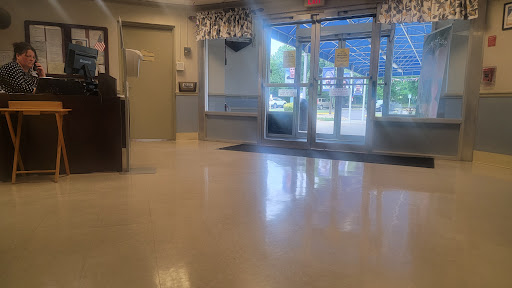
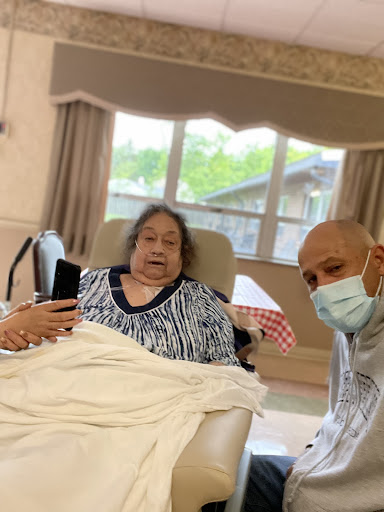
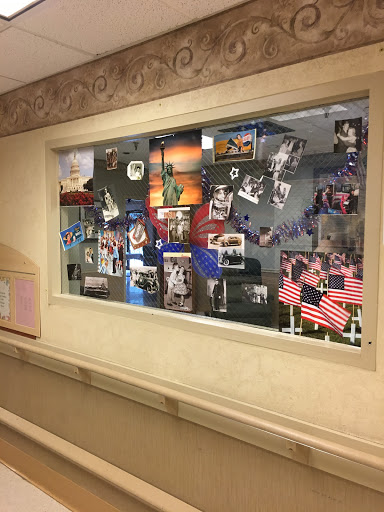
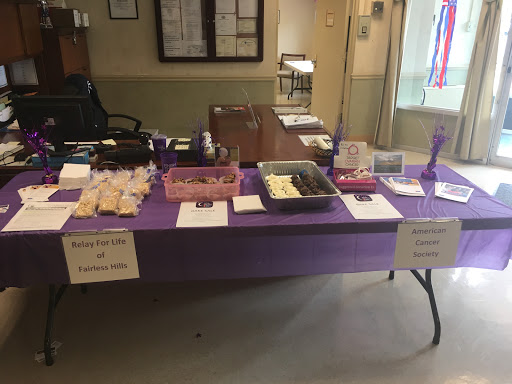
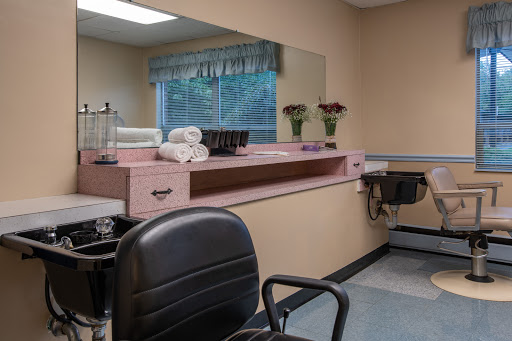
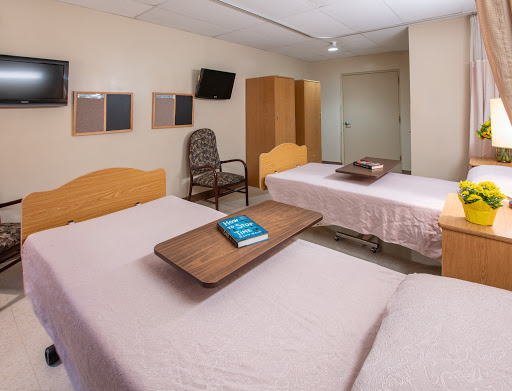
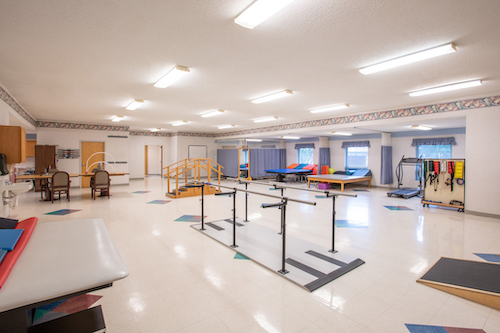
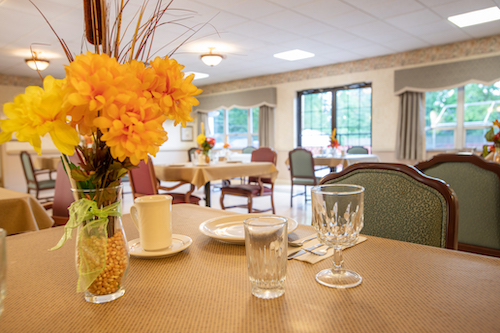
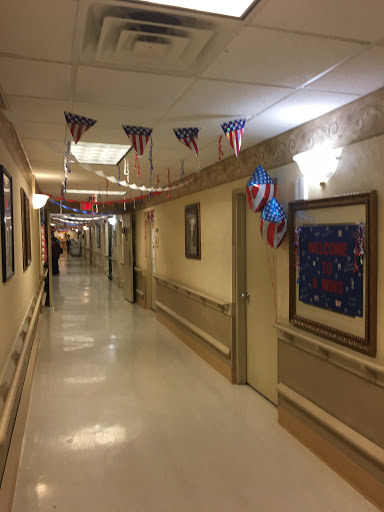
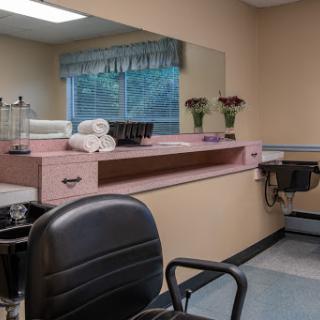
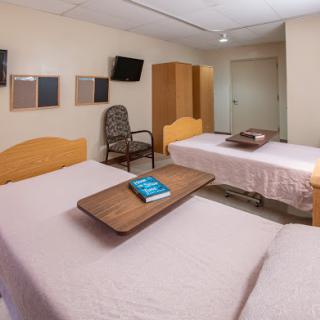
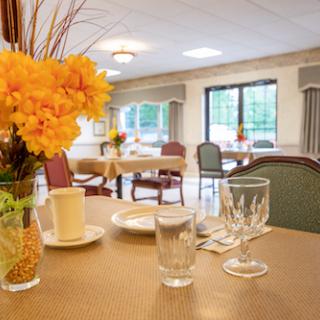
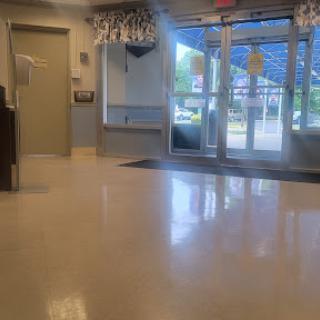
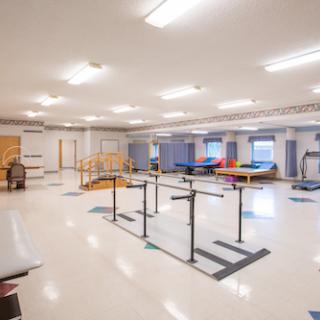
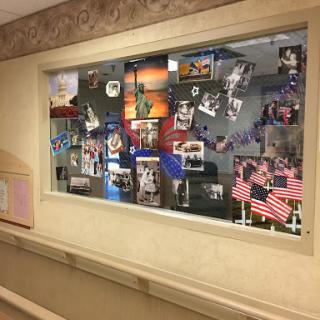
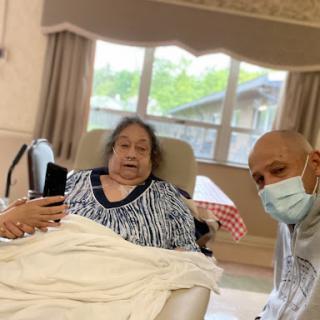
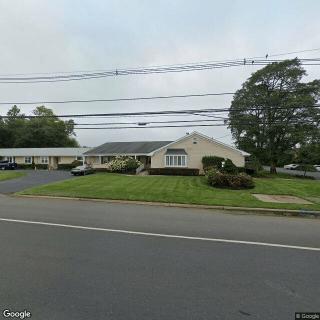
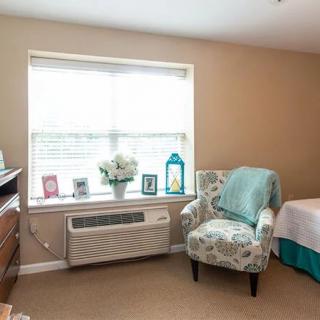
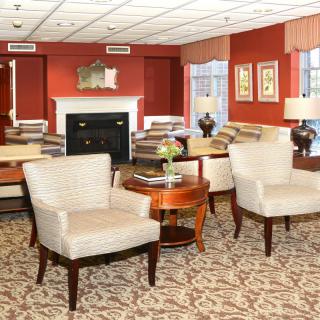
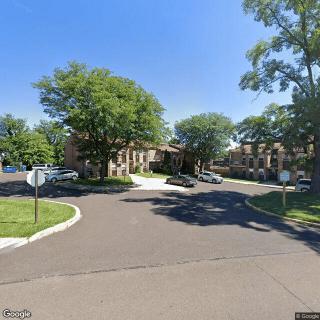
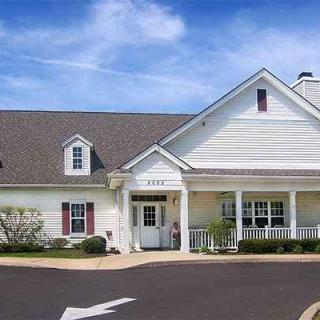
Statesman Health & Rehabilitation Center on seniors.fyi includes 10 photos including images showing interior, waiting area, dining, decor, healthcare, bedroom, television, rehabilitation, and more.
Nearby Communities
Woodbourne Place Senior Living Community
Levittown, PA
4.1 from 43 reviews
Comprehensive care options (assisted living, respite, skilled nursing) with restaurant-style dining, on-site amenities, and robust activities.
Woodbourne Place
Levittown, PA
4.3 from 103 reviews
$3,500 to $5,900 / month
Caring staff in a clean, welcoming community with engaging activities and good family communication.
Shanti Gardens
Levittown, PA
4.9 from 17 reviews
Round-the-clock trained staff with on-site/off-site activities and devotional services.
Heathergate at Oxford Valley
Langhorne, PA
4.1 from 40 reviews
$1,700 to $2,400 / month
Competitive pricing relative to Bucks County and PA averages.
Bayada Nurses
Langhorne, PA
3.3 from 10 reviews
Convenient access to dining, healthcare, worship, and parks.
Langhorne Gardens Health & Rehabilitation Center
Langhorne, PA
3.6 from 105 reviews
Wide range of on-site amenities and comprehensive 24/7 care
Oxford Crossings
Langhorne, PA
4.5 from 58 reviews
$4,550 to $5,550 / month
Kind, attentive staff; clean, welcoming environment with engaging activities.
Galilee Village Inc
Levittown, PA
2.8 from 17 reviews
Close proximity to cafes, pharmacies, restaurants, and hospitals.
Legacy Gardens of Bristol
Bristol, PA
4.1 from 35 reviews
$2,925 to $3,980 / month
Small, home-like setting with attentive staff and strong family communication.
Nonmedical home care provides assistance with daily activities and companionship for individuals wishing to maintain independence and quality of life at home, without medical intervention. Its growing popularity is driven by an aging population, the need for supportive environments for recovery, and the emotional benefits of caregiver companionship, while costs vary based on service frequency and location.
Maintaining cognitive fitness through engaging in various brain games, both traditional and digital, is crucial for seniors as it enhances memory retention, problem-solving abilities, and emotional well-being while helping to protect against age-related decline. A holistic approach that includes diverse activities, physical exercise, a balanced diet, and social interaction further supports mental health and cognitive function.
The article outlines strategies for keeping seniors' minds active through brain games and apps, highlighting the importance of cognitive exercises, social engagement, and a healthy lifestyle in combating cognitive decline. It emphasizes the benefits of various types of games and offers practical tips for maintaining mental wellness through enjoyable activities while acknowledging their limitations.
Exercise Equipment, Rehabilitation, Physical Therapy, and Fitness
Salon
Flag
Healthcare and Caregiver
Waiting Area
Additional Photos
Get PricingAsk A QuestionSchedule A TourContact Senior Advisor
By clicking submit, you agree to our Partner's Terms of Use. You
also consent to receive calls and texts, which may be autodialed, from our Partner. Your consent is not a condition to
using our Partner's service. Please visit our Partner's Privacy Policy for information about their privacy practices.




 101 resident community capacity
 Skilled Nursing Facility
 Air-conditioning
 Beauty salon
 Cable or satellite TV
 Computer center
 Dining room
 Fitness room
 Fully furnished
 Gaming room
 Garden
 Housekeeping services
 Kitchenette
 Move-in coordination
 Outdoor space
 Private bathrooms
 Restaurant-style dining
 Small library
 Telephone
 Wellness center
 Wi-Fi/high-speed internet available
 Trenton-Mercer County (8 miles away)
 Community operated transportation
 12-16 hour nursing
 24-hour call system
 Activities of daily living assistance
 Assistance with bathing
 Assistance with dressing
 Assistance with transfers
 Diabetes diet
 Medication management
 Mental wellness program
 Special dietary restrictions
 Concierge services
 Planned day trips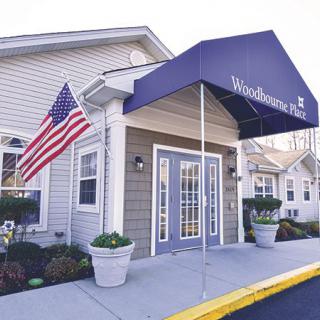
 Comprehensive care options (assisted living, respite, skilled nursing) with restaurant-style dining, on-site amenities, and robust activities.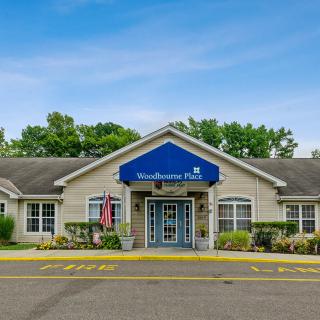

 Exploring Nonmedical Home Care: Understanding Services, Costs, and Financial Approaches
 Engaging Brain Games and Innovative Apps to Keep Senior Minds Active
 Effective Strategies for Keeping Seniors' Minds Active: A Deep Dive into Brain Games and Apps