Beechwood Center 2

589 Beechwood Circle, Langhorne, PA 19047

For more information about senior living options: (844) 490-3973

4.5 from 4 reviews
5 stars
3
4 stars
0
3 stars
1
2 stars
0
1 stars
0

Assisted Living Board and Care Home

What level of care are you interested in?

Assisted Living

Memory Care

Independent Living

Skilled Nursing Facility

Continuing Care Retirement Community (CCRC)CCRC

Other


Request a tour at Beechwood Center 2

    Overall Review of Beechwood Center 2

    Pros

    • pro The program helped the client meet new friends.
    • pro PT, OT, and speech therapy provided valuable support.
    • pro The case manager and job coach offered practical guidance.
    • pro Steve Robinson (bus driver) and Andrew (van driver) provided reliable transportation.
    • pro The lunch club and clubhouse activities created a welcoming routine.
    • pro They enjoyed researching military history, Lighthouse, and World War II Weekend.
    • pro Even with two days a week (Wednesday and Friday), the engagement remained meaningful.

    Cons

    • pro They feel disappointed that it is no longer what it used to be.
    • pro They are unhappy about the schedule being cut from five days a week to only two days (Wednesday and Friday).
    • pro They miss meeting new friends and the support from PT, OT, speech therapy, case manager, job coach, staff, and drivers that previously were part of the experience.
    • pro They perceive a diminished opportunity to participate in clubhouse activities, research, and events like WWII weekend.
    • pro They view the current arrangement as a decline from the past.

    Review

    I used to be a client here, and while the place I remember is no longer the same, the imprint of what it was still lingers in me. The sense of community, the steady flow of support, and the feeling of belonging didn't vanish so much as transform. What I experienced during those days feels like a chapter that remains even if the pages have changed. The place had a way of becoming a daily rhythm that shaped how I navigated life, even long after I stopped being a client in the old sense.

    Back then, the core of my days was connection. I came to meet new friends, and the path to that friendship was paved with the practical supports that surrounded us: physical therapy to keep moving, occupational therapy to tackle everyday tasks, and speech therapy to help us find the words and confidence to speak up. A case manager stood as a steady hand, guiding us through the maze of appointments and plans. A job coach helped translate our strengths into real-world opportunities, and there was a whole staff network whose steady presence made the days feel navigable rather than overwhelming. It wasn't just about treatment; it was about building a life that felt doable and worth waking up for.

    Alongside those formal supports, the everyday people who staffed the place became a core part of the experience. Steve Robinson, the bus driver, and Andrew, the van driver, were more than just names on a schedule. They were familiar faces who carried us through each week, shaping the daily routine with reliability and a friendly word when we needed one most. The staff, more broadly, created a sense of safety and continuity. Their involvement wasn't just procedural; it felt like they cared about how we were doing, day in and day out. That steady human presence gave us the confidence to try new things and to push a little further than we might have on our own.

    The activities we pursued inside and around the clubhouse painted a broader picture of who we could become. There was room to learn and to grow through exploration - research into military history, a project or interest that gave us something meaningful to study together. The word Lighthouse treads through the narrative as well, suggesting a place of guidance and illumination in our days. And there were outings or events that tied us to shared passions - things like the World War II Weekend - where the group could engage with history in a tangible, memorable way. The combination of hands-on work, shared interests, and structured group activities helped fuse our individual goals with a larger sense of purpose.

    Then changes began to bend the schedule in ways that were hard to miss. The program that had felt so all-encompassing went from five days a week down to two days a week - Wednesday and Friday, the rhythm reduced but not erased. The shift signaled a real transformation: a different scale, different priorities, different limits. There was a quiet, almost nostalgic sense to it, a recognition that the energy and the time once dedicated to a fuller calendar had been redistributed. It wasn't simply a matter of fewer days; it was the feeling that the world around us had shifted the ground we stood on, and we had to relearn how to move within it.

    Even with the schedule reduced, the impact of those years remains intact. The friendships formed, the skills learned, and the daily practice of showing up with curiosity and effort stayed with me long after the days of full participation ended. The support system - the therapists, the case managers, the job coaches, the drivers who became familiar faces - left a lasting imprint on how I approached challenges and opportunities. The clubhouse itself felt like a living organism, breathing through the people who gathered there and the activities that anchored us. It was more than a place to pass the time; it was a space where people could become more capable, more connected, more themselves.

    In the end, the experience was a testament to the power of sustained community and structured support. Even as the program altered - shrinking from five days to two, reshaping routines and expectations - the core values endured: making meaningful connections, pursuing growth, and having reliable people who showed up for you. The memories of those days - the friends made, the therapies embraced, the lunches shared, the historical curiosities pursued, and the sense of moving forward together - remain a lasting part of who I am. If you're stepping into a similar situation, the story here is not merely one of change; it's a reminder of the enduring value of a clubhouse that truly cares and a community that can carry you through both stability and upheaval.

    Features

    Housing

    • 8 resident community capacity 8 resident community capacity

    Types of Care

    • Assisted Living Assisted LivingAssisted living facilities provide crucial support and care for seniors who may need help with daily tasks such as medication management, bathing, and meal preparation. These communities offer a safe and comfortable environment where seniors can maintain their independence while receiving the assistance they need to thrive in their golden years.
    • Board and Care Home Board and Care HomeBoard and care homes provide a smaller, more intimate setting for seniors who require assistance with daily tasks but do not need the level of care offered by a nursing home. They offer personalized care, meals, and social activities in a homelike environment, ensuring that seniors receive individualized attention and support in their golden years.

    Amenities

    • Cable or satellite TV Cable or satellite TVCable or satellite TV is important for seniors because it provides entertainment, news, and companionship, helping to combat loneliness and boredom. It also offers a wide range of programming options tailored to different interests and preferences.
    • Dining room Dining roomDining rooms are important for seniors as they provide a space for socialization, connection, and nutritious meals. They offer opportunities for residents to bond over shared meals, foster a sense of community, and promote healthy eating habits. Dining rooms also ensure that seniors have access to well-balanced meals tailored to their dietary needs and preferences.
    • Fully furnished Fully furnishedFully furnished senior living communities are important for seniors because they provide convenience, comfort, and a hassle-free moving experience. Seniors can easily settle into their new living space without the stress of having to buy and move furniture. This allows them to focus on enjoying their new home and community.
    • Garden GardenGardens are important for seniors as they provide a peaceful and therapeutic environment for relaxation, physical activity, and socialization. Being in nature has been shown to reduce stress, improve mood, and promote overall well-being. Gardens also offer opportunities for seniors to engage in gardening activities, which can improve mobility, flexibility, and cognitive function. Additionally, gardens create a sense of community and connection with others who share a passion for plants and outdoor spaces.
    • Housekeeping services Housekeeping servicesHousekeeping services are important for seniors because they help maintain a clean and safe living environment, promote independence, and reduce the risk of accidents or illnesses. Additionally, having assistance with household chores can alleviate physical strain and allow seniors to focus on other aspects of their well-being.
    • Move-in coordination Move-in coordinationMove-in coordination is important for seniors because it helps ease the transition into their new living environment. It ensures that all logistics, such as packing, organizing movers, and setting up utilities are taken care of, allowing seniors to focus on settling in and adjusting to their new home. Having a smooth move-in process can alleviate stress and anxiety, making the transition smoother and more enjoyable for seniors.
    • Outdoor space Outdoor spaceOutdoor spaces are important for seniors as they provide opportunities for physical activity, social interaction, exposure to natural light and fresh air, and a sense of connection to nature. Having access to outdoor spaces can improve overall well-being and quality of life for older adults living in senior communities.
    • Telephone TelephoneTelephones are important for seniors as they provide a lifeline for communication with loved ones, emergency services, and healthcare providers. They offer a sense of security and independence, enabling seniors to stay connected and access assistance when needed.
    • Wi-Fi/high-speed internet available Wi-Fi/high-speed internet availableWi-Fi/high-speed internet is important for seniors to stay connected with loved ones, access online resources, and participate in virtual activities to combat feelings of loneliness and isolation. It also allows them to easily manage healthcare needs, access entertainment, and engage in lifelong learning opportunities.

    Transportation

    • Trenton-Mercer County (9 miles away) Trenton-Mercer County (9 miles away)

    Care Services

    • 24-hour supervision 24-hour supervision24-hour supervision is important for seniors to ensure their safety, well-being, and access to immediate assistance in case of emergencies or health issues. This constant support provides peace of mind for both seniors and their loved ones, allowing them to age in place with dignity and security.
    • Activities of daily living assistance Activities of daily living assistanceActivities of daily living assistance are important for seniors because they provide essential support with tasks such as eating, bathing, dressing, and mobility. This assistance helps seniors maintain their independence, dignity, and overall quality of life as they age.
    • Assistance with bathing Assistance with bathingAssistance with bathing is crucial for seniors as it helps maintain personal hygiene, prevents infections, and ensures their overall well-being and comfort. It also provides a sense of dignity and independence for seniors who may struggle with this task on their own.
    • Assistance with dressing Assistance with dressingAssistance with dressing is important for seniors because it helps maintain their independence, promotes personal hygiene, prevents accidents and injuries, and improves overall quality of life. This service ensures that seniors can continue to dress comfortably and confidently, despite any physical limitations they may have.
    • Assistance with transfers Assistance with transfersAssistance with transfers is crucial for seniors as it helps prevent falls and injuries, maintains their independence, and ensures they can safely navigate their living environment. It also provides peace of mind for both seniors and their loved ones.
    • Coordination with health care providers Coordination with health care providersCoordination with health care providers is crucial for seniors to ensure proper medical care, medication management, and overall well-being. This collaboration helps prevent overlapping treatments, track progress more effectively, and provide comprehensive support tailored to individual needs.
    • Diabetes diet Diabetes dietA diabetes diet is crucial for seniors as it helps manage blood sugar levels, reduce risks of complications, and improve overall health and well-being. By following a balanced and nutritious diet tailored to their specific needs, seniors can better control their diabetes and enhance their quality of life.
    • Meal preparation and service Meal preparation and serviceMeal preparation and service are crucial for seniors as they may have limited mobility or energy to cook nutritious meals. Having access to healthy and convenient food options can ensure they are getting the proper nutrition needed to maintain their overall health and well-being.
    • Medication management Medication managementMedication management is crucial for seniors to ensure they are taking the right medications at the correct dosages and times. This helps prevent adverse drug interactions, reduces the risk of medication errors, and promotes overall health and well-being. Proactive management also allows for adjustments as needed based on changing health conditions or new prescriptions.
    • Special dietary restrictions Special dietary restrictionsSpecial dietary restrictions are important for seniors because age-related changes in metabolism and health conditions can make it difficult for their bodies to process certain foods. By following a diet tailored to their specific needs, seniors can maintain their overall health and well-being, manage chronic conditions, and reduce the risk of complications such as malnutrition or food interactions with medications.
    • Transportation arrangement (medical) Transportation arrangement (medical)Transportation arrangements for medical purposes are essential for seniors as they may have difficulty driving themselves to appointments or accessing public transportation. Having reliable and safe transportation options ensures that seniors can receive timely medical care and maintain their health and well-being.
    • Transportation to doctors appointments Transportation to doctors appointmentsTransportation to doctors' appointments is crucial for seniors as it ensures they have access to necessary medical care and support for their health needs. Without reliable transportation, seniors may struggle to attend important appointments, leading to potential delays in treatment and health complications. Providing transportation services helps seniors maintain their overall well-being and quality of life.

    Dining

    • Diabetes diet Diabetes dietA diabetes diet is crucial for seniors as it helps manage blood sugar levels, reduce risks of complications, and improve overall health and well-being. By following a balanced and nutritious diet tailored to their specific needs, seniors can better control their diabetes and enhance their quality of life.
    • Special dietary restrictions Special dietary restrictionsSpecial dietary restrictions are important for seniors because age-related changes in metabolism and health conditions can make it difficult for their bodies to process certain foods. By following a diet tailored to their specific needs, seniors can maintain their overall health and well-being, manage chronic conditions, and reduce the risk of complications such as malnutrition or food interactions with medications.

    Activities

    • Community-sponsored activities Community-sponsored activitiesCommunity-sponsored activities are important for seniors as they provide opportunities for social interaction, mental stimulation, and physical activity. These activities can help improve overall well-being, combat loneliness and isolation, and promote a sense of belonging and purpose among older adults.
    • Scheduled daily activities Scheduled daily activitiesScheduled daily activities are important for seniors because they provide structure, socialization, mental stimulation, and physical activity. Engaging in regular activities can improve overall well-being and quality of life for seniors living in a community setting.

    Description

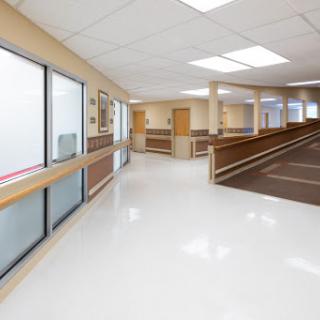
    Beechwood Center 2 in Langhorne, PA is a board and care home that offers a comfortable and supportive living environment for seniors. The center provides all necessary amenities to ensure residents' well-being, including a spacious dining room, fully furnished rooms, and a beautiful garden for outdoor relaxation. Housekeeping services are also provided to maintain cleanliness and tidiness.

    At Beechwood Center 2, the staff assists with activities of daily living such as bathing, dressing, and transfers. They also coordinate with healthcare providers to ensure that all medical needs are met. Special attention is given to those with diabetes, as the center provides diabetes diets and medication management.

    Meals at this assisted living community are prepared according to special dietary restrictions if needed. Transportation arrangements can be made for medical appointments to ensure residents have access to necessary healthcare services.

    Residents at Beechwood Center 2 can enjoy scheduled daily activities that promote social engagement and overall well-being. Additionally, the community is conveniently located near various amenities such as cafes, parks, pharmacies, physicians' offices, restaurants, places of worship, theaters, and hospitals.

    Overall, Beechwood Center 2 in Langhorne provides a caring and supportive environment where seniors can receive assistance with daily tasks while enjoying a range of amenities and easy access to nearby services and attractions.

    Nearby Places of Interest

    Restaurants

    • J.B. Dawson's Restaurant & Bar (0.4 miles)
    • McDonald's (4 miles)
    • Bruster's Real Ice Cream (4.1 miles)
    • Iron Hill Brewery & Restaurant (4.2 miles)
    • Chick-Fil-A (4.3 miles)
    • McDonald's (5.4 miles)
    • Taco Bell (5.4 miles)

    Pharmacies

    • Rite Aid (0.4 miles)
    • Walgreens (2.2 miles)
    • CVS Pharmacy (2.8 miles)
    • Walgreens (3.3 miles)
    • CVS Pharmacy (3.4 miles)
    • CVS Pharmacy (3.4 miles)
    • Rite Aid (3.5 miles)

    Physicians

    • Wilson Dermatology & Skin Care (1.4 miles)
    • Oral & Maxillofacial Surgery Centers (3.1 miles)
    • CHOP Primary Care (3.2 miles)
    • Stoltz and Hahn Family Practice (4.8 miles)
    • Wrightstown Family Medicine (7.3 miles)
    • Wrightstown Family Medicine (7.6 miles)
    • Delaware Valley Family Eye Care (7.7 miles)

    Hospitals

    • St Mary Rehab Hospital (1.9 miles)
    • Frankford Hospital-Bucks County (2.4 miles)
    • Trenton Psychiatric Hospital (7.1 miles)
    • Mercer Family Health Center (8 miles)
    • Jefferson Torresdale Hospital (8.3 miles)
    • Holy Redeemer Hospital (10.1 miles)

    Cafes

    • Starbucks (2.9 miles)
    • Starbucks (10 miles)
    • Starbucks (10.5 miles)

    Theaters

    • AMC Neshaminy 24 (3.4 miles)

    Places of Worship

    • St Luke's Episcopal Church (3.7 miles)
    • New Beginnings Church (10.4 miles)

    Parks

    • Tyler State Park (4.2 miles)
    • Delaware River Canal Tow Path (6 miles)
    • Columbus Park (7.9 miles)
    • Cadwalader Park (8.2 miles)
    • Washington Crossing Historic Park (8.4 miles)

    Transportation

    • Trenton-Mercer Airport (TTN) (8.4 miles)
    • Trenton Transit Center (8.8 miles)
    • Septa Warminster Train Stn (9.4 miles)

    Frequently Asked Questions

    Where is Beechwood Center 2?

    Nearby Communities

    Related Resources

    • how to pay for assisted livingSecuring Financial Support for Assisted Living: A Comprehensive Overview

      Assisted living facilities offer crucial support for older adults needing help with daily activities but come with varying and significant costs, which can be financed through personal savings, government assistance programs, long-term care insurance, and home equity options. Professional guidance from experts can aid families in navigating these financial complexities to establish a sustainable budgeting approach for assisted living services.

    • assisted living for seniors on social securitySocial Security Benefits and Assisted Living: Navigating Options Across the U.S.

      Assisted living costs often exceed Social Security benefits, necessitating a combination of funding sources like state aid and Medicaid. Understanding the interaction between Social Security programs and available financial support is essential for affording such care.

    • aid and attendance vaAn Extensive Exploration of the VA Aid and Attendance Benefit

      The VA Aid and Attendance benefit provides financial support to veterans needing assistance with daily living due to medical conditions or disabilities, augmenting standard VA pensions for services like in-home care. Eligibility is based on service duration, wartime status, income, and medical needs, with a detailed application process required to access funds for caregiving and home modifications.


    Get Pricing Ask A Question Schedule A Tour Contact Senior Advisor